A1 · Beginner
Sudanese Independence Day: A Great Celebration of Freedom
On January first, Sudanese people remember when their nation gained freedom, raising flags, singing songs, and sharing sweets.
The Parliamentary Declaration and the January 1st Inception
On December 19, 1955, parliament voted to declare Sudan an independent free state.
Sudan officially gained sovereignty on January 1, 1956, ending foreign colonial rule.
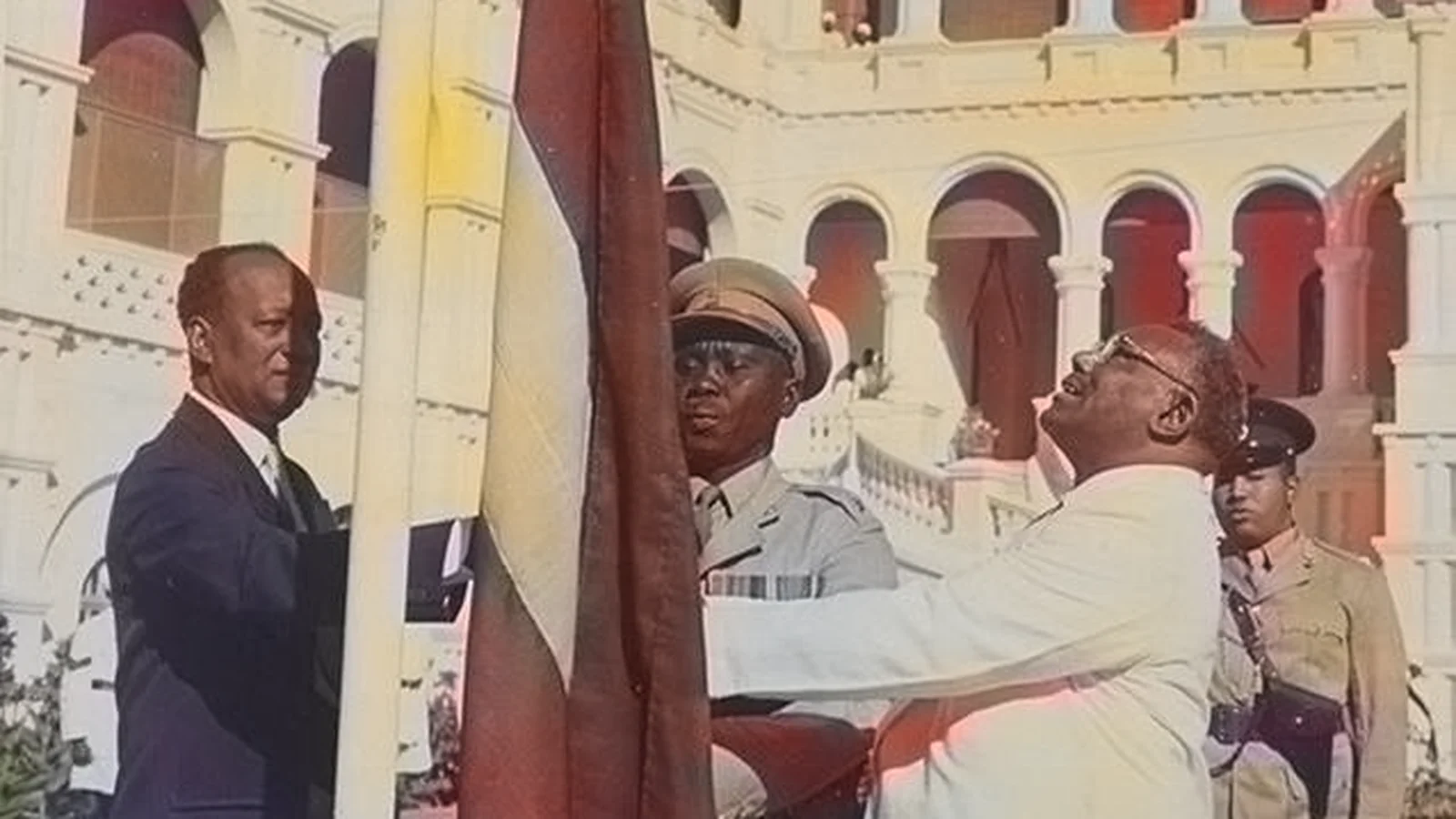
National leaders raised the new flag together at the Republican Palace in Khartoum.
The first flag had blue, yellow, and green stripes for river water, desert, and farms.
People remember both the December vote and the January ceremony as days of freedom.
British and Egyptian officials signed papers to transfer authority before leaving government offices.
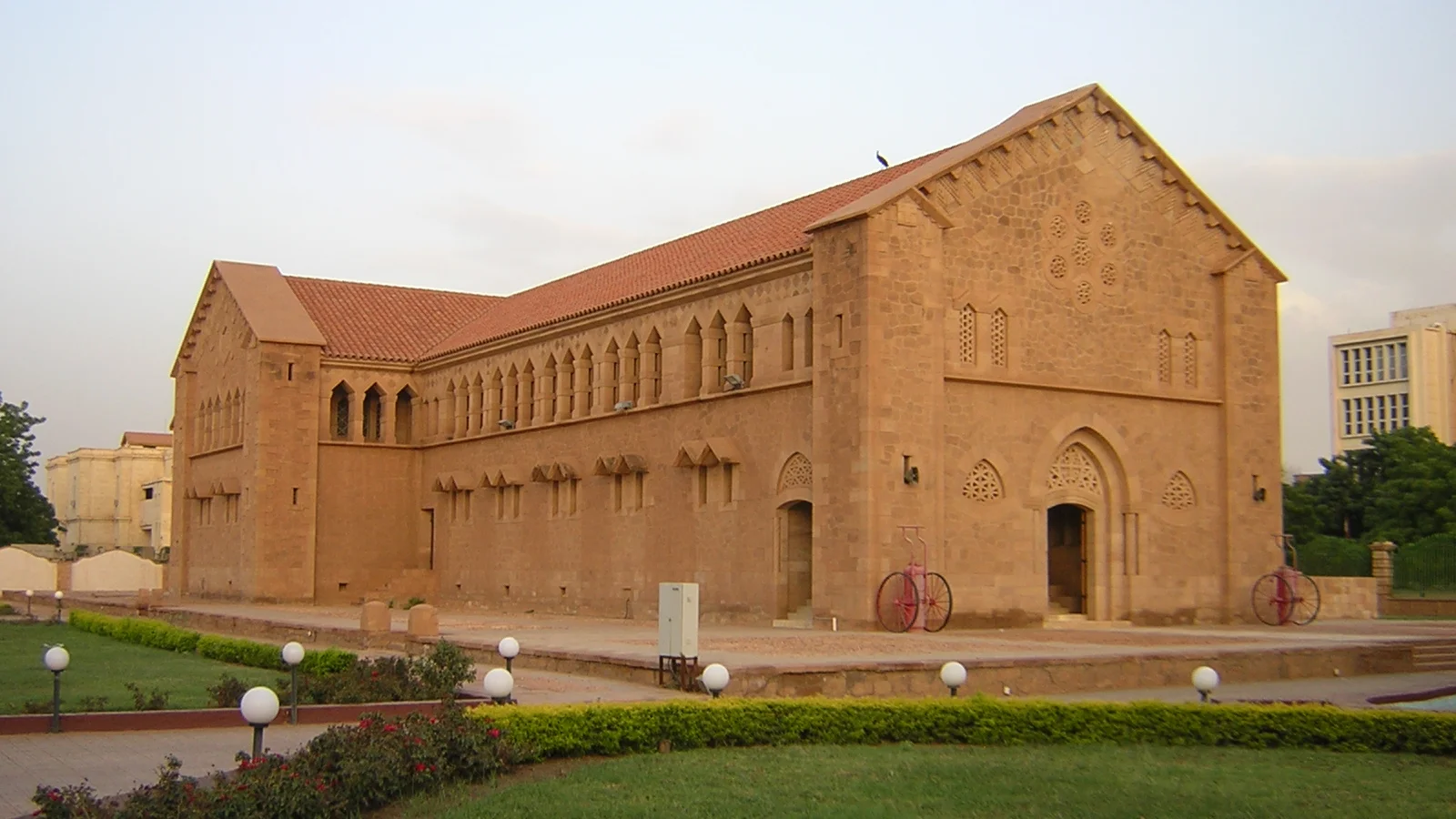
Civic Ceremonies, Military Parades, and Municipal Illuminations
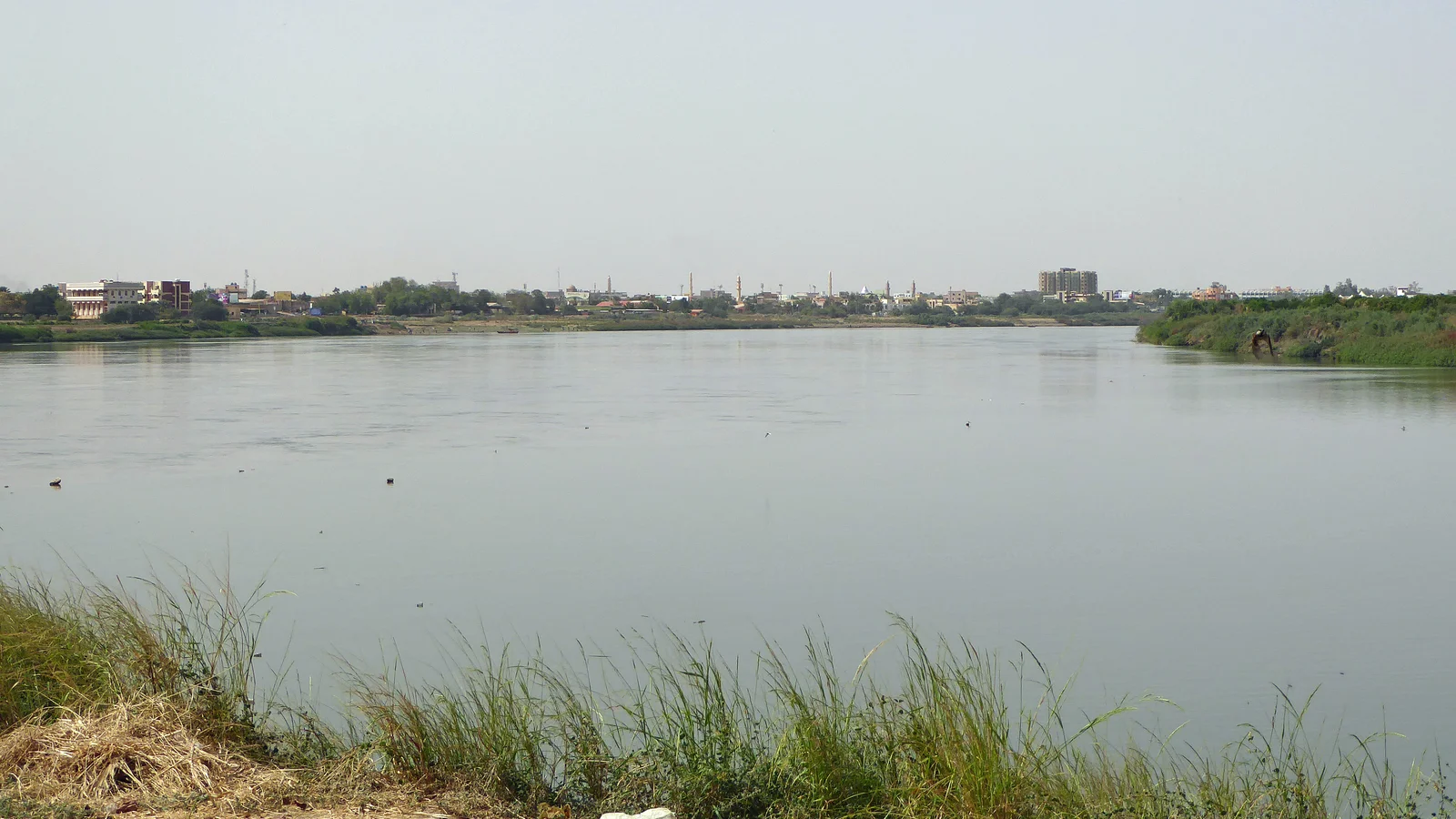
Cannons fire twenty-one loud shots over the Nile river at sunrise on January first.
Leaders place flower wreaths at stone monuments to honor fallen national heroes.
Soldiers and police march in smart uniform lines along Nile Avenue in the capital.
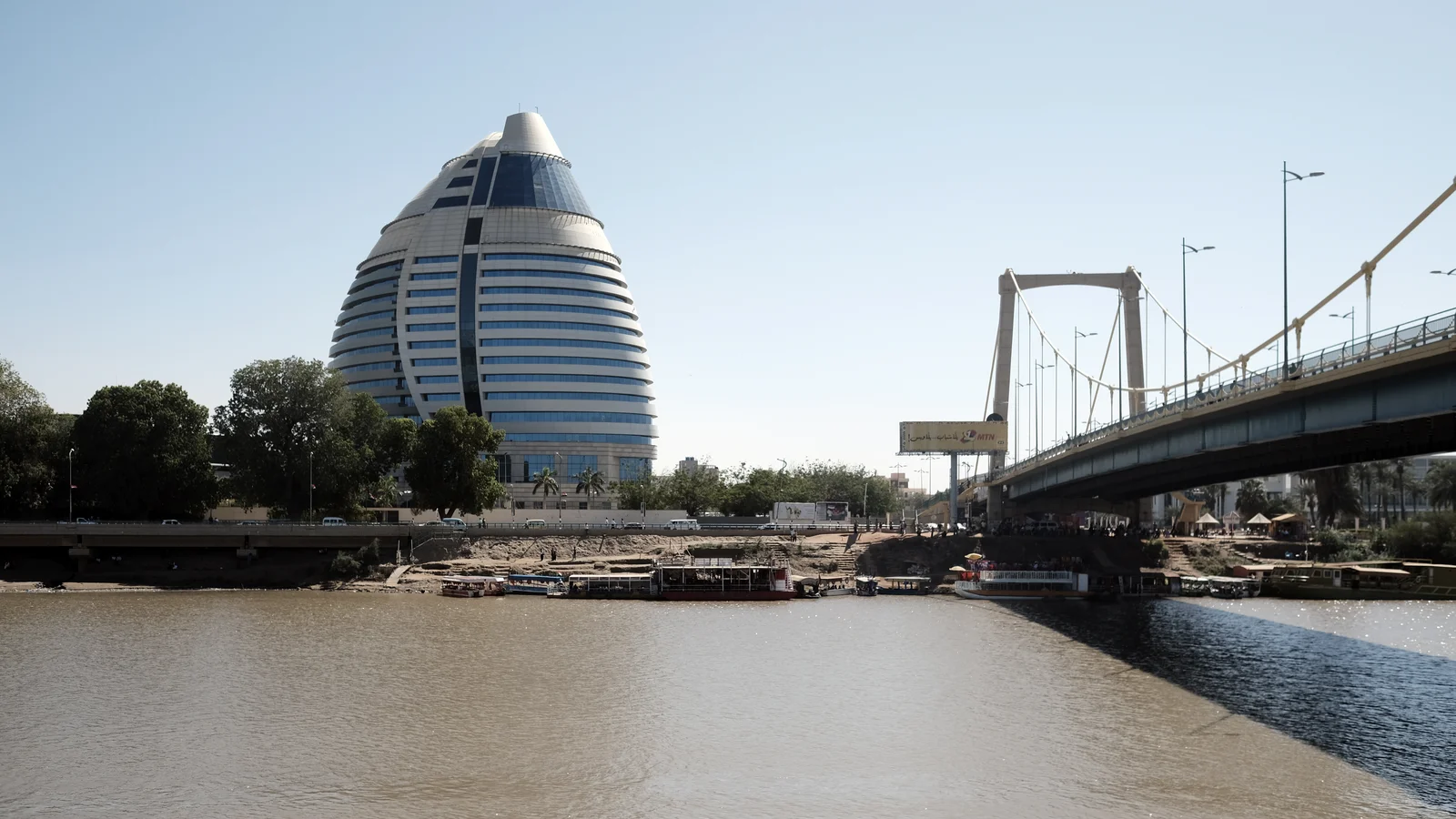
City workers turn on bright green, blue, and yellow floodlights across bridges and towers.
School students read famous patriotic poems written by great Sudanese writers.
Radio and television stations play old audio recordings of the first independence speeches.
Popular Assemblies, Musical Concerts, and Omdurman Folk Gatherings
Crowds gather in Omdurman squares to sing famous songs like Ya Watani together.
Families bring children to green public parks where kids wave small paper flags.
Young neighbors set up tables to share hot spiced tea and sweet zalabia fritters.
Sports clubs hold holiday football matches and boat races on the calm river.
Boy scouts and girl guides clean neighborhood paths and plant young green trees.
Dancers in provincial towns perform traditional dances to celebrate the national holiday.
Political Evolution, Revolutions, and Contemporary Observance in Refuge
Civic groups linked independence with popular revolutions in 1964, 1985, and 2018.
Neighborhood groups held peaceful public meetings to remember fallen heroes and ask for justice.
State holiday ceremonies moved to Port Sudan on the Red Sea coast during wartime.
Sudanese families gathered in Cairo and Nairobi to hold quiet meetings on January first.
Writers created digital websites to save precious history papers and recorded memories.
The holiday reminds every citizen of their shared promise to live in a free state.
A2 · Elementary
Sudanese Independence Day: Commemorative Calendars, National Symbols, and Living Civic Memory
From the 1956 flag raising at the Republican Palace to neighborhood tea tables and modern vigils, Sudan marks its sovereignty.
The Parliamentary Declaration and the January 1st Inception
On December 19, 1955, the Sudanese Parliament unanimously passed a historic resolution declaring that Sudan was to become a fully independent sovereign state. Sudan officially achieved sovereignty on January 1, 1956, terminating fifty-seven years of joint British and Egyptian colonial condominium rule. During the inaugural ceremony at the Republican Palace in Khartoum, Prime Minister Ismail al-Azhari and opposition leader Mohamed Ahmed Mahgoub jointly hoisted the new Sudanese national flag.
The original 1956 national flag featured horizontal tricolor bands of blue, yellow, and green, symbolizing the Nile River, the arid desert sands, and fertile agrarian lands. The national commemorative calendar links December 19 and January 1, prompting ongoing civic debates regarding whether the legislative vote or the executive transfer represents the primary moment of liberty. Representatives of both the United Kingdom and the Republic of Egypt formally signed the instruments of transfer before departed administrative personnel vacated colonial offices.
Civic Ceremonies, Military Parades, and Municipal Illuminations
Annual official observances commence at sunrise on January 1st with a ceremonial twenty-one-gun artillery salute echoing across the confluence of the Blue and White Niles. State dignitaries lay ceremonial wreaths at monuments honoring national martyrs before inspecting military honor guards along the manicured riverfront palace grounds. Formal military and police units conduct disciplined street parades along Nile Avenue, featuring mounted cavalry, brass marching bands, and ceremonial flag bearers.
Municipal engineers illuminate public bridges, government ministries, and historic towers with powerful decorative floodlights matching the colors of the national flag. Secondary schools hold student recitations of patriotic anthems and verses composed by renowned nationalist poets such as Khalil Farah and Mohamed al-Mahdi al-Majzoub. National television and radio stations broadcast archival audio recordings of the 1956 independence speeches to remind citizens of early constitutional aspirations.
Popular Assemblies, Musical Concerts, and Omdurman Folk Gatherings
In Omdurman, community gatherings in public squares feature live performances of patriotic songs, including the celebrated anthem Ya Watani by poet Ibrahim al-Abadi. Families assemble in expansive civic parks, such as Al-Saha Al-Khadra and Mogran Family Park, where children wave miniature flags and attend open-air theatrical revues. Neighborhood youth organize communal outdoor hospitality tables, serving hot spiced tea, zalabia fritters, and sweet dates to passersby along residential lanes.
Municipal sports federations organize holiday football matches and river swimming regattas, drawing enthusiastic neighborhood spectators to local athletic grounds. Sudanese boy scout and girl guide brigades march through neighborhood districts, organizing community sanitation drives and planting shade trees in public squares. In provincial capitals from Nyala to Wad Madani, local musical troupes stage regional folk dances that merge indigenous cultural expressions with nationwide holiday festivities.
Political Evolution, Revolutions, and Contemporary Observance in Refuge
Over decades of political turbulence, civic movements linked Independence Day with historic popular revolutions in 1964, 1985, and 2018 to demand democratic accountability. Neighborhood resistance committees transformed holiday street gatherings into peaceful public forums, displaying photographs of fallen activists and demanding civil liberties. Following the outbreak of armed conflict in 2023, official state observances relocated to the Red Sea port city of Port Sudan, functioning under solemn security protocols.
Displaced Sudanese citizens gathered in Cairo, Kampala, and Nairobi to mark January 1st through silent vigils, historical seminars, and charity fundraisers. Writers and archivists launched online digital repositories to preserve endangered historical documents and oral testimonies detailing early struggles for national self-determination. Despite acute national fragmentation and conflict, the annual observance remains a powerful touchstone reminding citizens of their shared historical commitment to sovereign statehood.
B1 · Intermediate
Parliamentary Sovereignty, Decolonization Protocols, and Public Commemoration in Sudan
An analytical study of the December 1955 declaration, 1956 palace protocols, Nile Avenue military parades, and patriotic anthems.
The Parliamentary Declaration and the January 1st Inception
On December 19, 1955, the Sudanese Parliament unanimously passed a historic resolution declaring that Sudan was to become a fully independent sovereign state. Sudan officially achieved sovereignty on January 1, 1956, terminating fifty-seven years of joint British and Egyptian colonial condominium rule. During the inaugural ceremony at the Republican Palace in Khartoum, Prime Minister Ismail al-Azhari and opposition leader Mohamed Ahmed Mahgoub jointly hoisted the new Sudanese national flag.
The original 1956 national flag featured horizontal tricolor bands of blue, yellow, and green, symbolizing the Nile River, the arid desert sands, and fertile agrarian lands. The national commemorative calendar links December 19 and January 1, prompting ongoing civic debates regarding whether the legislative vote or the executive transfer represents the primary moment of liberty. Representatives of both the United Kingdom and the Republic of Egypt formally signed the instruments of transfer before departed administrative personnel vacated colonial offices.
Civic Ceremonies, Military Parades, and Municipal Illuminations
Annual official observances commence at sunrise on January 1st with a ceremonial twenty-one-gun artillery salute echoing across the confluence of the Blue and White Niles. State dignitaries lay ceremonial wreaths at monuments honoring national martyrs before inspecting military honor guards along the manicured riverfront palace grounds. Formal military and police units conduct disciplined street parades along Nile Avenue, featuring mounted cavalry, brass marching bands, and ceremonial flag bearers.
Municipal engineers illuminate public bridges, government ministries, and historic towers with powerful decorative floodlights matching the colors of the national flag. Secondary schools hold student recitations of patriotic anthems and verses composed by renowned nationalist poets such as Khalil Farah and Mohamed al-Mahdi al-Majzoub. National television and radio stations broadcast archival audio recordings of the 1956 independence speeches to remind citizens of early constitutional aspirations.
Popular Assemblies, Musical Concerts, and Omdurman Folk Gatherings
In Omdurman, community gatherings in public squares feature live performances of patriotic songs, including the celebrated anthem Ya Watani by poet Ibrahim al-Abadi. Families assemble in expansive civic parks, such as Al-Saha Al-Khadra and Mogran Family Park, where children wave miniature flags and attend open-air theatrical revues. Neighborhood youth organize communal outdoor hospitality tables, serving hot spiced tea, zalabia fritters, and sweet dates to passersby along residential lanes.
Municipal sports federations organize holiday football matches and river swimming regattas, drawing enthusiastic neighborhood spectators to local athletic grounds. Sudanese boy scout and girl guide brigades march through neighborhood districts, organizing community sanitation drives and planting shade trees in public squares. In provincial capitals from Nyala to Wad Madani, local musical troupes stage regional folk dances that merge indigenous cultural expressions with nationwide holiday festivities.
Political Evolution, Revolutions, and Contemporary Observance in Refuge
Over decades of political turbulence, civic movements linked Independence Day with historic popular revolutions in 1964, 1985, and 2018 to demand democratic accountability. Neighborhood resistance committees transformed holiday street gatherings into peaceful public forums, displaying photographs of fallen activists and demanding civil liberties. Following the outbreak of armed conflict in 2023, official state observances relocated to the Red Sea port city of Port Sudan, functioning under solemn security protocols.
Displaced Sudanese citizens gathered in Cairo, Kampala, and Nairobi to mark January 1st through silent vigils, historical seminars, and charity fundraisers. Writers and archivists launched online digital repositories to preserve endangered historical documents and oral testimonies detailing early struggles for national self-determination. Despite acute national fragmentation and conflict, the annual observance remains a powerful touchstone reminding citizens of their shared historical commitment to sovereign statehood.
B2 · Upper Intermediate
Constitutional Historiography, Urban Pageantry, and Revolutionary Memory on Independence Day
Investigating tricolor vexillological symbolism, municipal architectural floodlighting, neighborhood hospitality rituals, and wartime resilience.
The Parliamentary Declaration and the January 1st Inception
On December 19, 1955, the Sudanese Parliament unanimously passed a historic resolution declaring that Sudan was to become a fully independent sovereign state. Sudan officially achieved sovereignty on January 1, 1956, terminating fifty-seven years of joint British and Egyptian colonial condominium rule. During the inaugural ceremony at the Republican Palace in Khartoum, Prime Minister Ismail al-Azhari and opposition leader Mohamed Ahmed Mahgoub jointly hoisted the new Sudanese national flag.
The original 1956 national flag featured horizontal tricolor bands of blue, yellow, and green, symbolizing the Nile River, the arid desert sands, and fertile agrarian lands. The national commemorative calendar links December 19 and January 1, prompting ongoing civic debates regarding whether the legislative vote or the executive transfer represents the primary moment of liberty. Representatives of both the United Kingdom and the Republic of Egypt formally signed the instruments of transfer before departed administrative personnel vacated colonial offices.
Civic Ceremonies, Military Parades, and Municipal Illuminations
Annual official observances commence at sunrise on January 1st with a ceremonial twenty-one-gun artillery salute echoing across the confluence of the Blue and White Niles. State dignitaries lay ceremonial wreaths at monuments honoring national martyrs before inspecting military honor guards along the manicured riverfront palace grounds. Formal military and police units conduct disciplined street parades along Nile Avenue, featuring mounted cavalry, brass marching bands, and ceremonial flag bearers.
Municipal engineers illuminate public bridges, government ministries, and historic towers with powerful decorative floodlights matching the colors of the national flag. Secondary schools hold student recitations of patriotic anthems and verses composed by renowned nationalist poets such as Khalil Farah and Mohamed al-Mahdi al-Majzoub. National television and radio stations broadcast archival audio recordings of the 1956 independence speeches to remind citizens of early constitutional aspirations.
Popular Assemblies, Musical Concerts, and Omdurman Folk Gatherings
In Omdurman, community gatherings in public squares feature live performances of patriotic songs, including the celebrated anthem Ya Watani by poet Ibrahim al-Abadi. Families assemble in expansive civic parks, such as Al-Saha Al-Khadra and Mogran Family Park, where children wave miniature flags and attend open-air theatrical revues. Neighborhood youth organize communal outdoor hospitality tables, serving hot spiced tea, zalabia fritters, and sweet dates to passersby along residential lanes.
Municipal sports federations organize holiday football matches and river swimming regattas, drawing enthusiastic neighborhood spectators to local athletic grounds. Sudanese boy scout and girl guide brigades march through neighborhood districts, organizing community sanitation drives and planting shade trees in public squares. In provincial capitals from Nyala to Wad Madani, local musical troupes stage regional folk dances that merge indigenous cultural expressions with nationwide holiday festivities.
Political Evolution, Revolutions, and Contemporary Observance in Refuge
Over decades of political turbulence, civic movements linked Independence Day with historic popular revolutions in 1964, 1985, and 2018 to demand democratic accountability. Neighborhood resistance committees transformed holiday street gatherings into peaceful public forums, displaying photographs of fallen activists and demanding civil liberties. Following the outbreak of armed conflict in 2023, official state observances relocated to the Red Sea port city of Port Sudan, functioning under solemn security protocols.
Displaced Sudanese citizens gathered in Cairo, Kampala, and Nairobi to mark January 1st through silent vigils, historical seminars, and charity fundraisers. Writers and archivists launched online digital repositories to preserve endangered historical documents and oral testimonies detailing early struggles for national self-determination. Despite acute national fragmentation and conflict, the annual observance remains a powerful touchstone reminding citizens of their shared historical commitment to sovereign statehood.
C1 · Advanced
Decolonization Jurisprudence, Civic Spatial Rituals, and Political Commemoration in Sudan
A critical examination of condominium transfer treaties, Khalil Farah's poetic legacy, grassroots resistance committees, and diaspora solidarity.
The Parliamentary Declaration and the January 1st Inception
On December 19, 1955, the Sudanese Parliament unanimously passed a historic resolution declaring that Sudan was to become a fully independent sovereign state. Sudan officially achieved sovereignty on January 1, 1956, terminating fifty-seven years of joint British and Egyptian colonial condominium rule. During the inaugural ceremony at the Republican Palace in Khartoum, Prime Minister Ismail al-Azhari and opposition leader Mohamed Ahmed Mahgoub jointly hoisted the new Sudanese national flag.
The original 1956 national flag featured horizontal tricolor bands of blue, yellow, and green, symbolizing the Nile River, the arid desert sands, and fertile agrarian lands. The national commemorative calendar links December 19 and January 1, prompting ongoing civic debates regarding whether the legislative vote or the executive transfer represents the primary moment of liberty. Representatives of both the United Kingdom and the Republic of Egypt formally signed the instruments of transfer before departed administrative personnel vacated colonial offices.
Civic Ceremonies, Military Parades, and Municipal Illuminations
Annual official observances commence at sunrise on January 1st with a ceremonial twenty-one-gun artillery salute echoing across the confluence of the Blue and White Niles. State dignitaries lay ceremonial wreaths at monuments honoring national martyrs before inspecting military honor guards along the manicured riverfront palace grounds. Formal military and police units conduct disciplined street parades along Nile Avenue, featuring mounted cavalry, brass marching bands, and ceremonial flag bearers.
Municipal engineers illuminate public bridges, government ministries, and historic towers with powerful decorative floodlights matching the colors of the national flag. Secondary schools hold student recitations of patriotic anthems and verses composed by renowned nationalist poets such as Khalil Farah and Mohamed al-Mahdi al-Majzoub. National television and radio stations broadcast archival audio recordings of the 1956 independence speeches to remind citizens of early constitutional aspirations.
Popular Assemblies, Musical Concerts, and Omdurman Folk Gatherings
In Omdurman, community gatherings in public squares feature live performances of patriotic songs, including the celebrated anthem Ya Watani by poet Ibrahim al-Abadi. Families assemble in expansive civic parks, such as Al-Saha Al-Khadra and Mogran Family Park, where children wave miniature flags and attend open-air theatrical revues. Neighborhood youth organize communal outdoor hospitality tables, serving hot spiced tea, zalabia fritters, and sweet dates to passersby along residential lanes.
Municipal sports federations organize holiday football matches and river swimming regattas, drawing enthusiastic neighborhood spectators to local athletic grounds. Sudanese boy scout and girl guide brigades march through neighborhood districts, organizing community sanitation drives and planting shade trees in public squares. In provincial capitals from Nyala to Wad Madani, local musical troupes stage regional folk dances that merge indigenous cultural expressions with nationwide holiday festivities.
Political Evolution, Revolutions, and Contemporary Observance in Refuge
Over decades of political turbulence, civic movements linked Independence Day with historic popular revolutions in 1964, 1985, and 2018 to demand democratic accountability. Neighborhood resistance committees transformed holiday street gatherings into peaceful public forums, displaying photographs of fallen activists and demanding civil liberties. Following the outbreak of armed conflict in 2023, official state observances relocated to the Red Sea port city of Port Sudan, functioning under solemn security protocols.
Displaced Sudanese citizens gathered in Cairo, Kampala, and Nairobi to mark January 1st through silent vigils, historical seminars, and charity fundraisers. Writers and archivists launched online digital repositories to preserve endangered historical documents and oral testimonies detailing early struggles for national self-determination. Despite acute national fragmentation and conflict, the annual observance remains a powerful touchstone reminding citizens of their shared historical commitment to sovereign statehood.
C2 · Mastery
Middle Nile Decolonization, Vexillological Symbolism, and Intangible Civic Heritage of Independence Day
A comprehensive analytical monograph detailing parliamentary unanimous declarations, Republican Palace ceremonial choreography, and diaspora memory.
The Parliamentary Declaration and the January 1st Inception
On December 19, 1955, the Sudanese Parliament unanimously passed a historic resolution declaring that Sudan was to become a fully independent sovereign state. Sudan officially achieved sovereignty on January 1, 1956, terminating fifty-seven years of joint British and Egyptian colonial condominium rule. During the inaugural ceremony at the Republican Palace in Khartoum, Prime Minister Ismail al-Azhari and opposition leader Mohamed Ahmed Mahgoub jointly hoisted the new Sudanese national flag.
The original 1956 national flag featured horizontal tricolor bands of blue, yellow, and green, symbolizing the Nile River, the arid desert sands, and fertile agrarian lands. The national commemorative calendar links December 19 and January 1, prompting ongoing civic debates regarding whether the legislative vote or the executive transfer represents the primary moment of liberty. Representatives of both the United Kingdom and the Republic of Egypt formally signed the instruments of transfer before departed administrative personnel vacated colonial offices.
Civic Ceremonies, Military Parades, and Municipal Illuminations
Annual official observances commence at sunrise on January 1st with a ceremonial twenty-one-gun artillery salute echoing across the confluence of the Blue and White Niles. State dignitaries lay ceremonial wreaths at monuments honoring national martyrs before inspecting military honor guards along the manicured riverfront palace grounds. Formal military and police units conduct disciplined street parades along Nile Avenue, featuring mounted cavalry, brass marching bands, and ceremonial flag bearers.
Municipal engineers illuminate public bridges, government ministries, and historic towers with powerful decorative floodlights matching the colors of the national flag. Secondary schools hold student recitations of patriotic anthems and verses composed by renowned nationalist poets such as Khalil Farah and Mohamed al-Mahdi al-Majzoub. National television and radio stations broadcast archival audio recordings of the 1956 independence speeches to remind citizens of early constitutional aspirations.
Popular Assemblies, Musical Concerts, and Omdurman Folk Gatherings
In Omdurman, community gatherings in public squares feature live performances of patriotic songs, including the celebrated anthem Ya Watani by poet Ibrahim al-Abadi. Families assemble in expansive civic parks, such as Al-Saha Al-Khadra and Mogran Family Park, where children wave miniature flags and attend open-air theatrical revues. Neighborhood youth organize communal outdoor hospitality tables, serving hot spiced tea, zalabia fritters, and sweet dates to passersby along residential lanes.
Municipal sports federations organize holiday football matches and river swimming regattas, drawing enthusiastic neighborhood spectators to local athletic grounds. Sudanese boy scout and girl guide brigades march through neighborhood districts, organizing community sanitation drives and planting shade trees in public squares. In provincial capitals from Nyala to Wad Madani, local musical troupes stage regional folk dances that merge indigenous cultural expressions with nationwide holiday festivities.
Political Evolution, Revolutions, and Contemporary Observance in Refuge
Over decades of political turbulence, civic movements linked Independence Day with historic popular revolutions in 1964, 1985, and 2018 to demand democratic accountability. Neighborhood resistance committees transformed holiday street gatherings into peaceful public forums, displaying photographs of fallen activists and demanding civil liberties. Following the outbreak of armed conflict in 2023, official state observances relocated to the Red Sea port city of Port Sudan, functioning under solemn security protocols.
Displaced Sudanese citizens gathered in Cairo, Kampala, and Nairobi to mark January 1st through silent vigils, historical seminars, and charity fundraisers. Writers and archivists launched online digital repositories to preserve endangered historical documents and oral testimonies detailing early struggles for national self-determination. Despite acute national fragmentation and conflict, the annual observance remains a powerful touchstone reminding citizens of their shared historical commitment to sovereign statehood.
Check your understanding
Choose how closely you want to revisit the article. You can refer back while answering, and review explanations when you finish.
Quick Quiz A1
Try one question, then create a free account for the full Quick Quiz. Sign Up Free
Answer every question before checking. There is no time limit.
Your results
/ 1 correct (%)
Read the explanations to see how each answer connects to the article.
-
When did parliament vote to declare Sudan an independent free state?
1. Answer:
Quick Quiz A2
Try one question, then create a free account for the full Quick Quiz. Sign Up Free
Answer every question before checking. There is no time limit.
Your results
/ 1 correct (%)
Read the explanations to see how each answer connects to the article.
-
When did the Sudanese Parliament pass its resolution declaring full independence?
1. Answer:
Quick Quiz B1
Try one question, then create a free account for the full Quick Quiz. Sign Up Free
Answer every question before checking. There is no time limit.
Your results
/ 1 correct (%)
Read the explanations to see how each answer connects to the article.
-
When did the Sudanese Parliament pass its resolution declaring full independence?
1. Answer:
Quick Quiz B2
Try one question, then create a free account for the full Quick Quiz. Sign Up Free
Answer every question before checking. There is no time limit.
Your results
/ 1 correct (%)
Read the explanations to see how each answer connects to the article.
-
When did the Sudanese Parliament pass its resolution declaring full independence?
1. Answer:
Quick Quiz C1
Try one question, then create a free account for the full Quick Quiz. Sign Up Free
Answer every question before checking. There is no time limit.
Your results
/ 1 correct (%)
Read the explanations to see how each answer connects to the article.
-
When did the Sudanese Parliament pass its resolution declaring full independence?
1. Answer:
Quick Quiz C2
Try one question, then create a free account for the full Quick Quiz. Sign Up Free
Answer every question before checking. There is no time limit.
Your results
/ 1 correct (%)
Read the explanations to see how each answer connects to the article.
-
When did the Sudanese Parliament pass its resolution declaring full independence?
1. Answer:
