A1 · Beginner
Port Sudan Daily Water Routine: One Day in the Coastal Thirst
Families and water carriers fill drums, run small pumps, and save clean water for daily life in Port Sudan.
Dawn Pipeline Pressure and the Arba'at Aquifer
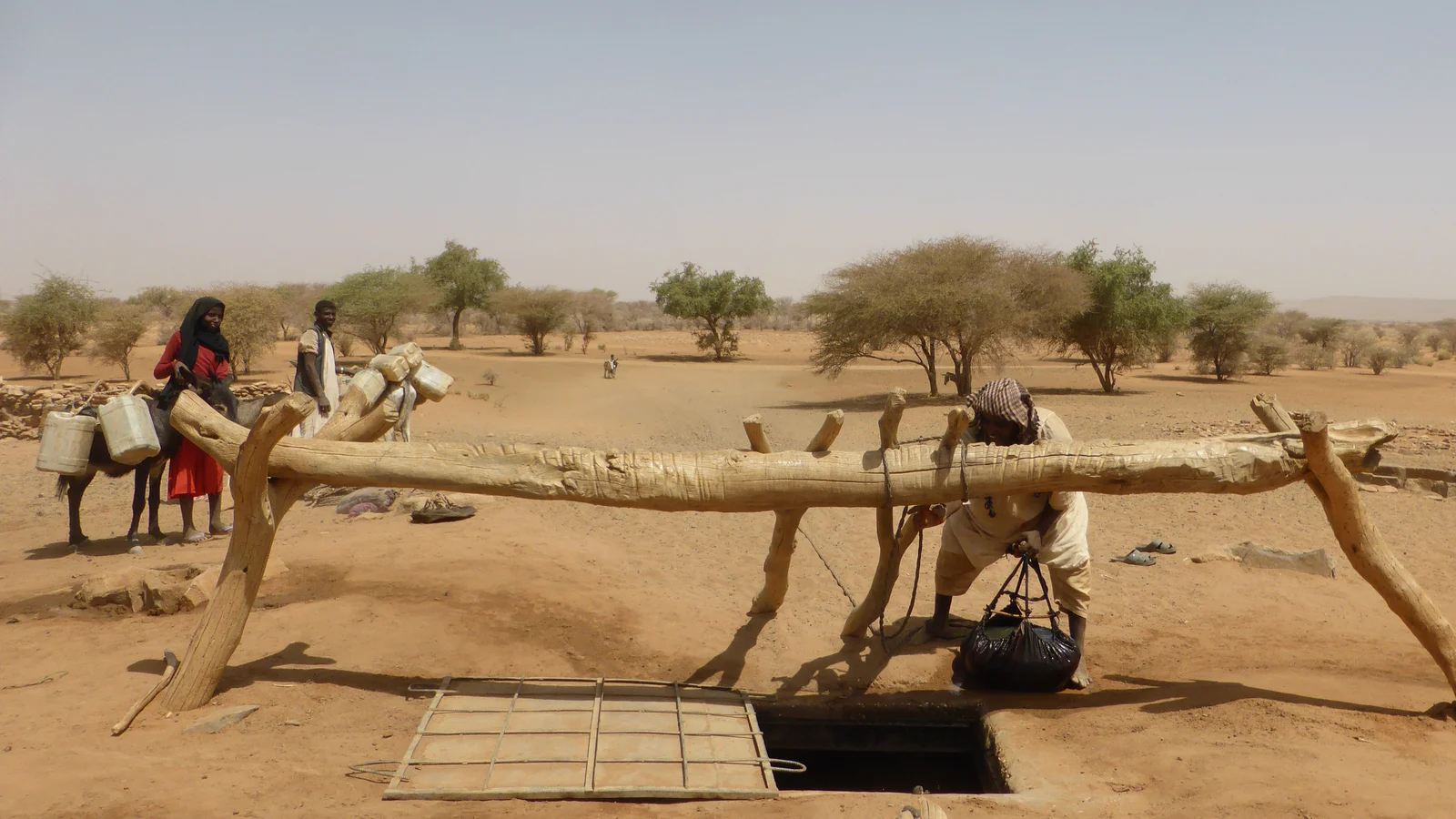
The Arba'at mountain well gives freshwater to families living in Port Sudan.
City workers turn open big water valves at four in the morning.
Dry summer months drop water levels and weaken flow in hillside pipes.
People turn on small electric pumps to draw water into floor tanks.
Families save clean tap water in covered stone basins for daily meals.
City trucks open street water pipes to neighborhoods only two days each week.
Donkey Carts, Tanker Haulage, and Neighborhood Resellers
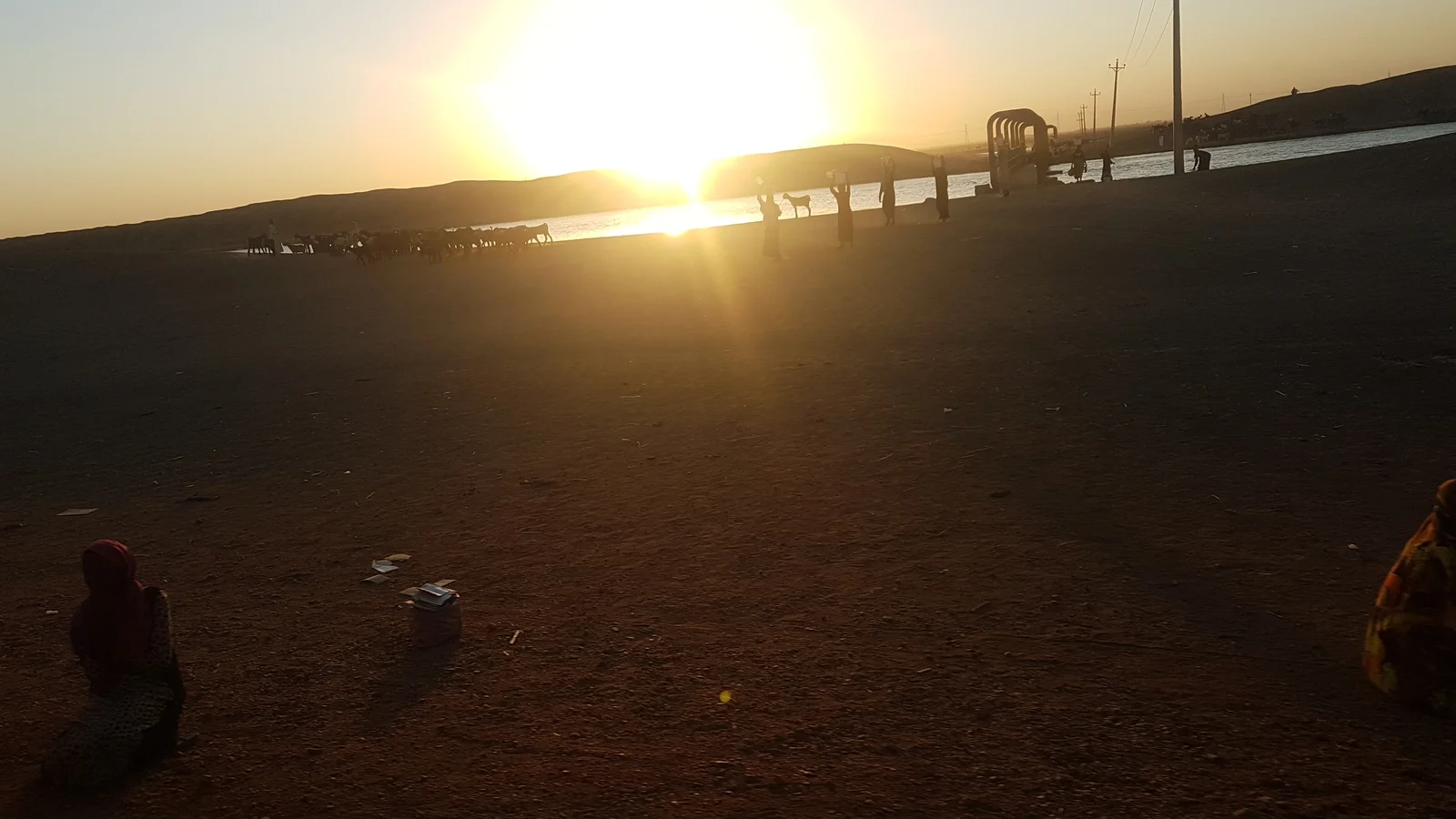
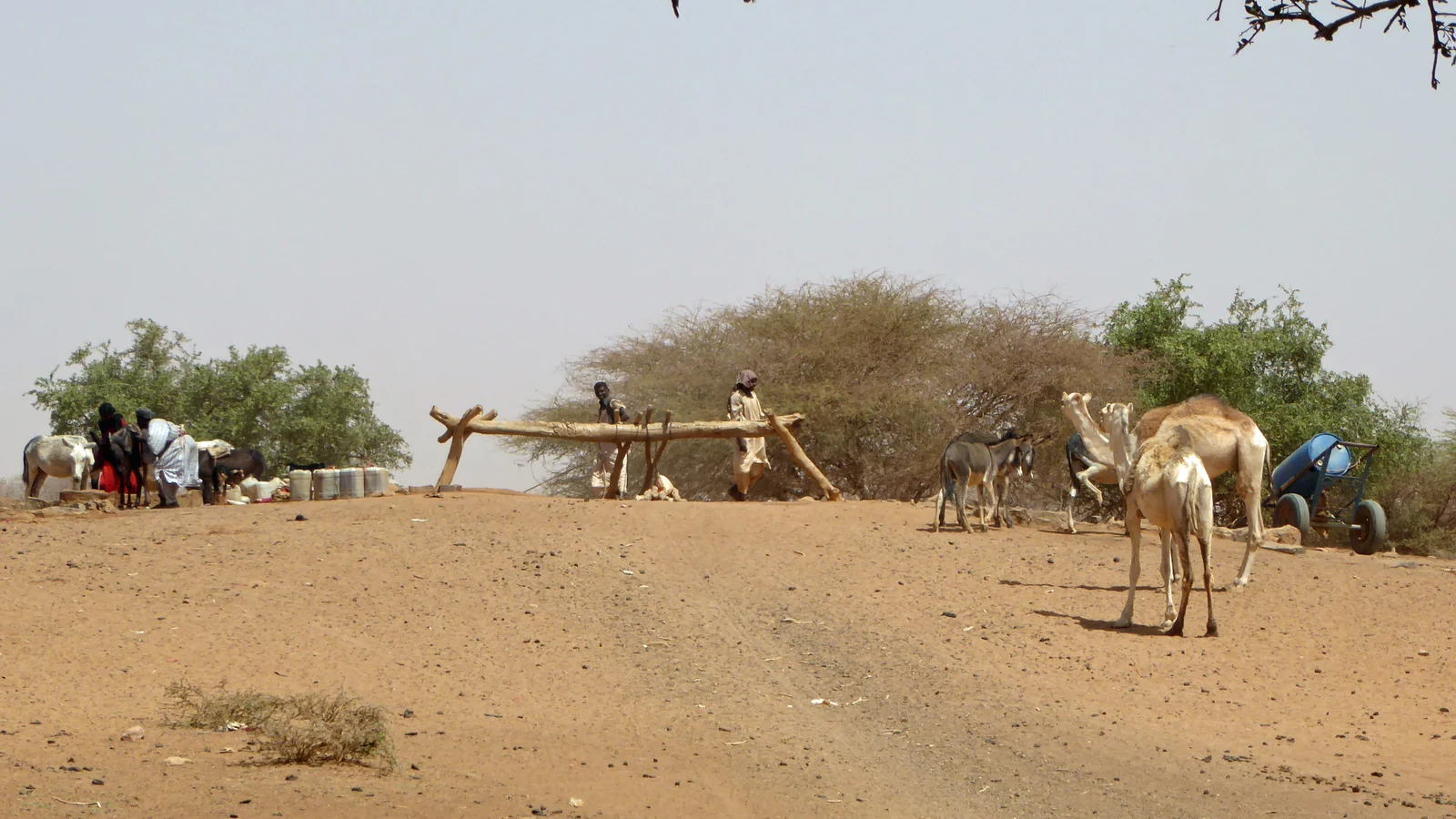
Donkey cart drivers gather at water stations outside town before morning light.
Two-wheeled carts carry blue plastic drums through narrow dirt streets between houses.
Heavy tanker trucks bring saline water from deep boreholes for washing and laundry.
Sellers offer water in yellow jugs and change prices when fuel costs rise.
Young children carry filled water cans up stairs and into home yards.
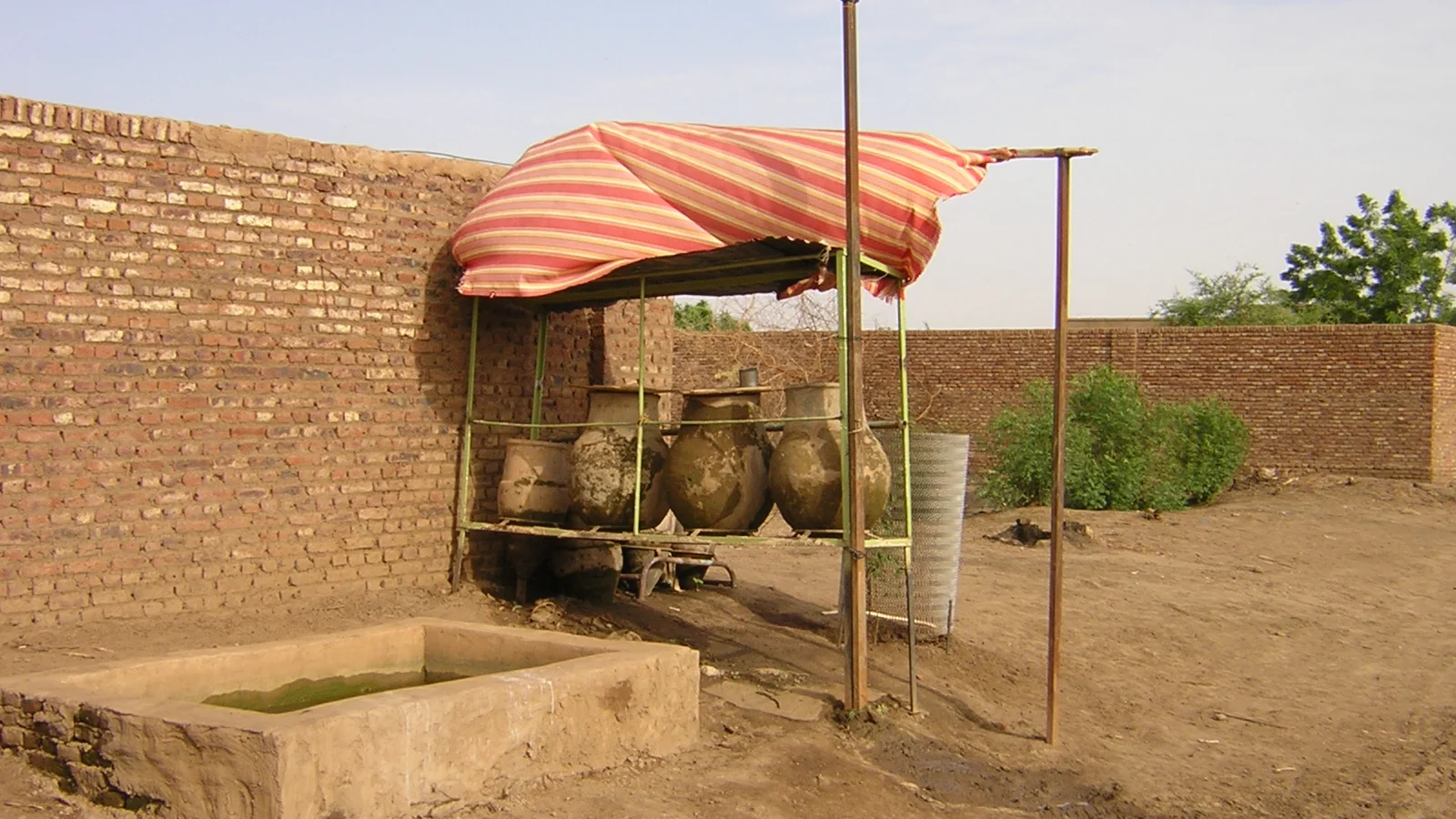
Shop owners set cold clay pots called zeer outside for thirsty walkers.
Coastal Desalination Plants and Neighborhood Filtration Kiosks
Small street shops use filters to clean sea water for drinking.
Workers change dirty sand filter parts each day to keep water clear.
Power cuts often stop water cleaning machines during hot sunny afternoons.
People taste water to know if it comes from sweet hills or the sea.
Health workers test drinking water bottles to make sure water stays safe.
Families boil water on stoves and pour it through clean white cloth.
Domestic Storage, Conservation, and Evening Routines
Black plastic tanks on flat roof tops hold water for home taps.
Used wash water is thrown on dusty dirt yards to keep dust down.
Families wash all heavy clothes on days when piped tap water runs.
Community committees write emergency ledgers to send water to elderly residents and clinics.
Water drivers lead tired donkeys back to animal pens at sunset.
Families lock water tanks with metal keys before going to sleep.
A2 · Elementary
Port Sudan Daily Water Routine: One Day in the Coastal Thirst
From dawn donkey-cart queues and Arba'at pipeline pressure drops to rooftop storage tanks and evening jerrycan deliveries, coastal residents navigate daily water scarcity.
Dawn Pipeline Pressure and the Arba'at Aquifer
The Arba'at freshwater aquifer in the Red Sea Hills supplies primary pipeline drinking water to municipal districts in Port Sudan. Municipal utility operators open mainline water distribution valves at four in the morning to pressurize neighborhood pipe networks. Low seasonal water tables in Khor Arba'at reduce pipeline delivery pressure across elevated residential quarters in eastern Port Sudan.
Urban households activate electric booster pumps to pull residual water from dry municipal street pipes into ground-level cisterns. Families ration piped tap water into covered cement cisterns for daily cooking, drinking, and basic domestic hygiene. Meanwhile, municipal water authorities enforce scheduled rotation cycles, delivering piped water to each city sector only twice a week.
Donkey Carts, Tanker Haulage, and Neighborhood Resellers
Donkey cart drivers assemble at municipal filling stations along the western outskirts before sunrise to purchase bulk well water. Two-wheeled wooden donkey carts carry blue plastic drums delivering water through narrow unpaved alleys where tanker trucks cannot pass. Private heavy water tankers transport saline groundwater from coastal boreholes for non-potable sanitation and laundry use.
Water vendors sell water by the tin or twenty-liter jerrycan, adjusting daily prices based on diesel fuel and supply scarcity. Neighborhood children and youth help haul filled jerrycans up narrow apartment stairwells and into family courtyards. Additionally, local retail shopkeepers maintain porous clay water pots called zeer outside storefronts to offer free cool drinking water to passersby.
Coastal Desalination Plants and Neighborhood Filtration Kiosks
Commercial reverse-osmosis desalination kiosks operate along coastal streets, selling purified drinking water by the gallon. Desalination technicians replace clogged sediment filter cartridges daily to remove fine Red Sea sand and airborne dust particles. Electricity load shedding and diesel power cuts frequently halt neighborhood desalination pumps during peak afternoon heat.
Families test salinity levels by taste, distinguishing sweet mountain aquifer water from brackish coastal groundwater blends. Secondary school science labs and municipal health inspectors test drinking water samples for bacterial contamination and chlorine residual. Boiling and cloth filtration remain standard home purification methods practiced by households during water pipeline supply disruptions.
Domestic Storage, Conservation, and Evening Routines
Black polyethylene water tanks mounted on flat rooftops store reserve water to maintain gravity-fed household plumbing. Domestic greywater from kitchen vegetable washing is collected in washbasins and reused to settle dust on unpaved house yards. Extended families coordinate laundry tasks on designated pipe supply days to avoid depleting emergency drinking reserves.
Neighborhood community committees maintain emergency water ledgers to allocate water deliveries to elderly residents and medical clinics. As darkness falls, water carriers return their donkeys and carts to peripheral stables after completing evening delivery routes. Finally, households secure cistern padlocks and check storage gauges before retiring, preparing for the next day's water distribution schedule.
B1 · Intermediate
Port Sudan Daily Water Routine: Aquifer Pressures, Donkey Cart Haulage, and Domestic Conservation
An analytical portrait of urban hydrology, rotational valve operations, saline borehole transport, and community water management.
Dawn Pipeline Pressure and the Arba'at Aquifer
The Arba'at freshwater aquifer in the Red Sea Hills supplies primary pipeline drinking water to municipal districts in Port Sudan. Municipal utility operators open mainline water distribution valves at four in the morning to pressurize neighborhood pipe networks. Low seasonal water tables in Khor Arba'at reduce pipeline delivery pressure across elevated residential quarters in eastern Port Sudan.
Urban households activate electric booster pumps to pull residual water from dry municipal street pipes into ground-level cisterns. Families ration piped tap water into covered cement cisterns for daily cooking, drinking, and basic domestic hygiene. Meanwhile, municipal water authorities enforce scheduled rotation cycles, delivering piped water to each city sector only twice a week.
Donkey Carts, Tanker Haulage, and Neighborhood Resellers
Donkey cart drivers assemble at municipal filling stations along the western outskirts before sunrise to purchase bulk well water. Two-wheeled wooden donkey carts carry blue plastic drums delivering water through narrow unpaved alleys where tanker trucks cannot pass. Private heavy water tankers transport saline groundwater from coastal boreholes for non-potable sanitation and laundry use.
Water vendors sell water by the tin or twenty-liter jerrycan, adjusting daily prices based on diesel fuel and supply scarcity. Neighborhood children and youth help haul filled jerrycans up narrow apartment stairwells and into family courtyards. Additionally, local retail shopkeepers maintain porous clay water pots called zeer outside storefronts to offer free cool drinking water to passersby.
Coastal Desalination Plants and Neighborhood Filtration Kiosks
Commercial reverse-osmosis desalination kiosks operate along coastal streets, selling purified drinking water by the gallon. Desalination technicians replace clogged sediment filter cartridges daily to remove fine Red Sea sand and airborne dust particles. Electricity load shedding and diesel power cuts frequently halt neighborhood desalination pumps during peak afternoon heat.
Families test salinity levels by taste, distinguishing sweet mountain aquifer water from brackish coastal groundwater blends. Secondary school science labs and municipal health inspectors test drinking water samples for bacterial contamination and chlorine residual. Boiling and cloth filtration remain standard home purification methods practiced by households during water pipeline supply disruptions.
Domestic Storage, Conservation, and Evening Routines
Black polyethylene water tanks mounted on flat rooftops store reserve water to maintain gravity-fed household plumbing. Domestic greywater from kitchen vegetable washing is collected in washbasins and reused to settle dust on unpaved house yards. Extended families coordinate laundry tasks on designated pipe supply days to avoid depleting emergency drinking reserves.
Neighborhood community committees maintain emergency water ledgers to allocate water deliveries to elderly residents and medical clinics. As darkness falls, water carriers return their donkeys and carts to peripheral stables after completing evening delivery routes. Finally, households secure cistern padlocks and check storage gauges before retiring, preparing for the next day's water distribution schedule.
B2 · Upper Intermediate
Hydrogeology, Informal Haulage Markets, and Household Water Resilience in Port Sudan
Investigating seasonal water table drops in Khor Arba'at, reverse-osmosis filtration kiosks, greywater reuse, and emergency ledgers.
Dawn Pipeline Pressure and the Arba'at Aquifer
The Arba'at freshwater aquifer in the Red Sea Hills supplies primary pipeline drinking water to municipal districts in Port Sudan. Municipal utility operators open mainline water distribution valves at four in the morning to pressurize neighborhood pipe networks. Low seasonal water tables in Khor Arba'at reduce pipeline delivery pressure across elevated residential quarters in eastern Port Sudan.
Urban households activate electric booster pumps to pull residual water from dry municipal street pipes into ground-level cisterns. Families ration piped tap water into covered cement cisterns for daily cooking, drinking, and basic domestic hygiene. Meanwhile, municipal water authorities enforce scheduled rotation cycles, delivering piped water to each city sector only twice a week.
Donkey Carts, Tanker Haulage, and Neighborhood Resellers
Donkey cart drivers assemble at municipal filling stations along the western outskirts before sunrise to purchase bulk well water. Two-wheeled wooden donkey carts carry blue plastic drums delivering water through narrow unpaved alleys where tanker trucks cannot pass. Private heavy water tankers transport saline groundwater from coastal boreholes for non-potable sanitation and laundry use.
Water vendors sell water by the tin or twenty-liter jerrycan, adjusting daily prices based on diesel fuel and supply scarcity. Neighborhood children and youth help haul filled jerrycans up narrow apartment stairwells and into family courtyards. Additionally, local retail shopkeepers maintain porous clay water pots called zeer outside storefronts to offer free cool drinking water to passersby.
Coastal Desalination Plants and Neighborhood Filtration Kiosks
Commercial reverse-osmosis desalination kiosks operate along coastal streets, selling purified drinking water by the gallon. Desalination technicians replace clogged sediment filter cartridges daily to remove fine Red Sea sand and airborne dust particles. Electricity load shedding and diesel power cuts frequently halt neighborhood desalination pumps during peak afternoon heat.
Families test salinity levels by taste, distinguishing sweet mountain aquifer water from brackish coastal groundwater blends. Secondary school science labs and municipal health inspectors test drinking water samples for bacterial contamination and chlorine residual. Boiling and cloth filtration remain standard home purification methods practiced by households during water pipeline supply disruptions.
Domestic Storage, Conservation, and Evening Routines
Black polyethylene water tanks mounted on flat rooftops store reserve water to maintain gravity-fed household plumbing. Domestic greywater from kitchen vegetable washing is collected in washbasins and reused to settle dust on unpaved house yards. Extended families coordinate laundry tasks on designated pipe supply days to avoid depleting emergency drinking reserves.
Neighborhood community committees maintain emergency water ledgers to allocate water deliveries to elderly residents and medical clinics. As darkness falls, water carriers return their donkeys and carts to peripheral stables after completing evening delivery routes. Finally, households secure cistern padlocks and check storage gauges before retiring, preparing for the next day's water distribution schedule.
C1 · Advanced
Coastal Urban Hydrology, Rotational Utility Scarcity, and Coping Mechanisms in Port Sudan
A critical examination of pipeline booster pumping, donkey cart distribution economics, sediment filtration, and domestic water rationing.
Dawn Pipeline Pressure and the Arba'at Aquifer
The Arba'at freshwater aquifer in the Red Sea Hills supplies primary pipeline drinking water to municipal districts in Port Sudan. Municipal utility operators open mainline water distribution valves at four in the morning to pressurize neighborhood pipe networks. Low seasonal water tables in Khor Arba'at reduce pipeline delivery pressure across elevated residential quarters in eastern Port Sudan.
Urban households activate electric booster pumps to pull residual water from dry municipal street pipes into ground-level cisterns. Families ration piped tap water into covered cement cisterns for daily cooking, drinking, and basic domestic hygiene. Meanwhile, municipal water authorities enforce scheduled rotation cycles, delivering piped water to each city sector only twice a week.
Donkey Carts, Tanker Haulage, and Neighborhood Resellers
Donkey cart drivers assemble at municipal filling stations along the western outskirts before sunrise to purchase bulk well water. Two-wheeled wooden donkey carts carry blue plastic drums delivering water through narrow unpaved alleys where tanker trucks cannot pass. Private heavy water tankers transport saline groundwater from coastal boreholes for non-potable sanitation and laundry use.
Water vendors sell water by the tin or twenty-liter jerrycan, adjusting daily prices based on diesel fuel and supply scarcity. Neighborhood children and youth help haul filled jerrycans up narrow apartment stairwells and into family courtyards. Additionally, local retail shopkeepers maintain porous clay water pots called zeer outside storefronts to offer free cool drinking water to passersby.
Coastal Desalination Plants and Neighborhood Filtration Kiosks
Commercial reverse-osmosis desalination kiosks operate along coastal streets, selling purified drinking water by the gallon. Desalination technicians replace clogged sediment filter cartridges daily to remove fine Red Sea sand and airborne dust particles. Electricity load shedding and diesel power cuts frequently halt neighborhood desalination pumps during peak afternoon heat.
Families test salinity levels by taste, distinguishing sweet mountain aquifer water from brackish coastal groundwater blends. Secondary school science labs and municipal health inspectors test drinking water samples for bacterial contamination and chlorine residual. Boiling and cloth filtration remain standard home purification methods practiced by households during water pipeline supply disruptions.
Domestic Storage, Conservation, and Evening Routines
Black polyethylene water tanks mounted on flat rooftops store reserve water to maintain gravity-fed household plumbing. Domestic greywater from kitchen vegetable washing is collected in washbasins and reused to settle dust on unpaved house yards. Extended families coordinate laundry tasks on designated pipe supply days to avoid depleting emergency drinking reserves.
Neighborhood community committees maintain emergency water ledgers to allocate water deliveries to elderly residents and medical clinics. As darkness falls, water carriers return their donkeys and carts to peripheral stables after completing evening delivery routes. Finally, households secure cistern padlocks and check storage gauges before retiring, preparing for the next day's water distribution schedule.
C2 · Mastery
Red Sea Aridity, Aquifer Extraction, and Grassroots Water Logics in Port Sudan
A comprehensive journalistic monograph tracing morning valve mechanics, informal jerrycan pricing, membrane desalination, and evening cistern security.
Dawn Pipeline Pressure and the Arba'at Aquifer
The Arba'at freshwater aquifer in the Red Sea Hills supplies primary pipeline drinking water to municipal districts in Port Sudan. Municipal utility operators open mainline water distribution valves at four in the morning to pressurize neighborhood pipe networks. Low seasonal water tables in Khor Arba'at reduce pipeline delivery pressure across elevated residential quarters in eastern Port Sudan.
Urban households activate electric booster pumps to pull residual water from dry municipal street pipes into ground-level cisterns. Families ration piped tap water into covered cement cisterns for daily cooking, drinking, and basic domestic hygiene. Meanwhile, municipal water authorities enforce scheduled rotation cycles, delivering piped water to each city sector only twice a week.
Donkey Carts, Tanker Haulage, and Neighborhood Resellers
Donkey cart drivers assemble at municipal filling stations along the western outskirts before sunrise to purchase bulk well water. Two-wheeled wooden donkey carts carry blue plastic drums delivering water through narrow unpaved alleys where tanker trucks cannot pass. Private heavy water tankers transport saline groundwater from coastal boreholes for non-potable sanitation and laundry use.
Water vendors sell water by the tin or twenty-liter jerrycan, adjusting daily prices based on diesel fuel and supply scarcity. Neighborhood children and youth help haul filled jerrycans up narrow apartment stairwells and into family courtyards. Additionally, local retail shopkeepers maintain porous clay water pots called zeer outside storefronts to offer free cool drinking water to passersby.
Coastal Desalination Plants and Neighborhood Filtration Kiosks
Commercial reverse-osmosis desalination kiosks operate along coastal streets, selling purified drinking water by the gallon. Desalination technicians replace clogged sediment filter cartridges daily to remove fine Red Sea sand and airborne dust particles. Electricity load shedding and diesel power cuts frequently halt neighborhood desalination pumps during peak afternoon heat.
Families test salinity levels by taste, distinguishing sweet mountain aquifer water from brackish coastal groundwater blends. Secondary school science labs and municipal health inspectors test drinking water samples for bacterial contamination and chlorine residual. Boiling and cloth filtration remain standard home purification methods practiced by households during water pipeline supply disruptions.
Domestic Storage, Conservation, and Evening Routines
Black polyethylene water tanks mounted on flat rooftops store reserve water to maintain gravity-fed household plumbing. Domestic greywater from kitchen vegetable washing is collected in washbasins and reused to settle dust on unpaved house yards. Extended families coordinate laundry tasks on designated pipe supply days to avoid depleting emergency drinking reserves.
Neighborhood community committees maintain emergency water ledgers to allocate water deliveries to elderly residents and medical clinics. As darkness falls, water carriers return their donkeys and carts to peripheral stables after completing evening delivery routes. Finally, households secure cistern padlocks and check storage gauges before retiring, preparing for the next day's water distribution schedule.
Check your understanding
Choose how closely you want to revisit the article. You can refer back while answering, and review explanations when you finish.
Quick Quiz A1
Try one question, then create a free account for the full Quick Quiz. Sign Up Free
Answer every question before checking. There is no time limit.
Your results
/ 1 correct (%)
Read the explanations to see how each answer connects to the article.
-
Where does freshwater come from for families living in Port Sudan?
1. Answer:
Quick Quiz A2
Try one question, then create a free account for the full Quick Quiz. Sign Up Free
Answer every question before checking. There is no time limit.
Your results
/ 1 correct (%)
Read the explanations to see how each answer connects to the article.
-
What freshwater aquifer supplies primary pipeline drinking water to Port Sudan?
1. Answer:
Quick Quiz B1
Try one question, then create a free account for the full Quick Quiz. Sign Up Free
Answer every question before checking. There is no time limit.
Your results
/ 1 correct (%)
Read the explanations to see how each answer connects to the article.
-
What freshwater aquifer supplies primary pipeline drinking water to Port Sudan?
1. Answer:
Quick Quiz B2
Try one question, then create a free account for the full Quick Quiz. Sign Up Free
Answer every question before checking. There is no time limit.
Your results
/ 1 correct (%)
Read the explanations to see how each answer connects to the article.
-
What freshwater aquifer supplies primary pipeline drinking water to Port Sudan?
1. Answer:
Quick Quiz C1
Try one question, then create a free account for the full Quick Quiz. Sign Up Free
Answer every question before checking. There is no time limit.
Your results
/ 1 correct (%)
Read the explanations to see how each answer connects to the article.
-
What freshwater aquifer supplies primary pipeline drinking water to Port Sudan?
1. Answer:
Quick Quiz C2
Try one question, then create a free account for the full Quick Quiz. Sign Up Free
Answer every question before checking. There is no time limit.
Your results
/ 1 correct (%)
Read the explanations to see how each answer connects to the article.
-
What freshwater aquifer supplies primary pipeline drinking water to Port Sudan?
1. Answer:
