A1 · Beginner
Sudanese Public-Language Record: Signs, Scripts, and Civic Registers
From street signs and bus calls to classroom books and phone messages, people encounter many languages across Sudan.
Official Constitutional Status and Administrative Signage
The 2019 charter makes Arabic and English official working languages for state offices.
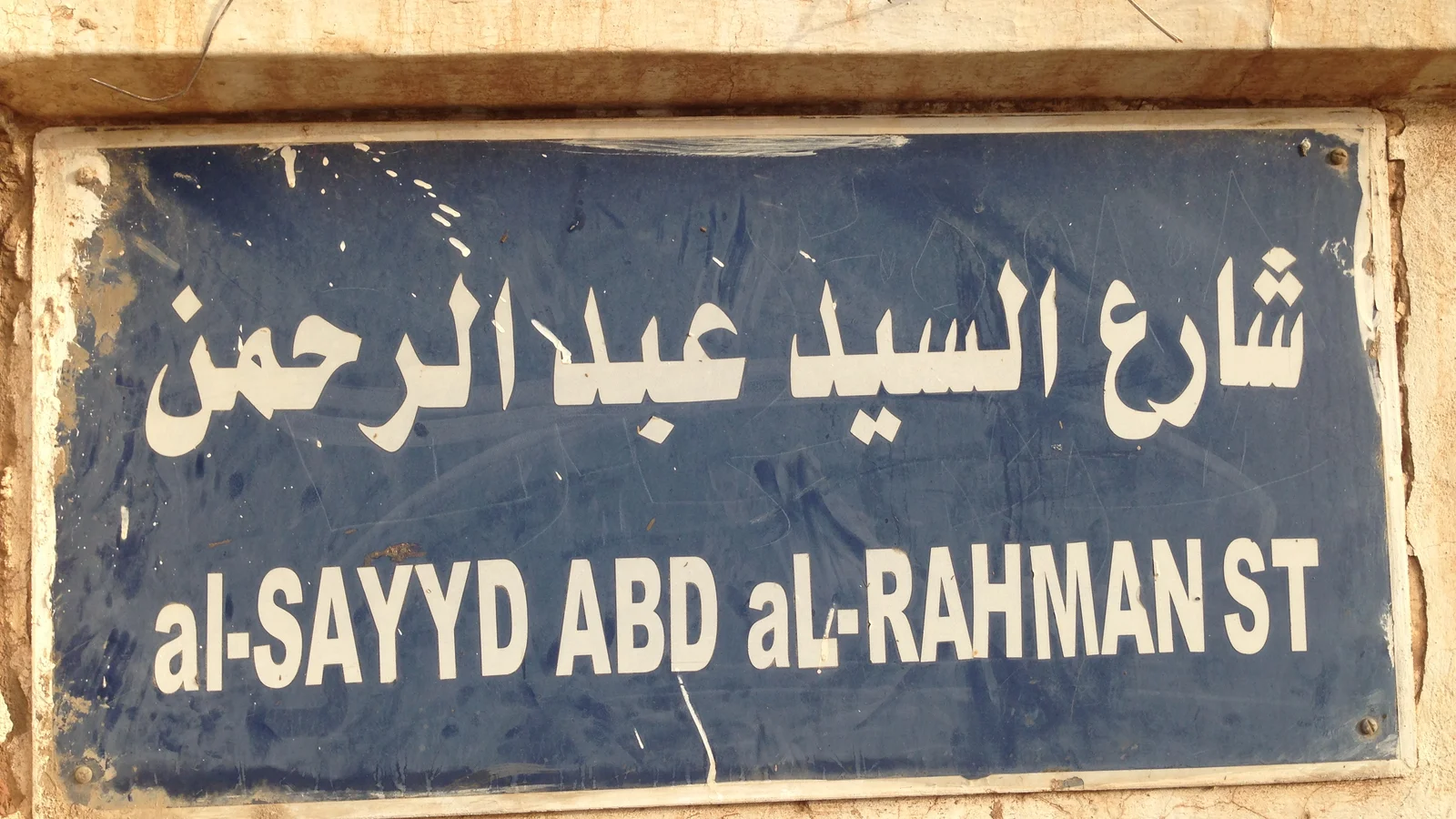
City road signs show Arabic calligraphy next to English letters on street metal.
Government papers and high court books print laws in clear Arabic words.
National ministries write online web pages and official letters in both languages.
Travel passports and national identity cards print names in Arabic and English.
City water bills and local tax papers are printed in Arabic.
Urban Dialects and Commercial Market Discourse
Common spoken Arabic helps people from different tribes trade together in big markets.
Omdurman market traders use funny proverbs and special slang numbers to sell goods.
Bus drivers shout town names loudly to call passengers into small buses.
Tea sellers talk warmly with thirsty customers using words from different home regions.
Radio stations switch smoothly between formal school speech and friendly street words.
Corner kiosks sell daily paper news with large black Arabic headlines.
Regional Indigenous Tongues and Coastal Beja Speech
Many families in Port Sudan speak the local Beja tongue called Bidhaawyeet at home.
Dock workers at the sea port use special maritime words to unload ships.
University teachers write down old oral poems and songs in the Beja language.
Grandparents in northern river towns speak old Nubian words in quiet home courtyards.
Cultural groups hold reading classes to teach ancient written Nubian letters.
Traders in Darfur market towns switch between Arabic, Fur, and Zaghawa words easily.
Classroom Registers, Public Media, and Digital Script Culture
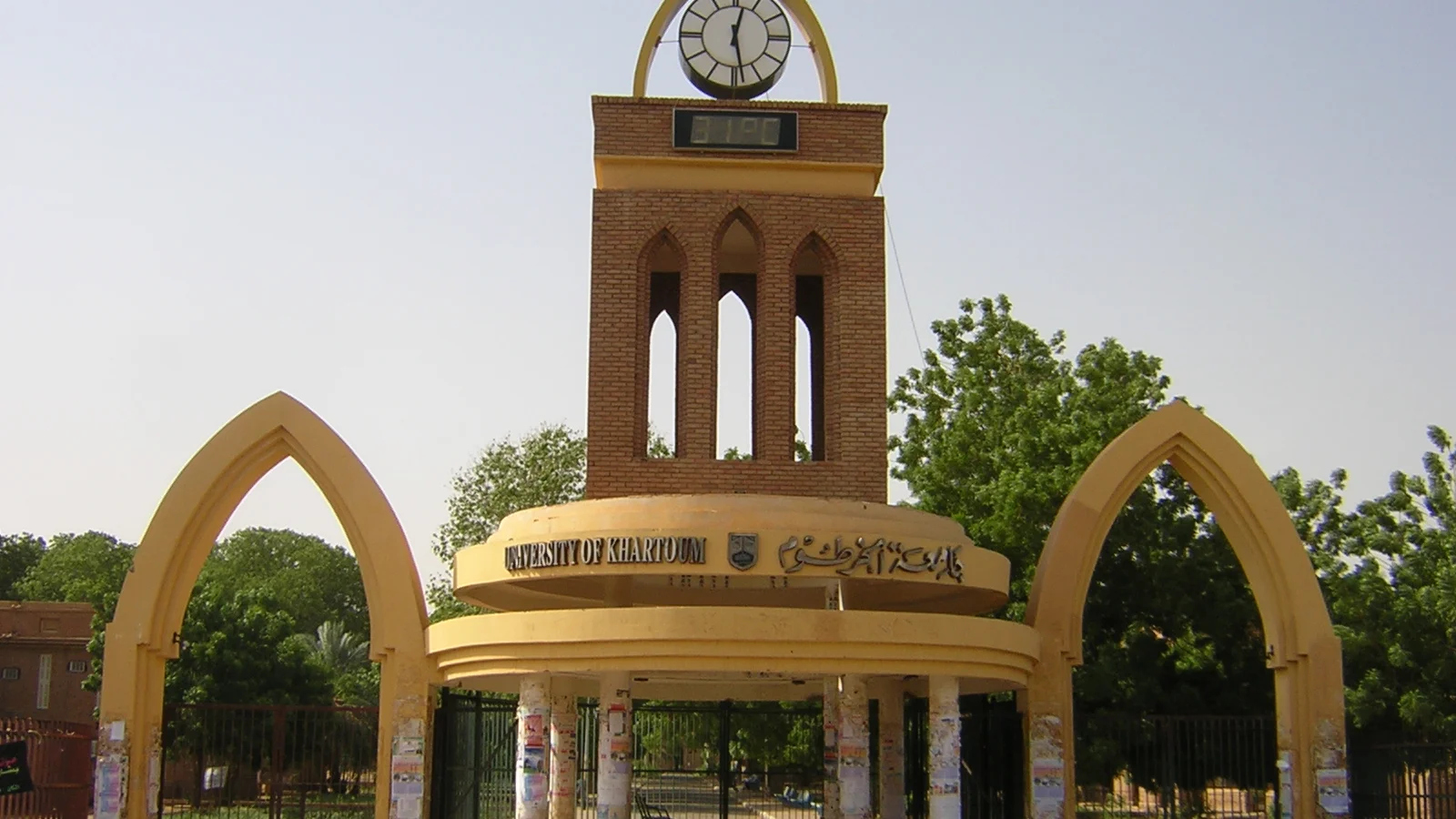
Young school children learn lessons in Arabic and study English in class.
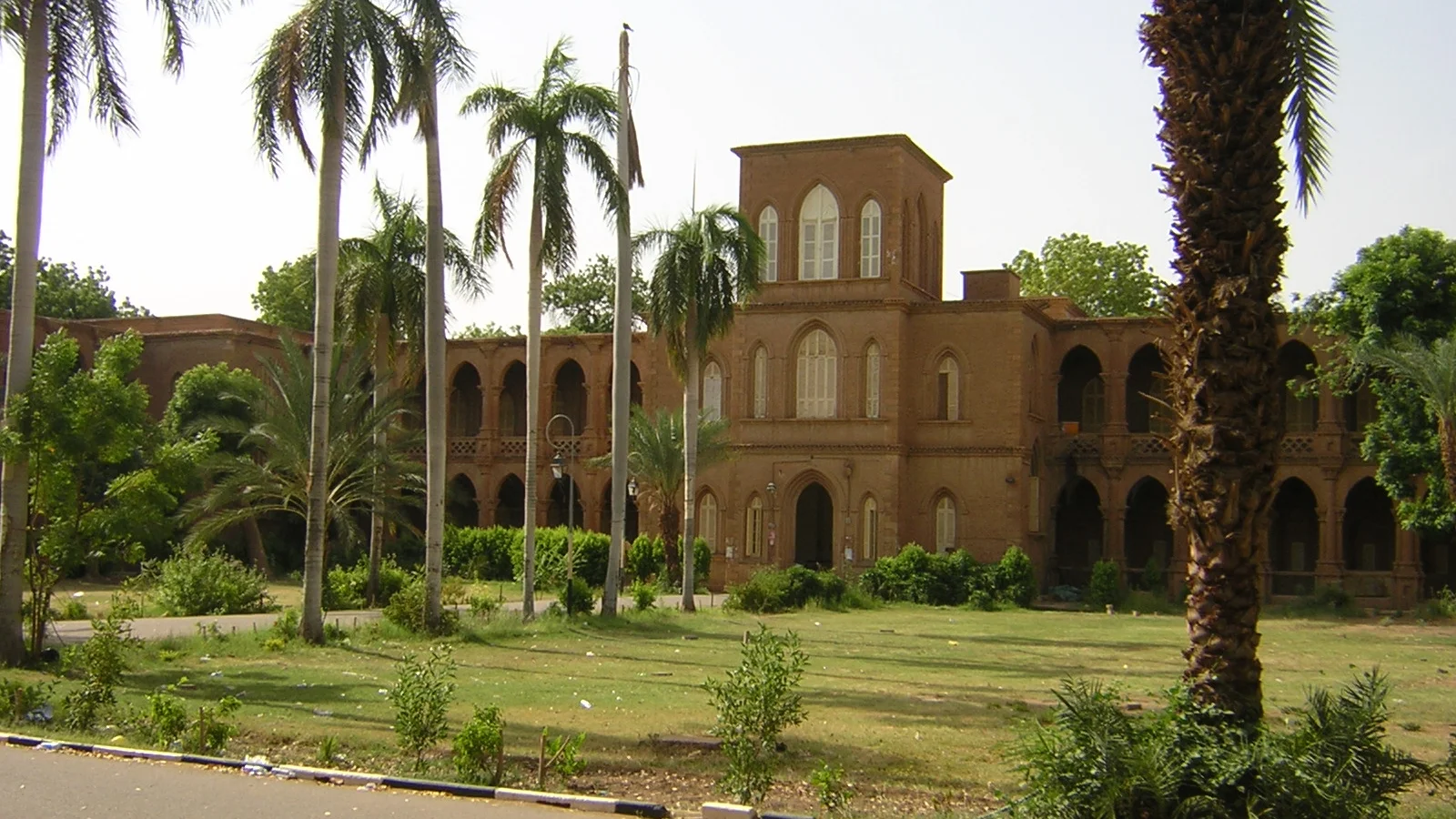
College students of medicine and science study advanced books in English.
Young people type phone messages mixing Arabic script and numbers called Arabizi.
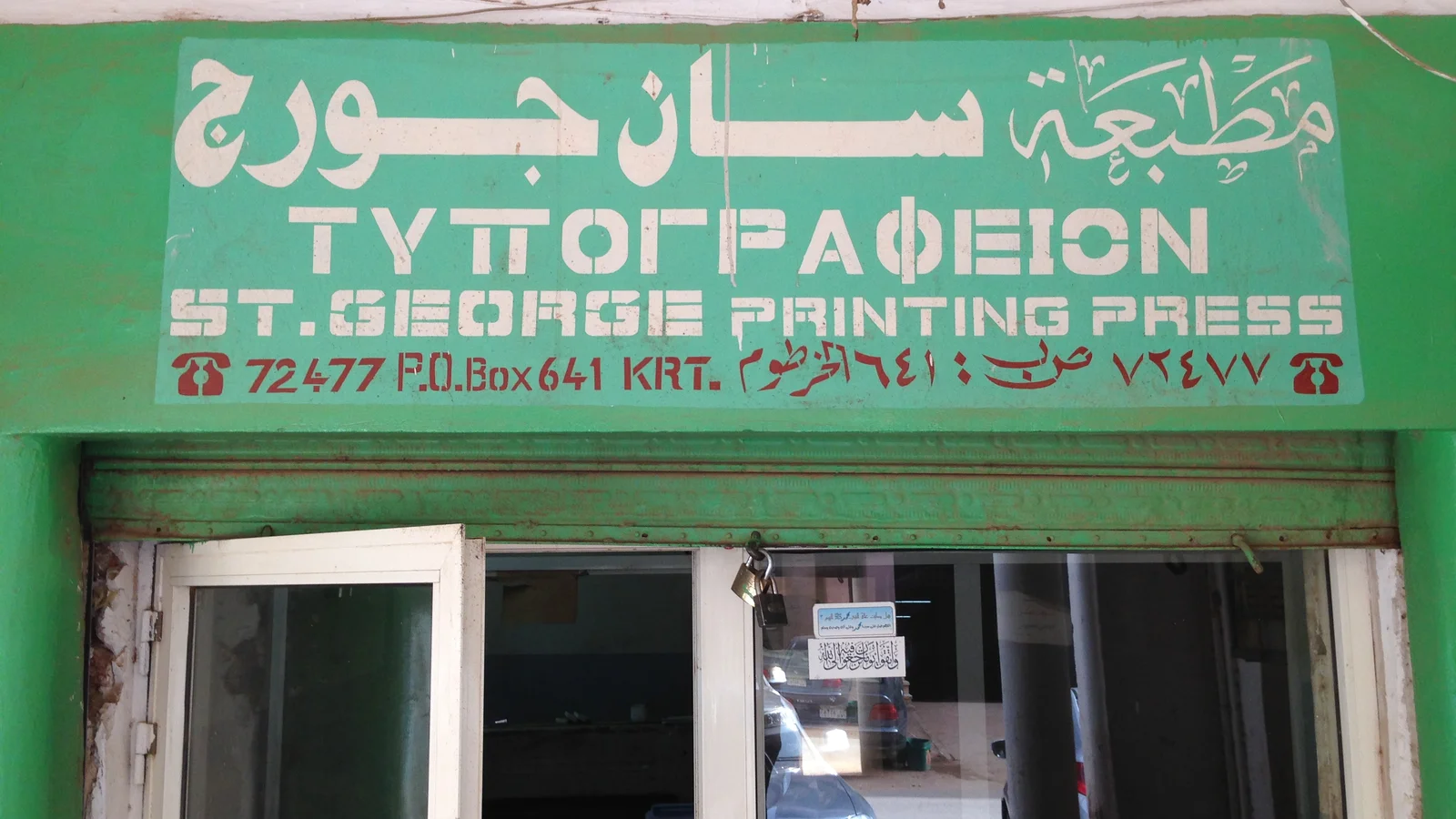
Local painters paint wooden shop signs with beautiful Arabic curved letters.
Book libraries save old bilingual newspapers printed during earlier colonial times.
Sudanese writers and poets publish literature celebrating the multilingual heritage of the country.
A2 · Elementary
Sudanese Public-Language Record: Signs, Scripts, and Civic Registers
From bilingual Arabic and English municipal signage to market dialects, Beja speech in eastern ports, and Nubian linguistic preservation, Sudan's public sphere reflects dynamic multilingual registers.
Official Constitutional Status and Administrative Signage
The 2019 Constitutional Charter establishes Arabic and English as official working languages of Sudanese state institutions. Municipal road signs in major cities pair Arabic in classic Thuluth or Naskh calligraphy with English in Latin script. Government gazettes and supreme court rulings publish primary legal texts in formal Modern Standard Arabic.
Official state ministries maintain bilingual internet portals and formal correspondence letterheads in Arabic and English. Passports and national civil identity cards print personal demographic data in parallel Arabic and English fields. Meanwhile, municipal utility meters, water bills, and tax assessments circulate in Arabic across urban administrative districts.
Urban Dialects and Commercial Market Discourse
Sudanese Colloquial Arabic serves as the common spoken lingua franca across inter-ethnic urban market bazaars. Merchants in Omdurman markets trade using specialized commercial proverbs and rapid vernacular numerical slang. Minibus conductors and transport drivers shout colloquial destination names to organize passenger boarding at transit interchanges.
Open-air tea ladies and coffee vendors foster multilingual banter with customers from diverse regional backgrounds. Radio broadcasters and FM talk shows switch fluidly between Modern Standard Arabic and colloquial urban dialects. At street corners, kiosks display daily print newspapers featuring bold Arabic headlines analyzing civic and political developments.
Regional Indigenous Tongues and Coastal Beja Speech
The Beja language, locally called Bidhaawyeet, functions as an everyday spoken tongue in residential quarters of Port Sudan. Stevedores and dockworkers at the Red Sea port communicate through specialized maritime Beja terminology during cargo handling. Linguistic researchers at Red Sea University document unwritten Beja oral poetry, genealogical chants, and coastal vocabulary.
In northern riverine towns, older residents converse in Dongolawi and Nobiin Nubian dialects inside domestic family courtyards. Community cultural associations organize literacy workshops to teach written Nubian scripts using historical orthographies. Further west, transport hubs in Darfur witness daily code-switching between Arabic, Fur, and Zaghawa tongues among trading communities.
Classroom Registers, Public Media, and Digital Script Culture
Primary schools across Sudan instruct core curricula in Arabic while teaching English as a compulsory second language. University faculties of medicine, engineering, and natural science conduct tertiary lectures and technical exams in English. Youth communicators exchange mobile phone messages combining Arabic script with Latinized Arabic numerals called Arabizi.
Neighborhood sign painters hand-letter wooden shop fronts and market stalls using ornate Arabic decorative lettering. Public libraries and university research repositories archive historical bilingual periodicals printed during the condominium era. Contemporary Sudanese writers and poets publish literature exploring the layered multilingual heritage of the country.
B1 · Intermediate
Sudanese Public-Language Record: Constitutional Provisions, Market Lingua Franca, and Indigenous Heritage
An analytical study of bilingual state portals, Omdurman commercial jargon, Port Sudan Beja dialects, and tertiary curriculum mediums.
Official Constitutional Status and Administrative Signage
The 2019 Constitutional Charter establishes Arabic and English as official working languages of Sudanese state institutions. Municipal road signs in major cities pair Arabic in classic Thuluth or Naskh calligraphy with English in Latin script. Government gazettes and supreme court rulings publish primary legal texts in formal Modern Standard Arabic.
Official state ministries maintain bilingual internet portals and formal correspondence letterheads in Arabic and English. Passports and national civil identity cards print personal demographic data in parallel Arabic and English fields. Meanwhile, municipal utility meters, water bills, and tax assessments circulate in Arabic across urban administrative districts.
Urban Dialects and Commercial Market Discourse
Sudanese Colloquial Arabic serves as the common spoken lingua franca across inter-ethnic urban market bazaars. Merchants in Omdurman markets trade using specialized commercial proverbs and rapid vernacular numerical slang. Minibus conductors and transport drivers shout colloquial destination names to organize passenger boarding at transit interchanges.
Open-air tea ladies and coffee vendors foster multilingual banter with customers from diverse regional backgrounds. Radio broadcasters and FM talk shows switch fluidly between Modern Standard Arabic and colloquial urban dialects. At street corners, kiosks display daily print newspapers featuring bold Arabic headlines analyzing civic and political developments.
Regional Indigenous Tongues and Coastal Beja Speech
The Beja language, locally called Bidhaawyeet, functions as an everyday spoken tongue in residential quarters of Port Sudan. Stevedores and dockworkers at the Red Sea port communicate through specialized maritime Beja terminology during cargo handling. Linguistic researchers at Red Sea University document unwritten Beja oral poetry, genealogical chants, and coastal vocabulary.
In northern riverine towns, older residents converse in Dongolawi and Nobiin Nubian dialects inside domestic family courtyards. Community cultural associations organize literacy workshops to teach written Nubian scripts using historical orthographies. Further west, transport hubs in Darfur witness daily code-switching between Arabic, Fur, and Zaghawa tongues among trading communities.
Classroom Registers, Public Media, and Digital Script Culture
Primary schools across Sudan instruct core curricula in Arabic while teaching English as a compulsory second language. University faculties of medicine, engineering, and natural science conduct tertiary lectures and technical exams in English. Youth communicators exchange mobile phone messages combining Arabic script with Latinized Arabic numerals called Arabizi.
Neighborhood sign painters hand-letter wooden shop fronts and market stalls using ornate Arabic decorative lettering. Public libraries and university research repositories archive historical bilingual periodicals printed during the condominium era. Contemporary Sudanese writers and poets publish literature exploring the layered multilingual heritage of the country.
B2 · Upper Intermediate
Linguistic Demography, Municipal Epigraphy, and Vernacular Polyphony in Sudanese Public Space
Investigating constitutional working languages, Arabic-English administrative documents, dockside jargon, and Arabizi digital texting.
Official Constitutional Status and Administrative Signage
The 2019 Constitutional Charter establishes Arabic and English as official working languages of Sudanese state institutions. Municipal road signs in major cities pair Arabic in classic Thuluth or Naskh calligraphy with English in Latin script. Government gazettes and supreme court rulings publish primary legal texts in formal Modern Standard Arabic.
Official state ministries maintain bilingual internet portals and formal correspondence letterheads in Arabic and English. Passports and national civil identity cards print personal demographic data in parallel Arabic and English fields. Meanwhile, municipal utility meters, water bills, and tax assessments circulate in Arabic across urban administrative districts.
Urban Dialects and Commercial Market Discourse
Sudanese Colloquial Arabic serves as the common spoken lingua franca across inter-ethnic urban market bazaars. Merchants in Omdurman markets trade using specialized commercial proverbs and rapid vernacular numerical slang. Minibus conductors and transport drivers shout colloquial destination names to organize passenger boarding at transit interchanges.
Open-air tea ladies and coffee vendors foster multilingual banter with customers from diverse regional backgrounds. Radio broadcasters and FM talk shows switch fluidly between Modern Standard Arabic and colloquial urban dialects. At street corners, kiosks display daily print newspapers featuring bold Arabic headlines analyzing civic and political developments.
Regional Indigenous Tongues and Coastal Beja Speech
The Beja language, locally called Bidhaawyeet, functions as an everyday spoken tongue in residential quarters of Port Sudan. Stevedores and dockworkers at the Red Sea port communicate through specialized maritime Beja terminology during cargo handling. Linguistic researchers at Red Sea University document unwritten Beja oral poetry, genealogical chants, and coastal vocabulary.
In northern riverine towns, older residents converse in Dongolawi and Nobiin Nubian dialects inside domestic family courtyards. Community cultural associations organize literacy workshops to teach written Nubian scripts using historical orthographies. Further west, transport hubs in Darfur witness daily code-switching between Arabic, Fur, and Zaghawa tongues among trading communities.
Classroom Registers, Public Media, and Digital Script Culture
Primary schools across Sudan instruct core curricula in Arabic while teaching English as a compulsory second language. University faculties of medicine, engineering, and natural science conduct tertiary lectures and technical exams in English. Youth communicators exchange mobile phone messages combining Arabic script with Latinized Arabic numerals called Arabizi.
Neighborhood sign painters hand-letter wooden shop fronts and market stalls using ornate Arabic decorative lettering. Public libraries and university research repositories archive historical bilingual periodicals printed during the condominium era. Contemporary Sudanese writers and poets publish literature exploring the layered multilingual heritage of the country.
C1 · Advanced
State Sociolinguistics, Diglossia, and Indigenous Mother Tongues Across Sudan
A critical examination of supreme court gazettes, radio code-switching, Nubian orthographic revitalization, and historical press archives.
Official Constitutional Status and Administrative Signage
The 2019 Constitutional Charter establishes Arabic and English as official working languages of Sudanese state institutions. Municipal road signs in major cities pair Arabic in classic Thuluth or Naskh calligraphy with English in Latin script. Government gazettes and supreme court rulings publish primary legal texts in formal Modern Standard Arabic.
Official state ministries maintain bilingual internet portals and formal correspondence letterheads in Arabic and English. Passports and national civil identity cards print personal demographic data in parallel Arabic and English fields. Meanwhile, municipal utility meters, water bills, and tax assessments circulate in Arabic across urban administrative districts.
Urban Dialects and Commercial Market Discourse
Sudanese Colloquial Arabic serves as the common spoken lingua franca across inter-ethnic urban market bazaars. Merchants in Omdurman markets trade using specialized commercial proverbs and rapid vernacular numerical slang. Minibus conductors and transport drivers shout colloquial destination names to organize passenger boarding at transit interchanges.
Open-air tea ladies and coffee vendors foster multilingual banter with customers from diverse regional backgrounds. Radio broadcasters and FM talk shows switch fluidly between Modern Standard Arabic and colloquial urban dialects. At street corners, kiosks display daily print newspapers featuring bold Arabic headlines analyzing civic and political developments.
Regional Indigenous Tongues and Coastal Beja Speech
The Beja language, locally called Bidhaawyeet, functions as an everyday spoken tongue in residential quarters of Port Sudan. Stevedores and dockworkers at the Red Sea port communicate through specialized maritime Beja terminology during cargo handling. Linguistic researchers at Red Sea University document unwritten Beja oral poetry, genealogical chants, and coastal vocabulary.
In northern riverine towns, older residents converse in Dongolawi and Nobiin Nubian dialects inside domestic family courtyards. Community cultural associations organize literacy workshops to teach written Nubian scripts using historical orthographies. Further west, transport hubs in Darfur witness daily code-switching between Arabic, Fur, and Zaghawa tongues among trading communities.
Classroom Registers, Public Media, and Digital Script Culture
Primary schools across Sudan instruct core curricula in Arabic while teaching English as a compulsory second language. University faculties of medicine, engineering, and natural science conduct tertiary lectures and technical exams in English. Youth communicators exchange mobile phone messages combining Arabic script with Latinized Arabic numerals called Arabizi.
Neighborhood sign painters hand-letter wooden shop fronts and market stalls using ornate Arabic decorative lettering. Public libraries and university research repositories archive historical bilingual periodicals printed during the condominium era. Contemporary Sudanese writers and poets publish literature exploring the layered multilingual heritage of the country.
C2 · Mastery
Cushitic, Nubian, and Arabic Linguistic Geography in Sudanese Civic Registers
A comprehensive journalistic monograph detailing Thuluth municipal signage, Omdurman market argot, Bidhaawyeet labor speech, and tertiary instruction.
Official Constitutional Status and Administrative Signage
The 2019 Constitutional Charter establishes Arabic and English as official working languages of Sudanese state institutions. Municipal road signs in major cities pair Arabic in classic Thuluth or Naskh calligraphy with English in Latin script. Government gazettes and supreme court rulings publish primary legal texts in formal Modern Standard Arabic.
Official state ministries maintain bilingual internet portals and formal correspondence letterheads in Arabic and English. Passports and national civil identity cards print personal demographic data in parallel Arabic and English fields. Meanwhile, municipal utility meters, water bills, and tax assessments circulate in Arabic across urban administrative districts.
Urban Dialects and Commercial Market Discourse
Sudanese Colloquial Arabic serves as the common spoken lingua franca across inter-ethnic urban market bazaars. Merchants in Omdurman markets trade using specialized commercial proverbs and rapid vernacular numerical slang. Minibus conductors and transport drivers shout colloquial destination names to organize passenger boarding at transit interchanges.
Open-air tea ladies and coffee vendors foster multilingual banter with customers from diverse regional backgrounds. Radio broadcasters and FM talk shows switch fluidly between Modern Standard Arabic and colloquial urban dialects. At street corners, kiosks display daily print newspapers featuring bold Arabic headlines analyzing civic and political developments.
Regional Indigenous Tongues and Coastal Beja Speech
The Beja language, locally called Bidhaawyeet, functions as an everyday spoken tongue in residential quarters of Port Sudan. Stevedores and dockworkers at the Red Sea port communicate through specialized maritime Beja terminology during cargo handling. Linguistic researchers at Red Sea University document unwritten Beja oral poetry, genealogical chants, and coastal vocabulary.
In northern riverine towns, older residents converse in Dongolawi and Nobiin Nubian dialects inside domestic family courtyards. Community cultural associations organize literacy workshops to teach written Nubian scripts using historical orthographies. Further west, transport hubs in Darfur witness daily code-switching between Arabic, Fur, and Zaghawa tongues among trading communities.
Classroom Registers, Public Media, and Digital Script Culture
Primary schools across Sudan instruct core curricula in Arabic while teaching English as a compulsory second language. University faculties of medicine, engineering, and natural science conduct tertiary lectures and technical exams in English. Youth communicators exchange mobile phone messages combining Arabic script with Latinized Arabic numerals called Arabizi.
Neighborhood sign painters hand-letter wooden shop fronts and market stalls using ornate Arabic decorative lettering. Public libraries and university research repositories archive historical bilingual periodicals printed during the condominium era. Contemporary Sudanese writers and poets publish literature exploring the layered multilingual heritage of the country.
Check your understanding
Choose how closely you want to revisit the article. You can refer back while answering, and review explanations when you finish.
Quick Quiz A1
Try one question, then create a free account for the full Quick Quiz. Sign Up Free
Answer every question before checking. There is no time limit.
Your results
/ 1 correct (%)
Read the explanations to see how each answer connects to the article.
-
What languages did the 2019 charter make official for state offices?
1. Answer:
Quick Quiz A2
Try one question, then create a free account for the full Quick Quiz. Sign Up Free
Answer every question before checking. There is no time limit.
Your results
/ 1 correct (%)
Read the explanations to see how each answer connects to the article.
-
What official working languages does the 2019 Constitutional Charter establish?
1. Answer:
Quick Quiz B1
Try one question, then create a free account for the full Quick Quiz. Sign Up Free
Answer every question before checking. There is no time limit.
Your results
/ 1 correct (%)
Read the explanations to see how each answer connects to the article.
-
What official working languages does the 2019 Constitutional Charter establish?
1. Answer:
Quick Quiz B2
Try one question, then create a free account for the full Quick Quiz. Sign Up Free
Answer every question before checking. There is no time limit.
Your results
/ 1 correct (%)
Read the explanations to see how each answer connects to the article.
-
What official working languages does the 2019 Constitutional Charter establish?
1. Answer:
Quick Quiz C1
Try one question, then create a free account for the full Quick Quiz. Sign Up Free
Answer every question before checking. There is no time limit.
Your results
/ 1 correct (%)
Read the explanations to see how each answer connects to the article.
-
What official working languages does the 2019 Constitutional Charter establish?
1. Answer:
Quick Quiz C2
Try one question, then create a free account for the full Quick Quiz. Sign Up Free
Answer every question before checking. There is no time limit.
Your results
/ 1 correct (%)
Read the explanations to see how each answer connects to the article.
-
What official working languages does the 2019 Constitutional Charter establish?
1. Answer:
