A1 · Beginner
Port Sudan Heat Routines: Maritime Humidity and the Thermal Clock
From morning port shifts and quiet afternoon hours to cool evening sea winds, heat shapes daily life in Port Sudan.
Pre-Dawn Shifts and Early Maritime Mobility
Summer days in Port Sudan get hotter than forty-five degrees with wet sea air.
Port crane workers start heavy quayside lifting work at four in the morning.
Fish sellers at Al-Seqala market finish all fish auctions before eight.
School buses finish morning transit trips before ten when hot road asphalt heats up.
Street cleaners finish outdoor sweeping duties by nine and go to shaded rooms.
Shoppers buy fresh refrigerated meat early before hot humid air causes spoilage.
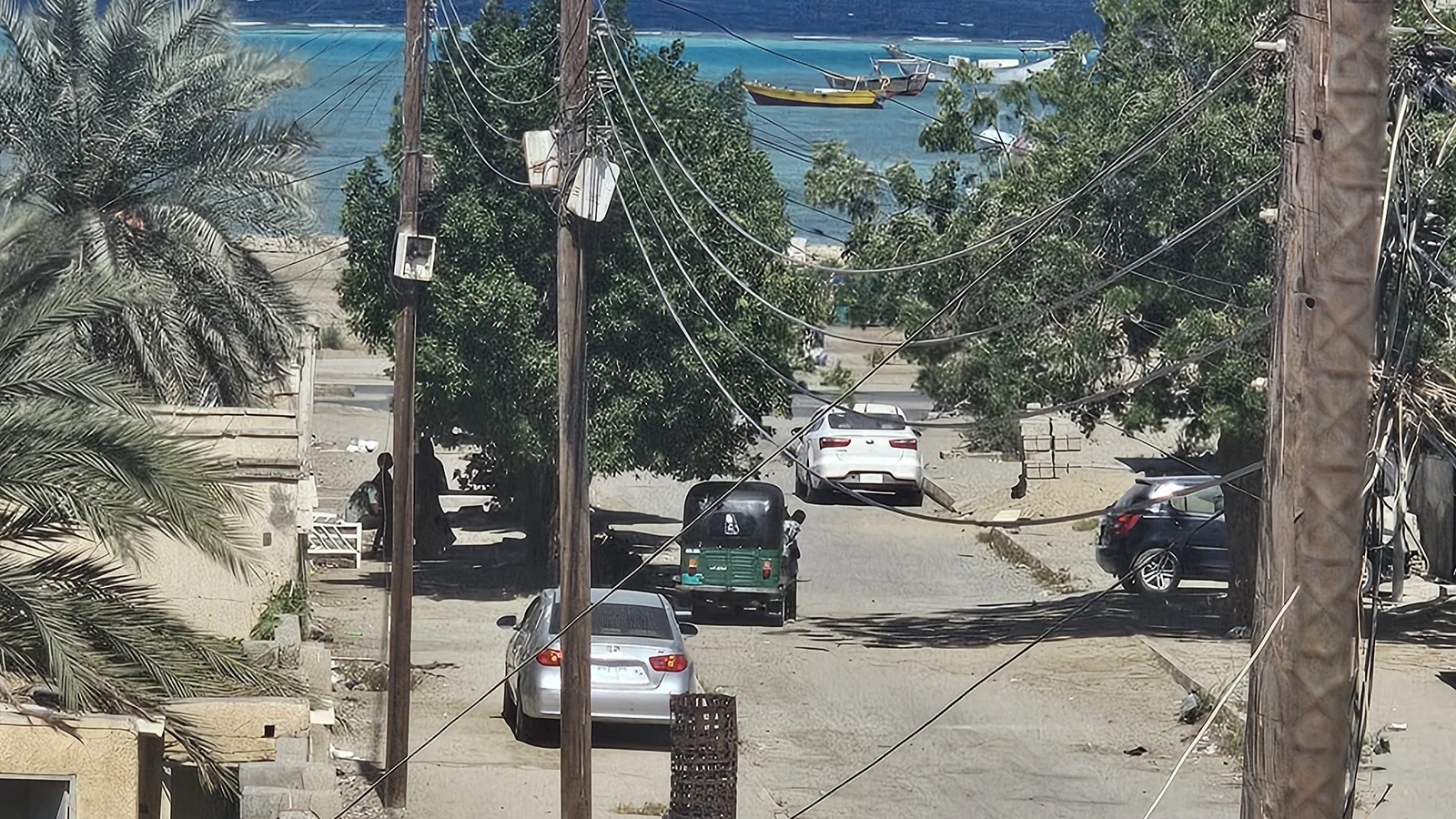
Midday Thermal Retraction and Commercial Shuttering
City shops roll down corrugated metal doors between one and four for afternoon rest.
Commercial banks and government registries close public desks during the hottest hours.
Busy town streets empty as pedestrians go home behind thick window curtains.
Families sit together in cool lower rooms under humming electric ceiling fans.
Large freight lorries park in shaded roadside stops to protect hot rubber tires.
Construction workers stop outdoor masonry work under labor regulations when heat rises.
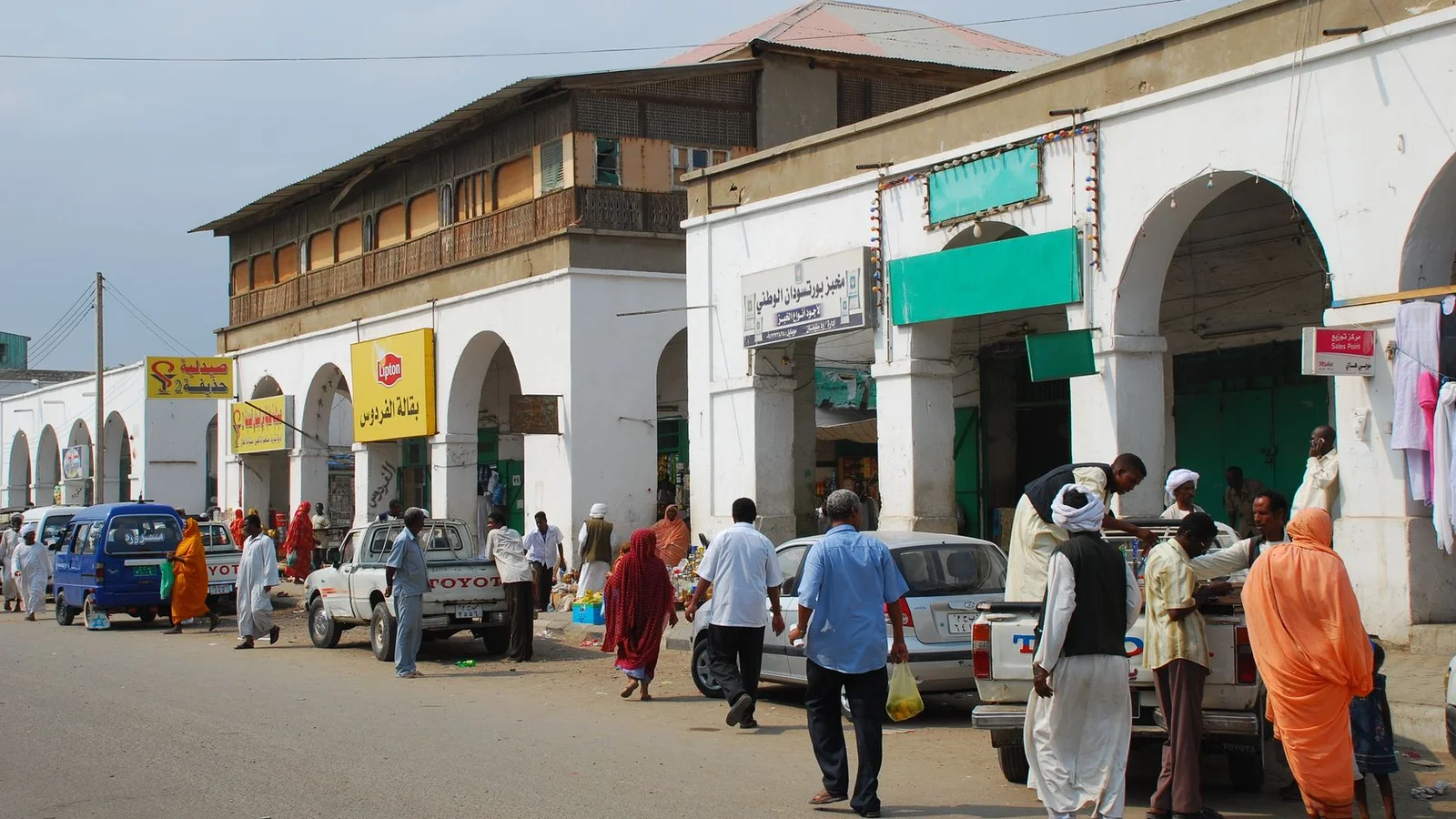
Vernacular Architecture and Passive Cooling Strategies
Old stone houses use thick coral-rag rocks and high wood ceilings for shade.
Wooden window shutters called roshan or mashrabiya screens stop bright sea glare.
Families soak woven palm mats in water and hang them over open doors.
People drink hot spiced tea with mint to stimulate perspiration and cool down.
Porous clay pots called zeer keep drinking water cold without electric refrigeration.
When power outages stop cooling, neighbors share shady breezeways and battery fans.
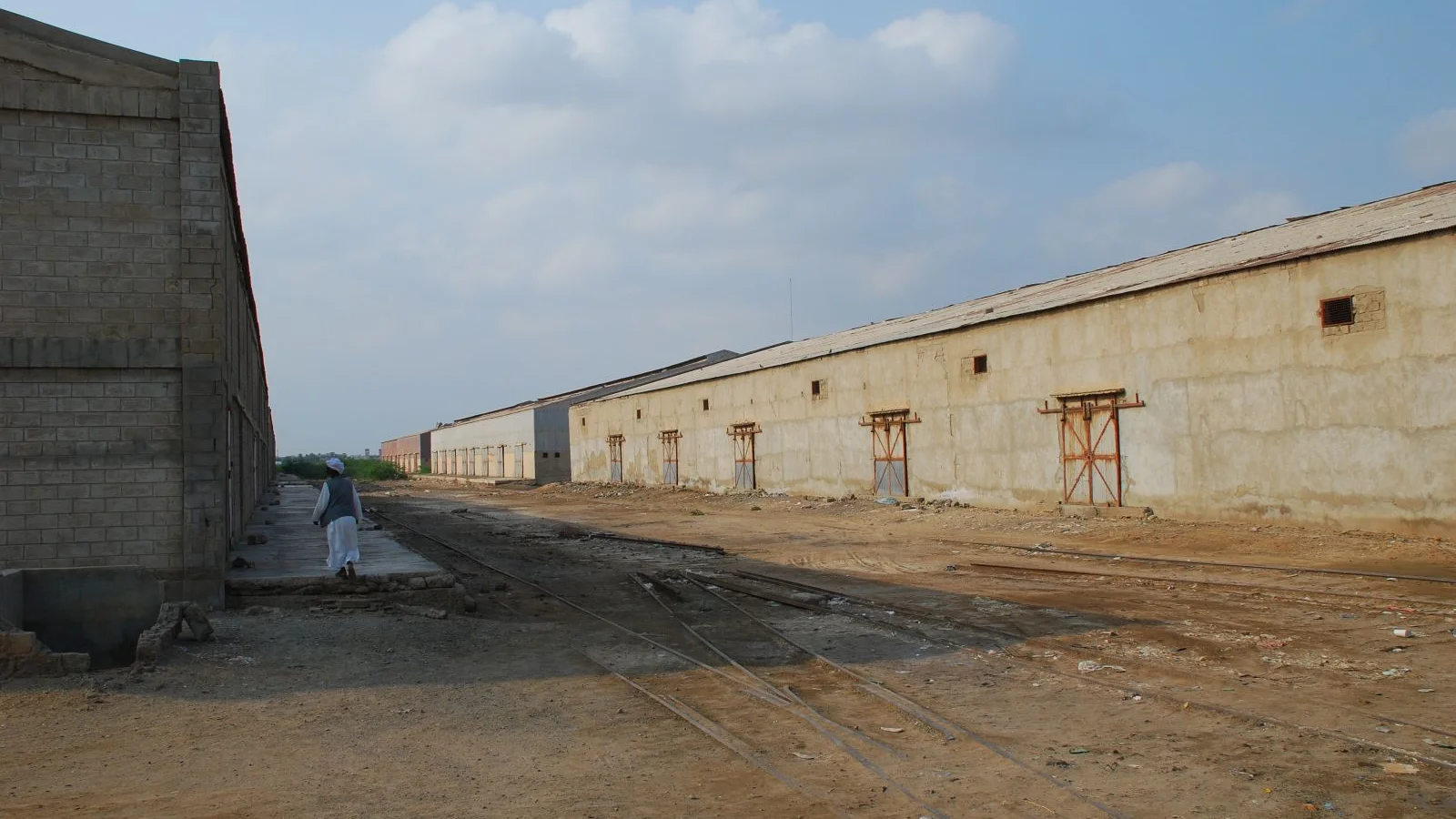
Evening Wind Shifts, Corniche Leisure, and Rooftop Living
Cool onshore marine sea winds start blowing around five, dropping afternoon heat.
Shopkeepers open metal storefront doors again as evening retail trade begins.
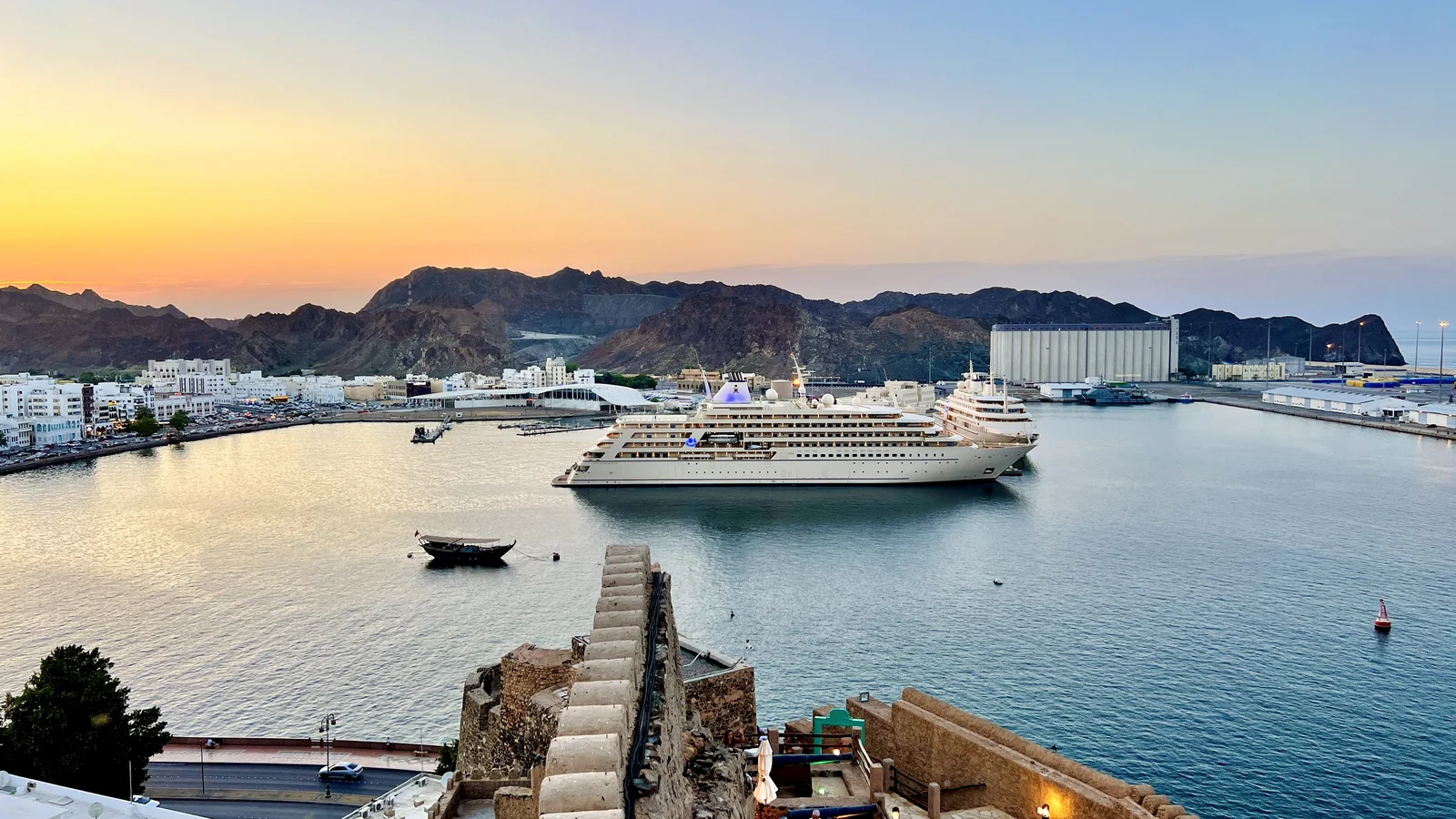
Thousands of residents congregate along the harbour corniche at sunset to stroll.
Seaside cafeteria tables serve grilled coral trout and fresh juice until midnight.
Families carry light rope-beds called anqareeb up to flat open rooftops.
People sleep outdoors under night skies to catch cool gentle night winds.
A2 · Elementary
Port Sudan Heat Routines: Maritime Humidity and the Thermal Clock
From pre-dawn dock shifts and midday commercial shuttering to coastal sea breezes and rooftop evening socializing, Red Sea humidity shapes daily life in Port Sudan.
Pre-Dawn Shifts and Early Maritime Mobility
Summer daytime temperatures in Port Sudan frequently surpass forty-five degrees Celsius alongside maritime relative humidity exceeding eighty percent. Stevedores, dockers, and crane operators begin heavy quayside loading operations at four-thirty in the morning to complete strenuous labor before peak sun. Wholesale fish merchants at Al-Seqala market conduct all primary auctions and retail transactions during the cool dawn hours before eight.
Commuters and school buses complete morning transit trips before ten in the morning when radiant asphalt heat begins building. Municipal street sweepers conclude outdoor cleaning duties by nine in the morning, retreating to shaded maintenance depots. Meanwhile, early morning market shoppers purchase fresh produce and refrigerated meat early to prevent perishable spoilage in the humid air.
Midday Thermal Retraction and Commercial Shuttering
Between one in the afternoon and four-thirty, downtown Port Sudan retail shops roll down corrugated metal security shutters for the daily thermal recess. Commercial bank branches, administrative registries, and government bureaus suspend in-person public transactions during the hottest afternoon hours. Urban streets, usually bustling with pedestrians, empty completely as residents retreat indoors behind drawn curtains and heavy fabric blinds.
Extended families gather in ground-floor rooms cooled by evaporative air coolers and oscillating ceiling fans during the afternoon lull. Freight haulage lorries pull into shaded industrial truck stops along the highway perimeter to prevent tire blowouts on blisteringly hot asphalt. Furthermore, construction sites halt outdoor masonry and scaffolding work under municipal labor regulations whenever ambient temperatures cross forty-two degrees.
Vernacular Architecture and Passive Cooling Strategies
Traditional coastal stone buildings utilize thick coral-rag masonry and high wooden ceilings to buffer interiors against relentless daytime solar heat. Louvered wooden window shutters, known locally as roshan or mashrabiya screens, filter harsh sea glare while capturing ambient airflow. Households soak woven palm mats and cotton sheets in cool tap water and hang them over doorway openings to create evaporative draft cooling.
In un-airconditioned quarters, families drink hot spiced tea infused with mint and cardamom throughout the afternoon to stimulate physiological cooling through perspiration. Porous earthenware clay jars called zeer placed in cross-ventilated interior corridors provide naturally chilled drinking water without electric refrigeration. When frequent power outages disable mechanical air conditioners, neighbors share shaded ground-floor breezeways and battery-operated fan units.
Evening Wind Shifts, Corniche Leisure, and Rooftop Living
Around five-thirty in the afternoon, the onshore Red Sea marine breeze strengthens, dropping coastal air temperatures by several degrees. Shopkeepers rattle open metal storefront shutters as commercial avenues, bakeries, and cafes reactivate for evening retail trade. Thousands of residents congregate along the central harbour corniche after sunset to stroll in the cool sea air and drink ginger-spiced coffee.
Open-air seaside cafeteria tables fill with families ordering grilled Red Sea coral trout, fresh falafel, and chilled fruit juices until midnight. When bedroom walls retain radiated heat late into the night, families carry light wooden rope-beds called anqareeb up to open rooftops. Sleeping outdoors under the coastal night sky allows residents to catch gentle night winds before the dawn sun restarts the thermal cycle.
B1 · Intermediate
Port Sudan Heat Routines: Bioclimatic Clocks, Thermal Shuttering, and Coastal Sociality
An analytical study of quayside dawn shifts, afternoon commercial shuttering, passive coral-rag architecture, and nocturnal corniche life.
Pre-Dawn Shifts and Early Maritime Mobility
Summer daytime temperatures in Port Sudan frequently surpass forty-five degrees Celsius alongside maritime relative humidity exceeding eighty percent. Stevedores, dockers, and crane operators begin heavy quayside loading operations at four-thirty in the morning to complete strenuous labor before peak sun. Wholesale fish merchants at Al-Seqala market conduct all primary auctions and retail transactions during the cool dawn hours before eight.
Commuters and school buses complete morning transit trips before ten in the morning when radiant asphalt heat begins building. Municipal street sweepers conclude outdoor cleaning duties by nine in the morning, retreating to shaded maintenance depots. Meanwhile, early morning market shoppers purchase fresh produce and refrigerated meat early to prevent perishable spoilage in the humid air.
Midday Thermal Retraction and Commercial Shuttering
Between one in the afternoon and four-thirty, downtown Port Sudan retail shops roll down corrugated metal security shutters for the daily thermal recess. Commercial bank branches, administrative registries, and government bureaus suspend in-person public transactions during the hottest afternoon hours. Urban streets, usually bustling with pedestrians, empty completely as residents retreat indoors behind drawn curtains and heavy fabric blinds.
Extended families gather in ground-floor rooms cooled by evaporative air coolers and oscillating ceiling fans during the afternoon lull. Freight haulage lorries pull into shaded industrial truck stops along the highway perimeter to prevent tire blowouts on blisteringly hot asphalt. Furthermore, construction sites halt outdoor masonry and scaffolding work under municipal labor regulations whenever ambient temperatures cross forty-two degrees.
Vernacular Architecture and Passive Cooling Strategies
Traditional coastal stone buildings utilize thick coral-rag masonry and high wooden ceilings to buffer interiors against relentless daytime solar heat. Louvered wooden window shutters, known locally as roshan or mashrabiya screens, filter harsh sea glare while capturing ambient airflow. Households soak woven palm mats and cotton sheets in cool tap water and hang them over doorway openings to create evaporative draft cooling.
In un-airconditioned quarters, families drink hot spiced tea infused with mint and cardamom throughout the afternoon to stimulate physiological cooling through perspiration. Porous earthenware clay jars called zeer placed in cross-ventilated interior corridors provide naturally chilled drinking water without electric refrigeration. When frequent power outages disable mechanical air conditioners, neighbors share shaded ground-floor breezeways and battery-operated fan units.
Evening Wind Shifts, Corniche Leisure, and Rooftop Living
Around five-thirty in the afternoon, the onshore Red Sea marine breeze strengthens, dropping coastal air temperatures by several degrees. Shopkeepers rattle open metal storefront shutters as commercial avenues, bakeries, and cafes reactivate for evening retail trade. Thousands of residents congregate along the central harbour corniche after sunset to stroll in the cool sea air and drink ginger-spiced coffee.
Open-air seaside cafeteria tables fill with families ordering grilled Red Sea coral trout, fresh falafel, and chilled fruit juices until midnight. When bedroom walls retain radiated heat late into the night, families carry light wooden rope-beds called anqareeb up to open rooftops. Sleeping outdoors under the coastal night sky allows residents to catch gentle night winds before the dawn sun restarts the thermal cycle.
B2 · Upper Intermediate
Maritime Climatology, Vernacular Thermoregulation, and Urban Schedules in Port Sudan
Investigating extreme humidity indices, occupational heat limits, roshan screen airflow mechanics, and rooftop anqareeb traditions.
Pre-Dawn Shifts and Early Maritime Mobility
Summer daytime temperatures in Port Sudan frequently surpass forty-five degrees Celsius alongside maritime relative humidity exceeding eighty percent. Stevedores, dockers, and crane operators begin heavy quayside loading operations at four-thirty in the morning to complete strenuous labor before peak sun. Wholesale fish merchants at Al-Seqala market conduct all primary auctions and retail transactions during the cool dawn hours before eight.
Commuters and school buses complete morning transit trips before ten in the morning when radiant asphalt heat begins building. Municipal street sweepers conclude outdoor cleaning duties by nine in the morning, retreating to shaded maintenance depots. Meanwhile, early morning market shoppers purchase fresh produce and refrigerated meat early to prevent perishable spoilage in the humid air.
Midday Thermal Retraction and Commercial Shuttering
Between one in the afternoon and four-thirty, downtown Port Sudan retail shops roll down corrugated metal security shutters for the daily thermal recess. Commercial bank branches, administrative registries, and government bureaus suspend in-person public transactions during the hottest afternoon hours. Urban streets, usually bustling with pedestrians, empty completely as residents retreat indoors behind drawn curtains and heavy fabric blinds.
Extended families gather in ground-floor rooms cooled by evaporative air coolers and oscillating ceiling fans during the afternoon lull. Freight haulage lorries pull into shaded industrial truck stops along the highway perimeter to prevent tire blowouts on blisteringly hot asphalt. Furthermore, construction sites halt outdoor masonry and scaffolding work under municipal labor regulations whenever ambient temperatures cross forty-two degrees.
Vernacular Architecture and Passive Cooling Strategies
Traditional coastal stone buildings utilize thick coral-rag masonry and high wooden ceilings to buffer interiors against relentless daytime solar heat. Louvered wooden window shutters, known locally as roshan or mashrabiya screens, filter harsh sea glare while capturing ambient airflow. Households soak woven palm mats and cotton sheets in cool tap water and hang them over doorway openings to create evaporative draft cooling.
In un-airconditioned quarters, families drink hot spiced tea infused with mint and cardamom throughout the afternoon to stimulate physiological cooling through perspiration. Porous earthenware clay jars called zeer placed in cross-ventilated interior corridors provide naturally chilled drinking water without electric refrigeration. When frequent power outages disable mechanical air conditioners, neighbors share shaded ground-floor breezeways and battery-operated fan units.
Evening Wind Shifts, Corniche Leisure, and Rooftop Living
Around five-thirty in the afternoon, the onshore Red Sea marine breeze strengthens, dropping coastal air temperatures by several degrees. Shopkeepers rattle open metal storefront shutters as commercial avenues, bakeries, and cafes reactivate for evening retail trade. Thousands of residents congregate along the central harbour corniche after sunset to stroll in the cool sea air and drink ginger-spiced coffee.
Open-air seaside cafeteria tables fill with families ordering grilled Red Sea coral trout, fresh falafel, and chilled fruit juices until midnight. When bedroom walls retain radiated heat late into the night, families carry light wooden rope-beds called anqareeb up to open rooftops. Sleeping outdoors under the coastal night sky allows residents to catch gentle night winds before the dawn sun restarts the thermal cycle.
C1 · Advanced
Red Sea Microclimatology, Diurnal Thermal Retraction, and Coastal Resilience in Port Sudan
A critical examination of forty-five-degree daytime extremes, corrugated security recess, evaporative cooling physics, and nocturnal reactivation.
Pre-Dawn Shifts and Early Maritime Mobility
Summer daytime temperatures in Port Sudan frequently surpass forty-five degrees Celsius alongside maritime relative humidity exceeding eighty percent. Stevedores, dockers, and crane operators begin heavy quayside loading operations at four-thirty in the morning to complete strenuous labor before peak sun. Wholesale fish merchants at Al-Seqala market conduct all primary auctions and retail transactions during the cool dawn hours before eight.
Commuters and school buses complete morning transit trips before ten in the morning when radiant asphalt heat begins building. Municipal street sweepers conclude outdoor cleaning duties by nine in the morning, retreating to shaded maintenance depots. Meanwhile, early morning market shoppers purchase fresh produce and refrigerated meat early to prevent perishable spoilage in the humid air.
Midday Thermal Retraction and Commercial Shuttering
Between one in the afternoon and four-thirty, downtown Port Sudan retail shops roll down corrugated metal security shutters for the daily thermal recess. Commercial bank branches, administrative registries, and government bureaus suspend in-person public transactions during the hottest afternoon hours. Urban streets, usually bustling with pedestrians, empty completely as residents retreat indoors behind drawn curtains and heavy fabric blinds.
Extended families gather in ground-floor rooms cooled by evaporative air coolers and oscillating ceiling fans during the afternoon lull. Freight haulage lorries pull into shaded industrial truck stops along the highway perimeter to prevent tire blowouts on blisteringly hot asphalt. Furthermore, construction sites halt outdoor masonry and scaffolding work under municipal labor regulations whenever ambient temperatures cross forty-two degrees.
Vernacular Architecture and Passive Cooling Strategies
Traditional coastal stone buildings utilize thick coral-rag masonry and high wooden ceilings to buffer interiors against relentless daytime solar heat. Louvered wooden window shutters, known locally as roshan or mashrabiya screens, filter harsh sea glare while capturing ambient airflow. Households soak woven palm mats and cotton sheets in cool tap water and hang them over doorway openings to create evaporative draft cooling.
In un-airconditioned quarters, families drink hot spiced tea infused with mint and cardamom throughout the afternoon to stimulate physiological cooling through perspiration. Porous earthenware clay jars called zeer placed in cross-ventilated interior corridors provide naturally chilled drinking water without electric refrigeration. When frequent power outages disable mechanical air conditioners, neighbors share shaded ground-floor breezeways and battery-operated fan units.
Evening Wind Shifts, Corniche Leisure, and Rooftop Living
Around five-thirty in the afternoon, the onshore Red Sea marine breeze strengthens, dropping coastal air temperatures by several degrees. Shopkeepers rattle open metal storefront shutters as commercial avenues, bakeries, and cafes reactivate for evening retail trade. Thousands of residents congregate along the central harbour corniche after sunset to stroll in the cool sea air and drink ginger-spiced coffee.
Open-air seaside cafeteria tables fill with families ordering grilled Red Sea coral trout, fresh falafel, and chilled fruit juices until midnight. When bedroom walls retain radiated heat late into the night, families carry light wooden rope-beds called anqareeb up to open rooftops. Sleeping outdoors under the coastal night sky allows residents to catch gentle night winds before the dawn sun restarts the thermal cycle.
C2 · Mastery
Coastal Aridity, Vernacular Bioclimatic Architecture, and Diurnal Rhythms in Port Sudan
A comprehensive journalistic monograph tracing pre-dawn stevedore mobilization, coral-rag thermal buffering, zeer jar cooling, and rooftop winds.
Pre-Dawn Shifts and Early Maritime Mobility
Summer daytime temperatures in Port Sudan frequently surpass forty-five degrees Celsius alongside maritime relative humidity exceeding eighty percent. Stevedores, dockers, and crane operators begin heavy quayside loading operations at four-thirty in the morning to complete strenuous labor before peak sun. Wholesale fish merchants at Al-Seqala market conduct all primary auctions and retail transactions during the cool dawn hours before eight.
Commuters and school buses complete morning transit trips before ten in the morning when radiant asphalt heat begins building. Municipal street sweepers conclude outdoor cleaning duties by nine in the morning, retreating to shaded maintenance depots. Meanwhile, early morning market shoppers purchase fresh produce and refrigerated meat early to prevent perishable spoilage in the humid air.
Midday Thermal Retraction and Commercial Shuttering
Between one in the afternoon and four-thirty, downtown Port Sudan retail shops roll down corrugated metal security shutters for the daily thermal recess. Commercial bank branches, administrative registries, and government bureaus suspend in-person public transactions during the hottest afternoon hours. Urban streets, usually bustling with pedestrians, empty completely as residents retreat indoors behind drawn curtains and heavy fabric blinds.
Extended families gather in ground-floor rooms cooled by evaporative air coolers and oscillating ceiling fans during the afternoon lull. Freight haulage lorries pull into shaded industrial truck stops along the highway perimeter to prevent tire blowouts on blisteringly hot asphalt. Furthermore, construction sites halt outdoor masonry and scaffolding work under municipal labor regulations whenever ambient temperatures cross forty-two degrees.
Vernacular Architecture and Passive Cooling Strategies
Traditional coastal stone buildings utilize thick coral-rag masonry and high wooden ceilings to buffer interiors against relentless daytime solar heat. Louvered wooden window shutters, known locally as roshan or mashrabiya screens, filter harsh sea glare while capturing ambient airflow. Households soak woven palm mats and cotton sheets in cool tap water and hang them over doorway openings to create evaporative draft cooling.
In un-airconditioned quarters, families drink hot spiced tea infused with mint and cardamom throughout the afternoon to stimulate physiological cooling through perspiration. Porous earthenware clay jars called zeer placed in cross-ventilated interior corridors provide naturally chilled drinking water without electric refrigeration. When frequent power outages disable mechanical air conditioners, neighbors share shaded ground-floor breezeways and battery-operated fan units.
Evening Wind Shifts, Corniche Leisure, and Rooftop Living
Around five-thirty in the afternoon, the onshore Red Sea marine breeze strengthens, dropping coastal air temperatures by several degrees. Shopkeepers rattle open metal storefront shutters as commercial avenues, bakeries, and cafes reactivate for evening retail trade. Thousands of residents congregate along the central harbour corniche after sunset to stroll in the cool sea air and drink ginger-spiced coffee.
Open-air seaside cafeteria tables fill with families ordering grilled Red Sea coral trout, fresh falafel, and chilled fruit juices until midnight. When bedroom walls retain radiated heat late into the night, families carry light wooden rope-beds called anqareeb up to open rooftops. Sleeping outdoors under the coastal night sky allows residents to catch gentle night winds before the dawn sun restarts the thermal cycle.
Check your understanding
Choose how closely you want to revisit the article. You can refer back while answering, and review explanations when you finish.
Quick Quiz A1
Try one question, then create a free account for the full Quick Quiz. Sign Up Free
Answer every question before checking. There is no time limit.
Your results
/ 1 correct (%)
Read the explanations to see how each answer connects to the article.
-
How hot do summer days get in Port Sudan?
1. Answer:
Quick Quiz A2
Try one question, then create a free account for the full Quick Quiz. Sign Up Free
Answer every question before checking. There is no time limit.
Your results
/ 1 correct (%)
Read the explanations to see how each answer connects to the article.
-
What summer daytime temperatures and relative humidity occur in Port Sudan?
1. Answer:
Quick Quiz B1
Try one question, then create a free account for the full Quick Quiz. Sign Up Free
Answer every question before checking. There is no time limit.
Your results
/ 1 correct (%)
Read the explanations to see how each answer connects to the article.
-
What summer daytime temperatures and relative humidity occur in Port Sudan?
1. Answer:
Quick Quiz B2
Try one question, then create a free account for the full Quick Quiz. Sign Up Free
Answer every question before checking. There is no time limit.
Your results
/ 1 correct (%)
Read the explanations to see how each answer connects to the article.
-
What summer daytime temperatures and relative humidity occur in Port Sudan?
1. Answer:
Quick Quiz C1
Try one question, then create a free account for the full Quick Quiz. Sign Up Free
Answer every question before checking. There is no time limit.
Your results
/ 1 correct (%)
Read the explanations to see how each answer connects to the article.
-
What summer daytime temperatures and relative humidity occur in Port Sudan?
1. Answer:
Quick Quiz C2
Try one question, then create a free account for the full Quick Quiz. Sign Up Free
Answer every question before checking. There is no time limit.
Your results
/ 1 correct (%)
Read the explanations to see how each answer connects to the article.
-
What summer daytime temperatures and relative humidity occur in Port Sudan?
1. Answer:
