A1 · Beginner
Nickerie Rice Supply Chain: Polders and Farming in Suriname
From vast green polder fields and irrigation canals to big mills and port export ships, Nickerie produces Suriname staple food every day.
Polder Topography and Irrigation Canals
The district of Nickerie grows most of the paddy rice harvested in Suriname.
Farmers grow rice in large engineered polder fields near Wageningen and Nieuw Nickerie.
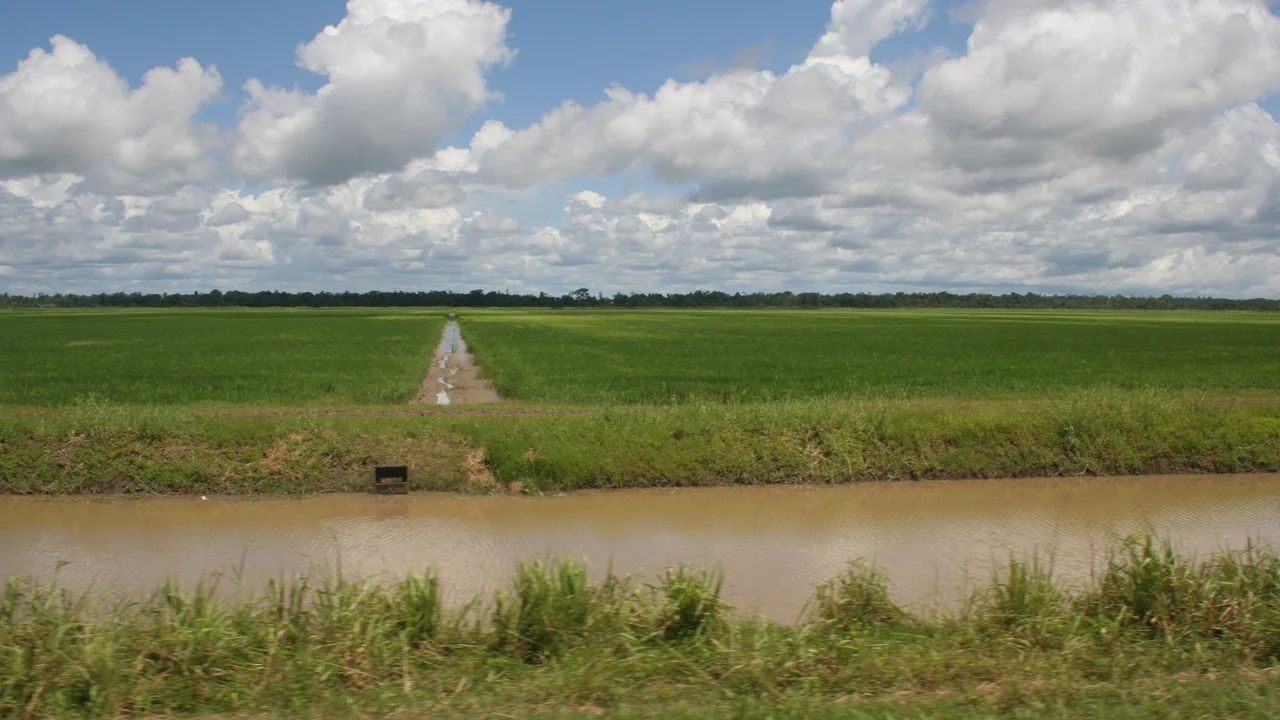
Canals bring abundant fresh water from the Corantijn and Nickerie river networks.
The Wakay pumping station on the Corantijn River lifts river water into feeder canals.
Thick coastal clay soils provide strong water retention for submerged rice fields.
Skilled agronomists at the ADRON research center breed strong seeds for coastal soils.
Mechanized Cultivation and Harvesting Cycles
Suriname rice farming is highly mechanized, using tractors with steel cage wheels for mud puddling.
Farmers plant two rice crops every calendar year based on seasonal precipitation.
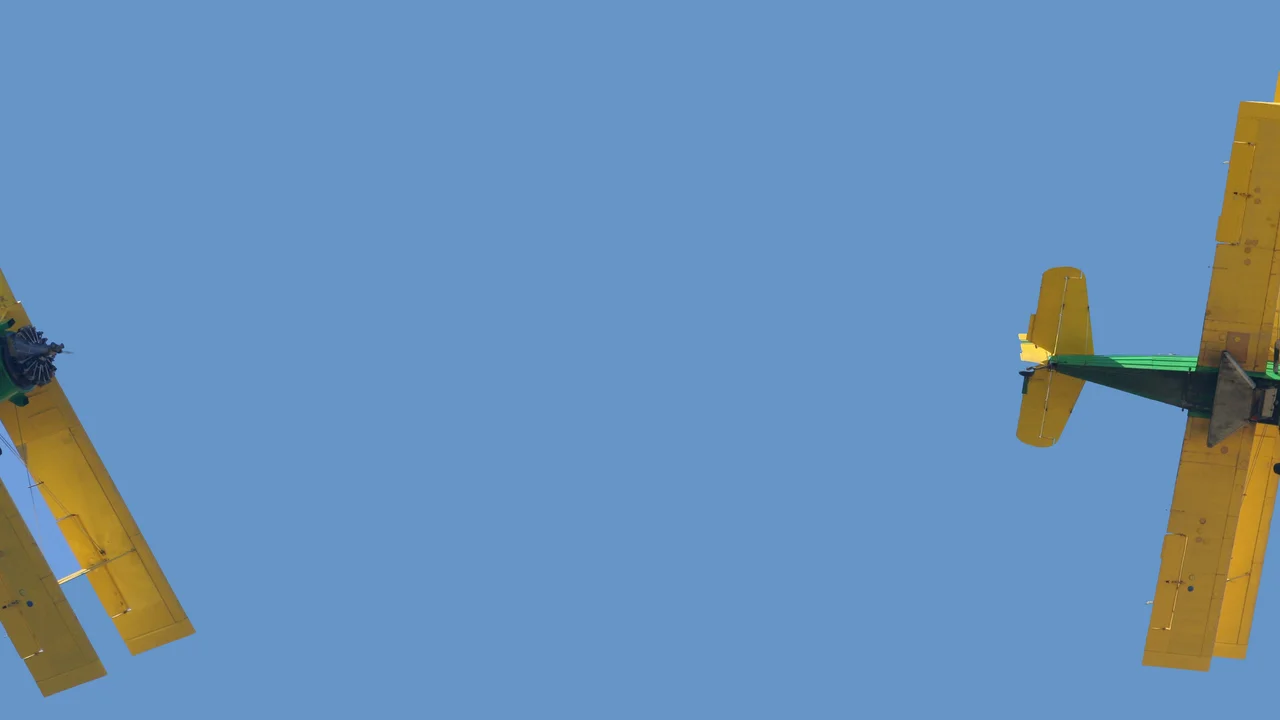
Airplanes fly over contiguous fields to drop seeds and spread fertilizer across polders.
Heavy combine harvesters cut ripe stalks in wet fields to collect rice grain.
Tipping trailers carry wet harvested paddy along dikes directly to drying stations.
High expenses for fuel, fertilizers, and tractor parts affect farmer profit margins.
Industrial Milling Parboiling and Quality Control
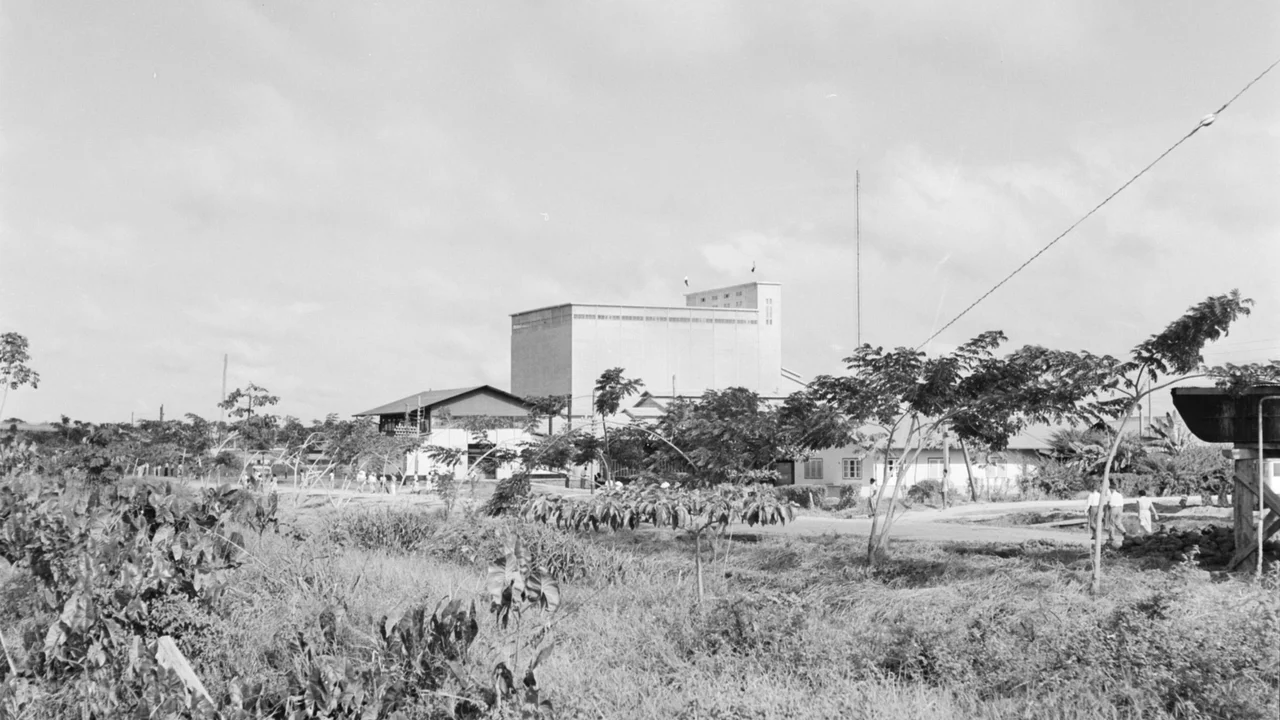
Harvested rice is dried in tall aeration silos to protect grain quality.
Mills use dehusking machines and friction polishers to make clean white rice.
Processing plants use hydrothermal parboiling to steam rough rice before milling.
Fast optical sorters scan kernels with digital sensors to remove discolored grains.
Milling byproducts like bran feed farm animals while husks are combusted for steam.
Government inspectors check milling facilities and certify rice shipments for international trade.
Domestic Food Security and Transatlantic Export
Rice is the primary staple food in Suriname with high annual per capita consumption.
Packaged rice brands handle domestic distribution to supermarkets and institutional kitchens.
Suriname exports surplus rice to regional CARICOM neighbors like Jamaica and Trinidad.
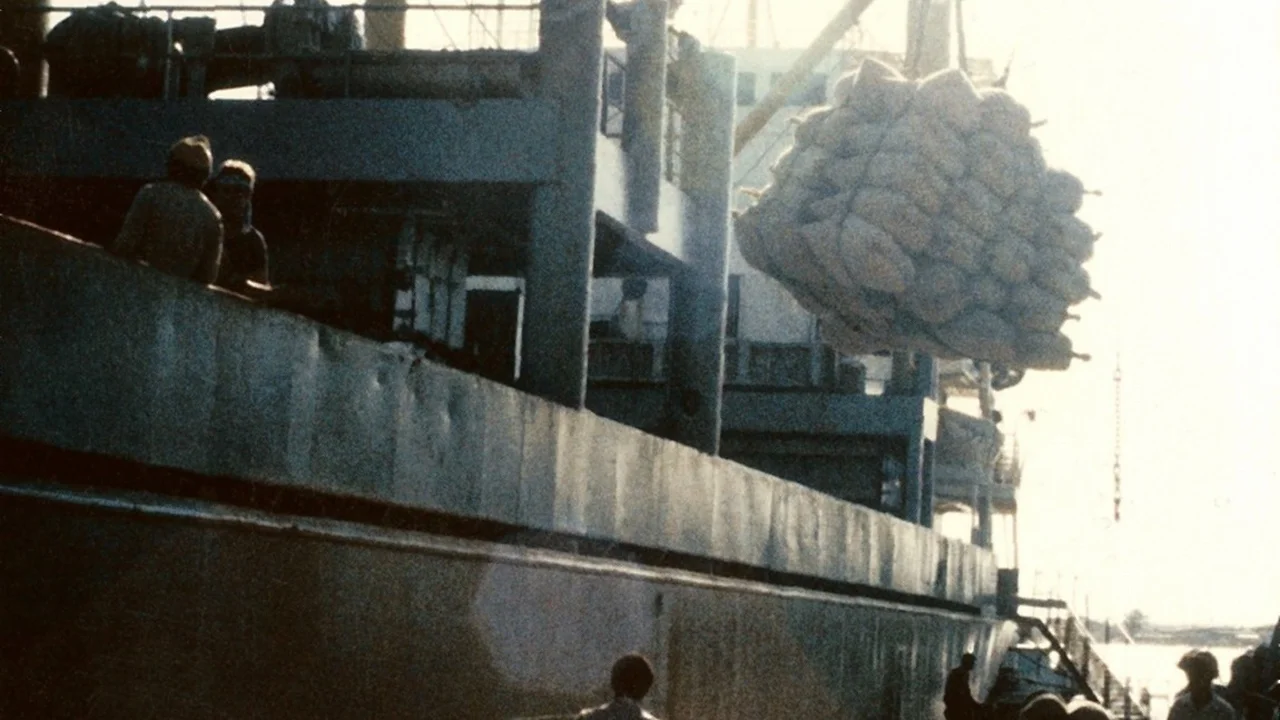
Ocean coaster vessels dock at the Port of Nieuw Nickerie to load rice cargo.
The rice industry provides essential livelihoods for thousands of machine drivers and workers.
Exporters collaborate as stakeholders to organize shipping contracts and expand export markets.
A2 · Elementary
Nickerie Rice Supply Chain: Mechanized Agriculture and Milling in Suriname
Exploring how coastal polders, Corantijn River irrigation, aerial crop care, and modern milling facilities drive Suriname rice economy.
Polder Topography and Irrigation Canals
The coastal district of Nickerie in northwestern Suriname yields over eighty-five percent of national paddy rice production.
Commercial cultivation unfolds within engineered polder blocks, centered on historical Wageningen layouts and coastal reclamation polders.
The Corantijn and Nickerie river networks provide abundant fresh water, conveyed through hundreds of kilometers of concrete-gated canals.
Large intake stations such as the Wakay pumping station on the Corantijn River lift water into primary feeder canals during dry planting cycles.
Heavy marine clay soils deposited along the Atlantic coastal plain provide exceptional natural water retention for submerged polder basins.
Specialized agronomists at the Anne van Dijk Rice Research Centre breed resilient seed varieties tailored for humid tropical conditions.
Mechanized Cultivation and Harvesting Cycles
Suriname rice farming operates as an extensively mechanized agricultural system, using heavy tractors with cage wheels for mud puddling.
Growers schedule two planting cycles per calendar year, timing field preparation around seasonal precipitation rhythms.
Commercial agricultural aviation firms deploy specialized biplanes for aerial seeding, fertilizer spreading, and crop care over contiguous polders.
Modern tracked combine harvesters reap flooded acreage during harvest weeks, stripping rough grain from mature rice stalks.
High-sided tipping trailers haul freshly harvested grain along earthen dikes directly from field margins to drying stations.
Rising operating expenses for imported fuel, chemical fertilizers, and tractor replacement parts put pressure on grower profit margins.
Industrial Milling Parboiling and Quality Control
Freshly cut paddy undergoes immediate moisture reduction in tall aeration silos to bring grain moisture below fourteen percent.
Industrial mills in Nieuw Nickerie process dried paddy through modern dehusking equipment, separators, and friction polishers to produce white rice.
Leading processing enterprises operate hydrothermal parboiling facilities, soaking and steaming unhusked grain to enhance nutritional value.
High-speed optical sorters scan finished kernels with digital sensors, ejecting chalky or stained grains to guarantee export-grade purity.
Milling byproducts create valuable secondary revenue, as bran is turned into livestock feed while husks are combusted to generate boiler steam.
Inspectors from the Ministry of Agriculture, Animal Husbandry and Fisheries examine processing lines and certify export grain shipments.
Domestic Food Security and Transatlantic Export
Rice serves as the indispensable daily staple food across Suriname, supporting an annual consumption rate exceeding eighty kilograms per capita.
Nickerie packaged brands manage widespread domestic distribution, supplying retail groceries, open-air markets, and institutional dining halls.
Suriname exports considerable surplus cargo and white rice to regional CARICOM trading partners, including Jamaica, Trinidad, and Barbados.
Ocean-going coaster vessels berth along the deep-water wharf at the Port of Nieuw Nickerie to load bulk export containers.
The agro-industrial supply chain sustains thousands of rural livelihoods across Nickerie, from field equipment mechanics to laboratory technicians.
Key industry stakeholders work through the Association of Surinamese Rice Exporters to coordinate freight contracts and explore new markets.
B1 · Intermediate
Nickerie Rice Supply Chain: Agro-Industrial Systems and Food Security
An analytical examination of Suriname rice industry, evaluating engineered polder hydrology, ADRON seed breeding, and CARICOM trade partnerships.
Polder Topography and Irrigation Canals
The coastal district of Nickerie in northwestern Suriname yields over eighty-five percent of national paddy rice production.
Commercial cultivation unfolds within engineered polder blocks, centered on historical Wageningen layouts and coastal reclamation polders.
The Corantijn and Nickerie river networks provide abundant fresh water, conveyed through hundreds of kilometers of concrete-gated canals.
Large intake stations such as the Wakay pumping station on the Corantijn River lift water into primary feeder canals during dry planting cycles.
Heavy marine clay soils deposited along the Atlantic coastal plain provide exceptional natural water retention for submerged polder basins.
Specialized agronomists at the Anne van Dijk Rice Research Centre breed resilient seed varieties tailored for humid tropical conditions.
Mechanized Cultivation and Harvesting Cycles
Suriname rice farming operates as an extensively mechanized agricultural system, using heavy tractors with cage wheels for mud puddling.
Growers schedule two planting cycles per calendar year, timing field preparation around seasonal precipitation rhythms.
Commercial agricultural aviation firms deploy specialized biplanes for aerial seeding, fertilizer spreading, and crop care over contiguous polders.
Modern tracked combine harvesters reap flooded acreage during harvest weeks, stripping rough grain from mature rice stalks.
High-sided tipping trailers haul freshly harvested grain along earthen dikes directly from field margins to drying stations.
Rising operating expenses for imported fuel, chemical fertilizers, and tractor replacement parts put pressure on grower profit margins.
Industrial Milling Parboiling and Quality Control
Freshly cut paddy undergoes immediate moisture reduction in tall aeration silos to bring grain moisture below fourteen percent.
Industrial mills in Nieuw Nickerie process dried paddy through modern dehusking equipment, separators, and friction polishers to produce white rice.
Leading processing enterprises operate hydrothermal parboiling facilities, soaking and steaming unhusked grain to enhance nutritional value.
High-speed optical sorters scan finished kernels with digital sensors, ejecting chalky or stained grains to guarantee export-grade purity.
Milling byproducts create valuable secondary revenue, as bran is turned into livestock feed while husks are combusted to generate boiler steam.
Inspectors from the Ministry of Agriculture, Animal Husbandry and Fisheries examine processing lines and certify export grain shipments.
Domestic Food Security and Transatlantic Export
Rice serves as the indispensable daily staple food across Suriname, supporting an annual consumption rate exceeding eighty kilograms per capita.
Nickerie packaged brands manage widespread domestic distribution, supplying retail groceries, open-air markets, and institutional dining halls.
Suriname exports considerable surplus cargo and white rice to regional CARICOM trading partners, including Jamaica, Trinidad, and Barbados.
Ocean-going coaster vessels berth along the deep-water wharf at the Port of Nieuw Nickerie to load bulk export containers.
The agro-industrial supply chain sustains thousands of rural livelihoods across Nickerie, from field equipment mechanics to laboratory technicians.
Key industry stakeholders work through the Association of Surinamese Rice Exporters to coordinate freight contracts and explore new markets.
B2 · Upper Intermediate
Nickerie Rice Supply Chain: Polder Engineering, Parboiling, and Export Logistics
Investigating the interplay of Wakay river pumping, optical sorting technology, biomass energy cogeneration, and coaster shipping from Nieuw Nickerie.
Polder Topography and Irrigation Canals
The coastal district of Nickerie in northwestern Suriname yields over eighty-five percent of national paddy rice production.
Commercial cultivation unfolds within engineered polder blocks, centered on historical Wageningen layouts and coastal reclamation polders.
The Corantijn and Nickerie river networks provide abundant fresh water, conveyed through hundreds of kilometers of concrete-gated canals.
Large intake stations such as the Wakay pumping station on the Corantijn River lift water into primary feeder canals during dry planting cycles.
Heavy marine clay soils deposited along the Atlantic coastal plain provide exceptional natural water retention for submerged polder basins.
Specialized agronomists at the Anne van Dijk Rice Research Centre breed resilient seed varieties tailored for humid tropical conditions.
Mechanized Cultivation and Harvesting Cycles
Suriname rice farming operates as an extensively mechanized agricultural system, using heavy tractors with cage wheels for mud puddling.
Growers schedule two planting cycles per calendar year, timing field preparation around seasonal precipitation rhythms.
Commercial agricultural aviation firms deploy specialized biplanes for aerial seeding, fertilizer spreading, and crop care over contiguous polders.
Modern tracked combine harvesters reap flooded acreage during harvest weeks, stripping rough grain from mature rice stalks.
High-sided tipping trailers haul freshly harvested grain along earthen dikes directly from field margins to drying stations.
Rising operating expenses for imported fuel, chemical fertilizers, and tractor replacement parts put pressure on grower profit margins.
Industrial Milling Parboiling and Quality Control
Freshly cut paddy undergoes immediate moisture reduction in tall aeration silos to bring grain moisture below fourteen percent.
Industrial mills in Nieuw Nickerie process dried paddy through modern dehusking equipment, separators, and friction polishers to produce white rice.
Leading processing enterprises operate hydrothermal parboiling facilities, soaking and steaming unhusked grain to enhance nutritional value.
High-speed optical sorters scan finished kernels with digital sensors, ejecting chalky or stained grains to guarantee export-grade purity.
Milling byproducts create valuable secondary revenue, as bran is turned into livestock feed while husks are combusted to generate boiler steam.
Inspectors from the Ministry of Agriculture, Animal Husbandry and Fisheries examine processing lines and certify export grain shipments.
Domestic Food Security and Transatlantic Export
Rice serves as the indispensable daily staple food across Suriname, supporting an annual consumption rate exceeding eighty kilograms per capita.
Nickerie packaged brands manage widespread domestic distribution, supplying retail groceries, open-air markets, and institutional dining halls.
Suriname exports considerable surplus cargo and white rice to regional CARICOM trading partners, including Jamaica, Trinidad, and Barbados.
Ocean-going coaster vessels berth along the deep-water wharf at the Port of Nieuw Nickerie to load bulk export containers.
The agro-industrial supply chain sustains thousands of rural livelihoods across Nickerie, from field equipment mechanics to laboratory technicians.
Key industry stakeholders work through the Association of Surinamese Rice Exporters to coordinate freight contracts and explore new markets.
C1 · Advanced
The Agro-Industrial Political Economy of the Nickerie Rice Supply Chain
A critical journalistic monograph analyzing large-scale polder mechanization, input price volatility, hydrothermal processing, and transatlantic export dynamics.
Polder Topography and Irrigation Canals
The coastal district of Nickerie in northwestern Suriname yields over eighty-five percent of national paddy rice production.
Commercial cultivation unfolds within engineered polder blocks, centered on historical Wageningen layouts and coastal reclamation polders.
The Corantijn and Nickerie river networks provide abundant fresh water, conveyed through hundreds of kilometers of concrete-gated canals.
Large intake stations such as the Wakay pumping station on the Corantijn River lift water into primary feeder canals during dry planting cycles.
Heavy marine clay soils deposited along the Atlantic coastal plain provide exceptional natural water retention for submerged polder basins.
Specialized agronomists at the Anne van Dijk Rice Research Centre breed resilient seed varieties tailored for humid tropical conditions.
Mechanized Cultivation and Harvesting Cycles
Suriname rice farming operates as an extensively mechanized agricultural system, using heavy tractors with cage wheels for mud puddling.
Growers schedule two planting cycles per calendar year, timing field preparation around seasonal precipitation rhythms.
Commercial agricultural aviation firms deploy specialized biplanes for aerial seeding, fertilizer spreading, and crop care over contiguous polders.
Modern tracked combine harvesters reap flooded acreage during harvest weeks, stripping rough grain from mature rice stalks.
High-sided tipping trailers haul freshly harvested grain along earthen dikes directly from field margins to drying stations.
Rising operating expenses for imported fuel, chemical fertilizers, and tractor replacement parts put pressure on grower profit margins.
Industrial Milling Parboiling and Quality Control
Freshly cut paddy undergoes immediate moisture reduction in tall aeration silos to bring grain moisture below fourteen percent.
Industrial mills in Nieuw Nickerie process dried paddy through modern dehusking equipment, separators, and friction polishers to produce white rice.
Leading processing enterprises operate hydrothermal parboiling facilities, soaking and steaming unhusked grain to enhance nutritional value.
High-speed optical sorters scan finished kernels with digital sensors, ejecting chalky or stained grains to guarantee export-grade purity.
Milling byproducts create valuable secondary revenue, as bran is turned into livestock feed while husks are combusted to generate boiler steam.
Inspectors from the Ministry of Agriculture, Animal Husbandry and Fisheries examine processing lines and certify export grain shipments.
Domestic Food Security and Transatlantic Export
Rice serves as the indispensable daily staple food across Suriname, supporting an annual consumption rate exceeding eighty kilograms per capita.
Nickerie packaged brands manage widespread domestic distribution, supplying retail groceries, open-air markets, and institutional dining halls.
Suriname exports considerable surplus cargo and white rice to regional CARICOM trading partners, including Jamaica, Trinidad, and Barbados.
Ocean-going coaster vessels berth along the deep-water wharf at the Port of Nieuw Nickerie to load bulk export containers.
The agro-industrial supply chain sustains thousands of rural livelihoods across Nickerie, from field equipment mechanics to laboratory technicians.
Key industry stakeholders work through the Association of Surinamese Rice Exporters to coordinate freight contracts and explore new markets.
C2 · Mastery
Nickerie Rice Supply Chain: Agrarian Geomorphology, Technology, and International Trade
A comprehensive analytical study of Suriname principal agricultural sector, assessing marine clay pedology, breeding research, and export competitiveness in the Caribbean basin.
Polder Topography and Irrigation Canals
The coastal district of Nickerie in northwestern Suriname yields over eighty-five percent of national paddy rice production.
Commercial cultivation unfolds within engineered polder blocks, centered on historical Wageningen layouts and coastal reclamation polders.
The Corantijn and Nickerie river networks provide abundant fresh water, conveyed through hundreds of kilometers of concrete-gated canals.
Large intake stations such as the Wakay pumping station on the Corantijn River lift water into primary feeder canals during dry planting cycles.
Heavy marine clay soils deposited along the Atlantic coastal plain provide exceptional natural water retention for submerged polder basins.
Specialized agronomists at the Anne van Dijk Rice Research Centre breed resilient seed varieties tailored for humid tropical conditions.
Mechanized Cultivation and Harvesting Cycles
Suriname rice farming operates as an extensively mechanized agricultural system, using heavy tractors with cage wheels for mud puddling.
Growers schedule two planting cycles per calendar year, timing field preparation around seasonal precipitation rhythms.
Commercial agricultural aviation firms deploy specialized biplanes for aerial seeding, fertilizer spreading, and crop care over contiguous polders.
Modern tracked combine harvesters reap flooded acreage during harvest weeks, stripping rough grain from mature rice stalks.
High-sided tipping trailers haul freshly harvested grain along earthen dikes directly from field margins to drying stations.
Rising operating expenses for imported fuel, chemical fertilizers, and tractor replacement parts put pressure on grower profit margins.
Industrial Milling Parboiling and Quality Control
Freshly cut paddy undergoes immediate moisture reduction in tall aeration silos to bring grain moisture below fourteen percent.
Industrial mills in Nieuw Nickerie process dried paddy through modern dehusking equipment, separators, and friction polishers to produce white rice.
Leading processing enterprises operate hydrothermal parboiling facilities, soaking and steaming unhusked grain to enhance nutritional value.
High-speed optical sorters scan finished kernels with digital sensors, ejecting chalky or stained grains to guarantee export-grade purity.
Milling byproducts create valuable secondary revenue, as bran is turned into livestock feed while husks are combusted to generate boiler steam.
Inspectors from the Ministry of Agriculture, Animal Husbandry and Fisheries examine processing lines and certify export grain shipments.
Domestic Food Security and Transatlantic Export
Rice serves as the indispensable daily staple food across Suriname, supporting an annual consumption rate exceeding eighty kilograms per capita.
Nickerie packaged brands manage widespread domestic distribution, supplying retail groceries, open-air markets, and institutional dining halls.
Suriname exports considerable surplus cargo and white rice to regional CARICOM trading partners, including Jamaica, Trinidad, and Barbados.
Ocean-going coaster vessels berth along the deep-water wharf at the Port of Nieuw Nickerie to load bulk export containers.
The agro-industrial supply chain sustains thousands of rural livelihoods across Nickerie, from field equipment mechanics to laboratory technicians.
Key industry stakeholders work through the Association of Surinamese Rice Exporters to coordinate freight contracts and explore new markets.
Check your understanding
Choose how closely you want to revisit the article. You can refer back while answering, and review explanations when you finish.
Quick Quiz A1
Try one question, then create a free account for the full Quick Quiz. Sign Up Free
Answer every question before checking. There is no time limit.
Your results
/ 1 correct (%)
Read the explanations to see how each answer connects to the article.
-
Where is most of the paddy rice in Suriname grown?
1. Answer:
Quick Quiz A2
Try one question, then create a free account for the full Quick Quiz. Sign Up Free
Answer every question before checking. There is no time limit.
Your results
/ 1 correct (%)
Read the explanations to see how each answer connects to the article.
-
What share of Suriname national paddy rice production does Nickerie yield?
1. Answer:
Quick Quiz B1
Try one question, then create a free account for the full Quick Quiz. Sign Up Free
Answer every question before checking. There is no time limit.
Your results
/ 1 correct (%)
Read the explanations to see how each answer connects to the article.
-
What share of Suriname national paddy rice production does Nickerie yield?
1. Answer:
Quick Quiz B2
Try one question, then create a free account for the full Quick Quiz. Sign Up Free
Answer every question before checking. There is no time limit.
Your results
/ 1 correct (%)
Read the explanations to see how each answer connects to the article.
-
What share of Suriname national paddy rice production does Nickerie yield?
1. Answer:
Quick Quiz C1
Try one question, then create a free account for the full Quick Quiz. Sign Up Free
Answer every question before checking. There is no time limit.
Your results
/ 1 correct (%)
Read the explanations to see how each answer connects to the article.
-
What share of Suriname national paddy rice production does Nickerie yield?
1. Answer:
Quick Quiz C2
Try one question, then create a free account for the full Quick Quiz. Sign Up Free
Answer every question before checking. There is no time limit.
Your results
/ 1 correct (%)
Read the explanations to see how each answer connects to the article.
-
What share of Suriname national paddy rice production does Nickerie yield?
1. Answer:
