A1 · Beginner
Port of Paramaribo: Ships and River Cargo in Suriname
From ocean ships crossing the river mouth to big cranes and container trucks, the Port of Paramaribo moves trade into Suriname every day.
Maritime Geography and River Navigation
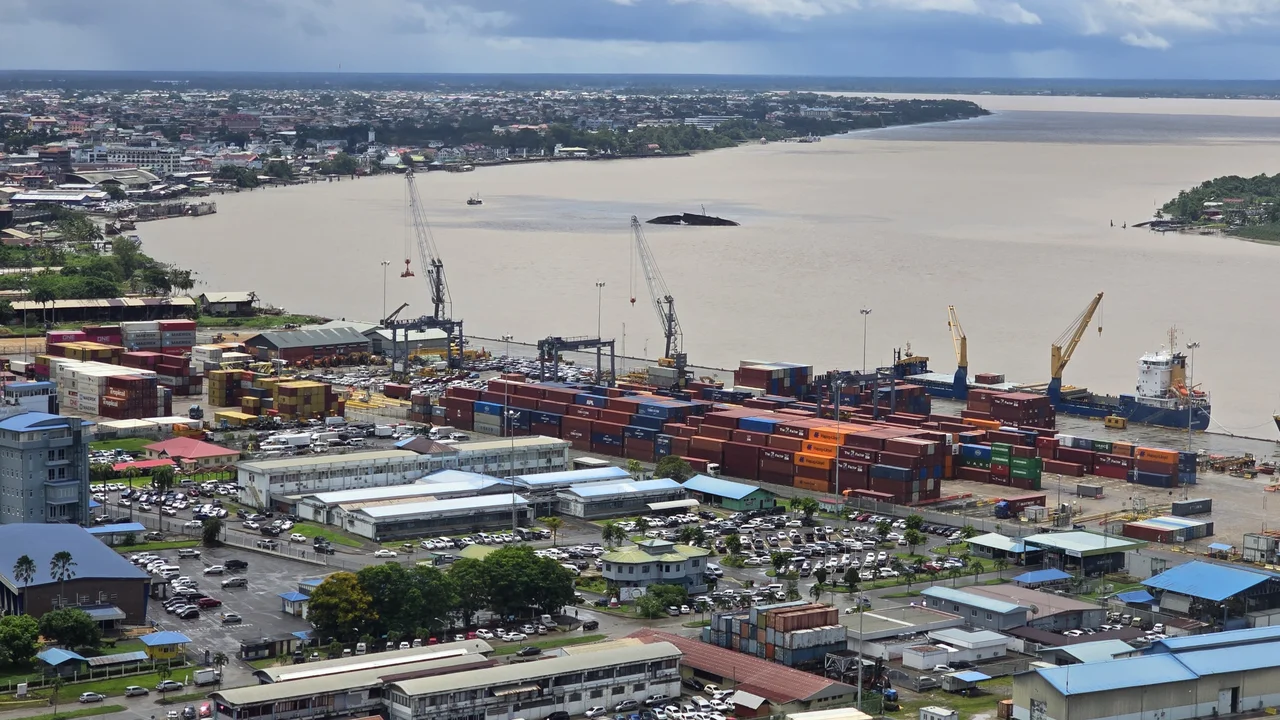
The Port of Paramaribo sits on the Suriname River thirty kilometers upstream from the Atlantic Ocean.
Large cargo ships cross a shallow sand bar near the river mouth at Braamspunt.
Licensed pilots board incoming ships at Braamspunt to provide mandatory river pilotage.
Dredging boats keep a guaranteed depth in the river channel for container ships.
Daily tidal fluctuations raise and lower the river water by up to three meters.
Survey boats use modern sonar devices to map bathymetric changes along the riverbed.
Terminal Infrastructure and Cargo Operations
The port has long concrete wharves that allow several ships to dock at safe moorings.
The terminal has big stacking yards with special reefer plugs for cold food.
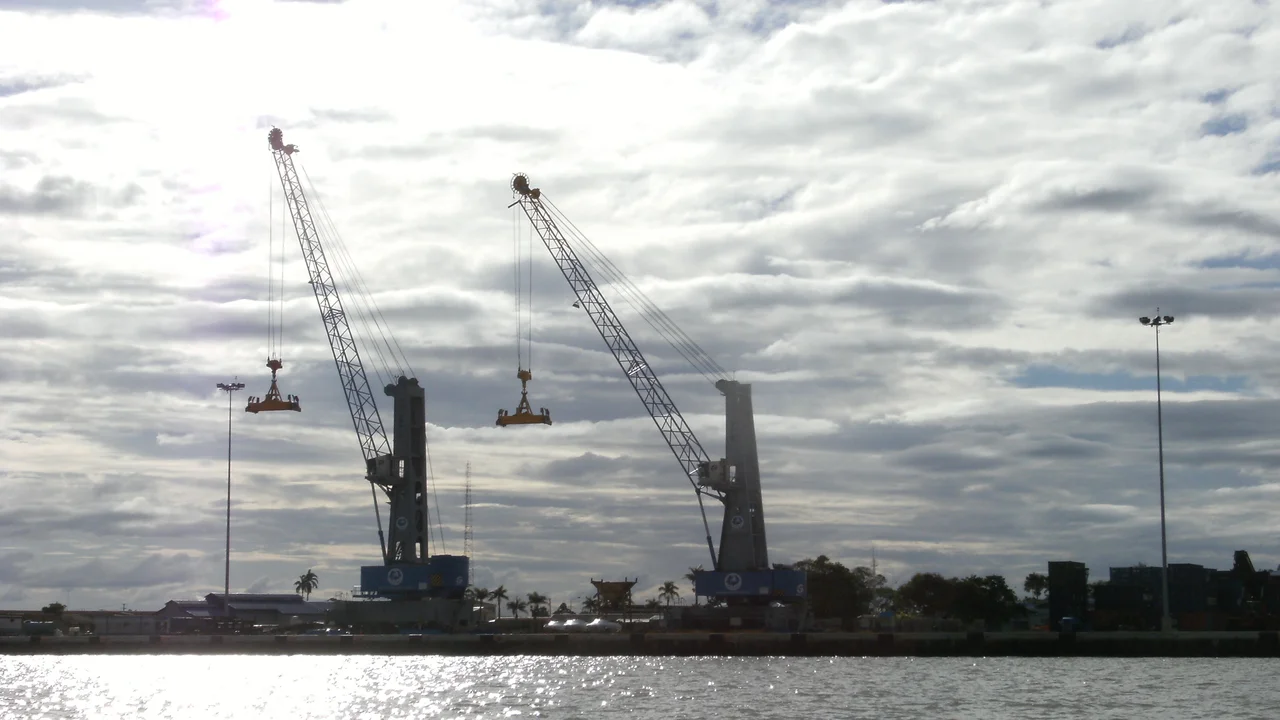
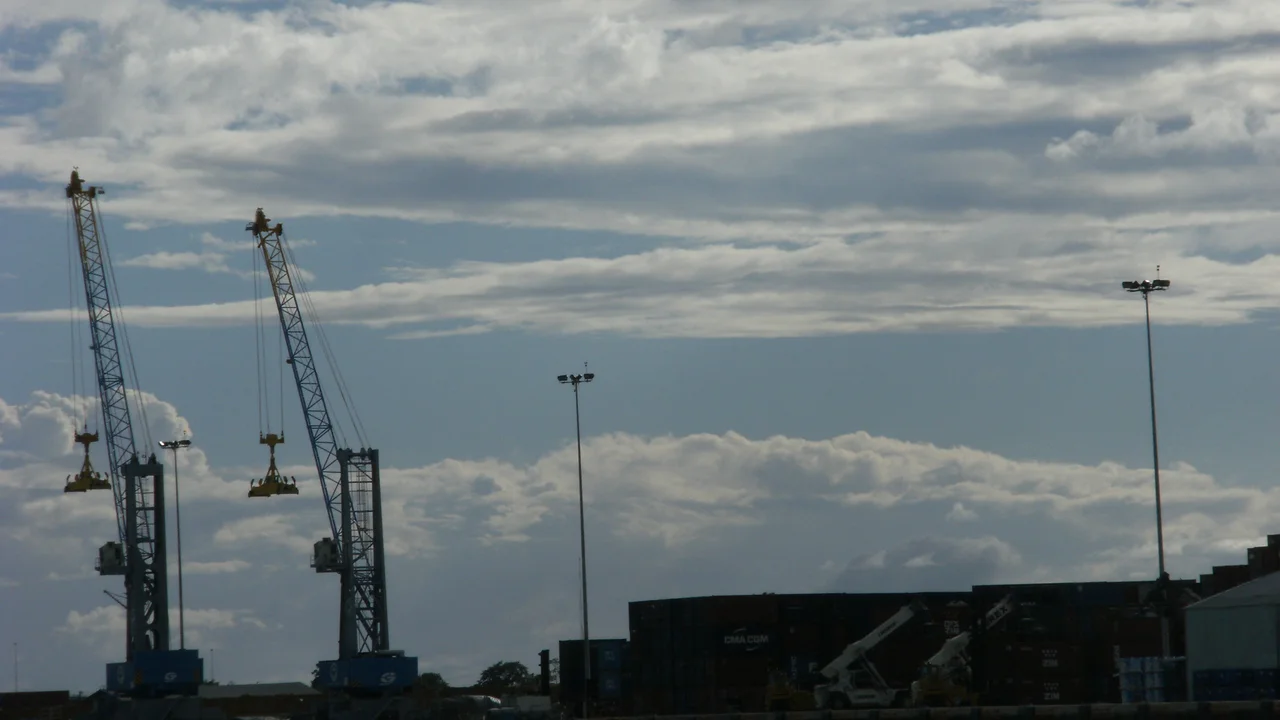
Big harbor cranes and reach stackers move heavy shipping containers with high productivity.
A special dock helps workers unload automotive vehicles, tractors, and mining trucks quickly.
Computer software tracks exact container coordinates from the ship to the exit gate.
Strict security compliance includes perimeter surveillance fences and modern x-ray scanners.
Import Flows Customs and Domestic Distribution
The port handles most containerized imports that arrive in Suriname by sea.
Daily inbound cargo brings manufactured goods, packaged foods, and retail merchandise.
Customs officers check import declarations using automated computers at the port terminal.
Big drive-through scanners check shipping boxes without manual destuffing.
Long articulated trucks carry heavy containers from the port gates onto city highways.
Storage rules encourage quick cargo turnaround to prevent container yard congestion.
Export Logistics Regional Trade and Future Expansion
Suriname exports natural commodities including rice, frozen fish, and hardwood lumber.
The port handles industrial equipment and heavy supplies for gold mining projects.
Weekly scheduled ships carry cargo to regional transshipment ports in the Caribbean.
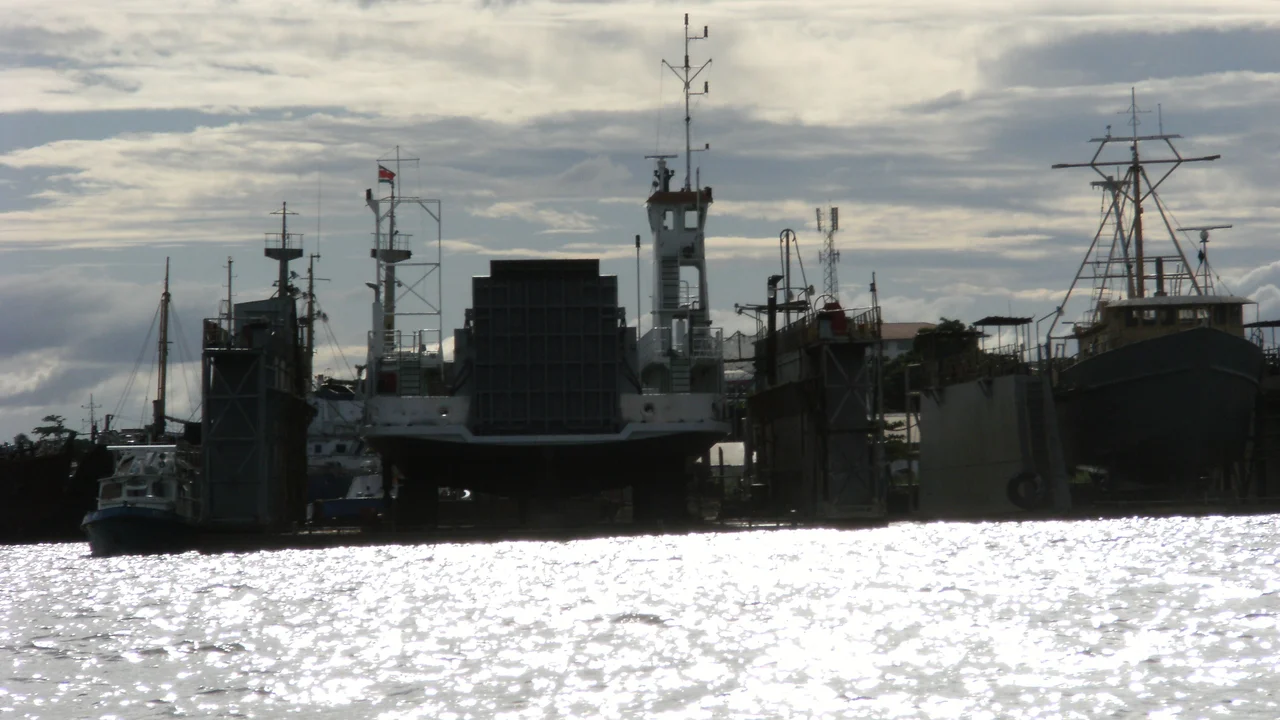
Engineers plan river deepening projects so bigger ships can enter the harbor.
The port won excellence awards from the Caribbean Shipping Association for safe operations.
Better logistics build economic resilience, reduce box dwell times, and lower freight bills.
A2 · Elementary
Port of Paramaribo: Maritime Gateway and River Navigation in Suriname
Exploring how the Dr. Jules Sedney Haven, licensed river pilotage, marginal wharves, and container stacking yards manage Suriname commercial trade.
Maritime Geography and River Navigation
The Port of Paramaribo, officially designated the Dr. Jules Sedney Haven, operates along the western bank of the Suriname River thirty kilometers upstream from the Atlantic Ocean.
Commercial shipping entering the estuary fairway must cross the shallow river mouth bar off Braamspunt under high tidal conditions.
The Maritime Authority of Suriname delivers mandatory licensed pilotage, stationing certified marine pilots to guide ocean freighters safely upriver.
Ongoing maintenance dredging ensures a guaranteed channel depth, allowing reliable access for regional container feeder ships.
Semi-diurnal Atlantic tidal fluctuations generate water level variations up to three meters, governing vessel transit timing and draft limits.
Hydrographic survey crews deploy high-resolution multi-beam sonar systems to monitor migrating silt banks and bathymetric changes across river reaches.
Terminal Infrastructure and Cargo Operations
N.V. Havenbeheer Suriname maintains extensive marginal wharves stretching five hundred meters along the river to accommodate multiple moorings.
Paved container storage yards provide specialized stacking zones, equipped with electrical reefer stations to refrigerate perishable foodstuffs.
Heavy mobile harbor cranes and diesel reach stackers deliver rapid cargo handling productivity, cycling dozens of containers per hour.
A dedicated roll-on roll-off ramp accelerates the discharge of wheeled automotive freight, earthmoving equipment, and mining trucks.
Integrated terminal logistics software tracks container coordinates across the yard from vessel discharge to final road gate dispatch.
Full compliance with the International Ship and Port Facility Security Code ensures robust perimeter surveillance and automated x-ray inspection.
Import Flows Customs and Domestic Distribution
Serving as the country premier commercial supply lifeline, the port handles over ninety percent of all containerized imports entering Suriname.
Daily inbound cargo manifests feature manufactured goods, machinery, construction steel, and boxed retail merchandise.
Douane Suriname inspectors process customs declarations through the automated ASYCUDA platform inside modern examination bays.
Non-intrusive drive-through scanners examine sealed freight boxes, eliminating manual destuffing while detecting contraband goods.
Fleets of heavy articulated tractor-trailers haul cleared containers through security gates onto the city arterial highway network.
Progressive demurrage fees encourage swift container turnaround, preventing terminal yard congestion during heavy holiday trade cycles.
Export Logistics Regional Trade and Future Expansion
Outgoing container traffic moves key agricultural and forestry commodities, including packaged rice, ocean shrimp, and sawn hardwood lumber.
The port functions as an essential logistics base for industrial interior operations, receiving chemicals and specialized hardware for gold mines.
Weekly scheduled feeder connections link Paramaribo to primary regional transshipment hubs in Kingston, Port of Spain, and Manzanillo.
Strategic master plans outline channel deepening projects to accommodate larger vessels and service prospective offshore energy developments.
The facility has earned repeated regional excellence trophies from the Caribbean Shipping Association for operating standards and safety records.
Ongoing infrastructure expansion bolsters national economic resilience, reducing container dwell periods and trimming maritime freight expenses.
B1 · Intermediate
Port of Paramaribo: Terminal Logistics and International Supply Chains
An analytical examination of maritime transport in Paramaribo, assessing estuarine tidal limits, reach stacker productivity, and ASYCUDA customs clearance.
Maritime Geography and River Navigation
The Port of Paramaribo, officially designated the Dr. Jules Sedney Haven, operates along the western bank of the Suriname River thirty kilometers upstream from the Atlantic Ocean.
Commercial shipping entering the estuary fairway must cross the shallow river mouth bar off Braamspunt under high tidal conditions.
The Maritime Authority of Suriname delivers mandatory licensed pilotage, stationing certified marine pilots to guide ocean freighters safely upriver.
Ongoing maintenance dredging ensures a guaranteed channel depth, allowing reliable access for regional container feeder ships.
Semi-diurnal Atlantic tidal fluctuations generate water level variations up to three meters, governing vessel transit timing and draft limits.
Hydrographic survey crews deploy high-resolution multi-beam sonar systems to monitor migrating silt banks and bathymetric changes across river reaches.
Terminal Infrastructure and Cargo Operations
N.V. Havenbeheer Suriname maintains extensive marginal wharves stretching five hundred meters along the river to accommodate multiple moorings.
Paved container storage yards provide specialized stacking zones, equipped with electrical reefer stations to refrigerate perishable foodstuffs.
Heavy mobile harbor cranes and diesel reach stackers deliver rapid cargo handling productivity, cycling dozens of containers per hour.
A dedicated roll-on roll-off ramp accelerates the discharge of wheeled automotive freight, earthmoving equipment, and mining trucks.
Integrated terminal logistics software tracks container coordinates across the yard from vessel discharge to final road gate dispatch.
Full compliance with the International Ship and Port Facility Security Code ensures robust perimeter surveillance and automated x-ray inspection.
Import Flows Customs and Domestic Distribution
Serving as the country premier commercial supply lifeline, the port handles over ninety percent of all containerized imports entering Suriname.
Daily inbound cargo manifests feature manufactured goods, machinery, construction steel, and boxed retail merchandise.
Douane Suriname inspectors process customs declarations through the automated ASYCUDA platform inside modern examination bays.
Non-intrusive drive-through scanners examine sealed freight boxes, eliminating manual destuffing while detecting contraband goods.
Fleets of heavy articulated tractor-trailers haul cleared containers through security gates onto the city arterial highway network.
Progressive demurrage fees encourage swift container turnaround, preventing terminal yard congestion during heavy holiday trade cycles.
Export Logistics Regional Trade and Future Expansion
Outgoing container traffic moves key agricultural and forestry commodities, including packaged rice, ocean shrimp, and sawn hardwood lumber.
The port functions as an essential logistics base for industrial interior operations, receiving chemicals and specialized hardware for gold mines.
Weekly scheduled feeder connections link Paramaribo to primary regional transshipment hubs in Kingston, Port of Spain, and Manzanillo.
Strategic master plans outline channel deepening projects to accommodate larger vessels and service prospective offshore energy developments.
The facility has earned repeated regional excellence trophies from the Caribbean Shipping Association for operating standards and safety records.
Ongoing infrastructure expansion bolsters national economic resilience, reducing container dwell periods and trimming maritime freight expenses.
B2 · Upper Intermediate
Port of Paramaribo: Estuarine Hydrography and Container Terminal Economics
Investigating Braamspunt navigation dredging, ISPS security compliance, non-intrusive scanning, and Caribbean feeder networks connecting Suriname to global markets.
Maritime Geography and River Navigation
The Port of Paramaribo, officially designated the Dr. Jules Sedney Haven, operates along the western bank of the Suriname River thirty kilometers upstream from the Atlantic Ocean.
Commercial shipping entering the estuary fairway must cross the shallow river mouth bar off Braamspunt under high tidal conditions.
The Maritime Authority of Suriname delivers mandatory licensed pilotage, stationing certified marine pilots to guide ocean freighters safely upriver.
Ongoing maintenance dredging ensures a guaranteed channel depth, allowing reliable access for regional container feeder ships.
Semi-diurnal Atlantic tidal fluctuations generate water level variations up to three meters, governing vessel transit timing and draft limits.
Hydrographic survey crews deploy high-resolution multi-beam sonar systems to monitor migrating silt banks and bathymetric changes across river reaches.
Terminal Infrastructure and Cargo Operations
N.V. Havenbeheer Suriname maintains extensive marginal wharves stretching five hundred meters along the river to accommodate multiple moorings.
Paved container storage yards provide specialized stacking zones, equipped with electrical reefer stations to refrigerate perishable foodstuffs.
Heavy mobile harbor cranes and diesel reach stackers deliver rapid cargo handling productivity, cycling dozens of containers per hour.
A dedicated roll-on roll-off ramp accelerates the discharge of wheeled automotive freight, earthmoving equipment, and mining trucks.
Integrated terminal logistics software tracks container coordinates across the yard from vessel discharge to final road gate dispatch.
Full compliance with the International Ship and Port Facility Security Code ensures robust perimeter surveillance and automated x-ray inspection.
Import Flows Customs and Domestic Distribution
Serving as the country premier commercial supply lifeline, the port handles over ninety percent of all containerized imports entering Suriname.
Daily inbound cargo manifests feature manufactured goods, machinery, construction steel, and boxed retail merchandise.
Douane Suriname inspectors process customs declarations through the automated ASYCUDA platform inside modern examination bays.
Non-intrusive drive-through scanners examine sealed freight boxes, eliminating manual destuffing while detecting contraband goods.
Fleets of heavy articulated tractor-trailers haul cleared containers through security gates onto the city arterial highway network.
Progressive demurrage fees encourage swift container turnaround, preventing terminal yard congestion during heavy holiday trade cycles.
Export Logistics Regional Trade and Future Expansion
Outgoing container traffic moves key agricultural and forestry commodities, including packaged rice, ocean shrimp, and sawn hardwood lumber.
The port functions as an essential logistics base for industrial interior operations, receiving chemicals and specialized hardware for gold mines.
Weekly scheduled feeder connections link Paramaribo to primary regional transshipment hubs in Kingston, Port of Spain, and Manzanillo.
Strategic master plans outline channel deepening projects to accommodate larger vessels and service prospective offshore energy developments.
The facility has earned repeated regional excellence trophies from the Caribbean Shipping Association for operating standards and safety records.
Ongoing infrastructure expansion bolsters national economic resilience, reducing container dwell periods and trimming maritime freight expenses.
C1 · Advanced
The Maritime Geopolitics and Port Logistics of the Dr. Jules Sedney Haven
A critical journalistic monograph analyzing navigation fairway bathymetry, container dwell dynamics, demurrage economics, and regional transshipment connectivity.
Maritime Geography and River Navigation
The Port of Paramaribo, officially designated the Dr. Jules Sedney Haven, operates along the western bank of the Suriname River thirty kilometers upstream from the Atlantic Ocean.
Commercial shipping entering the estuary fairway must cross the shallow river mouth bar off Braamspunt under high tidal conditions.
The Maritime Authority of Suriname delivers mandatory licensed pilotage, stationing certified marine pilots to guide ocean freighters safely upriver.
Ongoing maintenance dredging ensures a guaranteed channel depth, allowing reliable access for regional container feeder ships.
Semi-diurnal Atlantic tidal fluctuations generate water level variations up to three meters, governing vessel transit timing and draft limits.
Hydrographic survey crews deploy high-resolution multi-beam sonar systems to monitor migrating silt banks and bathymetric changes across river reaches.
Terminal Infrastructure and Cargo Operations
N.V. Havenbeheer Suriname maintains extensive marginal wharves stretching five hundred meters along the river to accommodate multiple moorings.
Paved container storage yards provide specialized stacking zones, equipped with electrical reefer stations to refrigerate perishable foodstuffs.
Heavy mobile harbor cranes and diesel reach stackers deliver rapid cargo handling productivity, cycling dozens of containers per hour.
A dedicated roll-on roll-off ramp accelerates the discharge of wheeled automotive freight, earthmoving equipment, and mining trucks.
Integrated terminal logistics software tracks container coordinates across the yard from vessel discharge to final road gate dispatch.
Full compliance with the International Ship and Port Facility Security Code ensures robust perimeter surveillance and automated x-ray inspection.
Import Flows Customs and Domestic Distribution
Serving as the country premier commercial supply lifeline, the port handles over ninety percent of all containerized imports entering Suriname.
Daily inbound cargo manifests feature manufactured goods, machinery, construction steel, and boxed retail merchandise.
Douane Suriname inspectors process customs declarations through the automated ASYCUDA platform inside modern examination bays.
Non-intrusive drive-through scanners examine sealed freight boxes, eliminating manual destuffing while detecting contraband goods.
Fleets of heavy articulated tractor-trailers haul cleared containers through security gates onto the city arterial highway network.
Progressive demurrage fees encourage swift container turnaround, preventing terminal yard congestion during heavy holiday trade cycles.
Export Logistics Regional Trade and Future Expansion
Outgoing container traffic moves key agricultural and forestry commodities, including packaged rice, ocean shrimp, and sawn hardwood lumber.
The port functions as an essential logistics base for industrial interior operations, receiving chemicals and specialized hardware for gold mines.
Weekly scheduled feeder connections link Paramaribo to primary regional transshipment hubs in Kingston, Port of Spain, and Manzanillo.
Strategic master plans outline channel deepening projects to accommodate larger vessels and service prospective offshore energy developments.
The facility has earned repeated regional excellence trophies from the Caribbean Shipping Association for operating standards and safety records.
Ongoing infrastructure expansion bolsters national economic resilience, reducing container dwell periods and trimming maritime freight expenses.
C2 · Mastery
Port of Paramaribo: Estuarine Navigation, Supply Security, and Caribbean Trade Integration
A comprehensive analytical study of Suriname principal maritime trade portal, examining river hydrography, terminal operating systems, and offshore logistics expansion.
Maritime Geography and River Navigation
The Port of Paramaribo, officially designated the Dr. Jules Sedney Haven, operates along the western bank of the Suriname River thirty kilometers upstream from the Atlantic Ocean.
Commercial shipping entering the estuary fairway must cross the shallow river mouth bar off Braamspunt under high tidal conditions.
The Maritime Authority of Suriname delivers mandatory licensed pilotage, stationing certified marine pilots to guide ocean freighters safely upriver.
Ongoing maintenance dredging ensures a guaranteed channel depth, allowing reliable access for regional container feeder ships.
Semi-diurnal Atlantic tidal fluctuations generate water level variations up to three meters, governing vessel transit timing and draft limits.
Hydrographic survey crews deploy high-resolution multi-beam sonar systems to monitor migrating silt banks and bathymetric changes across river reaches.
Terminal Infrastructure and Cargo Operations
N.V. Havenbeheer Suriname maintains extensive marginal wharves stretching five hundred meters along the river to accommodate multiple moorings.
Paved container storage yards provide specialized stacking zones, equipped with electrical reefer stations to refrigerate perishable foodstuffs.
Heavy mobile harbor cranes and diesel reach stackers deliver rapid cargo handling productivity, cycling dozens of containers per hour.
A dedicated roll-on roll-off ramp accelerates the discharge of wheeled automotive freight, earthmoving equipment, and mining trucks.
Integrated terminal logistics software tracks container coordinates across the yard from vessel discharge to final road gate dispatch.
Full compliance with the International Ship and Port Facility Security Code ensures robust perimeter surveillance and automated x-ray inspection.
Import Flows Customs and Domestic Distribution
Serving as the country premier commercial supply lifeline, the port handles over ninety percent of all containerized imports entering Suriname.
Daily inbound cargo manifests feature manufactured goods, machinery, construction steel, and boxed retail merchandise.
Douane Suriname inspectors process customs declarations through the automated ASYCUDA platform inside modern examination bays.
Non-intrusive drive-through scanners examine sealed freight boxes, eliminating manual destuffing while detecting contraband goods.
Fleets of heavy articulated tractor-trailers haul cleared containers through security gates onto the city arterial highway network.
Progressive demurrage fees encourage swift container turnaround, preventing terminal yard congestion during heavy holiday trade cycles.
Export Logistics Regional Trade and Future Expansion
Outgoing container traffic moves key agricultural and forestry commodities, including packaged rice, ocean shrimp, and sawn hardwood lumber.
The port functions as an essential logistics base for industrial interior operations, receiving chemicals and specialized hardware for gold mines.
Weekly scheduled feeder connections link Paramaribo to primary regional transshipment hubs in Kingston, Port of Spain, and Manzanillo.
Strategic master plans outline channel deepening projects to accommodate larger vessels and service prospective offshore energy developments.
The facility has earned repeated regional excellence trophies from the Caribbean Shipping Association for operating standards and safety records.
Ongoing infrastructure expansion bolsters national economic resilience, reducing container dwell periods and trimming maritime freight expenses.
Check your understanding
Choose how closely you want to revisit the article. You can refer back while answering, and review explanations when you finish.
Quick Quiz A1
Try one question, then create a free account for the full Quick Quiz. Sign Up Free
Answer every question before checking. There is no time limit.
Your results
/ 1 correct (%)
Read the explanations to see how each answer connects to the article.
-
Where does the Port of Paramaribo sit on the Suriname River?
1. Answer:
Quick Quiz A2
Try one question, then create a free account for the full Quick Quiz. Sign Up Free
Answer every question before checking. There is no time limit.
Your results
/ 1 correct (%)
Read the explanations to see how each answer connects to the article.
-
What is the official name of the Port of Paramaribo?
1. Answer:
Quick Quiz B1
Try one question, then create a free account for the full Quick Quiz. Sign Up Free
Answer every question before checking. There is no time limit.
Your results
/ 1 correct (%)
Read the explanations to see how each answer connects to the article.
-
What is the official name of the Port of Paramaribo?
1. Answer:
Quick Quiz B2
Try one question, then create a free account for the full Quick Quiz. Sign Up Free
Answer every question before checking. There is no time limit.
Your results
/ 1 correct (%)
Read the explanations to see how each answer connects to the article.
-
What is the official name of the Port of Paramaribo?
1. Answer:
Quick Quiz C1
Try one question, then create a free account for the full Quick Quiz. Sign Up Free
Answer every question before checking. There is no time limit.
Your results
/ 1 correct (%)
Read the explanations to see how each answer connects to the article.
-
What is the official name of the Port of Paramaribo?
1. Answer:
Quick Quiz C2
Try one question, then create a free account for the full Quick Quiz. Sign Up Free
Answer every question before checking. There is no time limit.
Your results
/ 1 correct (%)
Read the explanations to see how each answer connects to the article.
-
What is the official name of the Port of Paramaribo?
1. Answer:
