A1 · Beginner
Paramaribo Market Enterprises: Stalls, Food Trade, and Daily Commerce
From fruit and vegetable stalls to family shops and savings circles, market businesses in Paramaribo supply city food every day.
Municipal Market Stalls and Vendor Licensing
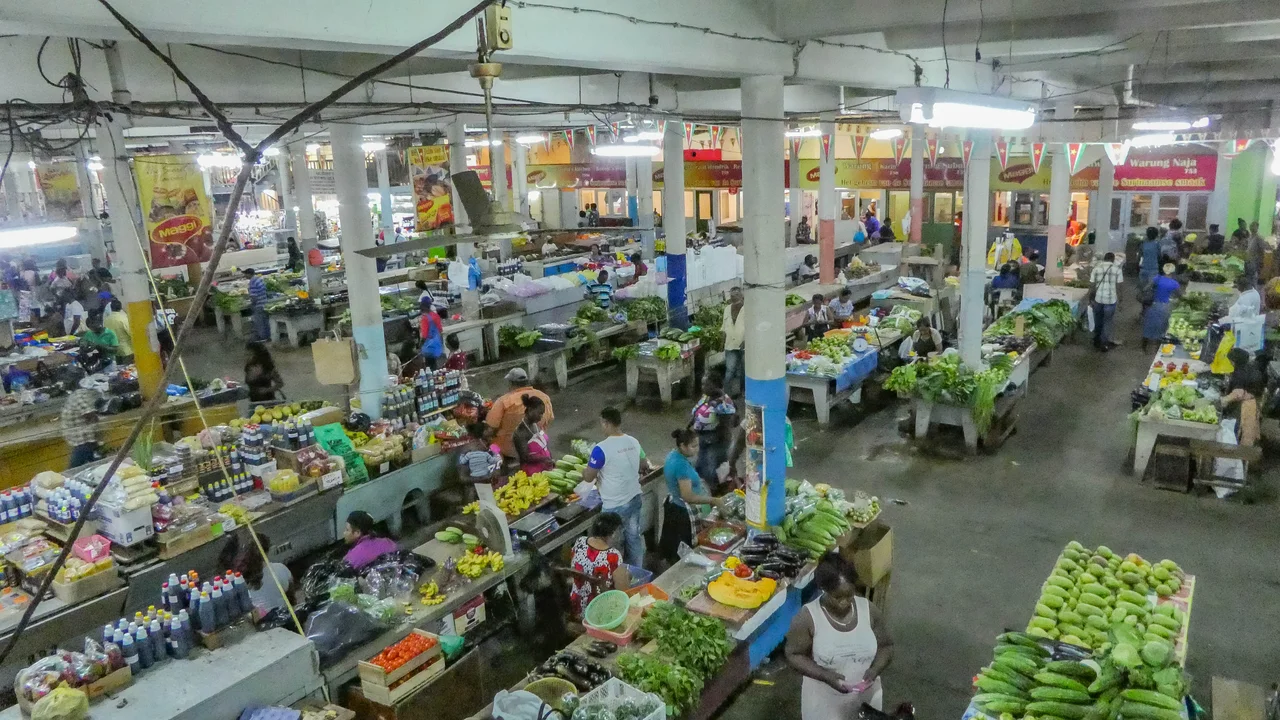
Paramaribo municipal markets host over two thousand licensed micro-enterprises in large central trading halls like the Centrale Markt and Markt Zuid.
The Paramaribo District Commissariat issues official stall concessions and municipal vendor permits to operate fixed market berths.
Vendors pay modest monthly concession fees and municipal utility dues to maintain legal tenancy in covered market halls.
Municipal market regulations require periodic sanitary inspections and compliance with standardized trade weights and measures.
Stallholders register with the Ministry of Economic Affairs to obtain formal enterprise identification and tax filing status.
Municipal stall rosters record designated merchant rights, preventing unauthorized stall sub-leasing and ensuring orderly commercial operations.
Agricultural Supply Chains and Wholesale Sourcing
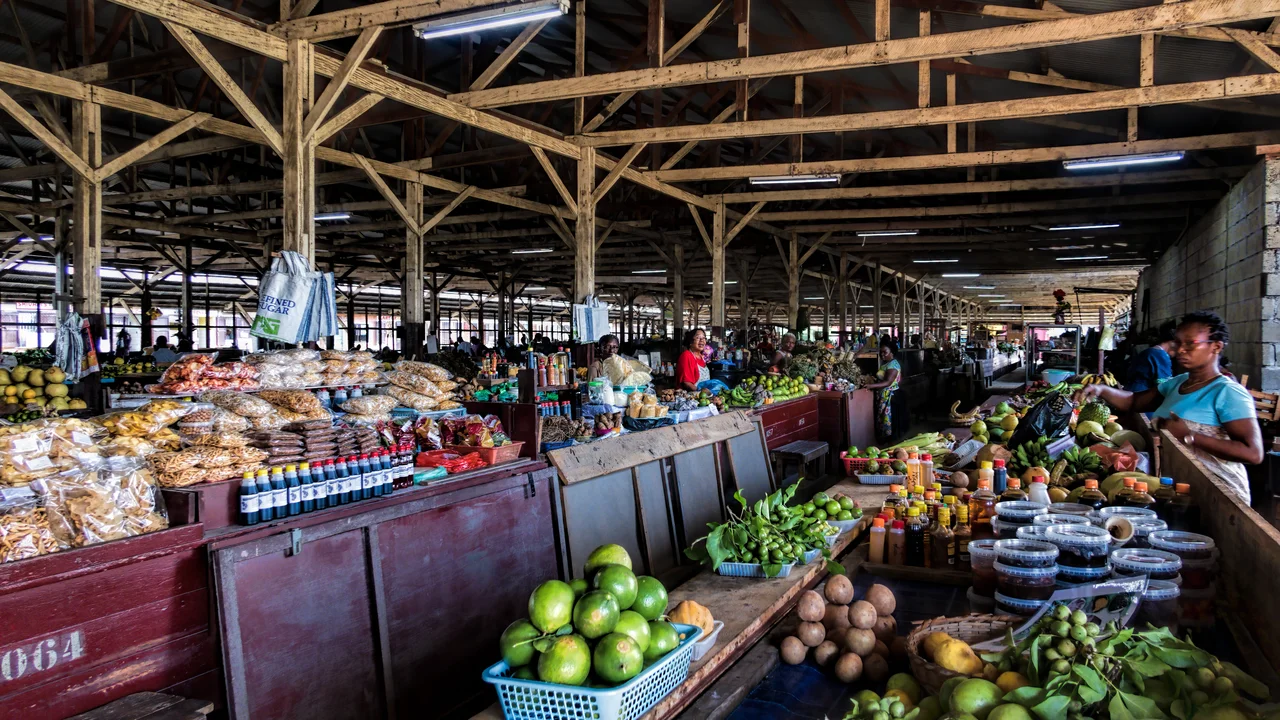
Market enterprises source fresh agricultural produce directly from smallholder farming districts including Saramacca, Wanica, and Commewijne.
Wholesale delivery trucks and river cargo boats arrive at market loading docks during predawn hours to unload fresh harvests.
Smallholder farmers negotiate direct wholesale transactions with stallholders, bypassing expensive intermediaries and long commercial distribution chains.
Perishable vegetables such as bitter gourd, yardlong beans, and hot peppers require rapid daily inventory turnover to prevent spoilage.
Traditional supplier credit arrangements allow retail vendors to pay wholesale distributors after concluding daily evening sales.
Dry goods merchants maintain inventory buffers of rice, imported spices, and cooking oils to insulate enterprises from wholesale price volatility.
Cash Velocity and Informal Microfinance Networks
Paramaribo market transactions rely predominantly on physical Surinamese dollar cash, ensuring high monetary velocity throughout trading days.
Many market women participate in rotating informal savings and credit associations known locally as kasmoni to accumulate operating capital.
Kasmoni organizers collect regular weekly cash contributions from market stallholders, distributing pooled sums to fund bulk inventory restocking.
Rising commercial adoption of mobile banking apps and digital QR codes complements traditional cash commerce at market counters.
Stallholders keep handwritten enterprise ledgers to track customer short-term grocery credit and monitor thin operating profit margins.
Access to formal commercial bank credit remains limited for market stallholders due to collateral requirements, elevating informal microcredit reliance.
Enterprise Resilience and Urban Economic Integration
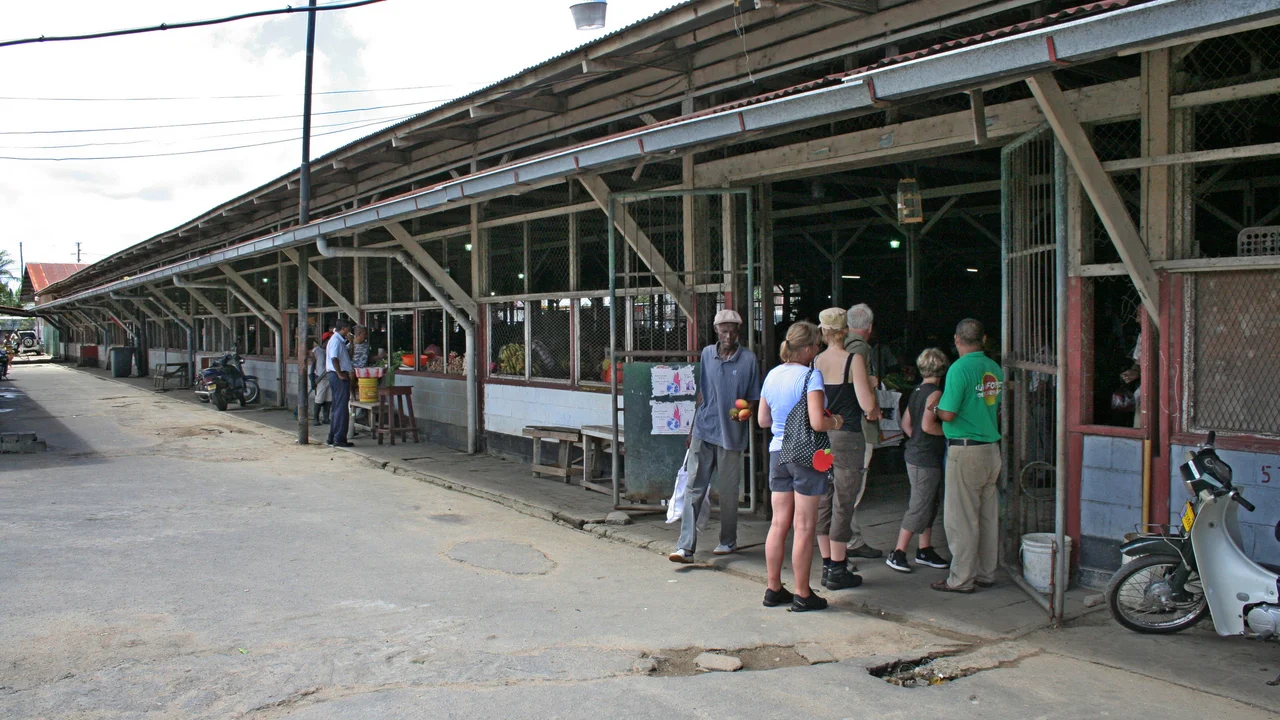
Independent market stalls function as vital generational family businesses, often passed down across mother-daughter merchant lineages.
Maroon and Creole female entrepreneurs represent a substantial majority of traditional produce and medicinal herb vendors in municipal markets.
Paramaribo market enterprises buffer urban households against macroeconomic fluctuations and foreign exchange currency depreciation.
Market vendor associations advocate before municipal authorities for facility renovations, improved lighting, and enhanced security patrols.
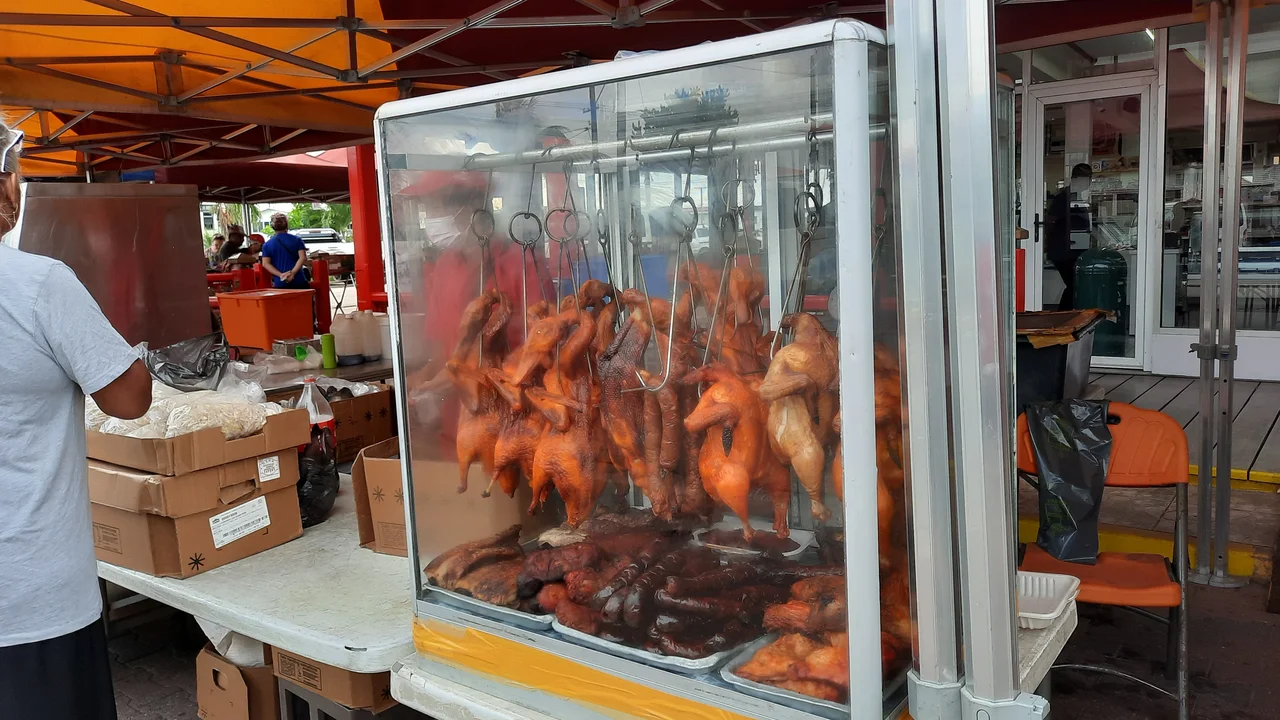
Specialized weekend street markets such as the Chinese Sunday market expand commercial trading turnover for niche food retailers.
Integrating municipal market enterprises into national development plans sustains urban food security and informal labor employment.
A2 · Elementary
Paramaribo Market Enterprises: Stall Tenancy and Fresh Produce Supply
Exploring how municipal stall concessions, direct farmer supply routes, and informal credit sustain small retail businesses in Paramaribo.
Municipal Market Stalls and Vendor Licensing
Paramaribo municipal markets host over two thousand licensed micro-enterprises across central trading facilities like the Centrale Markt and Markt Zuid.
The Paramaribo District Commissariat issues official stall concessions and municipal vendor permits to operate fixed market berths.
Vendors pay modest monthly concession fees and municipal utility dues to maintain legal commercial tenancy in covered market halls.
Municipal market regulations require periodic sanitary inspections and compliance with standardized trade weights and measures.
Stallholders register with the Ministry of Economic Affairs to obtain formal retail enterprise identification and tax filing status.
Municipal stall rosters record designated merchant rights, preventing unauthorized stall sub-leasing and ensuring orderly commercial operations.
Agricultural Supply Chains and Wholesale Sourcing
Market enterprises source fresh agricultural produce directly from smallholder farming districts including Saramacca, Wanica, and Commewijne.
Wholesale delivery trucks and river cargo boats arrive at market loading docks during predawn hours to unload fresh harvests.
Smallholder farmers negotiate direct wholesale transactions with stallholders, bypassing expensive intermediaries and long commercial distribution chains.
Perishable vegetables such as bitter gourd, yardlong beans, and hot peppers require rapid daily inventory turnover to prevent spoilage.
Traditional supplier credit arrangements allow retail vendors to pay wholesale distributors after concluding daily evening sales.
Dry goods merchants maintain inventory buffers of rice, imported spices, and cooking oils to insulate enterprises from wholesale price volatility.
Cash Velocity and Informal Microfinance Networks
Paramaribo market transactions rely predominantly on physical Surinamese dollar cash, ensuring high monetary velocity throughout trading days.
Many market women participate in rotating informal savings and credit associations known locally as kasmoni to accumulate operating capital.
Kasmoni organizers collect regular weekly cash contributions from market stallholders, distributing pooled sums to fund bulk inventory restocking.
Rising commercial adoption of mobile banking apps and digital QR codes complements traditional cash commerce at market counters.
Stallholders keep handwritten enterprise ledgers to track customer short-term grocery credit and monitor thin operating profit margins.
Access to formal commercial bank credit remains limited for market stallholders due to collateral requirements, elevating informal microcredit reliance.
Enterprise Resilience and Urban Economic Integration
Independent market stalls function as vital generational family businesses, often passed down across mother-daughter merchant lineages.
Maroon and Creole female entrepreneurs represent a substantial majority of traditional produce and medicinal herb vendors in municipal markets.
Paramaribo market enterprises buffer urban households against macroeconomic fluctuations and foreign exchange currency depreciation.
Market vendor associations advocate before municipal authorities for facility renovations, improved lighting, and enhanced security patrols.
Specialized weekend street markets such as the Chinese Sunday market expand commercial trading turnover for niche food retailers.
Integrating municipal market enterprises into national development plans sustains urban food security and informal labor employment.
B1 · Intermediate
Paramaribo Market Enterprises: Wholesale Logistics and Kasmoni Microfinance
An analytical examination of urban retail stalls, agricultural supply logistics from rural districts, and informal rotating credit circles.
Municipal Market Stalls and Vendor Licensing
Paramaribo municipal markets host over two thousand licensed micro-enterprises across central trading facilities like the Centrale Markt and Markt Zuid.
The Paramaribo District Commissariat issues official stall concessions and municipal vendor permits to operate fixed market berths.
Vendors pay modest monthly concession fees and municipal utility dues to maintain legal commercial tenancy in covered market halls.
Municipal market regulations require periodic sanitary inspections and compliance with standardized trade weights and measures.
Stallholders register with the Ministry of Economic Affairs to obtain formal retail enterprise identification and tax filing status.
Municipal stall rosters record designated merchant rights, preventing unauthorized stall sub-leasing and ensuring orderly commercial operations.
Agricultural Supply Chains and Wholesale Sourcing
Market enterprises source fresh agricultural produce directly from smallholder farming districts including Saramacca, Wanica, and Commewijne.
Wholesale delivery trucks and river cargo boats arrive at market loading docks during predawn hours to unload fresh harvests.
Smallholder farmers negotiate direct wholesale transactions with stallholders, bypassing expensive intermediaries and long commercial distribution chains.
Perishable vegetables such as bitter gourd, yardlong beans, and hot peppers require rapid daily inventory turnover to prevent spoilage.
Traditional supplier credit arrangements allow retail vendors to pay wholesale distributors after concluding daily evening sales.
Dry goods merchants maintain inventory buffers of rice, imported spices, and cooking oils to insulate enterprises from wholesale price volatility.
Cash Velocity and Informal Microfinance Networks
Paramaribo market transactions rely predominantly on physical Surinamese dollar cash, ensuring high monetary velocity throughout trading days.
Many market women participate in rotating informal savings and credit associations known locally as kasmoni to accumulate operating capital.
Kasmoni organizers collect regular weekly cash contributions from market stallholders, distributing pooled sums to fund bulk inventory restocking.
Rising commercial adoption of mobile banking apps and digital QR codes complements traditional cash commerce at market counters.
Stallholders keep handwritten enterprise ledgers to track customer short-term grocery credit and monitor thin operating profit margins.
Access to formal commercial bank credit remains limited for market stallholders due to collateral requirements, elevating informal microcredit reliance.
Enterprise Resilience and Urban Economic Integration
Independent market stalls function as vital generational family businesses, often passed down across mother-daughter merchant lineages.
Maroon and Creole female entrepreneurs represent a substantial majority of traditional produce and medicinal herb vendors in municipal markets.
Paramaribo market enterprises buffer urban households against macroeconomic fluctuations and foreign exchange currency depreciation.
Market vendor associations advocate before municipal authorities for facility renovations, improved lighting, and enhanced security patrols.
Specialized weekend street markets such as the Chinese Sunday market expand commercial trading turnover for niche food retailers.
Integrating municipal market enterprises into national development plans sustains urban food security and informal labor employment.
B2 · Upper Intermediate
Paramaribo Market Enterprises: Urban Commercial Networks and Micro-Enterprise Resilience
Investigating municipal concession licensing, perishable inventory velocity, digital banking adoption, and macroeconomic currency buffering.
Municipal Market Stalls and Vendor Licensing
Paramaribo municipal markets host over two thousand licensed micro-enterprises across central trading facilities like the Centrale Markt and Markt Zuid.
The Paramaribo District Commissariat issues official stall concessions and municipal vendor permits to operate fixed market berths.
Vendors pay modest monthly concession fees and municipal utility dues to maintain legal commercial tenancy in covered market halls.
Municipal market regulations require periodic sanitary inspections and compliance with standardized trade weights and measures.
Stallholders register with the Ministry of Economic Affairs to obtain formal retail enterprise identification and tax filing status.
Municipal stall rosters record designated merchant rights, preventing unauthorized stall sub-leasing and ensuring orderly commercial operations.
Agricultural Supply Chains and Wholesale Sourcing
Market enterprises source fresh agricultural produce directly from smallholder farming districts including Saramacca, Wanica, and Commewijne.
Wholesale delivery trucks and river cargo boats arrive at market loading docks during predawn hours to unload fresh harvests.
Smallholder farmers negotiate direct wholesale transactions with stallholders, bypassing expensive intermediaries and long commercial distribution chains.
Perishable vegetables such as bitter gourd, yardlong beans, and hot peppers require rapid daily inventory turnover to prevent spoilage.
Traditional supplier credit arrangements allow retail vendors to pay wholesale distributors after concluding daily evening sales.
Dry goods merchants maintain inventory buffers of rice, imported spices, and cooking oils to insulate enterprises from wholesale price volatility.
Cash Velocity and Informal Microfinance Networks
Paramaribo market transactions rely predominantly on physical Surinamese dollar cash, ensuring high monetary velocity throughout trading days.
Many market women participate in rotating informal savings and credit associations known locally as kasmoni to accumulate operating capital.
Kasmoni organizers collect regular weekly cash contributions from market stallholders, distributing pooled sums to fund bulk inventory restocking.
Rising commercial adoption of mobile banking apps and digital QR codes complements traditional cash commerce at market counters.
Stallholders keep handwritten enterprise ledgers to track customer short-term grocery credit and monitor thin operating profit margins.
Access to formal commercial bank credit remains limited for market stallholders due to collateral requirements, elevating informal microcredit reliance.
Enterprise Resilience and Urban Economic Integration
Independent market stalls function as vital generational family businesses, often passed down across mother-daughter merchant lineages.
Maroon and Creole female entrepreneurs represent a substantial majority of traditional produce and medicinal herb vendors in municipal markets.
Paramaribo market enterprises buffer urban households against macroeconomic fluctuations and foreign exchange currency depreciation.
Market vendor associations advocate before municipal authorities for facility renovations, improved lighting, and enhanced security patrols.
Specialized weekend street markets such as the Chinese Sunday market expand commercial trading turnover for niche food retailers.
Integrating municipal market enterprises into national development plans sustains urban food security and informal labor employment.
C1 · Advanced
The Microeconomic Geography and Informal Finance of Paramaribo Market Stalls
A critical journalistic monograph analyzing municipal stall tenancy, kasmoni capital accumulation, and generational merchant lineages in Suriname.
Municipal Market Stalls and Vendor Licensing
Paramaribo municipal markets host over two thousand licensed micro-enterprises across central trading facilities like the Centrale Markt and Markt Zuid.
The Paramaribo District Commissariat issues official stall concessions and municipal vendor permits to operate fixed market berths.
Vendors pay modest monthly concession fees and municipal utility dues to maintain legal commercial tenancy in covered market halls.
Municipal market regulations require periodic sanitary inspections and compliance with standardized trade weights and measures.
Stallholders register with the Ministry of Economic Affairs to obtain formal retail enterprise identification and tax filing status.
Municipal stall rosters record designated merchant rights, preventing unauthorized stall sub-leasing and ensuring orderly commercial operations.
Agricultural Supply Chains and Wholesale Sourcing
Market enterprises source fresh agricultural produce directly from smallholder farming districts including Saramacca, Wanica, and Commewijne.
Wholesale delivery trucks and river cargo boats arrive at market loading docks during predawn hours to unload fresh harvests.
Smallholder farmers negotiate direct wholesale transactions with stallholders, bypassing expensive intermediaries and long commercial distribution chains.
Perishable vegetables such as bitter gourd, yardlong beans, and hot peppers require rapid daily inventory turnover to prevent spoilage.
Traditional supplier credit arrangements allow retail vendors to pay wholesale distributors after concluding daily evening sales.
Dry goods merchants maintain inventory buffers of rice, imported spices, and cooking oils to insulate enterprises from wholesale price volatility.
Cash Velocity and Informal Microfinance Networks
Paramaribo market transactions rely predominantly on physical Surinamese dollar cash, ensuring high monetary velocity throughout trading days.
Many market women participate in rotating informal savings and credit associations known locally as kasmoni to accumulate operating capital.
Kasmoni organizers collect regular weekly cash contributions from market stallholders, distributing pooled sums to fund bulk inventory restocking.
Rising commercial adoption of mobile banking apps and digital QR codes complements traditional cash commerce at market counters.
Stallholders keep handwritten enterprise ledgers to track customer short-term grocery credit and monitor thin operating profit margins.
Access to formal commercial bank credit remains limited for market stallholders due to collateral requirements, elevating informal microcredit reliance.
Enterprise Resilience and Urban Economic Integration
Independent market stalls function as vital generational family businesses, often passed down across mother-daughter merchant lineages.
Maroon and Creole female entrepreneurs represent a substantial majority of traditional produce and medicinal herb vendors in municipal markets.
Paramaribo market enterprises buffer urban households against macroeconomic fluctuations and foreign exchange currency depreciation.
Market vendor associations advocate before municipal authorities for facility renovations, improved lighting, and enhanced security patrols.
Specialized weekend street markets such as the Chinese Sunday market expand commercial trading turnover for niche food retailers.
Integrating municipal market enterprises into national development plans sustains urban food security and informal labor employment.
C2 · Mastery
Paramaribo Market Enterprises: Urban Agrarian Supply, Informal Liquidity, and Economic Adaptation
A comprehensive analytical study of Suriname urban market ecosystems, evaluating smallholder supply chains, informal microcredit, and household food security.
Municipal Market Stalls and Vendor Licensing
Paramaribo municipal markets host over two thousand licensed micro-enterprises across central trading facilities like the Centrale Markt and Markt Zuid.
The Paramaribo District Commissariat issues official stall concessions and municipal vendor permits to operate fixed market berths.
Vendors pay modest monthly concession fees and municipal utility dues to maintain legal commercial tenancy in covered market halls.
Municipal market regulations require periodic sanitary inspections and compliance with standardized trade weights and measures.
Stallholders register with the Ministry of Economic Affairs to obtain formal retail enterprise identification and tax filing status.
Municipal stall rosters record designated merchant rights, preventing unauthorized stall sub-leasing and ensuring orderly commercial operations.
Agricultural Supply Chains and Wholesale Sourcing
Market enterprises source fresh agricultural produce directly from smallholder farming districts including Saramacca, Wanica, and Commewijne.
Wholesale delivery trucks and river cargo boats arrive at market loading docks during predawn hours to unload fresh harvests.
Smallholder farmers negotiate direct wholesale transactions with stallholders, bypassing expensive intermediaries and long commercial distribution chains.
Perishable vegetables such as bitter gourd, yardlong beans, and hot peppers require rapid daily inventory turnover to prevent spoilage.
Traditional supplier credit arrangements allow retail vendors to pay wholesale distributors after concluding daily evening sales.
Dry goods merchants maintain inventory buffers of rice, imported spices, and cooking oils to insulate enterprises from wholesale price volatility.
Cash Velocity and Informal Microfinance Networks
Paramaribo market transactions rely predominantly on physical Surinamese dollar cash, ensuring high monetary velocity throughout trading days.
Many market women participate in rotating informal savings and credit associations known locally as kasmoni to accumulate operating capital.
Kasmoni organizers collect regular weekly cash contributions from market stallholders, distributing pooled sums to fund bulk inventory restocking.
Rising commercial adoption of mobile banking apps and digital QR codes complements traditional cash commerce at market counters.
Stallholders keep handwritten enterprise ledgers to track customer short-term grocery credit and monitor thin operating profit margins.
Access to formal commercial bank credit remains limited for market stallholders due to collateral requirements, elevating informal microcredit reliance.
Enterprise Resilience and Urban Economic Integration
Independent market stalls function as vital generational family businesses, often passed down across mother-daughter merchant lineages.
Maroon and Creole female entrepreneurs represent a substantial majority of traditional produce and medicinal herb vendors in municipal markets.
Paramaribo market enterprises buffer urban households against macroeconomic fluctuations and foreign exchange currency depreciation.
Market vendor associations advocate before municipal authorities for facility renovations, improved lighting, and enhanced security patrols.
Specialized weekend street markets such as the Chinese Sunday market expand commercial trading turnover for niche food retailers.
Integrating municipal market enterprises into national development plans sustains urban food security and informal labor employment.
Check your understanding
Choose how closely you want to revisit the article. You can refer back while answering, and review explanations when you finish.
Quick Quiz A1
Try one question, then create a free account for the full Quick Quiz. Sign Up Free
Answer every question before checking. There is no time limit.
Your results
/ 1 correct (%)
Read the explanations to see how each answer connects to the article.
-
How many licensed micro-enterprises do Paramaribo municipal markets host?
1. Answer:
Quick Quiz A2
Try one question, then create a free account for the full Quick Quiz. Sign Up Free
Answer every question before checking. There is no time limit.
Your results
/ 1 correct (%)
Read the explanations to see how each answer connects to the article.
-
How many licensed micro-enterprises do Paramaribo municipal markets host across central trading facilities?
1. Answer:
Quick Quiz B1
Try one question, then create a free account for the full Quick Quiz. Sign Up Free
Answer every question before checking. There is no time limit.
Your results
/ 1 correct (%)
Read the explanations to see how each answer connects to the article.
-
How many licensed micro-enterprises do Paramaribo municipal markets host across central trading facilities?
1. Answer:
Quick Quiz B2
Try one question, then create a free account for the full Quick Quiz. Sign Up Free
Answer every question before checking. There is no time limit.
Your results
/ 1 correct (%)
Read the explanations to see how each answer connects to the article.
-
How many licensed micro-enterprises do Paramaribo municipal markets host across central trading facilities?
1. Answer:
Quick Quiz C1
Try one question, then create a free account for the full Quick Quiz. Sign Up Free
Answer every question before checking. There is no time limit.
Your results
/ 1 correct (%)
Read the explanations to see how each answer connects to the article.
-
How many licensed micro-enterprises do Paramaribo municipal markets host across central trading facilities?
1. Answer:
Quick Quiz C2
Try one question, then create a free account for the full Quick Quiz. Sign Up Free
Answer every question before checking. There is no time limit.
Your results
/ 1 correct (%)
Read the explanations to see how each answer connects to the article.
-
How many licensed micro-enterprises do Paramaribo municipal markets host across central trading facilities?
1. Answer:
