A1 · Beginner
Keti Koti Cleanup in Paramaribo: Cleaning After the Holiday
From wide brooms and water trucks to midnight teams taking down tents, workers clean central Paramaribo before morning buses arrive.
Midnight Transition and Waste Mobilization
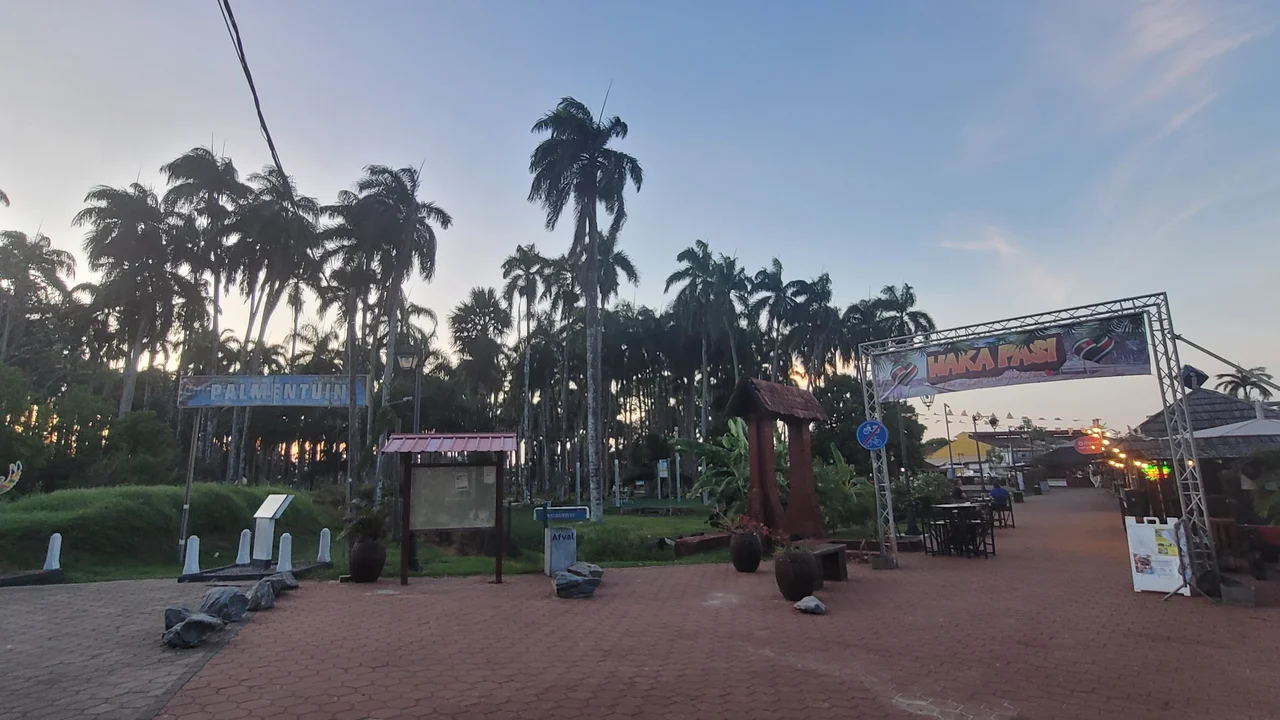
When midnight arrives on July first, festival music stops and large crowds walk home.
Stage workers turn off big loudspeakers and lights around the central parks.
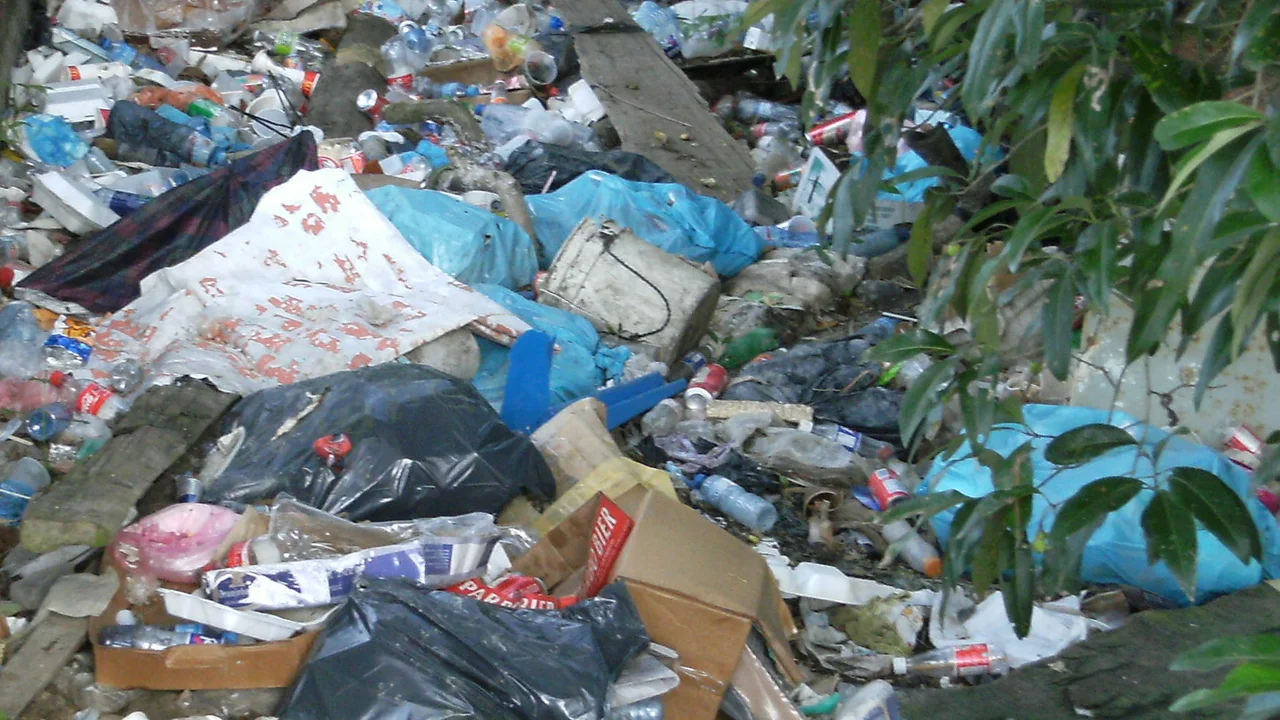
Visitors leave behind plastic bottles, paper boxes, and trash on the grass.
The District Commissioner must send workers to execute an overnight cleanup plan.
Police keep metal fences in place so cleaning trucks can drive safely.
The main goal is to clean every street before morning buses begin running.
Sanitation Crews and Logistical Coordination
The city green space office organizes cleaning workers, sweepers, and trucks.
Workers carry wide brooms and push wheeled trash cans in straight lines.
Police officers stay near workers to protect them from traffic during the night.
Stage teams take down tall metal frames and lights along the river walk.
People collect empty aluminum drink cans to sell for metal recycling.
Shop owners sweep the ground outside their stores and pack trash into big bags.
Sweeping Methods and Infrastructure Dismantling
Workers take down shade tents and small food booths in Independence Square.
Sweepers brush trash from building walls out into the street gutters.
Large garbage trucks press trash into small spaces before driving away.
Water trucks spray high water streams along street curbs to wash away sticky stains.
Workers check water drains under roads so rain can flow away freely.
Teams load heavy metal crowd barriers onto flat trucks to take to storage.
Environmental Auditing and Urban Restoration
City papers show that workers remove many tons of trash after the holiday.
City audits check cleaning times to make work faster after future festivals.
University teachers study waste amounts to help the city recycle more materials.
City leaders ask food vendors to use green paper plates instead of plastic.
Everyone thanks night workers who keep the city clean while others sleep.
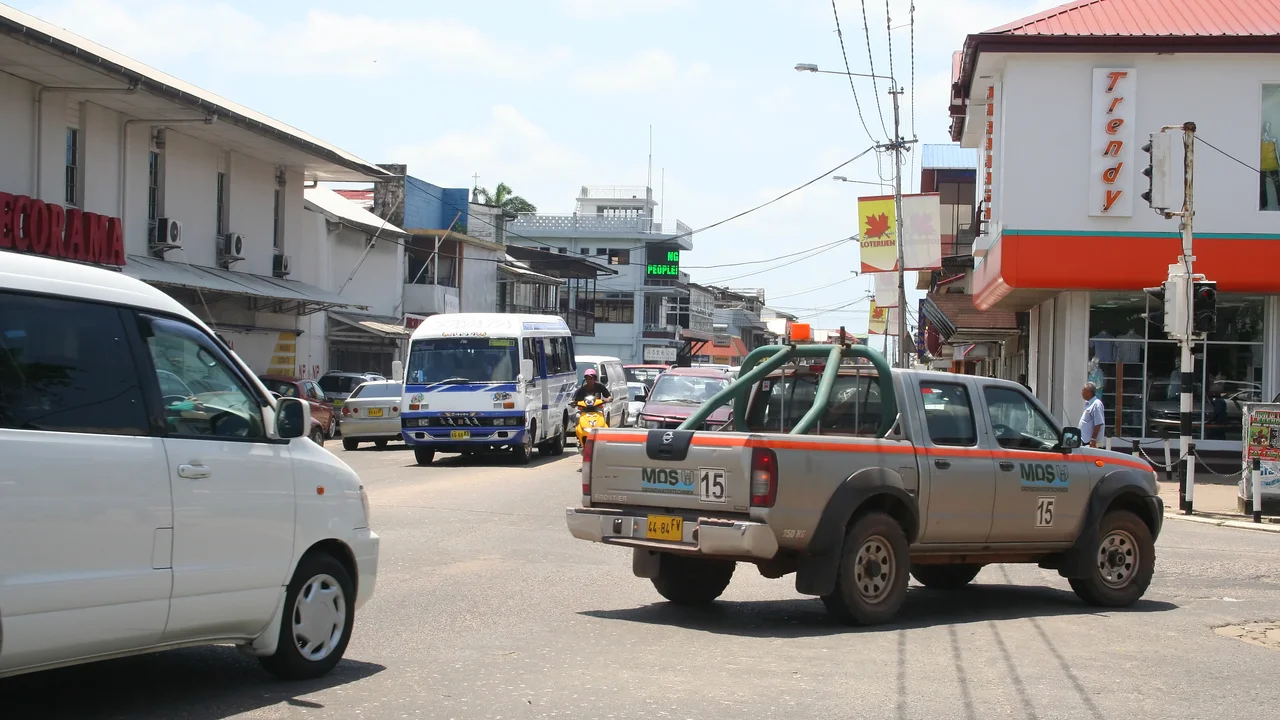
By morning on July second, historic streets are clean and cars drive normally.
A2 · Elementary
Keti Koti Staging and Cleanup: Night Operations in Paramaribo
When midnight arrives on July first, municipal crews mobilize brooms, garbage compactors, and water tankers to restore historic streets.
Midnight Transition and Waste Mobilization
As midnight approaches on July 1st, festive crowds disperse from central Paramaribo, signaling the immediate transition from public celebration to intensive municipal cleanup.
Public sound stages, live music amplifiers, and food concession stalls across Palmentuin, Independence Square, and Waterkant power down by midnight.
Tens of thousands of festival attendees leave behind tons of solid waste, including plastic beverage bottles, food containers, and discarded paper banners.
The District Commissioner of Paramaribo-North-East mobilizes municipal services to execute an overnight logistics and sanitation recovery plan.
Police traffic wardens maintain perimeter barricades to allow sanitation sweepers and heavy refuse trucks unimpeded access to central thoroughfares.
The primary operational objective is the complete clearance of debris and restoration of standard vehicular traffic before morning rush hour at six oclock.
Sanitation Crews and Logistical Coordination
The Directorate of Open Green Spaces and Waste Management coordinates municipal cleanup crews, contract sweepers, and transport machinery.
Specialized municipal crews equipped with heavy brooms, wheeled bins, and mechanical road sweepers deploy in systematic grid formations.
Paramaribo police and civil security patrols protect overnight workers from moving vehicles and secure dismantled electronics on public plazas.
Audio technicians and stage crews rapidly dismantle modular aluminum trusses, lighting rigs, and scaffolding platforms along Waterkant.
Informal scrap collectors and recycling workers gather aluminum beverage cans and plastic bottles ahead of sweeping lines for commercial reuse.
Downtown store owners and market vendors sweep their immediate frontages, bundling commercial trash into designated roadside collection points.
Sweeping Methods and Infrastructure Dismantling
Crews unbolt temporary canopy tents, wooden vendor kiosks, and portable sanitary facilities stationed around Independence Square.
Sweepers work systematically from historic building walls across sidewalks into street gutters, sweeping trash into consolidated piles.
Hydraulic waste compactor trucks cruise slowly along parade corridors, compacting thousands of plastic bags for transfer to landfill sites.
Municipal tanker trucks pump high-pressure water jets along paved curbs to wash away sticky drink residues and food oil stains.
Workers inspect roadside drainage grates and historical culverts to ensure fallen cups and wrappers do not block tropical storm runoff channels.
Logistics teams stack interlocking steel crowd barriers onto heavy flatbed trucks for return to central public works storage yards.
Environmental Auditing and Urban Restoration
Official records from the Ministry of Public Works document between twenty and thirty metric tons of solid waste cleared during post-holiday shifts.
Environmental audits evaluate cleanup speed and resource allocation to optimize logistics for future mass public gatherings in Paramaribo.
Urban planners at Anton de Kom University analyze post-festival waste flows and urban metabolism to design improved municipal recycling and circular waste policies.
Civic authorities increasingly promote biodegradable food packaging and separated recycling bins to reduce reliance on single-use plastics.
Municipal recognition highlights the essential labor of nighttime sanitation workers who maintain urban hygiene while the city sleeps.
By daybreak on July 2nd, the historic core of Paramaribo stands completely clean, allowing morning transit and daily business to resume seamlessly without delay.
B1 · Intermediate
Keti Koti Logistics: Civic Staging Teardown and Municipal Cleanup
An analytical study of nocturnal municipal logistics in Paramaribo, examining perimeter barricades, waste compactor trucks, and morning reopening deadlines.
Midnight Transition and Waste Mobilization
As midnight approaches on July 1st, festive crowds disperse from central Paramaribo, signaling the immediate transition from public celebration to intensive municipal cleanup.
Public sound stages, live music amplifiers, and food concession stalls across Palmentuin, Independence Square, and Waterkant power down by midnight.
Tens of thousands of festival attendees leave behind tons of solid waste, including plastic beverage bottles, food containers, and discarded paper banners.
The District Commissioner of Paramaribo-North-East mobilizes municipal services to execute an overnight logistics and sanitation recovery plan.
Police traffic wardens maintain perimeter barricades to allow sanitation sweepers and heavy refuse trucks unimpeded access to central thoroughfares.
The primary operational objective is the complete clearance of debris and restoration of standard vehicular traffic before morning rush hour at six oclock.
Sanitation Crews and Logistical Coordination
The Directorate of Open Green Spaces and Waste Management coordinates municipal cleanup crews, contract sweepers, and transport machinery.
Specialized municipal crews equipped with heavy brooms, wheeled bins, and mechanical road sweepers deploy in systematic grid formations.
Paramaribo police and civil security patrols protect overnight workers from moving vehicles and secure dismantled electronics on public plazas.
Audio technicians and stage crews rapidly dismantle modular aluminum trusses, lighting rigs, and scaffolding platforms along Waterkant.
Informal scrap collectors and recycling workers gather aluminum beverage cans and plastic bottles ahead of sweeping lines for commercial reuse.
Downtown store owners and market vendors sweep their immediate frontages, bundling commercial trash into designated roadside collection points.
Sweeping Methods and Infrastructure Dismantling
Crews unbolt temporary canopy tents, wooden vendor kiosks, and portable sanitary facilities stationed around Independence Square.
Sweepers work systematically from historic building walls across sidewalks into street gutters, sweeping trash into consolidated piles.
Hydraulic waste compactor trucks cruise slowly along parade corridors, compacting thousands of plastic bags for transfer to landfill sites.
Municipal tanker trucks pump high-pressure water jets along paved curbs to wash away sticky drink residues and food oil stains.
Workers inspect roadside drainage grates and historical culverts to ensure fallen cups and wrappers do not block tropical storm runoff channels.
Logistics teams stack interlocking steel crowd barriers onto heavy flatbed trucks for return to central public works storage yards.
Environmental Auditing and Urban Restoration
Official records from the Ministry of Public Works document between twenty and thirty metric tons of solid waste cleared during post-holiday shifts.
Environmental audits evaluate cleanup speed and resource allocation to optimize logistics for future mass public gatherings in Paramaribo.
Urban planners at Anton de Kom University analyze post-festival waste flows and urban metabolism to design improved municipal recycling and circular waste policies.
Civic authorities increasingly promote biodegradable food packaging and separated recycling bins to reduce reliance on single-use plastics.
Municipal recognition highlights the essential labor of nighttime sanitation workers who maintain urban hygiene while the city sleeps.
By daybreak on July 2nd, the historic core of Paramaribo stands completely clean, allowing morning transit and daily business to resume seamlessly without delay.
B2 · Upper Intermediate
Keti Koti After the Crowd: Urban Metabolism, Sweeping, and Scaffolding Teardown
Investigating the post-festival recovery of historic Paramaribo, including OGA command coordination, facade-to-gutter sweeping, and culvert inspections.
Midnight Transition and Waste Mobilization
As midnight approaches on July 1st, festive crowds disperse from central Paramaribo, signaling the immediate transition from public celebration to intensive municipal cleanup.
Public sound stages, live music amplifiers, and food concession stalls across Palmentuin, Independence Square, and Waterkant power down by midnight.
Tens of thousands of festival attendees leave behind tons of solid waste, including plastic beverage bottles, food containers, and discarded paper banners.
The District Commissioner of Paramaribo-North-East mobilizes municipal services to execute an overnight logistics and sanitation recovery plan.
Police traffic wardens maintain perimeter barricades to allow sanitation sweepers and heavy refuse trucks unimpeded access to central thoroughfares.
The primary operational objective is the complete clearance of debris and restoration of standard vehicular traffic before morning rush hour at six oclock.
Sanitation Crews and Logistical Coordination
The Directorate of Open Green Spaces and Waste Management coordinates municipal cleanup crews, contract sweepers, and transport machinery.
Specialized municipal crews equipped with heavy brooms, wheeled bins, and mechanical road sweepers deploy in systematic grid formations.
Paramaribo police and civil security patrols protect overnight workers from moving vehicles and secure dismantled electronics on public plazas.
Audio technicians and stage crews rapidly dismantle modular aluminum trusses, lighting rigs, and scaffolding platforms along Waterkant.
Informal scrap collectors and recycling workers gather aluminum beverage cans and plastic bottles ahead of sweeping lines for commercial reuse.
Downtown store owners and market vendors sweep their immediate frontages, bundling commercial trash into designated roadside collection points.
Sweeping Methods and Infrastructure Dismantling
Crews unbolt temporary canopy tents, wooden vendor kiosks, and portable sanitary facilities stationed around Independence Square.
Sweepers work systematically from historic building walls across sidewalks into street gutters, sweeping trash into consolidated piles.
Hydraulic waste compactor trucks cruise slowly along parade corridors, compacting thousands of plastic bags for transfer to landfill sites.
Municipal tanker trucks pump high-pressure water jets along paved curbs to wash away sticky drink residues and food oil stains.
Workers inspect roadside drainage grates and historical culverts to ensure fallen cups and wrappers do not block tropical storm runoff channels.
Logistics teams stack interlocking steel crowd barriers onto heavy flatbed trucks for return to central public works storage yards.
Environmental Auditing and Urban Restoration
Official records from the Ministry of Public Works document between twenty and thirty metric tons of solid waste cleared during post-holiday shifts.
Environmental audits evaluate cleanup speed and resource allocation to optimize logistics for future mass public gatherings in Paramaribo.
Urban planners at Anton de Kom University analyze post-festival waste flows and urban metabolism to design improved municipal recycling and circular waste policies.
Civic authorities increasingly promote biodegradable food packaging and separated recycling bins to reduce reliance on single-use plastics.
Municipal recognition highlights the essential labor of nighttime sanitation workers who maintain urban hygiene while the city sleeps.
By daybreak on July 2nd, the historic core of Paramaribo stands completely clean, allowing morning transit and daily business to resume seamlessly without delay.
C1 · Advanced
The Logistical Metabolism and Spatial Remediation of Post-Keti Koti Paramaribo
A critical journalistic monograph analyzing nocturnal solid waste throughput, environmental audits, scaffolding deconstruction, and public hygiene labor.
Midnight Transition and Waste Mobilization
As midnight approaches on July 1st, festive crowds disperse from central Paramaribo, signaling the immediate transition from public celebration to intensive municipal cleanup.
Public sound stages, live music amplifiers, and food concession stalls across Palmentuin, Independence Square, and Waterkant power down by midnight.
Tens of thousands of festival attendees leave behind tons of solid waste, including plastic beverage bottles, food containers, and discarded paper banners.
The District Commissioner of Paramaribo-North-East mobilizes municipal services to execute an overnight logistics and sanitation recovery plan.
Police traffic wardens maintain perimeter barricades to allow sanitation sweepers and heavy refuse trucks unimpeded access to central thoroughfares.
The primary operational objective is the complete clearance of debris and restoration of standard vehicular traffic before morning rush hour at six oclock.
Sanitation Crews and Logistical Coordination
The Directorate of Open Green Spaces and Waste Management coordinates municipal cleanup crews, contract sweepers, and transport machinery.
Specialized municipal crews equipped with heavy brooms, wheeled bins, and mechanical road sweepers deploy in systematic grid formations.
Paramaribo police and civil security patrols protect overnight workers from moving vehicles and secure dismantled electronics on public plazas.
Audio technicians and stage crews rapidly dismantle modular aluminum trusses, lighting rigs, and scaffolding platforms along Waterkant.
Informal scrap collectors and recycling workers gather aluminum beverage cans and plastic bottles ahead of sweeping lines for commercial reuse.
Downtown store owners and market vendors sweep their immediate frontages, bundling commercial trash into designated roadside collection points.
Sweeping Methods and Infrastructure Dismantling
Crews unbolt temporary canopy tents, wooden vendor kiosks, and portable sanitary facilities stationed around Independence Square.
Sweepers work systematically from historic building walls across sidewalks into street gutters, sweeping trash into consolidated piles.
Hydraulic waste compactor trucks cruise slowly along parade corridors, compacting thousands of plastic bags for transfer to landfill sites.
Municipal tanker trucks pump high-pressure water jets along paved curbs to wash away sticky drink residues and food oil stains.
Workers inspect roadside drainage grates and historical culverts to ensure fallen cups and wrappers do not block tropical storm runoff channels.
Logistics teams stack interlocking steel crowd barriers onto heavy flatbed trucks for return to central public works storage yards.
Environmental Auditing and Urban Restoration
Official records from the Ministry of Public Works document between twenty and thirty metric tons of solid waste cleared during post-holiday shifts.
Environmental audits evaluate cleanup speed and resource allocation to optimize logistics for future mass public gatherings in Paramaribo.
Urban planners at Anton de Kom University analyze post-festival waste flows and urban metabolism to design improved municipal recycling and circular waste policies.
Civic authorities increasingly promote biodegradable food packaging and separated recycling bins to reduce reliance on single-use plastics.
Municipal recognition highlights the essential labor of nighttime sanitation workers who maintain urban hygiene while the city sleeps.
By daybreak on July 2nd, the historic core of Paramaribo stands completely clean, allowing morning transit and daily business to resume seamlessly without delay.
C2 · Mastery
Keti Koti Staging and Cleanup: Urban Logistics, Municipal Audits, and Civic Recovery
A comprehensive investigation of Paramaribo post-emancipation infrastructure recovery, exploring waste compacting dynamics, hydraulic washdowns, and circular policies.
Midnight Transition and Waste Mobilization
As midnight approaches on July 1st, festive crowds disperse from central Paramaribo, signaling the immediate transition from public celebration to intensive municipal cleanup.
Public sound stages, live music amplifiers, and food concession stalls across Palmentuin, Independence Square, and Waterkant power down by midnight.
Tens of thousands of festival attendees leave behind tons of solid waste, including plastic beverage bottles, food containers, and discarded paper banners.
The District Commissioner of Paramaribo-North-East mobilizes municipal services to execute an overnight logistics and sanitation recovery plan.
Police traffic wardens maintain perimeter barricades to allow sanitation sweepers and heavy refuse trucks unimpeded access to central thoroughfares.
The primary operational objective is the complete clearance of debris and restoration of standard vehicular traffic before morning rush hour at six oclock.
Sanitation Crews and Logistical Coordination
The Directorate of Open Green Spaces and Waste Management coordinates municipal cleanup crews, contract sweepers, and transport machinery.
Specialized municipal crews equipped with heavy brooms, wheeled bins, and mechanical road sweepers deploy in systematic grid formations.
Paramaribo police and civil security patrols protect overnight workers from moving vehicles and secure dismantled electronics on public plazas.
Audio technicians and stage crews rapidly dismantle modular aluminum trusses, lighting rigs, and scaffolding platforms along Waterkant.
Informal scrap collectors and recycling workers gather aluminum beverage cans and plastic bottles ahead of sweeping lines for commercial reuse.
Downtown store owners and market vendors sweep their immediate frontages, bundling commercial trash into designated roadside collection points.
Sweeping Methods and Infrastructure Dismantling
Crews unbolt temporary canopy tents, wooden vendor kiosks, and portable sanitary facilities stationed around Independence Square.
Sweepers work systematically from historic building walls across sidewalks into street gutters, sweeping trash into consolidated piles.
Hydraulic waste compactor trucks cruise slowly along parade corridors, compacting thousands of plastic bags for transfer to landfill sites.
Municipal tanker trucks pump high-pressure water jets along paved curbs to wash away sticky drink residues and food oil stains.
Workers inspect roadside drainage grates and historical culverts to ensure fallen cups and wrappers do not block tropical storm runoff channels.
Logistics teams stack interlocking steel crowd barriers onto heavy flatbed trucks for return to central public works storage yards.
Environmental Auditing and Urban Restoration
Official records from the Ministry of Public Works document between twenty and thirty metric tons of solid waste cleared during post-holiday shifts.
Environmental audits evaluate cleanup speed and resource allocation to optimize logistics for future mass public gatherings in Paramaribo.
Urban planners at Anton de Kom University analyze post-festival waste flows and urban metabolism to design improved municipal recycling and circular waste policies.
Civic authorities increasingly promote biodegradable food packaging and separated recycling bins to reduce reliance on single-use plastics.
Municipal recognition highlights the essential labor of nighttime sanitation workers who maintain urban hygiene while the city sleeps.
By daybreak on July 2nd, the historic core of Paramaribo stands completely clean, allowing morning transit and daily business to resume seamlessly without delay.
Check your understanding
Choose how closely you want to revisit the article. You can refer back while answering, and review explanations when you finish.
Quick Quiz A1
Try one question, then create a free account for the full Quick Quiz. Sign Up Free
Answer every question before checking. There is no time limit.
Your results
/ 1 correct (%)
Read the explanations to see how each answer connects to the article.
-
What happens when midnight arrives on July first in Paramaribo?
1. Answer:
Quick Quiz A2
Try one question, then create a free account for the full Quick Quiz. Sign Up Free
Answer every question before checking. There is no time limit.
Your results
/ 1 correct (%)
Read the explanations to see how each answer connects to the article.
-
What transition occurs in central Paramaribo as midnight approaches on July 1st?
1. Answer:
Quick Quiz B1
Try one question, then create a free account for the full Quick Quiz. Sign Up Free
Answer every question before checking. There is no time limit.
Your results
/ 1 correct (%)
Read the explanations to see how each answer connects to the article.
-
What transition occurs in central Paramaribo as midnight approaches on July 1st?
1. Answer:
Quick Quiz B2
Try one question, then create a free account for the full Quick Quiz. Sign Up Free
Answer every question before checking. There is no time limit.
Your results
/ 1 correct (%)
Read the explanations to see how each answer connects to the article.
-
What transition occurs in central Paramaribo as midnight approaches on July 1st?
1. Answer:
Quick Quiz C1
Try one question, then create a free account for the full Quick Quiz. Sign Up Free
Answer every question before checking. There is no time limit.
Your results
/ 1 correct (%)
Read the explanations to see how each answer connects to the article.
-
What transition occurs in central Paramaribo as midnight approaches on July 1st?
1. Answer:
Quick Quiz C2
Try one question, then create a free account for the full Quick Quiz. Sign Up Free
Answer every question before checking. There is no time limit.
Your results
/ 1 correct (%)
Read the explanations to see how each answer connects to the article.
-
What transition occurs in central Paramaribo as midnight approaches on July 1st?
1. Answer:
