A1 · Beginner
Historic Inner City of Paramaribo: Dutch Fortress Roots and Wooden Heritage
From seventeenth-century brick forts and painted timber houses to busy riverside streets and historic preservation, Paramaribo tells its story.
UNESCO Inscription and Seventeenth-Century Defensive Origins
The old center of Paramaribo is a famous world heritage city.
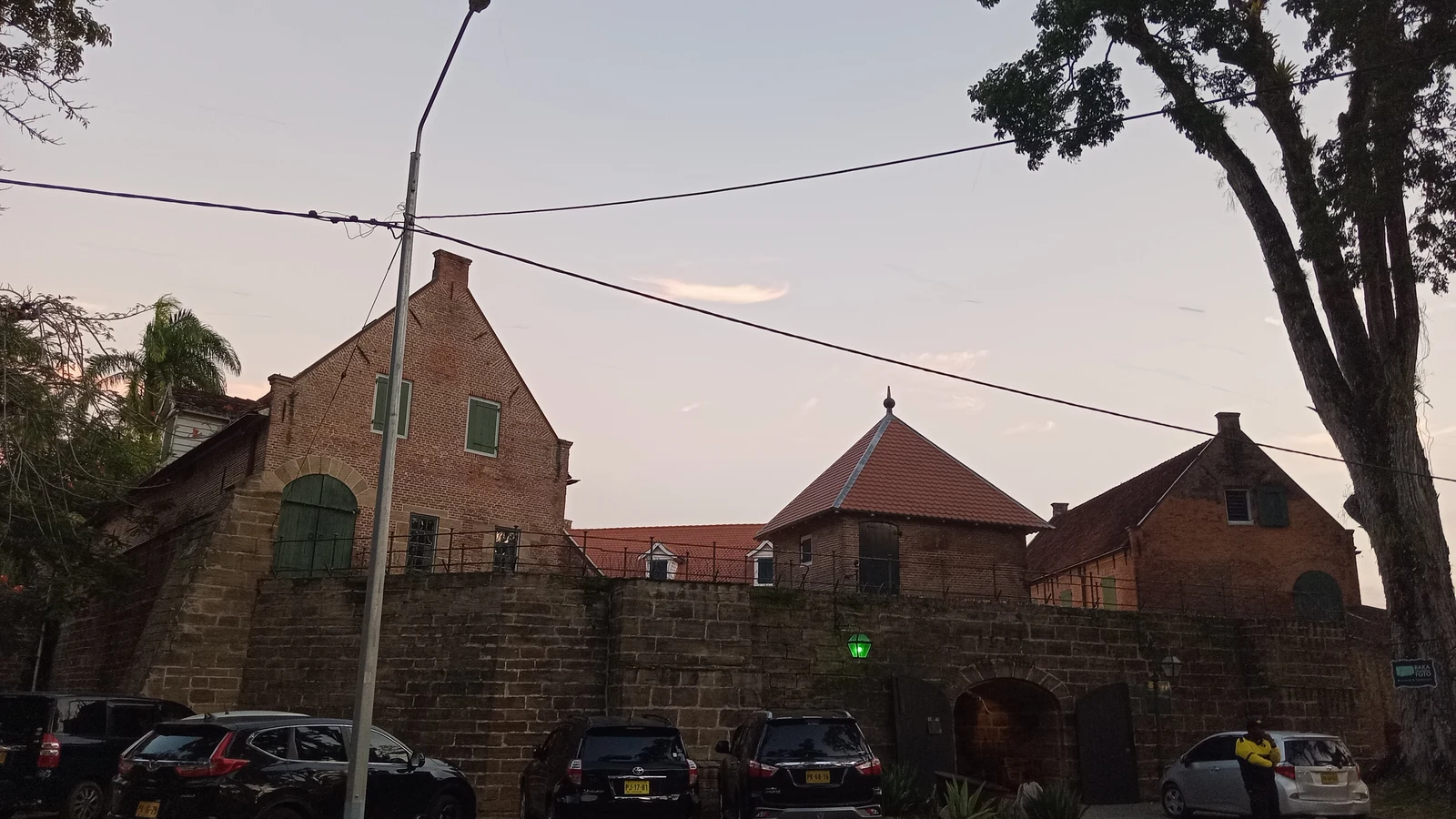
Dutch soldiers built Fort Zeelandia with red bricks by the river.
Straight city streets run along high sandy ridges near the water.
The protected historic area covers thirty hectares of city land.
Old builders used strong forest wood because the land had no stones.
Early English and French trading houses stood here before Dutch rule began.
Vernacular Wooden Architecture and Climatic Adaptation
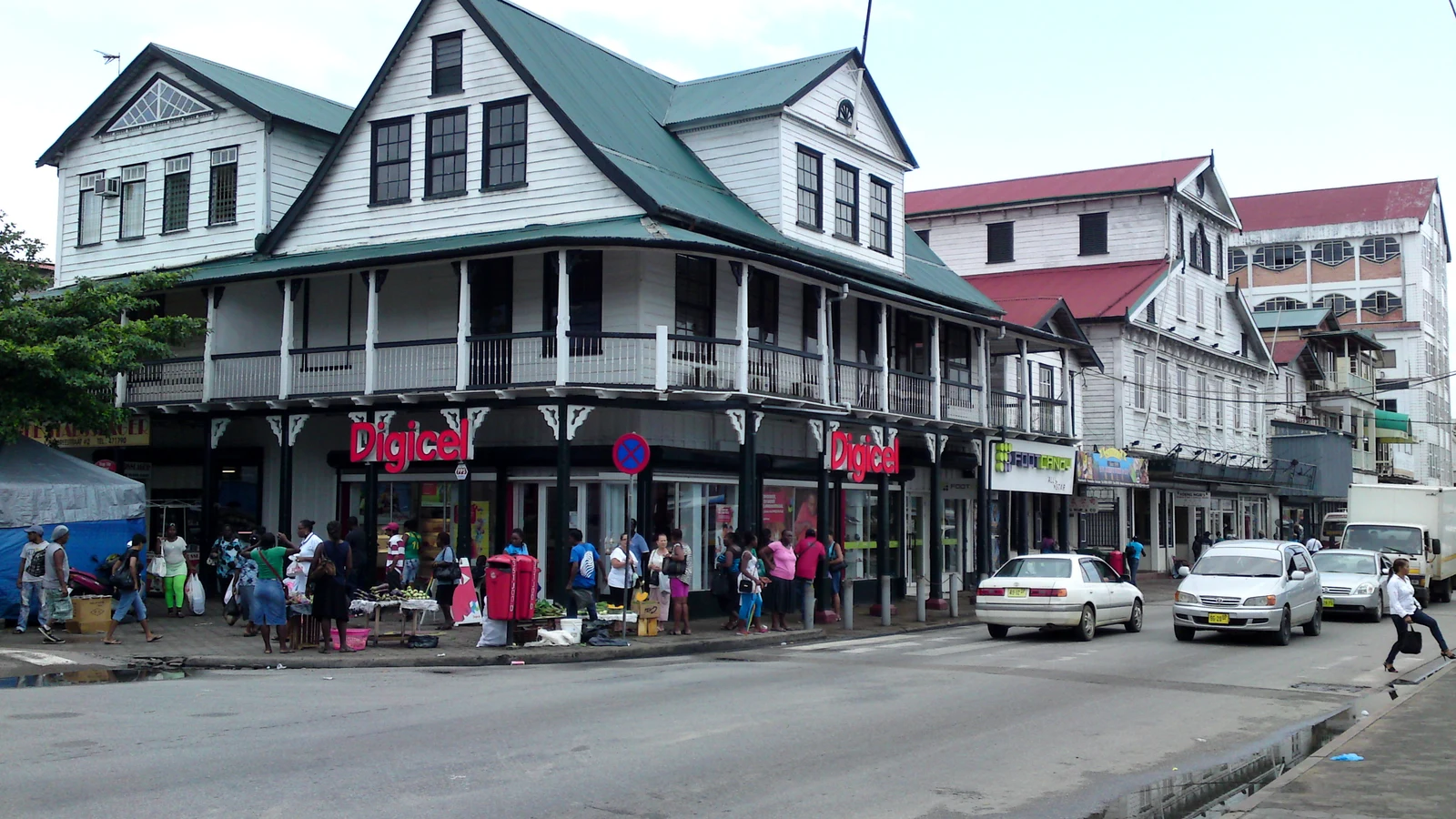
Historic wooden houses are painted white with dark green window shutters.
Carpenters used durable cedar and greenheart wood that resists termites.
Red brick posts lift wooden floors high above wet ground and floods.
Wide roofs and open porches keep rooms cool during hot sunny days.
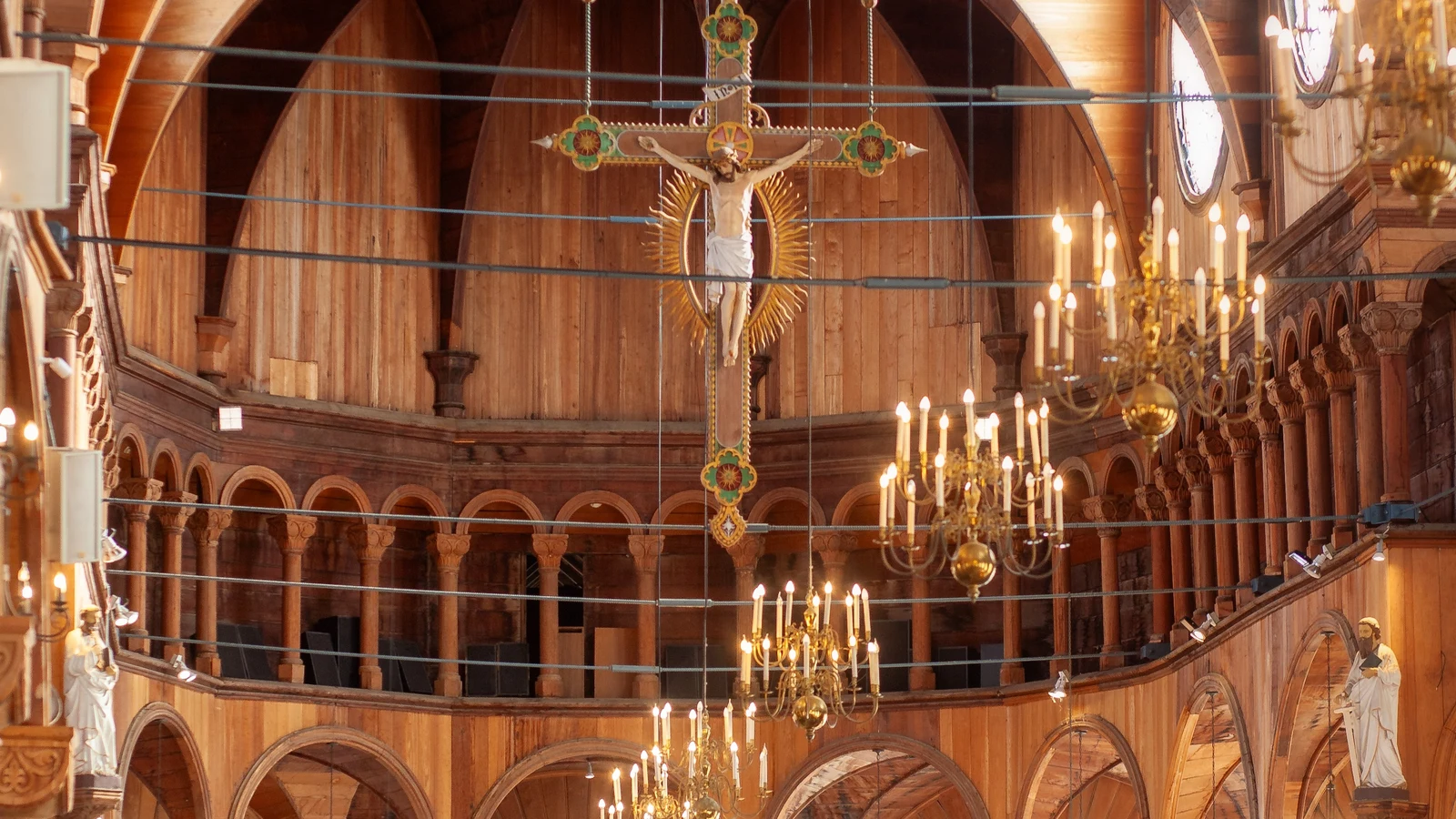
The tall Saint Peter and Paul Cathedral is built completely of wood.
More than two hundred and fifty old wooden buildings have legal protection.
Working Urban Landscape and Waterfront Commercial Life
These old buildings stay active as a living commercial district with city offices.
Independence Square sits near the white wooden Presidential Palace.
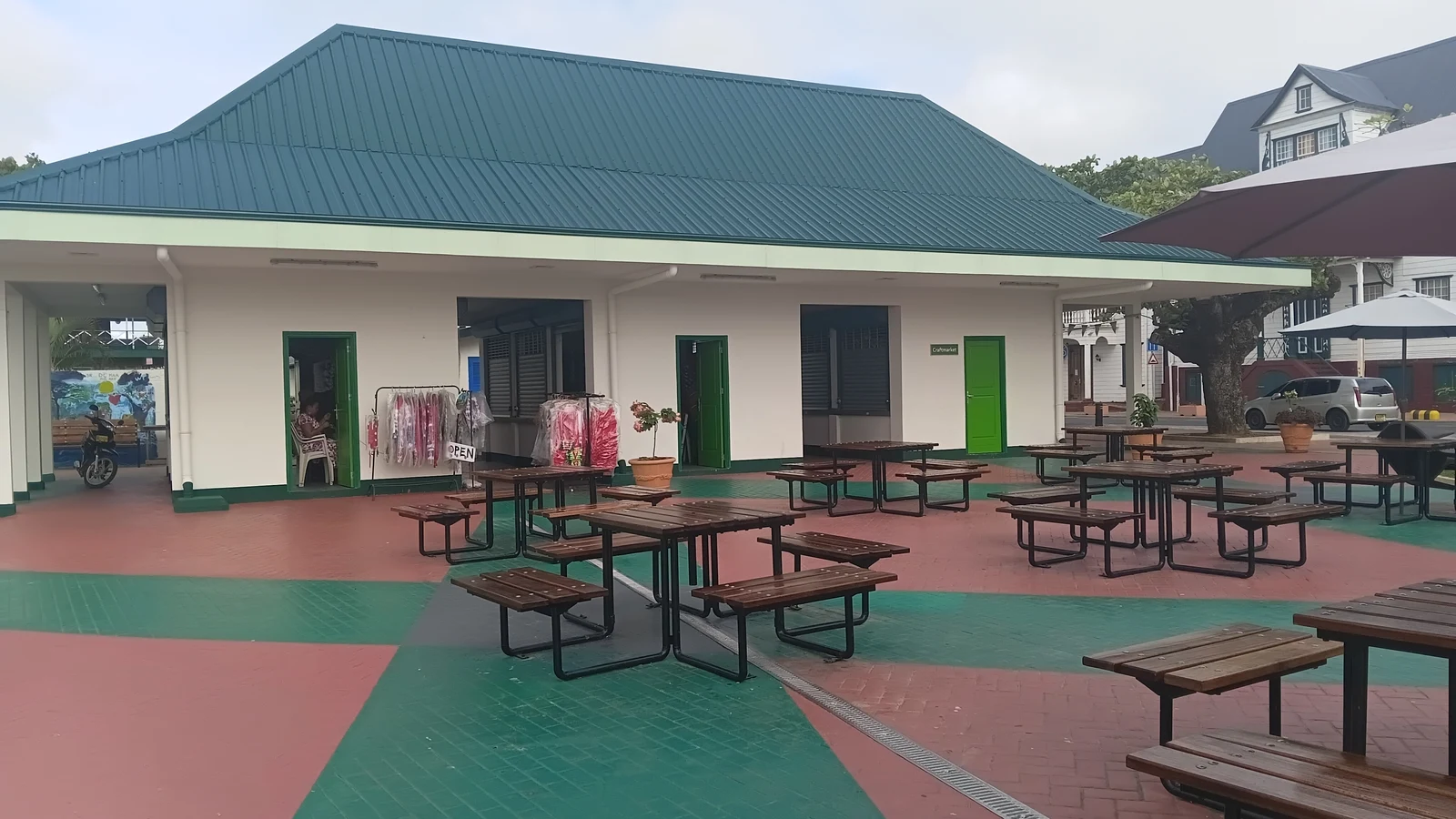
The riverside street called Waterkant is busy with boats and walking people.
Old merchant houses had family bedrooms upstairs and cargo stores downstairs.
Cars drive through narrow brick streets on their way to city jobs.
A historic Jewish synagogue and a Muslim mosque stand peacefully side by side.
Conservation Challenges, Decay Risks, and Management Initiatives
Warm wet tropical weather and insects can damage old wooden walls.
Big city fires destroyed many wooden houses two hundred years ago.
Heritage groups teach young carpenters how to repair old wooden walls.
House owners buy special wood oil and paints to keep walls strong.
International funds help clean old water ditches along the river street.
Protecting old wooden houses keeps history alive for future city generations.
A2 · Elementary
Historic Inner City of Paramaribo: Architecture, Urban Form, and Conservation
Analyzing Dutch grid layouts along river shell ridges, tropical timber building techniques, active waterfront commerce, and preservation challenges.
UNESCO Inscription and Seventeenth-Century Defensive Origins
The Historic Inner City of Paramaribo was inscribed on the UNESCO World Heritage List in 2002 under cultural criteria ii and iv as an exceptional fusion of European architecture and South American indigenous materials. The core settlement emerged in the seventeenth century around Fort Zeelandia, a pentagonal brick fortress established by Dutch colonizers on a strategic bend of the Suriname River. Urban layout documents indicate that the colonial street plan follows an expansive Dutch grid pattern oriented along natural shell-sand ridges running parallel to the riverbank.
The designated World Heritage property encompasses a core protection zone of thirty hectares bordered by a comprehensive urban buffer zone extending over one hundred and sixty hectares. In contrast to stone-built colonial capitals in Spanish South America, Paramaribo developed almost entirely in wood due to the absence of domestic building stone and the abundant availability of native tropical hardwoods. Archival records from the Directorate of Culture indicate that initial British and French colonial trading posts preceded the Dutch fortification before the Treaty of Breda confirmed Dutch control in 1667.
Vernacular Wooden Architecture and Climatic Adaptation
Paramaribo vernacular architecture is characterized by symmetrical timber facades painted in brilliant white with contrasting dark green louvered wooden shutters and red tin roofs. Builders utilized durable local timber species, predominantly Surinamese cedar, greenheart, and basralokus, known for natural resistance to humid tropical weathering and termite infestation. Structural designs feature raised red-brick ground pillars that elevate wooden living floors, isolating timber framing from damp ground moisture and seasonal river flooding.
Architectural features incorporate wide overhanging eaves, wrap-around verandas, and high ceilings designed to promote passive convective cooling in the equatorial climate. The Saint Peter and Paul Cathedral, constructed between 1883 and 1885 entirely from unpainted Surinamese cedar wood, stands as the largest wooden church edifice in the Western Hemisphere. Monument inventories record over two hundred and fifty officially protected historic wooden buildings within the designated UNESCO World Heritage core perimeter.
Working Urban Landscape and Waterfront Commercial Life
The historic district functions not as an open-air museum but as a living administrative, commercial, and judicial heart of contemporary Suriname. Onafhankelijkheidsplein, or Independence Square, anchors the northern edge of the historic core, flanked by the white wooden Presidential Palace and ministry headquarters. The Waterkant frontage serves as an active commercial wharf and public promenade where cargo vessels, passenger water taxis, and small trading stalls operate daily.
Historic merchant houses along the Waterkant originally combined upper-level residential quarters for trading families with lower-level riverfront commodity storage warehouses. Traffic circulation along narrow historical thoroughfares like Keizerstraat and Heerenstraat generates daily vehicular congestion that strains historic brick foundations. Multi-ethnic religious landmarks coexisting peacefully in close proximity, including the Neveh Shalom Synagogue and the Mosque of Keizerstraat standing side by side, symbolize the district multicultural identity.
Conservation Challenges, Decay Risks, and Management Initiatives
Historic timber structures face severe degradation risks driven by equatorial humidity, wood-rot fungus, termite damage, and periodic destructive fires. The devastating city fires of 1821 and 1832 destroyed hundreds of original timber structures, prompting eighteenth-century urban rebuilds in the neo-classical Dutch style. The Foundation for Built Heritage Suriname (SGES) administers technical conservation guidelines, mandatory building inspection regimes, and artisan restoration training programs.
Private property owners often struggle with escalating restoration costs for specialized hand-milled hardwood siding, linseed-oil paints, and handcrafted louvered shutters. The Inter-American Development Bank and international donor funds have financed urban rehabilitation projects to restore historic drainage trenches and revitalize the Waterkant promenade. Sustained preservation of Paramaribo wooden heritage requires balancing active urban economic development with strict adherence to UNESCO integrity and authenticity criteria.
B1 · Intermediate
Defensive Forts, Vernacular Timber Architecture, and Commercial Life in Paramaribo
An analytical study of seventeenth-century military bastions, tropical hardwood carpentry, multi-ethnic civic spaces, and structural conservation.
UNESCO Inscription and Seventeenth-Century Defensive Origins
The Historic Inner City of Paramaribo was inscribed on the UNESCO World Heritage List in 2002 under cultural criteria ii and iv as an exceptional fusion of European architecture and South American indigenous materials. The core settlement emerged in the seventeenth century around Fort Zeelandia, a pentagonal brick fortress established by Dutch colonizers on a strategic bend of the Suriname River. Urban layout documents indicate that the colonial street plan follows an expansive Dutch grid pattern oriented along natural shell-sand ridges running parallel to the riverbank.
The designated World Heritage property encompasses a core protection zone of thirty hectares bordered by a comprehensive urban buffer zone extending over one hundred and sixty hectares. In contrast to stone-built colonial capitals in Spanish South America, Paramaribo developed almost entirely in wood due to the absence of domestic building stone and the abundant availability of native tropical hardwoods. Archival records from the Directorate of Culture indicate that initial British and French colonial trading posts preceded the Dutch fortification before the Treaty of Breda confirmed Dutch control in 1667.
Vernacular Wooden Architecture and Climatic Adaptation
Paramaribo vernacular architecture is characterized by symmetrical timber facades painted in brilliant white with contrasting dark green louvered wooden shutters and red tin roofs. Builders utilized durable local timber species, predominantly Surinamese cedar, greenheart, and basralokus, known for natural resistance to humid tropical weathering and termite infestation. Structural designs feature raised red-brick ground pillars that elevate wooden living floors, isolating timber framing from damp ground moisture and seasonal river flooding.
Architectural features incorporate wide overhanging eaves, wrap-around verandas, and high ceilings designed to promote passive convective cooling in the equatorial climate. The Saint Peter and Paul Cathedral, constructed between 1883 and 1885 entirely from unpainted Surinamese cedar wood, stands as the largest wooden church edifice in the Western Hemisphere. Monument inventories record over two hundred and fifty officially protected historic wooden buildings within the designated UNESCO World Heritage core perimeter.
Working Urban Landscape and Waterfront Commercial Life
The historic district functions not as an open-air museum but as a living administrative, commercial, and judicial heart of contemporary Suriname. Onafhankelijkheidsplein, or Independence Square, anchors the northern edge of the historic core, flanked by the white wooden Presidential Palace and ministry headquarters. The Waterkant frontage serves as an active commercial wharf and public promenade where cargo vessels, passenger water taxis, and small trading stalls operate daily.
Historic merchant houses along the Waterkant originally combined upper-level residential quarters for trading families with lower-level riverfront commodity storage warehouses. Traffic circulation along narrow historical thoroughfares like Keizerstraat and Heerenstraat generates daily vehicular congestion that strains historic brick foundations. Multi-ethnic religious landmarks coexisting peacefully in close proximity, including the Neveh Shalom Synagogue and the Mosque of Keizerstraat standing side by side, symbolize the district multicultural identity.
Conservation Challenges, Decay Risks, and Management Initiatives
Historic timber structures face severe degradation risks driven by equatorial humidity, wood-rot fungus, termite damage, and periodic destructive fires. The devastating city fires of 1821 and 1832 destroyed hundreds of original timber structures, prompting eighteenth-century urban rebuilds in the neo-classical Dutch style. The Foundation for Built Heritage Suriname (SGES) administers technical conservation guidelines, mandatory building inspection regimes, and artisan restoration training programs.
Private property owners often struggle with escalating restoration costs for specialized hand-milled hardwood siding, linseed-oil paints, and handcrafted louvered shutters. The Inter-American Development Bank and international donor funds have financed urban rehabilitation projects to restore historic drainage trenches and revitalize the Waterkant promenade. Sustained preservation of Paramaribo wooden heritage requires balancing active urban economic development with strict adherence to UNESCO integrity and authenticity criteria.
B2 · Upper Intermediate
Historic Inner City of Paramaribo: Urban Morphology, Vernacular Craft, and Heritage Stewardship
Investigating Fort Zeelandia defensive origins, climatic adaptations of louvered timber architecture, traffic strain, and international preservation financing.
UNESCO Inscription and Seventeenth-Century Defensive Origins
The Historic Inner City of Paramaribo was inscribed on the UNESCO World Heritage List in 2002 under cultural criteria ii and iv as an exceptional fusion of European architecture and South American indigenous materials. The core settlement emerged in the seventeenth century around Fort Zeelandia, a pentagonal brick fortress established by Dutch colonizers on a strategic bend of the Suriname River. Urban layout documents indicate that the colonial street plan follows an expansive Dutch grid pattern oriented along natural shell-sand ridges running parallel to the riverbank.
The designated World Heritage property encompasses a core protection zone of thirty hectares bordered by a comprehensive urban buffer zone extending over one hundred and sixty hectares. In contrast to stone-built colonial capitals in Spanish South America, Paramaribo developed almost entirely in wood due to the absence of domestic building stone and the abundant availability of native tropical hardwoods. Archival records from the Directorate of Culture indicate that initial British and French colonial trading posts preceded the Dutch fortification before the Treaty of Breda confirmed Dutch control in 1667.
Vernacular Wooden Architecture and Climatic Adaptation
Paramaribo vernacular architecture is characterized by symmetrical timber facades painted in brilliant white with contrasting dark green louvered wooden shutters and red tin roofs. Builders utilized durable local timber species, predominantly Surinamese cedar, greenheart, and basralokus, known for natural resistance to humid tropical weathering and termite infestation. Structural designs feature raised red-brick ground pillars that elevate wooden living floors, isolating timber framing from damp ground moisture and seasonal river flooding.
Architectural features incorporate wide overhanging eaves, wrap-around verandas, and high ceilings designed to promote passive convective cooling in the equatorial climate. The Saint Peter and Paul Cathedral, constructed between 1883 and 1885 entirely from unpainted Surinamese cedar wood, stands as the largest wooden church edifice in the Western Hemisphere. Monument inventories record over two hundred and fifty officially protected historic wooden buildings within the designated UNESCO World Heritage core perimeter.
Working Urban Landscape and Waterfront Commercial Life
The historic district functions not as an open-air museum but as a living administrative, commercial, and judicial heart of contemporary Suriname. Onafhankelijkheidsplein, or Independence Square, anchors the northern edge of the historic core, flanked by the white wooden Presidential Palace and ministry headquarters. The Waterkant frontage serves as an active commercial wharf and public promenade where cargo vessels, passenger water taxis, and small trading stalls operate daily.
Historic merchant houses along the Waterkant originally combined upper-level residential quarters for trading families with lower-level riverfront commodity storage warehouses. Traffic circulation along narrow historical thoroughfares like Keizerstraat and Heerenstraat generates daily vehicular congestion that strains historic brick foundations. Multi-ethnic religious landmarks coexisting peacefully in close proximity, including the Neveh Shalom Synagogue and the Mosque of Keizerstraat standing side by side, symbolize the district multicultural identity.
Conservation Challenges, Decay Risks, and Management Initiatives
Historic timber structures face severe degradation risks driven by equatorial humidity, wood-rot fungus, termite damage, and periodic destructive fires. The devastating city fires of 1821 and 1832 destroyed hundreds of original timber structures, prompting eighteenth-century urban rebuilds in the neo-classical Dutch style. The Foundation for Built Heritage Suriname (SGES) administers technical conservation guidelines, mandatory building inspection regimes, and artisan restoration training programs.
Private property owners often struggle with escalating restoration costs for specialized hand-milled hardwood siding, linseed-oil paints, and handcrafted louvered shutters. The Inter-American Development Bank and international donor funds have financed urban rehabilitation projects to restore historic drainage trenches and revitalize the Waterkant promenade. Sustained preservation of Paramaribo wooden heritage requires balancing active urban economic development with strict adherence to UNESCO integrity and authenticity criteria.
C1 · Advanced
The Architecture and Urban Morphology of Historic Paramaribo: Vernacular Hardwood Construction
A critical architectural investigation examining seventeenth-century Dutch fortifications, tropical climatic adaptations, civic spatial hierarchies, and authentic timber restoration.
UNESCO Inscription and Seventeenth-Century Defensive Origins
The Historic Inner City of Paramaribo was inscribed on the UNESCO World Heritage List in 2002 under cultural criteria ii and iv as an exceptional fusion of European architecture and South American indigenous materials. The core settlement emerged in the seventeenth century around Fort Zeelandia, a pentagonal brick fortress established by Dutch colonizers on a strategic bend of the Suriname River. Urban layout documents indicate that the colonial street plan follows an expansive Dutch grid pattern oriented along natural shell-sand ridges running parallel to the riverbank.
The designated World Heritage property encompasses a core protection zone of thirty hectares bordered by a comprehensive urban buffer zone extending over one hundred and sixty hectares. In contrast to stone-built colonial capitals in Spanish South America, Paramaribo developed almost entirely in wood due to the absence of domestic building stone and the abundant availability of native tropical hardwoods. Archival records from the Directorate of Culture indicate that initial British and French colonial trading posts preceded the Dutch fortification before the Treaty of Breda confirmed Dutch control in 1667.
Vernacular Wooden Architecture and Climatic Adaptation
Paramaribo vernacular architecture is characterized by symmetrical timber facades painted in brilliant white with contrasting dark green louvered wooden shutters and red tin roofs. Builders utilized durable local timber species, predominantly Surinamese cedar, greenheart, and basralokus, known for natural resistance to humid tropical weathering and termite infestation. Structural designs feature raised red-brick ground pillars that elevate wooden living floors, isolating timber framing from damp ground moisture and seasonal river flooding.
Architectural features incorporate wide overhanging eaves, wrap-around verandas, and high ceilings designed to promote passive convective cooling in the equatorial climate. The Saint Peter and Paul Cathedral, constructed between 1883 and 1885 entirely from unpainted Surinamese cedar wood, stands as the largest wooden church edifice in the Western Hemisphere. Monument inventories record over two hundred and fifty officially protected historic wooden buildings within the designated UNESCO World Heritage core perimeter.
Working Urban Landscape and Waterfront Commercial Life
The historic district functions not as an open-air museum but as a living administrative, commercial, and judicial heart of contemporary Suriname. Onafhankelijkheidsplein, or Independence Square, anchors the northern edge of the historic core, flanked by the white wooden Presidential Palace and ministry headquarters. The Waterkant frontage serves as an active commercial wharf and public promenade where cargo vessels, passenger water taxis, and small trading stalls operate daily.
Historic merchant houses along the Waterkant originally combined upper-level residential quarters for trading families with lower-level riverfront commodity storage warehouses. Traffic circulation along narrow historical thoroughfares like Keizerstraat and Heerenstraat generates daily vehicular congestion that strains historic brick foundations. Multi-ethnic religious landmarks coexisting peacefully in close proximity, including the Neveh Shalom Synagogue and the Mosque of Keizerstraat standing side by side, symbolize the district multicultural identity.
Conservation Challenges, Decay Risks, and Management Initiatives
Historic timber structures face severe degradation risks driven by equatorial humidity, wood-rot fungus, termite damage, and periodic destructive fires. The devastating city fires of 1821 and 1832 destroyed hundreds of original timber structures, prompting eighteenth-century urban rebuilds in the neo-classical Dutch style. The Foundation for Built Heritage Suriname (SGES) administers technical conservation guidelines, mandatory building inspection regimes, and artisan restoration training programs.
Private property owners often struggle with escalating restoration costs for specialized hand-milled hardwood siding, linseed-oil paints, and handcrafted louvered shutters. The Inter-American Development Bank and international donor funds have financed urban rehabilitation projects to restore historic drainage trenches and revitalize the Waterkant promenade. Sustained preservation of Paramaribo wooden heritage requires balancing active urban economic development with strict adherence to UNESCO integrity and authenticity criteria.
C2 · Mastery
Spatial Stratification, Vernacular Timber Materiality, and Heritage Governance in Paramaribo
A comprehensive analytical monograph exploring Suriname historic capital across military, architectural, environmental, and institutional dimensions.
UNESCO Inscription and Seventeenth-Century Defensive Origins
The Historic Inner City of Paramaribo was inscribed on the UNESCO World Heritage List in 2002 under cultural criteria ii and iv as an exceptional fusion of European architecture and South American indigenous materials. The core settlement emerged in the seventeenth century around Fort Zeelandia, a pentagonal brick fortress established by Dutch colonizers on a strategic bend of the Suriname River. Urban layout documents indicate that the colonial street plan follows an expansive Dutch grid pattern oriented along natural shell-sand ridges running parallel to the riverbank.
The designated World Heritage property encompasses a core protection zone of thirty hectares bordered by a comprehensive urban buffer zone extending over one hundred and sixty hectares. In contrast to stone-built colonial capitals in Spanish South America, Paramaribo developed almost entirely in wood due to the absence of domestic building stone and the abundant availability of native tropical hardwoods. Archival records from the Directorate of Culture indicate that initial British and French colonial trading posts preceded the Dutch fortification before the Treaty of Breda confirmed Dutch control in 1667.
Vernacular Wooden Architecture and Climatic Adaptation
Paramaribo vernacular architecture is characterized by symmetrical timber facades painted in brilliant white with contrasting dark green louvered wooden shutters and red tin roofs. Builders utilized durable local timber species, predominantly Surinamese cedar, greenheart, and basralokus, known for natural resistance to humid tropical weathering and termite infestation. Structural designs feature raised red-brick ground pillars that elevate wooden living floors, isolating timber framing from damp ground moisture and seasonal river flooding.
Architectural features incorporate wide overhanging eaves, wrap-around verandas, and high ceilings designed to promote passive convective cooling in the equatorial climate. The Saint Peter and Paul Cathedral, constructed between 1883 and 1885 entirely from unpainted Surinamese cedar wood, stands as the largest wooden church edifice in the Western Hemisphere. Monument inventories record over two hundred and fifty officially protected historic wooden buildings within the designated UNESCO World Heritage core perimeter.
Working Urban Landscape and Waterfront Commercial Life
The historic district functions not as an open-air museum but as a living administrative, commercial, and judicial heart of contemporary Suriname. Onafhankelijkheidsplein, or Independence Square, anchors the northern edge of the historic core, flanked by the white wooden Presidential Palace and ministry headquarters. The Waterkant frontage serves as an active commercial wharf and public promenade where cargo vessels, passenger water taxis, and small trading stalls operate daily.
Historic merchant houses along the Waterkant originally combined upper-level residential quarters for trading families with lower-level riverfront commodity storage warehouses. Traffic circulation along narrow historical thoroughfares like Keizerstraat and Heerenstraat generates daily vehicular congestion that strains historic brick foundations. Multi-ethnic religious landmarks coexisting peacefully in close proximity, including the Neveh Shalom Synagogue and the Mosque of Keizerstraat standing side by side, symbolize the district multicultural identity.
Conservation Challenges, Decay Risks, and Management Initiatives
Historic timber structures face severe degradation risks driven by equatorial humidity, wood-rot fungus, termite damage, and periodic destructive fires. The devastating city fires of 1821 and 1832 destroyed hundreds of original timber structures, prompting eighteenth-century urban rebuilds in the neo-classical Dutch style. The Foundation for Built Heritage Suriname (SGES) administers technical conservation guidelines, mandatory building inspection regimes, and artisan restoration training programs.
Private property owners often struggle with escalating restoration costs for specialized hand-milled hardwood siding, linseed-oil paints, and handcrafted louvered shutters. The Inter-American Development Bank and international donor funds have financed urban rehabilitation projects to restore historic drainage trenches and revitalize the Waterkant promenade. Sustained preservation of Paramaribo wooden heritage requires balancing active urban economic development with strict adherence to UNESCO integrity and authenticity criteria.
Check your understanding
Choose how closely you want to revisit the article. You can refer back while answering, and review explanations when you finish.
Quick Quiz A1
Try one question, then create a free account for the full Quick Quiz. Sign Up Free
Answer every question before checking. There is no time limit.
Your results
/ 1 correct (%)
Read the explanations to see how each answer connects to the article.
-
What kind of historic center is Paramaribo known as across the world?
1. Answer:
Quick Quiz A2
Try one question, then create a free account for the full Quick Quiz. Sign Up Free
Answer every question before checking. There is no time limit.
Your results
/ 1 correct (%)
Read the explanations to see how each answer connects to the article.
-
In what year was the Historic Inner City of Paramaribo inscribed on the UNESCO World Heritage List?
1. Answer:
Quick Quiz B1
Try one question, then create a free account for the full Quick Quiz. Sign Up Free
Answer every question before checking. There is no time limit.
Your results
/ 1 correct (%)
Read the explanations to see how each answer connects to the article.
-
In what year was the Historic Inner City of Paramaribo inscribed on the UNESCO World Heritage List?
1. Answer:
Quick Quiz B2
Try one question, then create a free account for the full Quick Quiz. Sign Up Free
Answer every question before checking. There is no time limit.
Your results
/ 1 correct (%)
Read the explanations to see how each answer connects to the article.
-
In what year was the Historic Inner City of Paramaribo inscribed on the UNESCO World Heritage List?
1. Answer:
Quick Quiz C1
Try one question, then create a free account for the full Quick Quiz. Sign Up Free
Answer every question before checking. There is no time limit.
Your results
/ 1 correct (%)
Read the explanations to see how each answer connects to the article.
-
In what year was the Historic Inner City of Paramaribo inscribed on the UNESCO World Heritage List?
1. Answer:
Quick Quiz C2
Try one question, then create a free account for the full Quick Quiz. Sign Up Free
Answer every question before checking. There is no time limit.
Your results
/ 1 correct (%)
Read the explanations to see how each answer connects to the article.
-
In what year was the Historic Inner City of Paramaribo inscribed on the UNESCO World Heritage List?
1. Answer:
