A1 · Beginner
Nordic Museum Food Collections: Old Recipes and Kitchen Tools in Sweden
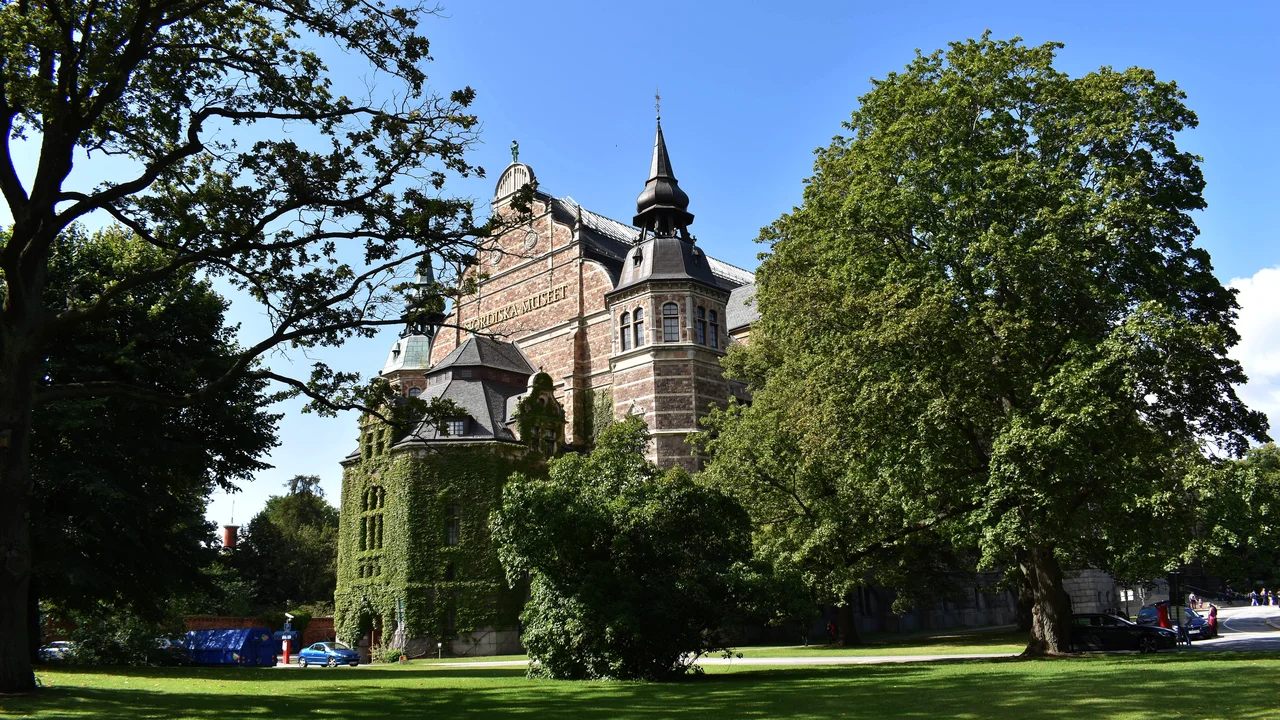
Nordiska museet in Stockholm keeps historic recipe books, carved butter molds, and traditional bread tools that show how Swedish families cooked and ate.
Museum Origins and Ethnological Food Archives
Nordiska museet in Stockholm preserves Sweden largest collection of historical food traditions and kitchen tools.
Museum workers collected handwritten papers describing what farming families ate across rural Swedish parishes.
The museum keeps carved wooden butter molds, copper jelly tins, and painted porridge bowls.
Old field surveys recorded the hard springtime hunger gap before fresh summer crops were ready.
The museum library preserves hundreds of old recipe books written by manor house cooks and families.
Modern researchers read nineteenth-century household food books to study how daily meals changed over time.
Bread Cultures, Grain Baking, and Preservation Technologies
Museum collections show how cold northern weather shaped regional bread traditions across Sweden.
Northern village families baked thin barley flatbread called tunnbröd in large communal baking ovens.
Southern and central areas baked dry sourdough rye bread with center holes to hang on wooden poles.
Museum cases display dried pine tree bark flour eaten during terrible famine years long ago.
Historical cooks used salting, smoking, and sour fermentation to keep food safe without refrigerators.
Museum scientists care for antique wooden butter tubs and old copper brewing pots.
Baltic Herring, Fermentation, and Festive Table Rituals
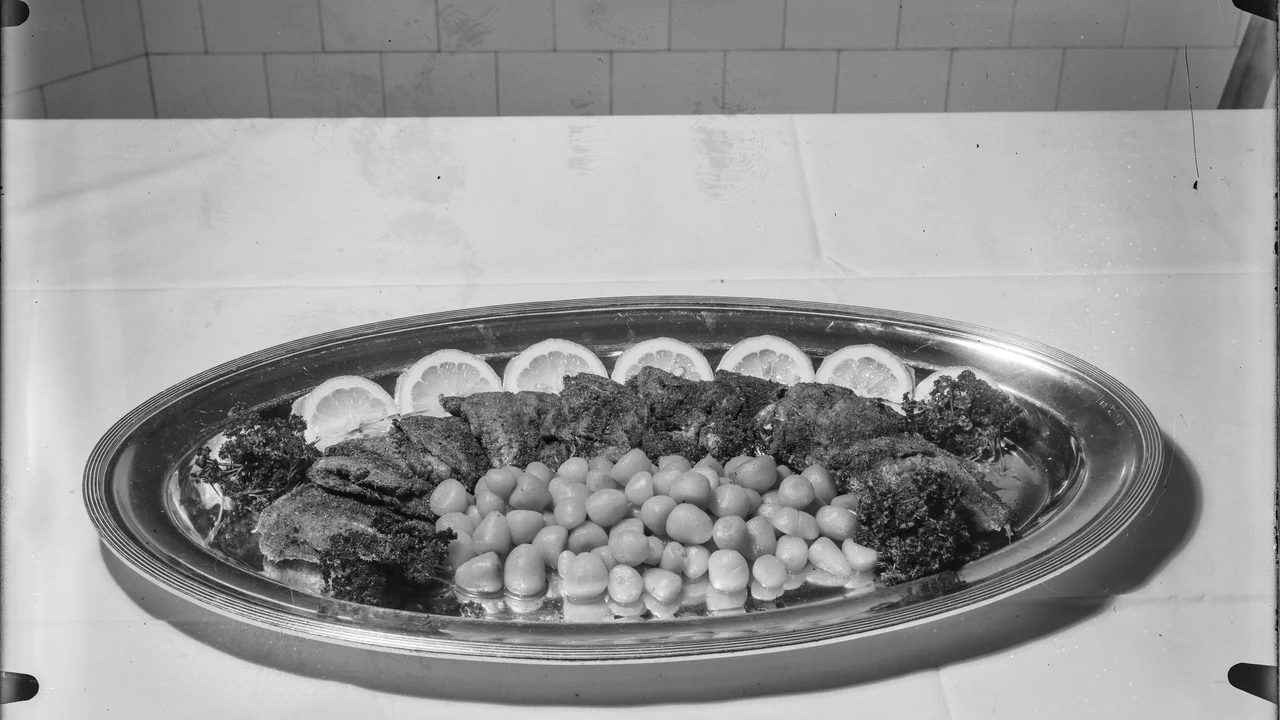
Salted Atlantic herring and Baltic strömming provided the main animal protein for ordinary people.
Northern coastal towns made fermented surströmming fish inside sealed wooden barrels.
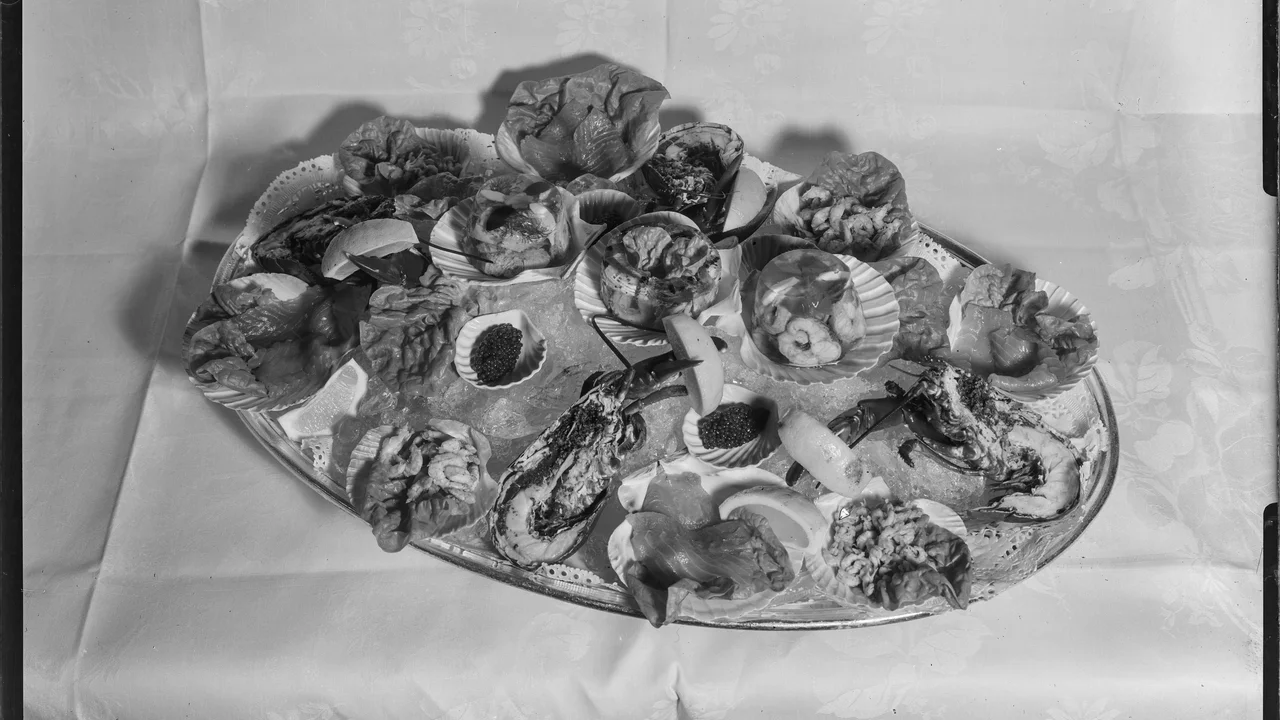
The old aperitif table called brännvinsbord grew into the famous Swedish smörgåsbord buffet.
Museum rooms show how French royal banquet dining mixed with northern cold buffet dishes.
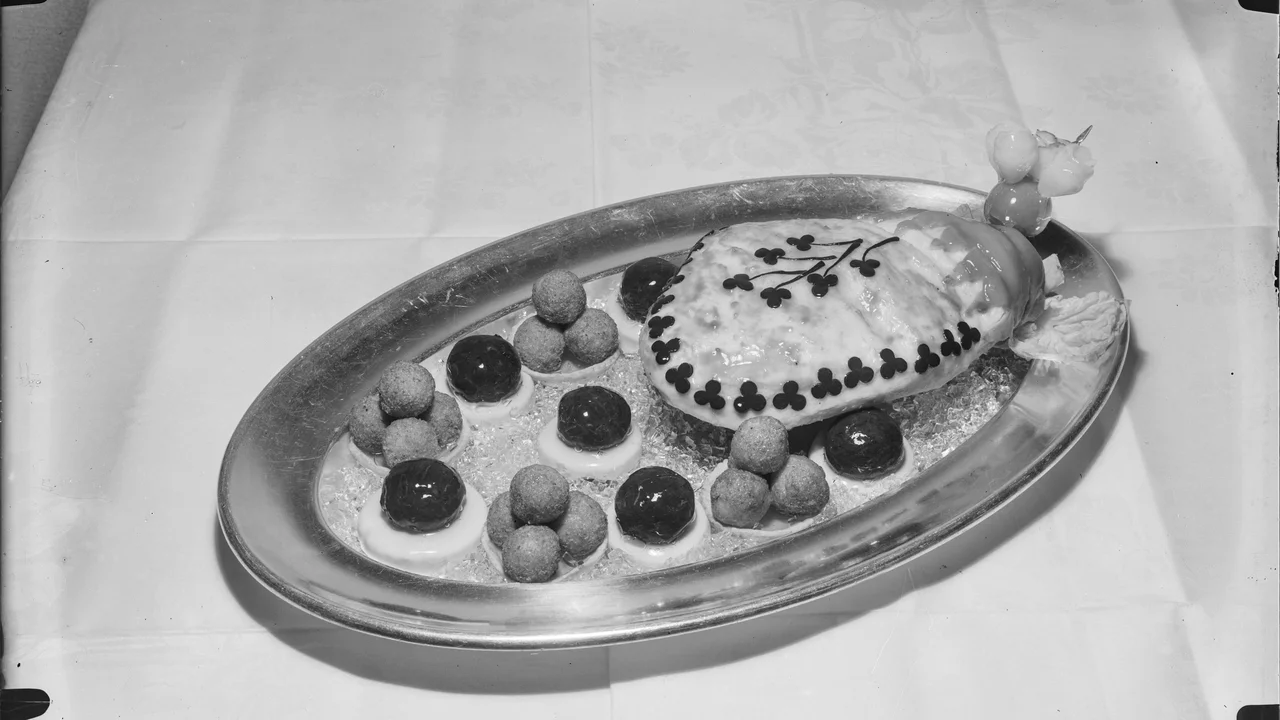
Old holiday papers record the Christmas julbord feast with baked ham and traditional winter fish.
Midsummer celebrations always feature new summer potatoes served with pickled herring and sour cream.
Coffee, Fika Rituals, and Intangible Culinary Curation
The museum fika archive shows how daily coffee breaks became an important social custom in Sweden.
Old etiquette rules expected home hosts to serve guests seven different kinds of baked cookies.
New museum projects show how modern immigrant foods enriched everyday Swedish cooking.
Nordiska museet works with language and folklore scholars to protect living culinary heritage.
Museum cooking workshops let guests taste historic Swedish dishes and traditional preserved foods.
Studying daily food history connects old farming life with modern ideas about healthy sustainable eating.
A2 · Elementary
Nordic Museum Food Collections: Sweden Ethnological Culinary Archive
Exploring historic bread varieties, fermented herring barrels, and communal baking customs preserved in the cultural collections of Nordiska museet.
Museum Origins and Ethnological Food Archives
Founded in 1873 by Artur Hazelius, Nordiska museet preserves Sweden primary ethnological archive documenting domestic food traditions.
Early curators collected thousands of handwritten questionnaire responses recording regional dietary practices across rural parishes.
The museum repository holds extensive material artifacts including carved wooden butter molds, copper jelly tins, and painted porridge bowls.
Ethnological field surveys systematically documented the seasonal hunger gap occurring before spring harvests in agrarian households.
Archival holdings include over five hundred historical manuscript recipe books compiled by Swedish manor houses and merchant families.
Contemporary museum researchers digitize nineteenth-century domestic accounts to investigate historical changes in daily caloric intake.
Bread Cultures, Grain Baking, and Preservation Technologies
Nordic Museum food collections document diverse regional bread traditions shaped by cold climates and grain cultivation boundaries.
Northern forest communities baked thin barley flatbreads known as tunnbröd on open hearth griddles during biannual communal baking periods.
Central and southern regions developed dried sourdough rye knäckebröd disks pierced with center holes for long ceiling pole storage.
Emergency famine foodstuffs preserved in museum collections include dried pine bark flour utilized during devastating eighteenth-century crop failures.
Traditional preservation techniques heavily emphasized lactic fermentation, dry-salting, cold-smoking, and lactic souring over fresh consumption.
Museum conservation specialists study wood chemistry and copper patinas to preserve antique butter firkins and brewing tubs.
Baltic Herring, Fermentation, and Festive Table Rituals
The museum archives document Atlantic herring and Baltic strömming curing practices that formed the staple animal protein of Swedish diets.
Coastal Norrland communities developed fermented surströmming by packing lightly salted herring into wooden barrels under controlled anaerobic fermentation.
The brännvinsbord appetizer spread featuring spiced aquavit, butter, cheese, and cured herring evolved directly into the modern smörgåsbord.
Museum exhibitions demonstrate how aristocratic seventeenth-century French banquet customs gradually merged with indigenous Scandinavian cold tables.
Seasonal festive menus documented in the archives trace the development of the Christmas julbord with cured ham and lye-treated lutefisk.
Midsummer feast records highlight the enduring ritual pairing of freshly harvested new potatoes, pickled herring, and sour cream.
Coffee, Fika Rituals, and Intangible Culinary Curation
The museum extensive fika collection documents the social institutionalization of mid-morning and mid-afternoon coffee gatherings across Swedish workplaces.
Archival surveys record the historic seven kinds of biscuits standard, a customary etiquette benchmark required of domestic hostesses.
Modern curatorial projects explore how post-war immigration introduced new culinary ingredients that transformed contemporary Swedish food culture.
Nordiska museet collaborates with the Institute for Language and Folklore to maintain the national inventory of living culinary traditions.
Public tasting workshops and experimental culinary exhibitions allow visitors to experience historical Swedish preservation techniques firsthand.
Curating everyday domestic food history bridges historical agricultural subsistence with contemporary sustainable dietary discussions in Sweden.
B1 · Intermediate
Nordic Museum Food Collections: Culinary Ethnology, Bread Culture, and Smörgåsbord
An analytical study of Nordic foodways, documenting questionnaire archives, rye storage disks, Baltic herring preservation, and coffee fika traditions.
Museum Origins and Ethnological Food Archives
Founded in 1873 by Artur Hazelius, Nordiska museet preserves Sweden primary ethnological archive documenting domestic food traditions.
Early curators collected thousands of handwritten questionnaire responses recording regional dietary practices across rural parishes.
The museum repository holds extensive material artifacts including carved wooden butter molds, copper jelly tins, and painted porridge bowls.
Ethnological field surveys systematically documented the seasonal hunger gap occurring before spring harvests in agrarian households.
Archival holdings include over five hundred historical manuscript recipe books compiled by Swedish manor houses and merchant families.
Contemporary museum researchers digitize nineteenth-century domestic accounts to investigate historical changes in daily caloric intake.
Bread Cultures, Grain Baking, and Preservation Technologies
Nordic Museum food collections document diverse regional bread traditions shaped by cold climates and grain cultivation boundaries.
Northern forest communities baked thin barley flatbreads known as tunnbröd on open hearth griddles during biannual communal baking periods.
Central and southern regions developed dried sourdough rye knäckebröd disks pierced with center holes for long ceiling pole storage.
Emergency famine foodstuffs preserved in museum collections include dried pine bark flour utilized during devastating eighteenth-century crop failures.
Traditional preservation techniques heavily emphasized lactic fermentation, dry-salting, cold-smoking, and lactic souring over fresh consumption.
Museum conservation specialists study wood chemistry and copper patinas to preserve antique butter firkins and brewing tubs.
Baltic Herring, Fermentation, and Festive Table Rituals
The museum archives document Atlantic herring and Baltic strömming curing practices that formed the staple animal protein of Swedish diets.
Coastal Norrland communities developed fermented surströmming by packing lightly salted herring into wooden barrels under controlled anaerobic fermentation.
The brännvinsbord appetizer spread featuring spiced aquavit, butter, cheese, and cured herring evolved directly into the modern smörgåsbord.
Museum exhibitions demonstrate how aristocratic seventeenth-century French banquet customs gradually merged with indigenous Scandinavian cold tables.
Seasonal festive menus documented in the archives trace the development of the Christmas julbord with cured ham and lye-treated lutefisk.
Midsummer feast records highlight the enduring ritual pairing of freshly harvested new potatoes, pickled herring, and sour cream.
Coffee, Fika Rituals, and Intangible Culinary Curation
The museum extensive fika collection documents the social institutionalization of mid-morning and mid-afternoon coffee gatherings across Swedish workplaces.
Archival surveys record the historic seven kinds of biscuits standard, a customary etiquette benchmark required of domestic hostesses.
Modern curatorial projects explore how post-war immigration introduced new culinary ingredients that transformed contemporary Swedish food culture.
Nordiska museet collaborates with the Institute for Language and Folklore to maintain the national inventory of living culinary traditions.
Public tasting workshops and experimental culinary exhibitions allow visitors to experience historical Swedish preservation techniques firsthand.
Curating everyday domestic food history bridges historical agricultural subsistence with contemporary sustainable dietary discussions in Sweden.
B2 · Upper Intermediate
Nordic Museum Food Collections: Material Culture, Fermentation, and Dietary Heritage
Investigating eighteenth-century famine foodstuffs, anaerobic fish barrels, the evolution of the smörgåsbord, and modern culinary safeguarding initiatives.
Museum Origins and Ethnological Food Archives
Founded in 1873 by Artur Hazelius, Nordiska museet preserves Sweden primary ethnological archive documenting domestic food traditions.
Early curators collected thousands of handwritten questionnaire responses recording regional dietary practices across rural parishes.
The museum repository holds extensive material artifacts including carved wooden butter molds, copper jelly tins, and painted porridge bowls.
Ethnological field surveys systematically documented the seasonal hunger gap occurring before spring harvests in agrarian households.
Archival holdings include over five hundred historical manuscript recipe books compiled by Swedish manor houses and merchant families.
Contemporary museum researchers digitize nineteenth-century domestic accounts to investigate historical changes in daily caloric intake.
Bread Cultures, Grain Baking, and Preservation Technologies
Nordic Museum food collections document diverse regional bread traditions shaped by cold climates and grain cultivation boundaries.
Northern forest communities baked thin barley flatbreads known as tunnbröd on open hearth griddles during biannual communal baking periods.
Central and southern regions developed dried sourdough rye knäckebröd disks pierced with center holes for long ceiling pole storage.
Emergency famine foodstuffs preserved in museum collections include dried pine bark flour utilized during devastating eighteenth-century crop failures.
Traditional preservation techniques heavily emphasized lactic fermentation, dry-salting, cold-smoking, and lactic souring over fresh consumption.
Museum conservation specialists study wood chemistry and copper patinas to preserve antique butter firkins and brewing tubs.
Baltic Herring, Fermentation, and Festive Table Rituals
The museum archives document Atlantic herring and Baltic strömming curing practices that formed the staple animal protein of Swedish diets.
Coastal Norrland communities developed fermented surströmming by packing lightly salted herring into wooden barrels under controlled anaerobic fermentation.
The brännvinsbord appetizer spread featuring spiced aquavit, butter, cheese, and cured herring evolved directly into the modern smörgåsbord.
Museum exhibitions demonstrate how aristocratic seventeenth-century French banquet customs gradually merged with indigenous Scandinavian cold tables.
Seasonal festive menus documented in the archives trace the development of the Christmas julbord with cured ham and lye-treated lutefisk.
Midsummer feast records highlight the enduring ritual pairing of freshly harvested new potatoes, pickled herring, and sour cream.
Coffee, Fika Rituals, and Intangible Culinary Curation
The museum extensive fika collection documents the social institutionalization of mid-morning and mid-afternoon coffee gatherings across Swedish workplaces.
Archival surveys record the historic seven kinds of biscuits standard, a customary etiquette benchmark required of domestic hostesses.
Modern curatorial projects explore how post-war immigration introduced new culinary ingredients that transformed contemporary Swedish food culture.
Nordiska museet collaborates with the Institute for Language and Folklore to maintain the national inventory of living culinary traditions.
Public tasting workshops and experimental culinary exhibitions allow visitors to experience historical Swedish preservation techniques firsthand.
Curating everyday domestic food history bridges historical agricultural subsistence with contemporary sustainable dietary discussions in Sweden.
C1 · Advanced
The Ethnological Curation of Nordic Food Culture at Nordiska Museet
A critical journalistic inquiry into domestic foodways documentation, analyzing handwritten parish questionnaires, material preservation technologies, and living culinary inventories.
Museum Origins and Ethnological Food Archives
Founded in 1873 by Artur Hazelius, Nordiska museet preserves Sweden primary ethnological archive documenting domestic food traditions.
Early curators collected thousands of handwritten questionnaire responses recording regional dietary practices across rural parishes.
The museum repository holds extensive material artifacts including carved wooden butter molds, copper jelly tins, and painted porridge bowls.
Ethnological field surveys systematically documented the seasonal hunger gap occurring before spring harvests in agrarian households.
Archival holdings include over five hundred historical manuscript recipe books compiled by Swedish manor houses and merchant families.
Contemporary museum researchers digitize nineteenth-century domestic accounts to investigate historical changes in daily caloric intake.
Bread Cultures, Grain Baking, and Preservation Technologies
Nordic Museum food collections document diverse regional bread traditions shaped by cold climates and grain cultivation boundaries.
Northern forest communities baked thin barley flatbreads known as tunnbröd on open hearth griddles during biannual communal baking periods.
Central and southern regions developed dried sourdough rye knäckebröd disks pierced with center holes for long ceiling pole storage.
Emergency famine foodstuffs preserved in museum collections include dried pine bark flour utilized during devastating eighteenth-century crop failures.
Traditional preservation techniques heavily emphasized lactic fermentation, dry-salting, cold-smoking, and lactic souring over fresh consumption.
Museum conservation specialists study wood chemistry and copper patinas to preserve antique butter firkins and brewing tubs.
Baltic Herring, Fermentation, and Festive Table Rituals
The museum archives document Atlantic herring and Baltic strömming curing practices that formed the staple animal protein of Swedish diets.
Coastal Norrland communities developed fermented surströmming by packing lightly salted herring into wooden barrels under controlled anaerobic fermentation.
The brännvinsbord appetizer spread featuring spiced aquavit, butter, cheese, and cured herring evolved directly into the modern smörgåsbord.
Museum exhibitions demonstrate how aristocratic seventeenth-century French banquet customs gradually merged with indigenous Scandinavian cold tables.
Seasonal festive menus documented in the archives trace the development of the Christmas julbord with cured ham and lye-treated lutefisk.
Midsummer feast records highlight the enduring ritual pairing of freshly harvested new potatoes, pickled herring, and sour cream.
Coffee, Fika Rituals, and Intangible Culinary Curation
The museum extensive fika collection documents the social institutionalization of mid-morning and mid-afternoon coffee gatherings across Swedish workplaces.
Archival surveys record the historic seven kinds of biscuits standard, a customary etiquette benchmark required of domestic hostesses.
Modern curatorial projects explore how post-war immigration introduced new culinary ingredients that transformed contemporary Swedish food culture.
Nordiska museet collaborates with the Institute for Language and Folklore to maintain the national inventory of living culinary traditions.
Public tasting workshops and experimental culinary exhibitions allow visitors to experience historical Swedish preservation techniques firsthand.
Curating everyday domestic food history bridges historical agricultural subsistence with contemporary sustainable dietary discussions in Sweden.
C2 · Mastery
Nordic Museum Food Collections: Archival Curation, Agrarian Subsistence, and Gastronomic Identity
A comprehensive analytical monograph evaluating nineteenth-century dietary ethnology, anaerobic preservation chemistry, banquet evolution, and contemporary food sustainability discourses.
Museum Origins and Ethnological Food Archives
Founded in 1873 by Artur Hazelius, Nordiska museet preserves Sweden primary ethnological archive documenting domestic food traditions.
Early curators collected thousands of handwritten questionnaire responses recording regional dietary practices across rural parishes.
The museum repository holds extensive material artifacts including carved wooden butter molds, copper jelly tins, and painted porridge bowls.
Ethnological field surveys systematically documented the seasonal hunger gap occurring before spring harvests in agrarian households.
Archival holdings include over five hundred historical manuscript recipe books compiled by Swedish manor houses and merchant families.
Contemporary museum researchers digitize nineteenth-century domestic accounts to investigate historical changes in daily caloric intake.
Bread Cultures, Grain Baking, and Preservation Technologies
Nordic Museum food collections document diverse regional bread traditions shaped by cold climates and grain cultivation boundaries.
Northern forest communities baked thin barley flatbreads known as tunnbröd on open hearth griddles during biannual communal baking periods.
Central and southern regions developed dried sourdough rye knäckebröd disks pierced with center holes for long ceiling pole storage.
Emergency famine foodstuffs preserved in museum collections include dried pine bark flour utilized during devastating eighteenth-century crop failures.
Traditional preservation techniques heavily emphasized lactic fermentation, dry-salting, cold-smoking, and lactic souring over fresh consumption.
Museum conservation specialists study wood chemistry and copper patinas to preserve antique butter firkins and brewing tubs.
Baltic Herring, Fermentation, and Festive Table Rituals
The museum archives document Atlantic herring and Baltic strömming curing practices that formed the staple animal protein of Swedish diets.
Coastal Norrland communities developed fermented surströmming by packing lightly salted herring into wooden barrels under controlled anaerobic fermentation.
The brännvinsbord appetizer spread featuring spiced aquavit, butter, cheese, and cured herring evolved directly into the modern smörgåsbord.
Museum exhibitions demonstrate how aristocratic seventeenth-century French banquet customs gradually merged with indigenous Scandinavian cold tables.
Seasonal festive menus documented in the archives trace the development of the Christmas julbord with cured ham and lye-treated lutefisk.
Midsummer feast records highlight the enduring ritual pairing of freshly harvested new potatoes, pickled herring, and sour cream.
Coffee, Fika Rituals, and Intangible Culinary Curation
The museum extensive fika collection documents the social institutionalization of mid-morning and mid-afternoon coffee gatherings across Swedish workplaces.
Archival surveys record the historic seven kinds of biscuits standard, a customary etiquette benchmark required of domestic hostesses.
Modern curatorial projects explore how post-war immigration introduced new culinary ingredients that transformed contemporary Swedish food culture.
Nordiska museet collaborates with the Institute for Language and Folklore to maintain the national inventory of living culinary traditions.
Public tasting workshops and experimental culinary exhibitions allow visitors to experience historical Swedish preservation techniques firsthand.
Curating everyday domestic food history bridges historical agricultural subsistence with contemporary sustainable dietary discussions in Sweden.
Check your understanding
Choose how closely you want to revisit the article. You can refer back while answering, and review explanations when you finish.
Quick Quiz A1
Try one question, then create a free account for the full Quick Quiz. Sign Up Free
Answer every question before checking. There is no time limit.
Your results
/ 1 correct (%)
Read the explanations to see how each answer connects to the article.
-
What does Nordiska museet in Stockholm preserve for Sweden?
1. Answer:
Quick Quiz A2
Try one question, then create a free account for the full Quick Quiz. Sign Up Free
Answer every question before checking. There is no time limit.
Your results
/ 1 correct (%)
Read the explanations to see how each answer connects to the article.
-
Who founded Nordiska museet in 1873 to document Swedish ethnological traditions?
1. Answer:
Quick Quiz B1
Try one question, then create a free account for the full Quick Quiz. Sign Up Free
Answer every question before checking. There is no time limit.
Your results
/ 1 correct (%)
Read the explanations to see how each answer connects to the article.
-
Who founded Nordiska museet in 1873 to document Swedish ethnological traditions?
1. Answer:
Quick Quiz B2
Try one question, then create a free account for the full Quick Quiz. Sign Up Free
Answer every question before checking. There is no time limit.
Your results
/ 1 correct (%)
Read the explanations to see how each answer connects to the article.
-
Who founded Nordiska museet in 1873 to document Swedish ethnological traditions?
1. Answer:
Quick Quiz C1
Try one question, then create a free account for the full Quick Quiz. Sign Up Free
Answer every question before checking. There is no time limit.
Your results
/ 1 correct (%)
Read the explanations to see how each answer connects to the article.
-
Who founded Nordiska museet in 1873 to document Swedish ethnological traditions?
1. Answer:
Quick Quiz C2
Try one question, then create a free account for the full Quick Quiz. Sign Up Free
Answer every question before checking. There is no time limit.
Your results
/ 1 correct (%)
Read the explanations to see how each answer connects to the article.
-
Who founded Nordiska museet in 1873 to document Swedish ethnological traditions?
1. Answer:
