A1 · Beginner
Gammelstad Church Town: Small Red Cottages in Northern Sweden
Gammelstad in northern Sweden has over four hundred small red wooden cottages where farming families stayed when traveling to church.
Subarctic Geography and Church Town Origins
Gammelstad is the best-preserved old church town in northern Sweden and Scandinavia.
Old Swedish laws required farming families living far away to travel to church regularly.
Deep snow and long distances prevented farmers from riding home on Sunday, so they built small wooden cottages.
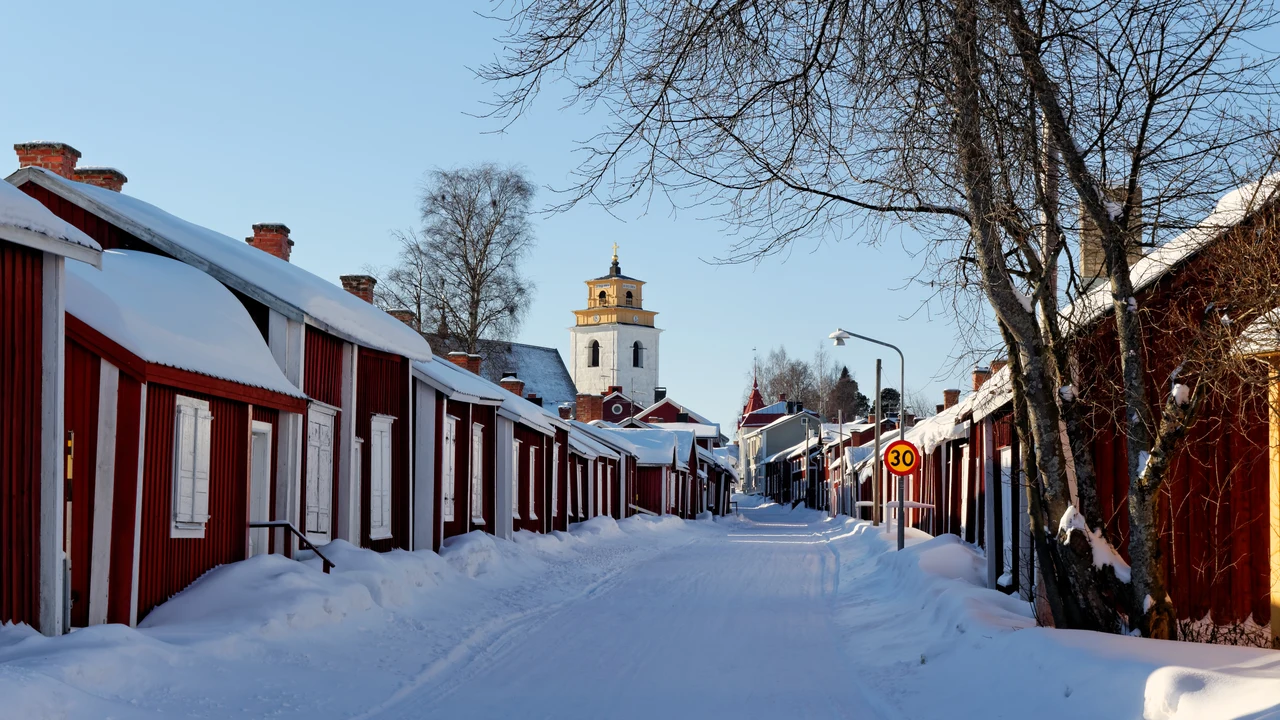
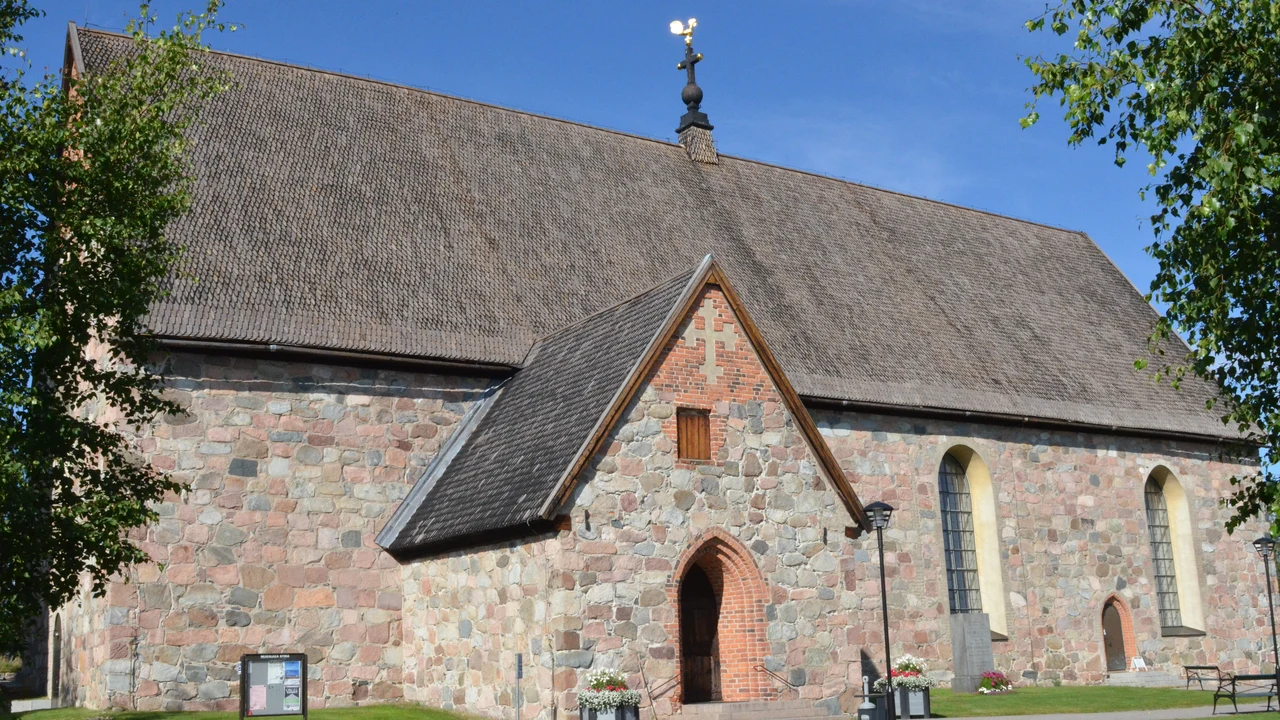
Built in 1492, the large stone Nederluleå Church stands on top of the hill above the wooden cottages.
Rising land forced the old sea harbor to move down the river in 1649.
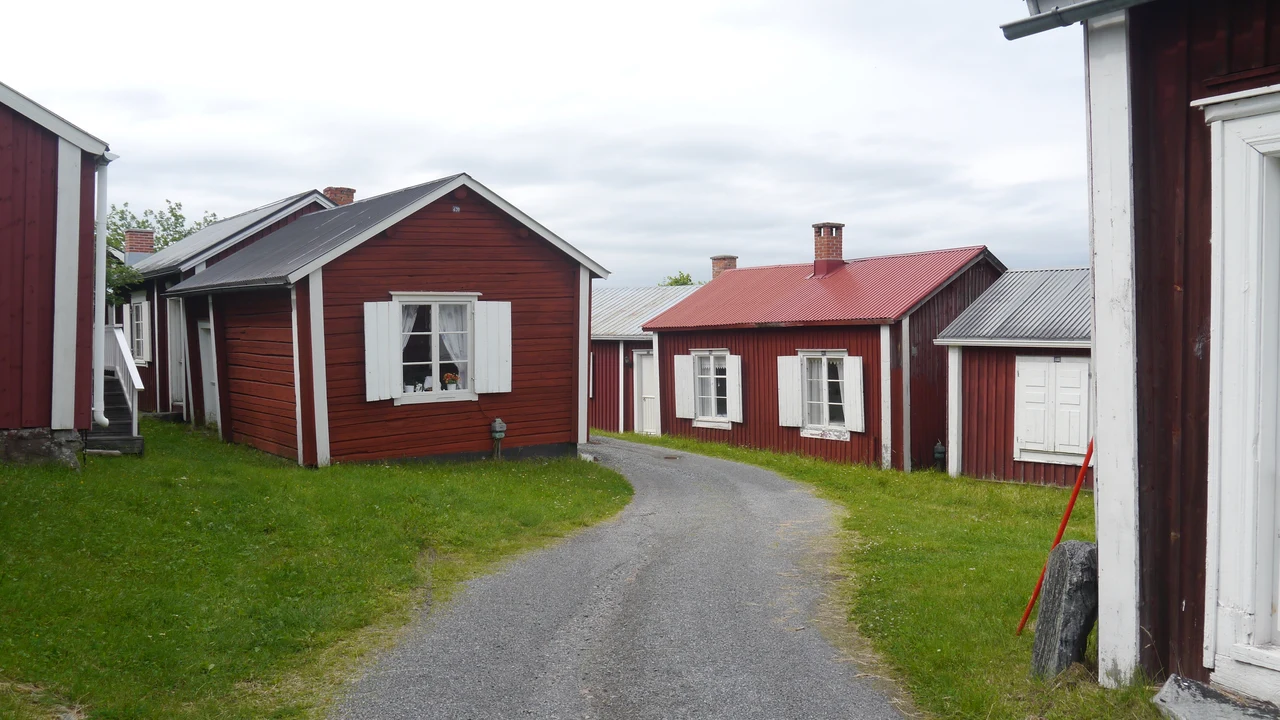
Today the historic village contains 404 red wooden cottages with 520 small rooms.
Timber Vernacular Architecture and Cottage Typology
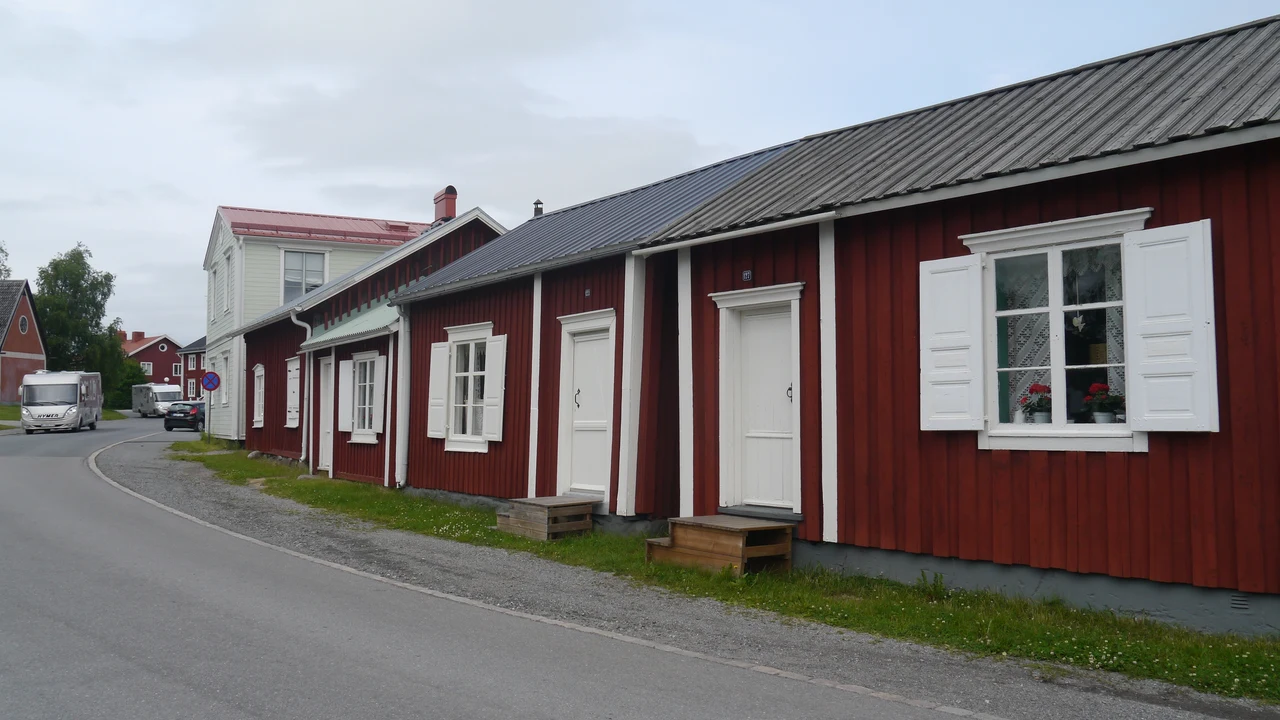
Workers built the cottages from pine logs and painted them with traditional red paint and white window frames.
Inside each small cottage, visitors find open fireplaces, wooden bunk beds, and simple cupboards for short weekend visits.
Narrow walking lanes curve between the red wooden houses around the stone church.
The old town also keeps six wooden stables where churchgoers kept their horses safe from cold winter snow.
The cottages do not have modern pipes or heaters to protect the dry wooden walls from fire.
People can only stay in the cottages during holidays because strict building rules prohibited living there all year.
Social Rituals and Religious Gatherings
Farming families gathered in Gammelstad for big religious holidays like Christmas, Easter, and Midsummer.
Church weekends became lively meetings where young people met, traders sold goods, and leaders made town announcements.
Teenagers from forest farms stayed in the church cottages for weeks to study religion before confirmation.
Parish members met in town to decide local taxes, repair roads, and help poor families.
The large parish included people speaking Swedish and Meänkieli along with indigenous Sámi reindeer herders.
Even with modern cars and roads, local families still visit their cottages during special summer weekends.
World Heritage Safeguarding and Fire Prevention
UNESCO named Gammelstad Church Town a World Heritage site in 1996 to protect its wooden buildings.
Local farming families still own most cottages, passing them down to children and grandchildren.
The cottage association and city planners check all repairs to keep original wood and traditional paint.
Firefighters use heat cameras, water hydrants, and night watch guards to keep the wooden village safe.
A modern visitor center offers guided walking tours and tells stories about life in northern Sweden.
Caring for Gammelstad protects an important historic town while welcoming travelers from around the world.
A2 · Elementary
Church Town of Gammelstad: Sweden Subarctic Heritage Enclave
Exploring the 404 timber cottages, 1492 stone church, and post-glacial harbor history that shaped northern Sweden premier church town.
Subarctic Geography and Church Town Origins
Gammelstad represents the best-preserved example of a traditional northern Scandinavian church town (kyrkstad).
Northern Swedish parish laws historically mandated regular church attendance for rural farming households scattered across vast subarctic territories.
Because severe winter weather and rough waterways prevented parishioners from traveling home on the same day, families built temporary wooden lodging cottages.
Consecrated in 1492, the imposing granite Nederluleå Church stands at the highest point of the rocky hillock, anchoring the surrounding settlement.
Gammelstad originally served as the commercial harbor and administrative center of Luleå until post-glacial land uplift forced the port to relocate seaward in 1649.
The settlement comprises 404 preserved wooden church cottages (kyrkstugor) divided into 520 distinct cottage chambers.
Timber Vernacular Architecture and Cottage Typology
The church cottages were constructed using unadorned horizontal pine logs coated in traditional red ochre pigment with contrasting white window frames.
Cottage interiors feature compact open hearths, built-in wooden bunk beds, and rustic cupboards engineered for short seasonal stays.
The dense urban layout features narrow organic pathways radiating outward from the churchyard without a rigid grid plan.
Beside the residential cottages, the heritage zone preserves six historic church stables used to shelter horses during cold northern winter services.
Cottages were deliberately designed without running water, modern plumbing, or permanent heating fixtures to mitigate devastating fire risks.
Strict building codes prohibited year-round permanent residency, ensuring the village functioned exclusively as a seasonal religious and community enclave.
Social Rituals and Religious Gatherings
Families gathered at Gammelstad for major liturgical festivals including Christmas, Easter, Pentecost, Midsummer, and Michaelmas.
Church weekends (kyrkhelger) served as vital social nexuses where young parishioners courted, merchants traded goods, and municipal notices were proclaimed.
Confirmation weekends brought teenagers from remote forest homesteads to stay in the cottages for weeks of intensive religious catechism.
Parish assemblies (sockenstämma) held in the church town deliberated local taxation, poor relief, road maintenance, and communal bylaws.
The surrounding parish accommodated bilingual communities of Swedish and Meänkieli speakers alongside indigenous Sámi seasonal pastoralists.
Although modern road transportation eliminated the physical necessity of overnight stays, local families maintain active seasonal cottage occupancy traditions.
World Heritage Safeguarding and Fire Prevention
UNESCO inscribed the Church Town of Gammelstad on the World Heritage List in 1996 as an outstanding example of traditional northern European settlement.
The church cottages remain overwhelmingly in private family ownership, passed down through generations of Norrbotten farming descendants.
The Church Town Association (Kyrkstugeföreningen) and Luleå Municipality enforce rigorous preservation guidelines governing authentic repair materials and techniques.
Comprehensive fire prevention protocols include specialized thermal cameras, exterior hydrants, dry lightning conductors, and continuous night patrols during festivals.
The Gammelstad Visitor Center conducts educational programs, archival research, and guided tours documenting northern ecclesiastical history.
Preserving Gammelstad balances living community use with uncompromising architectural conservation in an era of expanding Arctic tourism.
B1 · Intermediate
Gammelstad Church Town: Vernacular Timber Craft, Parishes, and Festivals
An analytical study of Norrbotten church town culture, documenting compulsory church attendance laws, confirmation weekends, and communal governance.
Subarctic Geography and Church Town Origins
Gammelstad represents the best-preserved example of a traditional northern Scandinavian church town (kyrkstad).
Northern Swedish parish laws historically mandated regular church attendance for rural farming households scattered across vast subarctic territories.
Because severe winter weather and rough waterways prevented parishioners from traveling home on the same day, families built temporary wooden lodging cottages.
Consecrated in 1492, the imposing granite Nederluleå Church stands at the highest point of the rocky hillock, anchoring the surrounding settlement.
Gammelstad originally served as the commercial harbor and administrative center of Luleå until post-glacial land uplift forced the port to relocate seaward in 1649.
The settlement comprises 404 preserved wooden church cottages (kyrkstugor) divided into 520 distinct cottage chambers.
Timber Vernacular Architecture and Cottage Typology
The church cottages were constructed using unadorned horizontal pine logs coated in traditional red ochre pigment with contrasting white window frames.
Cottage interiors feature compact open hearths, built-in wooden bunk beds, and rustic cupboards engineered for short seasonal stays.
The dense urban layout features narrow organic pathways radiating outward from the churchyard without a rigid grid plan.
Beside the residential cottages, the heritage zone preserves six historic church stables used to shelter horses during cold northern winter services.
Cottages were deliberately designed without running water, modern plumbing, or permanent heating fixtures to mitigate devastating fire risks.
Strict building codes prohibited year-round permanent residency, ensuring the village functioned exclusively as a seasonal religious and community enclave.
Social Rituals and Religious Gatherings
Families gathered at Gammelstad for major liturgical festivals including Christmas, Easter, Pentecost, Midsummer, and Michaelmas.
Church weekends (kyrkhelger) served as vital social nexuses where young parishioners courted, merchants traded goods, and municipal notices were proclaimed.
Confirmation weekends brought teenagers from remote forest homesteads to stay in the cottages for weeks of intensive religious catechism.
Parish assemblies (sockenstämma) held in the church town deliberated local taxation, poor relief, road maintenance, and communal bylaws.
The surrounding parish accommodated bilingual communities of Swedish and Meänkieli speakers alongside indigenous Sámi seasonal pastoralists.
Although modern road transportation eliminated the physical necessity of overnight stays, local families maintain active seasonal cottage occupancy traditions.
World Heritage Safeguarding and Fire Prevention
UNESCO inscribed the Church Town of Gammelstad on the World Heritage List in 1996 as an outstanding example of traditional northern European settlement.
The church cottages remain overwhelmingly in private family ownership, passed down through generations of Norrbotten farming descendants.
The Church Town Association (Kyrkstugeföreningen) and Luleå Municipality enforce rigorous preservation guidelines governing authentic repair materials and techniques.
Comprehensive fire prevention protocols include specialized thermal cameras, exterior hydrants, dry lightning conductors, and continuous night patrols during festivals.
The Gammelstad Visitor Center conducts educational programs, archival research, and guided tours documenting northern ecclesiastical history.
Preserving Gammelstad balances living community use with uncompromising architectural conservation in an era of expanding Arctic tourism.
B2 · Upper Intermediate
Church Town of Gammelstad: Subarctic Geography and Living Vernacular Preservation
Investigating UNESCO-inscribed timber cottages, post-glacial land uplift, strict seasonal residency bylaws, and advanced fire prevention protocols.
Subarctic Geography and Church Town Origins
Gammelstad represents the best-preserved example of a traditional northern Scandinavian church town (kyrkstad).
Northern Swedish parish laws historically mandated regular church attendance for rural farming households scattered across vast subarctic territories.
Because severe winter weather and rough waterways prevented parishioners from traveling home on the same day, families built temporary wooden lodging cottages.
Consecrated in 1492, the imposing granite Nederluleå Church stands at the highest point of the rocky hillock, anchoring the surrounding settlement.
Gammelstad originally served as the commercial harbor and administrative center of Luleå until post-glacial land uplift forced the port to relocate seaward in 1649.
The settlement comprises 404 preserved wooden church cottages (kyrkstugor) divided into 520 distinct cottage chambers.
Timber Vernacular Architecture and Cottage Typology
The church cottages were constructed using unadorned horizontal pine logs coated in traditional red ochre pigment with contrasting white window frames.
Cottage interiors feature compact open hearths, built-in wooden bunk beds, and rustic cupboards engineered for short seasonal stays.
The dense urban layout features narrow organic pathways radiating outward from the churchyard without a rigid grid plan.
Beside the residential cottages, the heritage zone preserves six historic church stables used to shelter horses during cold northern winter services.
Cottages were deliberately designed without running water, modern plumbing, or permanent heating fixtures to mitigate devastating fire risks.
Strict building codes prohibited year-round permanent residency, ensuring the village functioned exclusively as a seasonal religious and community enclave.
Social Rituals and Religious Gatherings
Families gathered at Gammelstad for major liturgical festivals including Christmas, Easter, Pentecost, Midsummer, and Michaelmas.
Church weekends (kyrkhelger) served as vital social nexuses where young parishioners courted, merchants traded goods, and municipal notices were proclaimed.
Confirmation weekends brought teenagers from remote forest homesteads to stay in the cottages for weeks of intensive religious catechism.
Parish assemblies (sockenstämma) held in the church town deliberated local taxation, poor relief, road maintenance, and communal bylaws.
The surrounding parish accommodated bilingual communities of Swedish and Meänkieli speakers alongside indigenous Sámi seasonal pastoralists.
Although modern road transportation eliminated the physical necessity of overnight stays, local families maintain active seasonal cottage occupancy traditions.
World Heritage Safeguarding and Fire Prevention
UNESCO inscribed the Church Town of Gammelstad on the World Heritage List in 1996 as an outstanding example of traditional northern European settlement.
The church cottages remain overwhelmingly in private family ownership, passed down through generations of Norrbotten farming descendants.
The Church Town Association (Kyrkstugeföreningen) and Luleå Municipality enforce rigorous preservation guidelines governing authentic repair materials and techniques.
Comprehensive fire prevention protocols include specialized thermal cameras, exterior hydrants, dry lightning conductors, and continuous night patrols during festivals.
The Gammelstad Visitor Center conducts educational programs, archival research, and guided tours documenting northern ecclesiastical history.
Preserving Gammelstad balances living community use with uncompromising architectural conservation in an era of expanding Arctic tourism.
C1 · Advanced
The Vernacular Architecture and Ecclesiastical Geography of Gammelstad
A critical journalistic inquiry analyzing northern Scandinavian kyrkstad morphology, pine timber joinery, multilingual parish assembly governance, and modern heritage stewardship.
Subarctic Geography and Church Town Origins
Gammelstad represents the best-preserved example of a traditional northern Scandinavian church town (kyrkstad).
Northern Swedish parish laws historically mandated regular church attendance for rural farming households scattered across vast subarctic territories.
Because severe winter weather and rough waterways prevented parishioners from traveling home on the same day, families built temporary wooden lodging cottages.
Consecrated in 1492, the imposing granite Nederluleå Church stands at the highest point of the rocky hillock, anchoring the surrounding settlement.
Gammelstad originally served as the commercial harbor and administrative center of Luleå until post-glacial land uplift forced the port to relocate seaward in 1649.
The settlement comprises 404 preserved wooden church cottages (kyrkstugor) divided into 520 distinct cottage chambers.
Timber Vernacular Architecture and Cottage Typology
The church cottages were constructed using unadorned horizontal pine logs coated in traditional red ochre pigment with contrasting white window frames.
Cottage interiors feature compact open hearths, built-in wooden bunk beds, and rustic cupboards engineered for short seasonal stays.
The dense urban layout features narrow organic pathways radiating outward from the churchyard without a rigid grid plan.
Beside the residential cottages, the heritage zone preserves six historic church stables used to shelter horses during cold northern winter services.
Cottages were deliberately designed without running water, modern plumbing, or permanent heating fixtures to mitigate devastating fire risks.
Strict building codes prohibited year-round permanent residency, ensuring the village functioned exclusively as a seasonal religious and community enclave.
Social Rituals and Religious Gatherings
Families gathered at Gammelstad for major liturgical festivals including Christmas, Easter, Pentecost, Midsummer, and Michaelmas.
Church weekends (kyrkhelger) served as vital social nexuses where young parishioners courted, merchants traded goods, and municipal notices were proclaimed.
Confirmation weekends brought teenagers from remote forest homesteads to stay in the cottages for weeks of intensive religious catechism.
Parish assemblies (sockenstämma) held in the church town deliberated local taxation, poor relief, road maintenance, and communal bylaws.
The surrounding parish accommodated bilingual communities of Swedish and Meänkieli speakers alongside indigenous Sámi seasonal pastoralists.
Although modern road transportation eliminated the physical necessity of overnight stays, local families maintain active seasonal cottage occupancy traditions.
World Heritage Safeguarding and Fire Prevention
UNESCO inscribed the Church Town of Gammelstad on the World Heritage List in 1996 as an outstanding example of traditional northern European settlement.
The church cottages remain overwhelmingly in private family ownership, passed down through generations of Norrbotten farming descendants.
The Church Town Association (Kyrkstugeföreningen) and Luleå Municipality enforce rigorous preservation guidelines governing authentic repair materials and techniques.
Comprehensive fire prevention protocols include specialized thermal cameras, exterior hydrants, dry lightning conductors, and continuous night patrols during festivals.
The Gammelstad Visitor Center conducts educational programs, archival research, and guided tours documenting northern ecclesiastical history.
Preserving Gammelstad balances living community use with uncompromising architectural conservation in an era of expanding Arctic tourism.
C2 · Mastery
Gammelstad Church Town: Subarctic Settlement Patterns, Communal Enclaves, and Heritage Safeguarding
A comprehensive analytical monograph evaluating late-medieval parish administration, horizontal log typology, private familial tenure, and fire risk mitigation in Luleå.
Subarctic Geography and Church Town Origins
Gammelstad represents the best-preserved example of a traditional northern Scandinavian church town (kyrkstad).
Northern Swedish parish laws historically mandated regular church attendance for rural farming households scattered across vast subarctic territories.
Because severe winter weather and rough waterways prevented parishioners from traveling home on the same day, families built temporary wooden lodging cottages.
Consecrated in 1492, the imposing granite Nederluleå Church stands at the highest point of the rocky hillock, anchoring the surrounding settlement.
Gammelstad originally served as the commercial harbor and administrative center of Luleå until post-glacial land uplift forced the port to relocate seaward in 1649.
The settlement comprises 404 preserved wooden church cottages (kyrkstugor) divided into 520 distinct cottage chambers.
Timber Vernacular Architecture and Cottage Typology
The church cottages were constructed using unadorned horizontal pine logs coated in traditional red ochre pigment with contrasting white window frames.
Cottage interiors feature compact open hearths, built-in wooden bunk beds, and rustic cupboards engineered for short seasonal stays.
The dense urban layout features narrow organic pathways radiating outward from the churchyard without a rigid grid plan.
Beside the residential cottages, the heritage zone preserves six historic church stables used to shelter horses during cold northern winter services.
Cottages were deliberately designed without running water, modern plumbing, or permanent heating fixtures to mitigate devastating fire risks.
Strict building codes prohibited year-round permanent residency, ensuring the village functioned exclusively as a seasonal religious and community enclave.
Social Rituals and Religious Gatherings
Families gathered at Gammelstad for major liturgical festivals including Christmas, Easter, Pentecost, Midsummer, and Michaelmas.
Church weekends (kyrkhelger) served as vital social nexuses where young parishioners courted, merchants traded goods, and municipal notices were proclaimed.
Confirmation weekends brought teenagers from remote forest homesteads to stay in the cottages for weeks of intensive religious catechism.
Parish assemblies (sockenstämma) held in the church town deliberated local taxation, poor relief, road maintenance, and communal bylaws.
The surrounding parish accommodated bilingual communities of Swedish and Meänkieli speakers alongside indigenous Sámi seasonal pastoralists.
Although modern road transportation eliminated the physical necessity of overnight stays, local families maintain active seasonal cottage occupancy traditions.
World Heritage Safeguarding and Fire Prevention
UNESCO inscribed the Church Town of Gammelstad on the World Heritage List in 1996 as an outstanding example of traditional northern European settlement.
The church cottages remain overwhelmingly in private family ownership, passed down through generations of Norrbotten farming descendants.
The Church Town Association (Kyrkstugeföreningen) and Luleå Municipality enforce rigorous preservation guidelines governing authentic repair materials and techniques.
Comprehensive fire prevention protocols include specialized thermal cameras, exterior hydrants, dry lightning conductors, and continuous night patrols during festivals.
The Gammelstad Visitor Center conducts educational programs, archival research, and guided tours documenting northern ecclesiastical history.
Preserving Gammelstad balances living community use with uncompromising architectural conservation in an era of expanding Arctic tourism.
Check your understanding
Choose how closely you want to revisit the article. You can refer back while answering, and review explanations when you finish.
Quick Quiz A1
Try one question, then create a free account for the full Quick Quiz. Sign Up Free
Answer every question before checking. There is no time limit.
Your results
/ 1 correct (%)
Read the explanations to see how each answer connects to the article.
-
What is Gammelstad known for in northern Sweden?
1. Answer:
Quick Quiz A2
Try one question, then create a free account for the full Quick Quiz. Sign Up Free
Answer every question before checking. There is no time limit.
Your results
/ 1 correct (%)
Read the explanations to see how each answer connects to the article.
-
What cultural designation does Gammelstad represent in northern Scandinavia?
1. Answer:
Quick Quiz B1
Try one question, then create a free account for the full Quick Quiz. Sign Up Free
Answer every question before checking. There is no time limit.
Your results
/ 1 correct (%)
Read the explanations to see how each answer connects to the article.
-
What cultural designation does Gammelstad represent in northern Scandinavia?
1. Answer:
Quick Quiz B2
Try one question, then create a free account for the full Quick Quiz. Sign Up Free
Answer every question before checking. There is no time limit.
Your results
/ 1 correct (%)
Read the explanations to see how each answer connects to the article.
-
What cultural designation does Gammelstad represent in northern Scandinavia?
1. Answer:
Quick Quiz C1
Try one question, then create a free account for the full Quick Quiz. Sign Up Free
Answer every question before checking. There is no time limit.
Your results
/ 1 correct (%)
Read the explanations to see how each answer connects to the article.
-
What cultural designation does Gammelstad represent in northern Scandinavia?
1. Answer:
Quick Quiz C2
Try one question, then create a free account for the full Quick Quiz. Sign Up Free
Answer every question before checking. There is no time limit.
Your results
/ 1 correct (%)
Read the explanations to see how each answer connects to the article.
-
What cultural designation does Gammelstad represent in northern Scandinavia?
1. Answer:
