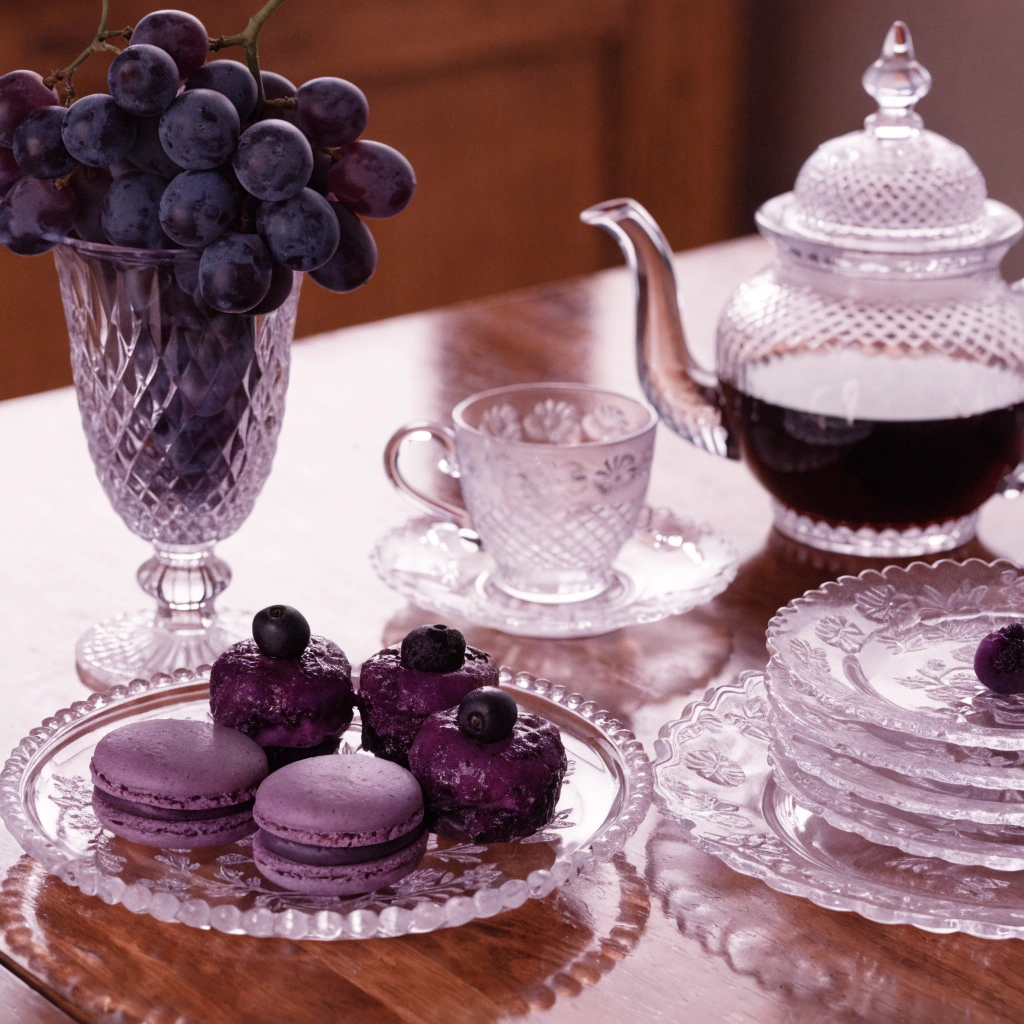
The Beautiful Figure in Italy
Italy is a beautiful country in Europe. Italian people have a special idea. They call it 'La Bella Figura.' This means 'the beautiful figure.' But it is not only about your body.
It is about your clothes and your behavior. In Italy, people dress in nice clothes. They want to look good in public. They are also very polite. They speak kindly to their friends and guests.
'La Bella Figura' is very important. It shows respect for other people. It makes life beautiful every day.
Grammar Spotlight
Pattern: Present Simple (to be)
"Italy is a beautiful country."
We use 'is' with singular nouns to describe facts or states. It is the most common way to introduce a topic.
Pattern: Present Simple (plural verbs)
"Italian people have a special idea."
When the subject is plural, like 'people,' we use the base form of the verb. We do not add 's' to the verb in this case.
Test Your Understanding
10 questions · A1 Beginner · 1 free preview
Test what you learned from this article. Answer all questions to earn XP!
What is 'La Bella Figura' about?
Want to finish the quiz?
9 more questions are waiting for you. Sign up free to unlock the full quiz and earn XP!
Sign Up FreeAlready have an account? Sign In
Question Breakdown
What is 'La Bella Figura' about?
Your answer:
Correct answer: Clothes and behavior
'La Bella Figura' is only about the body.
Your answer:
Correct answer: False
What does 'polite' mean?
Your answer:
Correct answer: To have good manners
In Italy, people dress in _____ clothes.
Your answer:
Correct answer: nice
Living the "Bella Figura" in Italy
In Italy, people care about "La Bella Figura." This means "the beautiful figure," but it is more than just fashion. It is a way of life. Italians want to make a good impression in public. They dress well because they want to look better than they did yesterday.
When you visit Italy, you see people in nice clothes, even for a short walk. They are also very polite. They speak carefully and they are kind to guests. Last year, I visited Rome and I saw this everywhere. People were more elegant than in my home town.
But "La Bella Figura" is not only about clothes. It is also about your behavior. Italians believe that how you act shows who you are. If you are rude, you have a "brutta figura" or a "bad figure." This philosophy helps people live together happily. It is a very important part of Italian culture.
Grammar Spotlight
Pattern: Comparative Adjectives
"People were more elegant than in my home town."
We use 'more' with long adjectives and 'than' to compare two things. For short adjectives, we add '-er' like in 'better than'.
Pattern: Past Simple
"Last year, I visited Rome and I saw this everywhere."
The past simple is used for finished actions in the past. 'Visited' is a regular verb, while 'saw' is the irregular past of 'see'.
Test Your Understanding
11 questions · A2 Elementary · 1 free preview
Test what you learned from this article. Answer all questions to earn XP!
What does 'La Bella Figura' literally translate to?
Want to finish the quiz?
10 more questions are waiting for you. Sign up free to unlock the full quiz and earn XP!
Sign Up FreeAlready have an account? Sign In
Question Breakdown
What does 'La Bella Figura' literally translate to?
Your answer:
Correct answer: The beautiful figure
The concept of 'La Bella Figura' is only about the clothes people wear.
Your answer:
Correct answer: False
What does the word 'polite' mean?
Your answer:
Correct answer: Having good manners and showing respect
Italians want to make a good _____ in public.
Your answer:
Correct answer: impression
According to the text, what is a 'brutta figura'?
Your answer:
Correct answer: A bad impression or rude behavior
The Art of La Bella Figura: More Than Just Fashion
Italy is a country that is famous for its history, food, and fashion. However, there is a deeper concept called 'La Bella Figura' which visitors often notice. This phrase literally translates to 'the beautiful figure,' but its true meaning is much broader than physical looks. It is a social philosophy that has been practiced by Italians for many years to ensure social harmony.
'La Bella Figura' is not only about wearing expensive clothes, which many people believe. Instead, it is about the way you present yourself to the world. It includes your appearance, your manners, and your attitude. For instance, dressing correctly for a specific occasion is seen as a sign of respect for others. If you go to a formal dinner in casual clothes, it might be considered 'una brutta figura' or a bad impression. This concept is used to maintain a sense of dignity and grace in public spaces.
In Italian society, social behavior is carefully observed. Even during a difficult argument, Italians try to remain calm and polite to avoid losing their 'bella figura.' This philosophy is taught to children from a young age so they can navigate social situations successfully. Furthermore, the way you host a guest is also a part of this tradition. When someone is invited to a home, the host ensures that everything is perfect. The table is decorated beautifully, and the food is served with pride. This shows that the host values the guest's presence.
In conclusion, 'La Bella Figura' is an essential part of the Italian lifestyle. It has influenced how people speak, dress, and interact with each other for generations. By understanding this, you can better appreciate the elegance and social harmony that define Italy.
Grammar Spotlight
Pattern: Passive Voice
"This philosophy is taught to children from a young age."
The passive voice is used when the person receiving the action is more important than the person doing it. It is formed using 'to be' + the past participle.
Pattern: Present Perfect
"It has influenced how people speak, dress, and interact."
The present perfect connects the past to the present. It is used here because the influence started in the past and continues to be important today.
Test Your Understanding
11 questions · B1 Intermediate · 1 free preview
Test what you learned from this article. Answer all questions to earn XP!
What is the literal translation of 'La Bella Figura'?
Want to finish the quiz?
10 more questions are waiting for you. Sign up free to unlock the full quiz and earn XP!
Sign Up FreeAlready have an account? Sign In
Question Breakdown
What is the literal translation of 'La Bella Figura'?
Your answer:
Correct answer: The beautiful figure
La Bella Figura is only about wearing expensive clothing.
Your answer:
Correct answer: False
What does 'essential' mean in the context of the article?
Your answer:
Correct answer: Very important
Dressing correctly for a specific occasion is seen as a sign of _____ for others.
Your answer:
Correct answer: respect
Why is this philosophy taught to children?
Your answer:
Correct answer: To help them navigate social situations successfully
Beyond the Aesthetic: Decoding the Philosophy of La Bella Figura
To the casual observer, the Italian concept of 'La Bella Figura' might appear to be nothing more than a superficial preoccupation with high fashion and impeccable tailoring. However, for those who delve deeper into the Mediterranean lifestyle, it becomes evident that this philosophy encompasses much more than mere aesthetics. Literally translating to 'the beautiful figure,' the term describes a complex social code that dictates how individuals present themselves to the world, balancing elegance with moral carriage.
In Italian society, the way one is perceived by others is of paramount importance. This involves a meticulous attention to detail in one’s physical appearance, but it also extends to public behavior and social etiquette. For instance, maintaining a composed demeanor during a heated debate is considered a sign of strength and sophistication. If an individual were to lose their temper in public, they would be seen as making 'una brutta figura'—a bad impression that suggests a lack of self-control and dignity. This fear of social shame acts as a powerful motivator, ensuring that public spaces remain orderly and interactions remain polite, even when underlying tensions exist.
Furthermore, 'La Bella Figura' is deeply rooted in the concept of respect, both for oneself and for others. It is often argued that by dressing well and behaving graciously, a person shows respect for the community and the environment they inhabit. This subtle art of presentation is not reserved for the wealthy; rather, it is a democratic ideal that encourages everyone to uphold a standard of excellence in their daily interactions. Whether it is the way a host welcomes a guest or the manner in which a business transaction is conducted, the goal is always to leave a lasting, positive impression. This requires a constant awareness of one's surroundings and an ability to adapt to different social contexts without losing one's sense of self.
Critics sometimes argue that this emphasis on outward appearance leads to a culture of pretension. However, defenders of the tradition suggest that it provides a necessary framework for social harmony. By adhering to these unwritten rules, individuals navigate social spaces with a sense of security, reducing any potential ambiguity in social interactions. Ultimately, 'La Bella Figura' is a testament to the Italian belief that life should be lived with grace, beauty, and a high degree of intentionality, proving that the way we represent ourselves is, in fact, an expression of our inner values.
Grammar Spotlight
Pattern: Passive Voice
"It is often argued that by dressing well and behaving graciously, a person shows respect for the community."
The passive voice is used here to create a formal, academic tone and focus on the argument rather than a specific person. It is formed using 'to be' + past participle.
Pattern: Second Conditional
"If an individual were to lose their temper in public, they would be seen as making 'una brutta figura'."
This structure is used to discuss a hypothetical situation. It uses 'if' + past subjunctive (were to) followed by 'would' + base verb.
Pattern: Defining Relative Clauses
"The term describes a complex social code that dictates how individuals present themselves to the world."
The relative pronoun 'that' introduces essential information about the 'social code,' identifying exactly what kind of code it is.
Test Your Understanding
11 questions · B2 Upper Intermediate · 1 free preview
Test what you learned from this article. Answer all questions to earn XP!
What is the primary message regarding 'La Bella Figura' in the article?
Want to finish the quiz?
10 more questions are waiting for you. Sign up free to unlock the full quiz and earn XP!
Sign Up FreeAlready have an account? Sign In
Question Breakdown
What is the primary message regarding 'La Bella Figura' in the article?
Your answer:
Correct answer: It is a social philosophy involving behavior, respect, and appearance.
The concept of 'La Bella Figura' is described as being reserved exclusively for the upper class.
Your answer:
Correct answer: False
What does the word 'meticulous' mean in the context of the article?
Your answer:
Correct answer: Very careful and precise with details
The article states that 'La Bella Figura' is deeply _____ in the concept of respect.
Your answer:
Correct answer: rooted
According to the text, what does making 'una brutta figura' suggest?
Your answer:
Correct answer: A lack of self-control and dignity
Beyond the Surface: Deciphering the Socio-Ethical Fabric of La Bella Figura
To the uninitiated observer, the Italian preoccupation with appearance might seem like a mere flirtation with vanity. However, such a reductionist view fails to capture the essence of 'La Bella Figura.' It is not merely the sartorial elegance that defines the Italian psyche, but rather a profound adherence to a philosophy where aesthetics and ethics converge. This cultural imperative dictates that one must present their best self to the world, not out of narcissism, but out of respect for the collective social fabric. The cultivation of an impeccable public persona extends far beyond the superficiality of attire; it encompasses one’s demeanor, linguistic precision, and the grace with which social interactions are navigated.
It is this relentless pursuit of aesthetic and moral harmony that shapes the Italian social landscape. Whether it is the meticulous arrangement of a shop window or the measured cadence of a formal greeting, every action is a performance intended to uphold the dignity of both the individual and the community. Rarely does one encounter a concept so inextricably linked to the preservation of communal dignity. To 'make a good figure' is to contribute to the beauty of the shared environment. Conversely, to commit a 'brutta figura'—a bad figure—is to disrupt this harmony. This might involve an ostentatious display of wealth, a lapse in manners, or a public loss of composure. The nuance of the concept lies in its role as a form of social regulation, ensuring that individuals remain cognizant of their impact on others.
Furthermore, the manifestation of La Bella Figura is evident in the art of hospitality. A host does not simply provide sustenance; they curate an experience that reflects their moral carriage. The emphasis on presentation serves as a testament to the value placed on the guest. Critics might argue that such a precept fosters a culture of superficiality and rigid conformity, where the fear of judgment stifles authenticity. Yet, proponents would contend that it provides a structured framework for mutual respect and civil discourse. The psychological burden of constant self-regulation cannot be overlooked, as the fear of social exclusion remains a potent deterrent against antisocial behavior.
In conclusion, La Bella Figura is a multifaceted phenomenon that transcends the boundaries of fashion. It is a sophisticated interplay between the internal self and the external world. By prioritizing the 'beautiful figure,' Italian society fosters an environment where grace, dignity, and aesthetic mindfulness are paramount. Understanding this concept is essential for anyone seeking to grasp the complexities of the Italian way of life, as it reveals a culture that views beauty not as an ornament, but as a fundamental social duty.
Grammar Spotlight
Pattern: Cleft Sentences
"It is this relentless pursuit of aesthetic and moral harmony that shapes the Italian social landscape."
Cleft sentences are used to focus on specific information. Here, 'It is... that' emphasizes the exact cause of the shaping of the social landscape.
Pattern: Negative Inversion
"Rarely does one encounter a concept so inextricably linked to the preservation of communal dignity."
Inversion occurs when a negative or restrictive adverbial (Rarely) starts a sentence, requiring the auxiliary verb to come before the subject for emphatic effect.
Pattern: Nominalisation
"The cultivation of an impeccable public persona extends far beyond the superficiality of attire."
Nominalisation turns verbs or adjectives into nouns (e.g., 'cultivation' from 'cultivate'). It makes the writing more formal and concise, typical of C1 level academic prose.
Test Your Understanding
12 questions · C1 Advanced · 1 free preview
Test what you learned from this article. Answer all questions to earn XP!
What is the primary argument regarding 'La Bella Figura' in the text?
Want to finish the quiz?
11 more questions are waiting for you. Sign up free to unlock the full quiz and earn XP!
Sign Up FreeAlready have an account? Sign In
Question Breakdown
What is the primary argument regarding 'La Bella Figura' in the text?
Your answer:
Correct answer: It is a social philosophy combining aesthetics with moral behavior.
The concept of 'Brutta Figura' can be triggered by a public loss of composure.
Your answer:
Correct answer: True
Which word describes something that is impossible to separate?
Your answer:
Correct answer: Inextricably
The author suggests that 'La Bella Figura' acts as a form of social _____, regulating how individuals behave in public.
Your answer:
Correct answer: regulation
How does the text describe the role of a host in Italy?
Your answer:
Correct answer: A host curates an experience that reflects their moral character.
The author argues that 'La Bella Figura' has no negative psychological effects on individuals.
Your answer:
Correct answer: False
The Ontological Tapestry of La Bella Figura: Aesthetics as Ethics in the Italian Social Contract
To the uninitiated observer, the Italian concept of 'La Bella Figura' might appear as a mere fixation on sartorial elegance or a superficial adherence to social etiquette. However, such a reductionist view fails to encapsulate the profound ontological weight this philosophy carries within the Italian socio-cultural fabric. Literally translated as 'the beautiful figure,' the term transcends the visual, functioning as a complex social philosophy that harmonizes aesthetics, behavior, and moral carriage. It is, in essence, the art of public existence, where the boundary between the private self and the public persona is navigated with a meticulous, almost performative, grace.
Were one to traverse the bustling piazzas of Florence or the narrow vicoli of Naples, the omnipresence of this ethos would become immediately apparent. It is not merely through dress that this philosophy is articulated, but through the very cadence of one’s speech and the measured nature of one’s gestures. Central to this is the notion of 'sprezzatura'—a studied carelessness that conceals the effort behind a polished exterior. To master 'La Bella Figura' is to present an image of effortless perfection, ensuring that no hint of struggle or vulgarity taints the social interaction. This propensity for aesthetic harmony serves as a social lubricant, facilitating discourse and maintaining a collective sense of dignity.
Furthermore, the dichotomy between 'Bella Figura' and its antithesis, 'Brutta Figura' (the bad figure), establishes a moral compass for social conduct. Making a 'Brutta Figura' is not simply a minor faux pas; it is a significant loss of face that implies a lack of self-discipline or respect for one's interlocutor. Consequently, it is imperative that the individual maintain a veneer of composure, regardless of the internal turmoil they may be experiencing. This emphasis on outward presentation is often criticized by outsiders as being disingenuous or superfluous. Yet, from an internal perspective, it is a manifestation of respect for the community. By presenting one's best self, one honors the public space and the people within it.
The quintessence of this philosophy lies in its refusal to separate form from function. In the Italian consciousness, beauty is not a luxury but a fundamental requirement for a civilized life. This idiosyncrasy dictates that even the most mundane tasks—be it hosting a guest or engaging in a spirited debate—be performed with a certain level of decorum. Scholarly analysis suggests that this focus on public image is a historical legacy of the city-state era, where one’s reputation was inextricably linked to their survival and social mobility within the tight-knit urban community. This legacy persists in the way the 'piazza' remains a stage for the collective gaze, where every citizen is both a performer and a critic.
In the contemporary, globalized era, some might argue that such a rigid adherence to social performance is waning. However, 'La Bella Figura' remains an enduring pillar of Italian identity. It is a testament to the belief that how we present ourselves to the world is a reflection of our inner integrity. While the external manifestations may evolve with fashion and technology, the underlying principle remains: the pursuit of grace is a moral imperative. Ultimately, 'La Bella Figura' is a reminder that the world is a stage, and to play one’s part with elegance is the highest form of civic virtue. To neglect this is to risk social invisibility, for in the Italian worldview, to be seen well is to exist fully.
Grammar Spotlight
Pattern: Inverted Conditional
"Were one to traverse the bustling piazzas of Florence or the narrow vicoli of Naples, the omnipresence of this ethos would become immediately apparent."
The 'if' is omitted and the auxiliary verb 'were' is placed before the subject. This is a formal way to express a hypothetical condition in C2 level English.
Pattern: Subjunctive Mood
"Consequently, it is imperative that the individual maintain a veneer of composure, regardless of the internal turmoil they may be experiencing."
The verb 'maintain' is in the base form because it follows an adjective of necessity (imperative). This is used to express urgency or importance.
Pattern: Cleft Sentences for Emphasis
"It is not merely through dress that this philosophy is articulated, but through the very cadence of one’s speech."
Cleft sentences use 'It is/was... that' to focus on a specific part of the sentence, highlighting that dress is only one of many factors.
Test Your Understanding
12 questions · C2 Mastery · 1 free preview
Test what you learned from this article. Answer all questions to earn XP!
What does the author suggest is a common misconception about 'La Bella Figura'?
Want to finish the quiz?
11 more questions are waiting for you. Sign up free to unlock the full quiz and earn XP!
Sign Up FreeAlready have an account? Sign In
Question Breakdown
What does the author suggest is a common misconception about 'La Bella Figura'?
Your answer:
Correct answer: It is strictly about clothing and surface-level manners.
The concept of 'sprezzatura' involves making effort look visible to show one's hard work.
Your answer:
Correct answer: False
What is the meaning of 'quintessence' as used in the text?
Your answer:
Correct answer: The absolute core or perfect example
The author argues that 'La Bella Figura' functions as a social _____, helping people interact smoothly.
Your answer:
Correct answer: lubricant
According to the text, why might 'Brutta Figura' be considered a moral failure?
Your answer:
Correct answer: Because it indicates a lack of respect for others and the public space.
The text suggests that historical city-states influenced the development of this social philosophy.
Your answer:
Correct answer: True
