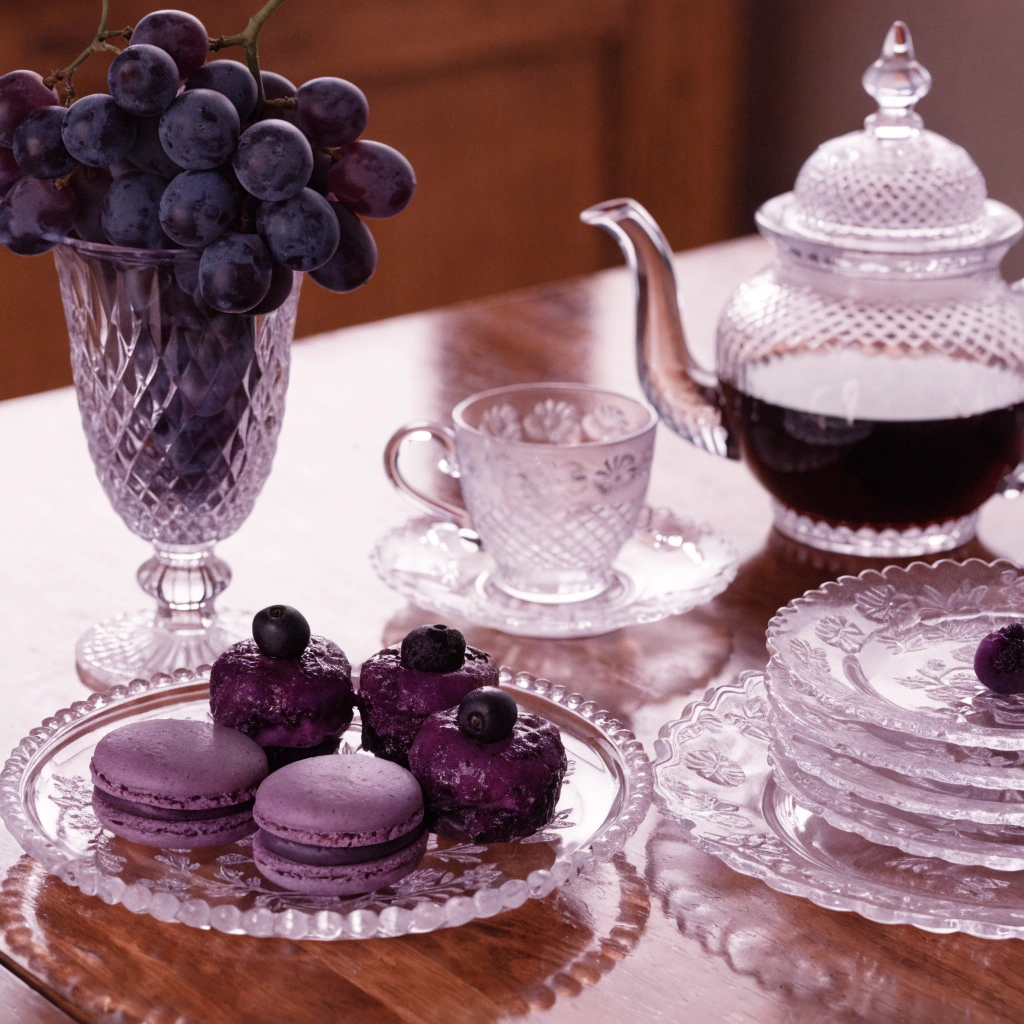
이탈리아의 아름다운 모습: 라 벨라 피구라
이탈리아는 아주 아름다운 나라입니다. 이탈리아 사람들은 '라 벨라 피구라'를 중요하게 생각합니다. '라 벨라 피구라'는 '아름다운 모습'이라는 뜻입니다. 하지만 이것은 단지 옷이나 외모만 말하지 않습니다. 사람들은 좋은 옷을 입고 예쁘게 보입니다. 이것도 중요합니다. 하지만 행동도 아주 중요합니다. 친절하게 말하고, 예의 바르게 행동합니다. 다른 사람들에게 좋은 인상을 주는 것이 '라 벨라 피구라'입니다. 이탈리아 사람들은 매일 이것을 지키려고 노력합니다.
문법 스포트라이트
패턴: 명사 + 입니다
"이탈리아는 아주 아름다운 나라입니다."
이 문법은 명사 뒤에 붙어서 문장을 끝낼 때 사용합니다. '~이다'를 공손하게 말하는 표현입니다. 사실을 설명할 때 씁니다.
패턴: 동사/형용사 + ~고
"사람들은 좋은 옷을 입고 예쁘게 보입니다."
이 문법은 동사나 형용사 뒤에 붙어서 두 가지 행동이나 상태를 연결할 때 씁니다. '그리고'와 비슷한 의미로 사용할 수 있습니다.
이해도를 테스트하세요
10 질문 · A1 초급 · 무료 미리보기 1회
이 기사에서 배운 내용을 테스트하세요. 모든 질문에 답하여 XP를 획득하세요!
'라 벨라 피구라'의 의미는 무엇입니까?
문제별 결과
'라 벨라 피구라'의 의미는 무엇입니까?
내 답변:
정답: 아름다운 모습
'라 벨라 피구라'는 옷이나 외모만 중요하게 생각합니다.
내 답변:
정답: 거짓
다음 중 '행동'의 뜻은 무엇입니까?
내 답변:
정답: 몸으로 하는 움직임이나 태도
이탈리아 사람들은 '라 벨라 피구라'를 ____하게 생각합니다.
내 답변:
정답: 중요
Living the "Bella Figura" in Italy
In Italy, people care about "La Bella Figura." This means "the beautiful figure," but it is more than just fashion. It is a way of life. Italians want to make a good impression in public. They dress well because they want to look better than they did yesterday.
When you visit Italy, you see people in nice clothes, even for a short walk. They are also very polite. They speak carefully and they are kind to guests. Last year, I visited Rome and I saw this everywhere. People were more elegant than in my home town.
But "La Bella Figura" is not only about clothes. It is also about your behavior. Italians believe that how you act shows who you are. If you are rude, you have a "brutta figura" or a "bad figure." This philosophy helps people live together happily. It is a very important part of Italian culture.
문법 스포트라이트
패턴: Comparative Adjectives
"People were more elegant than in my home town."
We use 'more' with long adjectives and 'than' to compare two things. For short adjectives, we add '-er' like in 'better than'.
패턴: Past Simple
"Last year, I visited Rome and I saw this everywhere."
The past simple is used for finished actions in the past. 'Visited' is a regular verb, while 'saw' is the irregular past of 'see'.
이해도를 테스트하세요
11 질문 · A2 초등급 · 무료 미리보기 1회
이 기사에서 배운 내용을 테스트하세요. 모든 질문에 답하여 XP를 획득하세요!
What does 'La Bella Figura' literally translate to?
문제별 결과
What does 'La Bella Figura' literally translate to?
내 답변:
정답: The beautiful figure
The concept of 'La Bella Figura' is only about the clothes people wear.
내 답변:
정답: 거짓
What does the word 'polite' mean?
내 답변:
정답: Having good manners and showing respect
Italians want to make a good _____ in public.
내 답변:
정답: impression
According to the text, what is a 'brutta figura'?
내 답변:
정답: A bad impression or rude behavior
이탈리아의 삶의 철학: 라 벨라 피구라
이탈리아 문화를 깊이 이해하려면 '라 벨라 피구라(La Bella Figura)'라는 개념을 반드시 알아야 합니다. 이 말은 문자 그대로 해석하면 '아름다운 모습'이라는 뜻이지만, 실제로는 훨씬 더 넓은 의미를 가지고 있습니다. 이것은 단순히 유행하는 옷을 입는 것만이 아니라, 다른 사람들에게 어떻게 보이고 행동하는지에 대한 이탈리아인들의 태도를 의미합니다.
라 벨라 피구라는 모든 상황에서 좋은 인상을 남기려는 노력입니다. 예를 들어, 외출할 때 단정한 옷차림을 유지하는 것, 공공장소에서 예의 바르게 말하는 것, 그리고 손님을 정성스럽게 맞이하는 것 등이 모두 포함됩니다. 이탈리아 사람들은 자신의 행동이 가족이나 지역 사회의 명예와 연결되어 있다고 믿기 때문에, 항상 품위 있게 행동하려고 노력합니다.
반대로, 무례하게 행동하거나 자기 관리에 소홀한 모습은 '브루타 피구라(Brutta Figura)', 즉 '추한 모습'이라고 불립니다. 이것은 사회적으로 부끄러운 일로 여겨집니다. 따라서 라 벨라 피구라는 단순한 허영심이 아니라, 타인에 대한 존중과 자기 자신에 대한 자부심을 보여주는 방식입니다. 이러한 문화 덕분에 이탈리아의 거리는 항상 활기차고 우아한 분위기를 유지하며, 사람들은 서로 조화를 이루며 살아갑니다.
문법 스포트라이트
패턴: -는 것
"단순히 유행하는 옷을 입는 것만이 아니라..."
동사를 명사처럼 사용할 때 씁니다. 문장에서 주어나 목적어 역할을 할 수 있게 만들어 줍니다.
패턴: -기 때문에
"명예와 연결되어 있다고 믿기 때문에..."
앞의 내용이 뒤의 내용에 대한 원인이나 이유가 될 때 사용합니다. '때문에' 앞에는 동사나 형용사의 어간에 '-기'를 붙입니다.
이해도를 테스트하세요
11 질문 · B1 중급 · 무료 미리보기 1회
이 기사에서 배운 내용을 테스트하세요. 모든 질문에 답하여 XP를 획득하세요!
라 벨라 피구라의 뜻으로 가장 적절한 것은 무엇입니까?
문제별 결과
라 벨라 피구라의 뜻으로 가장 적절한 것은 무엇입니까?
내 답변:
정답: 좋은 인상을 남기려는 삶의 태도
라 벨라 피구라는 오직 옷차림에만 해당되는 개념이다.
내 답변:
정답: 거짓
'인상'의 뜻은 무엇입니까?
내 답변:
정답: 사람을 보고 느끼는 느낌
라 벨라 피구라는 타인에 대한 _____과 자부심을 보여주는 방식입니다.
내 답변:
정답: 존중
'브루타 피구라'는 어떤 상황을 의미합니까?
내 답변:
정답: 무례하거나 단정하지 못한 행동을 할 때
Beyond the Aesthetic: Decoding the Philosophy of La Bella Figura
To the casual observer, the Italian concept of 'La Bella Figura' might appear to be nothing more than a superficial preoccupation with high fashion and impeccable tailoring. However, for those who delve deeper into the Mediterranean lifestyle, it becomes evident that this philosophy encompasses much more than mere aesthetics. Literally translating to 'the beautiful figure,' the term describes a complex social code that dictates how individuals present themselves to the world, balancing elegance with moral carriage.
In Italian society, the way one is perceived by others is of paramount importance. This involves a meticulous attention to detail in one’s physical appearance, but it also extends to public behavior and social etiquette. For instance, maintaining a composed demeanor during a heated debate is considered a sign of strength and sophistication. If an individual were to lose their temper in public, they would be seen as making 'una brutta figura'—a bad impression that suggests a lack of self-control and dignity. This fear of social shame acts as a powerful motivator, ensuring that public spaces remain orderly and interactions remain polite, even when underlying tensions exist.
Furthermore, 'La Bella Figura' is deeply rooted in the concept of respect, both for oneself and for others. It is often argued that by dressing well and behaving graciously, a person shows respect for the community and the environment they inhabit. This subtle art of presentation is not reserved for the wealthy; rather, it is a democratic ideal that encourages everyone to uphold a standard of excellence in their daily interactions. Whether it is the way a host welcomes a guest or the manner in which a business transaction is conducted, the goal is always to leave a lasting, positive impression. This requires a constant awareness of one's surroundings and an ability to adapt to different social contexts without losing one's sense of self.
Critics sometimes argue that this emphasis on outward appearance leads to a culture of pretension. However, defenders of the tradition suggest that it provides a necessary framework for social harmony. By adhering to these unwritten rules, individuals navigate social spaces with a sense of security, reducing any potential ambiguity in social interactions. Ultimately, 'La Bella Figura' is a testament to the Italian belief that life should be lived with grace, beauty, and a high degree of intentionality, proving that the way we represent ourselves is, in fact, an expression of our inner values.
문법 스포트라이트
패턴: Passive Voice
"It is often argued that by dressing well and behaving graciously, a person shows respect for the community."
The passive voice is used here to create a formal, academic tone and focus on the argument rather than a specific person. It is formed using 'to be' + past participle.
패턴: Second Conditional
"If an individual were to lose their temper in public, they would be seen as making 'una brutta figura'."
This structure is used to discuss a hypothetical situation. It uses 'if' + past subjunctive (were to) followed by 'would' + base verb.
패턴: Defining Relative Clauses
"The term describes a complex social code that dictates how individuals present themselves to the world."
The relative pronoun 'that' introduces essential information about the 'social code,' identifying exactly what kind of code it is.
이해도를 테스트하세요
11 질문 · B2 중상급 · 무료 미리보기 1회
이 기사에서 배운 내용을 테스트하세요. 모든 질문에 답하여 XP를 획득하세요!
What is the primary message regarding 'La Bella Figura' in the article?
문제별 결과
What is the primary message regarding 'La Bella Figura' in the article?
내 답변:
정답: It is a social philosophy involving behavior, respect, and appearance.
The concept of 'La Bella Figura' is described as being reserved exclusively for the upper class.
내 답변:
정답: 거짓
What does the word 'meticulous' mean in the context of the article?
내 답변:
정답: Very careful and precise with details
The article states that 'La Bella Figura' is deeply _____ in the concept of respect.
내 답변:
정답: rooted
According to the text, what does making 'una brutta figura' suggest?
내 답변:
정답: A lack of self-control and dignity
이탈리아의 미학적 철학: '라 벨라 피구라'의 심층적 고찰
이탈리아 문화를 관통하는 핵심적 가치관을 단 한 마디로 정의하기란 결코 쉽지 않으나, '라 벨라 피구라(La Bella Figura)'라는 개념을 빼놓고는 그들의 삶을 온전히 이해하기란 불가능에 가깝다. 직역하자면 '아름다운 모습' 정도로 해석될 수 있는 이 표현은, 단순히 외적인 수려함이나 패션 감각에 국한되는 것이 아니라, 한 개인의 품격과 도덕적 태도, 그리고 타인과의 관계를 맺는 방식 전반을 아우르는 복합적인 사회적 철학이라 할 수 있다.
라 벨라 피구라의 정수는 미학적 완성도와 사회적 예절의 유기적인 조화에 있다. 이탈리아인들에게 있어 옷차림은 단순한 자기만족을 넘어 타인에 대한 존중의 표현이며, 공적인 장소에서 보여주는 세련된 언행은 그 사람의 내면적 깊이를 가늠하는 척도가 된다. 이는 곧 자신의 공적 정체성을 어떻게 구축하고 관리하느냐의 문제로 직결된다. 단순히 화려하게 꾸미는 것이 아니라, 상황에 걸맞은 품위(decorum)를 유지하며 주변 환경과 조화를 이루는 것이야말로 진정한 의미의 '아름다운 모습'이라 할 수 있다.
반면, 이와 대조되는 개념인 '브루타 피구라(Brutta Figura)'는 수치심이나 체면 손상을 의미하며, 이탈리아 사회에서 가장 경계해야 할 태도로 간주된다. 공공장소에서 소란을 피우거나 무례한 행동을 하는 것, 혹은 약속을 어겨 신뢰를 저버리는 행위 등은 모두 브루타 피구라에 해당한다. 이처럼 라 벨라 피구라는 개인의 자존감을 지탱하는 기둥이거니와, 공동체 내에서 원만한 관계를 유지하기 위한 보이지 않는 규율로 작용한다. 이러한 사회적 압박은 때로 개인에게 부담이 될 수도 있으나, 결과적으로는 사회 전체의 심미적 수준과 예절의 문턱을 높이는 긍정적인 역할을 수행해 왔다.
또한, 이 철학은 환대(hospitality)의 문화에서도 빛을 발한다. 손님을 맞이할 때 최상의 음식을 대접하고 정성스럽게 집을 단장하는 행위는 단순한 과시가 아니라, 손님에게 '벨라 피구라'를 선사하려는 배려의 발로이다. 이는 대화의 기술, 분쟁을 해결하는 우아한 방식, 심지어는 슬픔을 표현하는 태도에까지 광범위하게 적용된다.
결론적으로 라 벨라 피구라는 겉모습에 치중하는 단순한 허례허식이 아니다. 그것은 삶의 모든 순간을 예술적으로 승화시키려는 이탈리아인들의 실존적 의지이자, 타인에게 긍정적인 에너지를 전달하고자 하는 사회적 배려의 산물이다. 이러한 철학은 현대 사회의 파편화된 인간관계 속에서 우리가 잃어버린 '태도의 가치'와 '공적 책임감'이 무엇인지에 대해 우리에게 깊은 성찰의 계기를 제공한다.
문법 스포트라이트
패턴: -에 국한되다
"단순히 외적인 수려함이나 패션 감각에 국한되는 것이 아니라..."
'어떤 범위 내에 한정되다'라는 의미로, 본문에서는 부정어와 결합하여 대상의 의미가 생각보다 넓음을 강조할 때 사용되었습니다.
패턴: -야말로
"주변 환경과 조화를 이루는 것이야말로 진정한 의미의 '아름다운 모습'이라 할 수 있다."
강조의 보조사로, '다른 것이 아니라 바로 이것이'라는 의미를 나타내며 문장의 주체를 강력하게 긍정할 때 쓰입니다.
패턴: -거니와
"개인의 자존감을 지탱하는 기둥이거니와, 공동체 내에서 원만한 관계를 유지하기 위한..."
앞의 사실을 인정하면서 그에 더해 뒤의 사실을 보태어 말할 때 사용하는 연결 어미입니다.
이해도를 테스트하세요
12 질문 · C1 고급 · 무료 미리보기 1회
이 기사에서 배운 내용을 테스트하세요. 모든 질문에 답하여 XP를 획득하세요!
이 글에서 설명하는 '라 벨라 피구라'의 핵심 의미는 무엇입니까?
문제별 결과
이 글에서 설명하는 '라 벨라 피구라'의 핵심 의미는 무엇입니까?
내 답변:
정답: 개인의 품격과 사회적 예절의 조화
'브루타 피구라(Brutta Figura)'는 이탈리아 사회에서 긍정적으로 평가받는 가치이다.
내 답변:
정답: 거짓
'허례허식'의 올바른 정의는 무엇입니까?
내 답변:
정답: 겉치레만 화려하고 실속 없는 형식
공적인 장소에서 보여주는 세련된 언행은 그 사람의 내면적 깊이를 가늠하는 _____가 된다.
내 답변:
정답: 척도
'브루타 피구라'에 해당하는 행동은 무엇입니까?
내 답변:
정답: 공공장소에서 소란을 피우는 행위
라 벨라 피구라는 환대 문화와 대화의 기술에도 적용되는 광범위한 철학이다.
내 답변:
정답: 참
The Ontological Tapestry of La Bella Figura: Aesthetics as Ethics in the Italian Social Contract
To the uninitiated observer, the Italian concept of 'La Bella Figura' might appear as a mere fixation on sartorial elegance or a superficial adherence to social etiquette. However, such a reductionist view fails to encapsulate the profound ontological weight this philosophy carries within the Italian socio-cultural fabric. Literally translated as 'the beautiful figure,' the term transcends the visual, functioning as a complex social philosophy that harmonizes aesthetics, behavior, and moral carriage. It is, in essence, the art of public existence, where the boundary between the private self and the public persona is navigated with a meticulous, almost performative, grace.
Were one to traverse the bustling piazzas of Florence or the narrow vicoli of Naples, the omnipresence of this ethos would become immediately apparent. It is not merely through dress that this philosophy is articulated, but through the very cadence of one’s speech and the measured nature of one’s gestures. Central to this is the notion of 'sprezzatura'—a studied carelessness that conceals the effort behind a polished exterior. To master 'La Bella Figura' is to present an image of effortless perfection, ensuring that no hint of struggle or vulgarity taints the social interaction. This propensity for aesthetic harmony serves as a social lubricant, facilitating discourse and maintaining a collective sense of dignity.
Furthermore, the dichotomy between 'Bella Figura' and its antithesis, 'Brutta Figura' (the bad figure), establishes a moral compass for social conduct. Making a 'Brutta Figura' is not simply a minor faux pas; it is a significant loss of face that implies a lack of self-discipline or respect for one's interlocutor. Consequently, it is imperative that the individual maintain a veneer of composure, regardless of the internal turmoil they may be experiencing. This emphasis on outward presentation is often criticized by outsiders as being disingenuous or superfluous. Yet, from an internal perspective, it is a manifestation of respect for the community. By presenting one's best self, one honors the public space and the people within it.
The quintessence of this philosophy lies in its refusal to separate form from function. In the Italian consciousness, beauty is not a luxury but a fundamental requirement for a civilized life. This idiosyncrasy dictates that even the most mundane tasks—be it hosting a guest or engaging in a spirited debate—be performed with a certain level of decorum. Scholarly analysis suggests that this focus on public image is a historical legacy of the city-state era, where one’s reputation was inextricably linked to their survival and social mobility within the tight-knit urban community. This legacy persists in the way the 'piazza' remains a stage for the collective gaze, where every citizen is both a performer and a critic.
In the contemporary, globalized era, some might argue that such a rigid adherence to social performance is waning. However, 'La Bella Figura' remains an enduring pillar of Italian identity. It is a testament to the belief that how we present ourselves to the world is a reflection of our inner integrity. While the external manifestations may evolve with fashion and technology, the underlying principle remains: the pursuit of grace is a moral imperative. Ultimately, 'La Bella Figura' is a reminder that the world is a stage, and to play one’s part with elegance is the highest form of civic virtue. To neglect this is to risk social invisibility, for in the Italian worldview, to be seen well is to exist fully.
문법 스포트라이트
패턴: Inverted Conditional
"Were one to traverse the bustling piazzas of Florence or the narrow vicoli of Naples, the omnipresence of this ethos would become immediately apparent."
The 'if' is omitted and the auxiliary verb 'were' is placed before the subject. This is a formal way to express a hypothetical condition in C2 level English.
패턴: Subjunctive Mood
"Consequently, it is imperative that the individual maintain a veneer of composure, regardless of the internal turmoil they may be experiencing."
The verb 'maintain' is in the base form because it follows an adjective of necessity (imperative). This is used to express urgency or importance.
패턴: Cleft Sentences for Emphasis
"It is not merely through dress that this philosophy is articulated, but through the very cadence of one’s speech."
Cleft sentences use 'It is/was... that' to focus on a specific part of the sentence, highlighting that dress is only one of many factors.
이해도를 테스트하세요
12 질문 · C2 마스터 · 무료 미리보기 1회
이 기사에서 배운 내용을 테스트하세요. 모든 질문에 답하여 XP를 획득하세요!
What does the author suggest is a common misconception about 'La Bella Figura'?
문제별 결과
What does the author suggest is a common misconception about 'La Bella Figura'?
내 답변:
정답: It is strictly about clothing and surface-level manners.
The concept of 'sprezzatura' involves making effort look visible to show one's hard work.
내 답변:
정답: 거짓
What is the meaning of 'quintessence' as used in the text?
내 답변:
정답: The absolute core or perfect example
The author argues that 'La Bella Figura' functions as a social _____, helping people interact smoothly.
내 답변:
정답: lubricant
According to the text, why might 'Brutta Figura' be considered a moral failure?
내 답변:
정답: Because it indicates a lack of respect for others and the public space.
The text suggests that historical city-states influenced the development of this social philosophy.
내 답변:
정답: 참

