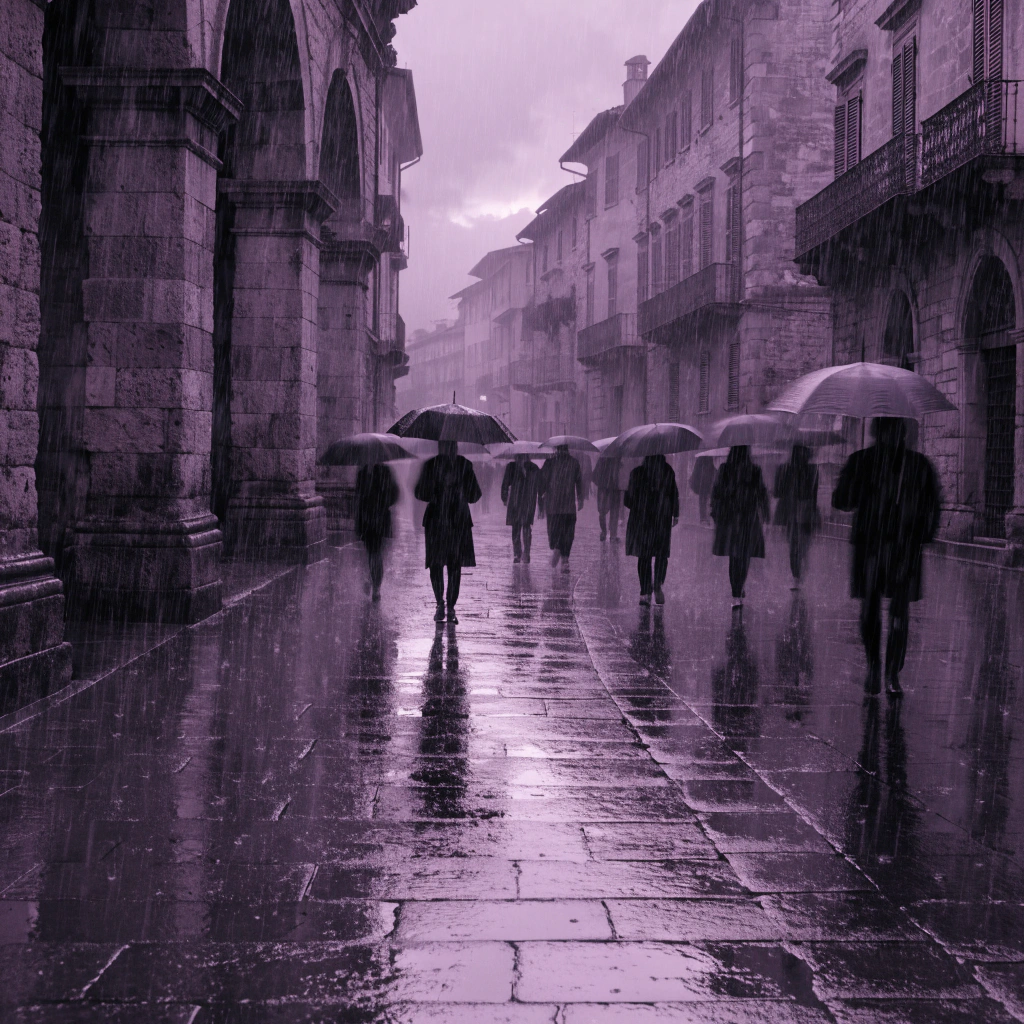
이탈리아의 특별한 저녁 산책
이탈리아에는 아주 유명하고 특별한 문화가 있습니다. 이 문화의 이름은 '라 파세자타'입니다. 한국어로는 '작은 산책'이라는 뜻입니다. 이탈리아 사람들은 매일 저녁에 가족과 함께 산책을 합니다.
사람들은 보통 오후 5시부터 저녁 8시까지 기분 좋게 밖으로 나갑니다. 마을 중심에 있는 넓은 광장이나 큰 길에서 천천히 걷습니다. 아이들, 부모님, 할아버지와 할머니가 모두 밖으로 함께 나옵니다.
사람들은 예쁜 옷을 입고 기분 좋게 걷습니다. 길에서 친구를 만나면 반갑게 인사를 하고 재미있는 이야기를 합니다. 이 시간은 이탈리아 사람들에게 정말 소중하고 행복한 시간입니다. 그래서 많은 사람들이 이 전통을 아주 좋아합니다.
문법 스포트라이트
패턴: -은/는
"이 문화의 이름은 '라 파세자타'입니다."
문장의 주제나 주인공을 나타낼 때 사용합니다. 명사 뒤에 붙어서 그 명사가 무엇인지 설명합니다.
패턴: -에서
"광장이나 큰 길에서 천천히 걷습니다."
어떤 행동이 일어나는 장소를 나타낼 때 사용합니다. 명사 뒤에 붙어서 위치를 알려줍니다.
이해도를 테스트하세요
10 질문 · A1 초급 · 무료 미리보기 1회
이 기사에서 배운 내용을 테스트하세요. 모든 질문에 답하여 XP를 획득하세요!
이 문화의 이름은 무엇입니까?
문제별 결과
이 문화의 이름은 무엇입니까?
내 답변:
정답: 라 파세자타
사람들은 보통 아침 5시에 산책을 합니다.
내 답변:
정답: 거짓
'산책'은 무슨 뜻입니까?
내 답변:
정답: 천천히 걷는 것
사람들은 보통 오후 5시부터 저녁 8시까지 _____ 나갑니다.
내 답변:
정답: 밖으로
The Beautiful Italian Walk
Every evening in Italy, people do something very special. They go for a walk called 'La Passeggiata.' This means 'the little walk' in English. It is a famous tradition in many Italian towns.
Between 5:00 PM and 8:00 PM, the streets become very busy. People leave their homes and go to the main square. Families walk together, and friends meet to talk. You can see young children and older grandparents.
This walk is not for exercise. People wear their best clothes because they want to look nice. They walk slowly and look at the shop windows. Many people stop to buy a gelato or a coffee. They talk about their day and enjoy the beautiful weather.
In the past, this was the best way to meet new people. Today, it is still a great way to see friends. It is slower than a normal walk, but it is much more social. It is a beautiful part of Italian life.
문법 스포트라이트
패턴: Comparative Adjectives
"It is slower than a normal walk, but it is much more social."
We use comparatives to compare two things. For short words, we add '-er' (slow -> slower). For long words, we use 'more' (more social).
패턴: Past Simple of 'To Be'
"In the past, this was the best way to meet new people."
We use 'was' or 'were' to talk about situations in the past. 'Was' is the past form of 'am' and 'is'.
이해도를 테스트하세요
11 질문 · A2 초등급 · 무료 미리보기 1회
이 기사에서 배운 내용을 테스트하세요. 모든 질문에 답하여 XP를 획득하세요!
When does 'La Passeggiata' usually happen?
문제별 결과
When does 'La Passeggiata' usually happen?
내 답변:
정답: Between 5:00 PM and 8:00 PM
The main reason for the walk is to get fast exercise.
내 답변:
정답: 거짓
What does the word 'square' mean?
내 답변:
정답: An open area in a town
Between 5:00 PM and 8:00 PM, the streets become very _____.
내 답변:
정답: busy
Why do people wear their best clothes?
내 답변:
정답: Because they want to look nice
이탈리아의 느린 즐거움: 라 파세자타
이탈리아의 저녁 풍경을 떠올리면 가장 먼저 생각나는 장면이 있습니다. 바로 '라 파세자타(La Passeggiata)'라고 불리는 특별한 저녁 산책입니다. 이 단어는 이탈리아어로 '가벼운 산책'을 의미하지만, 그 속에 담긴 문화적 의미는 훨씬 깊습니다. 매일 저녁 5시에서 8시 사이가 되면 이탈리아의 도시와 마을은 활기로 가득 찹니다.
이 전통은 이탈리아 전역에서 수백 년 동안 소중하게 지켜져 왔습니다. 사람들은 저녁 식사를 하기 전에 가장 좋은 옷을 차려입고 집 밖으로 나옵니다. 이 산책의 목적은 단순히 운동을 하거나 목적지까지 빠르게 가는 것이 아닙니다. 천천히 걸으면서 이웃이나 친구들을 만나고, 최근에 일어난 소소한 일들을 공유하는 것이 핵심입니다. 광장이나 보행자 전용 거리는 서로 반갑게 인사를 나누는 사람들로 붐비게 됩니다.
특히 이 산책은 '보여지는 것'과 관련이 깊습니다. 이탈리아 사람들은 남들에게 자신의 모습을 멋지게 보여주는 것을 중요하게 생각하기 때문에, 이 시간을 위해 정성스럽게 외모를 가꿉니다. 아이부터 노인까지 모든 세대가 함께 어우러지는 이 풍경은 매우 아름답습니다. 기술이 발달한 현대 사회에서도 이탈리아인들은 직접 얼굴을 마주하며 대화하는 이 아날로그적인 소통 방식을 여전히 사랑합니다.
라 파세자타는 단순한 일상을 넘어 이탈리아의 강한 공동체 의식을 보여주는 중요한 문화입니다. 이러한 문화는 도시의 크기와 상관없이 어디에서나 볼 수 있습니다. 북부의 알프스 마을부터 남부의 햇살 가득한 해안 도시까지, 이탈리아인들에게 이것은 하루를 마무리하는 가장 완벽한 방법입니다. 만약 여러분이 이탈리아를 여행하게 된다면, 서두르지 말고 이들의 느린 걸음에 맞춰 함께 걸어보시길 바랍니다. 그 속에서 이탈리아 사람들의 따뜻한 정과 삶의 여유를 직접 느껴볼 수 있을 것입니다.
문법 스포트라이트
패턴: -아/어지다 (피동/상태 지속)
"이 전통은 이탈리아 전역에서 수백 년 동안 소중하게 지켜져 왔습니다."
동작이 주체에 의해 직접 행해지는 것이 아니라 어떤 상태가 유지되거나 변함을 나타냅니다. 여기서는 '지키다'에 '-어지다'와 '-어 오다'가 결합되어 오랫동안 유지된 전통을 설명합니다.
패턴: -는 것 (명사화)
"이탈리아 사람들은 남들에게 자신의 모습을 멋지게 보여주는 것을 중요하게 생각합니다."
동사를 명사처럼 만들어 문장에서 주어나 목적어로 사용할 수 있게 합니다. '보여주다'라는 동사를 '보여주는 것'으로 바꾸어 목적어로 사용했습니다.
이해도를 테스트하세요
11 질문 · B1 중급 · 무료 미리보기 1회
이 기사에서 배운 내용을 테스트하세요. 모든 질문에 답하여 XP를 획득하세요!
라 파세자타는 보통 몇 시에 이루어지나요?
문제별 결과
라 파세자타는 보통 몇 시에 이루어지나요?
내 답변:
정답: 오후 5시 - 오후 8시
이 산책은 주로 젊은 사람들만 즐기는 활동이다.
내 답변:
정답: 거짓
'전통'의 뜻은 무엇인가요?
내 답변:
정답: 오랫동안 전해 내려오는 관습
이 산책의 _____은 단순히 목적지까지 빠르게 가는 것이 아닙니다.
내 답변:
정답: 목적
산책은 주로 어디에서 이루어지나요?
내 답변:
정답: 광장이나 보행자 전용 거리
The Art of the Italian Stroll: Understanding La Passeggiata
In the heart of every Italian town, as the sun begins its gradual descent, a remarkable transformation occurs. This daily ritual, known as 'La Passeggiata,' is far more than a simple evening stroll; it is a sophisticated social performance that has defined Italian communal life for centuries. Typically occurring between the hours of five and eight in the evening, this tradition involves residents of all generations congregating in the historic center to walk slowly along the main pedestrian thoroughfares. This movement is not directed toward a specific destination; rather, the journey itself is the objective.
While an outsider might perceive this activity merely as a form of light exercise, the practice is deeply rooted in the concept of 'bella figura'—the art of presenting one’s best self to the world. Consequently, participants are often dressed with meticulous care, reflecting an aesthetic standard that transcends mere fashion. This emphasis on appearance facilitates a complex dance of social observation, as individuals acknowledge neighbors, exchange brief greetings, and subtly evaluate the changes in their community. It is a time for public display where the private lives of citizens momentarily intersect in the shared space of the piazza.
Furthermore, the ritual serves as a vital mechanism for social cohesion, ensuring that the elderly remain visible and integrated within the community while the younger generation learns the nuances of local etiquette. Unlike the structured environment of an office or a school, the street provides a neutral ground where hierarchies are softened. Despite the rise of digital communication and the allure of social media, La Passeggiata remains an enduring pillar of Italian identity. It provides a spontaneous forum for political debate, romantic encounters, and family bonding that cannot be replicated through a screen.
The rhythmic pace of the walk, which is never rushed, encourages a meditative state that contrasts sharply with the frantic nature of modern globalized life. Were this tradition to disappear, the very fabric of Italian urban existence would be significantly diminished. In an era where many societies are becoming increasingly fragmented, this communal experience highlights the profound human need for physical presence and shared public spaces. Ultimately, the stroll is a testament to the Italian belief that life should be savored collectively, rather than consumed in isolation, proving that some traditions are too essential to be abandoned.
문법 스포트라이트
패턴: Passive Voice
"the practice is deeply rooted in the concept of 'bella figura'"
The passive voice is used here to focus on the practice itself rather than the people performing it. It is formed using the verb 'to be' plus the past participle.
패턴: Relative Clauses
"The rhythmic pace of the walk, which is never rushed, encourages a meditative state"
This non-defining relative clause provides extra information about the 'pace of the walk'. It is separated by commas and uses 'which' to refer back to the noun.
패턴: Second Conditional (Inverted)
"Were this tradition to disappear, the very fabric of Italian urban existence would be significantly diminished."
This is a formal version of 'If this tradition were to disappear'. The inversion of 'were' and the subject creates a more academic and hypothetical tone.
이해도를 테스트하세요
11 질문 · B2 중상급 · 무료 미리보기 1회
이 기사에서 배운 내용을 테스트하세요. 모든 질문에 답하여 XP를 획득하세요!
What is the primary objective of La Passeggiata according to the text?
문제별 결과
What is the primary objective of La Passeggiata according to the text?
내 답변:
정답: The act of walking and socializing itself
La Passeggiata is a modern tradition that started with the rise of social media.
내 답변:
정답: 거짓
What does the word 'aesthetic' refer to in the article?
내 답변:
정답: A concern with beauty and appearance
The ritual serves as a vital mechanism for social _____, keeping the elderly integrated.
내 답변:
정답: cohesion
What does the concept of 'bella figura' involve?
내 답변:
정답: Presenting one's best self to the public
이탈리아의 느림의 미학: '라 파세자타(La Passeggiata)'가 지닌 사회적 함의
이탈리아의 도시 공간에서 광장은 단순한 지리적 중심점을 넘어, 공동체의 집단적 기억과 현재의 삶이 교차하는 역동적인 무대로 기능한다. 해가 뉘엿뉘엿 저무는 오후 5시부터 저녁 식사 전까지 이어지는 '라 파세자타(La Passeggiata)'는 이러한 공간적 특성을 가장 잘 보여주는 사회적 기제라 할 수 있다. 단순히 '걷는다'는 물리적 행위를 넘어선 이 의식은, 이탈리아인들에게 있어 자신의 존재를 사회적으로 확인받고 타인과 정서적 교감을 나누는 본질적인 시간이다.
이 전통의 핵심은 '보여지는 것'과 '보는 것'의 미학적 균형에 있다. 이탈리아인들은 이를 위해 가장 정갈한 옷차림을 갖추고 거리로 나선다. 이는 소위 '벨라 피구라(Bella Figura)', 즉 좋은 인상을 남기고자 하는 이탈리아 특유의 문화적 자부심과 맥을 같이 한다. 사람들은 역사적 중심지인 '첸트로 스토리코(Centro Storico)'를 천천히 거닐며 이웃과 인사를 나누고, 때로는 노천카페에 앉아 흘러가는 인파를 관조하기도 한다. 이러한 과정에서 개인은 고립된 주체가 아닌, 공동체의 일원으로서의 정체성을 재확인하게 되는 바, 이는 현대 사회의 디지털 소외 현상에 대한 유의미한 대안적 담론을 제시한다.
라 파세자타는 세대 간의 벽을 허무는 가교 역할도 수행한다. 유모차를 미는 젊은 부부부터 지팡이에 의지한 노인에 이르기까지, 전 세대가 동일한 시공간을 공유함으로써 사회적 응집력은 자연스럽게 강화되기 마련이다. 도시의 소음과 속도전에 매몰된 현대인들에게 이 완만한 산책은 단순한 휴식을 넘어, 삶의 속도를 조절하고 타인과의 유대감을 회복하는 실존적 수행이라 평할 수 있다.
결국 라 파세자타는 공간을 전유하는 방식에 대한 이탈리아인들의 철학적 답변이다. 그들은 길을 단순히 통과해야 할 경로가 아닌, 삶을 향유하고 관계를 맺는 장소로 재정의한다. 바쁜 일상 속에서도 타인의 시선을 의식하며 자신을 가꾸고, 대화를 통해 서로의 안녕을 묻는 이 행위는 인간 소외가 심화되는 오늘날 우리가 회복해야 할 공동체적 가치가 무엇인지 시사하는 바가 크다. 일상의 고단함을 잊다 못해 삶의 희열을 느끼는 찰나의 순간, 라 파세자타는 이탈리아인들의 영혼을 지탱하는 보이지 않는 힘으로 작용하고 있다.
문법 스포트라이트
패턴: -ㄴ/은/는 바
"개인은 고립된 주체가 아닌, 공동체의 일원으로서의 정체성을 재확인하게 되는 바, 이는 현대 사회의 디지털 소외 현상에 대한 유의미한 대안적 담론을 제시한다."
앞의 내용이 뒤의 내용에 대한 근거, 상황, 또는 배경이 됨을 나타내는 연결 어미입니다. 격식적인 문장에서 주로 사용됩니다.
패턴: -다 못해
"일상의 고단함을 잊다 못해 삶의 희열을 느끼는 찰나의 순간..."
앞의 상태나 행동이 극에 달하여 더 이상 유지할 수 없거나 다음 단계로 넘어감을 강조할 때 사용합니다.
패턴: -기 마련이다
"전 세대가 동일한 시공간을 공유함으로써 사회적 응집력은 자연스럽게 강화되기 마련이다."
어떤 일이 일어나는 것이 당연하거나 자연스러운 이치임을 나타낼 때 사용합니다.
이해도를 테스트하세요
12 질문 · C1 고급 · 무료 미리보기 1회
이 기사에서 배운 내용을 테스트하세요. 모든 질문에 답하여 XP를 획득하세요!
라 파세자타가 주로 일어나는 장소는 어디입니까?
문제별 결과
라 파세자타가 주로 일어나는 장소는 어디입니까?
내 답변:
정답: 도시의 역사적 중심지(광장)
라 파세자타는 단순히 신체적 건강을 위한 운동이 주된 목적이다.
내 답변:
정답: 거짓
'관조하다'의 문맥상 의미와 가장 가까운 것은?
내 답변:
정답: 조용히 지켜보며 음미하다
이탈리아인들은 타인에게 좋은 인상을 남기려는 '_____ 피구라' 문화를 중시한다.
내 답변:
정답: 벨라
본문에서 라 파세자타가 현대 사회에 주는 시사점으로 언급되지 않은 것은?
내 답변:
정답: 효율적인 도시 교통 시스템 구축
라 파세자타는 특정 연령대만 참여하는 폐쇄적인 전통이다.
내 답변:
정답: 거짓
The Choreography of the Corso: An Analytical Inquiry into the Italian Passeggiata
To the uninitiated observer, the evening ritual known as 'la passeggiata' might appear to be nothing more than a pedestrian excursion. However, such a reductionist view fails to account for the profound sociological underpinnings of this Italian institution. It is, in essence, a performative exhibition of communal identity, a twilight theater where the street becomes a stage and the citizenry both actors and audience. Rarely does one witness such a seamless blending of the private and public spheres as during these hours between five and eight in the evening. The temporal placement of the passeggiata is hardly coincidental. Occurring in the liminal space between the cessation of professional labor and the commencement of the evening meal, it serves as a psychological buffer. It is a moment of collective suspension, where the rigors of the clock are momentarily subverted in favor of a slow, rhythmic cadence. Should one deign to rush through the corso, they would be perceived as an anomaly, for the very essence of the ritual is its deliberate lack of urgency.
Central to this practice is the concept of 'bella figura'. While often crudely translated as 'the beautiful figure,' its implications are far more nuanced, encompassing a moral and aesthetic imperative to present oneself with dignity and poise. It is essential that the participant adhere to the unspoken codes of this philosophy, for to do otherwise would be to invite social censure. This is not merely an exercise in vanity or ostentation; rather, it is a vestigial remnant of a courtly culture that prizes grace and external harmony. The architectural configuration of the Italian town—centered around the piazza and the pedestrianized corso—is not merely a backdrop but an active participant in the ritual. The physical layout necessitates proximity, thereby precluding the possibility of total social withdrawal. This spatial intimacy fosters a unique form of civic engagement that is both pervasive and profound.
The ubiquity of the gaze during the passeggiata creates a self-regulating ecosystem where social norms are reinforced without the need for overt coercion. Information is exchanged, alliances are subtly reinforced, and the hierarchy of the community is perpetually renegotiated through brief encounters with one’s interlocutors. Were this ritual to vanish, the very fabric of Italian civic life would arguably unravel, as the shared spaces that foster such interactions are increasingly threatened by the pervasive encroachment of digital isolation. Critics might argue that such a tradition is an archaic subterfuge, a facade designed to mask the underlying economic anxieties of modern Italy. Yet, the propensity of the youth to participate alongside their elders suggests a resilient continuity. Far from being a relic of the past, the passeggiata adapts, integrating the contemporary into its ancient rhythm. It precludes the total atomization of society, reminding the individual that they are part of a larger, breathing whole. Ultimately, the quintessential nature of the passeggiata lies in its ephemeral beauty. It is a fleeting window of time where the city breathes together before retreating into the domestic sphere, remaining the most enduring testament to the Italian belief that the street is a vital organ of the community.
문법 스포트라이트
패턴: Negative Inversion
"Rarely does one witness such a seamless blending of the private and public spheres as during these hours..."
Used for emphasis, the auxiliary verb is placed before the subject after a negative or restrictive adverbial. This structure is common in formal and academic English to highlight the rarity or importance of an observation.
패턴: Present Subjunctive
"It is essential that the participant adhere to the unspoken codes of this philosophy..."
The base form of the verb (adhere) is used after adjectives of necessity or urgency. It emphasizes the mandatory nature of the action within a formal context.
패턴: Inverted Hypothetical Conditional
"Were this ritual to vanish, the very fabric of Italian civic life would arguably unravel..."
This structure replaces 'If this ritual were to vanish' with a more formal inversion. It is used to discuss hypothetical or unlikely scenarios with a high degree of scholarly detachment.
이해도를 테스트하세요
12 질문 · C2 마스터 · 무료 미리보기 1회
이 기사에서 배운 내용을 테스트하세요. 모든 질문에 답하여 XP를 획득하세요!
What does the author suggest is the primary psychological function of the passeggiata?
문제별 결과
What does the author suggest is the primary psychological function of the passeggiata?
내 답변:
정답: A buffer zone between professional responsibilities and domestic life.
The concept of 'bella figura' is purely about physical attractiveness and fashion.
내 답변:
정답: 거짓
Which word describes the state of being found everywhere at once?
내 답변:
정답: Ubiquity
The author argues that the ritual _____ the total atomization of society by fostering connection.
내 답변:
정답: precludes
According to the text, how does the urban architecture influence the ritual?
내 답변:
정답: It forces people into proximity, preventing social withdrawal.
The author believes that the digital age is a significant threat to traditional social rituals.
내 답변:
정답: 참

