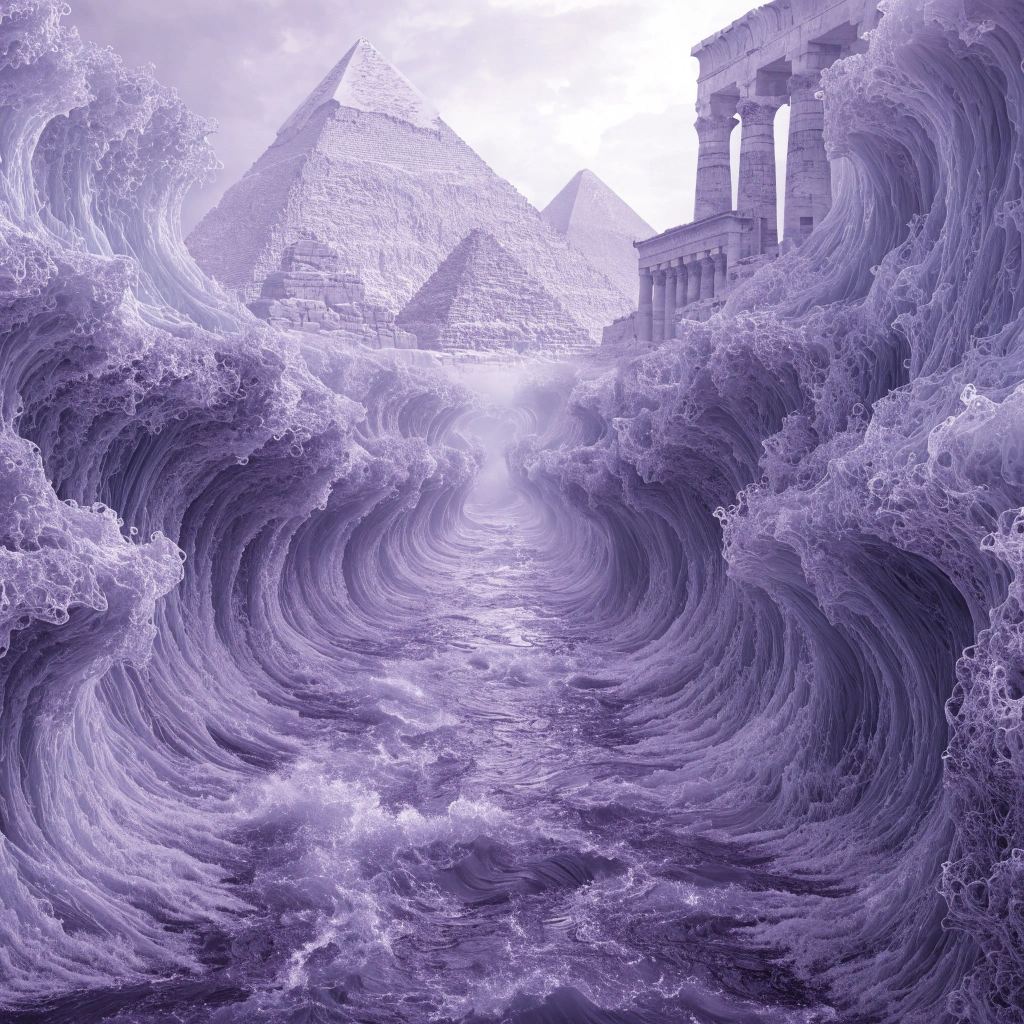
The Nile River in Egypt
The Nile River is in Egypt. It is a very long river. In fact, it is the longest river in the world. The water is blue and beautiful.
The river is important for people. Farmers use the water for their food. They grow vegetables and fruit near the water.
Many animals live in the river. There are big fish and birds. People like to visit the river. They go on small boats. The Nile is the heart of Egypt.
व्याकरण स्पॉटलाइट
पैटर्न: Present Simple (to be)
"The Nile River is in Egypt."
We use 'is' with singular subjects to state facts. This helps describe where things are or what they are like.
पैटर्न: Present Simple (Action Verbs)
"Farmers use the water for their food."
We use the base form of the verb (use) for plural subjects (farmers). This describes a regular activity or truth.
अपनी समझ जाँचें
10 सवाल · A1 शुरुआती · 1 मुफ्त प्रीव्यू
इस लेख से आपने जो सीखा उसकी जाँच करें। सभी सवालों के जवाब दें और XP कमाएँ!
Where is the Nile River?
क्या आप क्विज़ समाप्त करना चाहते हैं?
9 और सवाल आपका इंतज़ार कर रहे हैं। पूरा क्विज़ अनलॉक करने और XP कमाने के लिए मुफ्त साइन अप करें!
मुफ़्त साइन अप करोपहले से अकाउंट है? साइन इन करो
बहुत बढ़िया!
अभ्यास जारी रखें!
पहले से पूर्ण — कोई अतिरिक्त XP नहीं
XP कमाने के लिए साइन अप करोसवालों का विवरण
Where is the Nile River?
आपका जवाब:
सही जवाब: In Egypt
The Nile is a very short river.
आपका जवाब:
सही जवाब: गलत
What does 'grow' mean?
आपका जवाब:
सही जवाब: To help a plant live and get bigger
The Nile is the _____ of Egypt.
आपका जवाब:
सही जवाब: heart
नील नदी: मिस्र का जीवन
नील नदी सिर्फ एक नदी नहीं है, बल्कि यह मिस्र की आत्मा है। यह मिस्र के जीवन का सबसे महत्वपूर्ण हिस्सा है। नील नदी दुनिया की सबसे लंबी नदियों में से एक है। इसकी लंबाई 4,000 मील से भी अधिक है। नील नदी के बिना, मिस्र का बड़ा हिस्सा एक सूखा रेगिस्तान होता। यह नदी ही है जिसके कारण मिस्र में लोग रह सकते हैं और खेती कर सकते हैं।
पुराने समय में, मिस्र के लोग अपने देश को 'केमेट' कहते थे। 'केमेट' का मतलब 'काली भूमि' था। यह नाम नील नदी के कारण पड़ा। हर साल नदी में बाढ़ आती थी और वह अपने साथ काली, उपजाऊ मिट्टी लाती थी। यह मिट्टी खेतों के लिए बहुत अच्छी थी। इस मिट्टी ने मिस्र में खेती को संभव बनाया।
इसलिए, नील नदी मिस्र के इतिहास, संस्कृति और लोगों के जीवन के लिए बहुत खास है। आज भी यह नदी मिस्र के लिए पानी और जीवन का मुख्य स्रोत है।
व्याकरण स्पॉटलाइट
पैटर्न: है / था (होना क्रिया)
"नील नदी सिर्फ एक नदी नहीं है, बल्कि यह मिस्र की आत्मा है। यह नदी ही है जिसके कारण मिस्र में लोग रह सकते हैं।"
क्रिया 'होना' (to be) का उपयोग वर्तमान काल के लिए 'है' या 'हैं' और भूतकाल के लिए 'था', 'थी' या 'थे' के रूप में होता है। 'है' एकवचन के लिए और 'हैं' बहुवचन के लिए प्रयोग होता है। 'था' पुल्लिंग एकवचन के लिए, 'थी' स्त्रीलिंग एकवचन के लिए और 'थे' पुल्लिंग बहुवचन के लिए उपयोग होता है।
पैटर्न: के कारण (संबंध कारक)
"यह नाम नील नदी के कारण पड़ा। नील नदी के बिना, मिस्र का बड़ा हिस्सा एक सूखा रेगिस्तान होता।"
'के कारण' का मतलब 'किसी चीज़ की वजह से' या 'किसी चीज़ के चलते' होता है। यह किसी घटना या स्थिति का कारण बताने के लिए प्रयोग होता है। यह एक संबंध कारक है जो संज्ञा या सर्वनाम के बाद आता है।
अपनी समझ जाँचें
11 सवाल · A2 बिगिनर · 1 मुफ्त प्रीव्यू
इस लेख से आपने जो सीखा उसकी जाँच करें। सभी सवालों के जवाब दें और XP कमाएँ!
नील नदी को मिस्र की क्या कहा गया है?
क्या आप क्विज़ समाप्त करना चाहते हैं?
10 और सवाल आपका इंतज़ार कर रहे हैं। पूरा क्विज़ अनलॉक करने और XP कमाने के लिए मुफ्त साइन अप करें!
मुफ़्त साइन अप करोपहले से अकाउंट है? साइन इन करो
बहुत बढ़िया!
अभ्यास जारी रखें!
पहले से पूर्ण — कोई अतिरिक्त XP नहीं
XP कमाने के लिए साइन अप करोसवालों का विवरण
नील नदी को मिस्र की क्या कहा गया है?
आपका जवाब:
सही जवाब: आत्मा
नील नदी दुनिया की सबसे लंबी नदियों में से एक है।
आपका जवाब:
सही जवाब: सही
'रेगिस्तान' का क्या मतलब है?
आपका जवाब:
सही जवाब: एक बहुत सूखा और गर्म क्षेत्र
नील नदी के बिना, मिस्र का बड़ा हिस्सा एक सूखा ______ होता।
आपका जवाब:
सही जवाब: रेगिस्तान
प्राचीन मिस्र के लोग अपने देश को क्या कहते थे?
आपका जवाब:
सही जवाब: केमेट
नील नदी: मिस्र की जीवनरेखा
नील नदी, जो अफ्रीका महाद्वीप में बहती है, सिर्फ एक नदी नहीं बल्कि मिस्र देश की आत्मा है। इसे दुनिया की सबसे लंबी नदियों में से एक माना जाता है, जिसकी लंबाई 6,650 किलोमीटर (लगभग 4,132 मील) से अधिक है। यह विशाल नदी सहारा रेगिस्तान के बीच मिस्र को एक रहने योग्य भूमि बनाती है। नील के बिना, मिस्र का अस्तित्व लगभग असंभव होता।
प्राचीन मिस्रवासी अपने देश को 'केमेट' कहते थे, जिसका अर्थ है 'काली भूमि'। यह नाम नील नदी द्वारा हर साल लाई जाने वाली समृद्ध, काली गाद (मिट्टी) के कारण पड़ा था। नदी की वार्षिक बाढ़, जो एक नियमित और अनुमानित चक्र में आती थी, खेतों को उपजाऊ बनाती थी। इस उपजाऊ मिट्टी ने कृषि के विकास को संभव बनाया, जिससे एक महान सभ्यता का उदय हुआ। मिस्र की सभ्यता इसी नदी के किनारे फली-फूली है।
आज भी, नील नदी मिस्र के लिए उतनी ही महत्वपूर्ण है जितनी हज़ारों साल पहले थी। यह पीने के पानी, सिंचाई और परिवहन का मुख्य स्रोत है। मिस्र की लगभग 95% आबादी नील नदी के किनारों पर रहती है। यह नदी मछुआरों और किसानों को आजीविका प्रदान करती है। कई बड़े शहर और ऐतिहासिक स्थल भी इसके तट पर स्थित हैं। नील नदी के बिना मिस्र की कल्पना करना भी मुश्किल है। इसने मिस्र के इतिहास, संस्कृति और अर्थव्यवस्था को गहराई से प्रभावित किया है और आज भी कर रही है।
व्याकरण स्पॉटलाइट
पैटर्न: जाना क्रिया का निष्क्रिय रूप (Passive Voice)
"इसे दुनिया की सबसे लंबी नदियों में से एक माना जाता है।"
हिंदी में निष्क्रिय वाक्य (passive voice) बनाने के लिए मुख्य क्रिया के भूतकालिक कृदंत रूप (past participle) के साथ 'जाना' क्रिया का प्रयोग किया जाता है। यह बताता है कि क्रिया किसी के द्वारा की गई, न कि स्वयं कर्ता द्वारा। यहाँ 'माना जाता है' का अर्थ है 'is considered'.
पैटर्न: संबंधवाचक सर्वनाम 'जो' और 'जिस'
"नील नदी, जो अफ्रीका महाद्वीप में बहती है, सिर्फ एक नदी नहीं बल्कि मिस्र देश की आत्मा है।"
संबंधवाचक सर्वनाम 'जो' और 'जिस' का उपयोग दो वाक्यों या खंडों को जोड़ने के लिए किया जाता है, जहाँ एक खंड दूसरे के बारे में अतिरिक्त जानकारी देता है। 'जो' अक्सर किसी व्यक्ति या वस्तु का परिचय देता है, और उसके बाद आने वाला खंड उस व्यक्ति या वस्तु के बारे में बताता है।
अपनी समझ जाँचें
11 सवाल · B1 मध्यम · 1 मुफ्त प्रीव्यू
इस लेख से आपने जो सीखा उसकी जाँच करें। सभी सवालों के जवाब दें और XP कमाएँ!
प्राचीन मिस्रवासी अपने देश को क्या कहते थे?
क्या आप क्विज़ समाप्त करना चाहते हैं?
10 और सवाल आपका इंतज़ार कर रहे हैं। पूरा क्विज़ अनलॉक करने और XP कमाने के लिए मुफ्त साइन अप करें!
मुफ़्त साइन अप करोपहले से अकाउंट है? साइन इन करो
बहुत बढ़िया!
अभ्यास जारी रखें!
पहले से पूर्ण — कोई अतिरिक्त XP नहीं
XP कमाने के लिए साइन अप करोसवालों का विवरण
प्राचीन मिस्रवासी अपने देश को क्या कहते थे?
आपका जवाब:
सही जवाब: केमेट
नील नदी दुनिया की सबसे छोटी नदी है।
आपका जवाब:
सही जवाब: गलत
'उपजाऊ' शब्द का क्या अर्थ है?
आपका जवाब:
सही जवाब: वह भूमि जिसमें फसलें अच्छी उगती हों
नील नदी सहारा ______ के बीच मिस्र को एक रहने योग्य भूमि बनाती है।
आपका जवाब:
सही जवाब: रेगिस्तान
मिस्र की लगभग 95% आबादी नील नदी के ______ पर रहती है।
आपका जवाब:
सही जवाब: किनारों
नील नदी: मिस्र की जीवनरेखा
नील नदी सिर्फ एक जलधारा नहीं, बल्कि मिस्र की सभ्यता और अस्तित्व का आधार है। यह दुनिया की सबसे लंबी नदियों में से एक मानी जाती है, जिसकी अनुमानित लंबाई 6,650 किलोमीटर से अधिक है। विशाल सहारा रेगिस्तान के बीच, नील नदी ही वह कारण है जिसके चलते मिस्र एक रहने योग्य भूमि बन पाया है। इसके बिना, मिस्र का अधिकांश भूभाग केवल एक निर्जन रेगिस्तान होता, जहाँ जीवन की कल्पना करना भी असंभव था।
यह महान नदी दो मुख्य सहायक नदियों से मिलकर बनी है: श्वेत नील (White Nile), जो बुरुंडी के विक्टोरिया झील क्षेत्र से निकलती है, और नीली नील (Blue Nile), जिसका उद्गम इथियोपिया की ताना झील से होता है। ये दोनों सूडान के खार्तूम में मिलती हैं और फिर उत्तर की ओर बहते हुए भूमध्य सागर में समा जाती हैं। इस यात्रा के दौरान, यह नौ देशों से होकर गुजरती है, लेकिन मिस्र पर इसका प्रभाव सबसे गहरा रहा है।
प्राचीन मिस्रवासी अपने देश को 'केमेट' या 'काली भूमि' कहते थे, जो नदी द्वारा हर साल लाई गई उपजाऊ काली मिट्टी के नाम पर आधारित था। नील नदी का वार्षिक बाढ़ चक्र अत्यधिक नियमित और अनुमानित था, जिसने कृषि के लिए आवश्यक पोषक तत्व लाए। इस नियमितता ने एक सुव्यवस्थित कृषि प्रणाली के विकास को संभव बनाया, जिससे मिस्र की प्राचीन सभ्यता फली-फूली और उसने अपनी अनूठी संस्कृति, कला और स्मारकों का निर्माण किया। फिरौन के शक्तिशाली साम्राज्यों के उदय का श्रेय काफी हद तक नील नदी की उदारता को ही दिया जाता है।
आज भी नील नदी मिस्र के लिए उतनी ही महत्वपूर्ण है जितनी सदियों पहले थी। यह सिंचाई, परिवहन और बिजली उत्पादन का मुख्य स्रोत है, खासकर असवान बांध के निर्माण के बाद, जिसने बाढ़ नियंत्रण और जल संचयन में महत्वपूर्ण भूमिका निभाई है। मिस्र की लगभग 95% आबादी नदी के किनारे या उसके डेल्टा क्षेत्र में निवास करती है, जो इसकी स्थायी प्रासंगिकता को दर्शाता है। कृषि, मत्स्य पालन, पर्यटन और यहां तक कि दैनिक जीवन के लिए भी लोग सीधे इस नदी पर निर्भर करते हैं, जो इसे देश की आर्थिक और सामाजिक धुरी बनाते हैं।
हालांकि, वर्तमान में नील नदी कई चुनौतियों का सामना कर रही है, जिनमें बढ़ता जल प्रदूषण, जलवायु परिवर्तन के कारण जल स्तर में बदलाव और पड़ोसी देशों के साथ जल-बंटवारे को लेकर बढ़ते विवाद शामिल हैं। इन चुनौतियों के बावजूद, मिस्र की सरकार और जनता दोनों ही नील नदी के संरक्षण और सतत उपयोग के लिए प्रतिबद्ध हैं। नील नदी मिस्र की आत्मा बनी हुई है, जो देश के अतीत, वर्तमान और भविष्य को जोड़ती है। यह सिर्फ एक भौगोलिक विशेषता नहीं, बल्कि एक सांस्कृतिक प्रतीक, एक जीवनदायिनी शक्ति और मिस्रियों की पहचान का अभिन्न अंग है, जिसके बिना मिस्र की कल्पना करना भी असंभव है।
व्याकरण स्पॉटलाइट
पैटर्न: के चलते
"नील नदी ही वह कारण है जिसके चलते मिस्र एक रहने योग्य भूमि बन पाया है।"
यह एक संबंधवाचक पदबंध है जिसका उपयोग किसी कार्य या स्थिति का कारण बताने के लिए किया जाता है। यह 'के कारण' के समान है, लेकिन अक्सर किसी विशेष परिस्थिति या घटना के संदर्भ में प्रयोग होता है।
पैटर्न: माना जाता है
"यह दुनिया की सबसे लंबी नदियों में से एक मानी जाती है..."
यह संरचना किसी सामान्य धारणा या व्यापक रूप से स्वीकृत तथ्य को व्यक्त करने के लिए उपयोग की जाती है। यह बताती है कि किसी चीज़ को लोग आमतौर पर क्या समझते हैं या मानते हैं।
पैटर्न: उतनी ही... जितनी
"आज भी नील नदी मिस्र के लिए उतनी ही महत्वपूर्ण है जितनी सदियों पहले थी।"
इस संरचना का उपयोग दो वस्तुओं या स्थितियों की समानता को दर्शाने के लिए किया जाता है, खासकर जब मात्रा, डिग्री या महत्व की तुलना की जा रही हो।
अपनी समझ जाँचें
11 सवाल · B2 अपर इंटरमीडिएट · 1 मुफ्त प्रीव्यू
इस लेख से आपने जो सीखा उसकी जाँच करें। सभी सवालों के जवाब दें और XP कमाएँ!
नील नदी की अनुमानित लंबाई कितनी है?
क्या आप क्विज़ समाप्त करना चाहते हैं?
10 और सवाल आपका इंतज़ार कर रहे हैं। पूरा क्विज़ अनलॉक करने और XP कमाने के लिए मुफ्त साइन अप करें!
मुफ़्त साइन अप करोपहले से अकाउंट है? साइन इन करो
बहुत बढ़िया!
अभ्यास जारी रखें!
पहले से पूर्ण — कोई अतिरिक्त XP नहीं
XP कमाने के लिए साइन अप करोसवालों का विवरण
नील नदी की अनुमानित लंबाई कितनी है?
आपका जवाब:
सही जवाब: 6,650 किलोमीटर
मिस्र की लगभग 95% आबादी नील नदी के किनारे या उसके डेल्टा क्षेत्र में निवास करती है।
आपका जवाब:
सही जवाब: सही
'उद्गम' शब्द का क्या अर्थ है?
आपका जवाब:
सही जवाब: स्रोत/उत्पत्ति
प्राचीन मिस्रवासी अपने देश को 'केमेट' या 'काली _____' कहते थे।
आपका जवाब:
सही जवाब: भूमि
नील नदी किन दो मुख्य सहायक नदियों से मिलकर बनी है?
आपका जवाब:
सही जवाब: श्वेत नील और नीली नील
The Lifeline of Antiquity: Navigating the Geopolitics and Ecology of the Nile
The Nile River, an arterial ribbon of blue threading through the desiccated landscapes of North Africa, represents far more than a mere hydrological phenomenon; it serves as the existential foundation of the Egyptian state. For millennia, the river’s rhythmic cycles have governed the pulse of civilization in the region. Seldom has a single geographical feature dictated the destiny of a nation as profoundly as the Nile has for Egypt. The ancient moniker 'Kemet,' or the 'Black Land,' was not merely a poetic descriptor but a literal acknowledgement of the nutrient-rich silt deposited by the annual floods. This sedimentary bounty transformed the harsh Sahara into a verdant corridor of arable land, enabling the proliferation of one of history’s most sophisticated cultures.
It is the predictable inundation of the riverbanks that facilitated the transition from nomadic lifestyles to structured agrarian societies. The subsequent development of centralized administration was a direct consequence of the need to manage these water resources through complex irrigation systems. However, the contemporary reality of the Nile is increasingly defined by complex geopolitical maneuvering rather than seasonal ebbs and flows. The construction of the Grand Ethiopian Renaissance Dam (GERD) has introduced a precarious variable into the regional hydropolitics. Egypt, which has historically enjoyed a degree of hegemony over the river’s waters, now faces the daunting prospect of reduced flow, which could jeopardize its agricultural sustenance and energy security.
The paradox of the Nile lies in its dual identity as both a source of life and a potential catalyst for regional discord. While downstream nations emphasize their historical rights, upstream countries assert their sovereign prerogative to harness the river for developmental purposes. Mitigation of these tensions requires a paradigm shift in how transboundary water resources are perceived. The transition from a zero-sum competition to a model of collective stewardship is essential for long-term regional stability.
Furthermore, the environmental degradation of the Nile Delta poses a significant threat. The legacy of the Aswan High Dam is a double-edged sword; while it provided flood control and hydroelectric power, it also halted the natural deposition of silt. The combination of rising sea levels and the reduction of sedimentary deposits has led to increased soil salinity and coastal erosion. The implementation of modern irrigation systems has altered the natural rhythm of the delta, necessitating a sophisticated technological response to preserve the fertility of the land. Ultimately, the Nile remains a testament to human ingenuity and a reminder of our fundamental dependence on the natural world. Whether the nations of the Nile Basin can navigate these turbulent waters through cooperation remains the defining challenge of the twenty-first century.
व्याकरण स्पॉटलाइट
पैटर्न: Negative Inversion
"Seldom has a single geographical feature dictated the destiny of a nation as profoundly as the Nile has for Egypt."
This structure places a negative or restrictive adverb at the beginning of the sentence for emphasis, followed by an auxiliary verb and then the subject. It is common in formal C1 writing to highlight rarity or significance.
पैटर्न: Cleft Sentences
"It is the predictable inundation of the riverbanks that facilitated the transition from nomadic lifestyles to structured agrarian societies."
Cleft sentences use 'It is/was... that' to focus on a specific part of the information. Here, it emphasizes that the specific cause of social change was the 'inundation' rather than any other factor.
पैटर्न: Nominalisation
"The implementation of modern irrigation systems has altered the natural rhythm of the delta."
Nominalisation involves turning verbs or adjectives into nouns (e.g., 'implement' to 'implementation'). This makes the text more academic and concise, focusing on the concept of the action rather than the person performing it.
अपनी समझ जाँचें
12 सवाल · C1 उन्नत · 1 मुफ्त प्रीव्यू
इस लेख से आपने जो सीखा उसकी जाँच करें। सभी सवालों के जवाब दें और XP कमाएँ!
What does the author suggest is the 'paradox' of the Nile?
क्या आप क्विज़ समाप्त करना चाहते हैं?
11 और सवाल आपका इंतज़ार कर रहे हैं। पूरा क्विज़ अनलॉक करने और XP कमाने के लिए मुफ्त साइन अप करें!
मुफ़्त साइन अप करोपहले से अकाउंट है? साइन इन करो
बहुत बढ़िया!
अभ्यास जारी रखें!
पहले से पूर्ण — कोई अतिरिक्त XP नहीं
XP कमाने के लिए साइन अप करोसवालों का विवरण
What does the author suggest is the 'paradox' of the Nile?
आपका जवाब:
सही जवाब: It provides life while simultaneously serving as a source of political conflict.
The Aswan High Dam has had exclusively positive effects on the Nile Delta's ecology.
आपका जवाब:
सही जवाब: गलत
Which word describes land that is suitable for growing crops?
आपका जवाब:
सही जवाब: Arable
The construction of the GERD has introduced a _____ variable into regional hydropolitics.
आपका जवाब:
सही जवाब: precarious
What was the primary benefit of the annual floods for ancient Egyptians?
आपका जवाब:
सही जवाब: They deposited nutrient-rich silt that created fertile land.
The term 'Kemet' refers to the color of the water in the Nile.
आपका जवाब:
सही जवाब: गलत
The Nile: An Ontological Analysis of Egypt's Riparian Lifeline
The Nile River, a serpentine lifeline bifurcating the hyper-arid expanse of the Sahara, transcends mere geographical classification; it is the ontological bedrock of the Egyptian state. For millennia, the river’s predictable, albeit capricious, seasonal rhythms have dictated the cadence of civilization in the Northeast African quadrant. Seldom has a geographical feature exerted such an absolute monopoly over the existential viability of a nation. To the ancient inhabitants, the river was not merely a source of hydration but a divine agency, an arbiter of life and death whose annual pulse determined the prosperity of the realm. The ancient nomenclature 'Kemet', or the 'Black Land', serves as a linguistic vestige of the rich, alluvial silt deposited by the annual inundation. Were this cyclical phenomenon to have faltered in antiquity, the nascent dynastic structures that characterized early Egyptian history might never have coalesced into the formidable administrative entities that constructed the Giza plateau. This dependency fostered a highly centralized bureaucracy, as the management of irrigation required a level of societal organization previously unseen in human history.
However, the contemporary Nile is no longer the untamed deity of the pharaonic era. The advent of the Aswan High Dam in the 1960s fundamentally altered the river’s character, transforming its hydrology from a seasonal pulse to a perennial flow. This anthropogenic intervention was ostensibly designed to insulate the nation against the vagaries of drought and to provide the hydroelectric impetus required for modern industrialization. While the dam successfully mitigated the risk of catastrophic flooding, it simultaneously interrupted the natural transport of nutrient-rich silt, necessitating an increased reliance on chemical fertilizers. It could be argued that this shift represents a transition from a symbiotic relationship with nature to one of engineered dominance, though the long-term ecological ramifications remain a subject of scholarly debate. Furthermore, the stabilization of the river flow has allowed for multi-crop cycles, yet it has also exacerbated issues such as soil salinity and the erosion of the Nile Delta.
In the current geopolitical landscape, the Nile has become the locus of intense diplomatic friction, particularly regarding the concept of hydro-political hegemony. The construction of the Grand Ethiopian Renaissance Dam (GERD) on the Blue Nile has precipitated a profound paradigm shift in riparian relations. For over a century, Egypt has maintained a dominant position regarding the allocation of the river’s waters, a status quo codified in colonial-era treaties that other riparian states now increasingly challenge as anachronistic. Should negotiations regarding water security reach an impasse, the regional equilibrium could be irrevocably destabilized. The discourse surrounding the GERD highlights a fundamental tension between the right to development for upstream nations and the existential water requirements of downstream states. This zero-sum perception of water rights complicates the possibility of a collaborative hydrological framework that might benefit the entire basin.
Ultimately, the Nile remains a testament to human resilience and the complexities of managing shared natural resources in an era of climate volatility. The river is a temporal bridge, linking the archaic foundations of human governance with the modern exigencies of resource management. Whether the Nile continues to serve as a conduit for regional prosperity depends largely on the capacity of the involved nations to transcend historical grievances. Only through a sophisticated, multilateral approach can the riparian states ensure that the 'Gift of the Nile' is preserved for future generations. As the pressures of population growth and climate change intensify, the river’s role as a unifying force is being tested as never before, demanding a level of diplomatic finesse that matches the historical grandeur of the river itself.
व्याकरण स्पॉटलाइट
पैटर्न: Negative Inversion
"Seldom has a geographical feature exerted such an absolute monopoly over the existential viability of a nation."
Inversion is used after negative or restrictive adverbs (seldom, rarely, never) to add rhetorical emphasis. The auxiliary verb 'has' moves before the subject 'a geographical feature'.
पैटर्न: Subjunctive Conditionals (Mixed/Remote)
"Were this cyclical phenomenon to have faltered in antiquity, the nascent dynastic structures... might never have coalesced."
This uses 'were' + subject + to-infinitive to express a highly hypothetical past situation. It is a formal alternative to 'If this phenomenon had faltered'.
पैटर्न: Academic Hedging with Modal Passives
"It could be argued that this shift represents a transition from a symbiotic relationship with nature to one of engineered dominance."
Hedging is used to avoid making overly categorical claims. 'It could be argued' distances the writer from the assertion, acknowledging other possible interpretations.
अपनी समझ जाँचें
12 सवाल · C2 महारत · 1 मुफ्त प्रीव्यू
इस लेख से आपने जो सीखा उसकी जाँच करें। सभी सवालों के जवाब दें और XP कमाएँ!
What does the term 'Kemet' signify in the context of the article?
क्या आप क्विज़ समाप्त करना चाहते हैं?
11 और सवाल आपका इंतज़ार कर रहे हैं। पूरा क्विज़ अनलॉक करने और XP कमाने के लिए मुफ्त साइन अप करें!
मुफ़्त साइन अप करोपहले से अकाउंट है? साइन इन करो
बहुत बढ़िया!
अभ्यास जारी रखें!
पहले से पूर्ण — कोई अतिरिक्त XP नहीं
XP कमाने के लिए साइन अप करोसवालों का विवरण
What does the term 'Kemet' signify in the context of the article?
आपका जवाब:
सही जवाब: The dark, fertile soil deposited by the Nile's floods.
The Aswan High Dam has preserved the natural seasonal flooding cycles of the Nile.
आपका जवाब:
सही जवाब: गलत
Which word describes a river flow that continues throughout the entire year?
आपका जवाब:
सही जवाब: Perennial
The construction of the GERD has precipitated a profound paradigm _____ in riparian relations.
आपका जवाब:
सही जवाब: shift
According to the text, what is a negative consequence of the Aswan High Dam?
आपका जवाब:
सही जवाब: Heightened soil salinity and delta erosion.
The article suggests that the Nile acts as a link between ancient governance and modern resource management.
आपका जवाब:
सही जवाब: सही

