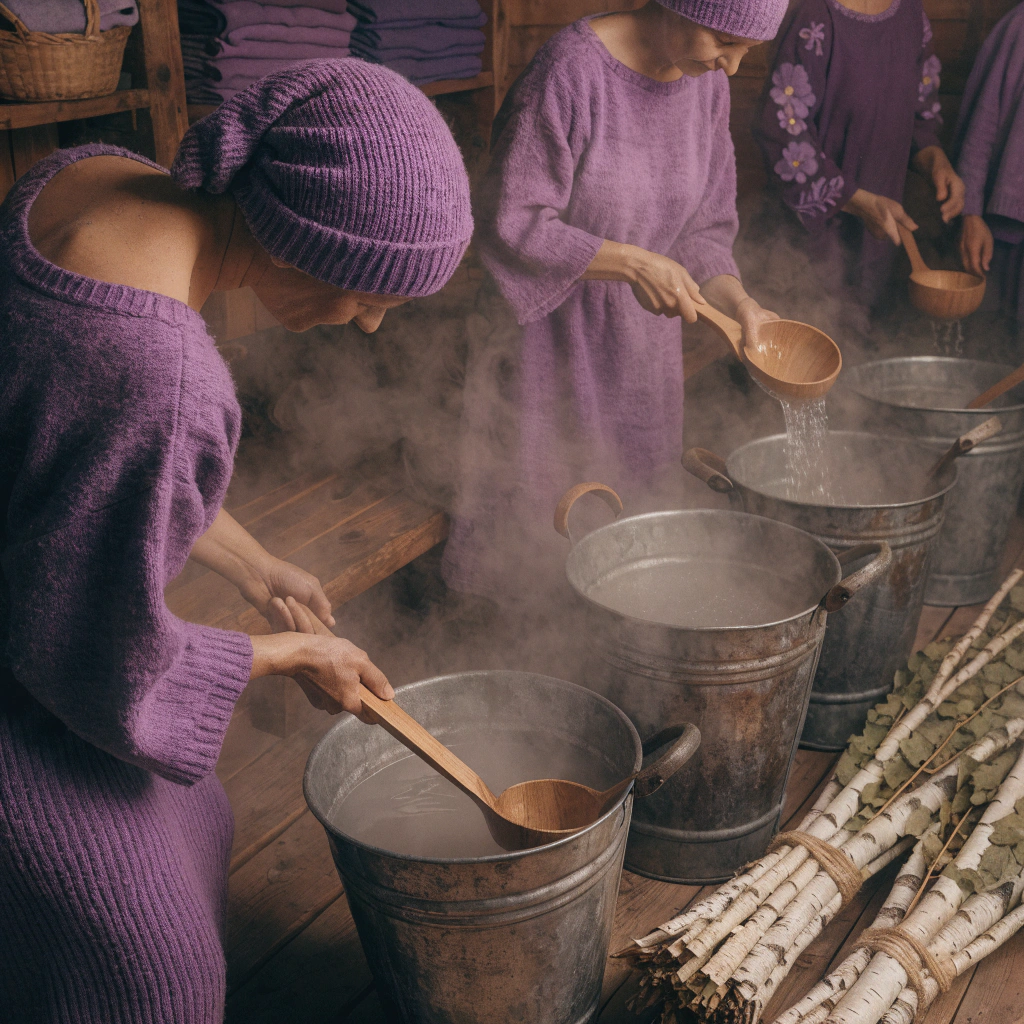
रूस की बान्य: एक गरम जगह
रूस में एक खास जगह है। इसे 'बान्य' कहते हैं। बान्य एक गरम कमरा है। यहाँ लोग जाते हैं। वे शरीर को साफ करते हैं।
बान्य में बहुत गरम पानी होता है। लोग गरम पत्थरों पर पानी डालते हैं। इससे बहुत भाप बनती है। भाप से कमरा बहुत गरम हो जाता है। लोग 'वेनिक' का भी उपयोग करते हैं। वेनिक सूखी टहनियों का एक गुच्छा होता है। लोग वेनिक से शरीर को धीरे-धीरे मारते हैं। यह शरीर के लिए अच्छा है। बान्य लोगों को बहुत आराम देती है। यह शरीर और मन के लिए अच्छी है।
व्याकरण स्पॉटलाइट
पैटर्न: संज्ञा + है/हैं (Present 'to be')
"बान्य एक गरम कमरा है।"
यह पैटर्न किसी चीज़ या व्यक्ति के बारे में बताने के लिए उपयोग होता है। 'है' एकवचन के लिए और 'हैं' बहुवचन के लिए आता है। उदाहरण: 'यह किताब है' (एकवचन), 'ये किताबें हैं' (बहुवचन)।
पैटर्न: कर्ता + कर्म + क्रिया (Simple Sentence Structure)
"लोग गरम पत्थरों पर पानी डालते हैं।"
इस पैटर्न में, पहले काम करने वाला (कर्ता), फिर जिस पर काम हुआ (कर्म), और अंत में काम (क्रिया) आता है। यह सामान्य क्रिया के वाक्य बनाने के लिए है। उदाहरण: 'मैं सेब खाता हूँ'।
अपनी समझ जाँचें
10 सवाल · A1 शुरुआती · 1 मुफ्त प्रीव्यू
इस लेख से आपने जो सीखा उसकी जाँच करें। सभी सवालों के जवाब दें और XP कमाएँ!
'बान्य' क्या है?
क्या आप क्विज़ समाप्त करना चाहते हैं?
9 और सवाल आपका इंतज़ार कर रहे हैं। पूरा क्विज़ अनलॉक करने और XP कमाने के लिए मुफ्त साइन अप करें!
मुफ़्त साइन अप करोपहले से अकाउंट है? साइन इन करो
बहुत बढ़िया!
अभ्यास जारी रखें!
पहले से पूर्ण — कोई अतिरिक्त XP नहीं
XP कमाने के लिए साइन अप करोसवालों का विवरण
'बान्य' क्या है?
आपका जवाब:
सही जवाब: एक गरम कमरा
बान्य में लोग गरम पत्थरों पर पानी डालते हैं।
आपका जवाब:
सही जवाब: सही
'वेनिक' का क्या मतलब है?
आपका जवाब:
सही जवाब: सूखी टहनियों का गुच्छा
बान्य में लोग _______ को साफ करते हैं।
आपका जवाब:
सही जवाब: शरीर
रूसी बान्या: एक अनोखा अनुभव
रूस में, बान्या एक बहुत पुरानी और खास परंपरा है। यह सिर्फ एक स्नान नहीं है, बल्कि शरीर और आत्मा को शुद्ध करने का एक तरीका है। रूसी लोग बान्या को बहुत पसंद करते हैं और इसे अपने जीवन का एक महत्वपूर्ण हिस्सा मानते हैं। कई रूसी परिवारों के पास अपना बान्या होता है।
बान्या फिनिश सॉना से अलग है। सॉना में सूखी गर्मी होती है, लेकिन बान्या में बहुत भाप और तेज गर्मी होती है। लोग गर्म पत्थरों पर पानी डालते हैं, जिससे बहुत सारी भाप बनती है। यह भाप पूरे कमरे को बहुत गर्म कर देती है। अंदर का तापमान काफी अधिक होता है।
बान्या की सबसे खास बात 'वेनिक' है। वेनिक सूखी पत्तियों और टहनियों का एक गुच्छा होता है, जैसे बर्च या ओक। स्नान के दौरान, लोग वेनिक का उपयोग अपने शरीर को धीरे-धीरे मारने के लिए करते हैं। इससे खून का संचार अच्छा होता है और शरीर साफ होता है। कभी-कभी एक 'बान्शिक' (पेशेवर व्यक्ति) यह काम करता है।
यह अनुभव शरीर को आराम देता है और मन को भी शांति देता है। बान्या के बाद लोग बहुत ताजा और स्वस्थ महसूस करते हैं। वे मानते हैं कि बान्या उन्हें बीमारियों से भी बचाता है। यह रूस की संस्कृति का एक बहुत महत्वपूर्ण हिस्सा है।
व्याकरण स्पॉटलाइट
पैटर्न: तुलनात्मक 'से अलग है'
"बान्या फिनिश सॉना से अलग है।"
यह पैटर्न दो चीजों की तुलना करने के लिए उपयोग होता है जब हम दिखाते हैं कि एक चीज दूसरी से भिन्न है। इसमें 'से' (from/than) का उपयोग किया जाता है।
पैटर्न: संबंधकारक 'का/के/की'
"रूसी लोग बान्या को अपने जीवन का एक महत्वपूर्ण हिस्सा मानते हैं।"
यह पैटर्न संज्ञाओं के बीच संबंध या स्वामित्व दिखाने के लिए उपयोग होता है। 'का', 'के', 'की' उस संज्ञा के लिंग और वचन के अनुसार बदलते हैं जिसके साथ संबंध दिखाया जा रहा है।
अपनी समझ जाँचें
11 सवाल · A2 बिगिनर · 1 मुफ्त प्रीव्यू
इस लेख से आपने जो सीखा उसकी जाँच करें। सभी सवालों के जवाब दें और XP कमाएँ!
बान्या रूस में क्या है?
क्या आप क्विज़ समाप्त करना चाहते हैं?
10 और सवाल आपका इंतज़ार कर रहे हैं। पूरा क्विज़ अनलॉक करने और XP कमाने के लिए मुफ्त साइन अप करें!
मुफ़्त साइन अप करोपहले से अकाउंट है? साइन इन करो
बहुत बढ़िया!
अभ्यास जारी रखें!
पहले से पूर्ण — कोई अतिरिक्त XP नहीं
XP कमाने के लिए साइन अप करोसवालों का विवरण
बान्या रूस में क्या है?
आपका जवाब:
सही जवाब: एक पुरानी परंपरा
बान्या फिनिश सॉना की तरह सूखी गर्मी वाला होता है।
आपका जवाब:
सही जवाब: गलत
'शुद्ध' का क्या मतलब है?
आपका जवाब:
सही जवाब: साफ
लोग बान्या में गर्म पत्थरों पर ______ डालते हैं।
आपका जवाब:
सही जवाब: पानी
'वेनिक' क्या है?
आपका जवाब:
सही जवाब: सूखी पत्तियों का गुच्छा
रूसी बान्या: शारीरिक और आध्यात्मिक शुद्धता की एक परंपरा
अगर आप रूसी संस्कृति को समझना चाहते हैं, तो आपको रूसी बान्या का अनुभव ज़रूर करना चाहिए। बान्या रूस का पारंपरिक स्टीम बाथ है, जो सिर्फ़ नहाने की जगह नहीं, बल्कि एक सामाजिक और स्वास्थ्य से जुड़ा महत्वपूर्ण अनुष्ठान भी है। यह फ़िनलैंड के सौना या तुर्की के हमाम से काफ़ी अलग है, क्योंकि बान्या में नमी और गर्मी का अनोखा मिश्रण होता है।
बान्या में बहुत ज़्यादा आर्द्रता और तीव्र गर्मी होती है। यह गर्मी पत्थरों के चूल्हे पर पानी डालने से पैदा होती है, जिससे भाप बनती है। बान्या की सबसे अनोखी विशेषता 'वेनिक' है। वेनिक सूखे हुए बर्च, ओक या यूकेलिप्टस की टहनियों का एक गुच्छा होता है। नहाते समय, लोग या एक पेशेवर 'बानशिक' इस वेनिक का इस्तेमाल शरीर पर धीरे-धीरे मारने के लिए करते हैं। यह क्रिया रक्त संचार में सुधार करती है, मांसपेशियों को आराम देती है और त्वचा को साफ़ करती है। इस प्रक्रिया को 'पारेंका' कहा जाता है।
रूसी मानते हैं कि बान्या न केवल शरीर को साफ़ करता है, बल्कि आत्मा को भी शुद्ध करता है। यह एक ऐसा अनुभव है जो तनाव को कम करता है और मन को शांत करता है। बान्या में लोग अक्सर एक-दूसरे को वेनिक से मदद करते हैं, जिससे सामुदायिक भावना बढ़ती है। कई रूसी परिवारों के लिए, बान्या जाना एक साप्ताहिक परंपरा है, जहाँ दोस्त और परिवार एक साथ आते हैं। यह सिर्फ़ पसीना बहाना नहीं, बल्कि आराम करने, बातें करने और जीवन का आनंद लेने का एक तरीक़ा है। बान्या के गर्म कमरे के बाद, लोग अक्सर ठंडे पानी में डुबकी लगाते हैं या बर्फ़ में लौटते हैं, जो शरीर को ताज़गी और स्फूर्ति देता है। इस तरह, बान्या रूस के लोगों के जीवन का एक अभिन्न अंग बन चुका है और उनकी पहचान का एक महत्वपूर्ण हिस्सा है।
व्याकरण स्पॉटलाइट
पैटर्न: कर्मवाच्य (Passive Voice)
"इस प्रक्रिया को 'पारेंका' कहा जाता है।"
कर्मवाच्य का उपयोग तब होता है जब क्रिया का महत्व कर्ता से ज़्यादा होता है या जब कर्ता अज्ञात होता है। इसे 'कर्ता + को + कर्म + द्वारा/से + क्रिया का भूतकाल कृदंत + जाना' के रूप में बनाया जाता है। यहाँ 'पारेंका' को कहा जाता है, यानी कहने वाला महत्वपूर्ण नहीं है।
पैटर्न: संबंधवाचक उपवाक्य (Relative Clause)
"यह एक ऐसा अनुभव है जो तनाव को कम करता है और मन को शांत करता है।"
संबंधवाचक उपवाक्य दो वाक्यों को जोड़ता है और एक संज्ञा या सर्वनाम के बारे में अतिरिक्त जानकारी देता है। 'जो' (जो, जिसने, जिसका, जिसे आदि) से शुरू होने वाला उपवाक्य मुख्य वाक्य के 'वह' (वह, उसने, उसका, उसे आदि) से संबंधित होता है।
अपनी समझ जाँचें
11 सवाल · B1 मध्यम · 1 मुफ्त प्रीव्यू
इस लेख से आपने जो सीखा उसकी जाँच करें। सभी सवालों के जवाब दें और XP कमाएँ!
रूसी बान्या क्या है?
क्या आप क्विज़ समाप्त करना चाहते हैं?
10 और सवाल आपका इंतज़ार कर रहे हैं। पूरा क्विज़ अनलॉक करने और XP कमाने के लिए मुफ्त साइन अप करें!
मुफ़्त साइन अप करोपहले से अकाउंट है? साइन इन करो
बहुत बढ़िया!
अभ्यास जारी रखें!
पहले से पूर्ण — कोई अतिरिक्त XP नहीं
XP कमाने के लिए साइन अप करोसवालों का विवरण
रूसी बान्या क्या है?
आपका जवाब:
सही जवाब: रूस का पारंपरिक स्टीम बाथ
बान्या में कम आर्द्रता होती है।
आपका जवाब:
सही जवाब: गलत
'वेनिक' का क्या मतलब है?
आपका जवाब:
सही जवाब: सूखे हुए बर्च, ओक या यूकेलिप्टस की टहनियों का गुच्छा
बान्या की सबसे अनोखी _______ 'वेनिक' है।
आपका जवाब:
सही जवाब: विशेषता
बान्या में गर्मी कैसे पैदा होती है?
आपका जवाब:
सही जवाब: पत्थरों के चूल्हे पर पानी डालने से
The Russian Banya: A Ritual of Physical and Spiritual Purity
For centuries, the Russian banya has long been regarded as a cornerstone of national identity and a vital sanctuary for the soul. Far from being a mere facility for hygiene, the banya represents a profound ritual of purification that seeks to transcend the physical realm. To understand the Russian character, one must eventually step into this traditional steam bath, where the boundaries between physical health and spiritual clarity often blur. While the Finnish sauna is renowned for its dry heat, the banya is characterized by its intense humidity, achieved by splashing water onto a massive stone stove, known as a 'pech'. This creates a thick, heavy steam that envelops the participants in a warm embrace.
One of the most distinctive features of this experience is the use of the 'venik', which consists of a bundle of leafy branches—usually birch, oak, or eucalyptus. During the bathing process, a professional 'banshik' or a companion uses the venik to gently lash the body. Although this may sound aggressive to the uninitiated, the process is actually incredibly invigorating. The rhythmic striking of the leaves helps to stimulate blood circulation and open the pores, allowing for a deeper level of detoxification. If a visitor were to enter the steam room without such preparation, the intensity of the heat might prove overwhelming. However, with the venik, the body undergoes a process of rejuvenation that many practitioners describe as life-altering.
Furthermore, the banya is fundamentally a communal space. Historically, it was a place where villagers gathered to discuss politics, share news, or negotiate business deals. This social aspect remains prevalent today, as friends often spend several hours cycling between the hot steam room and a cold plunge pool or a pile of snow. This ritualistic contrast between extreme temperatures is believed to strengthen the immune system and promote longevity. Despite the modernization of urban life, the tradition continues to endure because it offers a rare opportunity for digital detoxification and genuine human connection. Ultimately, the banya is not just about washing the body; it is an enduring cultural institution that fosters a sense of belonging and inner peace through a shared, multisensory experience.
व्याकरण स्पॉटलाइट
पैटर्न: Present Perfect Passive
"The Russian banya has long been regarded as a cornerstone of national identity."
This pattern is used to describe an action that started in the past and continues to the present, focusing on the object receiving the action. It is formed using 'has/have + been + past participle'.
पैटर्न: Second Conditional
"If a visitor were to enter the steam room without such preparation, the intensity of the heat might prove overwhelming."
The second conditional is used to talk about hypothetical or unlikely situations in the present or future. It uses 'if + past subjunctive (were to)' and 'would/might + verb'.
पैटर्न: Non-defining Relative Clauses
"One of the most distinctive features of this experience is the use of the 'venik', which consists of a bundle of leafy branches."
These clauses provide extra information about a noun but are not essential for the sentence to make sense. They are always separated by commas and use relative pronouns like 'which' or 'who'.
अपनी समझ जाँचें
11 सवाल · B2 अपर इंटरमीडिएट · 1 मुफ्त प्रीव्यू
इस लेख से आपने जो सीखा उसकी जाँच करें। सभी सवालों के जवाब दें और XP कमाएँ!
What is the primary difference between a Finnish sauna and a Russian banya according to the text?
क्या आप क्विज़ समाप्त करना चाहते हैं?
10 और सवाल आपका इंतज़ार कर रहे हैं। पूरा क्विज़ अनलॉक करने और XP कमाने के लिए मुफ्त साइन अप करें!
मुफ़्त साइन अप करोपहले से अकाउंट है? साइन इन करो
बहुत बढ़िया!
अभ्यास जारी रखें!
पहले से पूर्ण — कोई अतिरिक्त XP नहीं
XP कमाने के लिए साइन अप करोसवालों का विवरण
What is the primary difference between a Finnish sauna and a Russian banya according to the text?
आपका जवाब:
सही जवाब: The banya uses high humidity, whereas the sauna is known for dry heat.
The use of the venik is intended to be a painful punishment for the bather.
आपका जवाब:
सही जवाब: गलत
What does the word 'rejuvenation' mean in the context of the article?
आपका जवाब:
सही जवाब: The process of feeling younger and more vital.
The banya is described as a _____ space where people historically shared news and discussed politics.
आपका जवाब:
सही जवाब: communal
What is the purpose of the 'ritualistic contrast' mentioned in the text?
आपका जवाब:
सही जवाब: To strengthen the immune system and promote longevity.
The Alchemical Vapor: Deconstructing the Sociocultural Significance of the Russian Banya
Seldom does one encounter a cultural institution so deeply embedded in the national psyche as the Russian banya. To the uninitiated, it might appear to be a mere variant of the steam bath, yet for the Russian people, it represents the pinnacle of physical and spiritual purification. Unlike the arid atmosphere of a Finnish sauna or the gentle, aromatic mist of a Turkish hammam, the banya is defined by its labyrinthine complexity of heat and moisture. The process involves splashing water onto a massive stone stove, creating a dense, ‘heavy’ steam that demands a visceral level of endurance from its participants.
The preservation of these ancient rituals serves as a poignant reminder of Russia’s historical continuity. Central to this experience is the 'venik'—a bundle of dried birch, oak, or eucalyptus branches. It is through the rhythmic application of the venik that the banya achieves its most profound physiological impact. Whether performed by a companion or a professional 'banshik,' this process, which may resemble a gentle lashing, is designed to stimulate blood circulation and precipitate a deep sense of catharsis. The heat, combined with the botanical oils released from the leaves, facilitates a metamorphosis of the body, purging toxins and invigorating the senses.
Furthermore, the banya functions as a vital communal sanctuary. In a society often characterized by its formal hierarchies, the banya serves as a great equalizer; within its timber walls, social distinctions dissolve into the steam. Not only does the banya facilitate the expulsion of toxins, but it also fosters a profound sense of egalitarianism. Discussions held in the heat range from the mundane to the philosophical, reinforcing social bonds through shared vulnerability. This communal aspect is as vital as the physical cleansing, providing a psychological reprieve from the rigors of modern life.
There is something inherently paradoxical about the banya’s enduring popularity in an age of clinical hygiene and private luxury. Despite the availability of modern showers, the ritualistic nature of the banya remains unchallenged. The transition from the sweltering heat of the steam room to a plunge in an icy pool or a pile of fresh snow is not merely a shock to the system; it is a symbolic rebirth. This cycle of thermal extremes allows the individual to transcend the physical self, achieving a state of clarity that is both rare and highly coveted. Ultimately, the banya is not just a bath; it is a holistic endeavor that seeks to harmonize the body with the spirit, ensuring that the ancient traditions of purity continue to flourish in the contemporary world.
व्याकरण स्पॉटलाइट
पैटर्न: Negative Inversion
"Seldom does one encounter a cultural institution so deeply embedded in the national psyche as the Russian banya."
Inversion occurs when the verb comes before the subject, often after negative adverbs like 'seldom' or 'rarely' to add emphasis. This structure is common in formal C1-level writing.
पैटर्न: Cleft Sentences
"It is through the rhythmic application of the venik that the banya achieves its most profound physiological impact."
Cleft sentences use the structure 'It is/was + [emphasized part] + that/who...' to focus on a specific piece of information. This highlights the 'venik' as the primary cause of the effect.
पैटर्न: Nominalisation
"The preservation of these ancient rituals serves as a poignant reminder of Russia’s historical continuity."
Nominalisation involves turning verbs or adjectives into nouns (e.g., 'preserve' to 'preservation'). It makes writing more objective, formal, and concise, which is a hallmark of advanced English.
अपनी समझ जाँचें
12 सवाल · C1 उन्नत · 1 मुफ्त प्रीव्यू
इस लेख से आपने जो सीखा उसकी जाँच करें। सभी सवालों के जवाब दें और XP कमाएँ!
What is the primary difference between a banya and a Finnish sauna as described in the text?
क्या आप क्विज़ समाप्त करना चाहते हैं?
11 और सवाल आपका इंतज़ार कर रहे हैं। पूरा क्विज़ अनलॉक करने और XP कमाने के लिए मुफ्त साइन अप करें!
मुफ़्त साइन अप करोपहले से अकाउंट है? साइन इन करो
बहुत बढ़िया!
अभ्यास जारी रखें!
पहले से पूर्ण — कोई अतिरिक्त XP नहीं
XP कमाने के लिए साइन अप करोसवालों का विवरण
What is the primary difference between a banya and a Finnish sauna as described in the text?
आपका जवाब:
सही जवाब: The banya utilizes high humidity and a stone stove.
The banya is viewed only as a method for physical hygiene in modern Russia.
आपका जवाब:
सही जवाब: गलत
Which word describes a place of safety or refuge?
आपका जवाब:
सही जवाब: Sanctuary
The banya remains a _____ of spiritual and physical purity.
आपका जवाब:
सही जवाब: sanctuary
What sociological role does the banya play according to the article?
आपका जवाब:
सही जवाब: It acts as an equalizer where social distinctions disappear.
The transition from extreme heat to extreme cold is described as a 'symbolic rebirth'.
आपका जवाब:
सही जवाब: सही
रूसी बान्या: शारीरिक एवं आध्यात्मिक शुचिता का एक उदात्त अनुष्ठान
रूसी संस्कृति की गूढ़ता और उसके अंतर्निहित चरित्र को समझने के इच्छुक किसी भी व्यक्ति के लिए अंततः 'बान्या' के अनुभव से गुजरना अपरिहार्य है। यह मात्र एक भाप स्नान नहीं, अपितु एक गहन सांस्कृतिक अनुष्ठान है जो सदियों से रूसी जीवनशैली का अभिन्न अंग रहा है। फिनिश सौना की शुष्क गर्मी या तुर्की हमाम की मृदु भाप के विपरीत, बान्या अपनी उच्च आर्द्रता और तीव्र ऊष्मा के लिए प्रसिद्ध है, जो पत्थरों से बने चूल्हे पर जल छिड़कने से उत्पन्न होती है। यह प्रक्रिया कक्ष को इतनी तीव्र गर्मी से भर देती है कि सामान्यतः सहना कठिन प्रतीत हो सकता है, परंतु इसी में बान्या का विलक्षण आकर्षण छिपा है।
बान्या का सबसे विशिष्ट और कदाचित् सबसे महत्वपूर्ण पहलू 'वेनिक' का प्रयोग है। वेनिक सूखे हुए बर्च, ओक या नीलगिरी की शाखाओं का एक बंडल होता है। स्नान के दौरान, प्रतिभागी स्वयं या एक पेशेवर 'बान्शिक' (जो बान्या का विशेषज्ञ होता है) इस वेनिक का उपयोग शरीर पर धीरे-धीरे प्रहार करने के लिए करते हैं। यह क्रिया केवल शरीर को उत्तेजित करने या रक्त संचार बढ़ाने तक ही सीमित नहीं है; यह एक प्रकार की मालिश है जो त्वचा के रोमछिद्रों को खोलती है, विषाक्त पदार्थों को बाहर निकालती है और मांसपेशियों को आराम प्रदान करती है। वेनिक की पत्तियों से निकलने वाले सुगंधित तेलों का मिश्रण, गर्म भाप के साथ मिलकर, एक चिकित्सीय और सुगंधित वातावरण का निर्माण करता है जो मन और शरीर दोनों को नवजीवन प्रदान करता है। यह एक ऐसा संवेदी अनुभव है जिसकी तुलना किसी अन्य चीज़ से नहीं की जा सकती।
बान्या केवल शारीरिक शुद्धि का साधन भर नहीं है; यह आध्यात्मिक कायाकल्प का भी एक माध्यम है। रूसी लोग इसे 'आत्मा की शुद्धि' के रूप में देखते हैं। स्नान के बाद, अक्सर बर्फीले पानी में डुबकी लगाना या ठंडे पानी से नहाना एक परंपरा है, जिसे 'विरोधाभासी स्नान' (contrast bathing) कहा जाता है। यह अचानक तापमान परिवर्तन शरीर को झकझोर देता है, जिससे रक्त वाहिकाएँ संकुचित और फिर फैलती हैं, और अंततः एक तीव्र स्फूर्ति और ऊर्जा का अनुभव होता है। यह सिर्फ ठंड से मुकाबला करना नहीं है, बल्कि अपनी सीमाओं को चुनौती देना और आंतरिक शक्ति का अनुभव करना है।
सामाजिक दृष्टिकोण से भी बान्या का विशेष महत्व है। यह मित्रों और परिवार के साथ समय बिताने, विचार साझा करने और संबंधों को मजबूत करने का एक मंच है। बान्या में अक्सर लोग निस्संकोच होकर अपनी बातें साझा करते हैं, जो एक आत्मीयता और विश्वास का वातावरण निर्मित करता है। यह एक ऐसा स्थान है जहाँ सामाजिक पदानुक्रम धुल जाते हैं और सभी समान रूप से इस अनुष्ठान में भाग लेते हैं। इस प्रकार, बान्या रूसी समुदाय के लिए न केवल एक स्वास्थ्य प्रथा है, बल्कि एक सामाजिक स्तंभ भी है।
निष्कर्षतः, रूसी बान्या मात्र एक स्नान नहीं, अपितु एक बहुआयामी अनुभव है जो शारीरिक शुचिता, मानसिक शांति और आध्यात्मिक उत्थान का संगम है। यह रूसी पहचान का एक अंतर्निहित हिस्सा है, जो उनके प्रकृति के साथ गहरे संबंध, कठोरता के प्रति सहनशीलता और आंतरिक शांति की निरंतर खोज को दर्शाता है। यदि किसी को रूसी संस्कृति की आत्मा को वास्तव में समझना है, तो उसे इस विलक्षण अनुष्ठान का प्रत्यक्ष अनुभव करना ही होगा। यह एक ऐसा अनुभव है जो आपको न केवल शारीरिक रूप से शुद्ध करता है, बल्कि आपकी आत्मा को भी ऊर्जा और शांति से भर देता है।
व्याकरण स्पॉटलाइट
पैटर्न: अपितु... (न केवल... अपितु...)
"यह मात्र एक भाप स्नान नहीं, अपितु एक गहन सांस्कृतिक अनुष्ठान है।"
यह पैटर्न 'न केवल... अपितु...' (not only... but also...) के समान है और किसी बात पर ज़ोर देने के लिए प्रयोग होता है, जहाँ पहला कथन अपर्याप्त होता है और दूसरा कथन उसकी पूर्णता या वास्तविक प्रकृति को दर्शाता है। 'अपितु' का अर्थ 'बल्कि' या 'किंतु' होता है।
पैटर्न: के इच्छुक किसी भी व्यक्ति के लिए
"रूसी संस्कृति की गूढ़ता और उसके अंतर्निहित चरित्र को समझने के इच्छुक किसी भी व्यक्ति के लिए अंततः 'बान्या' के अनुभव से गुजरना अपरिहार्य है।"
यह एक जटिल संरचना है जिसका अर्थ है 'किसी ऐसे व्यक्ति के लिए जो इच्छुक हो...'। इसमें 'के इच्छुक' (desirous of) एक विशेषण वाक्यांश है जो 'व्यक्ति' का वर्णन करता है, और 'किसी भी' (any) सार्वभौमिकता को दर्शाता है।
पैटर्न: जो... वह...
"यह एक ऐसा संवेदी अनुभव है जिसकी तुलना किसी अन्य चीज़ से नहीं की जा सकती।"
यह एक सापेक्ष सर्वनाम संरचना है जहाँ 'जो' (which/that) पहले खंड को प्रस्तुत करता है और 'वह' (that/it) या उसके रूप (जैसे 'जिसकी' – whose) दूसरे खंड में उसी संज्ञा या सर्वनाम को संदर्भित करते हैं। इसका उपयोग किसी चीज़ की विशेषता बताने या उसे परिभाषित करने के लिए किया जाता है।
अपनी समझ जाँचें
12 सवाल · C2 महारत · 1 मुफ्त प्रीव्यू
इस लेख से आपने जो सीखा उसकी जाँच करें। सभी सवालों के जवाब दें और XP कमाएँ!
बान्या की मुख्य विशेषता क्या है जो उसे फिनिश सौना या तुर्की हमाम से अलग करती है?
क्या आप क्विज़ समाप्त करना चाहते हैं?
11 और सवाल आपका इंतज़ार कर रहे हैं। पूरा क्विज़ अनलॉक करने और XP कमाने के लिए मुफ्त साइन अप करें!
मुफ़्त साइन अप करोपहले से अकाउंट है? साइन इन करो
बहुत बढ़िया!
अभ्यास जारी रखें!
पहले से पूर्ण — कोई अतिरिक्त XP नहीं
XP कमाने के लिए साइन अप करोसवालों का विवरण
बान्या की मुख्य विशेषता क्या है जो उसे फिनिश सौना या तुर्की हमाम से अलग करती है?
आपका जवाब:
सही जवाब: उच्च आर्द्रता और तीव्र ऊष्मा
वेनिक का उपयोग केवल शरीर को उत्तेजित करने और रक्त संचार बढ़ाने के लिए किया जाता है।
आपका जवाब:
सही जवाब: गलत
'अपरिहार्य' शब्द का अर्थ क्या है?
आपका जवाब:
सही जवाब: जिसे टाला न जा सके
बान्या में पत्थरों से बने चूल्हे पर जल छिड़कने से _______ ऊष्मा उत्पन्न होती है।
आपका जवाब:
सही जवाब: तीव्र
स्नान के बाद बर्फीले पानी में डुबकी लगाने की परंपरा को क्या कहते हैं?
आपका जवाब:
सही जवाब: विरोधाभासी स्नान
बान्या में सामाजिक पदानुक्रम का कड़ाई से पालन किया जाता है।
आपका जवाब:
सही जवाब: गलत

