









cabbage 30 सेकंड में
- Cabbage is a round, leafy vegetable available in green, red, and Savoy varieties, known for its crunch and health benefits.
- It is a versatile ingredient used globally in dishes like coleslaw, kimchi, sauerkraut, and various soups and stews.
- Rich in vitamins C and K, cabbage is a staple in temperate climates due to its hardiness and long shelf life.
- The word can be both countable (referring to individual heads) and uncountable (referring to the food in general).
The term cabbage refers to a biennial plant, Brassica oleracea, specifically the Capitata Group, which is grown as an annual vegetable for its dense-leaved heads. It is a cornerstone of temperate-climate agriculture due to its hardiness and nutritional density. When we speak of cabbage, we are usually referring to the round, leafy vegetable that comes in several varieties, including the common green, the vibrant red (or purple), and the crinkly-leaved Savoy. Each variety offers a unique texture and flavor profile, ranging from the peppery crunch of raw green cabbage to the earthy sweetness of slow-cooked red cabbage.
- Botanical Classification
- Cabbage belongs to the Brassicaceae family, which also includes broccoli, cauliflower, and Brussels sprouts. This family is often referred to as 'cruciferous' vegetables because their four-petaled flowers resemble a cross.
- Physical Characteristics
- A typical cabbage head consists of layers of thick, overlapping leaves that protect the tender inner core. The weight can range from 0.5 to 4 kilograms, depending on the variety and growing conditions.
The farmer harvested a massive cabbage that weighed nearly ten pounds, perfect for making a large batch of sauerkraut.
Historically, cabbage has been a vital food source for centuries. It was highly regarded by the ancient Greeks and Romans for its medicinal properties, often used to treat everything from gout to deafness. In modern times, it remains a global staple. In Eastern Europe, it is the heart of dishes like golubtsi (stuffed cabbage rolls); in Korea, it is the primary ingredient in kimchi; and in the United States, it is the essential component of coleslaw. The vegetable's ability to store well through winter months made it indispensable before the advent of modern refrigeration.
- Varietal Differences
- Green cabbage is the most common, featuring smooth, pale green leaves. Red cabbage has a higher concentration of anthocyanins, giving it its color and a slightly tougher texture. Savoy cabbage is prized by chefs for its delicate, lace-like leaves and mild flavor.
I prefer using Savoy cabbage for wraps because the leaves are more flexible and don't tear as easily as the green variety.
Beyond its culinary uses, the word 'cabbage' has entered the English lexicon in various idiomatic ways. While primarily a noun, it has historically been used as a verb in British slang to mean 'to steal' or 'to pilfer,' particularly in the context of tailors keeping leftover scraps of cloth. In modern informal usage, calling someone a 'cabbage' can be a derogatory way to describe someone who is perceived as inactive or lacking intelligence, though this is considered quite rude and is less common today.
The red cabbage turned a strange blue color when cooked because the water was slightly alkaline.
- Global Names
- In French, it is chou; in Spanish, repollo; and in German, Kohl. Interestingly, the English word comes from the Old French caboche, meaning 'head'.
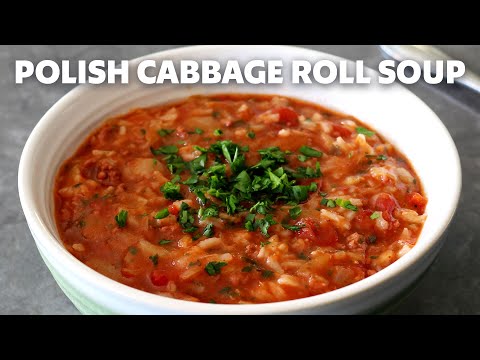
Nothing beats a warm bowl of cabbage soup on a cold winter evening.
In summary, cabbage is much more than just a simple vegetable. It is a biological marvel of selective breeding, a historical lifesaver, and a versatile culinary tool that spans almost every culture on Earth. Whether fermented into tangy kraut or shredded into a zesty salad, its presence in the human diet is both ancient and essential.
Using the word cabbage correctly involves understanding its role as both a countable and uncountable noun, as well as its specific culinary and metaphorical applications. In its most common form, it refers to the vegetable itself. When you are talking about the plant in a general sense or as a food item, it often functions as an uncountable noun. For example, 'I like eating cabbage.' however, when referring to individual units of the plant, it is countable: 'I bought three cabbages at the market.'
- Grammatical Number
- Use 'cabbage' for the food category and 'cabbages' for the physical heads of the plant. Example: 'There is too much cabbage in this soup' vs 'The cabbages in the garden are ready for harvest.'
The recipe calls for one small cabbage, finely shredded.
In culinary instructions, 'cabbage' is frequently paired with verbs that describe preparation. You 'shred' cabbage for slaw, 'core' it to remove the tough center, 'blanch' it to soften the leaves for stuffing, or 'braise' it for a tender side dish. Understanding these collocations is key to using the word naturally in a kitchen context. Furthermore, the type of cabbage should be specified if the recipe depends on it; you wouldn't usually substitute Napa cabbage for red cabbage in a traditional German rotkohl recipe due to the vast difference in texture.
- Verb Forms
- While rare, 'to cabbage' can mean to grow into a head like a cabbage or, in archaic slang, to steal scraps of cloth. In modern medical contexts, 'CABG' (pronounced like cabbage) stands for Coronary Artery Bypass Grafting, though this is a technical acronym.
She spent the afternoon shredding cabbage for the community barbecue.
When describing the appearance of something, 'cabbage-like' or 'cabbage-headed' might be used. For instance, certain ornamental flowers are described as having cabbage-like blooms due to their dense, ruffled petals. In literature, cabbage is often used to evoke a sense of domesticity, poverty, or simplicity, given its historical status as a 'poor man's food.' Using the word in these contexts requires a sensitivity to the connotations of the vegetable in different social settings.
The smell of boiling cabbage wafted through the hallway of the old apartment building.
- Compound Words
- Common compounds include 'skunk cabbage' (a North American plant with a pungent odor) and 'sea cabbage' (a wild coastal plant).
The gardener planted a row of ornamental cabbages to add color to the winter landscape.
Finally, in British English, 'cabbage' can be used as a slang term for a person who is severely brain-damaged or in a persistent vegetative state. This is highly offensive and should be avoided in almost all circumstances. It is important to be aware of this meaning to avoid accidental insult, but for a learner, the primary focus should remain on the vegetable and its culinary versatility.
The word cabbage is most frequently encountered in everyday environments related to food, agriculture, and domestic life. You will hear it in grocery stores, at farmers' markets, in home kitchens, and on restaurant menus. Because it is a staple vegetable across many cultures, it is a high-frequency word in discussions about dieting, healthy eating, and traditional recipes. If you are watching a cooking show or reading a food blog, 'cabbage' will inevitably appear, especially in segments focusing on fermentation or budget-friendly meals.
- In the Supermarket
- 'Excuse me, where can I find the red cabbage?' or 'Is this cabbage organic?' are common phrases you might hear in the produce aisle.
- In the Kitchen
- Parents might tell their children, 'Eat your cabbage, it's good for you,' or a chef might instruct an assistant to 'finely slice the cabbage for the garnish.'
At the market, the vendor shouted, 'Fresh cabbages, two for a dollar!'
In a broader cultural context, cabbage often appears in literature and film to set a specific mood. Because of its historical association with the working class and periods of hardship (like the Great Depression or post-war rationing), the smell of 'boiling cabbage' is a common literary trope used to describe a humble or impoverished setting. You might encounter this in the works of Charles Dickens or George Orwell, where it serves as a sensory detail to ground the reader in the reality of the characters' lives.
- In Gardening
- Gardeners discuss 'cabbage worms' or 'cabbage loopers,' which are common pests that eat the leaves of the plant. They might also talk about 'bolting,' which is when the cabbage grows a flower stalk too early.
'My cabbages!' cried the merchant in the animated series 'Avatar: The Last Airbender' whenever his cart was destroyed.
In scientific and health-related discussions, you will hear 'cabbage' mentioned in the context of the 'Cabbage Soup Diet,' a fad diet that gained popularity for rapid weight loss. While nutritionists often use it as an example of an unsustainable eating plan, the vegetable itself is praised in medical journals for its high fiber content and role in gut health. You might also hear it in environmental science when discussing 'carbon sequestration' in agricultural crops, though this is more specialized.
The nutritionist explained that fermented cabbage like sauerkraut is an excellent source of probiotics.
- In History
- Historians might mention cabbage when discussing the 'Victory Gardens' of World War II, where citizens were encouraged to grow their own vegetables to support the war effort.
The documentary detailed how cabbage was a primary source of Vitamin C for sailors to prevent scurvy.
Whether it's a casual conversation about dinner or a formal lecture on agricultural history, 'cabbage' is a word that appears across a wide spectrum of English discourse. Its ubiquity makes it an essential part of a learner's vocabulary, providing a bridge between basic food terms and more complex cultural and historical concepts.
While cabbage is a relatively simple word, learners often encounter pitfalls in spelling, pronunciation, and usage. One of the most frequent spelling errors is confusing it with 'garbage.' Although they share the '-bage' suffix, their meanings are entirely unrelated. Another common spelling mistake is 'cabage' (missing the second 'b') or 'cabbige' (misspelling the ending based on its pronunciation). Remembering that it has a double 'b' and ends in '-age' like 'village' or 'message' can help.
- Spelling vs. Sound
- Mistake: 'I bought a cabbige.' Correction: 'I bought a cabbage.' The 'a' in the second syllable is pronounced like a short 'i'.
- Confused with Lettuce
- Many learners use 'cabbage' and 'lettuce' interchangeably. However, cabbage is much denser, tougher, and usually needs to be cooked or finely shredded, whereas lettuce is mostly water and eaten raw in salads.
Incorrect: I want a cabbage for my hamburger. (Usually, people want lettuce on a burger.)
Another mistake involves the countability of the word. As mentioned before, 'cabbage' can be both countable and uncountable. A common error is saying 'I ate three cabbages' when you actually mean 'I ate three servings of cabbage.' You would only eat 'three cabbages' if you literally consumed three entire heads of the vegetable, which is unlikely! Use the singular 'cabbage' when referring to it as a food ingredient in general.
- Pronunciation Pitfalls
- Avoid over-emphasizing the second 'a'. It is not 'cab-BAGE' (rhyming with 'page'); it is 'CAB-bidge' (rhyming with 'bridge').
Correct: 'The cabbage is boiling.' Incorrect: 'The cabbages is boiling.'
Learners also struggle with the distinction between 'cabbage' and other brassicas. For example, 'Napa cabbage' (also called Chinese cabbage) is often just called 'cabbage' in Asian contexts, but in Western cooking, 'cabbage' almost always refers to the round green variety. Being specific is important for clarity. Additionally, avoid using 'cabbage' as a synonym for 'money' unless you are using very old-fashioned American slang, as it will likely confuse modern listeners.
Don't confuse red cabbage with radicchio; they look similar but radicchio is much more bitter.
- Idiom Errors
- The phrase 'cabbage head' is an old insult. If you use it today, you might sound like a character from a 19th-century novel rather than a modern speaker.
When writing, ensure you don't capitalize cabbage unless it's at the start of a sentence.
In conclusion, the most important things to remember are the double 'b', the 'bridge' pronunciation of the second syllable, and the distinction between the vegetable and lettuce. Mastering these small details will make your use of the word sound much more natural and professional.
To truly understand cabbage, it is helpful to compare it with its botanical cousins and other leafy greens that are often confused with it. The Brassicaceae family is vast, and while cabbage is the most famous member, words like kale, broccoli, and cauliflower are closely related. Each of these 'similar' words describes a different part of the plant that has been selectively bred for consumption. Cabbage is the 'head' or the terminal bud, while broccoli and cauliflower are the flower clusters.
- Cabbage vs. Lettuce
- This is the most common comparison. Lettuce (Lactuca sativa) is from the daisy family. It has a high water content and is soft. Cabbage is dense, has a strong sulfurous smell when cooked, and is much heartier.
- Cabbage vs. Kale
- Kale is essentially a wilder version of cabbage that doesn't form a head. The leaves are loose and often very curly or bumpy (like Lacinato kale).
While cabbage is great for slaw, kale is often preferred for making crunchy baked chips.
Another word often associated with cabbage is 'Brussels sprouts.' You can think of Brussels sprouts as tiny cabbages that grow along a thick stalk. They share the same flavor profile but are used differently in cooking. Then there is 'Bok Choy' (or Pak Choi), which is often called 'Chinese cabbage.' Unlike the round Western cabbage, Bok Choy has distinct white stalks and dark green leaves, looking more like celery with leaves than a ball of foliage.
- Cabbage vs. Radicchio
- Radicchio looks like a small red cabbage but belongs to the chicory family. It is much more bitter and is usually used sparingly in salads rather than as a main vegetable dish.
The chef substituted Savoy cabbage for Napa cabbage in the dumpling recipe.
In terms of synonyms for the 'head' of a cabbage, you might hear the term 'cole' (as in coleslaw or cole crops). This is an archaic term for cabbage that survives in modern compound words. In some dialects, 'kail' or 'kale' was once used generically for any type of cabbage. Understanding these linguistic connections helps in recognizing the word across different English-speaking regions and historical texts.
The term 'coleslaw' literally translates to 'cabbage salad' from the Dutch 'koolsla'.
- Kohlrabi
- Another relative is kohlrabi, which looks like a turnip but is actually a cabbage relative bred for its swollen, cabbage-flavored stem.
If you find cabbage too strong, try using kohlrabi for a milder, crispier texture.
By distinguishing cabbage from lettuce, kale, and its other brassica relatives, you gain a more precise vocabulary for both shopping and cooking. Each of these plants has its own place in the kitchen, and knowing the difference ensures you use the right ingredient for the right job.
How Formal Is It?
कठिनाई स्तर
ज़रूरी व्याकरण
Countable vs Uncountable nouns
Attributive nouns
Compound nouns
Adjective order
Passive voice in recipes
स्तर के अनुसार उदाहरण
I see a green cabbage.
Je vois un chou vert.
Simple subject-verb-object structure.
The cabbage is big.
Le chou est gros.
Using 'is' with an adjective.
I like cabbage.
J'aime le chou.
Uncountable use for food preference.
Do you have a cabbage?
As-tu un chou ?
Question form with 'do'.
Cabbage is a vegetable.
Le chou est un légume.
Categorization sentence.
This cabbage is purple.
Ce chou est violet.
Demonstrative pronoun 'this'.
I eat cabbage every day.
Je mange du chou tous les jours.
Present simple for habit.
The cabbage is in the kitchen.
Le chou est dans la cuisine.
Preposition of place 'in'.
I am buying two cabbages for the salad.
J'achète deux choux pour la salade.
Countable plural 'cabbages'.
She is cutting the cabbage now.
Elle coupe le chou maintenant.
Present continuous tense.
Cabbage is cheaper than broccoli.
Le chou est moins cher que le brocoli.
Comparative adjective 'cheaper than'.
We made a delicious cabbage soup yesterday.
Nous avons fait une délicieuse soupe au chou hier.
Past simple tense.
You should wash the cabbage before you cook it.
Tu devrais laver le chou avant de le cuire.
Modal verb 'should' for advice.
My mother grows cabbages in her garden.
Ma mère fait pousser des choux dans son jardin.
Third person singular 'grows'.
Is there any cabbage left in the fridge?
Reste-t-il du chou dans le frigo ?
Using 'any' in a question.
I don't like boiled cabbage very much.
Je n'aime pas beaucoup le chou bouilli.
Negative preference with an adjective.
If you shred the cabbage finely, the coleslaw will taste better.
Si vous râpez le chou finement, la salade de chou sera meilleure.
First conditional structure.
Cabbage is known for being a very healthy vegetable.
Le chou est connu pour être un légume très sain.
Passive voice 'is known for'.
While I was cooking the cabbage, the phone rang.
Pendant que je cuisais le chou, le téléphone a sonné.
Past continuous and past simple combined.
I have never tried fermented cabbage before.
Je n'ai jamais goûté de chou fermenté auparavant.
Present perfect with 'never'.
The red cabbage, which I bought yesterday, is still fresh.
Le chou rouge, que j'ai acheté hier, est encore frais.
Non-defining relative clause.
You can use either green or red cabbage for this recipe.
Vous pouvez utiliser soit du chou vert, soit du chou rouge pour cette recette.
Using 'either... or'.
Cabbage has been a staple food in Europe for centuries.
Le chou est un aliment de base en Europe depuis des siècles.
Present perfect for a state starting in the past.
I prefer Savoy cabbage because it has a milder flavor.
Je préfère le chou de Milan car il a une saveur plus douce.
Conjunction 'because' for giving reasons.
Despite its simple reputation, cabbage can be used in gourmet dishes.
Malgré sa réputation simple, le chou peut être utilisé dans des plats gastronomiques.
Using 'despite' to show contrast.
The cabbage should be braised slowly to bring out its natural sweetness.
Le chou doit être braisé lentement pour faire ressortir sa douceur naturelle.
Passive modal 'should be braised'.
Scientists are researching the anti-cancer properties found in cabbage.
Les scientifiques font des recherches sur les propriétés anticancéreuses présentes dans le chou.
Present continuous for ongoing research.
Having harvested the cabbage, the farmer prepared it for the market.
Ayant récolté le chou, le fermier l'a préparé pour le marché.
Perfect participle clause.
The texture of Napa cabbage is quite different from that of traditional green cabbage.
La texture du chou chinois est assez différente de celle du chou vert traditionnel.
Comparison using 'that of'.
Hardly had I started boiling the cabbage when the smell filled the house.
À peine avais-je commencé à faire bouillir le chou que l'odeur a rempli la maison.
Inversion for emphasis.
Cabbage is often overlooked in favor of more trendy vegetables like kale.
Le chou est souvent négligé au profit de légumes plus tendance comme le chou frisé.
Passive voice with 'overlooked'.
It is essential that the cabbage be sliced as thinly as possible.
Il est essentiel que le chou soit tranché aussi finement que possible.
Subjunctive mood 'be sliced'.
The humble cabbage served as a culinary lifeline for many during the winter months.
L'humble chou a servi de bouée de sauvetage culinaire pour beaucoup pendant les mois d'hiver.
Metaphorical use of 'lifeline'.
The pervasive aroma of overcooked cabbage often carries negative social connotations.
L'arôme envahissant du chou trop cuit véhicule souvent des connotations sociales négatives.
Complex noun phrases.
The sheer variety of cabbages available today is a testament to centuries of selective breeding.
La grande variété de choux disponibles aujourd'hui témoigne de siècles de sélection.
Using 'testament to'.
One might argue that cabbage is the most versatile of all the cruciferous vegetables.
On pourrait soutenir que le chou est le plus polyvalent de tous les légumes crucifères.
Formal argumentative structure.
The acidity of the vinegar prevents the red cabbage from losing its vibrant hue.
L'acidité du vinaigre empêche le chou rouge de perdre sa teinte éclatante.
Verb + object + from + -ing.
Cabbage's resilience to frost makes it an ideal crop for northern latitudes.
La résistance du chou au gel en fait une culture idéale pour les latitudes nordiques.
Possessive 'Cabbage's'.
The author uses the smell of boiling cabbage to evoke a sense of bleak domesticity.
L'auteur utilise l'odeur du chou bouillant pour évoquer un sentiment de domesticité morne.
Literary analysis context.
In some dialects, 'cabbage' was used as a verb meaning to pilfer small pieces of cloth.
Dans certains dialectes, « cabbage » était utilisé comme un verbe signifiant chiper de petits morceaux de tissu.
Historical linguistic note.
The socio-economic history of Northern Europe is inextricably linked to the cultivation of the cabbage.
L'histoire socio-économique de l'Europe du Nord est inextricablement liée à la culture du chou.
High-level academic vocabulary.
To describe someone as 'cabbaged' in British slang is to invoke a particularly visceral image of mental exhaustion.
Décrire quelqu'un comme « cabbaged » en argot britannique, c'est invoquer une image particulièrement viscérale d'épuisement mental.
Infinitive as subject.
The cabbage's evolutionary journey from a wild coastal weed to a global staple is nothing short of remarkable.
Le voyage évolutif du chou, d'une mauvaise herbe côtière sauvage à un aliment de base mondial, est tout simplement remarquable.
Idiomatic 'nothing short of'.
The intricate folding of the Savoy cabbage leaves mirrors the complexity of its subtle, earthy flavor profile.
Le pliage complexe des feuilles du chou de Milan reflète la complexité de son profil de saveur subtil et terreux.
Metaphorical comparison.
The fermentation of cabbage into sauerkraut is a perfect example of how ancient preservation techniques can enhance nutritional bioavailability.
La fermentation du chou en choucroute est un exemple parfait de la façon dont les techniques de conservation anciennes peuvent améliorer la biodisponibilité nutritionnelle.
Technical scientific phrasing.
Critics of the Cabbage Soup Diet point to its lack of nutritional balance as a cautionary tale in the history of fad dieting.
Les détracteurs du régime à la soupe au chou soulignent son manque d'équilibre nutritionnel comme une mise en garde dans l'histoire des régimes à la mode.
Using 'cautionary tale'.
The linguistic shift from the French 'caboche' to the English 'cabbage' illustrates the Norman influence on culinary terminology.
Le glissement linguistique du français « caboche » vers l'anglais « cabbage » illustre l'influence normande sur la terminologie culinaire.
Historical linguistic analysis.
Whether braised in cider or fermented in brine, the cabbage remains a versatile canvas for the expression of regional identities.
Qu'il soit braisé au cidre ou fermenté en saumure, le chou reste un canevas polyvalent pour l'expression des identités régionales.
Concessive clause 'Whether... or'.
सामान्य शब्द संयोजन
सामान्य वाक्यांश
अक्सर इससे भ्रम होता है
मुहावरे और अभिव्यक्तियाँ
आसानी से भ्रमित होने वाले
Lettuce is softer and mostly eaten raw; cabbage is denser and often cooked.
Garbage is trash; cabbage is a vegetable. They sound similar but are different.
Radicchio is purple and looks like cabbage but is much more bitter.
Kale is a leafy relative that doesn't form a tight head.
Chard has large leaves and thick stalks, unlike the round head of a cabbage.
वाक्य संरचनाएँ
इसे कैसे इस्तेमाल करें
Cabbage can be eaten raw, boiled, steamed, sautéed, or fermented.
It is a member of the mustard family.
Avoid 'cabbage' as an insult in polite company.
- Spelling it as 'cabage'.
- Using cabbage instead of lettuce on a sandwich.
- Boiling it for too long.
- Thinking all cabbages are round.
- Forgetting to remove the core.
सुझाव
Don't Overcook
To avoid the strong sulfur smell and mushy texture, cook cabbage just until it is tender-crisp. Quick methods like sautéing or stir-frying are often better than long boiling.
Pick a Heavy One
When buying cabbage, choose a head that feels heavy for its size. This indicates that it is fresh and full of moisture. The leaves should be tight and not wilted.
Remove the Core
The center core of the cabbage is very tough and hard. Always cut the cabbage into quarters and slice out the triangular core before shredding or cooking the leaves.
Eat the Colors
Try to incorporate red cabbage into your diet. Its deep purple color means it is packed with extra antioxidants that aren't as prevalent in the green variety.
Watch for Pests
If you grow your own cabbage, be on the lookout for small green caterpillars. These are cabbage worms and can quickly eat large holes in your plants' leaves.
Keep it Dry
Don't wash cabbage until you are ready to use it. Moisture on the leaves can cause the cabbage to rot faster in the refrigerator. Keep it dry and wrapped.
Add Acid
A splash of lemon juice or vinegar at the end of cooking can brighten the flavor of cabbage and help it taste less 'heavy' or earthy.
Savoy for Wraps
If you are making stuffed cabbage rolls, use Savoy cabbage. The leaves are more flexible and have a beautiful texture that holds onto sauces better than smooth cabbage.
Budget Friendly
Cabbage is one of the most affordable vegetables per pound. It's a great way to bulk up meals like stir-fries or soups without spending a lot of money.
Try Fermented
If raw cabbage upsets your stomach, try fermented versions like kimchi. The fermentation process breaks down some of the harder-to-digest fibers and adds healthy probiotics.
याद करें
शब्द की उत्पत्ति
Middle English
सांस्कृतिक संदर्भ
Often associated with school dinners and traditional Sunday roasts.
Essential for summer barbecues in the form of coleslaw.
A symbol of hospitality, often served stuffed with meat (Sarma/Golubtsi).
असल ज़िंदगी में अभ्यास करें
वास्तविक संदर्भ
बातचीत की शुरुआत
"Do you like cabbage in your salad?"
"What's your favorite way to cook cabbage?"
"Have you ever tried making your own sauerkraut?"
"Is cabbage a common vegetable in your country?"
"Do you prefer red or green cabbage?"
डायरी विषय
Describe a meal you had that included cabbage.
Write about a vegetable you used to dislike but now enjoy.
If you had to live on only one vegetable for a month, would you choose cabbage? Why?
Research the history of kimchi and write a summary.
Describe the texture of a Savoy cabbage leaf.
अक्सर पूछे जाने वाले सवाल
10 सवालCabbage is definitely a vegetable. Specifically, it is a leafy green vegetable that belongs to the Brassicaceae family. Unlike fruits, it does not contain seeds on the inside and is grown for its edible leaves. It is one of the most common vegetables found in gardens and markets worldwide.
Yes, you can certainly eat cabbage raw. In fact, it is very common to do so in dishes like coleslaw or as a crunchy topping for tacos. Raw cabbage has a peppery flavor and a very crisp texture. However, some people find it easier to digest when it is cooked or fermented.
The most obvious difference is the color, but there are others. Red cabbage has a slightly earthier and more peppery taste compared to the milder green cabbage. Red cabbage also contains more antioxidants called anthocyanins. In cooking, red cabbage takes longer to soften and can turn blue if not cooked with an acid like vinegar.
Cabbage is best stored in the refrigerator. You should keep it in a plastic bag in the crisper drawer. A whole head of cabbage can stay fresh for several weeks, sometimes even up to two months. Once you cut the cabbage, you should wrap the remaining part tightly in plastic and use it within a few days.
Cabbage is excellent for weight loss because it is very low in calories but high in fiber. This means it helps you feel full without consuming many calories. It is also very high in water content. This is why the 'Cabbage Soup Diet' became popular, although a balanced diet is always recommended over fad diets.
Raw cabbage has a mild, slightly peppery, and crunchy taste. When it is cooked, it becomes much sweeter and softer. If it is overcooked, however, it can develop a strong, sulfur-like smell and a bitter taste. Different varieties like Savoy or Napa have even milder and sweeter profiles.
Sauerkraut is made by finely shredding cabbage and mixing it with salt. The salt draws out the water from the cabbage, creating a brine. The cabbage is then pressed down into a jar so it is completely covered by the liquid. Over several weeks, natural bacteria ferment the cabbage, giving it a sour, tangy flavor.
Cabbage contains sulfur compounds. When cabbage is heated, especially for a long time, these compounds are released into the air, creating a strong aroma. To minimize the smell, you can cook the cabbage quickly (like stir-frying) or add a little vinegar or lemon juice to the pot.
No, Napa cabbage is a different variety. It has an oblong shape and crinkly, light green leaves with thick white ribs. It is much softer and sweeter than regular green cabbage. It is the primary cabbage used in Chinese cuisine and for making Korean kimchi.
Yes, you can freeze cabbage, but it is best to blanch it first. Blanching involves boiling the cabbage briefly and then immediately putting it in ice water. This helps preserve the color and texture. Frozen cabbage is best used in cooked dishes like soups or stews rather than in raw salads.
खुद को परखो 180 सवाल
Describe what a cabbage looks like in two sentences.
Well written! Good try! Check the sample answer below.
Write a simple recipe for a cabbage salad.
Well written! Good try! Check the sample answer below.
Explain why cabbage is a healthy food choice.
Well written! Good try! Check the sample answer below.
Compare green cabbage and red cabbage.
Well written! Good try! Check the sample answer below.
Discuss the cultural importance of fermented cabbage.
Well written! Good try! Check the sample answer below.
Write a paragraph about the history of the cabbage.
Well written! Good try! Check the sample answer below.
How do you prepare cabbage for cooking?
Well written! Good try! Check the sample answer below.
What is your favorite dish that uses cabbage?
Well written! Good try! Check the sample answer below.
Describe the texture of Savoy cabbage.
Well written! Good try! Check the sample answer below.
Write a short story about a giant cabbage.
Well written! Good try! Check the sample answer below.
Explain the process of making sauerkraut.
Well written! Good try! Check the sample answer below.
Why is cabbage considered a 'winter vegetable'?
Well written! Good try! Check the sample answer below.
Describe the smell of overcooked cabbage.
Well written! Good try! Check the sample answer below.
What are the benefits of eating cruciferous vegetables?
Well written! Good try! Check the sample answer below.
How does cabbage differ from lettuce in cooking?
Well written! Good try! Check the sample answer below.
Write a dialogue between two people at a market buying cabbage.
Well written! Good try! Check the sample answer below.
Discuss the use of cabbage in Asian cuisine.
Well written! Good try! Check the sample answer below.
What is the etymology of the word 'cabbage'?
Well written! Good try! Check the sample answer below.
Describe the physical structure of a cabbage head.
Well written! Good try! Check the sample answer below.
Write a poem about a cabbage.
Well written! Good try! Check the sample answer below.
Pronounce the word 'cabbage' clearly.
Read this aloud:
तुमने कहा:
Speech recognition is not supported in your browser. Try Chrome or Edge.
Tell a partner what you think cabbage tastes like.
Read this aloud:
तुमने कहा:
Speech recognition is not supported in your browser. Try Chrome or Edge.
Describe a dish you know that uses cabbage.
Read this aloud:
तुमने कहा:
Speech recognition is not supported in your browser. Try Chrome or Edge.
Discuss the pros and cons of the Cabbage Soup Diet.
Read this aloud:
तुमने कहा:
Speech recognition is not supported in your browser. Try Chrome or Edge.
Explain the process of fermentation to a friend.
Read this aloud:
तुमने कहा:
Speech recognition is not supported in your browser. Try Chrome or Edge.
Give a short presentation on the importance of cabbage in your culture.
Read this aloud:
तुमने कहा:
Speech recognition is not supported in your browser. Try Chrome or Edge.
Roleplay: You are at the market and want to buy the freshest cabbage.
Read this aloud:
तुमने कहा:
Speech recognition is not supported in your browser. Try Chrome or Edge.
Explain the difference between cabbage and lettuce.
Read this aloud:
तुमने कहा:
Speech recognition is not supported in your browser. Try Chrome or Edge.
Talk about why some people dislike the smell of cooked cabbage.
Read this aloud:
तुमने कहा:
Speech recognition is not supported in your browser. Try Chrome or Edge.
Describe the appearance of a Savoy cabbage.
Read this aloud:
तुमने कहा:
Speech recognition is not supported in your browser. Try Chrome or Edge.
Discuss the health benefits of eating raw vegetables.
Read this aloud:
तुमने कहा:
Speech recognition is not supported in your browser. Try Chrome or Edge.
Tell a story about a time you cooked something with cabbage.
Read this aloud:
तुमने कहा:
Speech recognition is not supported in your browser. Try Chrome or Edge.
Debate: Is red cabbage better than green cabbage?
Read this aloud:
तुमने कहा:
Speech recognition is not supported in your browser. Try Chrome or Edge.
Explain how to make coleslaw.
Read this aloud:
तुमने कहा:
Speech recognition is not supported in your browser. Try Chrome or Edge.
Discuss the environmental impact of growing staple crops like cabbage.
Read this aloud:
तुमने कहा:
Speech recognition is not supported in your browser. Try Chrome or Edge.
Describe the texture of fermented cabbage.
Read this aloud:
तुमने कहा:
Speech recognition is not supported in your browser. Try Chrome or Edge.
Talk about the history of cabbage in Europe.
Read this aloud:
तुमने कहा:
Speech recognition is not supported in your browser. Try Chrome or Edge.
Roleplay: You are a chef explaining a cabbage dish to a customer.
Read this aloud:
तुमने कहा:
Speech recognition is not supported in your browser. Try Chrome or Edge.
Discuss the use of cabbage in traditional medicine.
Read this aloud:
तुमने कहा:
Speech recognition is not supported in your browser. Try Chrome or Edge.
Summarize the botanical characteristics of the Brassicaceae family.
Read this aloud:
तुमने कहा:
Speech recognition is not supported in your browser. Try Chrome or Edge.
Listen to the speaker and identify which variety of cabbage they are buying.
Listen to the recipe and write down the amount of cabbage needed.
Listen to the description and draw the cabbage mentioned.
Listen to the news report on crop prices and identify the price of cabbage.
Listen to the interview with a farmer and list the challenges of growing cabbage.
Listen to the chef and identify the three ways he prepares cabbage.
Listen to the podcast on nutrition and summarize the benefits of cabbage.
Listen to the dialogue and identify the mistake the cook made.
Listen to the history lecture and identify the origin of the word cabbage.
Listen to the sounds of a kitchen and identify when the cabbage is being shredded.
Listen to the weather report and explain how it affects the cabbage harvest.
Listen to the poem and identify the rhyming words for cabbage.
Listen to the gardening tip and explain how to deal with cabbage worms.
Listen to the debate and summarize the main arguments for and against the cabbage diet.
Listen to the scientific explanation of why red cabbage changes color.
/ 180 correct
Perfect score!
Summary
Cabbage is an essential, nutrient-dense vegetable characterized by its dense head of leaves. Whether you are shredding it for a summer coleslaw or fermenting it for winter storage, it remains one of the most versatile and historically significant crops in human history.
- Cabbage is a round, leafy vegetable available in green, red, and Savoy varieties, known for its crunch and health benefits.
- It is a versatile ingredient used globally in dishes like coleslaw, kimchi, sauerkraut, and various soups and stews.
- Rich in vitamins C and K, cabbage is a staple in temperate climates due to its hardiness and long shelf life.
- The word can be both countable (referring to individual heads) and uncountable (referring to the food in general).
Don't Overcook
To avoid the strong sulfur smell and mushy texture, cook cabbage just until it is tender-crisp. Quick methods like sautéing or stir-frying are often better than long boiling.
Pick a Heavy One
When buying cabbage, choose a head that feels heavy for its size. This indicates that it is fresh and full of moisture. The leaves should be tight and not wilted.
Remove the Core
The center core of the cabbage is very tough and hard. Always cut the cabbage into quarters and slice out the triangular core before shredding or cooking the leaves.
Eat the Colors
Try to incorporate red cabbage into your diet. Its deep purple color means it is packed with extra antioxidants that aren't as prevalent in the green variety.
उदाहरण
I bought a fresh green cabbage at the market today to make dinner.
संबंधित सामग्री

संदर्भ में सीखें
यह शब्द अन्य भाषाओं में
Food के और शब्द
additive
B2योजक (additive) वह पदार्थ है जिसे किसी चीज़ में सुधार करने के लिए थोड़ी मात्रा में मिलाया जाता है।
additives
B2योजक वे पदार्थ हैं जिन्हें भोजन या अन्य उत्पादों में उनके गुणों को सुधारने के लिए मिलाया जाता है।
almond
B2उसकी आँखें बादामी आकार की हैं।
annatto
B1अनातो एक प्राकृतिक नारंगी-लाल खाद्य रंग है जो अचीओट पेड़ के बीजों से प्राप्त होता है। इसका उपयोग पनीर और मक्खन को रंगने के लिए किया जाता है।
appetite
C1भूख या 'Appetite' भोजन करने की स्वाभाविक इच्छा है। इसका अर्थ किसी अन्य चीज़, जैसे रोमांच या सीखने की तीव्र इच्छा भी हो सकता है।
appetizer
C1एपेटाइज़र भोजन से पहले परोसा जाने वाला एक छोटा हिस्सा है जो भूख बढ़ाने के लिए होता है।
appetizing
B2बहुत अच्छा दिखता है या महकता है, जिससे भूख लगती है। / ताज़ी पकी हुई ब्रेड की महक स्वादिष्ट थी।
apple
C1उसने अपना काम 'apple' तरीके से किया, सादगी और स्पष्टता के साथ।
apples
A1सेब गोल और खाने योग्य फल होते हैं।
apricot
C1सूर्यास्त के समय आकाश खुबानी के रंग जैसा दिख रहा था।

