









lasagna 30 सेकंड में
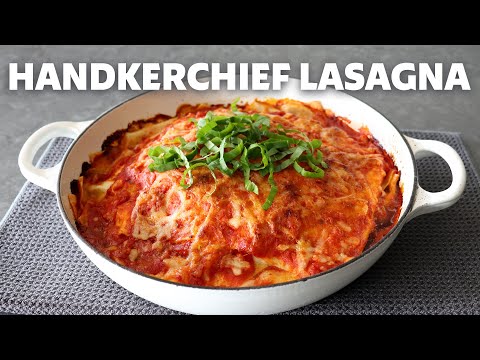
- Lasagna is a layered Italian pasta dish baked in an oven with meat, cheese, and sauce.
- The word can refer to the wide, flat pasta sheets or the entire finished casserole dish.
- It is a global comfort food icon, often associated with family gatherings and hearty, savory flavors.
- Common variations include meat-based (Bolognese) and vegetarian styles using spinach, ricotta, and various vegetables.
The word lasagna refers to a quintessential Italian culinary creation that has transcended its regional origins to become a global symbol of comfort food. At its core, lasagna is defined by its architecture: it is a structural masterpiece composed of wide, flat ribbons of pasta stacked in alternating layers with various savory fillings. While the term is most commonly used to describe the finished, baked casserole, it technically refers to the individual sheets of pasta themselves. In the English-speaking world, the word is almost exclusively used as a singular noun to denote the entire dish, whereas in Italian, 'lasagne' is the plural form representing the multiple sheets of pasta within the dish. People use this word in a variety of contexts, ranging from casual family dinner planning to sophisticated culinary critiques. It is a word that evokes warmth, communal eating, and the labor-intensive process of traditional cooking. When someone mentions lasagna, they are often referring to a meal that requires time, patience, and a layering of flavors that meld together during a slow baking process in the oven.
- Culinary Classification
- A baked pasta dish (pasta al forno) characterized by layered ingredients.
The chef spent the entire afternoon preparing a traditional Bolognese lasagna for the anniversary dinner.
The usage of the word extends beyond the kitchen into the realm of cultural metaphors. Because of its layered nature, 'lasagna' is sometimes used figuratively to describe anything that has many complex, overlapping levels. However, its primary home remains in the domestic and professional kitchen. You will hear it in grocery stores when people are searching for specific pasta shapes, in restaurants when browsing the 'Primi Piatti' or 'Entrées' section, and in popular culture, most notably as the favorite food of the famous comic strip character Garfield. The word carries a certain weight of tradition; it is rarely associated with 'fast food' in its authentic form, but rather with Sunday lunches, holiday feasts, and the concept of 'cucina povera' (peasant cooking) that evolved into high-end gastronomy. Understanding the word requires an appreciation for the balance between the starch of the pasta, the acidity of the tomato sauce, the richness of the meat or vegetables, and the creamy texture of the cheese or béchamel sauce.
- Common Fillings
- Ragù (meat sauce), béchamel, ricotta, mozzarella, spinach, and Parmesan cheese.
Vegetarian lasagna often features layers of roasted zucchini, eggplant, and fresh spinach.
Historically, the word has roots that reach back to ancient times, suggesting that the concept of layered dough is one of the oldest forms of pasta consumption. When using the word today, speakers often imply a sense of abundance. You do not usually make a 'small' lasagna; the dish is inherently designed for sharing, which reinforces its status as a social food. In modern dietary discussions, the word might be used when discussing gluten-free or low-carb alternatives, such as 'zucchini lasagna,' where vegetable slices replace the traditional pasta sheets. Despite these variations, the linguistic core of the word remains tied to the idea of layering. Whether you are discussing the crisp, browned edges of the top layer or the gooey, melted center, the word 'lasagna' serves as a linguistic anchor for one of the world's most beloved comfort meals. It is a noun that carries with it the aroma of garlic, basil, and slow-cooked tomatoes, making it a powerful evocative tool in both writing and speech.
- Regional Variations
- Lasagna alla Bolognese uses green spinach pasta and béchamel, while Neapolitan lasagna uses red sauce and ricotta.
I ordered the lasagna at the trattoria, and it was served in a piping hot ceramic dish.
Frozen lasagna is a popular convenience meal for busy families who want a hearty dinner.
The secret to a great lasagna is letting it rest for ten minutes after taking it out of the oven.
Using the word lasagna in a sentence requires an understanding of its role as a count or non-count noun depending on the context. Most frequently, it functions as a singular count noun when referring to the dish as a whole or a specific portion. For example, you might say, 'I made a lasagna,' or 'This lasagna is delicious.' However, it can also function as a non-count noun when referring to the food item in a general sense, such as 'I love lasagna.' The versatility of the word allows it to be the subject of a sentence, the direct object, or part of a prepositional phrase. Because it is a specific culinary term, it is often paired with descriptive adjectives that highlight its preparation style, ingredients, or temperature. Words like 'homemade,' 'layered,' 'cheesy,' 'savory,' and 'authentic' are common companions. When constructing sentences, it is important to remember that the word itself carries a lot of descriptive weight, so the surrounding verbs often relate to cooking, eating, or sharing.
- As a Subject
- The lasagna was the centerpiece of the dinner party, attracting everyone's attention with its golden crust.
Even though I was full, I could not resist a second helping of the lasagna.
In more complex sentence structures, 'lasagna' can be modified by participial phrases or relative clauses to provide more detail about its composition. For instance, 'The lasagna, which was bubbling with three types of cheese, smelled heavenly.' This adds a layer of sensory detail that is common in food writing and descriptive narratives. Furthermore, the word can be used in the plural 'lasagnas' when referring to multiple individual pans or different types of the dish. 'We prepared three different lasagnas for the potluck: one meat, one vegetarian, and one seafood.' This usage is less common but grammatically necessary in specific scenarios. In casual conversation, the word is often used in the context of leftovers, a common phenomenon given the large size of the dish. 'We will be eating lasagna for the next three days,' is a sentence many families can relate to. The word also appears in instructional contexts, such as recipes or cooking shows, where it is often the focus of imperative sentences like 'Layer the pasta sheets carefully to ensure the lasagna holds its shape.'
- In Instructional Contexts
- Before you bake the lasagna, make sure to cover it with foil to prevent the cheese from burning.
The recipe calls for pre-cooked lasagna noodles to save time during the assembly process.
Another interesting way to use 'lasagna' in a sentence is through the use of metaphors, although this is more creative and less common. One might describe a complex legal case as a 'lasagna of lies,' implying that the deception has many layers that must be peeled back to reach the truth. However, in 99% of cases, you will be using it to talk about food. It is also important to note the difference between 'lasagna' (the dish) and 'lasagna' (the pasta shape). In a sentence like 'I bought a box of lasagna,' the speaker is referring to the dry pasta. In 'I am cooking lasagna,' they are referring to the meal. This subtle shift in meaning is usually clarified by the verb and the context of the sentence. Whether you are praising a host's cooking or complaining about a poorly made frozen version, the word 'lasagna' is a staple of the English culinary vocabulary that allows for both simple and highly descriptive expression.
- Metaphorical Usage
- The historical site was like a lasagna, with each era of civilization built directly on top of the previous one.
After a long day at work, a warm plate of lasagna was exactly what I needed.
She mastered the art of making lasagna by watching her Italian grandmother in the kitchen.
The restaurant's signature lasagna features a secret blend of five different cheeses.
The word lasagna is ubiquitous in everyday life, particularly in environments where food and culture intersect. One of the most common places you will hear this word is in a domestic setting. It is a frequent topic of conversation when families are planning their weekly meals or deciding what to bring to a community gathering. Because lasagna is a 'crowd-pleaser,' it is often the answer to the question, 'What should we serve for the party?' In these contexts, the word is associated with preparation, grocery lists, and the anticipation of a hearty meal. You might hear a parent say, 'I am going to start the lasagna now so it is ready by six,' or a child asking, 'Is it lasagna night yet?' This domestic frequency makes it one of the first specific food names that many English learners encounter and master. It is a word that bridges the gap between basic food vocabulary and more specific culinary terminology.
- In Restaurants
- Waitstaff often describe the 'lasagna of the day' or recommend it as a house specialty.
'I will have the lasagna and a side salad, please,' the customer told the waiter.
Beyond the home, the word is a staple of the restaurant industry. From high-end Italian trattorias to casual diners and school cafeterias, 'lasagna' is a permanent fixture on menus. In these settings, you will hear the word used by servers explaining the dish's ingredients or by customers placing their orders. In an Italian restaurant, you might hear more specific variations like 'Lasagna Verde' or 'Lasagna al Forno.' The word also appears frequently in media and entertainment. Cooking shows on television and YouTube are filled with tutorials on how to make the 'perfect' lasagna, where chefs discuss the importance of each layer. In pop culture, the most famous reference is undoubtedly Garfield, the orange tabby cat created by Jim Davis, whose obsession with lasagna has made the word a household term even for those who do not regularly eat Italian food. Hearing 'lasagna' in a cartoon context often emphasizes its role as the ultimate indulgent, comforting treat.
- In Media
- Food critics and bloggers often use the word when reviewing Italian cuisine or sharing recipes online.
The food blogger's post about 'The Best lasagna in New York' went viral within hours.
You will also encounter the word in academic or historical discussions about food. Culinary historians might use 'lasagna' when tracing the evolution of pasta from the Mediterranean to the rest of the world. In these contexts, the word is treated with a level of technical respect, exploring its etymological roots and its transformation over centuries. Additionally, in the world of nutrition and health, the word might come up in discussions about caloric density or dietary modifications. A nutritionist might suggest a 'vegetable-heavy lasagna' as a way to increase fiber intake. Finally, the word is heard in social settings like potlucks or 'dinner and a movie' nights. It is a word that signifies hospitality. When someone says, 'I brought lasagna,' it is generally understood as a generous contribution to a group meal. The word's presence in so many different areas of life—from the kitchen to the television screen to the history book—demonstrates its deep integration into the English-speaking culture.
- Social Contexts
- At a potluck, people often ask, 'Who made this amazing lasagna?' to compliment the cook.
The smell of baking lasagna filled the entire house, making everyone hungry.
During the cooking competition, the judges praised the contestant's innovative lasagna layers.
I saw a funny meme about a cat who refused to eat anything except lasagna.
One of the most frequent mistakes learners make with the word lasagna is related to its spelling and pronunciation. The 'gn' combination in Italian-derived words is often tricky for English speakers. The 'g' is silent, and the 'n' takes on a palatal sound, similar to the 'ny' in 'canyon' or the 'ñ' in Spanish. A common error is pronouncing the 'g' as a hard sound, which is incorrect. Spelling is another area where errors occur; people often forget the 'g' entirely or misplace the vowels, resulting in misspellings like 'lasana' or 'lasanya.' Another common mistake involves the distinction between 'lasagna' and 'lasagne.' While both are used in English, 'lasagna' is the standard American spelling, and 'lasagne' is the standard British spelling. Using the 'wrong' one in a specific regional context is not a grave error, but it is something to be aware of for the sake of consistency. Furthermore, learners sometimes struggle with the pluralization of the word. Since it is often treated as a collective noun for the dish, saying 'I ate three lasagnas' can sound strange unless you literally mean three entire pans of the food.
- Pronunciation Error
- Incorrectly pronouncing the 'g' (e.g., 'la-zag-na') instead of the correct 'la-zahn-ya'.
Incorrect: I am going to cook a lasagna noodle. Correct: I am going to cook some lasagna noodles.
Grammatically, a common mistake is using 'lasagna' as an adjective without a following noun when one is needed. For example, saying 'I want a lasagna piece' is less natural than 'I want a piece of lasagna.' Additionally, because lasagna is a layered dish, people sometimes confuse it with other layered foods. Calling a moussaka (a Greek eggplant dish) a 'lasagna' is a factual error that can cause confusion, even though they share a similar structure. Another subtle mistake is related to the countability of the word. When referring to the pasta sheets themselves, 'lasagna' is a count noun (one sheet of lasagna), but when referring to the dish, it is often used as a non-count noun (some lasagna). Learners might say 'I want many lasagnas' when they mean 'I want a large portion of lasagna.' Understanding these nuances helps in sounding more like a native speaker. In written English, capitalizing 'lasagna' is also a common mistake; unless it is at the beginning of a sentence or part of a proper title (like 'Mama Leone's Lasagna'), it should remain in lowercase.
- Grammar Confusion
- Using 'lasagnas' to refer to multiple slices instead of 'pieces of lasagna'.
Incorrect: She made a lasagna with rice. Correct: She made a layered dish with rice (it is not lasagna if it does not have pasta).
Finally, there is the 'no-boil' mistake. In modern cooking, 'no-boil lasagna' is a common product. Learners might assume that all lasagna pasta can be used this way, leading to a culinary disaster where the pasta remains hard and crunchy. Linguistically, this translates to a mistake in following recipes or instructions. When talking about the dish, it is also important not to confuse it with 'linguine' or other pasta types that start with 'L'. While they are all pasta, they are very different in shape and usage. A common mistake for beginners is to use 'lasagna' as a catch-all term for any Italian food with red sauce. Avoiding these errors—whether they are phonetic, orthographic, or conceptual—will significantly improve a learner's fluency and accuracy when discussing food. By paying attention to the 'gn' sound, the regional spelling differences, and the specific definition of the dish, you can use the word 'lasagna' with confidence in any setting.
- Spelling Tip
- Think of the 'g' as a silent partner that softens the 'n'. L-A-S-A-G-N-A.
Incorrect: The lasagna was very soup. Correct: The lasagna was very watery (using the correct adjective).
Incorrect: I want a lasagna for lunch. Correct: I want some lasagna for lunch (unless you mean a whole pan).
Incorrect: He put lasagna on his bread. Correct: He put lasagna on his plate (lasagna is rarely a sandwich filling).
While lasagna is a very specific dish, there are several words and terms that are related or can serve as alternatives depending on what you are trying to communicate. If you are focusing on the 'layered' aspect of the dish, words like 'casserole,' 'gratin,' or 'terrine' might come to mind. A casserole is a broad term for any dish baked in a deep pan, often containing a mixture of meat, vegetables, and a starchy binder. While lasagna is a type of casserole, not all casseroles are lasagna. A 'gratin' specifically refers to a dish with a browned crust, usually made of breadcrumbs or cheese, which is a key feature of a well-made lasagna. 'Terrine' is more formal and usually refers to a cold, layered meat or vegetable dish, but it shares the structural concept of layering. Understanding these distinctions helps in describing food more accurately to others, especially when a specific Italian term might not be appropriate or when you are describing a fusion dish.
- Lasagna vs. Casserole
- Lasagna must contain pasta sheets; a casserole can contain any starch like rice, potatoes, or smaller pasta shapes.
Instead of lasagna, we decided to make a baked ziti, which uses tube-shaped pasta instead of flat sheets.
In terms of other pasta dishes, 'baked ziti,' 'manicotti,' and 'cannelloni' are the closest relatives to lasagna. Baked ziti involves mixing tube-shaped pasta with sauce and cheese and baking it, which offers a similar flavor profile but a different texture because it lacks the distinct layers. Manicotti and cannelloni are large pasta tubes that are stuffed with a filling (often the same ricotta and spinach mixture found in lasagna) and then baked in sauce. These are excellent alternatives if you want the taste of lasagna but prefer a different presentation. Another similar dish is 'moussaka,' which is often called the 'Greek lasagna.' It uses layers of eggplant or potato instead of pasta, along with a spiced meat sauce and a thick béchamel topping. Comparing lasagna to moussaka is a common way to explain the latter to someone who has never tried it. These comparisons are useful for expanding your culinary vocabulary and understanding how different cultures approach the concept of a layered, baked meal.
- Lasagna vs. Cannelloni
- Lasagna is layered flat; cannelloni is rolled into tubes. The ingredients are often identical, but the assembly differs.
The restaurant offers a 'Pasta Trio' that includes a small portion of lasagna, fettuccine alfredo, and spaghetti.
From a linguistic standpoint, if you are looking for synonyms for the *experience* of eating lasagna, you might use words like 'comfort food,' 'hearty meal,' or 'feast.' These words capture the emotional and physical satisfaction associated with the dish. In a more technical or professional kitchen setting, you might hear the term 'pasta al forno,' which is the Italian category for all baked pasta dishes. Using this term shows a deeper knowledge of Italian cuisine. Conversely, if you are looking for a lighter alternative, you might suggest 'pasta primavera' or a simple 'marinara,' which lack the heavy layering and baking. The word 'lasagna' itself is so iconic that it rarely has a direct one-word synonym that carries the same meaning. Instead, we use descriptions or related dishes to provide context. Whether you are choosing between lasagna and its Greek cousin moussaka, or simply deciding between homemade and store-bought, knowing these similar words allows for more nuanced and interesting conversations about food and culture.
- Lasagna vs. Moussaka
- Lasagna is Italian and uses pasta; Moussaka is Greek/Middle Eastern and uses eggplant or potatoes.
For the vegetarian option, the chef prepared a 'vegetable lasagna' using thinly sliced butternut squash.
The kids prefer baked macaroni and cheese over lasagna because it is easier to eat.
We used the leftover bolognese sauce to make a quick lasagna for Tuesday's dinner.
How Formal Is It?
रोचक तथ्य
There was a historical dispute between Italy and Britain when researchers found a 14th-century English recipe for 'loseyns'. However, most food historians agree that the modern layered pasta dish is firmly Italian in origin.
उच्चारण मार्गदर्शिका
- Pronouncing the 'g' as a hard sound (la-ZAG-na).
- Missing the 'y' sound at the end (la-ZAHN-a).
- Putting the stress on the first syllable (LAS-ag-na).
- Pronouncing the 's' as a sharp 's' instead of a 'z' sound.
- Forgetting the final 'a' sound.
कठिनाई स्तर
The word is common but the spelling can be tricky for beginners.
The silent 'g' and vowel placement often lead to spelling errors.
The 'gn' sound requires practice for non-native speakers.
It is easily recognizable in context due to its distinct sound.
आगे क्या सीखें
पूर्वापेक्षाएँ
आगे सीखें
उन्नत
ज़रूरी व्याकरण
Silent letters in English (the 'g' in lasagna)
Words like 'gnat', 'sign', and 'lasagna' all have a silent 'g'.
Countable vs. Uncountable nouns for food
You can say 'some lasagna' (uncountable) or 'three lasagnas' (countable pans).
Adjectives before nouns
Use 'cheesy lasagna' or 'homemade lasagna' to describe the dish.
Using 'should' for advice in recipes
You should bake the lasagna until the top is golden brown.
Passive voice in culinary descriptions
The lasagna is prepared with fresh ingredients and baked daily.
स्तर के अनुसार उदाहरण
I like to eat lasagna.
J'aime manger des lasagnes.
Subject + verb + object.
Lasagna is Italian food.
La lasagne est un plat italien.
Simple declarative sentence.
Is the lasagna hot?
La lasagne est-elle chaude ?
Question form with 'to be'.
This lasagna has cheese.
Cette lasagne contient du fromage.
Using 'has' for ingredients.
We eat lasagna on Sunday.
Nous mangeons des lasagnes le dimanche.
Present simple for habits.
I want some lasagna.
Je veux de la lasagne.
Using 'some' for food.
The lasagna is big.
La lasagne est grande.
Adjective usage.
My dad cooks lasagna.
Mon père cuisine des lasagnes.
Third person singular 's'.
Can you pass me the lasagna?
Peux-tu me passer la lasagne ?
Request with 'can'.
There are many layers in a lasagna.
Il y a plusieurs couches dans une lasagne.
There are + plural.
I bought lasagna noodles at the store.
J'ai acheté des feuilles de lasagne au magasin.
Past simple 'bought'.
She does not like meat in her lasagna.
Elle n'aime pas la viande dans sa lasagne.
Negative present simple.
We are making lasagna for the party.
Nous préparons une lasagne pour la fête.
Present continuous.
Is there any lasagna left?
Reste-t-il de la lasagne ?
Is there + any.
The lasagna needs more salt.
La lasagne a besoin de plus de sel.
Verb 'needs'.
I prefer lasagna over spaghetti.
Je préfère la lasagne aux spaghetti.
Prefer X over Y.
A traditional lasagna is made with ragù and béchamel.
Une lasagne traditionnelle est faite avec du ragù et de la béchamel.
Passive voice 'is made'.
You should let the lasagna rest before cutting it.
Tu devrais laisser reposer la lasagne avant de la couper.
Modal verb 'should'.
Vegetarian lasagna is a great option for guests.
La lasagne végétarienne est une excellente option pour les invités.
Compound noun as subject.
I have never tried making lasagna from scratch.
Je n'ai jamais essayé de faire des lasagnes à partir de zéro.
Present perfect with 'never'.
The cheese on top of the lasagna is perfectly browned.
Le fromage sur le dessus de la lasagne est parfaitement doré.
Adverb 'perfectly' modifying adjective.
Could you tell me the recipe for this lasagna?
Pourriez-vous me donner la recette de cette lasagne ?
Polite request with 'could'.
Lasagna is often considered a comfort food.
La lasagne est souvent considérée comme un plat réconfortant.
Adverb placement.
We had lasagna for dinner last night.
Nous avons mangé des lasagnes pour le dîner hier soir.
Past simple 'had'.
The complexity of a lasagna lies in the balance of its layers.
La complexité d'une lasagne réside dans l'équilibre de ses couches.
Abstract noun 'complexity'.
Despite being time-consuming, making lasagna is very rewarding.
Bien que cela prenne du temps, faire une lasagne est très gratifiant.
Contrast with 'despite'.
The restaurant specializes in authentic Neapolitan lasagna.
Le restaurant se spécialise dans l'authentique lasagne napolitaine.
Verb 'specializes in'.
If I had known you were coming, I would have made lasagna.
Si j'avais su que tu venais, j'aurais fait une lasagne.
Third conditional.
The lasagna sheets should be cooked al dente.
Les feuilles de lasagne doivent être cuites al dente.
Technical culinary term.
Frozen lasagna is convenient but often lacks flavor.
La lasagne surgelée est pratique mais manque souvent de saveur.
Coordinating conjunction 'but'.
She carefully assembled the lasagna, layer by layer.
Elle a soigneusement assemblé la lasagne, couche par couche.
Adverb 'carefully'.
Lasagna has become a staple in many households worldwide.
La lasagne est devenue un aliment de base dans de nombreux foyers à travers le monde.
Present perfect 'has become'.
The etymology of lasagna can be traced back to ancient Greece.
L'étymologie de la lasagne remonte à la Grèce antique.
Passive with 'can be traced'.
A truly sublime lasagna requires a slow-simmered ragù.
Une lasagne vraiment sublime nécessite un ragù mijoté lentement.
Intensifier 'truly'.
The author used the lasagna as a metaphor for the city's history.
L'auteur a utilisé la lasagne comme métaphore de l'histoire de la ville.
Metaphorical usage.
Regional variations of lasagna reflect the diverse culinary traditions of Italy.
Les variations régionales de la lasagne reflètent les diverses traditions culinaires de l'Italie.
Subject-verb agreement.
The chef's deconstructed lasagna was a bold take on a classic.
La lasagne déconstruite du chef était une version audacieuse d'un classique.
Possessive 'chef's'.
One must ensure the béchamel is smooth to avoid a lumpy lasagna.
Il faut s'assurer que la béchamel est lisse pour éviter une lasagne grumeleuse.
Formal 'one'.
The sheer indulgence of a four-cheese lasagna is hard to beat.
L'indulgence pure d'une lasagne aux quatre fromages est difficile à battre.
Noun phrase 'sheer indulgence'.
The recipe was meticulously followed to ensure an authentic lasagna.
La recette a été méticuleusement suivie pour garantir une lasagne authentique.
Adverb 'meticulously'.
The cultural hegemony of lasagna in the West is undeniable.
L'hégémonie culturelle de la lasagne en Occident est indéniable.
Academic register.
To master the lasagna is to master the art of patience and layering.
Maîtriser la lasagne, c'est maîtriser l'art de la patience et de la superposition.
Infinitive as subject.
The lasagna's structural integrity was compromised by the excess of sauce.
L'intégrité structurelle de la lasagne a été compromise par l'excès de sauce.
Technical/scientific language.
In the culinary pantheon, lasagna holds a place of undisputed honor.
Dans le panthéon culinaire, la lasagne occupe une place d'honneur incontestée.
Metaphorical 'pantheon'.
The interplay between the acidic tomatoes and the creamy cheese defines the lasagna.
L'interaction entre les tomates acides et le fromage crémeux définit la lasagne.
Noun 'interplay'.
The 14th-century English 'loseyns' bears a striking resemblance to modern lasagna.
Le 'loseyns' anglais du XIVe siècle présente une ressemblance frappante avec la lasagne moderne.
Historical reference.
The chef's interpretation of lasagna was a symphony of textures.
L'interprétation de la lasagne par le chef était une symphonie de textures.
Metaphorical 'symphony'.
One cannot simply ignore the visceral appeal of a bubbling lasagna.
On ne peut tout simplement pas ignorer l'attrait viscéral d'une lasagne bouillonnante.
Adjective 'visceral'.
सामान्य शब्द संयोजन
सामान्य वाक्यांश
— A designated evening when the family eats lasagna.
Friday is officially lasagna night at our house.
— A single portion cut from the larger pan.
Would you like another slice of lasagna?
— A deep, rectangular baking dish used specifically for this meal.
Make sure you use a deep lasagna pan so it doesn't overflow.
— Lasagna made entirely from basic ingredients without pre-made sauces.
She spent all day making a from-scratch lasagna.
— A type of lasagna pasta that does not need to be boiled before baking.
No-boil lasagna is a real time-saver in the kitchen.
— A gardening method that involves layering organic material, similar to the dish.
We started a lasagna garden to improve our soil quality.
— A variation of the dish using shrimp, scallops, or fish.
The seafood lasagna at the coastal restaurant was exquisite.
— Lasagna made with béchamel or white sauce instead of tomato sauce.
White lasagna with chicken and spinach is my favorite.
— A soup that contains the ingredients of lasagna in a liquid form.
Lasagna soup is a quicker way to get those Italian flavors.
— Small, single-serving portions of the dish baked separately.
The catering company served individual lasagnas at the wedding.
अक्सर इससे भ्रम होता है
A type of long, thin pasta, not layered like lasagna.
A Greek dish that is layered but uses eggplant instead of pasta.
The same dish, but the spelling used in British English and the plural in Italian.
मुहावरे और अभिव्यक्तियाँ
— To describe something with many complex or hidden levels.
The plot of the movie was layered like a lasagna.
informal— Similar to the above, emphasizing complexity.
His personality has as many layers as a lasagna.
informal— A metaphor for a dense accumulation of things.
The archaeological site was a lasagna of different civilizations.
literary— A popular slang phrase (from a Lil Wayne song) referring to the silent 'g' in the word.
He doesn't brag about his success; real G's move in silence like lasagna.
slang— A rare, humorous way to say someone is overwhelmed by complexity.
I'm completely stuck in the lasagna of this tax paperwork.
humorous— Something that is very sentimental or corny.
That romantic movie was as cheesy as a lasagna.
informal— The most important or substantial part of something.
The data analysis is the meat in the lasagna of this report.
informal— Extremely hot or popular.
That new tech startup is hotter than a fresh lasagna.
informal— Very calm or unbothered (humorous).
He stayed cool as a leftover lasagna during the crisis.
humorous— A state of mental confusion where thoughts feel jumbled or layered.
After studying for ten hours, I have total lasagna brain.
slangआसानी से भ्रमित होने वाले
It is the plural form and the British spelling.
In the US, 'lasagna' is the dish. In the UK, 'lasagne' is the dish. In Italy, 'lasagne' refers to the pasta sheets.
I ordered lasagne in London.
Both start with 'L' and are types of pasta.
Linguine is long and narrow; lasagna is wide and flat.
I prefer linguine with clams, but lasagna with meat sauce.
Both use similar ingredients (pasta, ricotta, sauce).
Manicotti are stuffed tubes; lasagna is layered sheets.
We had manicotti because we ran out of lasagna sheets.
Lasagna is a type of casserole.
Casserole is a general term; lasagna is a specific Italian dish with pasta.
She brought a chicken casserole, not a lasagna.
Both are pasta with filling.
Ravioli are small individual pockets; lasagna is one large layered dish.
Ravioli is faster to cook than lasagna.
वाक्य संरचनाएँ
I like [food].
I like lasagna.
There is [food] in the [place].
There is lasagna in the oven.
It is made with [ingredients].
It is made with pasta and meat.
You should [action] the [noun].
You should bake the lasagna.
Despite [fact], [result].
Despite the mess, the lasagna was worth it.
The [noun] is [adjective] enough to [verb].
The lasagna is cool enough to eat.
The [noun] serves as a [metaphor].
The lasagna serves as a metaphor for the city.
One cannot [verb] without [action].
One cannot make lasagna without patience.
शब्द परिवार
संज्ञा
विशेषण
संबंधित
इसे कैसे इस्तेमाल करें
Very common in daily life and culinary contexts.
-
Using too much sauce
→
Use just enough to cover each layer.
Too much sauce will make the lasagna 'soupy' and cause the layers to slide apart.
-
Not seasoning the ricotta
→
Mix the ricotta with salt, pepper, and herbs.
Plain ricotta can be very bland, so it needs seasoning to stand up to the other flavors.
-
Overcooking the pasta
→
Boil the pasta until it is 'al dente' (firm).
The pasta will continue to cook in the oven, so if it's already soft, it will become mushy.
-
Forgetting the silent 'g'
→
Pronounce it 'la-zahn-ya'.
Pronouncing the 'g' is a common sign of a beginner learner; mastering the 'gn' sound is key.
-
Cutting it too soon
→
Wait 15 minutes before slicing.
The structure needs time to set as it cools slightly.
सुझाव
Resting Time
Always let your lasagna rest for 15 minutes after baking. This ensures the layers stay intact when you slice it, preventing a messy plate.
Fresh Herbs
Add fresh basil or oregano to your sauce. The brightness of fresh herbs cuts through the richness of the cheese and meat.
Even Layering
Spread your sauce all the way to the edges of the pasta sheets. This prevents the corners of the pasta from becoming hard and crunchy in the oven.
Cheese Blend
Mix some Parmesan into your ricotta cheese. It adds a depth of flavor that plain ricotta lacks.
No-Boil Sheets
If you use no-boil sheets, make sure your sauce is slightly more watery than usual. The pasta needs that extra liquid to cook properly.
Freezing Portions
Freeze individual slices of lasagna for quick lunches. They reheat perfectly in the microwave or a small toaster oven.
Golden Top
For a perfect crust, turn on the broiler for the last 2-3 minutes of baking. Watch it closely so the cheese doesn't burn!
Veggie Boost
Finely chop carrots and celery and add them to your meat sauce. It adds nutrients and flavor without changing the texture too much.
Bolognese Style
Try making it with béchamel sauce instead of ricotta for a more authentic Northern Italian experience.
Pan Prep
Grease your baking dish well or use a bit of sauce on the very bottom to prevent the first layer of pasta from sticking.
याद करें
स्मृति सहायक
Think of 'LA-ZAHN-YA'. LAyering Sauce And Garnish Now, Yum, Awesome! The silent 'G' is like a 'Ghost' in the middle of the pasta.
दृश्य संबंध
Imagine a tall building with many floors. Each floor is a sheet of pasta, and the people inside are the cheese and meat sauce.
Word Web
चैलेंज
Try to explain the process of making a lasagna to a friend using at least five different adjectives like 'savory', 'layered', 'creamy', 'golden', and 'hearty'.
शब्द की उत्पत्ति
The word 'lasagna' originates from the Italian language, but its roots go back much further. It is believed to be derived from the Greek word 'lasana' or 'lasanon', which referred to a trivet or a stand for a pot. The Romans later adopted the word as 'lasanum', meaning a cooking pot. Eventually, the name of the vessel was transferred to the dish cooked inside it.
मूल अर्थ: A cooking pot or a vessel used for preparing food.
Indo-European (Greek -> Latin -> Italian -> English).सांस्कृतिक संदर्भ
Be mindful that traditional lasagna contains meat and dairy; always check for dietary preferences when serving it to a diverse group.
In the US and UK, lasagna is a very common 'potluck' dish because it is easy to transport and serves many people.
असल ज़िंदगी में अभ्यास करें
वास्तविक संदर्भ
At a restaurant
- Is the lasagna vegetarian?
- How big is the portion of lasagna?
- Does the lasagna come with a side?
- I'll have the lasagna, please.
Cooking at home
- How many layers of lasagna should I make?
- Do I need to boil these lasagna sheets?
- The lasagna needs more cheese on top.
- Let the lasagna cool down first.
At a grocery store
- Where can I find the lasagna noodles?
- Is there any frozen lasagna on sale?
- I need ricotta cheese for my lasagna.
- Do you have whole wheat lasagna sheets?
Social gathering
- Who made this delicious lasagna?
- Can I have the recipe for your lasagna?
- There is plenty of lasagna for everyone.
- Would anyone like more lasagna?
Talking about favorites
- Lasagna is my absolute favorite food.
- I prefer meat lasagna over vegetable lasagna.
- My grandma makes the best lasagna.
- I could eat lasagna every day.
बातचीत की शुरुआत
"Do you prefer your lasagna with a lot of meat or mostly vegetables?"
"Have you ever tried making a lasagna from scratch, including the pasta?"
"What is the secret ingredient that makes a lasagna truly special to you?"
"If you were stranded on a desert island, would lasagna be your one choice of food?"
"Do you think the crispy edges or the soft middle of the lasagna is the best part?"
डायरी विषय
Describe the best lasagna you have ever eaten. Where were you and who were you with?
Write a step-by-step guide on how you would create your dream lasagna.
How does the idea of 'comfort food' like lasagna relate to your own culture's traditional dishes?
Imagine you are a food critic. Write a review of a lasagna that was unfortunately very disappointing.
Discuss why you think lasagna has become such a famous dish all around the world.
अक्सर पूछे जाने वाले सवाल
10 सवालThe main difference is regional spelling. 'Lasagna' is the standard spelling in American English, while 'lasagne' is used in British English. In Italian, 'lasagna' is the singular sheet of pasta, and 'lasagne' is the plural, which is why the dish is called 'lasagne' in Italy.
It depends on the type of pasta you buy. Regular lasagna sheets usually need to be boiled until they are soft. However, 'no-boil' or 'oven-ready' lasagna sheets can be put directly into the pan as long as there is enough sauce to provide moisture for them to cook in the oven.
Yes, absolutely! Vegetarian lasagna is very popular. You can replace the meat sauce with a mixture of vegetables like spinach, mushrooms, zucchini, and eggplant. Many people also use a rich tomato sauce and extra cheese to keep it flavorful.
A traditional lasagna usually has at least three layers of pasta, but many people prefer four or five layers to make it taller and more substantial. The number of layers depends on the depth of your baking dish and your personal preference.
The most common cheeses used are mozzarella (for melting), ricotta (for the creamy middle layers), and Parmesan (for a salty, savory topping). Some regional recipes also use provolone or pecorino romano for extra flavor.
Lasagna often falls apart if it is cut immediately after coming out of the oven. It is important to let it 'rest' for about 10 to 15 minutes. This allows the sauces to thicken and the cheese to set, which helps the layers stay together.
Lasagna is generally a high-calorie, heavy meal because of the pasta, meat, and cheese. However, you can make it healthier by using whole-wheat pasta, adding lots of vegetables, and using low-fat cheese options.
Yes, lasagna freezes very well. You can freeze it before baking or after it has been cooked. It is a great meal to prepare in advance. Just make sure to wrap it tightly to prevent freezer burn.
Since lasagna is quite heavy, it is best served with lighter sides. A fresh green salad with a vinaigrette dressing and some garlic bread are the most traditional and popular accompaniments.
While the name has Greek and Roman roots referring to a cooking pot, the layered pasta dish we know today originated in Italy, specifically in the regions of Naples and Bologna during the Middle Ages.
खुद को परखो 200 सवाल
Describe your favorite type of lasagna. What ingredients does it have?
Well written! Good try! Check the sample answer below.
Write a short recipe for a simple lasagna.
Well written! Good try! Check the sample answer below.
Compare lasagna with another pasta dish like spaghetti.
Well written! Good try! Check the sample answer below.
Write a restaurant review for a place that serves excellent lasagna.
Well written! Good try! Check the sample answer below.
Explain why lasagna is a good dish for a family gathering.
Well written! Good try! Check the sample answer below.
Describe the process of layering a lasagna.
Well written! Good try! Check the sample answer below.
Write a story about a character who is obsessed with lasagna.
Well written! Good try! Check the sample answer below.
Discuss the pros and cons of frozen lasagna versus homemade lasagna.
Well written! Good try! Check the sample answer below.
Write an email to a friend inviting them over for a lasagna dinner.
Well written! Good try! Check the sample answer below.
Explain the cultural significance of lasagna in Italy.
Well written! Good try! Check the sample answer below.
Write a dialogue between two people debating the best cheese for lasagna.
Well written! Good try! Check the sample answer below.
Describe a 'lasagna garden' and how it works.
Well written! Good try! Check the sample answer below.
Write a poem about the layers of a lasagna.
Well written! Good try! Check the sample answer below.
Explain the etymology of the word 'lasagna'.
Well written! Good try! Check the sample answer below.
Write a complaint letter to a company about a poor quality frozen lasagna.
Well written! Good try! Check the sample answer below.
Describe the smell and taste of a fresh lasagna out of the oven.
Well written! Good try! Check the sample answer below.
Write a social media post sharing a photo of your homemade lasagna.
Well written! Good try! Check the sample answer below.
Discuss how lasagna has changed as it moved to different countries.
Well written! Good try! Check the sample answer below.
Write a paragraph about why Garfield loves lasagna so much.
Well written! Good try! Check the sample answer below.
Explain the difference between Bolognese and Neapolitan lasagna.
Well written! Good try! Check the sample answer below.
Tell a partner about the last time you ate lasagna.
Read this aloud:
तुमने कहा:
Speech recognition is not supported in your browser. Try Chrome or Edge.
Explain how to make a lasagna as if you are a chef on TV.
Read this aloud:
तुमने कहा:
Speech recognition is not supported in your browser. Try Chrome or Edge.
Debate with a friend: Is meat lasagna better than vegetable lasagna?
Read this aloud:
तुमने कहा:
Speech recognition is not supported in your browser. Try Chrome or Edge.
Describe the appearance of a perfect lasagna.
Read this aloud:
तुमने कहा:
Speech recognition is not supported in your browser. Try Chrome or Edge.
Roleplay ordering a lasagna in an Italian restaurant.
Read this aloud:
तुमने कहा:
Speech recognition is not supported in your browser. Try Chrome or Edge.
Talk about why lasagna is considered a 'comfort food'.
Read this aloud:
तुमने कहा:
Speech recognition is not supported in your browser. Try Chrome or Edge.
Explain the importance of 'resting' the lasagna after it's cooked.
Read this aloud:
तुमने कहा:
Speech recognition is not supported in your browser. Try Chrome or Edge.
Discuss the influence of Italian food on your own country's cuisine.
Read this aloud:
तुमने कहा:
Speech recognition is not supported in your browser. Try Chrome or Edge.
Give a short presentation on the history of lasagna.
Read this aloud:
तुमने कहा:
Speech recognition is not supported in your browser. Try Chrome or Edge.
Describe a funny memory involving lasagna.
Read this aloud:
तुमने कहा:
Speech recognition is not supported in your browser. Try Chrome or Edge.
Pronounce the word 'lasagna' correctly three times.
Read this aloud:
तुमने कहा:
Speech recognition is not supported in your browser. Try Chrome or Edge.
Explain the difference between lasagna and spaghetti to a child.
Read this aloud:
तुमने कहा:
Speech recognition is not supported in your browser. Try Chrome or Edge.
Talk about your favorite toppings for a lasagna.
Read this aloud:
तुमने कहा:
Speech recognition is not supported in your browser. Try Chrome or Edge.
Discuss whether frozen food can ever be as good as fresh food.
Read this aloud:
तुमने कहा:
Speech recognition is not supported in your browser. Try Chrome or Edge.
Use the word 'lasagna' in a metaphorical sentence.
Read this aloud:
तुमने कहा:
Speech recognition is not supported in your browser. Try Chrome or Edge.
Describe the texture of the different layers in a lasagna.
Read this aloud:
तुमने कहा:
Speech recognition is not supported in your browser. Try Chrome or Edge.
Roleplay a cooking class where you are teaching someone to layer lasagna.
Read this aloud:
तुमने कहा:
Speech recognition is not supported in your browser. Try Chrome or Edge.
Talk about the most unusual lasagna you have ever heard of.
Read this aloud:
तुमने कहा:
Speech recognition is not supported in your browser. Try Chrome or Edge.
Explain why Garfield's love for lasagna is so relatable.
Read this aloud:
तुमने कहा:
Speech recognition is not supported in your browser. Try Chrome or Edge.
Discuss the environmental impact of meat-heavy dishes like lasagna.
Read this aloud:
तुमने कहा:
Speech recognition is not supported in your browser. Try Chrome or Edge.
Listen to a person describing their dinner and write down if they had lasagna.
Listen to a recipe and write down the three types of cheese mentioned.
Listen to a conversation in a restaurant and identify what the customer ordered.
Listen to a short history of lasagna and identify the century it became popular.
Listen to a chef's tip about lasagna and explain what they recommend.
Listen to a podcast about Italian culture and summarize the part about family meals.
Listen to a commercial for frozen lasagna and identify the main selling point.
Listen to a person complaining about their meal and identify what was wrong with the lasagna.
Listen to a poem about food and identify the metaphors used for lasagna.
Listen to a dialogue about 'lasagna gardening' and write down the materials needed.
Listen to a weather report and identify if they use 'lasagna' as a metaphor for snow layers.
Listen to a child talking about their favorite food and identify the word lasagna.
Listen to a list of ingredients and identify which one is NOT for lasagna.
Listen to a debate about ricotta vs béchamel and summarize both sides.
Listen to a story about a grandmother's kitchen and describe the lasagna she made.
/ 200 correct
Perfect score!
Summary
Lasagna is the ultimate comfort food characterized by its distinct layers of flat pasta and rich fillings. Whether homemade or ordered in a restaurant, it represents a tradition of slow cooking and communal dining that is beloved across many different cultures.
- Lasagna is a layered Italian pasta dish baked in an oven with meat, cheese, and sauce.
- The word can refer to the wide, flat pasta sheets or the entire finished casserole dish.
- It is a global comfort food icon, often associated with family gatherings and hearty, savory flavors.
- Common variations include meat-based (Bolognese) and vegetarian styles using spinach, ricotta, and various vegetables.
Resting Time
Always let your lasagna rest for 15 minutes after baking. This ensures the layers stay intact when you slice it, preventing a messy plate.
Fresh Herbs
Add fresh basil or oregano to your sauce. The brightness of fresh herbs cuts through the richness of the cheese and meat.
Even Layering
Spread your sauce all the way to the edges of the pasta sheets. This prevents the corners of the pasta from becoming hard and crunchy in the oven.
Cheese Blend
Mix some Parmesan into your ricotta cheese. It adds a depth of flavor that plain ricotta lacks.
उदाहरण
The restaurant's specialty is a five-layer meat lasagna.
संबंधित सामग्री
वीडियो में देखें
Food के और शब्द
additive
B2योजक (additive) वह पदार्थ है जिसे किसी चीज़ में सुधार करने के लिए थोड़ी मात्रा में मिलाया जाता है।
additives
B2योजक वे पदार्थ हैं जिन्हें भोजन या अन्य उत्पादों में उनके गुणों को सुधारने के लिए मिलाया जाता है।
almond
B2उसकी आँखें बादामी आकार की हैं।
annatto
B1अनातो एक प्राकृतिक नारंगी-लाल खाद्य रंग है जो अचीओट पेड़ के बीजों से प्राप्त होता है। इसका उपयोग पनीर और मक्खन को रंगने के लिए किया जाता है।
appetite
C1भूख या 'Appetite' भोजन करने की स्वाभाविक इच्छा है। इसका अर्थ किसी अन्य चीज़, जैसे रोमांच या सीखने की तीव्र इच्छा भी हो सकता है।
appetizer
C1एपेटाइज़र भोजन से पहले परोसा जाने वाला एक छोटा हिस्सा है जो भूख बढ़ाने के लिए होता है।
appetizing
B2बहुत अच्छा दिखता है या महकता है, जिससे भूख लगती है। / ताज़ी पकी हुई ब्रेड की महक स्वादिष्ट थी।
apple
C1उसने अपना काम 'apple' तरीके से किया, सादगी और स्पष्टता के साथ।
apples
A1सेब गोल और खाने योग्य फल होते हैं।
apricot
C1सूर्यास्त के समय आकाश खुबानी के रंग जैसा दिख रहा था।

