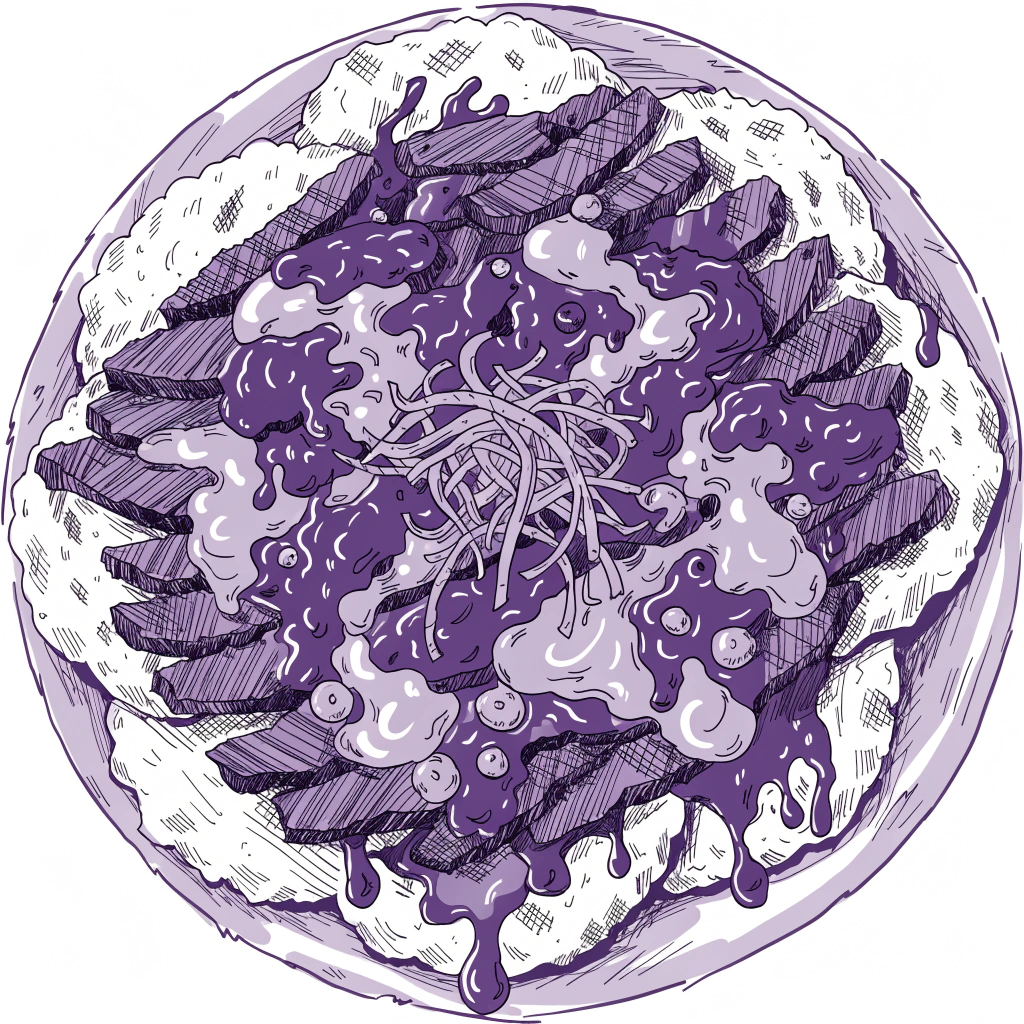
A Famous Food from Turkey
İskender Kebab is a very famous food from Turkey. It comes from a beautiful city called Bursa. A man named İskender Efendi first makes this dish in the 19th century.
The dish is very special. It has thin pieces of meat. The meat is on top of warm bread. There is a delicious tomato sauce on the meat. Then, the waiter puts hot butter on the dish.
Many people eat İskender Kebab with fresh yogurt. It is a very popular meal. People from all over the world go to Bursa to try it. It is very tasty!
Grammar Spotlight
Pattern: Present Simple with 'Be'
"İskender Kebab is a very famous food from Turkey."
We use 'is' because the subject is singular. This pattern is used to talk about facts and descriptions.
Pattern: Present Simple (Action Verbs)
"Many people eat İskender Kebab with fresh yogurt."
We use the base form 'eat' because 'people' is a plural subject. This shows a general habit or truth.
Test Your Understanding
10 questions · A1 Beginner · 1 free preview
Test what you learned from this article. Answer all questions to earn XP!
Where does İskender Kebab come from?
Want to finish the quiz?
9 more questions are waiting for you. Sign up free to unlock the full quiz and earn XP!
Sign Up FreeAlready have an account? Sign In
Question Breakdown
Where does İskender Kebab come from?
Your answer:
Correct answer: Bursa
The dish has tomato sauce on the meat.
Your answer:
Correct answer: True
What does 'delicious' mean?
Your answer:
Correct answer: Very good taste
Many people eat the kebab with fresh _____.
Your answer:
Correct answer: yogurt
The Famous İskender Kebab of Bursa
İskender Kebab is a very famous dish from Turkey. It started in a city called Bursa in the late 19th century. A man named İskender Efendi had a great idea. In the past, people cooked meat horizontally over a fire. But İskender Efendi changed this. He turned the meat upright. This was the first vertical rotisserie.
The meat cooked better because the juices stayed inside. Today, we call this style 'Döner.' İskender Kebab is special because it is not just meat. It is a plate with pieces of bread, tasty tomato sauce, and hot butter on top. It is more delicious than a normal kebab because of these ingredients.
People usually eat it with fresh yogurt on the side. Today, many tourists visit Bursa because they want to try the original recipe. It is one of the most popular meals in Turkish culture. It is famous all over the world now, but the best place to eat it is still its home city.
Grammar Spotlight
Pattern: Past Simple
"İskender Efendi had a great idea."
We use the past simple to talk about actions that finished in the past. To form it, we use the past form of the verb, such as 'had' (from have) or 'started' (from start).
Pattern: Comparatives
"It is more delicious than a normal kebab."
We use comparatives to compare two things. For long adjectives like 'delicious', we use 'more' + adjective + 'than'.
Test Your Understanding
11 questions · A2 Elementary · 1 free preview
Test what you learned from this article. Answer all questions to earn XP!
Where did İskender Kebab first start?
Want to finish the quiz?
10 more questions are waiting for you. Sign up free to unlock the full quiz and earn XP!
Sign Up FreeAlready have an account? Sign In
Question Breakdown
Where did İskender Kebab first start?
Your answer:
Correct answer: Bursa
İskender Efendi cooked his meat horizontally.
Your answer:
Correct answer: False
What does 'delicious' mean?
Your answer:
Correct answer: Tastes very good
It is one of the most _____ meals in Turkish culture.
Your answer:
Correct answer: popular
What do people usually eat on the side of this dish?
Your answer:
Correct answer: Yogurt
The Delicious History of İskender Kebab
Have you ever visited the beautiful city of Bursa in Turkey? If you have, you have probably tasted its most famous dish: İskender Kebab. This delicious meal has been a favorite for locals and tourists for over 150 years.
The story began in the late 19th century with a man named İskender Efendi. Before his invention, meat was usually cooked horizontally over a fire. However, İskender Efendi decided to turn the spit upright. This vertical design allowed the meat to cook more evenly while the juices dripped down, which created a much tastier flavor. This clever idea led to the creation of the "Döner" kebab that is now famous all over the world.
İskender Kebab is a complex dish that consists of several layers. First, thin slices of grilled lamb are placed on top of pieces of warm pita bread. Then, the meat is covered with a rich tomato sauce. The dish is always served with a large portion of fresh yogurt on the side. Finally, hot melted butter is poured over the plate at the table by the waiter, which creates a wonderful smell and sound.
The preparation of this meal requires great skill. The meat must be sliced very thinly, and the butter must be at the perfect temperature. Today, the recipe is still protected by the İskender family in Bursa. Although many restaurants serve similar versions, the original experience is considered unique. This special kebab has become a symbol of Turkish culinary culture, and it shows how a simple change in cooking can create a lasting tradition. It is a meal that has been enjoyed by generations of food lovers.
Grammar Spotlight
Pattern: Present Perfect
"This delicious meal has been a favorite for locals and tourists for over 150 years."
The present perfect (have/has + past participle) is used here to describe an action or state that started in the past and continues to the present.
Pattern: Passive Voice
"The dish is always served with a large portion of fresh yogurt on the side."
The passive voice (is + past participle) is used to focus on the dish rather than the person who serves it.
Test Your Understanding
11 questions · B1 Intermediate · 1 free preview
Test what you learned from this article. Answer all questions to earn XP!
Who was the person responsible for the vertical cooking method in Bursa?
Want to finish the quiz?
10 more questions are waiting for you. Sign up free to unlock the full quiz and earn XP!
Sign Up FreeAlready have an account? Sign In
Question Breakdown
Who was the person responsible for the vertical cooking method in Bursa?
Your answer:
Correct answer: İskender Efendi
The meat for İskender Kebab is typically cooked horizontally today.
Your answer:
Correct answer: False
What is the meaning of 'portion'?
Your answer:
Correct answer: An amount of food for one person
The meat is _____ with a rich tomato sauce.
Your answer:
Correct answer: covered
In which Turkish city did İskender Kebab originate?
Your answer:
Correct answer: Bursa
The Architectural Legacy of Turkish Cuisine: The Evolution of İskender Kebab
Historically, the culinary landscape of the Ottoman Empire was defined by its ability to merge diverse traditions into cohesive and sophisticated dishes. Among these, the İskender Kebab stands as a testament to 19th-century ingenuity. Originating in the bustling city of Bursa, this iconic dish was pioneered by İskender Efendi, a visionary who fundamentally revolutionized the way meat was prepared. Before his intervention, meat was traditionally roasted on a horizontal spit over a fire. However, İskender Efendi realized that by turning the spit upright, he could achieve a more consistent result. This innovation allowed the meat to cook evenly while the juices dripped down, effectively self-basting the roast and creating what we now recognize as the vertical rotisserie.
Having revolutionized the cooking process, İskender Efendi did not stop at the preparation of the meat itself. The dish he curated is an intricate assembly of flavors and textures that requires precise execution. It begins with a foundation of warm, chopped pide bread, which is subsequently topped with thin shavings of succulent döner meat. This is then smothered in a rich, tangy tomato sauce and finished with a generous pour of sizzling browned butter. The inclusion of a side of thick, strained yogurt provides a cooling contrast to the intensity of the savory components. This combination creates a complex sensory experience that balances the richness of the meat with the acidity of the tomatoes and the creaminess of the dairy.
Not only does the dish represent a significant technological leap in gastronomy, but it also reflects a cultural legacy that has transcended national borders. The vertical rotisserie technique eventually laid the groundwork for contemporary street foods globally, such as the Greek gyros or the Arab shawarma. Nevertheless, the original İskender Kebab remains a protected culinary heritage in Turkey, with the family maintaining strict standards over its production. To consume this dish in its authentic form is to participate in a historical ritual that has been refined over a century. Consequently, the dish is often evaluated not merely as a meal, but as an architectural feat of balancing fats, acids, and starches. In conclusion, the İskender Kebab is more than just a staple of Turkish cuisine; it is a symbol of how a single innovative idea can reshape an entire culinary tradition worldwide.
Grammar Spotlight
Pattern: Passive Voice
"this iconic dish was pioneered by İskender Efendi"
The passive voice is used here to focus on the dish rather than the person. It is formed using the verb 'to be' plus the past participle.
Pattern: Perfect Participle Clause
"Having revolutionized the cooking process, İskender Efendi did not stop at the preparation of the meat itself."
Perfect participles (Having + past participle) show that one action was completed before another. It adds a formal, academic tone to the narrative.
Pattern: Inversion with Negative Adverbials
"Not only does the dish represent a significant technological leap in gastronomy, but it also reflects a cultural legacy"
When 'Not only' starts a sentence, the auxiliary verb comes before the subject. This structure is used for emphasis in formal B2 English.
Test Your Understanding
11 questions · B2 Upper Intermediate · 1 free preview
Test what you learned from this article. Answer all questions to earn XP!
What was the primary innovation introduced by İskender Efendi regarding meat preparation?
Want to finish the quiz?
10 more questions are waiting for you. Sign up free to unlock the full quiz and earn XP!
Sign Up FreeAlready have an account? Sign In
Question Breakdown
What was the primary innovation introduced by İskender Efendi regarding meat preparation?
Your answer:
Correct answer: Changing the orientation of the spit from horizontal to vertical
The İskender Kebab is considered a protected culinary heritage in Turkey.
Your answer:
Correct answer: True
What does 'transcended' mean in the context of the article?
Your answer:
Correct answer: Went beyond national boundaries
İskender Efendi realized that an upright spit would lead to a more _____ result.
Your answer:
Correct answer: consistent
According to the text, how is the dish often evaluated beyond being a simple meal?
Your answer:
Correct answer: As an architectural feat of balance
The Vertical Revolution: Deconstructing the Culinary Legacy of İskender Efendi
Seldom has a culinary innovation reshaped a nation’s gastronomic identity as profoundly as the vertical rotisserie. Originating in the late 19th-century Ottoman city of Bursa, the İskender Kebab represents more than a mere meal; it is a testament to the ingenuity of İskender Efendi. Before his intervention, meat was traditionally roasted over horizontal pits, a method that often resulted in uneven heat distribution and the loss of precious juices. It was his radical decision to upend the spit that catalyzed a global shift in meat preparation, giving birth to what we now recognize as the Döner.
At the heart of this dish lies a meticulous assembly that transcends the simplicity of street food. The base consists of pita bread, specifically 'pide' cubes, which act as a reservoir for the rich flavors to follow. Layered atop this are thin shavings of lamb, sourced from animals grazed on the aromatic herbage of the Uludağ mountains. However, the true essence of the dish is found in the juxtaposition of temperatures and textures. The searing heat of the meat is countered by a generous dollop of cool, strained yogurt, while a vibrant tomato coulis provides an acidic brightness that cuts through the richness of the fat.
The final touch, often performed table-side with theatrical flair, involves the cascading of sizzling clarified butter over the assembled plate. This ritualistic pouring is not merely for show; it serves to emulsify the various components, creating a cohesive sensory experience. From a critical perspective, the dish’s enduring popularity can be attributed to this complex flavor profile, which balances umami, acidity, and creaminess in a single bite.
Furthermore, the lineage of the İskender Kebab raises interesting questions regarding culinary authenticity in an era of globalization. While the ubiquitous nature of the 'Doner Kebab' has led to various international iterations—some of which bear little resemblance to the original—the İskender family maintains a strict adherence to their ancestral methods. This commitment to heritage serves as a bulwark against the ephemeral trends of modern fast food. The meticulous selection of meat and the specific wood-fire grilling process are guarded secrets that define the brand's prestige.
In conclusion, the İskender Kebab is not simply a product of Bursa’s history; it is a living artifact of Ottoman ingenuity. The transition from horizontal to vertical roasting was a pivot point that altered the trajectory of global cuisine. By analyzing its components, from the clarified butter to the specific lineage of the lamb, one gains a deeper appreciation for the sophisticated craftsmanship required to maintain such a high standard of gastronomic excellence. It remains a definitive example of how a single inventive spirit can redefine a cultural staple for generations to come.
Grammar Spotlight
Pattern: Negative Inversion
"Seldom has a culinary innovation reshaped a nation’s gastronomic identity as profoundly as the vertical rotisserie."
When using negative or restrictive adverbs like 'seldom' or 'never' at the beginning of a sentence for emphasis, the auxiliary verb is placed before the subject.
Pattern: It-Cleft Sentences
"It was his radical decision to upend the spit that catalyzed a global shift in meat preparation."
Cleft sentences use 'It + be + focus + relative clause' to emphasize a specific piece of information, in this case, the decision itself as the primary cause.
Pattern: Nominalization
"The meticulous assembly of the dish transcends the simplicity of street food."
Nominalization involves turning verbs (assemble) or adjectives into nouns (assembly) to create a more formal, objective, and academic tone characteristic of C1 level writing.
Test Your Understanding
12 questions · C1 Advanced · 1 free preview
Test what you learned from this article. Answer all questions to earn XP!
What was the primary technical innovation introduced by İskender Efendi?
Want to finish the quiz?
11 more questions are waiting for you. Sign up free to unlock the full quiz and earn XP!
Sign Up FreeAlready have an account? Sign In
Question Breakdown
What was the primary technical innovation introduced by İskender Efendi?
Your answer:
Correct answer: Changing the orientation of the roasting spit from horizontal to vertical
The article suggests that the clarified butter is added primarily for visual entertainment.
Your answer:
Correct answer: False
Which word describes something that is found everywhere?
Your answer:
Correct answer: Ubiquitous
The İskender family views their adherence to tradition as a _____ against modern fast food trends.
Your answer:
Correct answer: bulwark
According to the text, what role does the yogurt play in the dish's flavor profile?
Your answer:
Correct answer: It provides a cool contrast to the hot meat
The author argues that modern global versions of the Doner Kebab always maintain the same high quality as the original.
Your answer:
Correct answer: False
The Vertical Revolution: An Ontological Deconstruction of the İskender Kebab
The genesis of the İskender kebab is not merely a footnote in Ottoman culinary annals; rather, it represents a profound ontological shift in the praxis of meat preparation. In the late 19th century, within the burgeoning urbanity of Bursa, İskender Efendi conceptualized a vertical orientation for the traditional horizontal spit. Were one to scrutinize the physics of this innovation, the genius becomes apparent: by upending the spit, the adipose tissues melt and cascade over the roasting muscle, ensuring a self-basting mechanism that precludes the desiccation inherent in horizontal roasting. This was no mere caprice of a restless cook, but a calculated disruption of a centuries-old gastronomic paradigm. Rarely has a single culinary innovation so thoroughly redefined the gastronomic landscape of a nation, transitioning from a localized novelty to a quintessential symbol of Turkish culinary identity.
The dish itself is a masterclass in the juxtaposition of textures and temperatures, demanding a meticulous assembly that borders on the ritualistic. At its foundation lies a bed of 'pide' bread, meticulously cubed and toasted to provide a structural counterpoint to the succulent slivers of lamb. These slices of meat, shaved with surgical precision from the rotating mass, are subsequently blanketed in a robust, yet nuanced, tomato sauce. However, the pièce de résistance is the final act: the pouring of clarified, browned butter over the ensemble. This auditory and olfactory event—the sizzle of the fat meeting the sauce—serves as a visceral harbinger of the feast to come. The inclusion of a dollop of strained, high-fat yogurt provides a necessary acidity, tempering the richness of the butter and meat, and creating a sensory dialectic that is as complex as it is satisfying.
Should the discerning epicure seek the zenith of Anatolian refinement, they must look beyond the mere ingredients to the provenance of the meat itself. Traditionalists argue that the sheep must be grazed upon the thyme-scented slopes of Mount Uludağ, for it is this specific diet that imbues the fat with its ephemeral, floral notes. To treat the İskender kebab as mere fast food is to ignore the historical weight it carries. It is a dish that has survived the transition from Empire to Republic, ostensibly unchanged, yet constantly reinterpreted by modern chefs. Nevertheless, the core of the experience remains rooted in Bursa, where the lineage of the İskender family continues to guard the secrets of their ancestor’s craft.
In the contemporary era, the global proliferation of the 'döner' has led to a certain dilution of the original concept. While the vertical rotisserie is now ubiquitous from London to Tokyo, the specific harmony of the İskender remains elusive to those who lack the patience for its meticulous preparation. The satiety provided by the dish is not merely physiological; it is an intellectual fulfillment derived from witnessing the survival of a 150-year-old tradition. Having been refined through generations, the dish stands as a testament to the fact that true culinary excellence requires no radical reinvention, only the perfection of an inspired idea. As the butter cascades over the meat, one is reminded that in the realm of gastronomy, the simplest innovations often yield the most profound legacies. Thus, the İskender kebab remains a visceral link to the past, a savory bridge across the chasm of modernization.
Grammar Spotlight
Pattern: Negative Inversion
"Rarely has a single culinary innovation so thoroughly redefined the gastronomic landscape of a nation."
This structure places a negative or restrictive adverb at the beginning of the sentence for emphasis, requiring the auxiliary verb to come before the subject. It is used in formal writing to create a more dramatic or scholarly tone.
Pattern: Subjunctive Mood (Inverted Conditionals)
"Were one to scrutinize the physics of this innovation, the genius becomes apparent."
The 'were... to' structure is a formal way of expressing a hypothetical or unlikely condition in the present or future. It replaces 'If one were to' and is highly characteristic of academic and high-level C2 prose.
Pattern: Past Participle Clauses
"Having been refined through generations, the dish stands as a testament to the fact that true culinary excellence requires no radical reinvention."
These clauses allow for the condensation of information, indicating that one action was completed before another or providing background context for the main clause. It enhances the narrative flow and syntactic complexity.
Test Your Understanding
12 questions · C2 Mastery · 1 free preview
Test what you learned from this article. Answer all questions to earn XP!
What was the primary physical benefit of İskender Efendi's vertical spit innovation?
Want to finish the quiz?
11 more questions are waiting for you. Sign up free to unlock the full quiz and earn XP!
Sign Up FreeAlready have an account? Sign In
Question Breakdown
What was the primary physical benefit of İskender Efendi's vertical spit innovation?
Your answer:
Correct answer: It facilitated a self-basting process that prevented the meat from drying out.
The article suggests that the 'döner' found worldwide is an exact and perfect replica of the original İskender kebab.
Your answer:
Correct answer: False
Which word describes the place of origin or history of the meat used in the dish?
Your answer:
Correct answer: Provenance
The sizzle of the fat is described as a _____ harbinger of the feast to come.
Your answer:
Correct answer: visceral
According to the text, why is the diet of the sheep considered important by traditionalists?
Your answer:
Correct answer: It imparts subtle floral scents to the fat of the animal.
The yogurt in the dish is intended to provide acidity and balance the richness of the other ingredients.
Your answer:
Correct answer: True
