
Türkiye
Turkey
About Turkey
Turkey is a transcontinental nation bridging Europe and Asia, serving as a historic crossroads of civilizations for millennia. From the ancient ruins of the Hittites and Romans to the grand architecture of the Byzantine and Ottoman Empires, the country offers a unique blend of Eastern and Western cultural identities set against a diverse landscape of Mediterranean coasts and Anatolian mountains.
Quick Facts
Capital
Ankara
Population
84,339,067
Region
Asia · Western Asia
Currency
Turkish Lira (TRY)
Languages Spoken

Turkish
Türkçe
Did You Know?
Turkey is home to two of the Seven Wonders of the Ancient World: the Temple of Artemis at Ephesus and the Mausoleum at Halicarnassus.
Istanbul is the only city in the world that straddles two continents, Europe and Asia, separated by the Bosphorus Strait.
Saint Nicholas, the historical figure behind Santa Claus, was born in the town of Patara on Turkey's Mediterranean coast in the 3rd century.
The world's first ever university is said to have been founded in Harran, southeastern Turkey, dating back to the 8th century.
Famous Landmarks
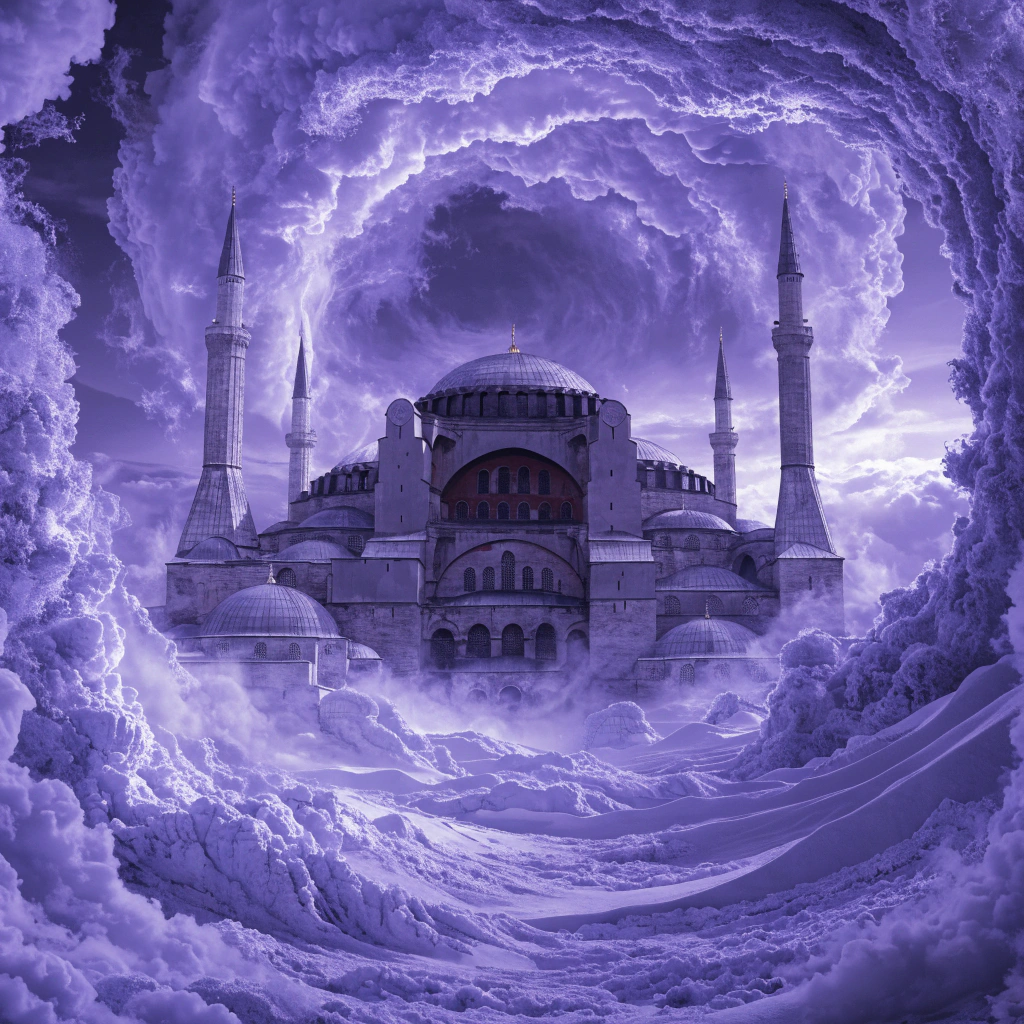
Hagia Sophia
An architectural masterpiece in Istanbul that has stood for 1,500 years as a symbol of shifting empires and religious harmony.
Read more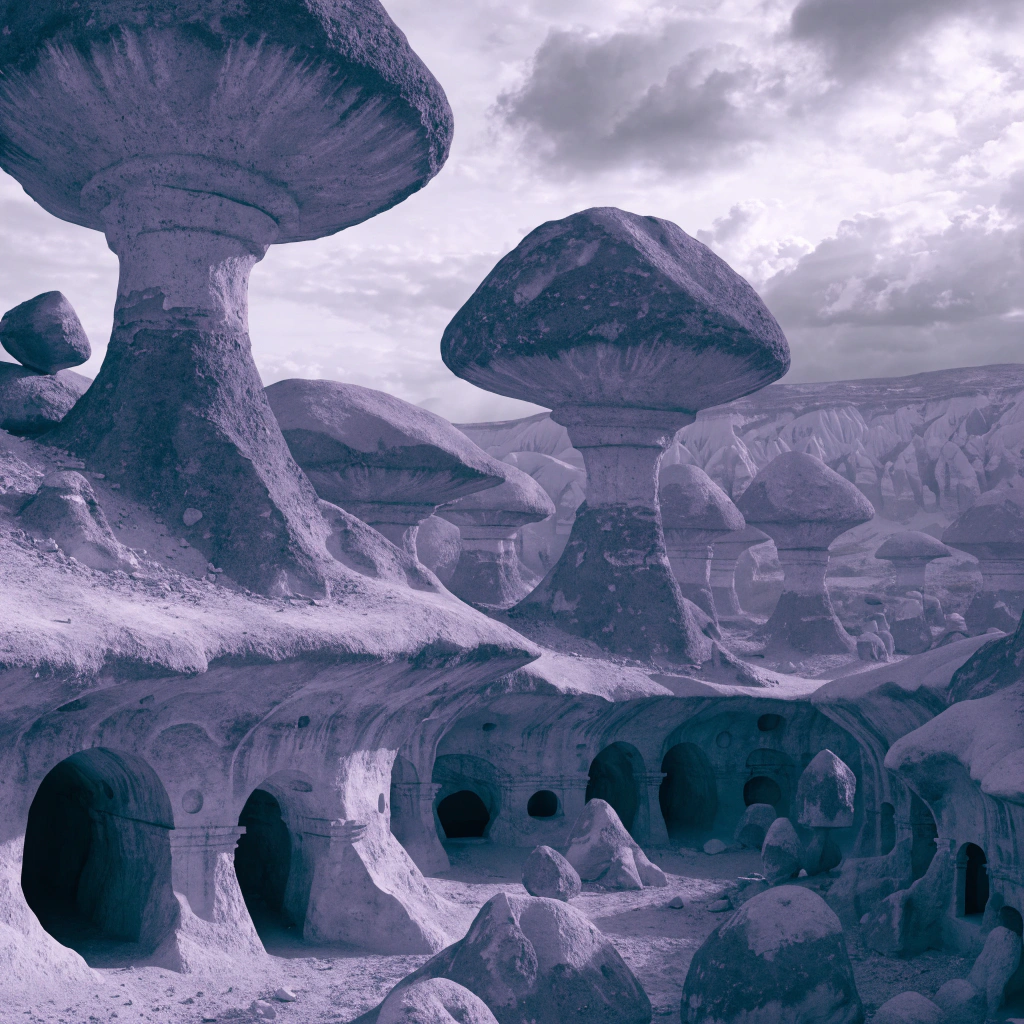
Cappadocia
A surreal landscape of volcanic rock formations, ancient cave dwellings, and underground cities in the heart of central Anatolia.
Read more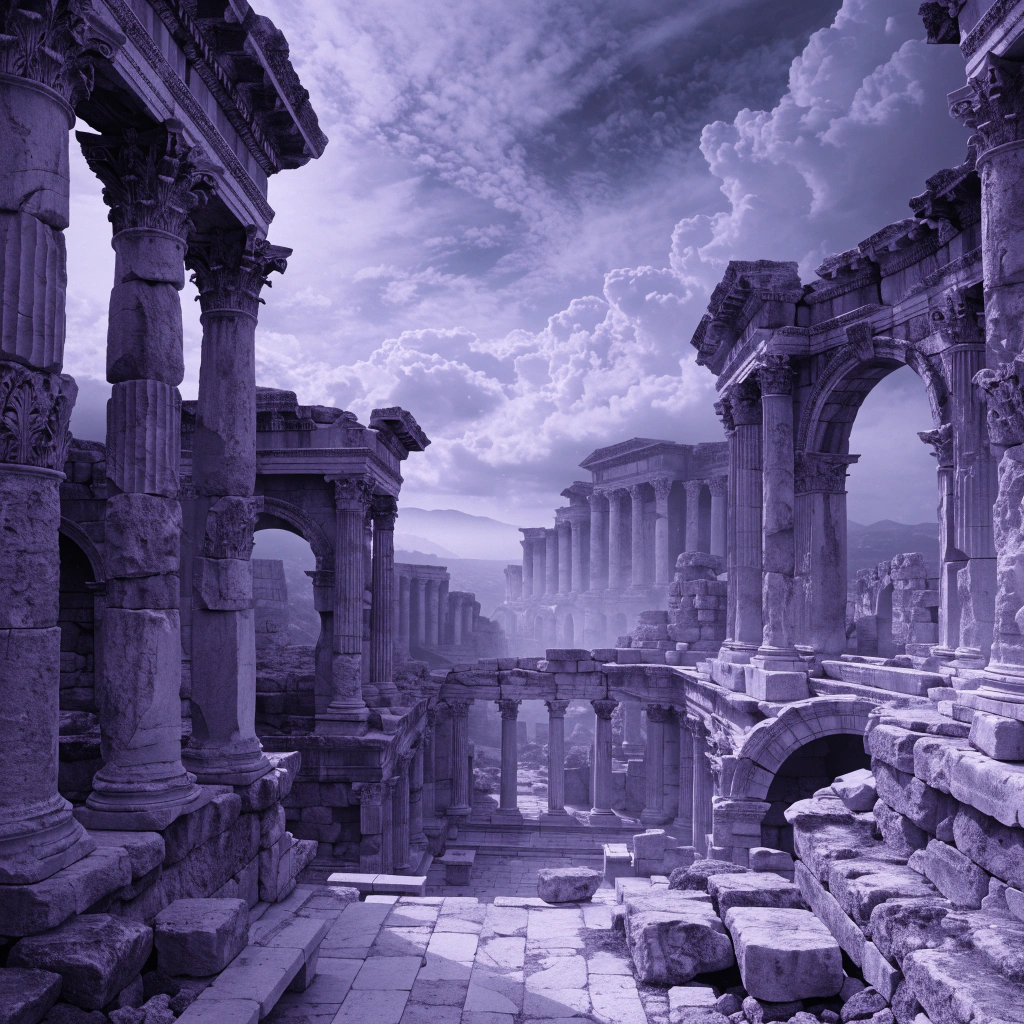
Ephesus
One of the best-preserved Greco-Roman cities in the Mediterranean, showcasing the grandeur of the ancient world's commercial and religious life.
Read more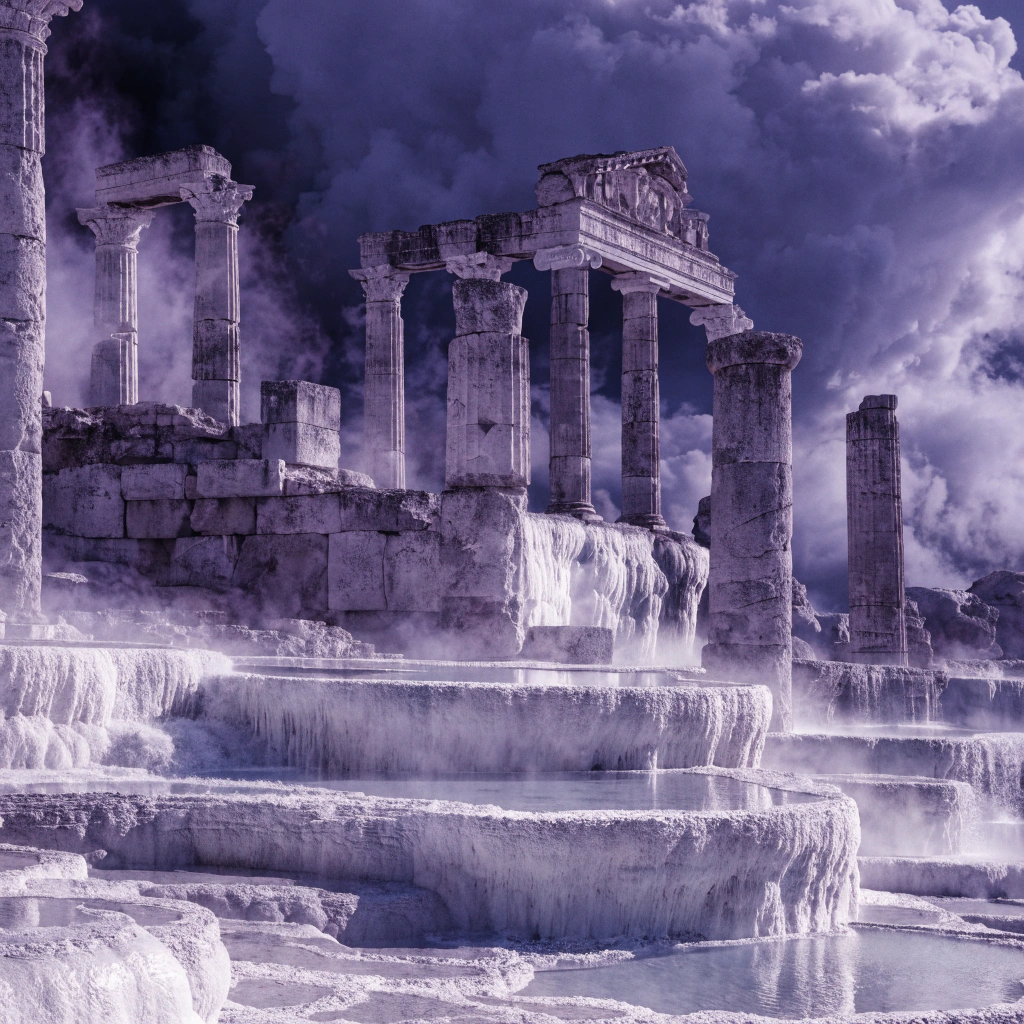
Pamukkale
A stunning natural site of white travertine terraces and thermal springs, crowned by the ruins of the ancient Roman spa city of Hierapolis.
Read moreCuisine
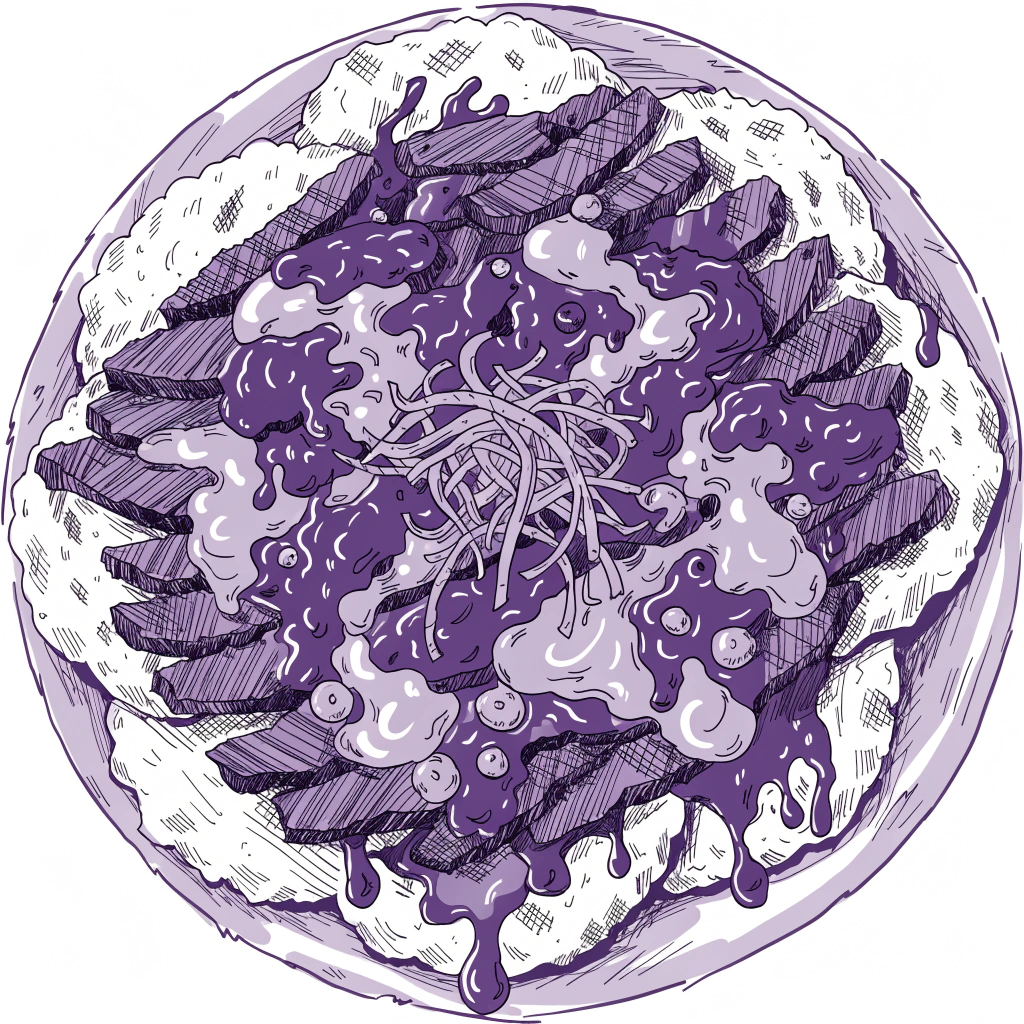
İskender Kebab
A signature Northwest Turkish dish consisting of thinly sliced grilled lamb topped with hot tomato sauce over pieces of pita bread and slathered with melted sheep's butter and yogurt.
Read more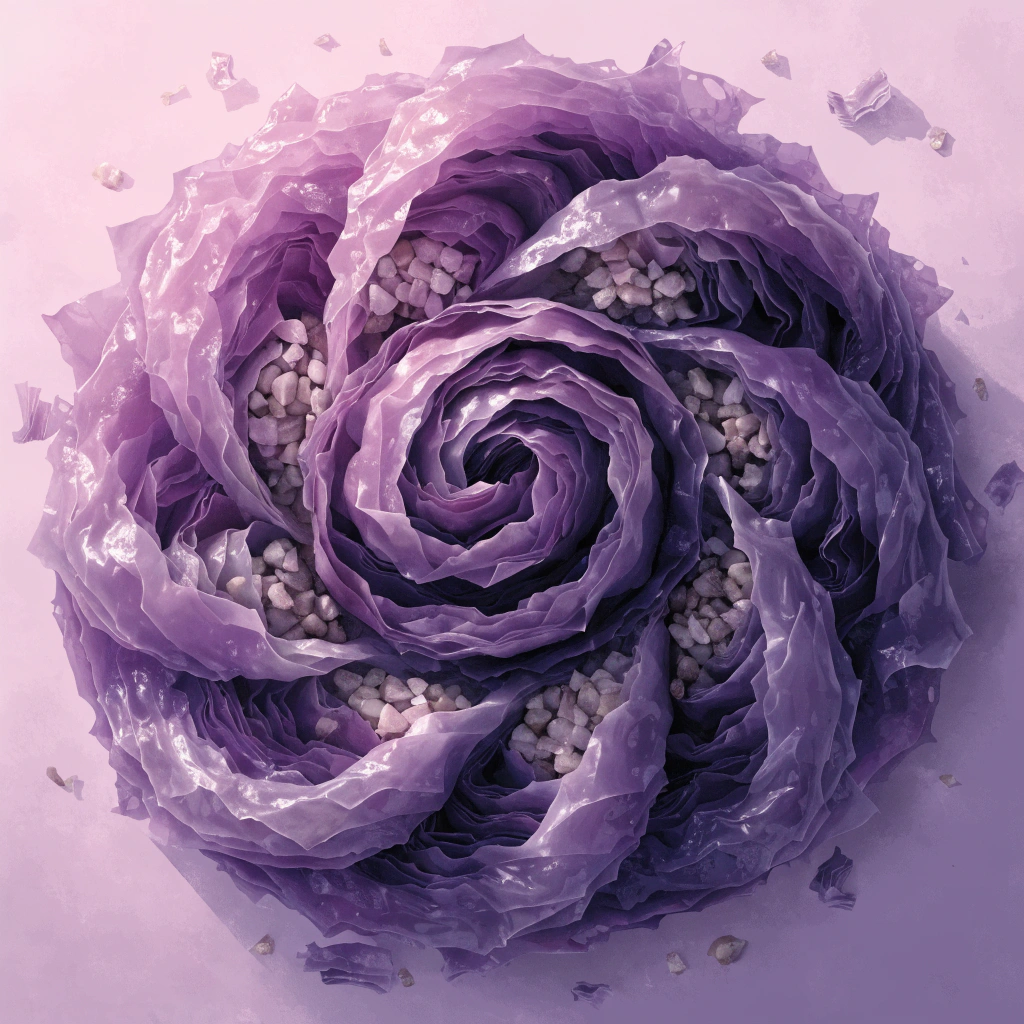
Baklava
A rich, sweet dessert made of dozens of layers of paper-thin phyllo pastry filled with chopped nuts and sweetened with a delicate sugar syrup.
Read more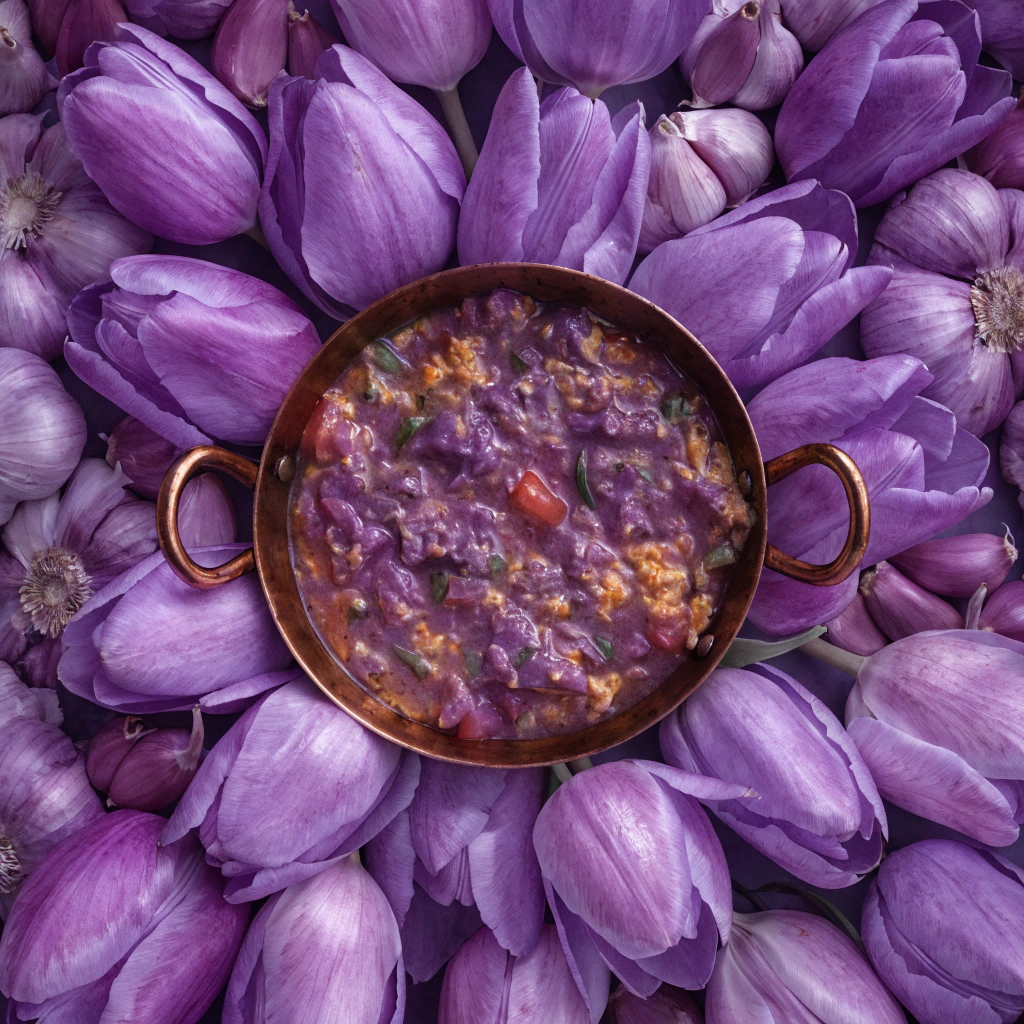
Menemen
A beloved traditional Turkish breakfast dish made from eggs, tomatoes, green peppers, and spices, typically cooked and served in a small copper frying pan.
Read more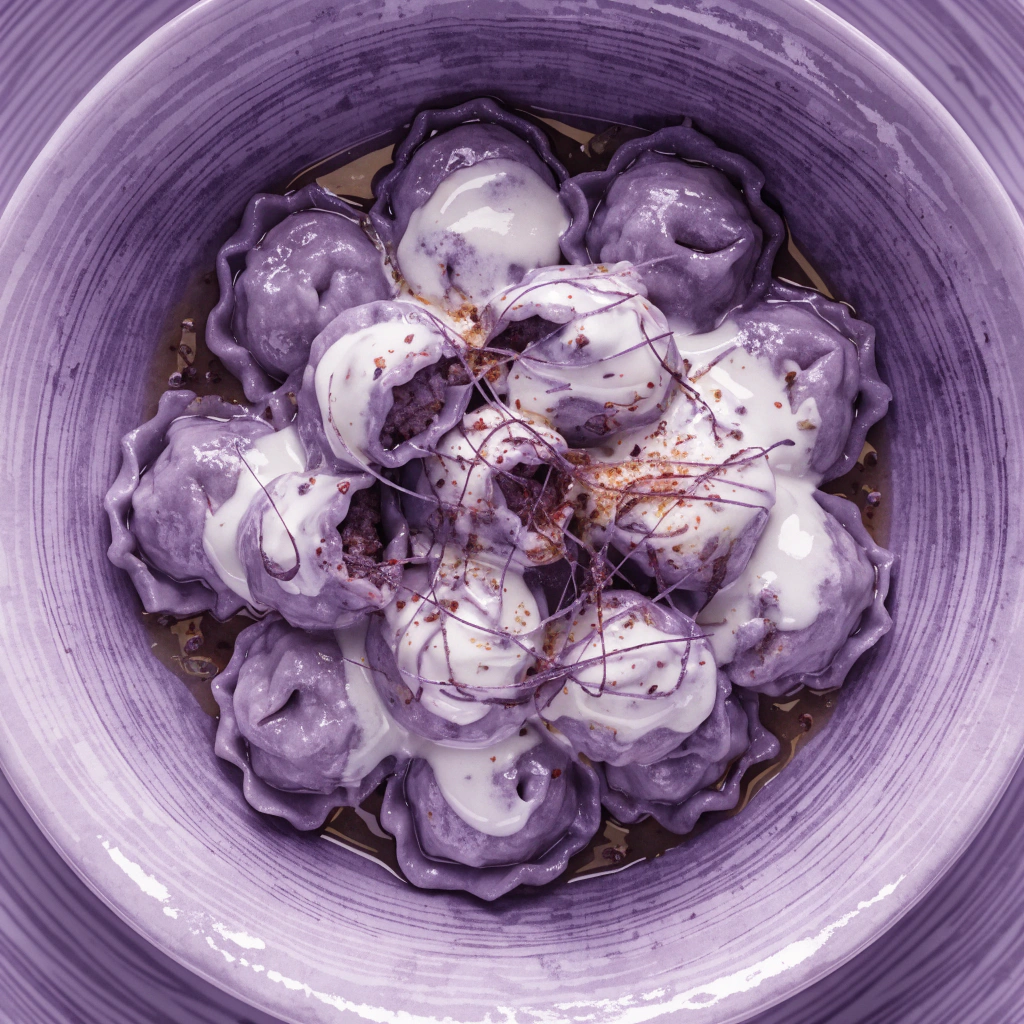
Mantı
Small, handmade dumplings filled with spiced ground meat, topped with a garlic yogurt sauce and a drizzle of spicy melted butter or oil.
Read moreMusic & Arts
Turkey's music and arts traditions are a vibrant mosaic of Central Asian roots, Anatolian heritage, and Ottoman refinement. From the spiritual whirling of the Mevlevi dervishes to the intricate water-marbled patterns of Ebru, these forms emphasize the connection between the physical and the divine. Key instruments like the ney and bağlama provide the soulful soundtrack to a culture that values both poetic depth and communal storytelling.
Traditional Arts
Events & Festivals
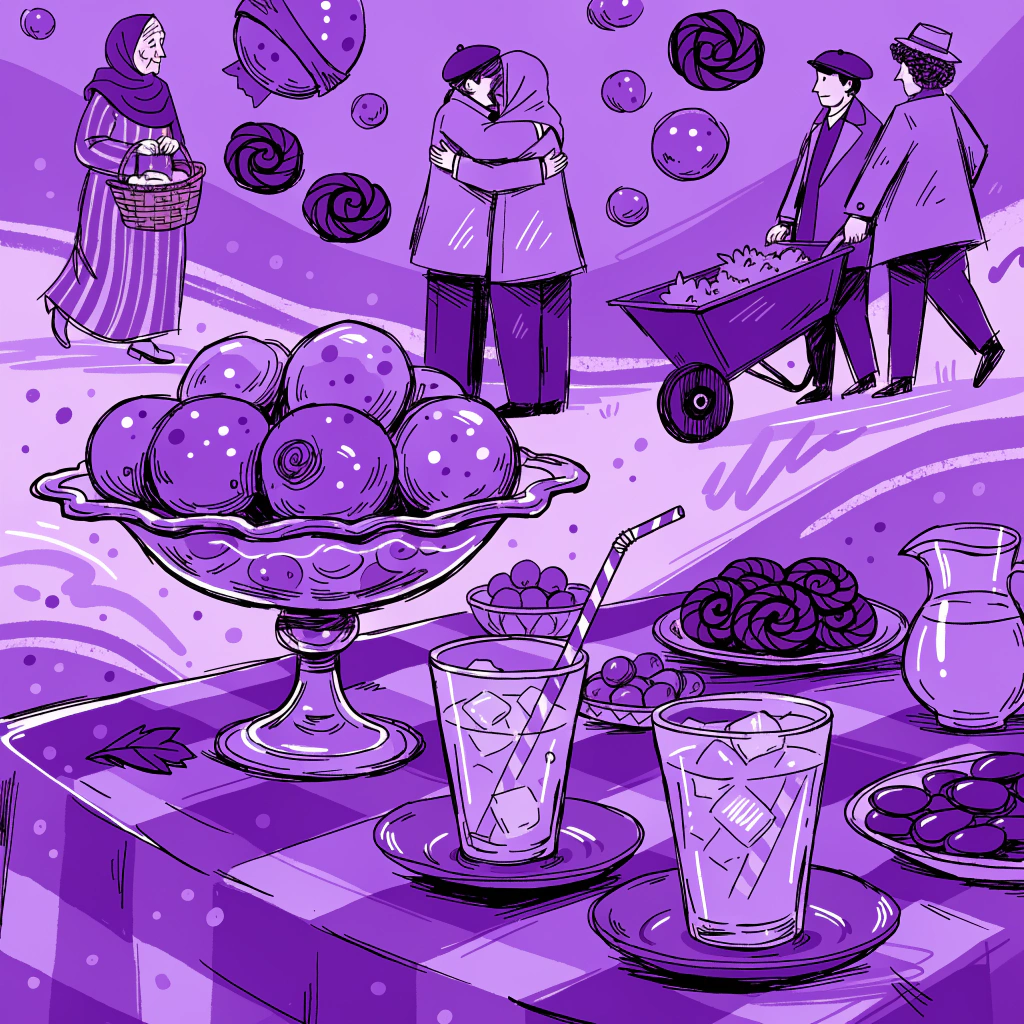
Ramazan Bayramı (Ramadan Feast)
March 20-22 (Dates vary annually based on the Lunar Calendar)A joyous three-day religious festival marking the end of the holy month of Ramadan, celebrated with sweets, family visits, and charity.
Read more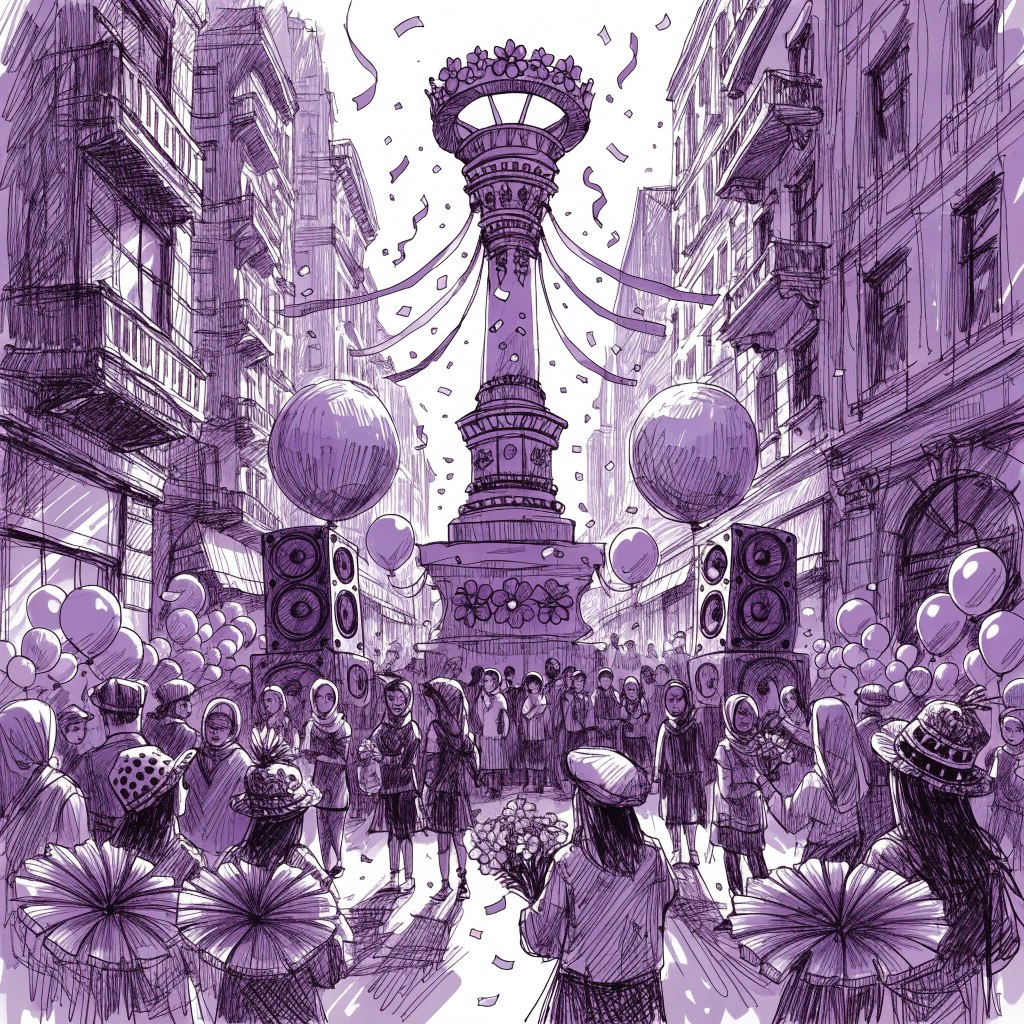
National Sovereignty and Children's Day
April 23A unique national holiday dedicated to children, commemorating the foundation of the Turkish Parliament in 1920.
Read more
Hıdırellez
May 5-6An ancient spring festival celebrating the meeting of the prophets Hızır and İlyas on Earth, marked by rituals of renewal and wish-making.
Read more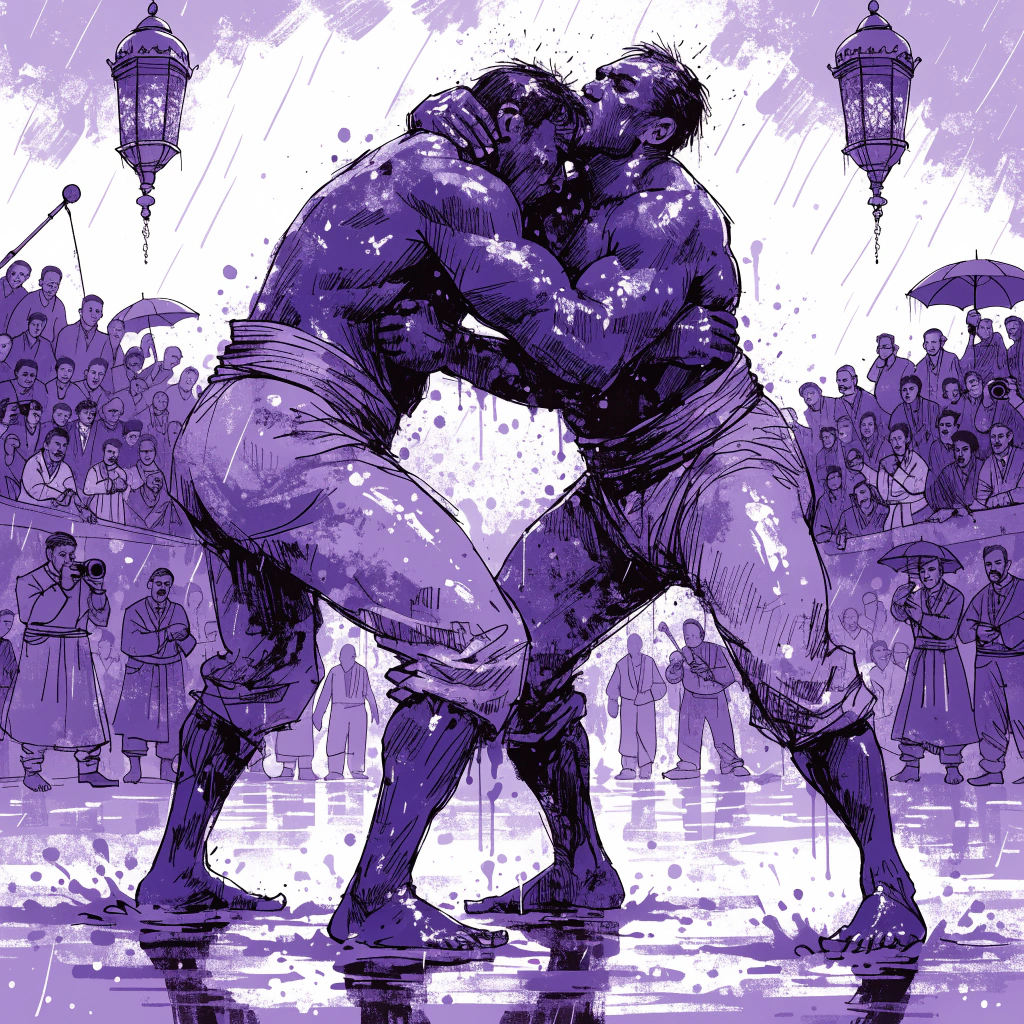
Kırkpınar Oil Wrestling Festival
Late June or Early JulyThe world's oldest continuously running sporting event, where oil-covered 'pehlivans' compete for the prestigious Golden Belt in Edirne.
Read more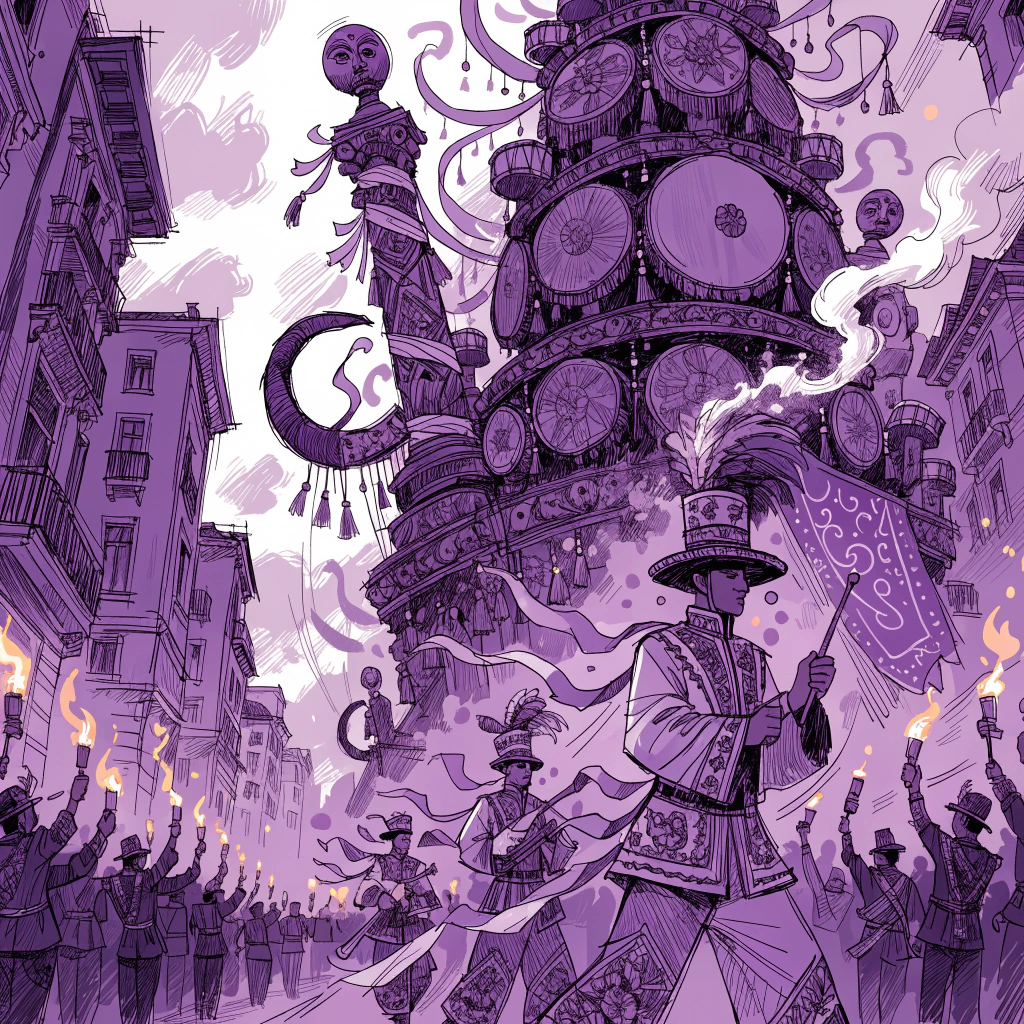
Republic Day (Cumhuriyet Bayramı)
October 29Turkey's premier national holiday, celebrating the 1923 proclamation of the Republic with grand parades and evening torchlight processions.
Read moreTravel Phrases
Günaydın
Good morning / Greeting
Teşekkür ederim
Thank you
Merhaba
Hello
Nasılsınız?
How are you?
Lütfen
Please
Affedersiniz
Excuse me / Sorry
Lifestyle & Customs
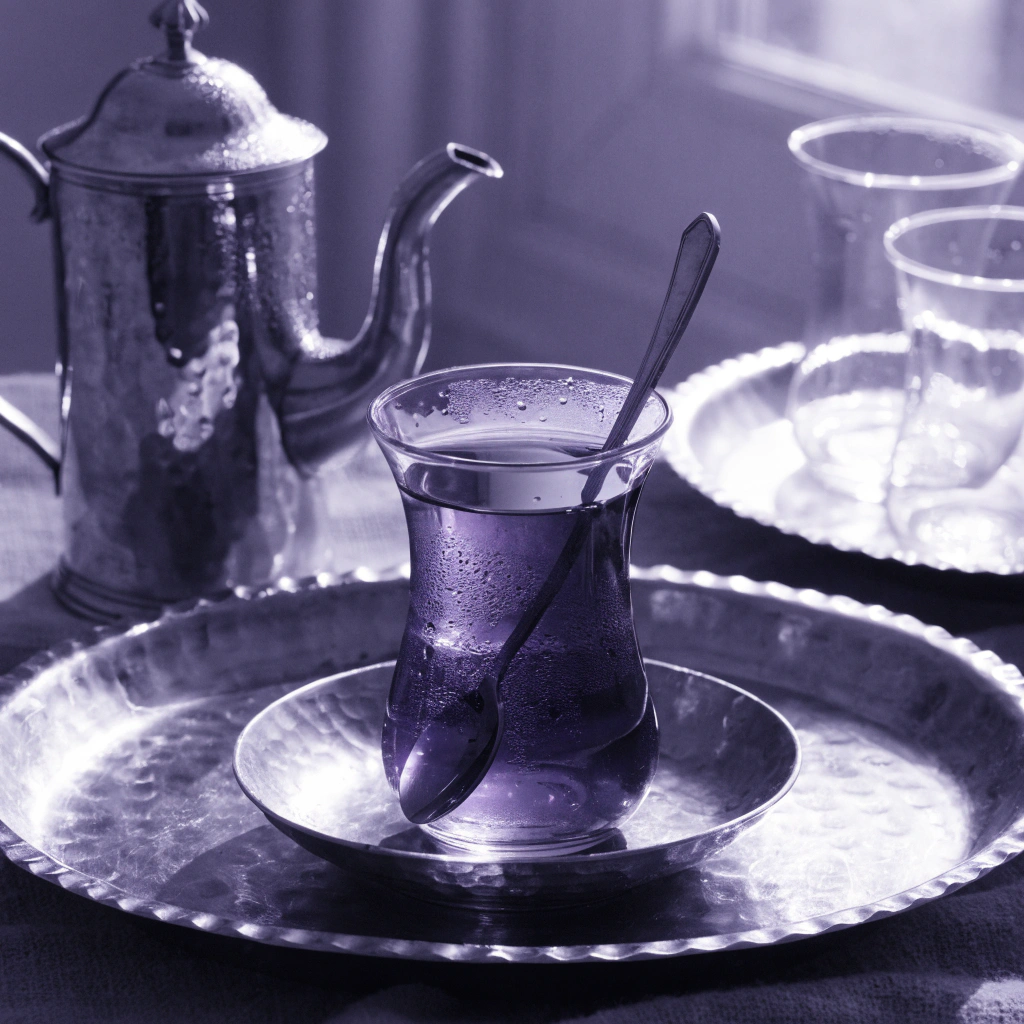
Turkish Tea Culture (Çay)
More than just a beverage, Turkish tea is the cornerstone of hospitality, representing friendship and social connection across all walks of life.
Read more
Nazar Boncuğu: The Evil Eye Amulet
A blue glass eye-shaped bead used for centuries to ward off the 'nazar' or jealous glare, deeply embedded in Turkish daily life and décor.
Read more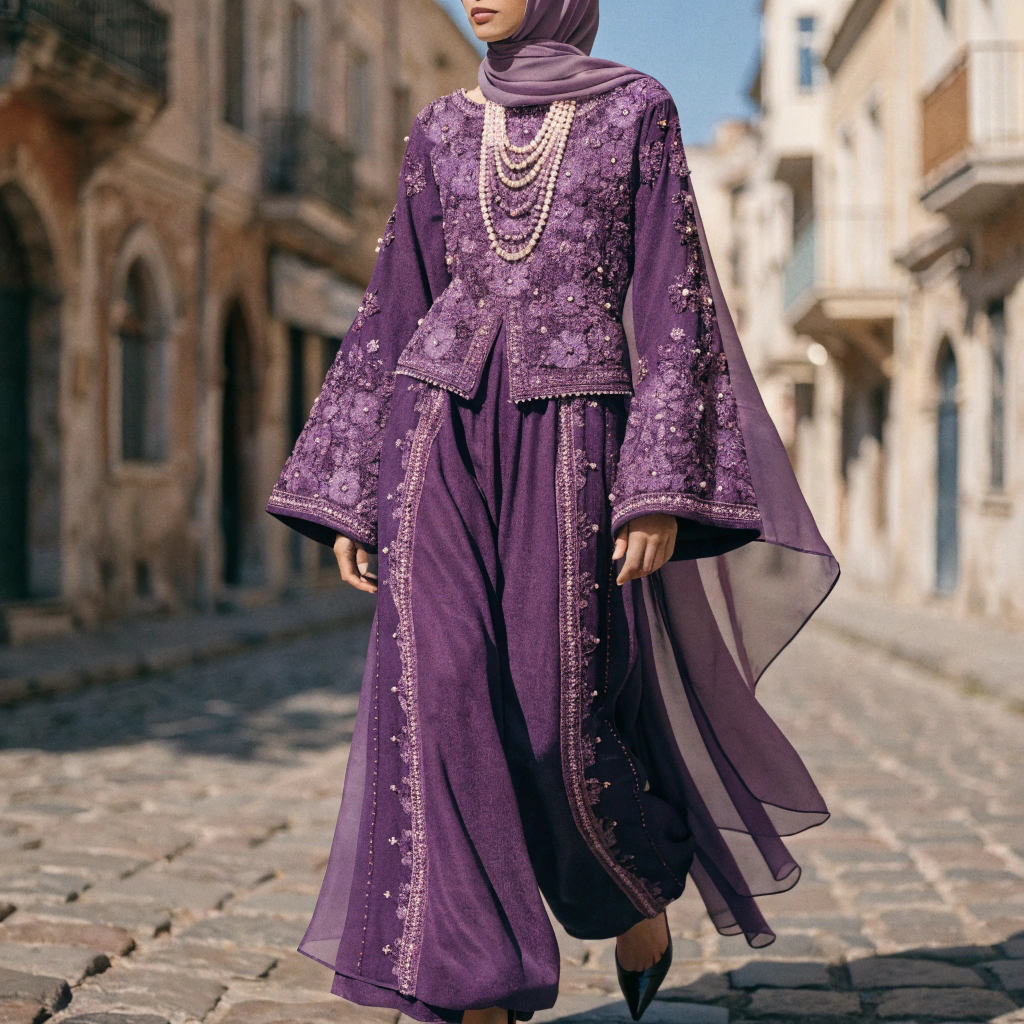
Turkish Traditional Dress: The Legacy of the Kaftan and Shalwar
A vibrant fusion of Central Asian roots and Ottoman refinement, traditional Turkish attire is defined by flowing silhouettes, intricate embroidery, and functional elegance.
Read moreEtiquette Tips
Remove your shoes before entering a Turkish home or a mosque.
Point the soles of your feet toward someone, as it is considered disrespectful.
Accept an offer of tea (çay) as a gesture of hospitality, even if you only take a few sips.
Refuse a host's offer of food or drink without a polite gesture, such as placing your hand over your heart.
Dress modestly when visiting religious sites, ensuring shoulders and knees are covered.
Take photos of people praying or walk directly in front of them while they are in prayer.
Show respect to the elderly by using formal titles like 'Bey' (Mr.) or 'Hanım' (Ms.).
Speak loudly or behave disruptively in public, particularly during the call to prayer (Ezan).
Explore more countries in Western Asia


Learn Turkish to connect with Turkey
Start learning Turkish with videos, exercises, and AI-powered tools on SubLearn.
Start Learning