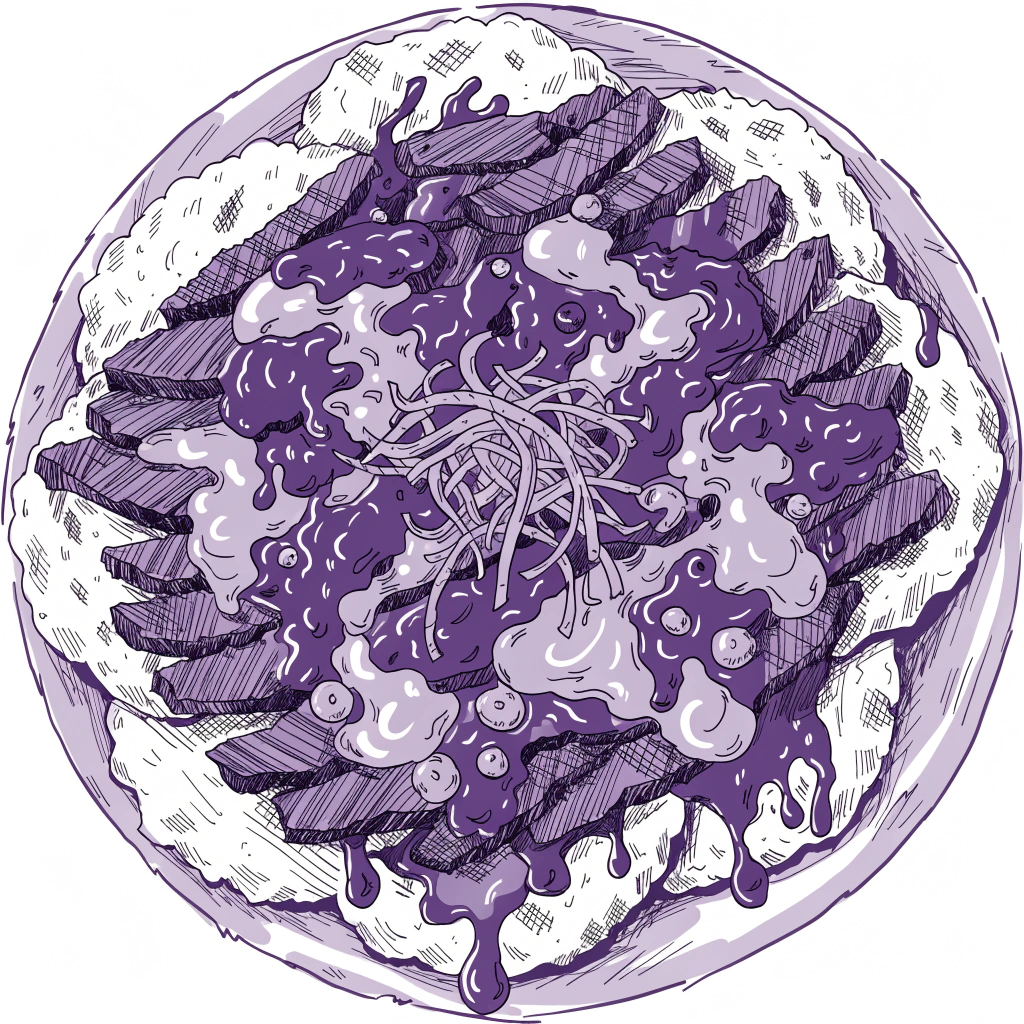
맛있는 터키 음식: 이스켄데르 케밥
터키 부르사에 아주 맛있는 음식이 있습니다. 그 이름은 '이스켄데르 케밥'입니다. 이 음식은 19세기 이스켄데르 에펜디 씨가 만들었습니다. 에펜디 씨는 고기를 특별한 방법으로 요리했습니다. 그는 고기를 세워서 구웠습니다. 이렇게 하니까 고기 육즙이 아래로 흘러내렸습니다. 이 육즙은 고기를 더 부드럽고 맛있게 만들었습니다. 지금 이스켄데르 케밥은 터키에서 아주 유명한 음식입니다. 많은 사람들이 이 음식을 정말 좋아합니다. 터키에 가면 꼭 드셔보세요!
문법 스포트라이트
패턴: -ㅂ니다/습니다 (공손한 종결어미)
"터키 부르사에 아주 맛있는 음식이 있습니다."
문장에서 주어의 행동이나 상태를 공손하게 말할 때 사용합니다. 동사나 형용사 뒤에 붙어서 문장을 끝냅니다.
패턴: -이/가 (주격 조사)
"고기 육즙이 아래로 흘러내렸습니다."
문장에서 주어가 무엇인지 알려주는 조사입니다. 명사에 받침이 있으면 '이'를 쓰고, 받침이 없으면 '가'를 씁니다.
이해도를 테스트하세요
10 질문 · A1 초급 · 무료 미리보기 1회
이 기사에서 배운 내용을 테스트하세요. 모든 질문에 답하여 XP를 획득하세요!
이스켄데르 케밥은 어느 나라 음식입니까?
문제별 결과
이스켄데르 케밥은 어느 나라 음식입니까?
내 답변:
정답: 터키
이스켄데르 에펜디 씨는 20세기에 케밥을 만들었습니다.
내 답변:
정답: 거짓
'유명한'은 무슨 뜻입니까?
내 답변:
정답: 잘 알려진
이스켄데르 에펜디 씨는 고기를 _____ 구웠습니다.
내 답변:
정답: 세워서
맛있는 터키 음식: 이스켄데르 케밥 이야기
이스켄데르 케밥은 터키의 아주 유명한 음식입니다. 이 음식은 19세기 후반에 부르사라는 도시에서 시작되었습니다. 한 남자, 이스켄데르 에펜디가 이 케밥을 만들었습니다.
그는 고기를 굽는 방법을 바꾸었습니다. 예전에는 고기를 수평으로 놓고 구웠습니다. 하지만 이스켄데르 에펜디는 고기를 수직으로 세워서 구웠습니다. 고기가 세워지면서 아래로 천천히 회전했습니다. 이렇게 고기를 구우면 고기 즙이 아래로 떨어지면서 고기가 더 맛있고 부드러워졌습니다. 이것이 오늘날 우리가 아는 '되네르'의 시작입니다.
이스켄데르 케밥은 그냥 되네르가 아닙니다. 이 음식은 얇게 썬 고기, 따뜻한 빵 조각, 특별한 토마토 소스, 그리고 신선한 요구르트와 녹인 버터로 만듭니다. 이 모든 재료가 어우러져 정말 특별한 맛을 냅니다. 터키에 가면 꼭 이스켄데르 케밥을 먹어보세요. 아주 맛있는 경험이 될 것입니다.
문법 스포트라이트
패턴: -았/었/였습니다 (Past Tense)
"이스켄데르 에펜디가 이 케밥을 만들었습니다."
이 문법은 과거에 일어난 일을 말할 때 사용합니다. 동사나 형용사 뒤에 붙여서 '했습니다' 또는 '했습니다'와 같은 의미를 만듭니다. 예를 들어, '먹다'는 '먹었습니다'가 됩니다.
패턴: -(으)면서 (while doing / as something happens)
"고기가 세워지면서 아래로 천천히 회전했습니다."
이 문법은 두 가지 행동이나 상황이 동시에 일어날 때 사용합니다. 'A를 하면서 B를 합니다'와 같이 씁니다. 동사 뒤에 붙여서 '동시에'라는 의미를 나타냅니다.
이해도를 테스트하세요
11 질문 · A2 초등급 · 무료 미리보기 1회
이 기사에서 배운 내용을 테스트하세요. 모든 질문에 답하여 XP를 획득하세요!
이스켄데르 케밥은 어느 나라 음식입니까?
문제별 결과
이스켄데르 케밥은 어느 나라 음식입니까?
내 답변:
정답: 터키
이스켄데르 에펜디는 고기를 수직으로 세워서 굽는 방법을 만들었습니다.
내 답변:
정답: 참
'유명하다'는 무슨 뜻입니까?
내 답변:
정답: 많은 사람이 알거나 좋아하다
이스켄데르 케밥은 얇게 썬 고기, 빵, 토마토 소스, 요구르트 그리고 녹인 _____으로 만듭니다.
내 답변:
정답: 버터
이스켄데르 에펜디가 고기를 세워서 구운 이유는 무엇입니까?
내 답변:
정답: 고기 즙이 떨어지면서 더 맛있고 부드러워지기 위해서
The Delicious History of İskender Kebab
Have you ever visited the beautiful city of Bursa in Turkey? If you have, you have probably tasted its most famous dish: İskender Kebab. This delicious meal has been a favorite for locals and tourists for over 150 years.
The story began in the late 19th century with a man named İskender Efendi. Before his invention, meat was usually cooked horizontally over a fire. However, İskender Efendi decided to turn the spit upright. This vertical design allowed the meat to cook more evenly while the juices dripped down, which created a much tastier flavor. This clever idea led to the creation of the "Döner" kebab that is now famous all over the world.
İskender Kebab is a complex dish that consists of several layers. First, thin slices of grilled lamb are placed on top of pieces of warm pita bread. Then, the meat is covered with a rich tomato sauce. The dish is always served with a large portion of fresh yogurt on the side. Finally, hot melted butter is poured over the plate at the table by the waiter, which creates a wonderful smell and sound.
The preparation of this meal requires great skill. The meat must be sliced very thinly, and the butter must be at the perfect temperature. Today, the recipe is still protected by the İskender family in Bursa. Although many restaurants serve similar versions, the original experience is considered unique. This special kebab has become a symbol of Turkish culinary culture, and it shows how a simple change in cooking can create a lasting tradition. It is a meal that has been enjoyed by generations of food lovers.
문법 스포트라이트
패턴: Present Perfect
"This delicious meal has been a favorite for locals and tourists for over 150 years."
The present perfect (have/has + past participle) is used here to describe an action or state that started in the past and continues to the present.
패턴: Passive Voice
"The dish is always served with a large portion of fresh yogurt on the side."
The passive voice (is + past participle) is used to focus on the dish rather than the person who serves it.
이해도를 테스트하세요
11 질문 · B1 중급 · 무료 미리보기 1회
이 기사에서 배운 내용을 테스트하세요. 모든 질문에 답하여 XP를 획득하세요!
Who was the person responsible for the vertical cooking method in Bursa?
문제별 결과
Who was the person responsible for the vertical cooking method in Bursa?
내 답변:
정답: İskender Efendi
The meat for İskender Kebab is typically cooked horizontally today.
내 답변:
정답: 거짓
What is the meaning of 'portion'?
내 답변:
정답: An amount of food for one person
The meat is _____ with a rich tomato sauce.
내 답변:
정답: covered
In which Turkish city did İskender Kebab originate?
내 답변:
정답: Bursa
터키 미식의 정수, 이스켄데르 케밥의 역사와 매력
터키 음식 문화의 심장부라 할 수 있는 부르사에서 탄생한 이스켄데르 케밥은 단순한 요리를 넘어선 하나의 문화적 상징으로 자리매김했습니다. 19세기 후반, 이스켄데르 에펜디라는 인물이 육류 조리 방식에 혁신을 가져오면서 이 특별한 요리의 역사가 시작되었습니다. 당시 전통적인 수평 꼬치 대신 수직 꼬치를 고안해낸 그의 기발한 아이디어는 오늘날 우리가 '되네르 케밥'이라고 부르는 요리의 시초가 되었습니다. 고기가 수직으로 회전하며 고르게 익고, 흘러내리는 육즙이 자연스럽게 고기에 스며들어 촉촉함과 풍미를 더하는 방식은 실로 획기적이었습니다.
그러나 이스켄데르 케밥은 이 되네르 케밥을 기반으로 하면서도 훨씬 더 복합적이고 세련된 미식 경험을 제공합니다. 얇게 썰어낸 되네르 고기를 따뜻한 피데(납작한 빵) 조각 위에 넉넉히 올리고, 그 위에 신선한 토마토 소스와 뜨거운 녹인 버터를 아낌없이 부어줍니다. 여기에 차가운 요거트를 곁들여 내는 것이 이스켄데르 케밥의 전형적인 모습입니다. 뜨거운 고기와 소스, 차가운 요거트의 조화는 미각에 다채로운 경험을 선사하며, 이 요리가 단순한 고기 요리를 넘어선 예술의 경지에 도달했음을 증명합니다.
이스켄데르 케밥의 진정한 가치는 단순히 재료의 조합에 있는 것이 아닙니다. 이는 조리 방식의 혁신과 수십 년간 이어져 온 장인의 정신, 그리고 터키인들의 환대 문화가 한데 어우러져 만들어진 결과물입니다. 이 요리는 단순한 식사가 아니라, 터키의 풍부한 역사와 문화, 그리고 미식에 대한 열정을 담고 있는 살아있는 유산이라 할 수 있습니다. 부르사를 방문하는 이들이라면 누구나 이스켄데르 케밥을 통해 터키의 진정한 맛과 정신을 경험할 수 있을 것입니다.
오늘날 이스켄데르 케밥은 터키 전역은 물론 전 세계적으로 사랑받는 요리가 되었지만, 그 원형의 맛과 정신은 여전히 부르사에 뿌리내리고 있습니다. 이스켄데르 에펜디의 혁신적인 아이디어가 없었더라면, 우리는 이처럼 풍부하고 깊이 있는 맛의 향연을 누릴 수 없었을 것입니다. 그의 창의성은 단순한 요리법의 변화를 넘어, 전 세계 미식 문화에 지대한 영향을 미쳤다고 평가할 수 있습니다. 따라서 이스켄데르 케밥은 단순한 음식을 넘어, 한 인물의 비전이 어떻게 세대를 넘어 지속적인 영향을 미칠 수 있는지를 보여주는 좋은 예시라 하겠습니다.
문법 스포트라이트
패턴: -(으)ㅁ으로써
"이스켄데르 에펜디라는 인물이 육류 조리 방식에 혁신을 가져오면서 이 특별한 요리의 역사가 시작되었습니다."
이 문법은 앞 문장의 행동이나 사실이 뒷 문장의 결과나 원인이 됨을 나타냅니다. 주로 어떤 목적을 달성하거나 결과를 초래하는 방법을 설명할 때 사용됩니다. 동사 어간 뒤에 붙어 '그렇게 함으로써'라는 의미를 가집니다.
패턴: -(으)ㄹ 뿐만 아니라
"이스켄데르 케밥은 터키 전역은 물론 전 세계적으로 사랑받는 요리가 되었지만, 그 원형의 맛과 정신은 여전히 부르사에 뿌리내리고 있습니다."
이 문법은 앞 내용에 더하여 뒷 내용도 마찬가지임을 강조할 때 사용됩니다. '뿐만 아니라'는 앞의 내용이 한정된 것이 아니라, 그 외의 다른 내용도 포함됨을 나타내어 추가 정보를 제공합니다.
패턴: -(으)ㄹ 수 없었을 것입니다
"이스켄데르 에펜디의 혁신적인 아이디어가 없었더라면, 우리는 이처럼 풍부하고 깊이 있는 맛의 향연을 누릴 수 없었을 것입니다."
이 표현은 과거의 어떤 가상적인 상황이 일어나지 않았기 때문에, 특정 결과 또한 발생하지 않았을 것이라는 추측이나 아쉬움을 나타냅니다. 과거의 조건에 대한 불가능한 결과를 가정할 때 주로 사용됩니다.
이해도를 테스트하세요
11 질문 · B2 중상급 · 무료 미리보기 1회
이 기사에서 배운 내용을 테스트하세요. 모든 질문에 답하여 XP를 획득하세요!
이스켄데르 케밥은 어느 도시에서 탄생했습니까?
문제별 결과
이스켄데르 케밥은 어느 도시에서 탄생했습니까?
내 답변:
정답: 부르사
이스켄데르 에펜디는 전통적인 수평 꼬치 대신 수직 꼬치를 고안했습니다.
내 답변:
정답: 참
'혁신'의 의미는 무엇입니까?
내 답변:
정답: 낡은 것을 완전히 바꾸어 새롭게 하는 것
이스켄데르 케밥은 얇게 썬 되네르 고기 위에 토마토 소스와 녹인 ______를 부어 만듭니다.
내 답변:
정답: 버터
이스켄데르 케밥에 곁들여 나오는 차가운 유제품은 무엇입니까?
내 답변:
정답: 요거트
The Vertical Revolution: Deconstructing the Culinary Legacy of İskender Efendi
Seldom has a culinary innovation reshaped a nation’s gastronomic identity as profoundly as the vertical rotisserie. Originating in the late 19th-century Ottoman city of Bursa, the İskender Kebab represents more than a mere meal; it is a testament to the ingenuity of İskender Efendi. Before his intervention, meat was traditionally roasted over horizontal pits, a method that often resulted in uneven heat distribution and the loss of precious juices. It was his radical decision to upend the spit that catalyzed a global shift in meat preparation, giving birth to what we now recognize as the Döner.
At the heart of this dish lies a meticulous assembly that transcends the simplicity of street food. The base consists of pita bread, specifically 'pide' cubes, which act as a reservoir for the rich flavors to follow. Layered atop this are thin shavings of lamb, sourced from animals grazed on the aromatic herbage of the Uludağ mountains. However, the true essence of the dish is found in the juxtaposition of temperatures and textures. The searing heat of the meat is countered by a generous dollop of cool, strained yogurt, while a vibrant tomato coulis provides an acidic brightness that cuts through the richness of the fat.
The final touch, often performed table-side with theatrical flair, involves the cascading of sizzling clarified butter over the assembled plate. This ritualistic pouring is not merely for show; it serves to emulsify the various components, creating a cohesive sensory experience. From a critical perspective, the dish’s enduring popularity can be attributed to this complex flavor profile, which balances umami, acidity, and creaminess in a single bite.
Furthermore, the lineage of the İskender Kebab raises interesting questions regarding culinary authenticity in an era of globalization. While the ubiquitous nature of the 'Doner Kebab' has led to various international iterations—some of which bear little resemblance to the original—the İskender family maintains a strict adherence to their ancestral methods. This commitment to heritage serves as a bulwark against the ephemeral trends of modern fast food. The meticulous selection of meat and the specific wood-fire grilling process are guarded secrets that define the brand's prestige.
In conclusion, the İskender Kebab is not simply a product of Bursa’s history; it is a living artifact of Ottoman ingenuity. The transition from horizontal to vertical roasting was a pivot point that altered the trajectory of global cuisine. By analyzing its components, from the clarified butter to the specific lineage of the lamb, one gains a deeper appreciation for the sophisticated craftsmanship required to maintain such a high standard of gastronomic excellence. It remains a definitive example of how a single inventive spirit can redefine a cultural staple for generations to come.
문법 스포트라이트
패턴: Negative Inversion
"Seldom has a culinary innovation reshaped a nation’s gastronomic identity as profoundly as the vertical rotisserie."
When using negative or restrictive adverbs like 'seldom' or 'never' at the beginning of a sentence for emphasis, the auxiliary verb is placed before the subject.
패턴: It-Cleft Sentences
"It was his radical decision to upend the spit that catalyzed a global shift in meat preparation."
Cleft sentences use 'It + be + focus + relative clause' to emphasize a specific piece of information, in this case, the decision itself as the primary cause.
패턴: Nominalization
"The meticulous assembly of the dish transcends the simplicity of street food."
Nominalization involves turning verbs (assemble) or adjectives into nouns (assembly) to create a more formal, objective, and academic tone characteristic of C1 level writing.
이해도를 테스트하세요
12 질문 · C1 고급 · 무료 미리보기 1회
이 기사에서 배운 내용을 테스트하세요. 모든 질문에 답하여 XP를 획득하세요!
What was the primary technical innovation introduced by İskender Efendi?
문제별 결과
What was the primary technical innovation introduced by İskender Efendi?
내 답변:
정답: Changing the orientation of the roasting spit from horizontal to vertical
The article suggests that the clarified butter is added primarily for visual entertainment.
내 답변:
정답: 거짓
Which word describes something that is found everywhere?
내 답변:
정답: Ubiquitous
The İskender family views their adherence to tradition as a _____ against modern fast food trends.
내 답변:
정답: bulwark
According to the text, what role does the yogurt play in the dish's flavor profile?
내 답변:
정답: It provides a cool contrast to the hot meat
The author argues that modern global versions of the Doner Kebab always maintain the same high quality as the original.
내 답변:
정답: 거짓
The Vertical Revolution: An Ontological Deconstruction of the İskender Kebab
The genesis of the İskender kebab is not merely a footnote in Ottoman culinary annals; rather, it represents a profound ontological shift in the praxis of meat preparation. In the late 19th century, within the burgeoning urbanity of Bursa, İskender Efendi conceptualized a vertical orientation for the traditional horizontal spit. Were one to scrutinize the physics of this innovation, the genius becomes apparent: by upending the spit, the adipose tissues melt and cascade over the roasting muscle, ensuring a self-basting mechanism that precludes the desiccation inherent in horizontal roasting. This was no mere caprice of a restless cook, but a calculated disruption of a centuries-old gastronomic paradigm. Rarely has a single culinary innovation so thoroughly redefined the gastronomic landscape of a nation, transitioning from a localized novelty to a quintessential symbol of Turkish culinary identity.
The dish itself is a masterclass in the juxtaposition of textures and temperatures, demanding a meticulous assembly that borders on the ritualistic. At its foundation lies a bed of 'pide' bread, meticulously cubed and toasted to provide a structural counterpoint to the succulent slivers of lamb. These slices of meat, shaved with surgical precision from the rotating mass, are subsequently blanketed in a robust, yet nuanced, tomato sauce. However, the pièce de résistance is the final act: the pouring of clarified, browned butter over the ensemble. This auditory and olfactory event—the sizzle of the fat meeting the sauce—serves as a visceral harbinger of the feast to come. The inclusion of a dollop of strained, high-fat yogurt provides a necessary acidity, tempering the richness of the butter and meat, and creating a sensory dialectic that is as complex as it is satisfying.
Should the discerning epicure seek the zenith of Anatolian refinement, they must look beyond the mere ingredients to the provenance of the meat itself. Traditionalists argue that the sheep must be grazed upon the thyme-scented slopes of Mount Uludağ, for it is this specific diet that imbues the fat with its ephemeral, floral notes. To treat the İskender kebab as mere fast food is to ignore the historical weight it carries. It is a dish that has survived the transition from Empire to Republic, ostensibly unchanged, yet constantly reinterpreted by modern chefs. Nevertheless, the core of the experience remains rooted in Bursa, where the lineage of the İskender family continues to guard the secrets of their ancestor’s craft.
In the contemporary era, the global proliferation of the 'döner' has led to a certain dilution of the original concept. While the vertical rotisserie is now ubiquitous from London to Tokyo, the specific harmony of the İskender remains elusive to those who lack the patience for its meticulous preparation. The satiety provided by the dish is not merely physiological; it is an intellectual fulfillment derived from witnessing the survival of a 150-year-old tradition. Having been refined through generations, the dish stands as a testament to the fact that true culinary excellence requires no radical reinvention, only the perfection of an inspired idea. As the butter cascades over the meat, one is reminded that in the realm of gastronomy, the simplest innovations often yield the most profound legacies. Thus, the İskender kebab remains a visceral link to the past, a savory bridge across the chasm of modernization.
문법 스포트라이트
패턴: Negative Inversion
"Rarely has a single culinary innovation so thoroughly redefined the gastronomic landscape of a nation."
This structure places a negative or restrictive adverb at the beginning of the sentence for emphasis, requiring the auxiliary verb to come before the subject. It is used in formal writing to create a more dramatic or scholarly tone.
패턴: Subjunctive Mood (Inverted Conditionals)
"Were one to scrutinize the physics of this innovation, the genius becomes apparent."
The 'were... to' structure is a formal way of expressing a hypothetical or unlikely condition in the present or future. It replaces 'If one were to' and is highly characteristic of academic and high-level C2 prose.
패턴: Past Participle Clauses
"Having been refined through generations, the dish stands as a testament to the fact that true culinary excellence requires no radical reinvention."
These clauses allow for the condensation of information, indicating that one action was completed before another or providing background context for the main clause. It enhances the narrative flow and syntactic complexity.
이해도를 테스트하세요
12 질문 · C2 마스터 · 무료 미리보기 1회
이 기사에서 배운 내용을 테스트하세요. 모든 질문에 답하여 XP를 획득하세요!
What was the primary physical benefit of İskender Efendi's vertical spit innovation?
문제별 결과
What was the primary physical benefit of İskender Efendi's vertical spit innovation?
내 답변:
정답: It facilitated a self-basting process that prevented the meat from drying out.
The article suggests that the 'döner' found worldwide is an exact and perfect replica of the original İskender kebab.
내 답변:
정답: 거짓
Which word describes the place of origin or history of the meat used in the dish?
내 답변:
정답: Provenance
The sizzle of the fat is described as a _____ harbinger of the feast to come.
내 답변:
정답: visceral
According to the text, why is the diet of the sheep considered important by traditionalists?
내 답변:
정답: It imparts subtle floral scents to the fat of the animal.
The yogurt in the dish is intended to provide acidity and balance the richness of the other ingredients.
내 답변:
정답: 참

