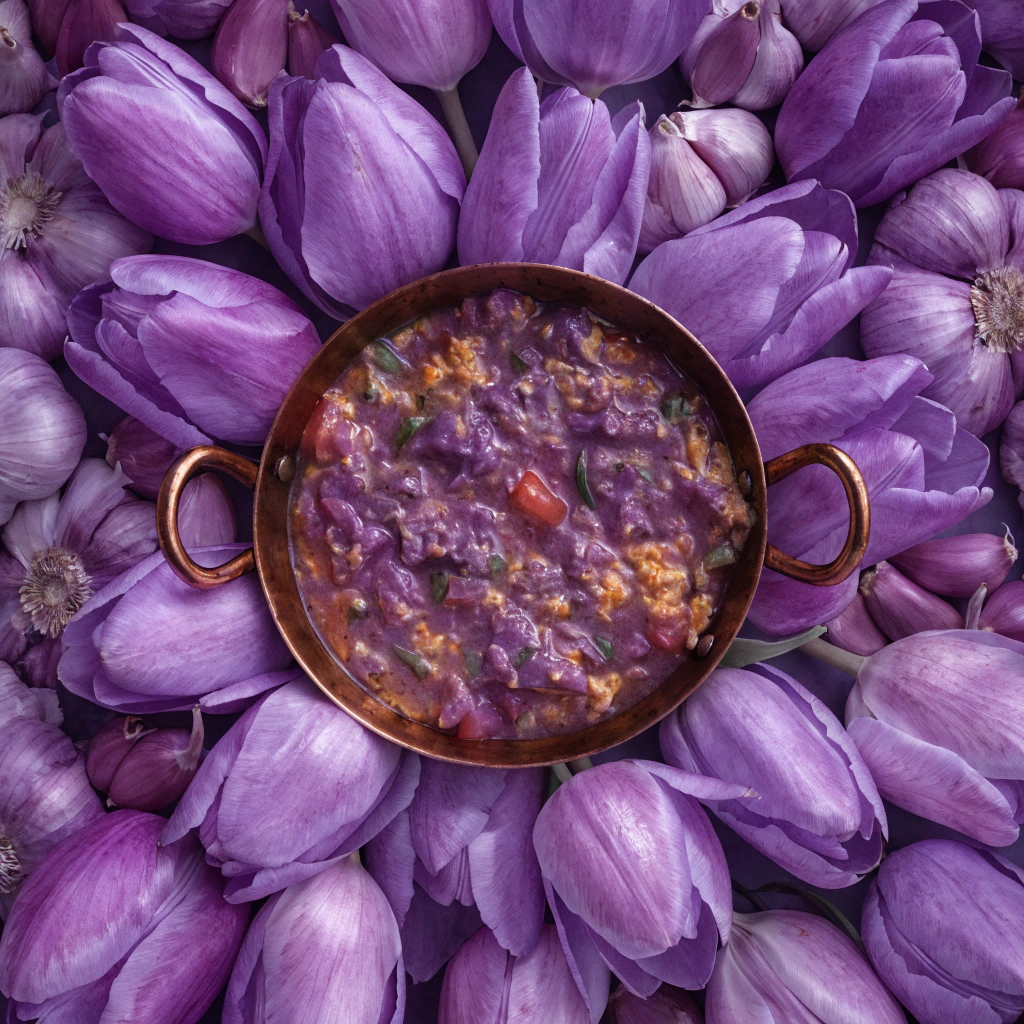
메네멘: 터키의 맛있는 음식
“메네멘”은 터키의 유명한 음식입니다. 이것은 아주 맛있는 요리입니다. 사람들은 아침 식사로 메네멘을 많이 먹습니다. 점심이나 저녁에도 먹을 수 있습니다. 메네멘은 언제든지 좋습니다. 메네멘은 토마토, 고추, 달걀로 만듭니다. 이것은 쉽고 빠르게 만들 수 있습니다. 따뜻한 팬에 모든 재료를 넣고 요리합니다. 터키 사람들은 메네멘을 아주 좋아합니다. 따뜻한 빵과 함께 먹으면 더 맛있습니다. 메네멘은 터키 이즈미르에서 왔습니다. 이 요리는 터키의 특별한 음식입니다.
문법 스포트라이트
패턴: -입니다
"“메네멘”은 터키의 유명한 음식입니다."
이 문법은 문장을 끝낼 때 사용합니다. 명사 뒤에 붙어서 '무엇이다'라고 말합니다. 정중한 표현입니다.
패턴: -(으)ㄹ 수 있다
"점심이나 저녁에도 먹을 수 있습니다."
이 문법은 '무엇을 할 수 있다'는 의미입니다. 동사 뒤에 붙어서 사용합니다. 받침이 없으면 '-ㄹ 수 있다', 받침이 있으면 '-을 수 있다'를 씁니다.
이해도를 테스트하세요
10 질문 · A1 초급 · 무료 미리보기 1회
이 기사에서 배운 내용을 테스트하세요. 모든 질문에 답하여 XP를 획득하세요!
“메네멘”은 무엇입니까?
문제별 결과
“메네멘”은 무엇입니까?
내 답변:
정답: 음식
사람들은 메네멘을 아침에만 먹습니다.
내 답변:
정답: 거짓
“맛있는”은 무슨 뜻입니까?
내 답변:
정답: delicious
메네멘은 토마토, 고추, _____로 만듭니다.
내 답변:
정답: 달걀
Menemen: A Delicious Turkish Breakfast
Menemen is a very popular dish in Turkey. People usually eat it for breakfast, but it is also good for a quick dinner. It started in a small place called Menemen in Izmir. This happened many years ago, and now everyone in the country loves it because it is delicious and simple.
To make Menemen, you need simple ingredients. You need fresh tomatoes, green peppers, and eggs. First, you cook the vegetables in a pan with some oil or butter. Then, you add the eggs and mix them. Some people like to add onions, but others say that onions are not for breakfast. This is a big debate in Turkey!
Menemen is better than many other breakfast foods because it is very fresh. It is also cheaper than dishes with meat. Most people eat it directly from the pan with pieces of fresh bread. It is the best meal to share with your friends and family on a sunny morning.
문법 스포트라이트
패턴: Past Simple
"It started in a small place called Menemen in Izmir."
We use the past simple to talk about finished actions in the past. To form it with regular verbs, we usually add '-ed' to the base verb.
패턴: Comparatives
"Menemen is better than many other breakfast foods because it is very fresh."
We use comparatives to compare two things. For short adjectives, we add '-er', and for irregular adjectives like 'good', we use 'better'.
이해도를 테스트하세요
11 질문 · A2 초등급 · 무료 미리보기 1회
이 기사에서 배운 내용을 테스트하세요. 모든 질문에 답하여 XP를 획득하세요!
Where did Menemen originally come from?
문제별 결과
Where did Menemen originally come from?
내 답변:
정답: Izmir
People only eat Menemen for breakfast.
내 답변:
정답: 거짓
What does 'simple' mean?
내 답변:
정답: Easy to do
You need fresh tomatoes, green _____, and eggs.
내 답변:
정답: peppers
How do most people eat Menemen?
내 답변:
정답: With pieces of bread
터키의 편안한 음식, 메네멘
터키 여행을 해본 적이 있는 사람이라면, 아마도 터키식 아침 식사(카흐발트)의 풍성함에 놀랐을 것입니다. 그중에서도 ‘메네멘’은 터키 사람들이 가장 좋아하는 아침 식사 중 하나로, 수십 년간 많은 사랑을 받아왔습니다. 메네멘은 단순한 스크램블 에그처럼 보일 수 있지만, 신선한 재료들이 조화를 이루어 특별한 맛을 내는 터키 전통 요리입니다. 이 요리는 터키 음식 문화의 중요한 부분을 차지하고 있습니다.
이 요리는 20세기 초, 터키 서부 이즈미르 지방의 메네멘이라는 지역에서 유래했다고 전해집니다. 지중해의 영향을 받은 이 지역의 신선한 채소들이 메네멘의 핵심입니다. 잘 익은 토마토, 신선한 고추, 그리고 계란이 주재료로 사용됩니다. 양파를 넣는 경우도 있지만, 전통적으로는 넣지 않는다고 말하는 사람들도 있습니다. 이 모든 재료는 하나의 팬에 함께 조리되어, 복잡하지 않으면서도 깊은 맛을 만들어냅니다. 조리 과정이 간단해서 누구나 쉽게 집에서 만들어 볼 수 있습니다.
메네멘은 아침 식사뿐만 아니라 간단한 점심이나 늦은 밤 식사로도 인기가 많습니다. 뜨겁게 조리된 메네멘을 갓 구운 빵과 함께 먹으면 그 맛은 더욱 일품입니다. 특히, 터키 사람들은 이 요리를 친구나 가족과 함께 나누며 즐거운 시간을 보냅니다. 터키의 가정에서는 어머니나 할머니가 정성껏 만들어주는 편안하고 따뜻한 음식으로 여겨집니다. 이 요리는 터키 사람들의 일상생활 속에 깊이 자리 잡고 있으며, 단순한 음식을 넘어선 문화적 의미를 지닙니다.
여러분도 혹시 터키에 방문하게 된다면, 이 특별한 메네멘을 꼭 한번 맛보시길 바랍니다. 그 단순함 속에 숨겨진 풍부한 맛과 터키의 따뜻한 문화를 느낄 수 있을 것입니다. 메네멘은 터키의 정을 느낄 수 있는 완벽한 방법 중 하나가 될 것입니다.
문법 스포트라이트
패턴: ~아/어 본 적이 있다 (경험)
"터키 여행을 해본 적이 있는 사람이라면, 아마도 터키식 아침 식사(카흐발트)의 풍성함에 놀랐을 것입니다."
과거에 어떤 행동을 경험했음을 나타낼 때 사용하는 문법입니다. 동사 뒤에 붙여서 '그 행동을 해 본 경험이 있다'는 의미를 전달합니다. 예를 들어, "김치를 먹어 본 적이 있어요"는 "I have tried kimchi"라는 뜻입니다.
패턴: ~되다 / ~지다 (피동 표현)
"잘 익은 토마토, 신선한 고추, 그리고 계란이 주재료로 사용됩니다."
어떤 행동을 스스로 하는 것이 아니라, 다른 것에 의해 그 행동을 '받는' 것을 표현할 때 사용합니다. 동사 뒤에 '~되다'나 '~지다'를 붙여서 '무엇이 어떻게 되다'라는 의미를 만듭니다. 예를 들어, "문이 열리다" (The door opens itself/is opened)와 같이 사용됩니다.
이해도를 테스트하세요
11 질문 · B1 중급 · 무료 미리보기 1회
이 기사에서 배운 내용을 테스트하세요. 모든 질문에 답하여 XP를 획득하세요!
메네멘에 대한 설명으로 옳은 것은 무엇입니까?
문제별 결과
메네멘에 대한 설명으로 옳은 것은 무엇입니까?
내 답변:
정답: 신선한 재료들로 간단하게 만들어지는 전통 요리입니다.
메네멘은 터키 동부 지역에서 유래했습니다.
내 답변:
정답: 거짓
'풍성함'의 의미는 무엇입니까?
내 답변:
정답: 넉넉하고 가득한 상태
메네멘의 주재료는 토마토, 고추, 그리고 _____입니다.
내 답변:
정답: 계란
메네멘은 어떤 지역에서 유래했다고 전해집니까?
내 답변:
정답: 이즈미르
The Cultural Significance of Menemen: More Than Just a Breakfast Dish
Menemen is often described as the quintessential comfort food of Turkey, serving as a fundamental staple of the legendary Turkish breakfast, or 'kahvaltı'. However, its popularity extends far beyond the morning hours, as it is equally cherished as a quick lunch or a satisfying late-night meal. Named after the Menemen district in Izmir, the dish is believed to have originated in the early 20th century, representing the Mediterranean heart of Turkish culinary traditions. It relies heavily on the harmony of fresh, seasonal produce and the simplicity of one-pan preparation.
While an uninitiated observer might perceive it as a simple scrambled egg dish, Menemen is a sophisticated balance of textures and flavors. The preparation typically begins with sautéing finely chopped green peppers in olive oil or butter until they soften. Subsequently, peeled and diced tomatoes are added, which are then simmered until the mixture reduces into a thick, fragrant sauce. Only then are the eggs incorporated, either whisked beforehand or cracked directly into the pan to be gently folded into the vegetables. The objective is to achieve a succulent consistency where the eggs are cooked but remain moist, rather than dry.
Furthermore, the inclusion of onions remains a subject of intense controversy among culinary enthusiasts. A famous food critic once sparked a nationwide debate by questioning whether authentic Menemen should include onions. Proponents argue that onions provide a necessary depth of flavor, whereas purists maintain that onions are only appropriate when the dish is consumed as a main course for lunch or dinner. Regardless of one’s personal preference, the dish is almost always served in the traditional copper pan, which is known as a sahan, accompanied by generous portions of fresh, crusty bread used to scoop up the mixture.
From a sociological perspective, Menemen facilitates a communal dining experience. It is rarely consumed in isolation; instead, it sits at the center of the table, inviting participants to share from the same vessel. Despite its humble ingredients, Menemen is often regarded as a culinary masterpiece because it reflects the Turkish philosophy of hospitality and the celebration of fresh ingredients. In conclusion, Menemen is not merely a recipe but a cultural symbol that bridges the gap between simplicity and sophistication, making it an indispensable part of the Turkish identity.
문법 스포트라이트
패턴: Passive Reporting Verbs
"The dish is believed to have originated in the early 20th century."
This structure (subject + be + past participle + to have + past participle) is used to report past events or beliefs in a formal, objective way.
패턴: Non-defining Relative Clauses
"...the traditional copper pan, which is known as a sahan."
This clause adds extra information about the 'copper pan'. It is separated by commas and uses 'which' because the information is not essential to identify the noun.
패턴: Concessive Clauses with 'Despite'
"Despite its humble ingredients, Menemen is often regarded as a culinary masterpiece."
The word 'despite' is a preposition used to show contrast. It must be followed by a noun, a pronoun, or a gerund (-ing form), not a full subject-verb clause.
이해도를 테스트하세요
11 질문 · B2 중상급 · 무료 미리보기 1회
이 기사에서 배운 내용을 테스트하세요. 모든 질문에 답하여 XP를 획득하세요!
In which Turkish district is the dish Menemen believed to have started?
문제별 결과
In which Turkish district is the dish Menemen believed to have started?
내 답변:
정답: Menemen
There is a significant disagreement among food lovers regarding whether onions should be included in Menemen.
내 답변:
정답: 참
What does the word 'texture' refer to in the context of the article?
내 답변:
정답: The physical feel and consistency of the dish
Menemen is considered a fundamental _____ of the traditional Turkish breakfast.
내 답변:
정답: staple
What is the name of the traditional copper pan used to serve Menemen?
내 답변:
정답: Sahan
The Gastronomic Paradox: Menemen and the Art of Turkish Simplicity
Seldom does a dish so humble command such nationwide devotion as menemen. Rooted in the Aegean district of the same name within Izmir, this quintessential Turkish scramble has transcended its modest origins to become a cornerstone of the country’s culinary identity. While the uninitiated might perceive it as a mere amalgamation of eggs, tomatoes, and peppers, for the Turkish palate, it represents a sophisticated exercise in textural balance and seasonal reverence. The ubiquity of the dish across both high-end metropolitan bistros and dusty roadside stops speaks to its democratic nature, yet beneath its surface lies a contentious debate regarding its very composition.
It is the inclusion of the humble onion that has sparked a digital firestorm among epicurean circles. In 2018, a prominent food critic launched a social media poll asking whether menemen should be prepared with or without onions, attracting over 400,000 votes. This dichotomy between the 'breakfast purists'—who argue that onions belong strictly to lunch versions—and the 'flavor maximalists' highlights the nuanced arguments that define Turkish food culture. The meticulous balancing of acidity and sweetness is at the heart of this dispute. Proponents of the onion-free version claim that the ephemeral sweetness of the summer tomato should remain unadulterated, whereas their opponents argue that the caramelization of onions provides a necessary depth of flavor to counteract the acidity.
The preparation of menemen is an exercise in restraint. The technique relies heavily on the viscosity of the eggs; they must be folded into the simmering vegetable base at the precise moment to ensure a creamy, almost velvety consistency. Overcooking the eggs is considered a sacrosanct violation of the dish's integrity. Furthermore, the reliance on seasonal produce means that a true menemen is a fleeting experience, best enjoyed when tomatoes are at their peak of ripeness. Nominalisation of the cooking process—the transition from 'frying' to 'stewing'—is what distinguishes a mediocre scramble from a sublime menemen. What the observer witnesses is not merely a cooking method, but a cultural ritual of communal eating, where the pan itself serves as the centerpiece for shared experience. Ultimately, menemen serves as a reminder that in a world of increasingly complex gastronomy, the most profound satisfaction often derives from the most basic ingredients, provided they are treated with the respect they deserve.
문법 스포트라이트
패턴: Negative Inversion
"Seldom does a dish so humble command such nationwide devotion as menemen."
This structure is used for emphasis by placing a negative or restrictive adverb at the beginning of the sentence, followed by auxiliary verb-subject order.
패턴: Cleft Sentence
"It is the inclusion of the humble onion that has sparked a digital firestorm among epicurean circles."
A cleft sentence focuses on a specific part of the information (the onion) by using the 'It + be + focus + relative clause' structure.
패턴: Nominalisation
"The meticulous balancing of acidity and sweetness is at the heart of this dispute."
Nominalisation turns verbs or adjectives into nouns (balancing) to create a more formal, academic, and objective tone characteristic of C1 writing.
이해도를 테스트하세요
12 질문 · C1 고급 · 무료 미리보기 1회
이 기사에서 배운 내용을 테스트하세요. 모든 질문에 답하여 XP를 획득하세요!
What does the author suggest about the 'uninitiated' view of menemen?
문제별 결과
What does the author suggest about the 'uninitiated' view of menemen?
내 답변:
정답: They might see it as just a basic mix of ingredients.
The debate regarding the use of onions in menemen was purely academic and had little public engagement.
내 답변:
정답: 거짓
Which word describes something that is considered too important to be changed or disrespected?
내 답변:
정답: Sacrosanct
The author argues that the _____ of the eggs is crucial for achieving the correct velvety consistency.
내 답변:
정답: viscosity
According to the article, why is menemen considered a 'democratic' dish?
내 답변:
정답: Because it is served in both expensive restaurants and humble roadside stops.
Overcooking the eggs is viewed as a significant mistake that ruins the dish.
내 답변:
정답: 참
The Gastronomic Semiotics of Menemen: A Study in Turkish Culinary Heritage
To contemplate the Turkish culinary landscape without acknowledging the quintessential role of Menemen would be to ignore a fundamental pillar of the nation’s gastronomic identity. This dish, ostensibly a humble amalgam of eggs, tomatoes, and green peppers, serves as a profound semiotic marker of Turkish domesticity. Its provenance is frequently traced to the Menemen district of Izmir, where, in the early 20th century, it emerged from the confluence of Cretan immigrant influences and local Anatolian produce. However, to classify it merely as a breakfast staple is to overlook its ubiquitous presence across the socio-economic spectrum, where it functions as a visceral link between the agrarian past and the urbanized present. Had it not been for the influx of Cretan immigrants during the population exchange, the dish might never have achieved its current status as a cultural icon.
The preparation of Menemen is a contentious affair, often sparking a national dichotomy regarding the inclusion of onions. Should one suggest the addition of onions to a breakfast Menemen, one might inadvertently ignite a debate that transcends mere preference, touching upon the very definition of the dish’s ontological status. The debate became so pervasive that it prompted a nationwide digital referendum, illustrating how a simple culinary choice can mirror broader societal divisions. Proponents of the onion-free version argue for the ephemeral purity of the tomato-egg synergy, whereas those in favor of onions posit that the vegetable provides a necessary structural depth, particularly when the dish is consumed as a midday or evening repast. This academic hedging regarding the 'correct' recipe suggests that Menemen is not a static relic, but a living, evolving entity.
Technically, the dish demands a sophisticated understanding of heat management and moisture retention. It is imperative that the green peppers—typically the 'sivri' variety—be sautéed until they reach a state of translucent tenderness, yet retain an al dente bite. The subsequent addition of peeled, sun-ripened tomatoes necessitates a patient reduction, allowing the juices to emulsify into a rich, savory base. This process is influenced by the thermal conductivity of the 'sahan'—the traditional double-handled copper skillet. Lest the reader misinterpret the dish as a dry scramble, it must be emphasized that the eggs are added only at the penultimate stage, gently folded into the simmering mixture to achieve a creamy, almost custard-like consistency. This delicate balance of textures is what elevates Menemen from a mundane scramble to a gastronomic masterpiece.
Furthermore, the egalitarian nature of Menemen is reflected in its communal consumption. Traditionally served in the sahan, it invites a collective experience, where the act of dipping crusty bread into the shared vessel supersedes individual portioning. This communal aspect reinforces the dish’s role in fostering social cohesion, making it a quintessential element of the Turkish breakfast ritual. In an era of increasing culinary globalization, the enduring popularity of Menemen stands as a testament to the resilience of local traditions. It remains a visceral reminder that the most profound cultural expressions are often found in the most unassuming of vessels, provided they are prepared with the requisite respect for heritage and seasonality. One might tentatively suggest that Menemen is not merely food, but a shared language of comfort and identity.
문법 스포트라이트
패턴: Negative Purpose Clause (Lest + Subjunctive)
"Lest the reader misinterpret the dish as a dry scramble, it must be emphasized that the eggs are added only at the penultimate stage."
The word 'lest' is used to express a negative purpose, meaning 'for fear that' or 'to avoid the risk of'. In formal English, it is often followed by the base form of the verb (subjunctive mood).
패턴: Inverted Conditional (Should)
"Should one suggest the addition of onions to a breakfast Menemen, one might inadvertently ignite a debate..."
This is a formal alternative to 'If someone should suggest...'. Inverting the subject and the auxiliary verb 'should' creates a more academic or literary tone for first conditional structures.
패턴: Subjunctive after 'Imperative'
"It is imperative that the green peppers—typically the 'sivri' variety—be sautéed until they reach a state of translucent tenderness."
After adjectives expressing necessity or importance (imperative, essential, crucial), the 'that' clause uses the base form of the verb (be) regardless of the subject.
이해도를 테스트하세요
12 질문 · C2 마스터 · 무료 미리보기 1회
이 기사에서 배운 내용을 테스트하세요. 모든 질문에 답하여 XP를 획득하세요!
According to the article, what is the primary historical origin of Menemen?
문제별 결과
According to the article, what is the primary historical origin of Menemen?
내 답변:
정답: It emerged from a confluence of local produce and Cretan immigrant influences.
The debate regarding onions in Menemen was significant enough to trigger a digital referendum in Turkey.
내 답변:
정답: 참
What does the word 'penultimate' imply in the context of adding eggs?
내 답변:
정답: The second to last step of the process.
The article describes the dish as a/an _____ of eggs, tomatoes, and peppers.
내 답변:
정답: amalgam
What does the author suggest about the social nature of eating Menemen?
내 답변:
정답: The use of the 'sahan' encourages a collective, egalitarian experience.
The author argues that Menemen should be cooked until it becomes a dry scramble.
내 답변:
정답: 거짓
터키 음식: 메네멘
안녕하세요. 이것은 터키 음식입니다. 이름은 '메네멘'입니다. 메네멘은 맛있는 음식이에요. 터키 사람들은 메네멘을 좋아해요. 메네멘은 계란과 채소로 만들어요. 색깔은 빨간색, 초록색이에요. 아침에 먹어요. 아주 좋아요. 감사합니다.
문법 스포트라이트
패턴: 입니다 (is/are)
"이것은 터키 음식입니다."
명사 뒤에 '입니다'를 사용합니다. 무엇인지 말할 때 씁니다. '입니다'는 모든 명사에 쓸 수 있어요.
이해도를 테스트하세요
9 질문 · A0 프리비기너 · 무료 미리보기 1회
이 기사에서 배운 내용을 테스트하세요. 모든 질문에 답하여 XP를 획득하세요!
메네멘은 무엇입니까?
문제별 결과
메네멘은 무엇입니까?
내 답변:
정답: 음식
메네멘은 터키 음식입니다.
내 답변:
정답: 참
메네멘은 계란과 ______로 만들어요.
내 답변:
정답: 채소

