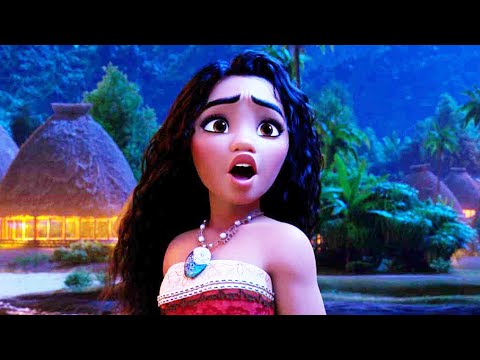
maui in 30 Sekunden
- Maui is a major Hawaiian island known for tourism and nature.
- It is also a famous Polynesian demigod with magical powers.
- The island is nicknamed the 'Valley Isle' due to its geography.
- Maui is a central figure in Pacific culture and modern media.
The term Maui carries a dual significance that resonates deeply within both geographical and mythological contexts. Primarily, in modern usage, it refers to the second-largest island in the Hawaiian archipelago, a place of immense natural beauty and ecological diversity. Known colloquially as the 'Valley Isle,' Maui is celebrated for its dramatic landscapes, ranging from the volcanic peaks of Haleakalā to the lush, winding rainforests of the Road to Hana. When people speak of Maui in a travel context, they are often referring to a destination that epitomizes the tropical paradise ideal, featuring world-class surfing, luxury resorts, and a rich history of sugarcane plantations and whaling. However, the name is not merely a label for a landmass; it is a name steeped in the ancestral heritage of the Polynesian people.
- Geographical Context
- Maui is an island in the Central Pacific, part of the state of Hawaii, formed by two shield volcanoes that overlap to create an isthmus or 'valley' between them.
Beyond the physical island, Maui is the name of one of the most famous and beloved figures in Polynesian mythology. This Maui is a demigod, a culture hero known for his mischievous nature, incredible strength, and profound contributions to humanity. In legends shared across the Pacific—from Hawaii to New Zealand (Aotearoa), Tahiti, and Samoa—Maui is credited with extraordinary feats. He is the one who fished the islands out of the sea using a magical hook made from the jawbone of his grandmother. He is also the hero who lassoed the sun to slow its journey across the sky, giving humans enough daylight to dry their tapa cloth and grow their food. This mythological figure represents the spirit of innovation, persistence, and the complex relationship between humans and the natural world.
During our honeymoon, we spent a week exploring the hidden waterfalls of Maui, finding peace in the island's serene landscapes.
In contemporary popular culture, the name has gained even wider global recognition through the Disney film Moana, where the character Maui is depicted as a boisterous, shape-shifting demigod voiced by Dwayne 'The Rock' Johnson. While the film takes creative liberties, it has introduced the name and the core legends to a new generation of people worldwide. Consequently, when the word is used today, the listener must often distinguish between the physical location and the legendary character, though both are inextricably linked to the cultural identity of the Pacific Islands. Whether discussing the tragic 2023 wildfires in Lahaina or the ancient chants of the Kumulipo, the name Maui evokes a sense of power, beauty, and historical depth that few other proper nouns can match.
- Mythological Context
- In many Polynesian traditions, Maui is a 'trickster' figure who uses his wits to overcome challenges that even the gods find difficult.
The storyteller recounted the legend of how Maui brought fire to the people by tricking the 'alae 'ula birds.
The use of the name also carries a weight of responsibility and respect. For Native Hawaiians (Kānaka Maoli), Maui is an ancestor and a sacred figure. Using the name in commercial contexts can sometimes be a point of cultural sensitivity. Therefore, when people use the word, especially in academic or respectful discourse, they often acknowledge the indigenous roots and the spiritual connection that the people of the Pacific have with both the land and the legend. It is a name that bridges the gap between the physical earth and the spiritual heavens, making it a cornerstone of Pacific identity.
- Modern Usage
- Today, the name is synonymous with high-end tourism, environmental conservation efforts, and the resilience of the local community following natural disasters.
Scientists are studying the unique biodiversity found on the slopes of Maui's dormant volcano, Haleakalā.
The children were fascinated by the giant fishhook that Maui used in the animated movie.
Many surfers dream of riding the massive waves at Jaws, a world-famous surf break on the north shore of Maui.
Using the word Maui correctly requires an understanding of its role as a proper noun. Because it is a specific name for a place and a person, it must always be capitalized. In English grammar, when referring to the island, it functions as a noun that usually does not require an article unless it is modifying another noun. For example, you would say, 'I visited Maui,' but you might say, 'The Maui experience was unforgettable.' This distinction is important for maintaining a natural flow in both written and spoken English. When referring to the demigod, it is treated like any other person's name: 'Maui is a hero in many stories.'
- Direct Object Usage
- When the word is the receiver of an action. Example: 'We explored Maui from coast to coast.'
In more complex sentence structures, Maui can be used in the possessive form to indicate something belonging to the island or the demigod. For instance, 'Maui's beaches' or 'Maui's magical hook.' Note the use of the apostrophe before the 's'. This is standard for singular proper nouns. In academic writing, you might see the word used in a descriptive phrase like 'the Maui-based research center,' where the name is hyphenated with another word to form a compound adjective. This is a common way to specify the location of an organization or event.
After the storm, Maui's residents worked together to clear the roads and restore power to the remote villages.
When discussing the demigod, sentences often involve verbs of action and achievement. Because he is a legendary figure, the past tense is frequently used: 'Maui fished up the islands.' However, when discussing his role in contemporary culture or literature, the present tense is also appropriate: 'In the movie, Maui sings about his many accomplishments.' This versatility allows speakers to navigate between historical legend and modern entertainment seamlessly. It is also common to see the name used in apposition, where it provides more information about a preceding noun: 'The demigod, Maui, is known for his strength.'
- Adjectival Usage
- Using the name to describe a noun. Example: 'The Maui onion is famous for its sweet flavor and lack of pungency.'
If you want to see the sunrise from the summit, you have to leave your Maui hotel by three in the morning.
Furthermore, the word can appear in comparative contexts. One might say, 'Maui is more mountainous than Oahu,' or 'The legends of Maui are as significant as those of Hercules.' These comparisons help learners understand the scale and importance of the word's referents. In conversational English, the name is often part of travel-related questions: 'Have you ever been to Maui?' or 'What is the best time of year to visit Maui?' These are simple but essential patterns for any English learner to master.
- Prepositional Phrases
- Using 'on' or 'in' with the name. Example: 'There are many unique species of birds found only on Maui.'
The flight to Maui was delayed due to heavy winds, but we eventually arrived safely in Kahului.
Legends say that Maui stood on the highest peak to catch the sun with his lasso.
The local government is encouraging people to support Maui's small businesses during the recovery period.
The word Maui is ubiquitous in several distinct spheres of life, making it a highly recognizable term globally. Perhaps the most common place to hear it is in the travel and tourism industry. From airline announcements at major hubs like LAX or SFO to travel documentaries on National Geographic, the name is a staple. Travel agents and online booking platforms frequently highlight Maui as a top-tier destination for weddings, honeymoons, and family vacations. In this context, the word is often paired with evocative adjectives like 'breathtaking,' 'tropical,' and 'luxurious.' You will hear it in conversations among friends planning their next getaway or in social media posts featuring vibrant sunsets and turquoise waters.
- Travel Media
- Maui is frequently featured in 'Top 10 Islands' lists and luxury travel magazines like Condé Nast Traveler.
Another significant arena where the word is heard is in the realm of entertainment and children's media. Since the release of Disney's Moana in 2016, the name has become a household word for millions of children and parents. The character's songs, particularly 'You're Welcome,' are played on repeat in homes and schools, cementing the name Maui as a symbol of strength and humor. In this setting, the word is associated with animation, storytelling, and the vibrant colors of the South Pacific. It has also led to a surge in interest in the actual mythology, with educators and librarians using the film's popularity to introduce students to authentic Polynesian folklore.
'We are now beginning our descent into Kahului Airport on the beautiful island of Maui,' the pilot announced over the intercom.
In the news and current affairs, the word Maui has unfortunately been heard in more somber contexts recently. The devastating wildfires of August 2023, which largely destroyed the historic town of Lahaina, brought the name to the forefront of international news cycles for weeks. Journalists, climate scientists, and political leaders discussed 'the Maui fires' as a wake-up call for climate change and disaster preparedness. In these reports, the word is used with a tone of gravity and sympathy, focusing on the resilience of the community and the logistical challenges of rebuilding. This has added a layer of modern historical significance to the name, moving it beyond just a vacation spot to a symbol of environmental vulnerability and human endurance.
- Scientific Discourse
- Marine biologists often mention Maui when discussing the migration patterns of North Pacific humpback whales, which breed in the island's warm waters.
The news anchor reported that donations were pouring in from around the world to help the families affected by the Maui wildfires.
Finally, the word is heard in academic and cultural settings. Anthropologists and historians specializing in Pacific studies use the name when discussing the migration of the Polynesians and the linguistic similarities across the 'Polynesian Triangle.' In these circles, Maui is a key subject of comparative mythology. You might hear it in a university lecture or at a cultural festival where traditional hula and chants are performed. In these instances, the word is pronounced with careful attention to its Hawaiian phonetics, honoring the language from which it originated. This broad spectrum of usage—from the lighthearted songs of a demigod to the serious reports of a natural disaster—demonstrates the word's multifaceted role in the global lexicon.
- Culinary World
- Chefs often specify 'Maui Gold' pineapples or 'Maui onions' on their menus to indicate high-quality, locally sourced ingredients.
The documentary explained how the ancient people of Maui used the stars to navigate thousands of miles across the open ocean.
During the winter months, you can hear the songs of humpback whales echoing through the Maui Nui Basin.
The professor noted that the myth of Maui fishing up the islands is a common motif across many different Pacific cultures.
One of the most frequent mistakes people make with the word Maui is related to its pronunciation. In English, there is a tendency to simplify vowel clusters. Many people pronounce it as 'Mow-ee' (rhyming with 'now' and 'bee'), which is a two-syllable approximation. However, in the Hawaiian language, every vowel is sounded out. The correct pronunciation is 'Mah-oo-ee,' which has three distinct syllables. While 'Mow-ee' is generally accepted in casual English conversation, using the three-syllable version shows a greater respect for the local culture and linguistic accuracy. Mispronouncing it can sometimes be seen as a sign of being an uninformed tourist, especially when speaking with residents of the islands.
- Spelling Errors
- Common misspellings include 'Mauie,' 'Mauii,' or 'Maue.' It is a four-letter word: M-A-U-I.
Another common error is the misuse of articles. As mentioned previously, Maui is a proper noun and typically does not take an article like 'the' or 'a.' Saying 'I want to go to the Maui' is grammatically incorrect in the same way that 'I want to go to the France' would be. The only time 'the' should precede 'Maui' is when 'Maui' is acting as an adjective for a common noun, such as 'the Maui community' or 'the Maui airport.' This is a subtle point that often trips up learners whose native languages use articles differently for geographic locations.
Incorrect: We are staying at a hotel in the Maui.
Correct: We are staying at a hotel on Maui.
Confusion between the island and the demigod can also lead to awkward phrasing. While they share the same name, they are distinct entities. In a sentence like 'Maui is very big,' it is usually clear from the context that you are talking about the island. However, if you are discussing the movie Moana and the island simultaneously, you must be careful. For example, 'I saw Maui on Maui' is a playful but potentially confusing sentence. It is better to specify: 'I saw the character Maui while I was on the island of Maui.' This clarity prevents the listener from having to guess which 'Maui' you are referring to.
- Capitalization
- Always capitalize the 'M.' Writing 'maui' in lowercase is a mistake, as it is a proper name for both a person and a place.
Incorrect: the demigod maui is my favorite character.
Correct: The demigod Maui is my favorite character.
Finally, there is the mistake of over-generalization. Some people use 'Maui' as a shorthand for all of Hawaii, which can be offensive to residents of other islands like Oahu, Kauai, or the Big Island. Each island has its own unique identity, culture, and history. Referring to a trip to Honolulu as 'my trip to Maui' is a factual error. Similarly, assuming that the legends of Maui are exactly the same in every Polynesian culture is a mistake. While the core themes are similar, the specific details of his deeds vary significantly between Maori, Hawaiian, and Tahitian traditions. Acknowledging these differences shows a higher level of cultural competence.
- Geographic Accuracy
- Don't confuse Maui with other islands. For example, the Pearl Harbor memorial is on Oahu, not Maui.
When writing about the island, make sure you don't accidentally use the spelling of the Maui dolphin, which is a rare species found in New Zealand.
The tourist made a mistake by calling the volcano on Maui 'Mauna Loa' instead of 'Haleakalā.'
Using the name Maui to sell products that have no connection to the island is often criticized as cultural appropriation.
When looking for alternatives or similar words to Maui, it is helpful to categorize them based on whether you are referring to the island or the mythological figure. For the island, the most common alternative is its nickname, 'The Valley Isle.' This name refers to the large isthmus between its two major volcanic plateaus. In a broader sense, you might use 'the second-largest Hawaiian island' to provide a descriptive alternative. If you are speaking about the group of islands, you might use 'the Hawaiian archipelago' or 'the Central Pacific islands.' These terms provide variety in writing and help avoid repeating the name too frequently in a single paragraph.
- Geographic Alternatives
- 'The Valley Isle' is the official nickname. Other islands like 'Oahu,' 'Kauai,' and 'Lanai' are often mentioned in the same context but are not synonyms.
In the context of mythology, the word Maui can be replaced with descriptive titles such as 'the demigod,' 'the culture hero,' or 'the trickster of the Pacific.' These terms highlight different aspects of his character. For instance, 'trickster' emphasizes his cunning and wit, while 'culture hero' focuses on his role in bringing fire and land to humanity. In comparative mythology, Maui is often compared to figures like 'Hercules' from Greek myth or 'Prometheus' (who also brought fire to humans). While these are not direct synonyms, they serve as useful analogies for those familiar with Western mythology but new to Polynesian stories.
While Maui is famous for its beaches, its neighbor, Kauai, is known as the Garden Isle for its lush greenery.
Linguistically, there are variations of the name across different Polynesian languages. In New Zealand, the Maori refer to him as 'Māui-tikitiki-a-Taranga.' In other regions, the spelling or pronunciation might shift slightly, such as 'Ma-u-i' with different tonal emphasis. For a writer, using these specific regional names can add a layer of authenticity and precision to a text about a particular Pacific culture. Additionally, when discussing the island's administrative side, 'Maui County' is the correct term to include the nearby islands of Molokai and Lanai, which are governed together.
- Mythological Comparisons
- Maui is often compared to 'Prometheus' for the gift of fire and 'Hercules' for his superhuman strength and labor-like deeds.
The demigod's exploits are legendary; Maui is truly the ultimate hero of the Pacific islands.
In terms of modern branding, 'Maui' is often used as a prefix for various products. Alternatives here would depend on the product itself. For 'Maui onions,' one might substitute 'sweet onions' or 'Vidalia onions' if the specific origin isn't required. For 'Maui Jim' sunglasses, alternatives would be other high-end eyewear brands like 'Oakley' or 'Ray-Ban.' Understanding these associations helps in navigating the commercial landscape where the name is frequently used as a marker of quality or a specific tropical lifestyle. Ultimately, while there is no single word that can fully replace Maui, these alternatives allow for more nuanced and varied communication.
- Linguistic Variations
- Māui (Maori), Ma-ui (Tahitian), and Maui (Hawaiian) all refer to the same ancestral figure with slight regional differences.
Many travelers choose Maui over the Big Island because it offers a more concentrated variety of activities in a smaller area.
The 'Valley Isle' is a fitting name for Maui, as it perfectly describes the low-lying land between its two massive volcanoes.
Whether you call him Maui or the Great Fisherman, his stories continue to inspire people across the globe.
How Formal Is It?
Wusstest du?
In Maori tradition, the North Island of New Zealand is called 'Te Ika-a-Māui,' which means 'The Fish of Maui.'
Aussprachehilfe
- Pronouncing it as 'May-wee'.
- Pronouncing it as 'Moo-ee'.
- Missing the 'i' sound at the end.
- Using only one syllable.
- Over-emphasizing the 'u' so it sounds like 'Ma-woo-ee'.
Schwierigkeitsgrad
Easy to recognize in text, though context is needed to distinguish between the island and the person.
A short, four-letter word that is easy to spell correctly.
Pronunciation can be tricky if you want to be authentic to the Hawaiian roots.
Clear and distinct sound, usually easy to pick out in conversation.
Was du als Nächstes lernen solltest
Voraussetzungen
Als Nächstes lernen
Fortgeschritten
Wichtige Grammatik
Capitalization of Proper Nouns
Always write 'Maui' with a capital M.
Prepositions for Islands
Use 'on' for the island (on Maui) and 'in' for the state (in Hawaii).
Possessive Apostrophes
Use 'Maui's' to show that something belongs to him or the island.
No Articles with Proper Names
Say 'I love Maui,' not 'I love the Maui.'
Compound Adjectives with Hyphens
A 'Maui-based' company uses a hyphen.
Beispiele nach Niveau
I want to go to Maui for my vacation.
Je veux aller à Maui pour mes vacances.
Proper noun, no article.
Maui is a very beautiful island.
Maui est une très belle île.
Subject of the sentence.
Do you like the movie Maui is in?
Aimes-tu le film dans lequel Maui se trouve ?
Referring to the character.
We saw whales in Maui.
Nous avons vu des baleines à Maui.
Preposition 'in' used for the general area.
The sun is hot on Maui.
Le soleil est chaud à Maui.
Preposition 'on' for the island.
Maui has many big mountains.
Maui a beaucoup de grandes montagnes.
Possessive 'has'.
My friend lives on Maui.
Mon ami habite à Maui.
Present simple tense.
Is Maui far from here?
Est-ce que Maui est loin d'ici ?
Question form.
We took a plane to Maui last summer.
Nous avons pris l'avion pour Maui l'été dernier.
Past simple tense.
Maui is famous for its sweet onions.
Maui est célèbre pour ses oignons doux.
Adjective 'famous for'.
The demigod Maui had a magic hook.
Le demi-dieu Maui avait un crochet magique.
Compound noun 'demigod Maui'.
You can drive to the top of a volcano on Maui.
Vous pouvez conduire jusqu'au sommet d'un volcan à Maui.
Modal verb 'can'.
Maui is smaller than the Big Island.
Maui est plus petite que la Grande Île.
Comparative 'smaller than'.
Many tourists visit Maui every year.
Beaucoup de touristes visitent Maui chaque année.
Quantifier 'many'.
The stories of Maui are very old.
Les histoires de Maui sont très anciennes.
Plural subject 'stories'.
I bought a Maui shirt at the shop.
J'ai acheté une chemise Maui au magasin.
Adjectival use of Maui.
Maui's economy depends on the tourism industry.
L'économie de Maui dépend de l'industrie du tourisme.
Possessive 's.
The Road to Hana is a popular attraction on Maui.
La route vers Hana est une attraction populaire à Maui.
Proper noun as a location.
In mythology, Maui slowed down the sun.
Dans la mythologie, Maui a ralenti le soleil.
Past tense of 'slow down'.
Maui offers a variety of outdoor activities.
Maui offre une variété d'activités de plein air.
Subject-verb agreement.
The island of Maui was formed by volcanoes.
L'île de Maui a été formée par des volcans.
Passive voice.
Maui is known as the 'Valley Isle'.
Maui est connue sous le nom de 'l'île de la vallée'.
Appositive nickname.
We stayed in a small town on the west side of Maui.
Nous avons séjourné dans une petite ville du côté ouest de Maui.
Prepositional phrase.
Maui's diverse climate ranges from desert to rainforest.
Le climat diversifié de Maui va du désert à la forêt tropicale.
Complex sentence structure.
The 2023 wildfires caused significant damage to Maui's historic sites.
Les incendies de forêt de 2023 ont causé des dommages importants aux sites historiques de Maui.
Past participle 'caused'.
Maui is a central figure in the folklore of many Pacific nations.
Maui est une figure centrale du folklore de nombreuses nations du Pacifique.
Noun phrase 'central figure'.
Conservationists are working to protect Maui's endangered bird species.
Les défenseurs de l'environnement travaillent pour protéger les espèces d'oiseaux en danger de Maui.
Present continuous tense.
The cultural significance of Maui cannot be overstated.
L'importance culturelle de Maui ne peut être surestimée.
Passive modal 'cannot be overstated'.
Maui's geography is dominated by the massive Haleakalā volcano.
La géographie de Maui est dominée par l'imposant volcan Haleakalā.
Passive voice with 'by'.
Visitors to Maui are encouraged to respect the local customs.
Les visiteurs de Maui sont encouragés à respecter les coutumes locales.
Infinitive phrase 'to respect'.
The legend of Maui fishing up the islands is a common motif.
La légende de Maui pêchant les îles est un motif commun.
Gerund phrase 'fishing up'.
Maui's agricultural past is still visible in the old sugar mills.
Le passé agricole de Maui est encore visible dans les anciennes sucreries.
Adjective 'visible'.
The recovery of Maui's ecosystem after the fires will take decades.
La récupération de l'écosystème de Maui après les incendies prendra des décennies.
Future tense 'will take'.
Maui embodies the complex interplay between tradition and modernity.
Maui incarne l'interaction complexe entre tradition et modernité.
Abstract noun 'interplay'.
The linguistic roots of the name Maui can be traced back to Proto-Polynesian.
Les racines linguistiques du nom Maui peuvent être retracées jusqu'au proto-polynésien.
Passive modal 'can be traced'.
Maui's unique position in the Pacific makes it a key site for astronomy.
La position unique de Maui dans le Pacifique en fait un site clé pour l'astronomie.
Causative 'makes it'.
The portrayal of Maui in popular media often simplifies his complex mythos.
La représentation de Maui dans les médias populaires simplifie souvent son complexe mythos.
Subject-verb agreement with 'portrayal'.
Scholars debate the historical origins of the Maui legends.
Les chercheurs débattent des origines historiques des légendes de Maui.
Present simple for general truth.
Maui's water rights have been a contentious issue for generations.
Les droits d'eau de Maui sont une question litigieuse depuis des générations.
Present perfect 'have been'.
The spirit of 'aloha' is deeply ingrained in the Maui community.
L'esprit d'aloha est profondément enraciné dans la communauté de Maui.
Adverbial phrase 'deeply ingrained'.
The ontological significance of Maui in Polynesian cosmogony is profound.
La signification ontologique de Maui dans la cosmogonie polynésienne est profonde.
Academic vocabulary.
Maui's topographical diversity serves as a microcosm of the broader Pacific ecology.
La diversité topographique de Maui sert de microcosme de l'écologie plus large du Pacifique.
Metaphorical usage.
The resilience of Maui's indigenous population is a testament to their cultural strength.
La résilience de la population indigène de Maui est un témoignage de leur force culturelle.
Noun phrase 'testament to'.
Navigating the socio-political landscape of Maui requires a nuanced understanding of its history.
Naviguer dans le paysage socio-politique de Maui nécessite une compréhension nuancée de son histoire.
Gerund as subject.
The myth of Maui and the sun illustrates the human desire to master time.
Le mythe de Maui et du soleil illustre le désir humain de maîtriser le temps.
Illustrative verb 'illustrates'.
Maui's role as a 'culture hero' is pivotal in the construction of Pacific identity.
Le rôle de Maui en tant que 'héros culturel' est pivot dans la construction de l'identité du Pacifique.
Adjective 'pivotal'.
The devastation in Lahaina underscored the vulnerability of Maui's coastal heritage.
La dévastation à Lahaina a souligné la vulnérabilité du patrimoine côtier de Maui.
Past tense 'underscored'.
To understand Maui is to appreciate the delicate balance between land, sea, and spirit.
Comprendre Maui, c'est apprécier l'équilibre délicat entre la terre, la mer et l'esprit.
Infinitive as subject and complement.
Häufige Kollokationen
Häufige Phrasen
— A Hawaiian phrase meaning 'Maui is the best.' It is used to express pride in the island.
Locals often say 'Maui No Ka 'Oi' when talking about their home.
— A famous scenic drive on the island of Maui known for its many curves and waterfalls.
You haven't seen the island until you've driven the Road to Hana.
— The experience of watching the sun rise from the top of Maui's highest volcano.
The Haleakalā sunrise is a must-see for any visitor to Maui.
— A well-known brand of sunglasses that started on the island of Maui.
He always wears his Maui Jim sunglasses when he's at the beach.
— A brand of extra-sweet pineapple grown on the island of Maui.
We bought some Maui Gold pineapples to take home with us.
— A term referring to the larger landmass that once joined Maui, Molokai, Lanai, and Kahoolawe.
Geologists study the history of Maui Nui to understand the islands' formation.
— A slogan used to show resilience and community support after the 2023 wildfires.
The 'Maui Strong' campaign raised millions for disaster relief.
— The western part of the island, known for its resorts and the historic town of Lahaina.
West Maui is famous for its beautiful beaches and golf courses.
— The higher elevation areas of the island, known for farming and cooler weather.
We visited a lavender farm in Upcountry Maui.
— A popular local craft brewery based on the island.
Let's go to the Maui Brewing Company for dinner tonight.
Wird oft verwechselt mit
This is a volcano on the Big Island, not Maui.
Another Hawaiian island, often confused because they both start with a similar vowel sound.
The name of the movie and the main character, often mentioned alongside Maui.
Redewendungen & Ausdrücke
— To achieve something nearly impossible or to create something from nothing, referring to Maui's feat.
Starting this company was like Maui fishing up an island.
Metaphorical— To try to make a good moment last longer or to manage time effectively.
I wish I could be like Maui and slow down the sun on this vacation.
Informal— The strongest or most resourceful person in a team.
He's the Maui of our hiking group; he carries all the heavy gear.
Slang/Informal— A symbol of strength, leadership, and the ability to provide.
He holds the Maui's hook in this family, making all the big decisions.
Symbolic— A very large or legendary problem that requires a hero to solve.
We have a Maui-sized problem with the new project budget.
Informal— A relaxed, tropical, and peaceful feeling.
I'm really feeling those Valley Isle vibes today.
Slang— To travel in search of warmth and happiness.
They spent their retirement chasing the Maui sun.
Poetic— The special, almost supernatural feeling of being on the island.
Once you visit, you'll understand the magic of Maui.
Neutral— Passion or a gift that changes everything, referring to Maui bringing fire to humans.
She has Maui's fire in her eyes when she talks about her art.
Literary— To be completely disconnected from the modern world and immersed in nature.
I just want to get lost in Hana for a few weeks.
InformalLeicht verwechselbar
It's the same name but with a macron.
The macron (line over the 'a') is used in Maori and sometimes Hawaiian to show a long vowel sound.
The Maori hero Māui is a great fisherman.
People think it only means the island of Maui.
Maui County actually includes four islands: Maui, Molokai, Lanai, and Kahoolawe.
The Maui County government meets in Wailuku.
It sounds like the pronunciation.
This is not a real word; it's just how some people phonetically spell the name.
Don't spell it 'Mowie'; spell it 'Maui'.
Both start with 'Ma' and are related to the Pacific.
Maori refers to the indigenous people of New Zealand, while Maui is a name.
The Maori people have many stories about Maui.
Often used with Maui.
Hana is a specific town on the island of Maui, not the island itself.
We drove all the way to Hana on Maui.
Satzmuster
I like [Maui].
I like Maui.
[Maui] is [adjective].
Maui is beautiful.
I went to [Maui] to [verb].
I went to Maui to see the whales.
The [noun] of [Maui] is [adjective].
The history of Maui is fascinating.
While [Maui] is known for [X], it also [Y].
While Maui is known for tourism, it also has a rich agricultural heritage.
The [abstract noun] of [Maui] reflects [Z].
The resilience of Maui reflects the spirit of the Pacific.
[Maui]'s [noun] is [adjective].
Maui's climate is tropical.
Have you been to [Maui]?
Have you been to Maui?
Wortfamilie
Substantive
Adjektive
Verwandt
So verwendest du es
High in travel, media, and Pacific cultural contexts.
-
Spelling it 'Mauie'.
→
Maui
The name only has four letters and ends with an 'i'.
-
Saying 'I am in Maui'.
→
I am on Maui.
We usually use 'on' for islands in English.
-
Thinking Maui is the capital of Hawaii.
→
Honolulu is the capital.
Honolulu is on the island of Oahu, not Maui.
-
Pronouncing it 'May-wee'.
→
MOW-ee or MAH-oo-ee.
The 'au' sound is like 'ow' in 'now'.
-
Capitalizing 'the' in 'the island of Maui'.
→
the island of Maui
Only 'Maui' needs a capital letter unless it's the start of a sentence.
Tipps
Rent a Car
To see the best parts of Maui, like the Road to Hana, you really need to rent a car. Public transport is limited on the island.
Respect the Land
Always follow the 'Leave No Trace' principles. The land (Aina) is sacred to the people of Maui, so don't take rocks or sand home.
Learn Basic Hawaiian
Learning words like 'Aloha' (hello/love) and 'Mahalo' (thank you) will go a long way in showing respect to the locals.
Whale Watching
If you visit between December and April, make sure to book a whale-watching tour. It's one of the best things to do on Maui.
Altitude Awareness
When visiting the top of Haleakalā, remember that the air is thin and it can be very cold, even if the beach is hot.
Try Local Food
Don't just eat at fast-food chains. Try a plate lunch, poke, or some fresh Maui Gold pineapple from a local stand.
Read the Legends
Before you go, read some traditional stories about Maui. It will make your visit much more meaningful.
Book Early
Maui can be expensive. Booking your flights and hotels several months in advance can save you a lot of money.
Drive With Aloha
On Maui, people drive slowly and let others merge. Don't honk your horn unless it's an emergency; it's considered rude.
Golden Hour
The best time for photos on Maui is during the 'golden hour' just before sunset when the light is soft and warm.
Einprägen
Eselsbrücke
M-A-U-I: Mountains, Aloha, Under the sun, Island paradise.
Visuelle Assoziation
Imagine a giant fishhook pulling a beautiful green island out of a bright blue ocean.
Word Web
Herausforderung
Try to use the word 'Maui' in three different sentences: one about a trip, one about a movie, and one about a legend.
Wortherkunft
The name Maui is of Polynesian origin, specifically from the Hawaiian language. It is found in various forms across many Pacific island languages.
Ursprüngliche Bedeutung: The exact original meaning of the name is debated, but it is often associated with 'life' or 'the one who brings light.'
Austronesian -> Malayo-Polynesian -> Oceanic -> Polynesian -> Hawaiian.Kultureller Kontext
Be respectful when using the name Maui in commercial ways, as it is a sacred name to Native Hawaiians. Always acknowledge the local culture.
In the US, Maui is seen as the ultimate luxury vacation spot. In New Zealand and other Pacific nations, the focus is more on the mythological hero.
Im Alltag üben
Kontexte aus dem Alltag
Travel Planning
- Book a flight to Maui
- Maui hotel deals
- Best beaches on Maui
- Car rental Maui
Storytelling
- The legend of Maui
- Maui's magic hook
- How Maui caught the sun
- Maui the demigod
Geography Class
- The island of Maui
- Maui's volcanic peaks
- Maui's central valley
- Maui County geography
Movie Discussion
- Maui in Moana
- Maui's tattoos
- Who voiced Maui?
- Maui's songs
News/Current Events
- Maui wildfire recovery
- Maui community support
- Climate impact on Maui
- Maui emergency services
Gesprächseinstiege
"Have you ever thought about visiting Maui for a vacation?"
"What do you know about the legends of the demigod Maui?"
"Did you see the character Maui in the movie Moana?"
"How do you think Maui compares to the other Hawaiian islands?"
"What are your thoughts on the recent news about Maui's recovery?"
Tagebuch-Impulse
If I could spend one day on Maui, I would go to...
The story of Maui slowing the sun makes me think about...
Why do you think Maui is such a popular name for both a place and a hero?
Describe the colors and sounds you imagine when you hear the word Maui.
How does the legend of Maui differ from the heroes in your own culture?
Häufig gestellte Fragen
10 FragenNo, Maui is an island in the state of Hawaii, which is part of the United States. It is not an independent country, though it has a very distinct local culture.
In English, it's usually 'MOW-ee'. In Hawaiian, it's 'MAH-oo-ee'. Both are understood, but the three-syllable version is more traditional.
Maui is famous for its stunning beaches, the Road to Hana, the Haleakalā volcano, and being a top destination for whale watching in the winter.
Maui is a hero in Polynesian mythology known for his strength and cleverness. He is famous for fishing up the islands and slowing down the sun.
Most of Maui is open and welcomes visitors, but the town of Lahaina is still in recovery. It's best to check local travel advisories before you go.
This is the nickname for Maui. It refers to the large, low-lying area between the island's two major volcanic mountains.
Yes, Maui was formed by two volcanoes. Haleakalā is the largest and is a popular place to visit, though it is currently dormant (not erupting).
No, Maui is the second-largest. The largest island is Hawaii Island, which is often called 'The Big Island.'
The primary language is English, but you will also hear Hawaiian and Hawaiian Pidgin spoken by many residents.
Maui is a mythological figure, so there is no historical record of him as a real person. However, he is a very real and important part of Polynesian oral history.
Teste dich selbst 200 Fragen
Describe what you would do on a one-week vacation to Maui.
Well written! Good try! Check the sample answer below.
Write a short story about the demigod Maui and his magic hook.
Well written! Good try! Check the sample answer below.
Compare Maui to another island you have visited.
Well written! Good try! Check the sample answer below.
Explain why the nickname 'The Valley Isle' is appropriate for Maui.
Well written! Good try! Check the sample answer below.
Write a letter to a friend inviting them to join you on a trip to Maui.
Well written! Good try! Check the sample answer below.
Discuss the importance of respecting local culture when visiting Maui.
Well written! Good try! Check the sample answer below.
Describe the 2023 Maui wildfires and their impact on the community.
Well written! Good try! Check the sample answer below.
What are the pros and cons of tourism for an island like Maui?
Well written! Good try! Check the sample answer below.
Write a poem about a Maui sunset.
Well written! Good try! Check the sample answer below.
How has the movie 'Moana' changed people's perception of Maui?
Well written! Good try! Check the sample answer below.
Describe the experience of driving the Road to Hana.
Well written! Good try! Check the sample answer below.
What would you pack for a trip to Maui? List ten items and explain why.
Well written! Good try! Check the sample answer below.
Research and write about the flora and fauna unique to Maui.
Well written! Good try! Check the sample answer below.
Write a dialogue between two people planning a wedding on Maui.
Well written! Good try! Check the sample answer below.
How does the legend of Maui reflect the values of Polynesian culture?
Well written! Good try! Check the sample answer below.
Describe the feeling of standing on the summit of Haleakalā.
Well written! Good try! Check the sample answer below.
Write a blog post about the best food to eat on Maui.
Well written! Good try! Check the sample answer below.
What are the challenges of living on an island like Maui?
Well written! Good try! Check the sample answer below.
Explain the significance of whale watching to Maui's economy.
Well written! Good try! Check the sample answer below.
Write a formal proposal for a sustainable tourism project on Maui.
Well written! Good try! Check the sample answer below.
Practice saying: 'I am going to Maui next week.'
Read this aloud:
Du hast gesagt:
Speech recognition is not supported in your browser. Try Chrome or Edge.
Tell a friend about the legend of Maui fishing up the islands.
Read this aloud:
Du hast gesagt:
Speech recognition is not supported in your browser. Try Chrome or Edge.
Describe your favorite beach on Maui (or one you've seen in pictures).
Read this aloud:
Du hast gesagt:
Speech recognition is not supported in your browser. Try Chrome or Edge.
Discuss the pros and cons of visiting Maui during the winter.
Read this aloud:
Du hast gesagt:
Speech recognition is not supported in your browser. Try Chrome or Edge.
Give a short presentation on the history of Lahaina.
Read this aloud:
Du hast gesagt:
Speech recognition is not supported in your browser. Try Chrome or Edge.
Explain the difference between 'on Maui' and 'in Maui'.
Read this aloud:
Du hast gesagt:
Speech recognition is not supported in your browser. Try Chrome or Edge.
Roleplay a conversation between a tourist and a local resident on Maui.
Read this aloud:
Du hast gesagt:
Speech recognition is not supported in your browser. Try Chrome or Edge.
How would you describe the character of Maui to someone who hasn't seen Moana?
Read this aloud:
Du hast gesagt:
Speech recognition is not supported in your browser. Try Chrome or Edge.
Discuss the environmental challenges facing Maui today.
Read this aloud:
Du hast gesagt:
Speech recognition is not supported in your browser. Try Chrome or Edge.
What does 'Aloha' mean to you in the context of Maui?
Read this aloud:
Du hast gesagt:
Speech recognition is not supported in your browser. Try Chrome or Edge.
Practice the three-syllable pronunciation of Maui: Mah-oo-ee.
Read this aloud:
Du hast gesagt:
Speech recognition is not supported in your browser. Try Chrome or Edge.
Tell a story about a time you got lost (or imagine getting lost) on the Road to Hana.
Read this aloud:
Du hast gesagt:
Speech recognition is not supported in your browser. Try Chrome or Edge.
Explain why Maui is a popular destination for weddings.
Read this aloud:
Du hast gesagt:
Speech recognition is not supported in your browser. Try Chrome or Edge.
Discuss the impact of the 2023 wildfires on the tourism industry.
Read this aloud:
Du hast gesagt:
Speech recognition is not supported in your browser. Try Chrome or Edge.
What is your favorite Maui-related fact?
Read this aloud:
Du hast gesagt:
Speech recognition is not supported in your browser. Try Chrome or Edge.
Describe the view from the top of Haleakalā at sunrise.
Read this aloud:
Du hast gesagt:
Speech recognition is not supported in your browser. Try Chrome or Edge.
How do you think the legends of Maui help preserve Polynesian culture?
Read this aloud:
Du hast gesagt:
Speech recognition is not supported in your browser. Try Chrome or Edge.
If you could meet the demigod Maui, what would you ask him?
Read this aloud:
Du hast gesagt:
Speech recognition is not supported in your browser. Try Chrome or Edge.
Discuss the importance of sustainable travel on Maui.
Read this aloud:
Du hast gesagt:
Speech recognition is not supported in your browser. Try Chrome or Edge.
What are the best things to buy as souvenirs from Maui?
Read this aloud:
Du hast gesagt:
Speech recognition is not supported in your browser. Try Chrome or Edge.
Listen and write: 'Maui is a beautiful island in Hawaii.'
Listen and write: 'The demigod Maui used a magic hook.'
Listen and write: 'We are driving the Road to Hana today.'
Listen and write: 'Haleakalā is a massive dormant volcano on Maui.'
Listen and write: 'The recovery efforts in Maui are ongoing.'
Listen and identify the number of syllables in the word 'Maui'.
Listen to a short travel clip about Maui and list three activities mentioned.
Listen to a legend of Maui and summarize the main plot.
Listen and write: 'Maui onions are famous for their sweet flavor.'
Listen and write: 'The spirit of aloha is strong on Maui.'
Listen and write: 'Whale watching is a popular winter activity.'
Listen and write: 'Maui is the second-largest Hawaiian island.'
Listen and write: 'The 2023 wildfires devastated the town of Lahaina.'
Listen and write: 'Maui's geography is defined by two volcanoes.'
Listen and write: 'Many tourists visit Maui for its luxury resorts.'
/ 200 correct
Perfect score!
Summary
Maui is a versatile proper noun referring to both a stunning Hawaiian island and a legendary Polynesian demigod. Whether you are discussing travel or mythology, it symbolizes the rich cultural and natural beauty of the Pacific region.
- Maui is a major Hawaiian island known for tourism and nature.
- It is also a famous Polynesian demigod with magical powers.
- The island is nicknamed the 'Valley Isle' due to its geography.
- Maui is a central figure in Pacific culture and modern media.
Rent a Car
To see the best parts of Maui, like the Road to Hana, you really need to rent a car. Public transport is limited on the island.
Respect the Land
Always follow the 'Leave No Trace' principles. The land (Aina) is sacred to the people of Maui, so don't take rocks or sand home.
Learn Basic Hawaiian
Learning words like 'Aloha' (hello/love) and 'Mahalo' (thank you) will go a long way in showing respect to the locals.
Whale Watching
If you visit between December and April, make sure to book a whale-watching tour. It's one of the best things to do on Maui.