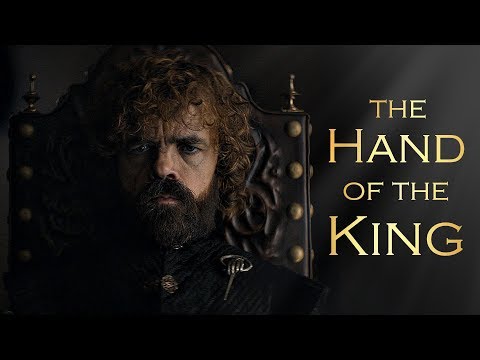
tyrion in 30 Sekunden
- A 'Tyrion' is an archetype of a highly intelligent, witty underdog who uses their mind to survive and thrive in a world that marginalizes them.
- The term originates from the character Tyrion Lannister and is used to describe real-life people who share his sharp intellect and resilience.
- It emphasizes the power of the mind over physical strength and social status, often involving a cynical but effective worldview.
- Calling someone a 'Tyrion' is a compliment to their strategic thinking and their ability to overcome prejudice through sheer mental agility.
The term tyrion, while originating as a proper name, has evolved in contemporary cultural discourse to represent a specific and complex archetype. To describe someone as a 'Tyrion' is to invoke a multifaceted persona characterized by a sharp, often cynical wit, a profound level of strategic intelligence, and a resilient spirit that thrives despite systemic or physical marginalization. This archetype is rooted in the character Tyrion Lannister from George R.R. Martin's 'A Song of Ice and Fire' and its television adaptation, 'Game of Thrones'. In these narratives, the character is a dwarf who uses his intellect to survive in a world that values physical prowess and traditional nobility. Consequently, the word has transitioned into a noun used to identify individuals who navigate hostile social environments through sheer mental agility and rhetorical brilliance.
- Archetypal Essence
- The core of the tyrion archetype is the triumph of the mind over the body. It represents the 'clever outcast' who understands the mechanics of power better than those who actually hold it. This person is often the smartest person in the room but is frequently underestimated due to their appearance or social status.
In the boardroom, Arthur was a total tyrion; he lacked the height of the other executives, but his verbal sparring left them all speechless.
Usage of this term typically occurs in intellectual, literary, or pop-culture-savvy circles. It is a shorthand for describing a person who uses humor as a shield and knowledge as a weapon. When you call someone a 'tyrion', you are acknowledging their struggle against prejudice while simultaneously praising their cognitive superiority. It is rarely used in a purely derogatory sense; instead, it carries a tone of begrudging respect or deep admiration for the individual's ability to turn their perceived weaknesses into their greatest strengths. This transition from a specific character name to a general archetype follows the linguistic path of words like 'quixotic' or 'machiavellian', though it remains more informal and modern.
- Social Context
- In social dynamics, a 'tyrion' is often the observer. Because they are marginalized, they see the world from the outside in, allowing them to identify hypocrisies and flaws that others miss. They are the truth-tellers who use sarcasm to make the truth palatable—or at least survivable.
She played the role of the tyrion of the family, always ready with a biting remark that exposed the hidden tensions at the dinner table.
Furthermore, the 'tyrion' figure is defined by their relationship with literature and history. As the character himself famously noted, 'a mind needs books as a sword needs a whetstone.' Thus, the archetype is inherently linked to the pursuit of knowledge. A 'tyrion' is not just naturally smart; they are well-read, well-informed, and capable of synthesizing vast amounts of information to predict future outcomes. This makes the term particularly useful in political analysis or academic critiques where an underdog uses superior information to outmaneuver a more powerful opponent.
The young journalist acted as a tyrion among the political giants, using his research to dismantle their carefully crafted lies.
- Emotional Resonance
- There is a layer of pathos associated with being a 'tyrion'. It implies a history of being rejected or mocked, which has forged a thick skin and a sharp tongue. It is a term of resilience as much as it is a term of intellect.
Despite the constant bullying, his tyrion spirit kept him focused on his studies until he eventually became their boss.
In conclusion, the word 'tyrion' serves as a modern cultural shorthand for the 'intellectual underdog.' It encapsulates a specific blend of wit, wisdom, and the will to survive against the odds. Whether used in literature, social commentary, or casual conversation, it immediately brings to mind a person who, though physically or socially disadvantaged, possesses a mind that is a formidable force of nature. It is the ultimate compliment for the clever outcast.
Every revolution needs its tyrion—the one who thinks while everyone else is just fighting.
Using the word tyrion effectively requires an understanding of its role as a descriptive proper noun. It is most often used as a metaphor or an allusion. When integrating it into a sentence, you are typically comparing a real or fictional person to the archetype of the witty, marginalized strategist. This comparison can be direct, using 'is a', or indirect, using 'like' or 'as'. The key is to ensure the context supports the traits of intelligence and resilience. For example, simply calling a short person a 'tyrion' is often considered reductive and misses the intellectual depth the word implies; the context must involve their cleverness or their ability to navigate social hierarchies.
- Direct Metaphor
- In this structure, the person is identified as the archetype itself. This is a strong statement of their character. 'He is the tyrion of our debate team, providing the logic that saves us every time.'
Even in the face of defeat, she remained a tyrion, using her final words to expose the corruption of the court.
Another common way to use the word is to describe a specific set of actions or a 'mode' of being. You might say someone is 'channeling their inner tyrion' or 'acting like a tyrion'. This suggests a temporary adoption of the archetype's traits—perhaps someone who is usually quiet suddenly delivers a devastatingly clever comeback or a brilliant plan. This usage highlights the performative nature of wit as a defense mechanism. It also works well in professional settings where a strategic, non-obvious solution is required. Using the word here adds a layer of literary sophistication to your description of their problem-solving skills.
- Adjectival Use
- While 'tyrion' is a noun, it can be used attributively. 'His tyrion wit was his only defense against the school bullies.' Here, it modifies the noun 'wit' to specify a very particular kind of sharp, survivalist humor.
The CEO's tyrion approach to the merger involved letting the competitors fight each other while he secured the assets.
Furthermore, you can use the word to describe the dynamic of a group. In any team, there is often one person who doesn't fit the standard mold but provides the critical thinking necessary for success. Referring to this person as the 'tyrion' of the group instantly communicates their role as the 'brains' behind the operation, especially if they are not the official leader. This usage is common in sports commentary, political punditry, and collaborative creative environments. It emphasizes that power does not always reside in the person with the loudest voice or the most impressive physical presence.
Every group of friends has a tyrion—the one who knows exactly what to say to get the group out of trouble.
- Contrastive Use
- The word is most powerful when contrasted with brute force or unearned privilege. 'The general had the army, but the diplomat was a tyrion, and in the end, the diplomat won.'
He wasn't the strongest athlete, but he played with a tyrion intensity that made him impossible to ignore.
Finally, consider the emotional weight of the word. Because it is tied to a character who suffered greatly, using it implies a level of empathy. It suggests that the person's wit is not just a talent, but a hard-won survival skill. When you write about a 'tyrion', you are writing about someone who has looked at the world's cruelty and decided to outsmart it. This makes the word ideal for character studies, biographies, or narrative non-fiction where the subject has overcome significant social barriers through their intellect.
The history of science is full of tyrions—brilliant minds who were pushed to the edges of society but changed the world anyway.
The word tyrion is most frequently heard in environments where popular culture and intellectual analysis intersect. You will encounter it in podcasts discussing television and literature, where critics use it to categorize characters in other shows. For instance, a critic might say, 'The protagonist in this new series is very much a tyrion figure,' immediately conveying to the audience that the character is witty, underestimated, and perhaps physically distinct. This usage relies on a shared cultural vocabulary that has been solidified by the massive global success of 'Game of Thrones'. It is a way of bypassing long descriptions and getting straight to the essence of a character's role and personality.
- In Political Commentary
- Political pundits often use the term to describe strategists who work behind the scenes. A 'tyrion' in politics is the advisor who is perhaps not charismatic enough to be the candidate but is the mastermind behind the campaign's most brilliant moves. They are the ones who understand the 'game' better than anyone else.
The senator's chief of staff is the real tyrion of Washington; he knows where all the bodies are buried and how to use that to his advantage.
In academic settings, particularly in media studies or English literature departments, the word is used to discuss the evolution of the 'trickster' archetype. Professors might compare a 'tyrion' to historical figures like Odysseus or mythological figures like Loki. In these discussions, the focus is on how the 'tyrion' represents a modern subversion of traditional heroism. You might hear it in a lecture about how modern storytelling prioritizes intellectual competence over physical strength. Here, the word is treated with more formal weight, analyzed as a significant cultural phenomenon that reflects changing societal values regarding disability and intelligence.
- In the Tech Industry
- The tech world loves an underdog story. You'll often hear founders or engineers described as 'tyrions' if they have come from non-traditional backgrounds and used their coding skills to disrupt massive, established industries. It's a term of endearment for the 'hacker' who outsmarts the 'suits'.
He was the tyrion of the startup world, a self-taught programmer who built an empire from his basement while the VCs laughed at him.
Social media is another place where the word 'tyrion' thrives. On platforms like Twitter or Reddit, users might use the word to describe a person who has delivered a particularly 'savage' or clever retort to a powerful figure. It is often used in hashtags or as a caption for memes. In this context, the word is highly informal and serves as a badge of honor for someone who has successfully 'spoken truth to power' using wit. It is part of the digital age's love for the 'snarky' intellectual who can dismantle an argument in 280 characters or less.
Did you see that reply? Absolute tyrion energy. He completely dismantled the argument with one sentence.
- In Gaming Communities
- In strategy games, a player who wins through clever resource management and diplomacy rather than brute force is often called a 'tyrion'. It signifies a victory of strategy over 'button-mashing'.
He won the tournament by being a tyrion, making alliances and letting the other players eliminate each other.
Lastly, you may hear the word in therapy or self-help contexts. Some people identify with the 'tyrion' archetype as a way of processing their own experiences of being an outsider. A therapist might use the character as a reference point for building resilience or finding one's voice. In this sense, 'tyrion' becomes a psychological tool—a model for how to turn trauma and marginalization into a source of personal power and intellectual strength. It is a word that resonates deeply with anyone who has ever felt like they didn't belong but knew they had something valuable to offer.
She found her tyrion voice during the workshop, realizing that her unique perspective was her greatest asset.
One of the most frequent mistakes people make when using the word tyrion is applying it solely based on physical characteristics. Because the character Tyrion Lannister is a dwarf, some mistakenly use the name as a synonym for any person of short stature. This is not only inaccurate in terms of the word's archetypal meaning but can also be deeply offensive. The essence of a 'tyrion' is their *intellect* and *wit* in the face of adversity. Using the word to describe someone who is short but lacks those specific mental qualities strips the word of its power and turns it into a superficial label. Always ensure that the person's cleverness is the primary reason you are using the term.
- The 'Just Smart' Error
- Another mistake is using 'tyrion' to describe anyone who is simply intelligent. A 'tyrion' is not just a genius; they are an *underdog* genius. If a person is powerful, physically imposing, and socially dominant, they are not a 'tyrion', even if they are brilliant. The archetype requires the element of being marginalized or underestimated.
Incorrect: The champion heavyweight boxer, who is also a rocket scientist, is a total tyrion. (This person is not an underdog.)
Confusing 'tyrion' with 'villain' is another common pitfall. While the character Tyrion Lannister can be morally ambiguous, the archetype is generally viewed with sympathy or admiration. Using it to describe someone who is merely 'sneaky' or 'evil' misses the mark. A 'tyrion' uses their wits for survival and often for a cause they believe in, even if their methods are unconventional. If someone is purely malicious without the layer of being an oppressed underdog, terms like 'Machiavellian' or 'Iago-like' are much more appropriate. The 'tyrion' archetype is fundamentally about the struggle of the individual against a system that rejects them.
- Overuse in Non-Literary Contexts
- Using the word too often in formal writing can make the text feel dated or overly dependent on pop culture. While it's a great metaphor, it shouldn't replace standard vocabulary like 'shrewd', 'astute', or 'resilient' in academic or professional reports unless the allusion is specifically intended to add a certain flavor to the prose.
Better: The analyst's shrewd observations saved the company. (Instead of 'tyrion observations' in a formal report.)
There is also the risk of mispronunciation or misspelling, which can undermine the speaker's intended 'intellectual' tone. The name is pronounced 'TEER-ee-un'. Mispronouncing it as 'TY-run' or 'TIE-ree-on' can make the speaker seem like they are trying too hard to use a cultural reference they don't fully understand. Similarly, spelling it 'Tyrian' (which refers to a shade of purple or someone from the ancient city of Tyre) is a common error. While 'Tyrian' is a real word, it has a completely different meaning and history. Context is key to ensuring the reader or listener understands you are referring to the character archetype.
- The 'Cynicism' Trap
- Don't assume every 'tyrion' is a pessimist. While they are often cynical, the core of the archetype is *effectiveness*. A 'tyrion' who just complains without having a plan or a witty insight is just a grumbler. The wit must be purposeful.
Incorrect: He's such a tyrion; he hates everything and everyone. (This is just being a misanthrope.)
Finally, avoid using the term in a way that implies the person's marginalization is their *only* defining feature. The beauty of the 'tyrion' archetype is that it celebrates the person's agency and intellect *despite* their circumstances. If you focus too much on the 'underdog' part and not enough on the 'genius' part, you are doing a disservice to the complexity of the term. It is a balance of both. A 'tyrion' is a person who has been dealt a bad hand but plays it with the skill of a grandmaster. Keep that balance in mind to use the word with the respect and nuance it deserves.
Correct: She is the tyrion of the tech department—the only one without a degree, but the only one who can fix the server.
While tyrion is a highly specific and modern archetype, there are several other words and phrases that capture parts of its meaning. Depending on the context, you might choose a more traditional term or a different literary allusion. Understanding these alternatives allows you to fine-tune your description and avoid overusing pop-culture references. The most direct synonyms relate to the person's intellect and their status as an outsider. Words like 'underdog', 'maverick', and 'iconoclast' all touch on the 'tyrion' spirit but emphasize different aspects of it. 'Underdog' focuses on the lack of power, 'maverick' on the independence, and 'iconoclast' on the tendency to challenge established beliefs.
- Tyrion vs. Machiavellian
- Both terms describe people who are strategically brilliant and perhaps a bit cynical. However, 'Machiavellian' implies a lack of morality and a focus on power for power's sake. A 'tyrion' is usually more sympathetic, motivated by survival or a sense of justice, and their wit is more prominent than their cruelty.
While the CEO was Machiavellian in his takeover, the lead developer was a tyrion, using his knowledge to protect the staff.
Another interesting comparison is with the 'Trickster' archetype found in many mythologies. Figures like Hermes, Anansi, or Coyote are all 'tyrions' of a sort—they use their wits to outsmart more powerful gods or monsters. However, the 'tyrion' archetype is more grounded in human suffering and social reality. While a trickster might play a prank just for fun, a 'tyrion' uses their wit because they have to. If you want to emphasize the playful, chaotic side of cleverness, 'trickster' is better. If you want to emphasize the resilience and the 'brain-over-brawn' struggle in a realistic setting, 'tyrion' is the more poignant choice.
- Tyrion vs. Polymath
- A 'polymath' is someone who is an expert in many different fields. While a 'tyrion' is often a polymath (because they read so much), the term 'polymath' doesn't carry the connotation of being an underdog or having a sharp wit. Use 'polymath' for pure intellectual breadth and 'tyrion' for intellectual survival.
He was a true polymath, but it was his tyrion ability to apply that knowledge in a crisis that saved the project.
For those looking for more traditional literary alternatives, consider 'Falstaffian' or 'Quixotic'. A 'Falstaffian' person is witty and fond of drink, much like Tyrion, but usually lacks the strategic depth and the 'underdog' struggle—they are more about comic relief. A 'Quixotic' person is idealistic to a fault, which is almost the opposite of the cynical 'tyrion'. If you are looking for a term that describes a person who is small but mighty in spirit, you might use 'David' (as in David and Goliath), though this focuses more on the victory itself than the intellectual process of achieving it.
- Tyrion vs. Sage
- A 'sage' is a wise person, usually older and respected. A 'tyrion' is often wise but rarely respected by the masses. The 'tyrion' is the sage who has to fight for a seat at the table. Use 'sage' for a mentor figure and 'tyrion' for a protagonist who is still in the thick of the battle.
The old professor was the sage of the department, but the grad student who challenged him was the tyrion.
In summary, while 'tyrion' is a unique and powerful modern term, it exists within a rich tapestry of words describing intelligence, wit, and social status. Choosing between 'tyrion', 'Machiavellian', 'underdog', or 'trickster' depends on whether you want to emphasize the person's morality, their struggle, their humor, or their strategic brilliance. By understanding these nuances, you can use 'tyrion' more effectively and know exactly when it is the perfect word for the person you are describing.
He wasn't just a maverick; he was a tyrion who used his status as an outsider to rewrite the rules of the game.
How Formal Is It?
Wusstest du?
The character Tyrion Lannister was inspired by Martin's own feelings of being an outsider in certain social circles, as well as historical figures like Richard III.
Aussprachehilfe
- Pronouncing it as 'TY-run' (like 'tyrant').
- Pronouncing it as 'TIE-ree-on'.
- Confusing it with the word 'Tyrian' (purple).
- Adding an extra syllable: 'Ty-ree-on-ee'.
- Swapping the 'i' and 'o' sounds.
Schwierigkeitsgrad
Requires knowledge of modern literature and archetypes.
Using it correctly as a metaphor requires nuance.
Pronunciation is key, but the concept is easy to explain.
Easily recognizable in pop-culture contexts.
Was du als Nächstes lernen solltest
Voraussetzungen
Als Nächstes lernen
Fortgeschritten
Wichtige Grammatik
Proper Nouns as Common Nouns
He is *a* Tyrion. (Using 'a' makes the specific name a general type.)
Hyphenated Compound Adjectives
His *Tyrion-like* wit. (Joining a name and 'like' to describe a trait.)
Suffix '-esque'
A *Tyrion-esque* strategy. (Adding '-esque' to mean 'in the style of'.)
Metaphorical Identification
She *is* the Tyrion of the class. (Directly identifying a person with an archetype.)
Allusive Possessives
He has *a Tyrion's* resilience. (Using the possessive to describe a quality.)
Beispiele nach Niveau
Tyrion is a very smart man.
Tyrion est un homme très intelligent.
Subject + Verb + Adjective phrase.
He reads many books like Tyrion.
Il lit beaucoup de livres comme Tyrion.
Use of 'like' for comparison.
Is he a Tyrion?
Est-il un Tyrion ?
Interrogative sentence with a proper noun as a common noun.
Tyrion uses his head to win.
Tyrion utilise sa tête pour gagner.
Simple present tense for habitual action.
The smart boy is a little Tyrion.
Le garçon intelligent est un petit Tyrion.
Noun phrase with 'little' as a modifier.
Tyrion says funny things.
Tyrion dit des choses drôles.
Subject + Verb + Object.
I want to be smart like Tyrion.
Je veux être intelligent comme Tyrion.
Infinitive phrase 'to be smart'.
Tyrion is not a big soldier.
Tyrion n'est pas un grand soldat.
Negative sentence with 'not'.
He is the Tyrion of our school.
Il est le Tyrion de notre école.
Definite article 'the' used with a proper noun to show a role.
She has a Tyrion wit.
Elle a un esprit à la Tyrion.
Proper noun used as an adjective.
Don't underestimate him; he's a Tyrion.
Ne le sous-estimez pas ; c'est un Tyrion.
Imperative followed by a declarative sentence.
He solved the problem like a true Tyrion.
Il a résolu le problème comme un vrai Tyrion.
Prepositional phrase 'like a true Tyrion'.
Tyrion is famous for his smart words.
Tyrion est célèbre pour ses paroles intelligentes.
Adjective 'famous' followed by the preposition 'for'.
Is there a Tyrion in your family?
Y a-t-il un Tyrion dans votre famille ?
There is/are question form.
He is small, but he is a Tyrion.
Il est petit, mais c'est un Tyrion.
Conjunction 'but' showing contrast.
Everyone likes the Tyrion character.
Tout le monde aime le personnage de Tyrion.
Subject 'Everyone' takes a singular verb.
In every group of friends, there is always one Tyrion who plans everything.
Dans chaque groupe d'amis, il y a toujours un Tyrion qui planifie tout.
Relative clause 'who plans everything'.
His resilience in the face of bullying made him a real-life Tyrion.
Sa résilience face au harcèlement a fait de lui un Tyrion de la vie réelle.
Noun phrase 'real-life Tyrion'.
She used her Tyrion-like intelligence to outsmart the dishonest salesman.
Elle a utilisé son intelligence à la Tyrion pour être plus maligne que le vendeur malhonnête.
Hyphenated adjective 'Tyrion-like'.
Being a Tyrion means you have to work twice as hard to be heard.
Être un Tyrion signifie que vous devez travailler deux fois plus dur pour être entendu.
Gerund 'Being' as the subject.
He responded to the insult with a classic Tyrion remark.
Il a répondu à l'insulte par une remarque classique à la Tyrion.
Adjective 'classic' modifying 'Tyrion remark'.
The movie features a Tyrion archetype who saves the day with logic.
Le film met en scène un archétype de Tyrion qui sauve la mise grâce à la logique.
Present simple for plot summary.
I've always admired the Tyrion approach to solving social conflicts.
J'ai toujours admiré l'approche de Tyrion pour résoudre les conflits sociaux.
Present perfect tense 'I've always admired'.
He isn't the leader, but he is the Tyrion behind the scenes.
Il n'est pas le chef, mais c'est le Tyrion de l'ombre.
Idiomatic expression 'behind the scenes'.
The protagonist's Tyrion-esque wit serves as both a shield and a weapon.
L'esprit à la Tyrion du protagoniste sert à la fois de bouclier et d'arme.
Suffix '-esque' to form an adjective from a proper noun.
By channeling his inner Tyrion, he managed to navigate the toxic corporate culture.
En canalisant son Tyrion intérieur, il a réussi à naviguer dans la culture d'entreprise toxique.
Participial phrase 'By channeling...'.
She is often underestimated because of her background, but she possesses a truly Tyrion intellect.
Elle est souvent sous-estimée à cause de ses origines, mais elle possède un intellect véritablement à la Tyrion.
Passive voice 'is often underestimated'.
The author created a Tyrion figure to critique the aristocracy's obsession with physical perfection.
L'auteur a créé une figure de Tyrion pour critiquer l'obsession de l'aristocratie pour la perfection physique.
Infinitive of purpose 'to critique'.
His speech was full of Tyrion-style cynicism and strategic insight.
Son discours était plein de cynisme à la Tyrion et d'intuition stratégique.
Compound noun 'Tyrion-style cynicism'.
To be a Tyrion is to realize that knowledge is the only real power in a world of giants.
Être un Tyrion, c'est réaliser que la connaissance est le seul véritable pouvoir dans un monde de géants.
Correlative structure 'To be... is to...'.
The diplomat acted as a Tyrion, using secrets and logic to prevent the invasion.
Le diplomate a agi comme un Tyrion, utilisant des secrets et la logique pour empêcher l'invasion.
Simile using 'as a Tyrion'.
Despite his marginalization, his Tyrion spirit allowed him to dominate the political landscape.
Malgré sa marginalisation, son esprit de Tyrion lui a permis de dominer le paysage politique.
Preposition 'Despite' followed by a noun phrase.
The narrative arc of the 'Tyrion' archetype explores the intersection of disability and intellectual superiority.
L'arc narratif de l'archétype 'Tyrion' explore l'intersection du handicap et de la supériorité intellectuelle.
Complex subject 'The narrative arc of the Tyrion archetype'.
He adopted a Tyrion persona to survive the cutthroat environment of the investment bank.
Il a adopté un personnage de Tyrion pour survivre à l'environnement impitoyable de la banque d'investissement.
Adjective 'cutthroat' modifying 'environment'.
Her analysis was characterized by a Tyrion-like ability to see through the veneer of corporate politeness.
Son analyse était caractérisée par une capacité à la Tyrion à voir à travers le vernis de la politesse d'entreprise.
Noun 'veneer' used metaphorically.
The character serves as a Tyrion, providing a biting commentary on the hypocrisy of the ruling class.
Le personnage sert de Tyrion, fournissant un commentaire mordant sur l'hypocrisie de la classe dirigeante.
Present participle 'providing' for simultaneous action.
In the realm of modern myth-making, the Tyrion figure represents the democratization of heroism.
Dans le domaine de la création de mythes modernes, la figure de Tyrion représente la démocratisation de l'héroïsme.
Abstract noun 'democratization'.
His Tyrion-inflected rhetoric was designed to disarm his opponents before delivering the final blow.
Sa rhétorique teintée de Tyrion était conçue pour désarmer ses adversaires avant de porter le coup final.
Past participle 'inflected' as part of a compound adjective.
The philosopher was a Tyrion of his time, marginalized by the church but intellectually untouchable.
Le philosophe était un Tyrion de son temps, marginalisé par l'église mais intellectuellement intouchable.
Appositive phrase 'marginalized by the church...'.
To understand the 'Tyrion' is to understand the power of the subaltern voice in literature.
Comprendre le 'Tyrion', c'est comprendre le pouvoir de la voix subalterne dans la littérature.
Use of the term 'subaltern' in a literary context.
The 'Tyrion' archetype functions as a subversion of the Nietzschean Ubermensch, prioritizing cognitive agility over physical dominance.
L'archétype 'Tyrion' fonctionne comme une subversion de l'Ubermensch nietzschéen, privilégiant l'agilité cognitive sur la dominance physique.
Reference to philosophical concepts (Nietzschean Ubermensch).
His political strategy was a masterclass in Tyrion-style maneuvering, leveraging his outsider status to fracture the establishment.
Sa stratégie politique était une leçon de manœuvre à la Tyrion, tirant parti de son statut d'outsider pour fracturer l'establishment.
Gerund 'leveraging' to explain the method.
The protagonist's journey is a quintessential Tyrion narrative, where the mind is the only tool for navigating a hostile ontological landscape.
Le voyage du protagoniste est un récit de Tyrion par excellence, où l'esprit est le seul outil pour naviguer dans un paysage ontologique hostile.
Adjective 'ontological' used in a philosophical sense.
She embodied the Tyrion spirit, transforming her social exclusion into a vantage point of unparalleled critical clarity.
Elle incarnait l'esprit de Tyrion, transformant son exclusion sociale en un point d'observation d'une clarté critique sans égale.
Metaphorical use of 'vantage point'.
The text deconstructs the Tyrion figure, questioning whether wit is a true form of power or merely a sophisticated coping mechanism.
Le texte déconstruit la figure de Tyrion, se demandant si l'esprit est une véritable forme de pouvoir ou simplement un mécanisme d'adaptation sophistiqué.
Verb 'deconstructs' in a literary analysis context.
His Tyrion-like cynicism was not a lack of hope, but a hyper-realistic assessment of the structural inequities of his era.
Son cynisme à la Tyrion n'était pas un manque d'espoir, mais une évaluation hyper-réaliste des inégalités structurelles de son époque.
Contrastive structure 'not a... but a...'.
In the dialectic of the 'Tyrion', the physical self is a prison from which the intellect provides the only escape.
Dans la dialectique du 'Tyrion', le moi physique est une prison dont l'intellect fournit la seule issue.
Use of 'dialectic' to describe a complex relationship.
The emergence of the Tyrion archetype in popular culture signals a profound shift in the collective valuation of intellectual labor.
L'émergence de l'archétype Tyrion dans la culture populaire signale un changement profond dans l'évaluation collective du travail intellectuel.
Complex noun phrase 'collective valuation of intellectual labor'.
Häufige Kollokationen
Häufige Phrasen
— Intelligence requires constant learning and practice to stay sharp. This is the core philosophy of the Tyrion archetype.
He spent every night in the library, believing that a mind needs books as a sword needs a whetstone.
— Accept your identity and flaws so that others cannot use them against you. This is a key piece of advice from the character.
He wore his scars with pride, remembering the advice to never forget what you are.
— A humorous way to describe someone whose life revolves around leisure and intellectual pursuit. It's often used to describe a 'gentleman scholar' type.
Why should I help? Well, I drink and I know things.
— Often used to describe a Tyrion figure who is overlooked but possesses superior knowledge. It highlights the gap between status and intellect.
He sat quietly in the corner, but everyone knew he was the smartest person in the room.
— Promises and threats mean nothing without action or power. A cynical view of communication often held by the Tyrion archetype.
They promised to help, but he knew that words are wind.
— While specific to the character, it is used to describe a person who is meticulously reliable, for better or worse. It implies a sense of honor or vengeance.
He made sure to return the favor, for a Lannister always pays his debts.
— A person who has a much larger impact on the world than their physical or social presence would suggest. It's a classic description of the archetype.
The advisor was a small man, but he cast a big shadow over the kingdom.
— A reference to Tyrion's hedonistic side. It's used to describe someone who enjoys life's pleasures while remaining intellectually sharp.
He joked that in his next life, he'd be the god of tits and wine.
— A confident assertion of one's primary skill, usually 'knowing things' or 'solving problems.' It's a short, punchy way to claim expertise.
How did you know the market would crash? That's what I do.
— While common, in a Tyrion context, it implies a strategic obligation that will eventually be called upon. It's about the social economy of favors.
I'll help you now, but you'll owe me a debt of gratitude.
Wird oft verwechselt mit
A shade of purple or a person from Tyre. Sounds the same but spelled differently.
A cruel and oppressive ruler. Tyrion is often the opposite—the one fighting the tyrant.
A Greek sea god. Similar sound but completely different meaning.
Redewendungen & Ausdrücke
— To speak in a clever but often critical or sarcastic way. This is a defining trait of a Tyrion.
Be careful when arguing with her; she has a very sharp tongue.
Informal— To make the best of a difficult situation using whatever resources you have. This is the Tyrion's life story.
He didn't complain about his background; he just played the hand he was dealt.
Neutral— To be the person who does the thinking and planning for a group. This is the Tyrion's role.
The tall guy is the face, but the short one is the brains of the operation.
Informal— To tell the truth to those in authority, even if it is dangerous. A key action of the Tyrion archetype.
He was the only one brave enough to speak truth to power during the meeting.
Formal— To take a weakness or an insult and make it a part of your strength so it can't hurt you. Directly from Tyrion's advice.
He took the nickname they gave him and wore it like armor.
Neutral— To be more clever than everyone else present. A common occurrence for a Tyrion.
She managed to outsmart the room and secure the deal.
Informal— To be very quick to understand things and never forget them. Describes the Tyrion intellect.
Ask him anything about history; he has a mind like a steel trap.
Informal— Used ironically for a Tyrion to describe their intellectual or moral stature compared to others.
In terms of integrity, he was a giant among men.
Literary— To remain calm and think clearly in a crisis. A necessary skill for a Tyrion.
While everyone else panicked, he kept his head and found a way out.
Neutral— To use intelligence instead of physical violence. The core of the Tyrion archetype.
He knew he couldn't win a fistfight, so he fought with his mind.
NeutralLeicht verwechselbar
Both involve strategy and cynicism.
Machiavellian implies evil or lack of morals; Tyrion implies being an underdog and having wit.
The villain was Machiavellian, but the hero was a Tyrion.
Both are marginalized figures.
Underdog is general; Tyrion specifically implies high intelligence and wit.
He was an underdog, but he wasn't a Tyrion because he wasn't very clever.
Both involve being funny and smart.
Wit is a quality; Tyrion is a person/archetype who possesses that quality.
He has great wit, but he's not a Tyrion because he's very powerful and popular.
Both are wise.
A sage is respected and usually old; a Tyrion is often disrespected and has to fight.
The sage gave advice, but the Tyrion made the plan.
Both are outsiders.
A maverick breaks rules for independence; a Tyrion uses rules and knowledge to survive.
The pilot was a maverick, but the engineer was a Tyrion.
Satzmuster
He is like Tyrion because [reason].
He is like Tyrion because he is very smart.
She is the Tyrion of [group].
She is the Tyrion of the debate team.
With his [adjective] wit, he is a real Tyrion.
With his sharp wit, he is a real Tyrion.
Channeling his inner Tyrion, he [action].
Channeling his inner Tyrion, he outsmarted the boss.
It was a Tyrion-esque move to [action].
It was a Tyrion-esque move to wait for the enemy to fail.
The [noun] functions as a Tyrion figure, [participle phrase].
The protagonist functions as a Tyrion figure, exposing the truth.
His [noun] was characterized by a Tyrion-like [noun].
His leadership was characterized by a Tyrion-like strategic depth.
The emergence of the Tyrion archetype [verb] the [noun].
The emergence of the Tyrion archetype subverts the traditional hero.
Wortfamilie
Substantive
Verben
Adjektive
Verwandt
So verwendest du es
High in pop-culture and intellectual circles; low in traditional formal settings.
-
Using 'Tyrion' as a synonym for 'short'.
→
Using 'Tyrion' for a smart, witty underdog.
The archetype is about intellect and resilience, not just physical height. Using it for height alone is reductive.
-
Spelling it 'Tyrian'.
→
Spelling it 'Tyrion'.
'Tyrian' refers to purple dye or the city of Tyre. 'Tyrion' is the character/archetype.
-
Calling a powerful, popular leader a 'Tyrion'.
→
Calling them a 'strategist' or 'leader'.
A Tyrion must be an outsider or marginalized in some way. If they are the 'King', they aren't a Tyrion.
-
Thinking a Tyrion is just a 'nerd'.
→
Recognizing the social and strategic wit of a Tyrion.
Nerds are about knowledge; Tyrions are about using that knowledge to survive social and political games.
-
Pronouncing it 'Ty-run'.
→
Pronouncing it 'Teer-ee-un'.
The 'y' is a short 'i' sound, and the 'o' is a short 'u' sound.
Tipps
Use for the Underdog
Only use 'Tyrion' when the person is an underdog. If they are already powerful and popular, the word doesn't fit.
Emphasize the Wit
A Tyrion isn't just smart; they are funny and sharp. Make sure the person you're describing has a 'sharp tongue'.
The Book Connection
The archetype is deeply linked to reading. Use it for people who are 'well-read' and use that knowledge practically.
Disarming Humor
Remember that a Tyrion often uses humor to make people like them or to make them less afraid. It's a social tool.
The Chess Player
Think of a Tyrion as a chess player in a world of boxers. They win by thinking several moves ahead.
Avoid Superficiality
Don't use the word just to describe someone's height. That's a 'common mistake' and misses the point of the archetype.
Know Your Audience
This is a modern allusion. Make sure your audience knows 'Game of Thrones' or explain the traits you mean.
Adjective Forms
Use 'Tyrion-esque' to describe a plan or a remark. It sounds very professional and precise.
The Whetstone
Keep the 'sword and whetstone' quote in mind. It's the best way to explain the archetype to others.
Global Appeal
The 'clever underdog' is a universal story. You can use this archetype to connect with people from many different cultures.
Einprägen
Eselsbrücke
Think of a 'Tiny-Lion'. Tyrion is a Lannister (whose symbol is a lion) and he is small (tiny), but he has the heart and mind of a king.
Visuelle Assoziation
Imagine a very small person standing on a mountain of books to reach the same height as a giant. The books represent the knowledge that gives them power.
Word Web
Herausforderung
Try to use the word 'Tyrion' in a sentence to describe a famous historical figure who was an underdog. For example: 'Galileo was a Tyrion of science, standing up to the church with his telescope.'
Wortherkunft
The name 'Tyrion' was popularized by George R.R. Martin in his fantasy series 'A Song of Ice and Fire' (1996). While the name existed in various forms historically, its modern archetypal meaning is entirely derived from this literary source.
Ursprüngliche Bedeutung: In the context of the books, it is a noble name within the Lannister family. Etymologically, it may be related to the Greek 'tyrannos' (tyrant) or the Welsh 'Tirion' (gentle/kind), though Martin likely chose it for its unique sound.
Modern English (Literary Invention)Kultureller Kontext
Be careful not to use the term in a way that focuses only on a person's physical disability. The focus should always be on their intellect and character.
In the US and UK, the term is widely understood due to the massive popularity of 'Game of Thrones'. It is often used in political and tech circles.
Im Alltag üben
Kontexte aus dem Alltag
Office Politics
- The Tyrion of the department
- Strategic maneuvering
- Outsmarting the management
- Intellectual leverage
Literary Analysis
- The subversion of the hero
- The marginalized voice
- Wit as a survival tool
- Archetypal resilience
Casual Conversation
- Channeling my inner Tyrion
- A sharp remark
- The smart one in the group
- I drink and I know things
Gaming/Strategy
- Playing like a Tyrion
- Winning through diplomacy
- Resourceful underdog
- Mind over muscle
Social Justice
- Overcoming prejudice
- The power of the mind
- Resilience against the odds
- Challenging the system
Gesprächseinstiege
"Who would you say is the 'Tyrion' of your favorite TV show or book?"
"Have you ever had to channel your inner Tyrion to get out of a difficult situation?"
"Do you think it's better to be the leader or the 'Tyrion' behind the scenes?"
"Why do you think the Tyrion archetype has become so popular in recent years?"
"In a world of giants, how can someone be a Tyrion and still succeed?"
Tagebuch-Impulse
Describe a time when you used your wit or intelligence to overcome a situation where you were the underdog.
Reflect on the idea that 'a mind needs books as a sword needs a whetstone.' How do you sharpen your mind?
If you were a Tyrion in a fantasy world, what would be your greatest strength and your greatest weakness?
Write about a person you know who embodies the Tyrion archetype. What can you learn from them?
How does society treat people who are 'different' but smart? How can we support the Tyrions of the world?
Häufig gestellte Fragen
10 FragenIt started as a name, but it is now used as a common noun or archetype in English. This is called an eponym or an allusion. It describes a specific type of person: the witty, marginalized intellectual. You can use it just like you would use 'a Romeo' or 'an Einstein'.
Yes, the archetype is gender-neutral. It refers to the traits of intelligence, wit, and being an underdog. Many people use it to describe women who are the 'brains' of a group or who use their intellect to navigate male-dominated environments.
It depends on the context. Usually, it is a compliment to someone's intelligence. However, if you are only using it because the person has a physical disability, it can be offensive. Always focus on the mental and strategic qualities of the person.
The most common forms are 'Tyrion-like' and 'Tyrion-esque'. Both are correct. 'Tyrion-esque' sounds a bit more formal and literary, while 'Tyrion-like' is more direct.
It is often summarized by the quote: 'A mind needs books as a sword needs a whetstone.' It's the belief that knowledge and wit are the best tools for survival, especially for those who lack physical power or social status.
If you are referring to the specific character from 'Game of Thrones', yes. If you are using it as a general archetype (e.g., 'He's a bit of a tyrion'), it is often lowercase in informal writing, but capitalization is still common.
A 'nerd' is someone who is very interested in technical subjects or hobbies. A 'Tyrion' is specifically someone who uses their intelligence as a weapon or a shield in social and political situations. A Tyrion is more of a strategist than a nerd.
Yes, an 'evil Tyrion' would be a character who uses their wit and underdog status to hurt others. However, the archetype is usually sympathetic because we tend to root for the underdog who outsmarts the powerful.
Lannister is Tyrion's family name in the books. Some phrases, like 'A Lannister always pays his debts', are so closely linked to him that they are part of the archetype's vocabulary, even if the person isn't actually a Lannister.
Look for characters like Odysseus in 'The Odyssey', Miles Vorkosigan in Lois McMaster Bujold's series, or even Sherlock Holmes in some contexts. They all share the 'mind over matter' trait.
Teste dich selbst 180 Fragen
Write a short paragraph describing a person you know who is a 'Tyrion'. Explain why they fit the archetype.
Well written! Good try! Check the sample answer below.
Explain the quote 'A mind needs books as a sword needs a whetstone' in your own words.
Well written! Good try! Check the sample answer below.
Compare and contrast a 'Tyrion' with a 'Brute'. Which one is more successful in the modern world?
Well written! Good try! Check the sample answer below.
Write a dialogue between a Tyrion figure and a powerful but dull leader.
Well written! Good try! Check the sample answer below.
Discuss how the 'Tyrion' archetype has changed the way we view disability in media.
Well written! Good try! Check the sample answer below.
Create a character profile for a 'Tyrion' in a sci-fi setting.
Well written! Good try! Check the sample answer below.
Write a letter from a Tyrion to their younger self, giving advice on how to survive as an outsider.
Well written! Good try! Check the sample answer below.
Analyze the role of cynicism in the Tyrion archetype. Is it a strength or a weakness?
Well written! Good try! Check the sample answer below.
Describe a 'Tyrion-esque' strategy you have used in a game or in real life.
Well written! Good try! Check the sample answer below.
How does the 'Tyrion' archetype represent the 'power of the subaltern voice'?
Well written! Good try! Check the sample answer below.
Write a review of a movie that features a 'Tyrion' character.
Well written! Good try! Check the sample answer below.
Explain why calling someone a 'Tyrion' is a compliment to their intellect.
Well written! Good try! Check the sample answer below.
Describe the 'Tyrion' of your family or friend group.
Well written! Good try! Check the sample answer below.
How can one 'wear their flaws like armor'? Give a specific example.
Well written! Good try! Check the sample answer below.
Discuss the importance of wit as a survival mechanism for marginalized groups.
Well written! Good try! Check the sample answer below.
Write a short story about a small person who outsmarts a giant using only their mind.
Well written! Good try! Check the sample answer below.
What are the risks of being a 'Tyrion' in a hostile environment?
Well written! Good try! Check the sample answer below.
Analyze the relationship between knowledge and power in the Tyrion archetype.
Well written! Good try! Check the sample answer below.
How does the Tyrion archetype subvert the Nietzschean Ubermensch?
Well written! Good try! Check the sample answer below.
Write a persuasive essay on why every team needs a 'Tyrion'.
Well written! Good try! Check the sample answer below.
Pronounce the word 'Tyrion' correctly and use it in a sentence.
Read this aloud:
Du hast gesagt:
Speech recognition is not supported in your browser. Try Chrome or Edge.
Describe a character from a movie who you think is a Tyrion. Explain why.
Read this aloud:
Du hast gesagt:
Speech recognition is not supported in your browser. Try Chrome or Edge.
Tell a story about a time you had to be smart to solve a problem.
Read this aloud:
Du hast gesagt:
Speech recognition is not supported in your browser. Try Chrome or Edge.
Discuss the pros and cons of being the 'brains' of a group.
Read this aloud:
Du hast gesagt:
Speech recognition is not supported in your browser. Try Chrome or Edge.
Explain the 'Tyrion' archetype to someone who has never heard of it.
Read this aloud:
Du hast gesagt:
Speech recognition is not supported in your browser. Try Chrome or Edge.
Debate whether wit is more powerful than physical strength.
Read this aloud:
Du hast gesagt:
Speech recognition is not supported in your browser. Try Chrome or Edge.
Roleplay a scene where a Tyrion figure gives advice to a king.
Read this aloud:
Du hast gesagt:
Speech recognition is not supported in your browser. Try Chrome or Edge.
How can someone 'wear their flaws like armor' in a job interview?
Read this aloud:
Du hast gesagt:
Speech recognition is not supported in your browser. Try Chrome or Edge.
What does 'I drink and I know things' mean in a modern context?
Read this aloud:
Du hast gesagt:
Speech recognition is not supported in your browser. Try Chrome or Edge.
Discuss the impact of Tyrion Lannister on popular culture.
Read this aloud:
Du hast gesagt:
Speech recognition is not supported in your browser. Try Chrome or Edge.
Is it possible to be a Tyrion without being cynical?
Read this aloud:
Du hast gesagt:
Speech recognition is not supported in your browser. Try Chrome or Edge.
How does a Tyrion use sarcasm as a weapon?
Read this aloud:
Du hast gesagt:
Speech recognition is not supported in your browser. Try Chrome or Edge.
Describe the most 'Tyrion-esque' person you have ever met.
Read this aloud:
Du hast gesagt:
Speech recognition is not supported in your browser. Try Chrome or Edge.
Why do we love underdog stories so much?
Read this aloud:
Du hast gesagt:
Speech recognition is not supported in your browser. Try Chrome or Edge.
Can a Tyrion ever be a true leader, or are they always the advisor?
Read this aloud:
Du hast gesagt:
Speech recognition is not supported in your browser. Try Chrome or Edge.
How does knowledge act as 'soft power'?
Read this aloud:
Du hast gesagt:
Speech recognition is not supported in your browser. Try Chrome or Edge.
What would a 'Tyrion' do if they were the President?
Read this aloud:
Du hast gesagt:
Speech recognition is not supported in your browser. Try Chrome or Edge.
Explain the difference between being 'smart' and being 'witty'.
Read this aloud:
Du hast gesagt:
Speech recognition is not supported in your browser. Try Chrome or Edge.
How does marginalization create a unique perspective?
Read this aloud:
Du hast gesagt:
Speech recognition is not supported in your browser. Try Chrome or Edge.
Give a 1-minute speech on the importance of reading.
Read this aloud:
Du hast gesagt:
Speech recognition is not supported in your browser. Try Chrome or Edge.
Listen to a clip of Tyrion Lannister speaking. What is his tone?
Identify the 'sharp wit' in a recorded dialogue.
Listen for the word 'Tyrion' in a podcast about pop culture.
What does the speaker mean when they say 'He's a real Tyrion'?
Identify the cynicism in a speaker's voice.
Listen to a lecture on archetypes. How is Tyrion categorized?
Listen for the 'whetstone' quote. What is the context?
Can you hear the difference between 'Tyrion' and 'Tyrian'?
Listen to a political pundit. Who are they calling a Tyrion?
Identify the self-deprecating humor in a speech.
What is the speaker's attitude toward the 'Tyrion' figure?
Listen for the 'Lannister debt' phrase. Is it used literally or metaphorically?
Identify the 'outsider's insight' in a character's monologue.
Listen to a child explaining Tyrion. What traits do they focus on?
How does the speaker use 'Tyrion' to describe a strategy?
He is a real Tyrian, always outsmarting everyone.
The correct spelling for the archetype is Tyrion.
She acts like a Tyrion because she is very tall.
Tyrion is about intelligence, not physical height.
The brute was a Tyrion, using his muscles to win.
A Tyrion uses their mind, not muscles.
/ 180 correct
Perfect score!
Summary
The 'Tyrion' archetype is the ultimate symbol of the intellectual survivor. It teaches us that being an outsider can provide a unique perspective and that wit, when sharpened by adversity, is a formidable weapon against any systemic injustice. Example: 'He was the Tyrion of the tech world, a self-taught genius who outmaneuvered the giants.'
- A 'Tyrion' is an archetype of a highly intelligent, witty underdog who uses their mind to survive and thrive in a world that marginalizes them.
- The term originates from the character Tyrion Lannister and is used to describe real-life people who share his sharp intellect and resilience.
- It emphasizes the power of the mind over physical strength and social status, often involving a cynical but effective worldview.
- Calling someone a 'Tyrion' is a compliment to their strategic thinking and their ability to overcome prejudice through sheer mental agility.
Use for the Underdog
Only use 'Tyrion' when the person is an underdog. If they are already powerful and popular, the word doesn't fit.
Emphasize the Wit
A Tyrion isn't just smart; they are funny and sharp. Make sure the person you're describing has a 'sharp tongue'.
The Book Connection
The archetype is deeply linked to reading. Use it for people who are 'well-read' and use that knowledge practically.
Disarming Humor
Remember that a Tyrion often uses humor to make people like them or to make them less afraid. It's a social tool.