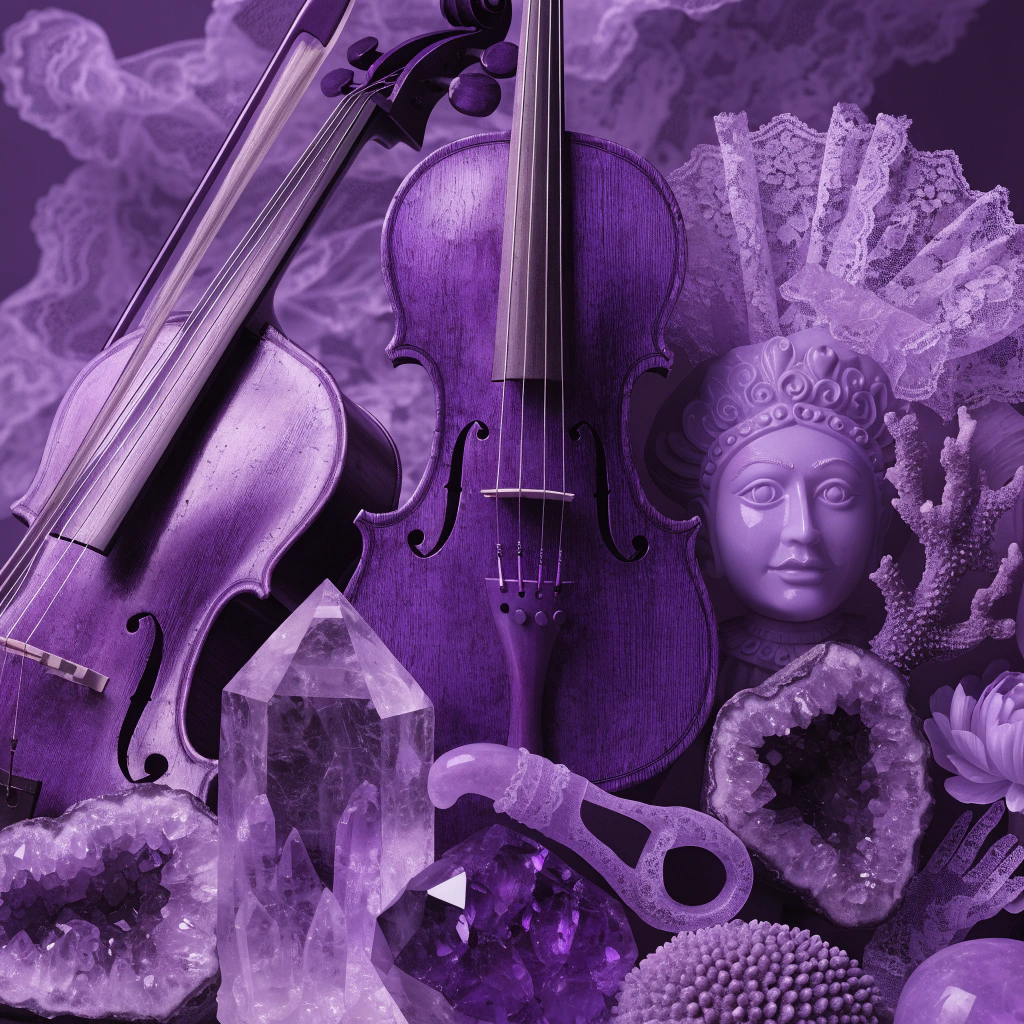
The Beautiful Music of Italy
Italy is a beautiful country. It has a special tradition. This tradition is Italian opera singing. People in Italy love this art. It is very old. It started many years ago in cities like Florence and Venice.
Opera singers use their voices in a special way. They do not use microphones. Their voices are very strong and loud. They sing in big theaters. Today, many people visit Italy to hear this music. UNESCO says it is very important for the world. It is a beautiful part of Italian culture.
व्याकरण स्पॉटलाइट
पैटर्न: Present Simple (to be)
"Italy is a beautiful country."
We use 'is' with singular subjects like 'Italy' or 'it' to describe facts or states. It is the most common verb in English.
पैटर्न: Present Simple (regular verbs)
"People in Italy love this art."
For plural subjects like 'people', we use the base form of the verb. We use this to talk about things that are generally true.
अपनी समझ जाँचें
10 सवाल · A1 शुरुआती · 1 मुफ्त प्रीव्यू
इस लेख से आपने जो सीखा उसकी जाँच करें। सभी सवालों के जवाब दें और XP कमाएँ!
Where did opera start?
क्या आप क्विज़ समाप्त करना चाहते हैं?
9 और सवाल आपका इंतज़ार कर रहे हैं। पूरा क्विज़ अनलॉक करने और XP कमाने के लिए मुफ्त साइन अप करें!
मुफ़्त साइन अप करोपहले से अकाउंट है? साइन इन करो
बहुत बढ़िया!
अभ्यास जारी रखें!
पहले से पूर्ण — कोई अतिरिक्त XP नहीं
XP कमाने के लिए साइन अप करोसवालों का विवरण
Where did opera start?
आपका जवाब:
सही जवाब: Florence
Opera singers use microphones to sing.
आपका जवाब:
सही जवाब: गलत
What does 'strong' mean?
आपका जवाब:
सही जवाब: Powerful
They sing in big _____.
आपका जवाब:
सही जवाब: theaters
The Magic of Italian Opera Singing
Italian opera is a famous type of music. It started a long time ago in the 16th century. People in cities like Florence and Venice wanted to create a new way to tell stories. They combined music and theater to make something special. This was the beginning of opera.
In 2023, UNESCO said that Italian opera singing is a special treasure for the world. This is because it is a very difficult technique. Opera singers do not use microphones in big theaters. Their voices are louder and stronger than normal voices because they train for many years. They learn how to breathe and use their whole body to sing.
Opera is more traditional than pop music, but many people still love it today. It is exciting to watch because the costumes are beautiful and the stories are very emotional. Sometimes the stories are sad, and sometimes they are happy. Today, Italy is the most popular place to hear this amazing music. It is an important part of Italian culture.
व्याकरण स्पॉटलाइट
पैटर्न: Past Simple
"It started a long time ago in the 16th century."
We use the past simple to talk about finished actions in the past. For regular verbs, we usually add '-ed' to the end of the verb.
पैटर्न: Comparatives
"Their voices are louder and stronger than normal voices."
We use comparatives to compare two things. For short adjectives, we add '-er' and use the word 'than'.
अपनी समझ जाँचें
11 सवाल · A2 बिगिनर · 1 मुफ्त प्रीव्यू
इस लेख से आपने जो सीखा उसकी जाँच करें। सभी सवालों के जवाब दें और XP कमाएँ!
When did Italian opera start?
क्या आप क्विज़ समाप्त करना चाहते हैं?
10 और सवाल आपका इंतज़ार कर रहे हैं। पूरा क्विज़ अनलॉक करने और XP कमाने के लिए मुफ्त साइन अप करें!
मुफ़्त साइन अप करोपहले से अकाउंट है? साइन इन करो
बहुत बढ़िया!
अभ्यास जारी रखें!
पहले से पूर्ण — कोई अतिरिक्त XP नहीं
XP कमाने के लिए साइन अप करोसवालों का विवरण
When did Italian opera start?
आपका जवाब:
सही जवाब: In the 16th century
UNESCO added Italian opera singing to its list in 2023.
आपका जवाब:
सही जवाब: सही
What does 'traditional' mean?
आपका जवाब:
सही जवाब: Following styles from the past
Opera singers do not use _____ in big theaters.
आपका जवाब:
सही जवाब: microphones
Why are opera singers' voices very strong?
आपका जवाब:
सही जवाब: Because they train for many years
The Magic of Italian Opera Singing
Italian opera singing is a beautiful tradition that has been admired for centuries. Recently, in 2023, this unique art form was officially added to the UNESCO list of Intangible Cultural Heritage. This recognition shows how important the technique is to the world's culture. It is more than just music; it is a piece of history that continues to live today.
The tradition began in the late 16th century in the grand courts of Florence and the busy theaters of Venice. A group of musicians and intellectuals, who were known as the 'Camerata de' Bardi', wanted to bring back the power of ancient Greek drama. They developed a style called 'recitar cantando', which means speaking through song. This style has influenced many famous composers, such as Claudio Monteverdi, who helped make opera popular across Europe.
Italian opera singing is not just about having a loud voice. It is a complex vocal technique that requires years of practice. Singers must learn how to control their breathing and use their bodies to produce a rich, emotional sound. This technique, which has been passed down through generations, allows singers to express deep feelings without using a microphone. It requires great physical strength and mental focus.
Today, the art of opera is still taught in conservatories across Italy. Many young students travel to Italy because they want to learn from the masters. Although the world has changed since the 16th century, the passion for this dramatic art remains strong. It continues to connect people through the universal language of music, proving that some traditions never grow old.
व्याकरण स्पॉटलाइट
पैटर्न: Present Perfect (Passive and Active)
"Italian opera singing is a beautiful tradition that has been admired for centuries."
The present perfect 'has been admired' is used here in the passive voice to describe an action that started in the past and continues to be true now. We use 'has/have + been + past participle' for the passive form.
पैटर्न: Relative Clauses
"A group of musicians and intellectuals, who were known as the 'Camerata de' Bardi', wanted to bring back the power of ancient Greek drama."
The relative clause 'who were known as...' provides extra information about the musicians. We use 'who' for people to connect two ideas into one complex sentence.
अपनी समझ जाँचें
11 सवाल · B1 मध्यम · 1 मुफ्त प्रीव्यू
इस लेख से आपने जो सीखा उसकी जाँच करें। सभी सवालों के जवाब दें और XP कमाएँ!
When was Italian opera singing added to the UNESCO list?
क्या आप क्विज़ समाप्त करना चाहते हैं?
10 और सवाल आपका इंतज़ार कर रहे हैं। पूरा क्विज़ अनलॉक करने और XP कमाने के लिए मुफ्त साइन अप करें!
मुफ़्त साइन अप करोपहले से अकाउंट है? साइन इन करो
बहुत बढ़िया!
अभ्यास जारी रखें!
पहले से पूर्ण — कोई अतिरिक्त XP नहीं
XP कमाने के लिए साइन अप करोसवालों का विवरण
When was Italian opera singing added to the UNESCO list?
आपका जवाब:
सही जवाब: In 2023
Italian opera singers usually use microphones to be heard.
आपका जवाब:
सही जवाब: गलत
What is the definition of 'Heritage'?
आपका जवाब:
सही जवाब: Traditions and culture from the past
The style 'recitar cantando' means _____ through song.
आपका जवाब:
सही जवाब: speaking
Where did the tradition of opera singing begin?
आपका जवाब:
सही जवाब: In Florence and Venice
The Resonance of History: The Art of Italian Opera Singing
In late 2023, the Art of Italian Opera Singing was officially inscribed on the UNESCO Representative List of the Intangible Cultural Heritage of Humanity. This prestigious recognition highlights a tradition that has flourished since the late 16th century, evolving from the aristocratic courts of Florence and the bustling theaters of Venice into a global cultural phenomenon. Although many contemporary listeners associate opera with grand spectacles and elaborate costumes, its historical origins lie in a profound desire to revive the emotional intensity and expressive power of Ancient Greek drama.
The movement was spearheaded by the 'Camerata de' Bardi', an influential group of intellectuals and musicians who sought to move away from the overly complex polyphonic music of the Renaissance. They advocated for a revolutionary style known as 'recitar cantando'—literally 'speaking through song'. In this approach, the singer emphasizes the clarity of speech and the nuances of the text above all else. Consequently, the music became a sophisticated vehicle for storytelling, allowing performers to convey profound human emotions with unprecedented intimacy. Had this group not experimented so boldly with these vocal techniques, the entire foundation of modern Western music might have developed in a significantly different direction.
Central to this Italian tradition is a complex vocal technique that requires years of rigorous, dedicated training. Professional singers must master the intricate mechanics of breath control, resonance, and articulation to project their voices over large orchestras without any electronic amplification. This physiological mastery allows them to achieve a perfect balance between vocal power and melodic agility, a characteristic often referred to as 'bel canto'. Despite the myriad challenges posed by modern digital entertainment, Italian opera continues to thrive because it speaks directly to universal human experiences, transcending linguistic and cultural barriers.
Furthermore, the cultural significance of this art form extends far beyond the stage of a theater. For many Italians, opera represents a collective identity and a source of immense national pride, serving as a vital bridge between past and future generations. By meticulously preserving these traditional vocal methods, contemporary music conservatories ensure that this intangible heritage remains vibrant and authentic. Nevertheless, the art form must constantly adapt to the tastes of contemporary audiences if it is to remain relevant in the 21st century. Ultimately, the art of Italian opera singing is not merely a performance; it is a testament to the enduring power of the human voice and its unique capacity for profound artistic expression.
व्याकरण स्पॉटलाइट
पैटर्न: Passive Voice (Past Simple)
"In late 2023, the Art of Italian Opera Singing was officially inscribed on the UNESCO Representative List."
The passive voice is used here to focus on the art form being recognized rather than who recognized it. It is formed using 'was/were' + the past participle.
पैटर्न: Third Conditional (Inverted)
"Had this group not experimented so boldly with these vocal techniques, the entire foundation of modern Western music might have developed in a significantly different direction."
This is a formal way to express a hypothetical situation in the past. 'Had' is placed at the beginning instead of using 'If', followed by the past participle.
पैटर्न: Concessive Clauses (Although/Despite)
"Although many contemporary listeners associate opera with grand spectacles, its historical origins lie in a profound desire to revive Ancient Greek drama."
Concessive clauses are used to contrast two ideas. 'Although' is followed by a subject and verb, while 'Despite' is followed by a noun phrase or gerund.
अपनी समझ जाँचें
11 सवाल · B2 अपर इंटरमीडिएट · 1 मुफ्त प्रीव्यू
इस लेख से आपने जो सीखा उसकी जाँच करें। सभी सवालों के जवाब दें और XP कमाएँ!
What was the primary goal of the 'Camerata de' Bardi'?
क्या आप क्विज़ समाप्त करना चाहते हैं?
10 और सवाल आपका इंतज़ार कर रहे हैं। पूरा क्विज़ अनलॉक करने और XP कमाने के लिए मुफ्त साइन अप करें!
मुफ़्त साइन अप करोपहले से अकाउंट है? साइन इन करो
बहुत बढ़िया!
अभ्यास जारी रखें!
पहले से पूर्ण — कोई अतिरिक्त XP नहीं
XP कमाने के लिए साइन अप करोसवालों का विवरण
What was the primary goal of the 'Camerata de' Bardi'?
आपका जवाब:
सही जवाब: To revive the emotional power of Ancient Greek drama
Italian opera singers use electronic amplification to be heard over large orchestras.
आपका जवाब:
सही जवाब: गलत
What is the best definition for 'intangible' in the context of heritage?
आपका जवाब:
सही जवाब: Cultural practices or traditions that are not physical objects
The style known as 'recitar cantando' emphasizes the clarity of _____ through song.
आपका जवाब:
सही जवाब: speech
According to the text, what does opera represent for many Italians?
आपका जवाब:
सही जवाब: A collective identity and national pride
Resonance and Revival: The Transcendent Legacy of Italian Lyricism
In 2023, the global cultural landscape witnessed a momentous occasion as the art of Italian opera singing was officially inscribed on the UNESCO Representative List of the Intangible Cultural Heritage of Humanity. This recognition serves as a testament to a vocal technique that is as much a mathematical feat of physiological control as it is an emotional outpouring. Seldom has a vocal tradition exerted such a profound influence on the Western musical canon, evolving from the courtly entertainments of late 16th-century Florence into a global phenomenon that defines the very essence of lyricism. The inclusion on the UNESCO list highlights the necessity of safeguarding this idiosyncratic heritage against the encroaching tides of modern homogenization.
At the heart of this tradition lies the pursuit of 'bel canto'—literally 'beautiful singing.' However, to reduce this art form to mere aesthetic pleasure would be to overlook the meticulous training required to master it. It is the sophisticated manipulation of the diaphragm and the resonance chambers of the skull that allows a single human voice to soar over a full orchestra without the crutch of electronic amplification. This physiological mastery creates an ethereal quality, where the voice becomes a versatile instrument capable of conveying the most nuanced human emotions, ranging from the depths of despair to the heights of ecstasy. The singer must navigate the 'passaggio' with such fluidity that the transitions between vocal registers remain imperceptible to the audience.
It was the Camerata de' Bardi, an assembly of intellectuals and musicians in Florence, who initially sought to revive the expressive power of Ancient Greek drama. Their experimentation led to the birth of 'recitar cantando,' a style that prioritized the intelligibility of text through song. This innovation was not merely a stylistic choice but a philosophical manifestation of the belief that music should serve the poetry, rather than obscure it with excessive ornamentation. Consequently, the development of opera in the theaters of Venice transformed it from an exclusive aristocratic pastime into a public spectacle, thereby cementing its place in the enduring social fabric of Italy and beyond.
The institutionalization of opera singing has ensured the survival of these techniques through rigorous apprenticeship and oral transmission, passing from 'maestro' to 'allievo' with religious devotion. Yet, the practice is not without its contemporary challenges. In an era dominated by digital reproduction and fleeting trends, the ephemeral nature of a live operatic performance remains its greatest strength and its most significant vulnerability. The idiosyncratic nature of each performer’s interpretation ensures that no two performances are identical, preserving a lineage of vocal artistry that stretches back centuries, even as it adapts to modern acoustic environments and directorial visions.
Ultimately, the UNESCO designation is more than a honorary title; it is a call for the preservation of a living vestige of human creativity. As we navigate the complexities of the 21st century, the resonance of the Italian operatic voice continues to remind us of the pinnacle of human expressive potential. Whether through the tragic laments of a soprano or the heroic declamations of a tenor, this art form remains a vital conduit for the shared experiences of the human condition, bridging the gap between historical tradition and modern sensibility.
व्याकरण स्पॉटलाइट
पैटर्न: Negative Inversion
"Seldom has a vocal tradition exerted such a profound influence on the Western musical canon..."
When a negative adverbial like 'seldom' or 'never' starts a sentence, the subject and auxiliary verb are inverted. This creates a more formal and dramatic tone typical of C1 level writing.
पैटर्न: Cleft Sentence
"It was the Camerata de' Bardi, an assembly of intellectuals and musicians in Florence, who initially sought to revive the expressive power of Ancient Greek drama."
Cleft sentences use the structure 'It is/was... who/that' to focus on a specific piece of information. This emphasizes the subject as the primary agent of the action.
पैटर्न: Nominalisation
"The institutionalization of opera singing has ensured the survival of these techniques through rigorous apprenticeship and oral transmission..."
Nominalisation involves turning verbs or adjectives into nouns (e.g., 'institutionalize' to 'institutionalization'). This allows for more abstract, concise, and academic expression of complex ideas.
अपनी समझ जाँचें
12 सवाल · C1 उन्नत · 1 मुफ्त प्रीव्यू
इस लेख से आपने जो सीखा उसकी जाँच करें। सभी सवालों के जवाब दें और XP कमाएँ!
What was the primary objective of the Camerata de' Bardi?
क्या आप क्विज़ समाप्त करना चाहते हैं?
11 और सवाल आपका इंतज़ार कर रहे हैं। पूरा क्विज़ अनलॉक करने और XP कमाने के लिए मुफ्त साइन अप करें!
मुफ़्त साइन अप करोपहले से अकाउंट है? साइन इन करो
बहुत बढ़िया!
अभ्यास जारी रखें!
पहले से पूर्ण — कोई अतिरिक्त XP नहीं
XP कमाने के लिए साइन अप करोसवालों का विवरण
What was the primary objective of the Camerata de' Bardi?
आपका जवाब:
सही जवाब: To revive the expressive power of Ancient Greek drama
Italian opera singing relies heavily on electronic amplification to be heard over an orchestra.
आपका जवाब:
सही जवाब: गलत
What does 'ethereal' mean in the context of the article?
आपका जवाब:
सही जवाब: Extremely delicate and perfect
The idiosyncratic nature of each performer’s interpretation ensures that no two performances are identical, preserving a _____ of vocal artistry.
आपका जवाब:
सही जवाब: lineage
How did the development of opera in Venice change its social status?
आपका जवाब:
सही जवाब: It transitioned from an aristocratic pastime to a public spectacle.
'Recitar cantando' was a style that prioritized the clarity of the text over musical ornamentation.
आपका जवाब:
सही जवाब: सही
The Melodic Resonance of History: Unpacking the UNESCO-Inscribed Art of Italian Opera Singing
The 2023 inscription of the Art of Italian Opera Singing onto the UNESCO Representative List of the Intangible Cultural Heritage of Humanity serves as a profound affirmation of a tradition that transcends mere musical performance. It represents the culmination of a centuries-old quest to synthesize human emotion with the physiological limits of the voice. Originating in the late 16th and early 17th centuries, particularly within the intellectual circles of the Camerata de' Bardi in Florence, this vocal practice was initially conceived as a scholarly endeavor to resurrect the oratorical power of Ancient Greek drama. The resulting 'recitar cantando'—literally, 'speaking through song'—provided the foundational architecture for what would eventually evolve into the complex, emotive landscapes of Claudio Monteverdi and, later, the bel canto masters.
At its core, the Italian operatic technique is an exercise in the meticulous control of breath and resonance. The practitioner must achieve a state of 'appoggio,' a nuanced coordination of the diaphragm and intercostal muscles that allows for the production of a sound that is simultaneously powerful and ethereal. This is not merely a technical feat; it is a sublimation of the physical self into the service of narrative expression. Were one to scrutinize the physiological underpinnings of this art, one would find a sophisticated manipulation of the vocal tract, designed to maximize acoustic output without the aid of modern amplification. This reliance on the natural resonance of the body is what grants the art form its characteristic warmth and 'squillo,' or ringing quality.
The pedagogical transmission of this heritage is inextricably linked to the 'maestro-allievo' (master-apprentice) relationship. This oral tradition ensures that the subtle nuances of phrasing, diction, and emotional coloration are preserved across generations. It is imperative that the student not only master the mechanics of the voice but also internalize the cultural ethos that defines the genre. The Italian language itself, with its pure vowels and dental consonants, acts as a primary catalyst for the development of the technique. The language and the music are so deeply interwoven that to separate them would be to diminish the integrity of the performance.
However, the art of opera singing is not a static relic of the past. It continues to evolve, adapting to contemporary sensibilities while maintaining its historical essence. The UNESCO recognition highlights the need for safeguarding this intangible treasure against the homogenizing pressures of globalization. Should this art form be allowed to wither through neglect, the world would lose a vital link to its collective emotional history. The operatic stage remains a unique laboratory where the human condition is explored through the medium of the heightened voice, offering a cathartic experience that is as relevant today as it was in the theaters of 17th-century Venice.
In conclusion, the Art of Italian Opera Singing is the apotheosis of vocal expression. It is a testament to the enduring power of the human voice to evoke the sublime. By honoring this tradition, we acknowledge the profound impact of those who, through centuries of dedication, have refined the art of speaking through song into a universal language of the soul. It remains an evocative reminder that, in an increasingly digital age, the most powerful instrument we possess is still the one within us.
व्याकरण स्पॉटलाइट
पैटर्न: Inversion with Negative/Restrictive Expressions
"Seldom has a vocal tradition commanded such universal reverence as the Italian art of opera singing."
When using restrictive adverbs like 'seldom' or 'rarely' at the start of a sentence for emphasis, the subject and auxiliary verb are inverted. This creates a formal, rhetorical effect common in C2 level academic prose.
पैटर्न: Mixed Conditionals (Hypothetical Inversion)
"Were one to scrutinize the physiological underpinnings of this art, one would find a sophisticated manipulation of the vocal tract."
The use of 'Were one to' is a formal alternative to 'If one were to'. It expresses a hypothetical situation in the present or future with a high degree of formality.
पैटर्न: The Subjunctive Mood
"It is imperative that the student not only master the mechanics of the voice but also internalize the cultural ethos."
The subjunctive 'master' (rather than 'masters') is used after adjectives of necessity or urgency like 'imperative'. It emphasizes the requirement or importance of the action.
अपनी समझ जाँचें
12 सवाल · C2 महारत · 1 मुफ्त प्रीव्यू
इस लेख से आपने जो सीखा उसकी जाँच करें। सभी सवालों के जवाब दें और XP कमाएँ!
What was the original motivation behind the creation of 'recitar cantando'?
क्या आप क्विज़ समाप्त करना चाहते हैं?
11 और सवाल आपका इंतज़ार कर रहे हैं। पूरा क्विज़ अनलॉक करने और XP कमाने के लिए मुफ्त साइन अप करें!
मुफ़्त साइन अप करोपहले से अकाउंट है? साइन इन करो
बहुत बढ़िया!
अभ्यास जारी रखें!
पहले से पूर्ण — कोई अतिरिक्त XP नहीं
XP कमाने के लिए साइन अप करोसवालों का विवरण
What was the original motivation behind the creation of 'recitar cantando'?
आपका जवाब:
सही जवाब: To revive the expressive power of Ancient Greek drama
The article suggests that modern electronic amplification is necessary to achieve the 'squillo' quality.
आपका जवाब:
सही जवाब: गलत
What does 'apotheosis' mean in the context of the article?
आपका जवाब:
सही जवाब: The highest point or culmination
The relationship between the Italian language and the music is described as _____ linked.
आपका जवाब:
सही जवाब: inextricably
What does the term 'appoggio' refer to in the text?
आपका जवाब:
सही जवाब: The coordinated control of breath and muscles
The 'maestro-allievo' relationship is described as a critical part of the pedagogical transmission.
आपका जवाब:
सही जवाब: सही

