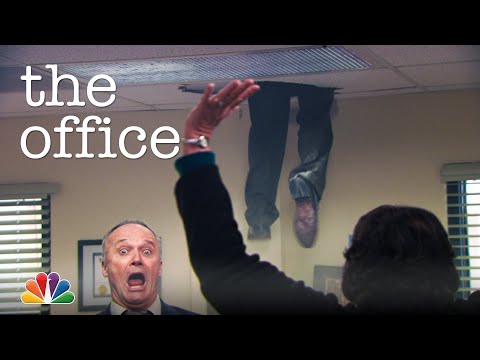
crashing 30 सेकंड में
- Crashing refers to a violent collision or a sudden, loud impact between physical objects, often resulting in damage or noise.
- In technology, it describes the abrupt failure of software or hardware, causing a system to stop functioning entirely.
- Metaphorically, it signifies a rapid and significant drop in energy, financial value, or the stability of a complex system.
- Informally, it is used to describe sleeping in a temporary location or attending a social event without an invitation.
The word crashing is a dynamic and multifaceted term in the English language, functioning as a present participle, an adjective, and occasionally a noun. At its core, it evokes the sensation of sudden, violent impact or the total cessation of a functional process. When we speak of physical objects, crashing describes the moment of collision, often accompanied by a loud, destructive sound. This is most commonly observed in the context of vehicles, where a car might be crashing into a barrier, or in nature, where waves are crashing against a rugged shoreline. The auditory component is vital; the 'crash' is not just the hit, but the cacophony that follows.
- Physical Impact
- The violent collision of two or more objects, such as cars, planes, or even waves hitting the shore. It implies force and often destruction.
In the digital age, the term has evolved to describe the sudden failure of software or hardware. When your computer is crashing, it means the system has encountered an error so severe that it can no longer operate, often resulting in a frozen screen or an unexpected shutdown. This metaphorical use extends to the financial world, where a market is said to be crashing when prices plummet rapidly and uncontrollably, causing widespread economic distress. This usage highlights the 'sudden fall' aspect of the word, moving from a high state of stability to a low state of chaos in a very short period.
The sound of the waves crashing against the rocks kept me awake all night, reminding me of the ocean's raw power.
Socially, crashing takes on a more informal, almost rebellious tone. To 'crash' a party means to attend without an invitation, effectively 'colliding' with a social circle you weren't meant to be part of. Similarly, in slang, 'crashing' can mean going to sleep quickly, often out of extreme exhaustion. If you are 'crashing at a friend's place,' you are staying there temporarily and informally. This versatility makes the word indispensable in both formal reports of accidents and casual conversations about weekend plans.
- Technical Failure
- The abrupt cessation of a computer program or operating system's functionality due to an internal error.
My laptop keeps crashing every time I try to open the video editing software.
Furthermore, the word is used to describe a physiological state. After a high-energy period, perhaps fueled by caffeine or adrenaline, a person might experience a 'sugar crash' or simply be crashing. This describes the sudden drop in energy levels, leading to fatigue and lethargy. It mirrors the financial and technical meanings—a rapid descent from a peak to a trough. Whether it's a physical object, a digital system, a social boundary, or a biological state, 'crashing' always involves a transition that is sharp, sudden, and often disruptive.
- Social Intrusion
- Entering an event or a place without permission or an invitation, often used in the phrase 'gatecrashing'.
We ended up crashing the wedding reception because we saw all our friends going inside.
The stock market is crashing due to the unexpected news of the bank's insolvency.
I was so tired after the marathon that I was crashing on the sofa before the sun even went down.
Using crashing correctly requires an understanding of its grammatical role as a participle. It often functions to describe an ongoing action or to modify a noun. For instance, in the sentence 'The crashing sound startled the birds,' the word acts as an adjective, providing a vivid sensory detail about the noise. It tells the reader not just that there was a sound, but that the sound was characterized by the violent energy of a crash. This usage is common in descriptive writing and literature to create an immersive atmosphere.
- As an Adjective
- Modifying a noun to describe its nature, usually implying noise, force, or sudden failure. Example: 'A crashing bore' (slang for someone very annoying).
When used as a verb in the continuous tense, crashing describes an action in progress. 'The car is crashing' implies we are witnessing the event as it happens. However, it is more frequently used to describe the aftermath or the state of a system. 'The server is crashing' suggests a recurring or imminent failure. In technical contexts, it is crucial to distinguish between 'crashed' (past tense, the event is over) and 'crashing' (the process is happening now). If a developer says, 'The app is crashing on startup,' they are identifying a consistent bug that occurs every time the process begins.
The thunder was crashing overhead, making the windows rattle in their frames.
In social and informal settings, the syntax changes slightly. When you say, 'I'm crashing at your place tonight,' the word functions as the main verb in a future-leaning present continuous construction. It implies a plan or a request. Similarly, 'crashing a party' uses the word as a transitive verb, where 'a party' is the direct object. This specific usage is almost always informal and should be avoided in academic or professional settings unless discussing social phenomena or security breaches.
- Transitive Usage
- When the action of crashing is directed at an object, such as a party, a gate, or a computer system. Example: 'He is crashing the system with too many requests.'
The waves were crashing so loudly that we had to shout to hear each other.
Finally, consider the metaphorical use in finance and health. 'The economy is crashing' or 'My energy is crashing' uses the word to describe a downward trajectory. In these cases, the word is often paired with a cause. 'The market is crashing because of the interest rate hike.' This structure helps to explain the 'why' behind the sudden 'fall'. By using crashing, the speaker conveys a sense of urgency and lack of control, which is much more evocative than simply saying 'the market is falling' or 'the market is down'.
- Metaphorical Descent
- Describing a rapid and significant decrease in value, energy, or health. Example: 'After the caffeine wore off, she felt herself crashing.'
By the time we reached the hotel, the kids were crashing from their sugar high.
The sound of crashing glass echoed through the empty hallway.
In the real world, crashing is a staple of news broadcasts, technical support centers, and casual social gatherings. If you turn on a news channel, you are likely to hear it in the context of transportation or finance. 'A plane was reported crashing in the mountains' or 'Stocks are crashing across the globe' are headlines that immediately grab attention because they signal a crisis. The word is chosen for its impact; it sounds more urgent and catastrophic than 'failing' or 'dropping'. It creates a mental image of chaos and immediate need for action.
- News & Media
- Used to report major accidents, financial disasters, or significant weather events like 'crashing storms'.
In the workplace, particularly in IT and software development, crashing is perhaps the most common word used to describe a problem. You will hear employees saying, 'The database keeps crashing,' or 'My browser is crashing every time I open this tab.' In this environment, the word is often used as a verb to describe the state of the system. It is a technical term that implies the program has stopped responding to inputs. Developers use it to diagnose issues, often looking for 'crash logs' to understand why the software is crashing. It is a word that demands a fix.
The IT department sent an email saying the main server is crashing due to a security patch error.
Walk onto a beach or near a waterfall, and the word takes on a poetic quality. Nature documentaries often feature the sound of 'crashing waves' or 'crashing icebergs'. Here, the word is used to describe the immense power of nature. It is a sensory word, focusing on the sound and the visual of water or ice breaking apart. You might hear a tour guide say, 'Listen to the water crashing down the falls.' In this context, it isn't negative; it's a description of majestic force. It's one of the few times 'crashing' is used to describe something beautiful rather than something broken.
- Nature & Environment
- Describing the powerful movements of water, ice, or weather phenomena.
We sat on the porch, listening to the waves crashing against the pier as the sun set.
Finally, in the world of young adults and students, you'll hear crashing used in a very casual way. 'Are you crashing here tonight?' or 'We're crashing that party on 5th street.' In these instances, the word is synonymous with 'staying' or 'attending without permission'. It's a high-frequency word in college life. You might also hear it in the gym or after a long day: 'I'm totally crashing,' meaning the person has run out of energy. This wide range of environments—from the stock exchange to the bedroom sofa—demonstrates just how versatile and essential this word is in modern English.
- Social & Slang
- Informal use for sleeping, staying over, or attending events uninvited.
I'm so exhausted from the flight; I'm just going to be crashing as soon as we get to the hotel.
They were caught crashing the VIP lounge at the concert.
One of the most frequent mistakes learners make with crashing is confusing it with similar-sounding or related words like 'smashing' or 'breaking'. While all three involve damage, they are not interchangeable. 'Smashing' usually refers to the act of breaking something into many small pieces with force (like smashing a window), whereas crashing refers to the collision itself. You can crash a car without smashing it into pieces, and you can smash a glass without it crashing into anything. Understanding the nuance of 'collision' versus 'fragmentation' is key.
- Crashing vs. Smashing
- Crashing is the impact; smashing is the resulting destruction into pieces. You crash into a wall; you smash a vase.
Another common error involves the technical use of the word. Some learners use 'crashing' to describe a slow computer or a minor glitch. However, crashing specifically refers to a total failure where the program or system stops working entirely. If a website is just loading slowly, it is not 'crashing'—it is 'lagging' or 'slow'. Using 'crashing' for minor inconveniences can lead to confusion, especially in professional IT settings where the term implies a critical error that requires immediate attention.
Incorrect: My internet is crashing because the video is buffering. (Correct: My internet is slow/lagging.)
Learners also struggle with the prepositional use of the word. When describing a physical collision, 'crashing' is almost always followed by 'into'. You don't 'crash a wall'; you 'crash into a wall'. The only time you use 'crash' as a direct transitive verb without 'into' is in the social context of 'crashing a party' or 'crashing a gate'. Confusing these two can make a sentence sound unnatural. For example, saying 'The waves were crashing the rocks' sounds like the waves were trying to attend a party the rocks were throwing, rather than hitting them with force.
- Preposition Pitfall
- Always use 'into' for physical impacts. 'The car crashed into the tree.' Use no preposition for social events. 'They crashed the party.'
Correct: The cyclist was crashing into the bushes to avoid the car.
Finally, there is the confusion between 'crashing' and 'clashing'. While they sound similar, 'clashing' refers to a conflict or a mismatch, often between colors, ideas, or schedules. 'Their schedules are clashing' means they have a conflict; 'The car is crashing' means it's hitting something. Mixing these up can completely change the meaning of your sentence. If you say 'the colors are crashing,' people might think you're using a very strange metaphor for a visual disaster, when you really meant 'the colors are clashing'.
- Crashing vs. Clashing
- Crashing is about impact/failure. Clashing is about conflict/mismatch. Example: 'The armies are clashing' (fighting) vs 'The planes are crashing' (falling/colliding).
The sound of crashing symbols in the orchestra was intentional, but the clashing notes were a mistake.
I thought my computer was crashing, but it was just a clashing software update.
Depending on the context, there are many alternatives to crashing that can provide more precision or a different tone. In the context of a physical accident, words like 'colliding', 'slamming', or 'impact' are excellent choices. 'Colliding' is more formal and often used in scientific or legal descriptions. 'Slamming' emphasizes the force and noise of the impact, often used in creative writing. 'Impact' is a noun or verb that sounds more clinical and objective. Choosing between these depends on whether you want to be descriptive, formal, or objective.
- Colliding
- A more formal term for two objects hitting each other. Often used for particles, planets, or vehicles in reports.
- Slamming
- Emphasizes a heavy, forceful, and loud impact. 'He was slamming his fist on the table.'
In the technical realm, if you want to avoid the word crashing, you might use 'failing', 'freezing', or 'aborting'. 'Failing' is a broad term that can mean anything from a small error to a total shutdown. 'Freezing' is very specific—it means the screen is stuck and doesn't respond to any input, but the program might still be 'running' in the background. 'Aborting' is a technical term used when a process stops itself because of an error. These words allow you to be more specific about what exactly is happening to the computer or software.
The software isn't just crashing; it's freezing the entire operating system.
When discussing the economy or energy levels, 'plummeting', 'tumbling', or 'slumping' are great alternatives. 'Plummeting' suggests a very fast and steep drop, similar to 'crashing' but without the connotation of a 'hit' at the end. 'Tumbling' sounds a bit more chaotic and less controlled. 'Slumping' is used for a more prolonged period of low performance. If the stock market is crashing, it's a disaster; if it's 'slumping', it's just a bad period. These distinctions are vital for conveying the correct level of severity.
- Plummeting
- Falling straight down at high speed. Often used for prices, temperatures, or physical objects.
- Slumping
- A less violent, more sustained drop in performance or value. 'The team is slumping this season.'
Instead of crashing, the housing market is slowly slumping as interest rates rise.
For the social meanings, 'intruding', 'invading', or 'staying' can be used. 'Intruding' is more formal and carries a negative connotation of being unwanted. 'Invading' is even stronger and suggests a large group or a very aggressive entry. For the 'sleeping' meaning, 'staying', 'sleeping over', or 'bunking' are more common in neutral or formal contexts. 'Crashing' is strictly for informal situations with friends. Using 'bunking' sounds more British, while 'staying over' is universally understood and safe for all situations.
- Intruding
- Entering a place or situation where one is not welcome or invited.
- Bunking
- Informal term for sleeping in a temporary bed or place, often shared.
I felt like I was intruding on their private dinner, so I left before I ended up crashing it.
The sound of the crashing cymbals was replaced by a thundering applause.
How Formal Is It?
रोचक तथ्य
The use of 'crashing' for computer failure didn't start until the 1960s with the advent of early mainframe computers.
उच्चारण मार्गदर्शिका
- Pronouncing it as 'clashing' (with an 'l').
- Over-emphasizing the 'g' at the end.
- Confusing the 'sh' sound with 's' or 'ch'.
कठिनाई स्तर
Easy to recognize in context but has multiple meanings.
Requires knowledge of prepositions like 'into'.
Common in slang and everyday talk.
Distinct sound, but can be confused with 'clashing'.
आगे क्या सीखें
पूर्वापेक्षाएँ
आगे सीखें
उन्नत
ज़रूरी व्याकरण
Present Participle as Adjective
The crashing sound was terrifying.
Present Continuous for Ongoing Action
The waves are crashing right now.
Transitive vs Intransitive
The car crashed (intransitive). He crashed the party (transitive).
Gerund as Subject
Crashing at a friend's house is cheaper than a hotel.
Prepositional Verbs
He is crashing into the wall.
स्तर के अनुसार उदाहरण
The waves are crashing on the sand.
Las olas están rompiendo en la arena.
Present continuous tense: 'are' + 'crashing'.
I hear a crashing sound in the kitchen.
Oigo un sonido de choque en la cocina.
'Crashing' is used as an adjective here to describe the sound.
My computer is crashing again.
Mi computadora se está bloqueando otra vez.
Common technical use for system failure.
The cars are crashing into each other.
Los coches están chocando entre sí.
Use 'into' to show what is being hit.
He is crashing on the sofa.
Él se está quedando dormido en el sofá.
Informal slang for sleeping.
The big tree is crashing down.
El gran árbol se está cayendo con estrépito.
'Crashing down' emphasizes the noise and force of the fall.
Stop crashing your toys!
¡Deja de chocar tus juguetes!
Imperative sentence using 'crashing' as a verb.
The rain is crashing against the window.
La lluvia está golpeando fuertemente contra la ventana.
Describes the force of the weather.
We saw the waves crashing against the rocks.
Vimos las olas rompiendo contra las rocas.
Verbs of perception (saw) followed by an -ing form.
The game keeps crashing on my phone.
El juego sigue cerrándose en mi teléfono.
'Keeps' + '-ing' shows a repeated action.
I'm crashing at my brother's apartment tonight.
Me quedo a dormir en el apartamento de mi hermano esta noche.
Informal use for staying overnight.
A crashing noise woke me up at midnight.
Un ruido estrepitoso me despertó a medianoche.
Adjective 'crashing' modifying the noun 'noise'.
The market is crashing, and people are worried.
El mercado se está desplomando y la gente está preocupada.
Metaphorical use for financial failure.
They were crashing the party when the police arrived.
Estaban colándose en la fiesta cuando llegó la policía.
Transitive verb: 'crashing the party'.
The thunder was crashing all through the storm.
Los truenos retumbaban durante toda la tormenta.
Describes a continuous loud sound.
The plates came crashing down from the shelf.
Los platos se cayeron estrepitosamente del estante.
'Came crashing' is a common phrase for falling noisily.
The software is crashing because of a memory leak.
El software está fallando debido a una fuga de memoria.
Technical explanation using 'because of'.
I felt my energy crashing after the long meeting.
Sentí que mi energía se desplomaba después de la larga reunión.
Describes a sudden physiological change.
The crashing of the waves is a very soothing sound.
El romper de las olas es un sonido muy relajante.
'Crashing' used as a gerund (noun).
He was accused of crashing the private event.
Fue acusado de colarse en el evento privado.
Passive voice: 'was accused of' + '-ing'.
The economy is crashing, leading to high unemployment.
La economía se está colapsando, lo que lleva a un alto desempleo.
Participial phrase 'leading to' describes the result.
The airplane was crashing into the sea in the movie.
El avión se estaba estrellando en el mar en la película.
Past continuous used for narrative description.
She had a crashing headache after the concert.
Tenía un dolor de cabeza insoportable después del concierto.
Adjective used to emphasize the intensity of pain.
The symbols were crashing together in the finale.
Los platillos chocaban entre sí en el final.
Describes a specific musical action.
The crashing waves eroded the shoreline over decades.
Las olas rompientes erosionaron la costa durante décadas.
Adjective 'crashing' describing a natural process.
Investors are panicked by the crashing stock prices.
Los inversores están aterrorizados por el desplome de los precios de las acciones.
Participle used as an adjective modifying 'prices'.
The system is crashing due to incompatible drivers.
El sistema está fallando debido a controladores incompatibles.
Formal technical cause-and-effect sentence.
He's a crashing bore who only talks about himself.
Es un aburrido de remate que solo habla de sí mismo.
Idiomatic expression 'a crashing bore'.
The crashing of the gates signaled the start of the riot.
El derribo de las puertas señaló el inicio del motín.
Gerund 'crashing' as the subject of the sentence.
I spent the weekend crashing at various friends' houses.
Pasé el fin de semana quedándome en casas de varios amigos.
Informal usage in a past tense narrative.
The project is crashing because of poor management.
El proyecto se está hundiendo debido a una mala gestión.
Metaphorical use for business failure.
The sound of crashing timber echoed through the valley.
El sonido de la madera al romperse resonó por el valle.
Descriptive noun phrase 'crashing timber'.
The crashing of the old regime was both sudden and violent.
El colapso del antiguo régimen fue a la vez repentino y violento.
Abstract use of 'crashing' as a noun for political change.
She was crashing from a caffeine-induced high by noon.
A mediodía ya estaba sufriendo el bajón de la cafeína.
Describes a physiological rebound effect.
The crashing dissonance of the music was intentional.
La disonancia estrepitosa de la música fue intencionada.
Adjective used in a music theory context.
The crashing of the waves against the hull was deafening.
El golpear de las olas contra el casco era ensordecedor.
Complex noun phrase with multiple prepositions.
They were crashing the servers with a distributed denial-of-service attack.
Estaban colapsando los servidores con un ataque de denegación de servicio distribuido.
Technical transitive use in cybersecurity.
The crashing weight of responsibility began to take its toll.
El peso abrumador de la responsabilidad empezó a pasar factura.
Metaphorical adjective for psychological pressure.
The crashing of the market led to a decade of austerity.
El colapso del mercado llevó a una década de austeridad.
Historical/Economic analysis usage.
The crashing sound of the waterfall dominated the landscape.
El sonido estrepitoso de la cascada dominaba el paisaje.
Sensory description in travel writing.
The crashing of the waves served as a rhythmic memento mori.
El romper de las olas servía como un rítmico memento mori.
Literary and philosophical usage.
The crashing of his dreams was almost audible in the silence.
El derrumbe de sus sueños era casi audible en el silencio.
Highly metaphorical and poetic usage.
The crashing of the gears indicated a terminal mechanical failure.
El rechinar de los engranajes indicaba un fallo mecánico terminal.
Precise technical description.
The crashing of the surf provided a constant, low-frequency hum.
El romper del oleaje proporcionaba un zumbido constante de baja frecuencia.
Scientific/Descriptive crossover.
The crashing of the tectonic plates caused a massive tsunami.
El choque de las placas tectónicas causó un tsunami masivo.
Geological context.
The crashing of the economy was a black swan event.
El colapso de la economía fue un evento de cisne negro.
Advanced economic terminology (Black Swan).
The crashing of the silence by a single scream was terrifying.
La ruptura del silencio por un solo grito fue aterradora.
Paradoxical use of 'crashing' to describe a break in silence.
The crashing of the storm against the lighthouse was relentless.
El embate de la tormenta contra el faro fue implacable.
Dramatic personification of weather.
सामान्य शब्द संयोजन
सामान्य वाक्यांश
— To fail spectacularly and completely.
His new business venture really crashed and burned.
— A very quick and intense training program.
I took a crash course in Spanish before my trip.
— Attending an event without an invitation.
Gatecrashing is considered very rude in some cultures.
— A very extreme and sudden change in eating habits to lose weight.
Crash diets are often unhealthy in the long run.
— An emergency landing of an aircraft.
The pilot managed a safe crash landing in the field.
— A test of a vehicle's safety in a collision.
The new model passed the crash test with five stars.
— A protective fence designed to stop vehicles.
The car hit the crash barrier on the highway.
— The sudden drop in energy after eating a lot of sugar.
The kids had a major sugar crash after the birthday party.
— A rapid and intense effort to achieve something.
The government launched a crash program to build new schools.
अक्सर इससे भ्रम होता है
Clashing is about conflict or mismatch; crashing is about impact or failure.
Smashing is breaking into pieces; crashing is the act of hitting something.
Breaking is a general term; crashing is sudden, loud, and often involves a fall.
मुहावरे और अभिव्यक्तियाँ
— To force entry into a place or event.
The fans tried to crash the gates at the stadium.
Informal— To show up uninvited to a social gathering.
We didn't mean to crash your party, we just saw the lights.
Informal— To fall asleep very quickly, usually from exhaustion.
I'm going to crash out as soon as I get home.
Slang— To join a meeting without being invited or expected.
The CEO decided to crash the marketing meeting.
Neutral— A play on 'cash and carry', sometimes used for quick, messy transactions.
It was a crash and carry operation with no planning.
Slang— To succeed by force or fail completely (Australian).
He decided to crash through with the new policy.
Informal— To reach a point of total exhaustion or inability to continue.
Around mile 20, the runner crashed into the wall.
Informal— To cause a sudden and massive drop in prices.
The scandal threatened to crash the entire market.
Neutral— To cause a computer or organizational system to fail.
One wrong line of code can crash the system.
Neutral— To attend a wedding uninvited, often for fun or food.
They made a movie about guys crashing weddings.
Informalआसानी से भ्रमित होने वाले
Similar sound.
Clashing is for colors or schedules that don't match. Crashing is for collisions.
Their outfits are clashing, but the cars are crashing.
Both involve force.
Smashing is the result (pieces). Crashing is the event (impact).
He is smashing the glass after crashing into the table.
Similar suffix and sound.
Dashing means running quickly or looking stylish. Crashing is a failure or hit.
He was dashing to the store when he saw the car crashing.
Similar suffix and sound.
Flashing is about light. Crashing is about sound and impact.
The lights were flashing as the waves were crashing.
Both involve water.
Splashing is small movements of water. Crashing is large, powerful movements.
The kids were splashing in the pool, but the waves were crashing on the beach.
वाक्य संरचनाएँ
The [noun] is crashing.
The computer is crashing.
I am crashing at [place].
I am crashing at my friend's.
The sound of [noun] crashing...
The sound of waves crashing was loud.
[Noun] came crashing down.
The shelves came crashing down.
Crashing [noun] led to [result].
Crashing markets led to a crisis.
The crashing of [abstract noun]...
The crashing of his hopes was tragic.
Stop [verb-ing] [noun]!
Stop crashing the car!
A crashing [noun]...
A crashing headache.
शब्द परिवार
संज्ञा
क्रिया
विशेषण
संबंधित
इसे कैसे इस्तेमाल करें
Very high in both spoken and written English.
-
The car crashed the wall.
→
The car crashed into the wall.
Physical collisions require the preposition 'into'.
-
My internet is crashing.
→
My internet is slow / lagging.
'Crashing' is for total failure, not just slow speed.
-
The colors are crashing.
→
The colors are clashing.
'Clashing' is for visual conflict; 'crashing' is for impact.
-
I am crashing a sleep.
→
I am crashing / I am going to crash.
'Crash' in the sense of sleep is intransitive; it doesn't take an object like 'a sleep'.
-
The waves are smashing on the beach.
→
The waves are crashing on the beach.
'Crashing' is the specific word used for the action of waves.
सुझाव
Use synonyms
Instead of always using 'crashing', try 'colliding' for cars or 'plummeting' for prices to sound more advanced.
Prepositions matter
Remember to use 'into' for physical objects. 'The waves crashed into the pier' is better than 'The waves crashed the pier'.
Casual use
Feel free to use 'crashing' with friends when you are tired. It's a very natural native expression.
Be precise
In IT, distinguish between an app crashing (closing) and a system crashing (the whole computer stopping).
Sensory details
Use 'crashing' to help the reader 'hear' the scene you are writing. It's a very loud word.
Context clues
If you hear 'crashing' in a financial report, don't look for broken glass; look for falling numbers.
Clear 'R'
Make sure you pronounce the 'r' clearly so it doesn't sound like 'clashing'.
Sensitive topics
Avoid using 'crashing' lightly if there has been a real, tragic accident nearby.
Learn 'Crash and burn'
This is a great idiom for any total failure, not just physical ones.
Waves
Always use 'crashing' for waves to sound most natural in English.
याद करें
स्मृति सहायक
Think of a CAR (C) hitting a RASH (RASH) of objects. C-RASH-ING.
दृश्य संबंध
Imagine a giant blue wave (crashing) hitting a laptop (crashing) that is sitting on a sofa where someone is sleeping (crashing).
Word Web
चैलेंज
Try to use 'crashing' in three different ways (tech, nature, social) in one paragraph.
शब्द की उत्पत्ति
The word 'crash' is of onomatopoeic origin, meaning it was created to sound like the action it describes. It first appeared in Middle English in the 14th century.
मूल अर्थ: To break in pieces with a loud noise.
Germanic (likely related to Old Norse 'krasa' meaning to crackle).सांस्कृतिक संदर्भ
Be careful using 'crashing' when talking about real-life tragedies like plane crashes; it can be insensitive.
In the US, 'crashing' is very common for sleeping. In the UK, 'bunking' or 'kipping' might be used instead.
असल ज़िंदगी में अभ्यास करें
वास्तविक संदर्भ
Technology
- The app is crashing
- Crash report
- System failure
- Force quit
Nature
- Crashing waves
- Thunder crashing
- Waterfall crashing
- Ice crashing
Finance
- Market crashing
- Prices crashing
- Economic collapse
- Stock crash
Social
- Crashing a party
- Crashing at a friend's
- Gatecrashing
- Stay over
Health
- Energy crashing
- Sugar crash
- Caffeine crash
- Feeling exhausted
बातचीत की शुरुआत
"Has your computer ever started crashing right before a big deadline?"
"Do you enjoy the sound of waves crashing on the beach?"
"What's the funniest story you have about crashing a party?"
"Have you ever felt your energy crashing after a long day of work?"
"What would you do if the stock market started crashing tomorrow?"
डायरी विषय
Describe a time when you saw something crashing and how it made you feel.
Write about a technical problem you had where everything was crashing.
If you could crash any celebrity's party, whose would it be and why?
Reflect on a time when your plans came crashing down. How did you recover?
How does the sound of crashing water affect your mood?
अक्सर पूछे जाने वाले सवाल
10 सवालYes, but only informally. It means they are very tired ('I'm crashing') or staying somewhere ('I'm crashing here').
Usually, yes, as it implies failure or accidents. However, 'crashing waves' can be seen as positive or beautiful.
'Crashed' is the past (it's over), while 'crashing' is happening now or describes the nature of the thing.
Use it to describe markets falling or projects failing suddenly. It's quite dramatic.
Yes, it's a common phrase for attending a wedding without an invitation.
It usually means there is a bug in the software or a problem with the hardware memory.
In some universities, it means attending a class you aren't enrolled in to try and get a spot.
Yes, the word itself is designed to sound like the noise of a crash.
It is an idiom for someone who is extremely uninteresting and tedious.
No, 'crashing' is the standard and correct word for waves hitting the shore.
खुद को परखो 190 सवाल
Write a sentence using 'crashing' to describe the ocean.
Well written! Good try! Check the sample answer below.
Write a sentence using 'crashing' to describe a computer problem.
Well written! Good try! Check the sample answer below.
Write a sentence using 'crashing' in an informal social context.
Well written! Good try! Check the sample answer below.
Write a sentence using 'crashing' to describe the economy.
Well written! Good try! Check the sample answer below.
Write a sentence using 'crashing' as an adjective for a sound.
Well written! Good try! Check the sample answer below.
Use the idiom 'crash and burn' in a sentence.
Well written! Good try! Check the sample answer below.
Describe a 'sugar crash' in one sentence.
Well written! Good try! Check the sample answer below.
Use 'crashing' in a sentence about a party.
Well written! Good try! Check the sample answer below.
Write a sentence about 'crashing waves' and 'erosion'.
Well written! Good try! Check the sample answer below.
Use 'crashing' to describe a physical accident.
Well written! Good try! Check the sample answer below.
Explain what a 'crashing bore' is in your own words.
Well written! Good try! Check the sample answer below.
Write a sentence using 'crashing' as a noun.
Well written! Good try! Check the sample answer below.
Describe a 'crash course' you would like to take.
Well written! Good try! Check the sample answer below.
Use 'crashing' to describe a sudden drop in energy.
Well written! Good try! Check the sample answer below.
Write a sentence about 'crashing' in a technical IT report.
Well written! Good try! Check the sample answer below.
Use 'crashing' to describe a storm.
Well written! Good try! Check the sample answer below.
Write a sentence about 'crashing' into a conversation.
Well written! Good try! Check the sample answer below.
Describe a 'crash landing' in a story.
Well written! Good try! Check the sample answer below.
Use 'crashing' to describe falling objects.
Well written! Good try! Check the sample answer below.
Write a sentence using 'crashing' to describe a historical event.
Well written! Good try! Check the sample answer below.
Describe a time your computer was crashing. What were you doing?
Read this aloud:
तुमने कहा:
Speech recognition is not supported in your browser. Try Chrome or Edge.
Do you like the sound of crashing waves? Why or why not?
Read this aloud:
तुमने कहा:
Speech recognition is not supported in your browser. Try Chrome or Edge.
Have you ever crashed a party? Tell the story.
Read this aloud:
तुमने कहा:
Speech recognition is not supported in your browser. Try Chrome or Edge.
What do you do when you feel your energy crashing in the afternoon?
Read this aloud:
तुमने कहा:
Speech recognition is not supported in your browser. Try Chrome or Edge.
Explain the idiom 'crash and burn' to a friend.
Read this aloud:
तुमने कहा:
Speech recognition is not supported in your browser. Try Chrome or Edge.
Describe the sound of thunder crashing during a storm.
Read this aloud:
तुमने कहा:
Speech recognition is not supported in your browser. Try Chrome or Edge.
Would you ever take a crash course in a new language? Which one?
Read this aloud:
तुमने कहा:
Speech recognition is not supported in your browser. Try Chrome or Edge.
How would you react if the stock market started crashing?
Read this aloud:
तुमने कहा:
Speech recognition is not supported in your browser. Try Chrome or Edge.
What's the difference between 'crashing' and 'clashing' in your own words?
Read this aloud:
तुमने कहा:
Speech recognition is not supported in your browser. Try Chrome or Edge.
Tell a story about someone who is a 'crashing bore'.
Read this aloud:
तुमने कहा:
Speech recognition is not supported in your browser. Try Chrome or Edge.
Describe a scene with 'crashing icebergs'.
Read this aloud:
तुमने कहा:
Speech recognition is not supported in your browser. Try Chrome or Edge.
What are the dangers of a 'crash diet'?
Read this aloud:
तुमने कहा:
Speech recognition is not supported in your browser. Try Chrome or Edge.
How do you feel when you are 'crashing out' after a long trip?
Read this aloud:
तुमने कहा:
Speech recognition is not supported in your browser. Try Chrome or Edge.
Explain why 'crashing' is an onomatopoeia.
Read this aloud:
तुमने कहा:
Speech recognition is not supported in your browser. Try Chrome or Edge.
Describe the physical sensation of 'crashing' into something.
Read this aloud:
तुमने कहा:
Speech recognition is not supported in your browser. Try Chrome or Edge.
What is a 'crash pad' and who might use one?
Read this aloud:
तुमने कहा:
Speech recognition is not supported in your browser. Try Chrome or Edge.
Discuss the 'Great Crash' of 1929.
Read this aloud:
तुमने कहा:
Speech recognition is not supported in your browser. Try Chrome or Edge.
How does 'crashing' differ from 'smashing'?
Read this aloud:
तुमने कहा:
Speech recognition is not supported in your browser. Try Chrome or Edge.
Describe a 'crash landing' you saw in a movie.
Read this aloud:
तुमने कहा:
Speech recognition is not supported in your browser. Try Chrome or Edge.
Why is 'crashing' a good word for a sudden failure?
Read this aloud:
तुमने कहा:
Speech recognition is not supported in your browser. Try Chrome or Edge.
Listen to the sentence: 'The waves were crashing against the pier.' What was hitting the pier?
Listen: 'I'm crashing at Sarah's tonight.' Who is the speaker staying with?
Listen: 'The market is crashing, sell everything!' What is the speaker's advice?
Listen: 'A crashing sound came from the basement.' Where did the noise happen?
Listen: 'The system is crashing due to a driver error.' What is the cause?
Listen: 'He's such a crashing bore.' Is the speaker happy with him?
Listen: 'The thunder was crashing all night.' When did the noise happen?
Listen: 'They managed a crash landing.' Was anyone hurt in the sentence?
Listen: 'I'm crashing out now.' Is the speaker going to work?
Listen: 'The crashing of the waves is peaceful.' How does the speaker feel?
Listen: 'Stop crashing those cars!' Who is the speaker likely talking to?
Listen: 'The economy is crashing, leading to a recession.' What is the result?
Listen: 'The crashing weight of the news was too much.' Was the news heavy literally?
Listen: 'We're crashing the party at 9.' What time are they going?
Listen: 'The symbols were crashing in the finale.' What was making the noise?
/ 190 correct
Perfect score!
Summary
Crashing is a high-energy word used for sudden failures and impacts. Whether it's a car hitting a wall, a computer freezing, or someone sleeping on a sofa, it always implies a quick and often disruptive change of state.
- Crashing refers to a violent collision or a sudden, loud impact between physical objects, often resulting in damage or noise.
- In technology, it describes the abrupt failure of software or hardware, causing a system to stop functioning entirely.
- Metaphorically, it signifies a rapid and significant drop in energy, financial value, or the stability of a complex system.
- Informally, it is used to describe sleeping in a temporary location or attending a social event without an invitation.
Use synonyms
Instead of always using 'crashing', try 'colliding' for cars or 'plummeting' for prices to sound more advanced.
Prepositions matter
Remember to use 'into' for physical objects. 'The waves crashed into the pier' is better than 'The waves crashed the pier'.
Casual use
Feel free to use 'crashing' with friends when you are tired. It's a very natural native expression.
Be precise
In IT, distinguish between an app crashing (closing) and a system crashing (the whole computer stopping).