gwang 30 सेकंड में
- Gwang is a Korean-derived term for a radiant, dewy skin glow that signifies health and deep hydration, distinct from oily shine.
- It is a central concept in K-beauty, often associated with the 'glass skin' look and achieved through layers of hydrating products.
- The word is used as a noun in English beauty circles to describe both a natural skin quality and a cosmetic finish.
- Achieving gwang involves using humectants like hyaluronic acid and avoiding heavy powders that dull the skin's natural light reflection.
The term gwang is a loanword from Korean that has become a cornerstone of global beauty vocabulary, specifically within the realm of skincare and cosmetics. At its core, it refers to a specific type of radiance or luminosity on the skin. Unlike the Western beauty standards of the late 20th century, which often prioritized a 'matte' or powdered finish to hide any sign of moisture, the concept of gwang celebrates a skin texture that looks wet, hydrated, and vibrantly healthy. It is the visual representation of skin that is so well-moisturized that it reflects light like a polished surface. This aesthetic is deeply rooted in the Korean beauty (K-beauty) philosophy, where the goal is not to cover imperfections with heavy pigments but to cultivate a base of health that shines through naturally.
- Visual Quality
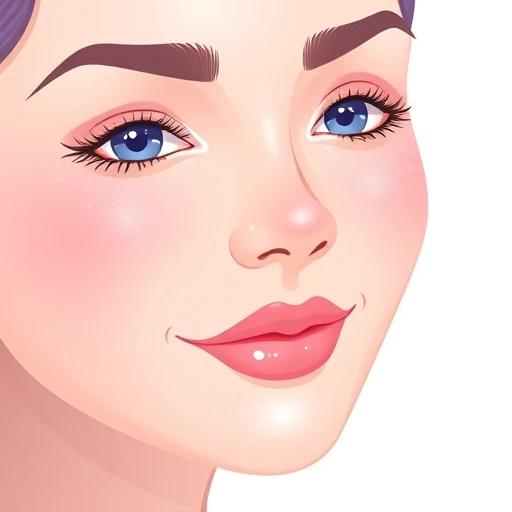
- Gwang is characterized by a high-shine finish that appears translucent and dewy rather than greasy or oily. It mimics the way light bounces off a calm body of water.
In professional and enthusiast circles, gwang is often categorized into different types depending on the specific 'vibe' or technique used to achieve it. For instance, 'mul-gwang' refers to a 'water glow' that looks extremely wet, while 'kkul-gwang' or 'honey glow' suggests a thicker, more syrupy sheen that implies deep nourishment. When people use this word, they are usually discussing their skincare goals, the effects of a particular serum or highlighter, or the overall success of a 'glass skin' routine. It is a word of admiration; to say someone has 'incredible gwang' is to compliment their discipline in skincare and their youthful, refreshed appearance. It is most commonly heard in beauty tutorials, skincare forums, and product marketing materials that aim to evoke the sophisticated elegance of East Asian beauty standards.
After applying the seven-skin method and a snail mucin essence, her face exhibited a natural gwang that didn't require any makeup.
The cultural significance of gwang extends beyond mere vanity. In many East Asian cultures, clear and luminous skin is traditionally associated with health, wealth, and a disciplined lifestyle. By adopting the term gwang, English speakers are also adopting a mindset that prioritizes long-term skin health over short-term coverage. This shift has led to the development of 'hybrid' products like serum-infused foundations and illuminating primers that are specifically designed to create this effect. When using the word, it is important to distinguish it from 'shine' caused by excess sebum. While sebum-induced shine is often concentrated in the T-zone and can look 'muddy,' gwang is strategically placed or universally distributed, appearing clean and intentional. It is the hallmark of the 'clean girl' aesthetic and the 'no-makeup makeup' look that has dominated social media platforms like TikTok and Instagram over the last several years.
- Application Context
- Used primarily in the context of dermatology, cosmetic chemistry, and social media beauty communities to describe the optical properties of well-hydrated skin.
The facialist promised that the new vitamin C treatment would restore the lost gwang to my dull, winter-worn complexion.
Furthermore, the term has evolved as it integrated into the English-speaking world. It is no longer just a Korean word; it is a technical term in the global beauty industry. Makeup artists use it to describe the finish they are aiming for on the runway, where 'lit-from-within' skin is often preferred over the heavy contouring of the past. The rise of gwang has also influenced the ingredients we look for in products. Humectants like hyaluronic acid and glycerin, and emollients like squalane, are the building blocks of gwang. When you hear someone say, 'I'm chasing that gwang,' they are essentially saying they are looking for products that provide intense hydration and a reflective finish. It represents a move toward transparency and the celebration of natural skin texture, albeit a very well-maintained one.
- Cultural Origin
- Derived from the Korean word '광' (gwang), meaning light, luster, or gloss. It is a central pillar of the 'Glass Skin' phenomenon.
I prefer a cushion foundation that enhances my natural gwang rather than one that creates a flat, matte mask.
The secret to her bridal gwang was a combination of sheet masks and a very expensive facial oil.
Even without highlighter, the model's skin had a noticeable gwang under the studio lights.
Using the word gwang correctly requires an understanding of its role as a noun that describes an abstract quality of appearance. In English sentences, it typically functions as the direct object of a verb (to have gwang, to achieve gwang) or as the subject of a descriptive phrase. Because it is a borrowed term, it often carries a slightly more technical or 'insider' feel compared to common words like 'glow' or 'shine.' To use it effectively, one should place it in contexts where the focus is on skincare results or the specific aesthetic of dewy skin. It is rarely used to describe non-human objects; you wouldn't say a polished car has 'gwang,' as the term is intimately tied to the biological and cosmetic radiance of human skin.
- Verb Pairings
- Common verbs include 'achieve,' 'maintain,' 'enhance,' 'restore,' and 'exhibit.' Example: 'She achieved a perfect gwang through consistent hydration.'
When constructing sentences, you can use adjectives to specify the type of gwang. For example, 'subtle gwang' suggests a natural, everyday look, while 'intense gwang' might describe a more dramatic, high-fashion editorial look. It is also common to see it used with the definite article 'the' when referring to the general concept (e.g., 'The pursuit of the gwang has led to a surge in essence sales'). In more informal settings, particularly on social media, 'gwang' can be used almost like a status symbol. Sentences like 'Look at that gwang!' function as a shorthand for 'Look at how healthy and luminous that person's skin looks!' This usage highlights the word's role as a marker of beauty expertise.
If you want to maximize your gwang, you should apply your moisturizer while your skin is still slightly damp.
Another way to incorporate 'gwang' into your vocabulary is by using it to describe the finish of a product. Instead of saying a foundation is 'shiny,' which can have negative connotations, saying it 'leaves a beautiful gwang' immediately communicates a desirable, high-end result. This nuance is crucial in marketing and professional beauty consulting. It allows for a more precise description of how light interacts with the product on the skin. Furthermore, the word can be used in comparative structures. 'Her skin has more gwang today than it did last week' implies a visible improvement in skin health or a change in product usage. This comparative use is frequent in 'before and after' reviews of skincare products.
- Adjective Modifiers
- Common modifiers include 'natural,' 'dewy,' 'ethereal,' 'healthy,' and 'radiant.' These help define the specific quality of the light reflection.
The actress is famous for her signature gwang, which many attribute to her strict plant-based diet and hydration routine.
In creative writing or beauty journalism, 'gwang' can be used to set a mood or describe a character's vitality. For instance, 'The morning sun caught the soft gwang of her cheekbones, making her look as though she had just woken from a thousand-year slumber in a garden of lilies.' This level of descriptive detail elevates the word from a simple beauty term to a poetic device. It conveys a sense of freshness and purity. When using it in this way, it is often paired with words related to light, such as 'shimmer,' 'reflection,' 'luminosity,' and 'glow.' The key is to maintain the connection to skin and health, ensuring the reader understands the specific type of beauty being described.
- Prepositional Phrases
- Often used with 'with' or 'of.' Example: 'Skin brimming with gwang' or 'The unmistakable gwang of well-rested skin.'
To achieve that elusive gwang, many enthusiasts turn to multi-step routines involving fermented ingredients.
The makeup artist used a damp sponge to press the oil into the skin, creating an instant, believable gwang.
There is a fine line between a healthy gwang and looking like you just finished a marathon in high humidity.
If you are spending time in the modern beauty landscape, you will encounter the word gwang almost everywhere. Its primary 'home' is on social media platforms like Instagram, TikTok, and YouTube. Here, beauty influencers and dermatologists use the term to describe the results of skincare products. You'll see it in video titles like 'How to get the perfect Glass Skin Gwang' or 'Top 5 products for an instant Gwang.' In these contexts, the word serves as a shorthand for a highly desirable, aspirational look. It's a 'buzzword' that signals the creator is knowledgeable about current trends and specifically the K-beauty influence that has reshaped the industry over the last decade.
- Social Media Platforms
- TikTok and Instagram are the most common places, especially under hashtags like #Kbeauty, #GlassSkin, and #GlowySkin.
Beyond social media, you will hear 'gwang' in high-end beauty boutiques and department stores. Sales associates at brands like Sulwhasoo, Laneige, or even Western brands that have adopted K-beauty principles (like Glow Recipe) will use the term to explain the benefits of their products. They might say, 'This essence is designed to give you that signature Korean gwang.' In this setting, the word is used to justify the price point and the multi-step process required to achieve the look. It frames the product not just as a cleanser or moisturizer, but as a tool for achieving a specific, culturally-informed aesthetic. It's a term that bridges the gap between traditional skincare and modern cosmetic artistry.
During the masterclass, the celebrity makeup artist explained that the gwang should be most prominent on the high points of the face.
The word is also increasingly common in beauty journalism and editorial content. Magazines like Vogue, Allure, and Harper's Bazaar frequently run features on 'The Science of Gwang' or 'How to Achieve the Gwang Look at Home.' In these articles, the word is treated with a level of respect and technicality, often accompanied by interviews with Korean dermatologists or cosmetic chemists. They delve into the specific ingredients—like propolis, rice water, and ceramides—that contribute to the gwang effect. This editorial usage has helped cement the word in the English lexicon, moving it from a niche enthusiast term to something recognized by a broader audience of beauty-conscious consumers.
- Editorial Context
- Found in beauty magazines and online journals that cover international skincare trends and product innovations.
The editor's letter emphasized that the 'new luxury' is not a designer bag, but a healthy, radiant gwang.
Finally, you might hear 'gwang' in casual conversations among friends who share an interest in skincare. It has become part of the 'skincare junkie' vernacular. When someone notices a friend's skin looking particularly good, they might ask, 'What are you using? Your gwang is on another level!' This casual usage shows how the word has been internalized and used to express genuine appreciation for the effort put into self-care. It's a word that carries a sense of community and shared knowledge. Whether it's in a professional setting or a casual chat, 'gwang' always points toward a specific, luminous ideal of beauty that is both modern and deeply rooted in tradition.
- Casual Conversation
- Used among friends and skincare enthusiasts as a compliment or to discuss the effectiveness of a new routine.
'I've been using that new essence for a week, and I can already see the gwang returning,' she told her best friend.
The beauty community on Reddit is obsessed with finding the most affordable way to get a 'glass skin' gwang.
You can tell she follows a K-beauty routine by the specific way the gwang catches the light on her forehead.
One of the most frequent mistakes when using the word gwang is confusing it with 'oiliness' or 'greasiness.' While both involve a shiny surface, the distinction is vital in the beauty world. Oiliness is often seen as a sign of skin imbalance or lack of hygiene, typically appearing as a thick, yellowish sheen that can make pores look larger. Gwang, on the other hand, is a 'clean' shine that comes from hydration and light reflection. Using 'gwang' to describe someone who simply has oily skin can be misinterpreted as a backhanded compliment or a misunderstanding of the term. To avoid this, ensure the context implies health and intentionality.
- Mistake: Confusing Gwang with Oil
- Incorrect: 'My face is so sweaty and oily, I have so much gwang right now.' Correct: 'My face looks so hydrated; I love this healthy gwang.'
Another common error is misapplying the term to non-skincare contexts. Because 'gwang' is a loanword with a specific niche, using it to describe the shine on a pair of shoes or a polished table sounds unnatural to native English speakers who are familiar with the term. It is strictly a beauty and skincare term in English. If you want to describe a shiny object, stick to 'gloss,' 'sheen,' or 'luster.' Using 'gwang' outside of its intended domain can make the speaker seem like they are trying too hard to use trendy slang without understanding its meaning. It's a word that carries its cultural baggage with it, and that baggage is firmly packed in a vanity case.
Don't mistake the gwang from a hydrating mist for the shine caused by a long day in the sun.
A third mistake involves the grammatical categorization of the word. Some learners try to use it as an adjective (e.g., 'Her skin is very gwang'). While people will likely understand you, it is more correct to use it as a noun (e.g., 'Her skin has a lot of gwang') or to use the adjectival form 'glowy' or 'luminous.' If you want to use 'gwang' in an adjectival sense, it's better to pair it with another word, like 'gwang-like' or 'gwang-heavy,' though these are less common. Keeping it as a noun ensures your speech remains fluid and follows the standard patterns of how loanwords are integrated into English. It also respects the word's original Korean function as a noun.
- Mistake: Using Gwang as an Adjective
- Incorrect: 'I want my face to be gwang.' Correct: 'I want to achieve a gwang-like finish on my face.'
Using too much highlighter can actually destroy the natural gwang you worked so hard to build with skincare.
Finally, be careful with the intensity of the word. Gwang is generally a positive, aspirational term. Using it in a negative or sarcastic way can be confusing. For example, saying 'Wow, look at that gwang' when someone is clearly covered in dirt or grease is a very specific type of irony that might not land well. Because the term is so closely associated with the 'Glass Skin' ideal—which is often seen as a high standard of beauty—using it flippantly can come across as mocking the trend itself. Stick to using it when you genuinely mean to describe that specific, dewy radiance that comes from high-quality skincare and healthy habits.
- Mistake: Sarcastic Overuse
- Avoid using 'gwang' to mock someone's appearance; it is a term of appreciation and technical description in the beauty community.
The goal of a morning routine is to wake up the skin and encourage a subtle gwang before heading out.
If your foundation is too matte, you can mix in a drop of oil to bring back the gwang.
A true gwang looks like it's coming from under the skin, not just sitting on top of it.
While gwang is a unique and specific term, there are several English words and phrases that occupy a similar semantic space. Understanding the differences between these alternatives can help you choose the right word for the right situation. The most common synonym is 'glow.' However, 'glow' is a much broader term. A person can have a 'glow' from exercise, pregnancy, or even a good mood. 'Gwang' is more specific to the physical, reflective quality of the skin's surface. When you use 'gwang,' you are specifically referencing the K-beauty aesthetic of extreme hydration and light-play, whereas 'glow' is more general and less technically focused on the 'wet' look.
- Gwang vs. Glow
- 'Glow' is general and internal; 'Gwang' is specific, surface-oriented, and implies a dewy, reflective moisture level.
Another frequent alternative is 'dewiness.' This is perhaps the closest English equivalent to gwang. 'Dewy skin' describes skin that looks moist and fresh, like grass in the morning. However, 'gwang' often implies a higher level of shine—almost a 'glassy' effect—that 'dewy' doesn't quite capture. 'Dewy' is soft and natural, while 'gwang' can range from natural to highly stylized and intense. In the beauty industry, 'dewy' is a standard finish, while 'gwang' is a specific goal within a specialized routine. You might use 'dewy' when talking to someone who isn't a skincare enthusiast, and 'gwang' when you're talking to someone who knows their essences from their ampoules.
While some prefer a simple dewy finish, others strive for the high-impact gwang associated with the glass skin trend.
'Radiance' is another word often used in place of gwang. Radiance suggests a brightness that comes from within, often associated with even skin tone and good circulation. While gwang certainly includes radiance, it emphasizes the external reflection of light. You can have radiant skin that is matte, but you cannot have gwang without a certain level of surface shine. Therefore, radiance is about the 'color' and 'clarity' of the skin, while gwang is about the 'texture' and 'moisture.' In marketing, you'll often see these words used together: 'Achieve a radiant gwang.' This combines the internal health (radiance) with the external finish (gwang).
- Gwang vs. Radiance
- Radiance is about brightness and evenness; Gwang is about the physical reflection of light on a moist surface.
The new primer provides a subtle radiance, but the facial oil is what really creates that unmistakable gwang.
Finally, terms like 'luster' and 'sheen' are sometimes used, though they are more common in hair care or textile descriptions. In the context of skin, 'sheen' can sometimes sound a bit clinical or artificial. 'Luster' is often reserved for pearls or metals. Using 'gwang' instead of these words gives your description a more modern, fashion-forward edge. It shows that you are aware of the specific cultural movements that have defined the current era of beauty. By choosing 'gwang,' you are not just describing a visual property; you are participating in a global conversation about skincare philosophy and the celebration of healthy, hydrated skin.
- Gwang vs. Sheen
- 'Sheen' can feel artificial or oily; 'Gwang' always implies a healthy, moisture-based luminosity.
Her skin didn't just have a sheen; it had a multi-dimensional gwang that seemed to change with every movement.
The goal of the 'honey skin' trend is to achieve a gwang so thick and rich it looks like honey on the skin.
Finding the balance between a healthy gwang and a greasy forehead is the ultimate skincare challenge.
How Formal Is It?
रोचक तथ्य
In Korea, the term 'gwang' is also used in the name of a popular traditional card game called 'Hwatu,' where certain special cards are marked with the 'gwang' character to show they are high-value 'bright' cards.
उच्चारण मार्गदर्शिका
- Pronouncing it like 'bang' (rhyming with 'gwang' in some US dialects, but less common in beauty circles).
- Omitting the 'w' sound and saying 'gang'.
- Over-emphasizing the 'g' at the end.
- Using a long 'a' sound like 'gwaing'.
- Confusing it with the Chinese surname 'Wang'.
कठिनाई स्तर
The word is short but its specific meaning in beauty contexts requires some cultural knowledge.
Using it naturally as a noun in English sentences can be tricky for beginners.
Pronunciation is simple, but it's important to use it in the right context (beauty/skincare).
Common in beauty videos, but might be missed if the listener isn't familiar with K-beauty.
आगे क्या सीखें
पूर्वापेक्षाएँ
आगे सीखें
उन्नत
ज़रूरी व्याकरण
Loanword Integration
Gwang is used as an uncountable noun in English, similar to 'advice' or 'furniture'.
Attributive Nouns
Using 'gwang' to modify another noun, as in 'gwang finish' or 'gwang routine'.
Adjective Placement
Adjectives like 'natural' or 'radiant' come before 'gwang'.
Possessive Construction
Using 'the skin's gwang' or 'her gwang' to show ownership of the quality.
Verb-Noun Collocation
Certain verbs like 'achieve' or 'maintain' are standardly paired with 'gwang'.
स्तर के अनुसार उदाहरण
She has a pretty gwang on her face.
Elle a un joli éclat sur son visage.
Used as a simple noun.
This cream gives you a nice gwang.
Cette crème vous donne un bel éclat.
Direct object of the verb 'gives'.
I like the gwang on your cheeks.
J'aime l'éclat sur tes joues.
Noun followed by a prepositional phrase.
Do you want more gwang?
Veux-tu plus d'éclat ?
Used with the quantifier 'more'.
Her skin has a natural gwang.
Sa peau a un éclat naturel.
Modified by the adjective 'natural'.
Gwang is very popular in Korea.
Le gwang est très populaire en Corée.
Subject of the sentence.
Wash your face to get a gwang.
Lave ton visage pour obtenir un éclat.
Object of the infinitive 'to get'.
The gwang makes her look young.
L'éclat la fait paraître jeune.
Subject followed by a causative verb.
You can achieve a healthy gwang with this serum.
Vous pouvez obtenir un éclat sain avec ce sérum.
Used with the verb 'achieve'.
Is that gwang or just oil?
Est-ce de l'éclat ou juste de l'huile ?
Used in a comparative question.
She loves the dewy gwang of K-beauty.
Elle adore l'éclat rosé de la K-beauty.
Modified by 'dewy' and followed by 'of'.
Many people use highlighters to create a gwang.
Beaucoup de gens utilisent des illuminateurs pour créer un éclat.
Object of the verb 'create'.
Her gwang was visible even in the dark.
Son éclat était visible même dans le noir.
Possessive 'her' modifying the noun.
This facial oil restores your skin's gwang.
Cette huile pour le visage restaure l'éclat de votre peau.
Possessive noun 'skin's' modifying 'gwang'.
I want my skin to have that glass-skin gwang.
Je veux que ma peau ait cet éclat de peau de verre.
Compound adjective 'glass-skin' modifying 'gwang'.
The gwang is the best part of her makeup.
L'éclat est la meilleure partie de son maquillage.
Subject of the sentence with a definite article.
The secret to her radiant gwang is a ten-step routine.
Le secret de son éclat radieux est une routine en dix étapes.
Adjective 'radiant' modifying 'gwang'.
He noticed a subtle gwang on her face after the vacation.
Il a remarqué un léger éclat sur son visage après les vacances.
Adjective 'subtle' modifying 'gwang'.
To maintain the gwang, you must hydrate daily.
Pour maintenir l'éclat, vous devez vous hydrater quotidiennement.
Used with the verb 'maintain'.
The gwang effect is highly sought after in modern beauty.
L'effet gwang est très recherché dans la beauté moderne.
Used as an attributive noun in 'gwang effect'.
She applied a mist to refresh her gwang during the day.
Elle a appliqué une brume pour rafraîchir son éclat pendant la journée.
Object of the verb 'refresh'.
Without proper exfoliation, your skin might lose its gwang.
Sans une exfoliation appropriée, votre peau pourrait perdre son éclat.
Possessive 'its' referring to the skin.
The makeup artist emphasized the gwang on the bridge of the nose.
Le maquilleur a accentué l'éclat sur l'arête du nez.
Definite article 'the' used for a specific area.
Her gwang was so intense it looked like honey.
Son éclat était si intense qu'il ressemblait à du miel.
Subject in a result clause ('so... that').
Achieving the perfect gwang requires a balance of moisture and oil.
Obtenir l'éclat parfait nécessite un équilibre entre hydratation et huile.
Gerund phrase as the subject.
The influencer's tutorial focused on 'mul-gwang' for a water-like finish.
Le tutoriel de l'influenceuse se concentrait sur le 'mul-gwang' pour un fini semblable à l'eau.
Using the specific Korean term 'mul-gwang'.
The serum promises to enhance your natural gwang without feeling heavy.
Le sérum promet d'améliorer votre éclat naturel sans paraître lourd.
Infinitive phrase 'to enhance your natural gwang'.
There's a fine line between a healthy gwang and an oily T-zone.
Il y a une fine frontière entre un éclat sain et une zone T grasse.
Used in a 'fine line between' construction.
She attributed her gwang to a consistent use of fermented essences.
Elle a attribué son éclat à une utilisation constante d'essences fermentées.
Verb 'attribute' followed by 'to'.
The gwang trend has shifted the market toward illuminating primers.
La tendance gwang a orienté le marché vers les bases illuminatrices.
Attributive noun in 'gwang trend'.
Even in the harsh studio lights, her gwang remained flawless.
Même sous les lumières crues du studio, son éclat restait impeccable.
Subject of the verb 'remained'.
The essence provides a multi-dimensional gwang that lasts all day.
L'essence procure un éclat multidimensionnel qui dure toute la journée.
Modified by 'multi-dimensional'.
The aesthetic of gwang is deeply intertwined with the Korean philosophy of skin health.
L'esthétique du gwang est profondément liée à la philosophie coréenne de la santé de la peau.
Noun used in a complex prepositional phrase.
Critics argue that the pursuit of gwang promotes an unrealistic standard of perfection.
Les critiques soutiennent que la recherche du gwang favorise une norme de perfection irréaliste.
Subject of a subordinate clause.
The product's formulation is specifically engineered to maximize light reflection and gwang.
La formulation du produit est spécifiquement conçue pour maximiser la réflexion de la lumière et le gwang.
Used as a technical term alongside 'light reflection'.
Her skin's gwang was a testament to her meticulous adherence to her skincare regimen.
L'éclat de sa peau témoignait de son adhésion méticuleuse à son régime de soins.
Possessive noun 'skin's' modifying 'gwang'.
The transition from matte to gwang represents a significant shift in global beauty paradigms.
La transition du mat au gwang représente un changement significatif dans les paradigmes de beauté mondiaux.
Used in a 'from... to...' structure.
He described the gwang as an ethereal luminosity that transcended traditional makeup.
Il a décrit le gwang comme une luminosité éthérée qui transcendait le maquillage traditionnel.
Modified by 'ethereal' and defined by a relative clause.
The sheer versatility of gwang allows it to be adapted for both day and night looks.
La pure polyvalence du gwang lui permet d'être adapté aux looks de jour comme de nuit.
Subject of the sentence.
The gwang on her forehead was so pronounced it almost looked metallic.
L'éclat sur son front était si prononcé qu'il paraissait presque métallique.
Used with 'so... that' and a specific body part.
The semiotics of gwang in contemporary media often equate luminosity with moral and physical purity.
La sémiotique du gwang dans les médias contemporains assimile souvent la luminosité à la pureté morale et physique.
Used in a high-level academic context.
Dermatological advancements have enabled the creation of topicals that simulate a natural gwang at a molecular level.
Les progrès dermatologiques ont permis la création de topiques qui simulent un gwang naturel au niveau moléculaire.
Object of the verb 'simulate'.
The commodification of the gwang aesthetic has led to a proliferation of niche K-beauty brands in the West.
La marchandisation de l'esthétique gwang a entraîné une prolifération de marques de K-beauty de niche en Occident.
Attributive noun in 'gwang aesthetic'.
One must distinguish between the physiological gwang of healthy skin and the superficial gwang of cosmetic enhancers.
Il faut distinguer le gwang physiologique d'une peau saine du gwang superficiel des rehausseurs cosmétiques.
Used with contrasting adjectives 'physiological' and 'superficial'.
The subtle interplay of light and moisture that constitutes gwang is difficult to replicate with traditional powders.
Le jeu subtil de la lumière et de l'humidité qui constitue le gwang est difficile à reproduire avec les poudres traditionnelles.
Subject of a relative clause.
Her skin's inherent gwang was further accentuated by the strategically placed strobe lights.
Le gwang inhérent de sa peau était encore accentué par les lumières stroboscopiques stratégiquement placées.
Passive voice construction.
The cultural hegemony of the gwang look has redefined what constitutes a 'healthy' complexion in the 21st century.
L'hégémonie culturelle du look gwang a redéfini ce qui constitue un teint 'sain' au 21e siècle.
Attributive noun in 'gwang look'.
To achieve a truly authentic gwang, one must prioritize barrier repair and deep-tissue hydration.
Pour obtenir un gwang véritablement authentique, il faut donner la priorité à la réparation de la barrière et à l'hydratation des tissus profonds.
Infinitive of purpose.
समानार्थी शब्द
विलोम शब्द
सामान्य शब्द संयोजन
सामान्य वाक्यांश
— To start a skincare routine or apply products to make the skin look radiant.
Time to get my gwang on before the party!
— The act of trying many different products to achieve the perfect dewy look.
She's always chasing the gwang with the latest K-beauty releases.
— A phrase used to express admiration for someone else's radiant skin.
Her skin is literally gwang goals.
— A glow that looks natural and healthy, as if the light is coming from inside the skin.
I want that lit-from-within gwang, not just surface glitter.
— A very wet, high-shine finish (translation of 'mul-gwang').
The water-glow gwang is perfect for a fresh summer look.
— A rich, slightly sticky-looking but healthy shine (translation of 'kkul-gwang').
Her honey-glow gwang looked amazing in the editorial shoot.
— Emphasizing that the most important part of a look is the skin's radiance.
This season's makeup is all about the gwang.
— To bring back luminosity to skin that has become dull or dry.
This facial will help restore the gwang to your skin.
— To use techniques or products to make the skin as reflective as possible.
Layering your essences is the best way to maximize the gwang.
— A glow that doesn't look like makeup, but like healthy skin.
I'm looking for a foundation that provides a natural-looking gwang.
अक्सर इससे भ्रम होता है
Gwang is a healthy, moisture-based shine; oiliness is often seen as an imbalance of sebum.
Sweat is temporary and can look messy; gwang is a deliberate skincare result.
Gwang is a smooth reflection; glitter consists of individual sparkling particles.
मुहावरे और अभिव्यक्तियाँ
— A significant transformation in appearance and confidence, often including better skin.
Her skincare routine led to a total glow up.
informal— Though usually about intelligence, it can describe a fresh, radiant face.
She looked bright as a button with her morning gwang.
informal— Looking very fresh and healthy.
After her facial, she was fresh as a daisy with a perfect gwang.
informal— Used metaphorically, but can relate to the radiance of gwang.
Her skin was the shining star of the red carpet.
neutral— Being the center of attention, often where gwang is most noticed.
Her gwang put her right in the limelight.
neutral— To look extremely healthy and radiant.
She was beaming with health and gwang.
neutral— Very easy to see; often used for clear skin.
The gwang on her skin was clear as day.
neutral— To have a presence (or appearance) that is very bright and positive.
Her radiant gwang literally lit up the room.
informal— Very smooth texture, which is a prerequisite for gwang.
Her skin was smooth as silk and full of gwang.
neutral— A perfect example of being healthy.
With that gwang, she is the picture of health.
neutralआसानी से भ्रमित होने वाले
Both describe a bright appearance.
Glow is general and can be internal; gwang is specific to a dewy, reflective skin surface.
She has a healthy glow, but her skin specifically has that K-beauty gwang.
Both describe a shiny surface.
Gloss is often used for lips or hair; gwang is specifically for the skin on the face.
Her lips have a high gloss, and her cheeks have a beautiful gwang.
Both describe light reflection.
Shine can be negative (oily); gwang is always positive (hydrated).
I want to remove the shine from my nose but keep the gwang on my cheekbones.
Both describe a bright look.
Radiance is about brightness and even tone; gwang is about the 'wet' look of the surface.
The peel gave her radiance, and the oil gave her gwang.
Both describe a soft luster.
Sheen is a more traditional English word; gwang is a modern, culturally-specific term.
The silk had a soft sheen, but her face had a modern gwang.
वाक्य संरचनाएँ
I have [adjective] gwang.
I have pretty gwang.
She wants to get a [adjective] gwang.
She wants to get a healthy gwang.
To achieve a [adjective] gwang, you should [verb].
To achieve a natural gwang, you should use a serum.
The [noun] provides a [adjective] gwang that [verb].
The essence provides a radiant gwang that lasts all day.
The pursuit of [noun] gwang has led to [noun].
The pursuit of the perfect gwang has led to a surge in essence sales.
The cultural significance of [noun] gwang cannot be [verb].
The cultural significance of the gwang aesthetic cannot be overstated.
Her skin's gwang is a result of [noun].
Her skin's gwang is a result of her hydration routine.
There is a difference between [adjective] gwang and [adjective] shine.
There is a difference between healthy gwang and oily shine.
शब्द परिवार
संज्ञा
विशेषण
संबंधित
इसे कैसे इस्तेमाल करें
High in beauty and skincare niches; low in general daily conversation.
-
Using 'gwang' to describe a shiny car.
→
The car has a beautiful gloss.
In English, 'gwang' is specifically used for skin and beauty contexts.
-
Saying 'I have a gwang' as if it's a physical object.
→
My skin has a gwang.
Gwang is an abstract quality or finish, not a discrete object.
-
Confusing 'gwang' with 'greasy'.
→
Her skin has a healthy gwang.
Greasy is negative and oily; gwang is positive and hydrated.
-
Using 'gwang' as a verb: 'I need to gwang my face'.
→
I need to get some gwang on my face.
Gwang is a noun, not a verb.
-
Pronouncing it 'g-wang' (rhyming with 'bang').
→
Pronounce it 'gwahng' (rhyming with 'song').
The 'ah' sound is more accurate to the original Korean and standard English beauty usage.
सुझाव
Layer Your Hydration
To get a natural gwang, apply multiple thin layers of a hydrating toner or essence. This builds moisture deep in the skin rather than just sitting on top.
Skip the Powder
Heavy powders can kill your gwang. If you need to set your makeup, only use powder on your T-zone and leave your cheeks bare to let the gwang shine.
Hydrate from Within
No amount of cream can replace drinking enough water. A true gwang starts with a body that is well-hydrated.
Pat, Don't Rub
When applying skincare, pat the products into your skin. This helps absorption and leaves a more reflective, gwang-like finish.
Look for Niacinamide
Ingredients like niacinamide help brighten the skin and improve its texture, making it easier to achieve a natural gwang.
Sunscreen is Key
Sun damage makes skin dull. Use a dewy-finish sunscreen to protect your skin and add an extra layer of gwang at the same time.
Carry a Face Mist
A quick spray of a hydrating mist during the day can instantly refresh your gwang if your skin starts to look dry.
Exfoliate Gently
Dead skin cells block light. Use a gentle chemical exfoliant (like AHA or BHA) to keep your skin surface smooth and ready for gwang.
Use a Damp Sponge
When applying foundation, use a damp beauty sponge. This adds moisture to the application and helps create a dewy gwang.
Use a Sleeping Mask
Apply a thick layer of a hydrating sleeping mask at night. You'll wake up with a noticeable 'morning gwang'.
याद करें
स्मृति सहायक
Think of 'Gwang' as 'Glow' + 'Water' + 'Angelic'. It's a glow that looks like water and makes you look angelic.
दृश्य संबंध
Imagine a piece of polished glass reflecting a soft light. That smooth, bright surface is exactly what gwang looks like on skin.
Word Web
चैलेंज
Try to use the word 'gwang' in a sentence describing your favorite skincare product. Then, explain to a friend why gwang is different from being oily.
शब्द की उत्पत्ति
The word 'gwang' is a direct loanword from the Korean language. In Korean, the character '광' (hanja: 光) literally translates to 'light,' 'luster,' or 'brightness.' It has been used for centuries to describe physical light as well as the metaphorical brightness of a person's aura or reputation.
मूल अर्थ: Light or luster.
Koreanic (Sino-Korean origin).सांस्कृतिक संदर्भ
Be careful not to use the word to mock East Asian beauty standards. It is a technical and aesthetic term that should be used with respect for its cultural origins.
In English-speaking countries, 'gwang' is primarily used by beauty enthusiasts and professionals. It is a 'cool' word that shows you are part of the skincare community.
असल ज़िंदगी में अभ्यास करें
वास्तविक संदर्भ
Skincare Routine
- Step for achieving gwang
- Gwang-inducing essence
- Layering for gwang
- Morning gwang routine
Makeup Application
- Gwang-finish foundation
- Adding gwang with highlighter
- Maintaining gwang under powder
- Natural gwang look
Beauty Product Reviews
- Gives a beautiful gwang
- No gwang at all
- Too much gwang
- Instant gwang effect
Complimenting Someone
- Your gwang is amazing
- How do you get that gwang?
- Love the gwang!
- Skin goals: gwang
Dermatology/Esthetics
- Healthy skin gwang
- Restoring lost gwang
- Hydration and gwang
- Improving skin gwang
बातचीत की शुरुआत
"I've been trying to get that K-beauty gwang, but my skin just looks oily. Any tips?"
"Do you prefer a matte look or a dewy gwang for your everyday makeup?"
"What's the best product you've found for an instant gwang before a night out?"
"I noticed your skin has an incredible gwang today! Did you change your routine?"
"Is it possible to have too much gwang, or is the 'glass skin' look always the goal?"
डायरी विषय
Describe your ideal skin 'gwang'. What does it look like and how does it make you feel?
Write about a time you felt really confident in your skin. Did you have a natural gwang that day?
Compare the 'matte' trend of the past with the 'gwang' trend of today. Which do you prefer and why?
If you could create a 'gwang-inducing' product, what ingredients would it have and what would you call it?
How has the global popularity of 'gwang' changed the way you think about beauty and skincare?
अक्सर पूछे जाने वाले सवाल
10 सवालIt is a loanword from Korean. While it may not be in every traditional dictionary yet, it is widely used and understood in the global beauty and skincare industry. It functions as a technical term for a specific aesthetic.
The key is to use lightweight, hydrating layers (like essences) rather than heavy oils. You can also use 'blotting' techniques to remove excess sebum while keeping the hydration-based gwang on the high points of your face.
Absolutely! Gwang is about skin health and hydration, which is universal. Many men's skincare brands in Korea specifically market products to help men achieve a healthy, subtle gwang.
They are closely related. 'Glass skin' is the name of the overall look, while 'gwang' is the specific quality of the shine that makes the skin look like glass. You need gwang to have glass skin.
While products help, a true gwang often comes from a combination of good skincare, hydration, and a healthy diet. It's a sign that your skin barrier is healthy and well-moisturized from the inside out.
It's a matter of preference! Gwang is currently very trendy because it looks youthful and fresh, but many people still prefer a matte look for professional settings or if they have very oily skin.
Yes, you can use illuminating primers and liquid highlighters to simulate gwang. However, the most 'authentic' gwang is usually a mix of skincare and minimal makeup.
'Mul' means water in Korean. So 'mul-gwang' is a 'water-glow,' which is a very intense, wet-looking shine that makes the skin look like it's covered in a thin layer of water.
'Kkul' means honey in Korean. 'Kkul-gwang' is a 'honey-glow,' which is a thicker, more nourished-looking shine that suggests the skin is very plump and healthy.
In Korean culture, clear and glowing skin has long been a symbol of health, wealth, and beauty. The gwang aesthetic is a modern way to express these traditional values through skincare.
खुद को परखो 192 सवाल
Describe your skincare routine and how you try to achieve a healthy gwang.
Well written! Good try! Check the sample answer below.
Explain the difference between 'gwang' and 'oily skin' to someone who is new to beauty trends.
Well written! Good try! Check the sample answer below.
Write a short product review for a serum that claims to provide an 'instant gwang'.
Well written! Good try! Check the sample answer below.
Discuss why the 'gwang' aesthetic has become so popular globally in recent years.
Well written! Good try! Check the sample answer below.
Compare the 'matte' look of the 1990s with the 'gwang' look of today.
Well written! Good try! Check the sample answer below.
Write a dialogue between two friends discussing their favorite K-beauty products for gwang.
Well written! Good try! Check the sample answer below.
Describe a person you know who has a natural gwang. What do you think is their secret?
Well written! Good try! Check the sample answer below.
How does the concept of gwang relate to the idea of 'lit-from-within' beauty?
Well written! Good try! Check the sample answer below.
Write a social media caption for a photo showing off your new 'glass skin' gwang.
Well written! Good try! Check the sample answer below.
Discuss the role of hydration in achieving a sustainable gwang.
Well written! Good try! Check the sample answer below.
Is the pursuit of gwang realistic for everyone? Why or why not?
Well written! Good try! Check the sample answer below.
Describe the visual difference between 'mul-gwang' and 'kkul-gwang'.
Well written! Good try! Check the sample answer below.
Write a short guide on how to maintain gwang during a long-haul flight.
Well written! Good try! Check the sample answer below.
How has the word 'gwang' influenced the way we describe healthy skin in English?
Well written! Good try! Check the sample answer below.
Describe the feeling of having a 'good skin day' with a perfect gwang.
Well written! Good try! Check the sample answer below.
Write a formal email to a skincare brand asking about the 'gwang-inducing' properties of their new line.
Well written! Good try! Check the sample answer below.
Explain how lighting affects the appearance of gwang on the skin.
Well written! Good try! Check the sample answer below.
What are the cultural implications of the 'gwang' trend in the West?
Well written! Good try! Check the sample answer below.
Describe a makeup look that emphasizes gwang for a summer wedding.
Well written! Good try! Check the sample answer below.
How does exfoliation contribute to the overall gwang of the skin?
Well written! Good try! Check the sample answer below.
Describe your favorite way to make your skin look radiant using the word 'gwang'.
Read this aloud:
तुमने कहा:
Speech recognition is not supported in your browser. Try Chrome or Edge.
Give a short presentation on the 'gwang' trend and its origins in K-beauty.
Read this aloud:
तुमने कहा:
Speech recognition is not supported in your browser. Try Chrome or Edge.
Roleplay a conversation where you compliment a friend's 'gwang' and ask for their routine.
Read this aloud:
तुमने कहा:
Speech recognition is not supported in your browser. Try Chrome or Edge.
Discuss the pros and cons of the 'glass skin' look with a partner.
Read this aloud:
तुमने कहा:
Speech recognition is not supported in your browser. Try Chrome or Edge.
Explain the difference between 'gwang' and 'shine' as if you were a beauty consultant.
Read this aloud:
तुमने कहा:
Speech recognition is not supported in your browser. Try Chrome or Edge.
Tell a story about a time you tried a new product to get a 'gwang' and what happened.
Read this aloud:
तुमने कहा:
Speech recognition is not supported in your browser. Try Chrome or Edge.
Practice pronouncing 'gwang' in different sentence structures.
Read this aloud:
तुमने कहा:
Speech recognition is not supported in your browser. Try Chrome or Edge.
Debate whether 'gwang' is a sustainable beauty standard for all skin types.
Read this aloud:
तुमने कहा:
Speech recognition is not supported in your browser. Try Chrome or Edge.
Describe a photo of someone with a perfect gwang, focusing on where the light hits their face.
Read this aloud:
तुमने कहा:
Speech recognition is not supported in your browser. Try Chrome or Edge.
Give a 'how-to' guide for achieving a 'mul-gwang' look in under five minutes.
Read this aloud:
तुमने कहा:
Speech recognition is not supported in your browser. Try Chrome or Edge.
Talk about how your perception of 'healthy skin' has changed because of the 'gwang' trend.
Read this aloud:
तुमने कहा:
Speech recognition is not supported in your browser. Try Chrome or Edge.
Roleplay a sales associate explaining the benefits of a 'gwang-inducing' serum to a customer.
Read this aloud:
तुमने कहा:
Speech recognition is not supported in your browser. Try Chrome or Edge.
Discuss the impact of social media on the popularity of the word 'gwang'.
Read this aloud:
तुमने कहा:
Speech recognition is not supported in your browser. Try Chrome or Edge.
Describe the 'honey skin' (kkul-gwang) look and why people find it desirable.
Read this aloud:
तुमने कहा:
Speech recognition is not supported in your browser. Try Chrome or Edge.
Explain why you think 'gwang' has become a global beauty term.
Read this aloud:
तुमने कहा:
Speech recognition is not supported in your browser. Try Chrome or Edge.
Describe the difference between a 'natural gwang' and a 'makeup gwang'.
Read this aloud:
तुमने कहा:
Speech recognition is not supported in your browser. Try Chrome or Edge.
Talk about your favorite K-beauty brand and their 'gwang' products.
Read this aloud:
तुमने कहा:
Speech recognition is not supported in your browser. Try Chrome or Edge.
Discuss the importance of hydration in achieving a 'lit-from-within' gwang.
Read this aloud:
तुमने कहा:
Speech recognition is not supported in your browser. Try Chrome or Edge.
Explain how to use a face mist to refresh your gwang during the day.
Read this aloud:
तुमने कहा:
Speech recognition is not supported in your browser. Try Chrome or Edge.
Summarize the key differences between matte and dewy (gwang) finishes.
Read this aloud:
तुमने कहा:
Speech recognition is not supported in your browser. Try Chrome or Edge.
Listen to a beauty tutorial and count how many times the word 'gwang' is used.
Listen to a product review and identify if the reviewer thinks the product provides a 'natural gwang'.
Listen to a podcast about K-beauty and note down the three types of gwang mentioned.
Listen to a dermatologist explain the science of skin luminosity and identify the term 'gwang'.
Listen to a conversation between two friends and identify who has the better 'gwang' according to them.
Listen to a commercial for a new essence and write down the 'gwang-related' adjectives used.
Listen to an interview with a Korean makeup artist and summarize their tips for achieving gwang.
Listen to a debate about beauty standards and identify the speaker's opinion on the 'gwang' trend.
Listen to a 'Get Ready With Me' video and identify the step where the 'gwang' is applied.
Listen to a skincare expert explain why 'gwang' is different from 'oiliness'.
Listen to a news report on the global rise of K-beauty and the popularity of 'gwang'.
Listen to a tutorial on 'glass skin' and identify the key products for the 'gwang' effect.
Listen to a customer's complaint about a product that made them look 'oily' instead of 'gwangy'.
Listen to a lecture on the semiotics of beauty and the role of 'gwang' in modern media.
Listen to a short clip of a K-drama review and identify the mention of the lead actress's 'gwang'.
Her skin is very gwang today.
'Gwang' is a noun, not an adjective.
I need to gwang my face before the party.
'Gwang' cannot be used as a verb.
The gwang on the car was very bright.
'Gwang' is specifically for skin, not objects.
She has many gwangs on her cheeks.
'Gwang' is an uncountable noun.
My face is so sweaty, I have so much gwang!
Gwang is a positive, moisture-based term, not for sweat or oil.
He achieved a gwang by using a matte powder.
Matte powder removes gwang; hydrating products create it.
The gwang of the sun was blinding.
'Gwang' is for skin radiance, not direct sunlight.
She wants a gwang-less look.
While 'gwang-less' is understandable, 'matte' is the standard term.
Her gwang was caused by a lack of water.
Gwang requires water/hydration, it's not caused by a lack of it.
I love the gwang of your new shoes.
Again, 'gwang' is reserved for skin.
/ 192 correct
Perfect score!
Summary
Gwang is the ultimate compliment for skincare enthusiasts, representing a luminous, 'lit-from-within' radiance that prioritizes hydration over coverage. For example: 'Her consistent use of snail mucin gave her skin a stunning, natural gwang.'
- Gwang is a Korean-derived term for a radiant, dewy skin glow that signifies health and deep hydration, distinct from oily shine.
- It is a central concept in K-beauty, often associated with the 'glass skin' look and achieved through layers of hydrating products.
- The word is used as a noun in English beauty circles to describe both a natural skin quality and a cosmetic finish.
- Achieving gwang involves using humectants like hyaluronic acid and avoiding heavy powders that dull the skin's natural light reflection.
Layer Your Hydration
To get a natural gwang, apply multiple thin layers of a hydrating toner or essence. This builds moisture deep in the skin rather than just sitting on top.
Skip the Powder
Heavy powders can kill your gwang. If you need to set your makeup, only use powder on your T-zone and leave your cheeks bare to let the gwang shine.
Hydrate from Within
No amount of cream can replace drinking enough water. A true gwang starts with a body that is well-hydrated.
Pat, Don't Rub
When applying skincare, pat the products into your skin. This helps absorption and leaves a more reflective, gwang-like finish.