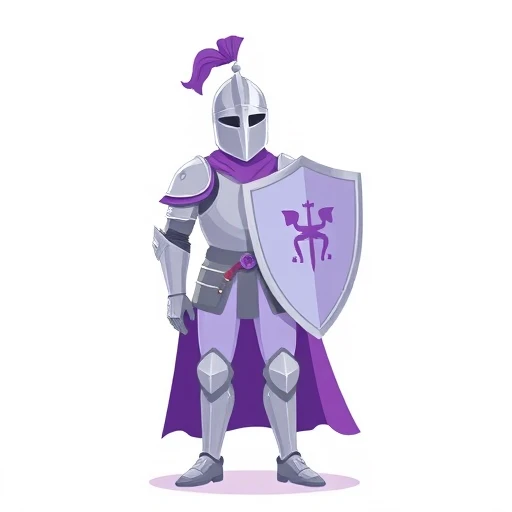
william
William is a boy's name.
It is a very old name.
Many famous people have been named William, like kings.
The name means 'strong protector'.
It is still a popular name today.
William is a very old and common boy's name. It comes from an old language and means someone who protects strongly, or someone with a special helmet.
Many important people like kings and writers have been named William. This name has been used for a very long time and is still popular today.
It's a strong and classic name that many families choose for their sons.
William is a popular boy's name that comes from a very old German name. It means someone who is a 'strong protector' or has a 'shiny helmet'.
Many important people, like kings and writers, have been named William over hundreds of years. Because of this, it's a name that has been used for a very long time and is still chosen by many parents today.
The name William, a proper noun, holds significant historical and cultural weight, stemming from Germanic roots. Etymologically, it conveys meanings of 'resolute protector' or 'with a gilded helmet,' imbuing the name with connotations of strength and nobility. Throughout history, its prominence has been cemented by numerous monarchs, literary figures, and influential individuals who have borne it. This enduring legacy has ensured its consistent popularity, making it a perennially favored choice across diverse societies. Consequently, William remains a name deeply entrenched in Western cultural consciousness, symbolizing both tradition and steadfastness.
The appellation 'William' is a quintessential masculine proper noun, tracing its etymology to Germanic roots, where it connotes 'resolute protector' or 'gilded helmet.'
Its historical prominence is well-documented, gracing the lineages of monarchs, celebrated literati, and innumerable personages across diverse epochs, thereby cementing its enduring appeal as an archetypal nomination.
§ Understanding 'William' in Context
The name 'William' is a proper noun, meaning it refers to a specific person. As such, its usage in a sentence is generally straightforward, but there are nuances to consider regarding its grammatical role and the prepositions that often accompany it.
- Grammatical Function
- As a proper noun, 'William' can function as the subject of a sentence, the object of a verb, or the object of a preposition.
When 'William' is the subject, it performs the action of the verb:
William is reading a book.
When 'William' is the object of a verb, it receives the action:
I saw William at the park.
And when it's the object of a preposition, it follows a preposition:
I gave the gift to William.
§ Common Prepositions with 'William'
While 'William' itself doesn't inherently demand specific prepositions, its context in a sentence will often dictate which prepositions are appropriate. Here are some common prepositions you might find used with 'William' and their typical meanings:
- To: Indicates direction, recipient, or purpose.
She spoke to William about the project.
- With: Indicates accompaniment, possession, or means.
I went to the concert with William.
- For: Indicates purpose, benefit, or duration.
This gift is for William.
- About: Indicates topic or subject.
They were talking about William's new car.
- Of: Indicates possession, origin, or a part of something.
This is a photograph of William.
- By: Indicates agency, proximity, or method.
The book was written by William Shakespeare.
§ Possessive Form: William's
To show possession, we add an apostrophe and 's' to 'William'.
William's car is red.
§ 'William' in Various Sentence Structures
Let's look at more examples demonstrating 'William' in different grammatical constructions.
- As part of a compound subject
- When 'William' is combined with another subject using 'and'.
William and Sarah went to the store.
- In a direct address
- When directly speaking to someone named William.
“William, could you please help me?”
- As part of a title
- When referring to a historical figure or someone with a distinguished title.
King William was a powerful ruler.
§ William: Where you actually hear this word — work, school, news
The name William is incredibly common and has a rich history, which means you're likely to encounter it in various contexts, from casual conversations to formal settings. Understanding where and how it's used can deepen your appreciation for this timeless name.
- Everyday Conversations
- In daily life, you'll hear William frequently as people refer to friends, family members, or acquaintances. It's a name that transcends generations, so you might hear a child named William as well as an elderly relative.
"Hey, have you seen William today? He was supposed to meet us for lunch."
"My grandfather's name was William, and he was a truly remarkable man."
- Work Environments
- In professional settings, William is a common name for colleagues, clients, and superiors. Its traditional nature often lends it an air of professionalism.
"Please send the report to William by end of day."
"Dr. William Smith will be leading the presentation."
- Educational Institutions
- From primary school to university, William is a frequently encountered name among students and faculty. You might find it in class rosters, student IDs, or staff directories.
"Our history teacher, Mr. Williamson, is an expert on ancient civilizations."
"William Shakespeare is one of the most famous playwrights in English literature."
- News and Media
- The name William often appears in news articles, documentaries, and historical accounts, given its association with notable figures throughout history.
"Prince William visited the new hospital wing yesterday."
"The documentary explored the life and works of William the Conqueror."
The versatility of the name William makes it a ubiquitous presence in the English-speaking world. Its historical significance and enduring popularity ensure that you will continue to hear and see it in a wide array of contexts, reinforcing its status as a classic and widely recognized name.
§ Mistakes people make with this word
The name "William" is generally straightforward, but because it's a proper noun and a common name, some 'mistakes' or points of confusion can arise, especially for non-native English speakers or those unfamiliar with common Western names. Here's a breakdown:
- Spelling Variations
- While the standard English spelling is 'William', variations exist in other languages or as historical spellings. People might mistakenly spell it as 'Willaim', 'Willem' (Dutch), 'Guillaume' (French), or 'Wilhelm' (German). These are not 'mistakes' in their respective languages but would be incorrect if referring to someone whose name is specifically spelled 'William'.
He introduced himself as William, but I almost wrote down 'Wilhelm' because of his accent.
Another common point of confusion is with capitalization. As a proper noun, "William" should always be capitalized. Forgetting to do so is a grammatical error.
- Incorrect Lowercasing
- Treating 'William' like a common noun and writing it as 'william' is a frequent mistake, particularly in informal writing or by those still learning English grammar rules for proper nouns.
I received an email from William, not 'william', reminding me of the correct capitalization.
Beyond spelling and capitalization, there can be issues related to diminutives and nicknames. While not strictly 'mistakes' in usage, misunderstanding or misusing these can lead to social awkwardness.
- Confusion with Nicknames/Diminutives
- 'William' has several common nicknames, such as 'Will', 'Bill', 'Billy', and 'Liam'. A mistake occurs when someone assumes a person named William prefers a nickname without being told, or uses a nickname when formal address is required.
It's important to ask if William prefers to be called 'Will' or 'Bill' before making assumptions.
Finally, context is key, especially when 'William' appears in a historical or literary context.
- Misidentifying Famous Williams
- Given the name's popularity, there are many famous individuals named William (e.g., William Shakespeare, Prince William, William the Conqueror, William Wordsworth). A common 'mistake' can be assuming which specific William is being referred to without sufficient context, especially in casual conversation or when discussing history.
When someone says 'King William', it's important to clarify which historical figure is being discussed.
कठिनाई स्तर
Proper noun, common, straightforward to recognize.
Proper noun, common spelling, capitalization rule.
Common pronunciation, two syllables.
Common name, easy to distinguish in conversation.
आगे क्या सीखें
पूर्वापेक्षाएँ
आगे सीखें
उन्नत
स्तर के अनुसार उदाहरण
William is a common name for boys.
William es un nombre común para niños.
Simple present tense.
My friend William likes to play soccer.
A mi amigo William le gusta jugar al fútbol.
Simple present tense, 'likes to' for preferences.
I saw William at the park yesterday.
Vi a William en el parque ayer.
Simple past tense.
Is William coming to the party tonight?
¿Viene William a la fiesta esta noche?
Present continuous for future arrangements.
William has a new red car.
William tiene un coche rojo nuevo.
Simple present tense, 'has' for possession.
Can you please call William for me?
¿Puedes llamar a William por mí?
Modal verb 'can' for a request.
William lives in a big house.
William vive en una casa grande.
Simple present tense.
I like to talk with William about movies.
Me gusta hablar con William sobre películas.
Simple present tense, 'like to' for preferences.
Prince William is a member of the British royal family.
Prince William is part of the royal family in Britain.
Proper nouns like names are always capitalized.
William Shakespeare wrote many famous plays, like 'Romeo and Juliet'.
William Shakespeare made many well-known plays.
The past tense of 'write' is 'wrote'.
My friend William loves to play football on weekends.
My friend William enjoys playing football every weekend.
The verb 'loves' is used with a singular subject like 'William'.
William decided to study history at university.
William chose to learn about history at college.
The past tense of 'decide' is 'decided'.
We met a kind man named William at the park yesterday.
We met a nice man called William at the park yesterday.
'Yesterday' indicates a past event, so 'met' is used.
William's dog is very playful and loves to fetch the ball.
William's dog likes to play a lot and chase the ball.
The apostrophe 's' shows possession, meaning the dog belongs to William.
Can you please ask William if he wants to join us for dinner?
Could you ask William if he would like to eat dinner with us?
'Can you please ask' is a polite way to make a request.
William lives in a beautiful house near the river.
William has a lovely home close to the river.
'Lives' is the present simple form for a singular subject.
William Shakespeare, often regarded as the greatest writer in the English language, penned numerous timeless plays and sonnets.
William Shakespeare, considerado el escritor más grande en el idioma inglés, escribió numerosas obras de teatro y sonetos atemporales.
Proper noun, 'regarded as' (formal phrasing), 'penned' (literary synonym for wrote).
The Prince of Wales, William, is next in line to the British throne, carrying significant royal duties.
El Príncipe de Gales, William, es el siguiente en la línea de sucesión al trono británico, llevando a cabo importantes deberes reales.
Proper noun, appositive phrase ('William'), 'next in line' (idiomatic expression).
William Faulkner's complex narrative structures and psychological depth earned him the Nobel Prize in Literature.
Las complejas estructuras narrativas y la profundidad psicológica de William Faulkner le valieron el Premio Nobel de Literatura.
Proper noun, possessive form ('Faulkner's'), 'earned him' (causative verb).
Upon inheriting the estate, William embarked on an ambitious renovation project, transforming the old manor.
Al heredar la propiedad, William se embarcó en un ambicioso proyecto de renovación, transformando la antigua mansión.
Proper noun, 'upon inheriting' (formal conjunction), 'embarked on' (phrasal verb).
The legendary conqueror, William the Conqueror, profoundly influenced English history and the development of the language.
El legendario conquistador, Guillermo el Conquistador, influyó profundamente en la historia inglesa y el desarrollo del idioma.
Proper noun, 'the Conqueror' (epithet), 'profoundly influenced' (strong adverb + verb).
Despite initial skepticism, William's innovative business strategies ultimately proved highly successful, leading to unprecedented growth.
A pesar del escepticismo inicial, las innovadoras estrategias comerciales de William finalmente resultaron muy exitosas, llevando a un crecimiento sin precedentes.
Proper noun, 'despite initial skepticism' (concessive clause), 'unprecedented growth' (strong adjective + noun).
The renowned architect, William, is celebrated for his sustainable designs and integration of natural elements.
El renombrado arquitecto, William, es celebrado por sus diseños sostenibles y la integración de elementos naturales.
Proper noun, 'renowned' (formal adjective), 'is celebrated for' (passive voice).
William Wordsworth, a pivotal figure in the Romantic literary movement, found inspiration in the beauty of the natural world.
William Wordsworth, una figura pivotal en el movimiento literario romántico, encontró inspiración en la belleza del mundo natural.
Proper noun, 'pivotal figure' (idiomatic expression), 'found inspiration in' (phrasal verb).
William the Conqueror's strategic brilliance irrevocably altered the course of English history, establishing a new linguistic and cultural paradigm.
William the Conqueror changed English history, bringing new language and culture.
Uses 'irrevocably altered' for a C2 vocabulary choice, and 'linguistic and cultural paradigm' to show advanced conceptual understanding.
Despite numerous setbacks, William Shakespeare's prolific literary output transcended the confines of his era, profoundly influencing subsequent generations of dramatists and poets.
Shakespeare's writing went beyond his time, impacting many writers after him.
Employs 'prolific literary output' and 'transcended the confines' for elevated language. 'Profoundly influencing subsequent generations' demonstrates complex causal relationships.
The philanthropic endeavors of William Gates Sr., particularly his advocacy for global health initiatives, have garnered widespread commendation.
William Gates Sr.'s charity work, especially for global health, is highly praised.
Features 'philanthropic endeavors' and 'garnered widespread commendation' as sophisticated vocabulary. 'Particularly his advocacy for global health initiatives' shows detailed specification.
As an erudite scholar, William meticulously dissected the ancient texts, unearthing previously overlooked nuances in their philosophical underpinnings.
As a learned scholar, William carefully analyzed old texts, finding new meanings in their philosophy.
Includes 'erudite scholar' and 'meticulously dissected' for advanced descriptive language. 'Philosophical underpinnings' is a more abstract and academic term.
The architect, William, conceptualized a structure that seamlessly integrated modernist aesthetics with the venerable historical context of the city.
The architect William designed a building that blended modern style with the city's old history.
Uses 'conceptualized a structure' and 'seamlessly integrated modernist aesthetics' for refined architectural vocabulary. 'Venerable historical context' adds a layer of formal description.
William's incisive analysis of the geopolitical landscape provided a prescient forecast of the emergent international power dynamics.
William's sharp analysis of world politics accurately predicted new international power shifts.
Showcases 'incisive analysis' and 'prescient forecast' as high-level analytical terms. 'Geopolitical landscape' and 'emergent international power dynamics' are specialized vocabulary.
Despite facing considerable professional vicissitudes, William maintained an unwavering commitment to his ethical principles, earning him an enviable reputation for integrity.
Even with many career challenges, William stuck to his ethics, getting a good reputation for honesty.
Incorporates 'considerable professional vicissitudes' for a more formal way to say 'challenges'. 'Unwavering commitment' and 'enviable reputation for integrity' are strong descriptive phrases.
The art historian, William, elucidated the intricate symbolism embedded within the Renaissance masterpiece, offering a novel interpretation that challenged prevailing academic consensus.
The art historian William explained the complex symbols in the Renaissance painting, giving a new idea that questioned what others thought.
Utilizes 'elucidated the intricate symbolism' and 'embedded within the Renaissance masterpiece' for precise and academic language. 'Challenged prevailing academic consensus' demonstrates critical thinking.
सामान्य शब्द संयोजन
सामान्य वाक्यांश
call me William
my name is William
William's son
William's wife
William's house
William's car
William's book
William's friend
William's dog
William's cat
इसे कैसे इस्तेमाल करें
When using the name William, it's important to remember that it is a proper noun, so it should always be capitalized. It is a very common name, so context often helps to distinguish which William is being referred to.
A common mistake is forgetting to capitalize William, as it is a proper noun. Another mistake might be confusing it with similar-sounding names or assuming a specific person when the name is used without further clarification.
याद करें
स्मृति सहायक
Imagine a **W**ise **I**ndividual **L**oving **L**earning **I**n **A**ncient **M**onasteries. This helps remember the spelling and the historical weight of the name.
दृश्य संबंध
Picture a resolute knight, helmet gleaming, standing guard. This knight is named William, and his helmet is gilded. You can imagine him protecting a vast library of ancient texts, embodying both the 'resolute protector' and the connection to history.
Word Web
चैलेंज
Try to list five famous people named William without looking them up. Then, write a short paragraph about one of them, incorporating the meaning of the name 'resolute protector' or 'with a gilded helmet' into your description. For example, 'William Shakespeare, a resolute protector of language and stories, penned masterpieces with a literary 'gilded helmet' of wisdom.'
असल ज़िंदगी में अभ्यास करें
वास्तविक संदर्भ
When discussing historical figures or literature, 'William' often refers to famous personalities like William Shakespeare or William the Conqueror.
- Speaking of famous Williams, William Shakespeare immediately comes to mind.
- Did you know William the Conqueror played a significant role in English history?
- In literature, 'William' is practically synonymous with Shakespeare.
In a personal context, 'William' is a common first name, so it might come up when introducing someone or talking about family and friends.
- My friend William is a great person to hang out with.
- I'd like you to meet William, he's new to the team.
- Do you know a William in your family or circle of friends?
When talking about popular names, 'William' is often mentioned due to its enduring popularity and classic appeal.
- William is such a classic name, it's always been popular.
- I've noticed 'William' is still a very common name for boys.
- It's interesting how some names, like 'William,' never go out of style.
In stories or fictional works, 'William' is a frequently used character name, often associated with a variety of personalities.
- In the book I'm reading, the main character's name is William.
- I wonder what kind of personality a character named William usually has in movies.
- It feels like 'William' is a go-to name for authors.
When discussing the meaning of names, 'William' can be brought up to explain its Germanic origins and meanings like 'resolute protector.'
- The name 'William' actually has a really interesting meaning: 'resolute protector.'
- Did you know 'William' comes from Germanic roots?
- I always thought the meaning of 'William' was quite powerful.
बातचीत की शुरुआत
"Do you know anyone named William?"
"Which famous William comes to mind first when you hear the name?"
"Have you ever thought about the meaning of the name William?"
"What's your favorite historical figure named William?"
"If you were writing a story, what kind of character would you name William?"
डायरी विषय
Write about a time you met someone named William and what your impression of them was.
If you had to rename yourself William, how would you imagine your life would be different?
Research a famous person named William and write about their contributions.
Reflect on the meaning 'resolute protector' for the name William. Does it resonate with anyone you know?
Imagine a world where everyone was named William. How would people distinguish themselves?
अक्सर पूछे जाने वाले सवाल
10 सवालThe name William has a Germanic origin.
It means 'resolute protector' or 'with a gilded helmet'.
Yes, William is a classic and widely popular male given name.
Absolutely! It has been borne by kings, poets, and countless individuals throughout history.
William is a male given name.
It's considered a timeless choice, meaning it's both classic and still popular today.
You might think of William Shakespeare, a famous English poet and playwright!
It's typically pronounced 'WILL-yum'.
Yes, common nicknames include Will, Liam, and Billy.
Variations include Guillaume (French), Wilhelm (German), and Guillermo (Spanish).
खुद को परखो 120 सवाल
My name is ___.
William is a name, so it fits here.
___ is a boy's name.
William is a common name for boys.
Hello, my friend's name is ___.
William is a name a friend could have.
Is your name ___?
This is a question asking for a name.
___ is a good name.
William is a name, and names can be 'good'.
I know a boy named ___.
You can know a boy named William.
Listen to the name.
Listen to who William is.
Listen to what William likes.
Read this aloud:
Hello, William.
Focus: William
तुमने कहा:
Speech recognition is not supported in your browser. Try Chrome or Edge.
Read this aloud:
This is William.
Focus: is
तुमने कहा:
Speech recognition is not supported in your browser. Try Chrome or Edge.
Read this aloud:
Good morning, William.
Focus: morning
तुमने कहा:
Speech recognition is not supported in your browser. Try Chrome or Edge.
___ is a common boy's name.
William is a name for a person.
Many ___ are named William.
William is a boy's name.
My friend's name is ___.
William is a name.
___ Shakespeare was a famous writer.
William Shakespeare is a famous historical figure.
The name William means 'resolute ___'.
The definition states 'resolute protector'.
Is ___ a common name in your country?
We are talking about the name William.
Listen for the subject and adjective.
Focus on the quantity and title.
Pay attention to the meaning of the name.
Read this aloud:
William is a classic name.
Focus: /ˈwɪliəm/
तुमने कहा:
Speech recognition is not supported in your browser. Try Chrome or Edge.
Read this aloud:
He has a very common name, William.
Focus: /ˈkɒmən/
तुमने कहा:
Speech recognition is not supported in your browser. Try Chrome or Edge.
Read this aloud:
William means 'protector.'
Focus: /prəˈtɛktər/
तुमने कहा:
Speech recognition is not supported in your browser. Try Chrome or Edge.
Write a short sentence about someone you know named William, or about a famous person named William.
Well written! Good try! Check the sample answer below.
Sample answer
My friend William likes to play football.
Complete the sentence: 'William is a popular name for ____.'
Well written! Good try! Check the sample answer below.
Sample answer
William is a popular name for boys.
Imagine you meet someone named William. What is one question you could ask him?
Well written! Good try! Check the sample answer below.
Sample answer
Hi William, how are you today?
What does the name William mean?
Read this passage:
William is a very old name. Many kings in history were called William. It means 'resolute protector'. My friend has a dog named William, and he is a very good protector of our house.
What does the name William mean?
The passage states that William means 'resolute protector'.
The passage states that William means 'resolute protector'.
Where was William Shakespeare from?
Read this passage:
William Shakespeare was a famous writer from England. He wrote many plays and poems. People still read his work today. Many people think he was the best writer ever.
Where was William Shakespeare from?
The passage says, 'William Shakespeare was a famous writer from England.'
The passage says, 'William Shakespeare was a famous writer from England.'
What does William like to do?
Read this passage:
My brother's name is William. He likes to play video games and read books. He is 10 years old. His favorite color is blue. We often play together in the park.
What does William like to do?
The passage states, 'He likes to play video games and read books.'
The passage states, 'He likes to play video games and read books.'
This sentence introduces William as a boy's name.
This sentence mentions a famous person named William.
This sentence uses William as a personal name.
Which of the following famous people is NOT typically associated with the name William?
While Bill Clinton's full name is William Jefferson Clinton, the question asks who is NOT *typically* associated with just 'William' in a historical or literary context like the others.
The name 'William' means 'resolute protector' or 'with a gilded helmet.' Which of these qualities does 'resolute' suggest?
To be 'resolute' means to be firm in purpose and determined.
Why is 'William' considered a 'timeless choice' for a name?
'Timeless' suggests something that remains popular and relevant over a long period.
The name William originates from a Latin word.
The definition states that William is of Germanic origin, not Latin.
William is primarily a male given name.
The definition clearly states that William is a 'male given name'.
The name William has only been used by common people throughout history.
The definition mentions it has been 'borne by kings, poets, and countless individuals,' indicating it's not just common people.
Listen for the name of a famous playwright.
Pay attention to the name of the person visiting.
The question is about someone named William and the party.
Read this aloud:
William is a very common name in English-speaking countries.
Focus: William
तुमने कहा:
Speech recognition is not supported in your browser. Try Chrome or Edge.
Read this aloud:
Can you spell 'William' for me, please?
Focus: William
तुमने कहा:
Speech recognition is not supported in your browser. Try Chrome or Edge.
Read this aloud:
Have you ever met someone named William?
Focus: William
तुमने कहा:
Speech recognition is not supported in your browser. Try Chrome or Edge.
Imagine you have a friend named William. Write a short email inviting him to a casual get-together next weekend. Mention what you plan to do.
Well written! Good try! Check the sample answer below.
Sample answer
Hi William, How are you? I'm planning a casual get-together at my place next Saturday evening. We could order some pizza and watch a movie. I'd love for you to come! Let me know if you're free. Best, [Your Name]
Write three sentences describing why the name 'William' might be considered a 'timeless choice' based on its definition. Use your own words.
Well written! Good try! Check the sample answer below.
Sample answer
The name William is timeless because it has a long history, being used by kings and many famous people. Its meaning, 'resolute protector,' is strong and appealing. This rich background makes it a name that continues to be popular over centuries.
Complete the following sentence in your own words: 'William is a popular name for boys because...'
Well written! Good try! Check the sample answer below.
Sample answer
William is a popular name for boys because it has a strong meaning, 'resolute protector,' and many famous people throughout history have had this name, making it familiar and respected.
What is William Shakespeare known for?
Read this passage:
William Shakespeare, often called England's national poet, is widely regarded as the greatest writer in the English language. He wrote many famous plays, including 'Romeo and Juliet' and 'Hamlet.' His works are still performed and studied around the world today, showing his lasting impact on literature.
What is William Shakespeare known for?
The passage states that William Shakespeare is 'widely regarded as the greatest writer in the English language.'
The passage states that William Shakespeare is 'widely regarded as the greatest writer in the English language.'
What is one reason for the name William's enduring popularity?
Read this passage:
The name William has a Germanic origin and means 'resolute protector.' This strong meaning, combined with its history of being used by royalty and important figures, has contributed to its enduring popularity. Many parents choose it for their sons because of its classic feel.
What is one reason for the name William's enduring popularity?
The passage mentions its 'strong meaning' and 'history of being used by royalty and important figures' as reasons for its popularity.
The passage mentions its 'strong meaning' and 'history of being used by royalty and important figures' as reasons for its popularity.
Who is Prince William?
Read this passage:
Prince William is a member of the British royal family. He is the eldest son of King Charles III and Diana, Princess of Wales. He is second in the line of succession to the British throne. He often participates in public engagements and charity work.
Who is Prince William?
The passage clearly states that 'Prince William is a member of the British royal family.'
The passage clearly states that 'Prince William is a member of the British royal family.'
The name William, with its Germanic origin, conveys a sense of strength and nobility, often associated with a 'resolute _______' or one bearing a 'gilded helmet.'
The definition states that 'William' means 'resolute protector' or 'with a gilded helmet.' 'Protector' fits the context perfectly.
Throughout history, the name William has been borne by numerous influential figures, from kings to poets, solidifying its status as a _______ choice.
The definition mentions 'maintaining its status as a timeless choice,' indicating its enduring popularity.
Considering its widespread popularity across various eras, the name William is indeed a _______ and widely recognized male given name.
The definition begins by stating 'William is a classic and widely popular male given name,' making 'classic' the appropriate fit.
The etymological roots of 'William' lie in its _______ origin, reflecting its historical significance and meaning.
The definition clearly states 'Germanic origin,' which is key to understanding the name's linguistic background.
Many individuals throughout history have been named William, underscoring its broad _______ and appeal.
The phrase 'countless individuals throughout history' suggests that the name has a broad appeal and is widely used, hence 'universality.'
The meaning of William, 'with a gilded helmet,' evokes an image of honor and distinction, reflecting its significant _______.
The phrase 'evokes an image of honor and distinction' refers to the implied meaning or feeling associated with the name, which is its 'connotation.'
Which of the following historical figures was NOT named William?
Louis XIV was a French king, but his given name was Louis, not William. The others listed are all famous individuals named William.
The name William is of Germanic origin. What does this imply about its linguistic roots?
Germanic languages, including Old English and Old Norse, are the linguistic ancestors of the name William. Latin and Greek are Romance and Classical origins respectively, and Slavic languages are a different branch of the Indo-European family.
If someone is described as a 'resolute protector,' what quality are they primarily demonstrating?
A 'resolute protector' is someone who is firm and unwavering in their protection, which indicates strong determination. Creativity, humor, and curiosity are different qualities.
The name William is commonly associated with royalty.
The definition explicitly states that the name has been 'borne by kings,' indicating a strong association with royalty.
The meaning 'with a gilded helmet' suggests the name William is only for people who wear actual helmets.
The meaning 'with a gilded helmet' is metaphorical, referring to a protective and honorable nature, not literal headwear.
The name William has lost popularity over time and is now rarely used.
The definition states that the name has maintained its status as a 'timeless choice,' implying continued popularity, not a decline.
Listen for the full name of the famous playwright.
Pay attention to what kind of history the name William has.
Identify the types of famous figures mentioned.
Read this aloud:
Can you tell me about the historical significance of the name William?
Focus: historical significance
तुमने कहा:
Speech recognition is not supported in your browser. Try Chrome or Edge.
Read this aloud:
Describe some prominent individuals throughout history who have borne the name William.
Focus: prominent individuals
तुमने कहा:
Speech recognition is not supported in your browser. Try Chrome or Edge.
Read this aloud:
What are your thoughts on the enduring popularity of classic names like William?
Focus: enduring popularity
तुमने कहा:
Speech recognition is not supported in your browser. Try Chrome or Edge.
The name William, with its historical gravitas, has been a perennial favorite, signifying a lineage of strength and leadership. Which of the following best describes the connotation of 'gravitas' in this context?
Gravitas refers to dignity, seriousness, or solemnity of manner. In this context, it highlights the weight and importance associated with the name.
Despite the ebb and flow of naming trends, William has maintained its preeminent status. What does 'preeminent' suggest about the name's position?
Preeminent means surpassing all others; very distinguished in some way. This indicates William's enduring and leading popularity.
The etymology of William, tracing back to Germanic roots, imbues it with a rich historical tapestry. What is the most fitting synonym for 'imbues' in this sentence?
To imbue something means to inspire or permeate with a feeling or quality. Here, the Germanic roots 'imbue' the name with a rich historical tapestry, meaning they fill it with or give it that quality.
The definition implies that William is a relatively modern name, gaining popularity only in recent centuries.
The definition explicitly states that the name has been 'borne by kings, poets, and countless individuals throughout history,' indicating it is a classic and ancient name, not modern.
The name William is associated with meanings like 'resolute protector' or 'with a gilded helmet,' suggesting attributes of strength and nobility.
The definition clearly states these are the meanings of the name, which indeed imply strength and nobility.
The definition suggests that 'William' is a name that has largely fallen out of favor in contemporary times due to its historical weight.
The definition states that the name is 'widely popular' and has 'maintain[ed] its status as a timeless choice,' contradicting the idea that it has fallen out of favor.
Discuss the historical significance of the name 'William' by referencing prominent figures who bore this name and their contributions to society. Aim for a cohesive essay of at least 150 words.
Well written! Good try! Check the sample answer below.
Sample answer
The name William, with its Germanic origins signifying 'resolute protector,' has indeed been a moniker of immense historical weight, frequently associated with figures who profoundly shaped civilizations. Perhaps most notably, William the Conqueror's successful invasion of England in 1066 irrevocably altered the course of British history, establishing a new Norman dynasty and influencing the development of the English language. Centuries later, William Shakespeare, widely regarded as the greatest writer in the English language, indelibly enriched global literature with his timeless plays and sonnets. His unparalleled grasp of human nature and poetic genius continue to resonate, securing his place as a cultural titan. Furthermore, various monarchs across Europe, such as William III of England, played pivotal roles in political and religious landscapes, demonstrating the enduring connection between the name and leadership. The consistent appearance of 'William' among individuals of such caliber underscores its deep-seated historical significance and its association with transformative leadership and artistic brilliance.
Imagine you are writing a short story where the main character is named William. Describe his personality, his role in the story, and how his name, 'resolute protector,' might subtly influence his actions or destiny. (Minimum 100 words)
Well written! Good try! Check the sample answer below.
Sample answer
William, a man of quiet fortitude, moved through the chaotic city with an almost imperceptible grace. His eyes, though often downcast, held a steely resolve that belied his unassuming exterior. As the lead architect tasked with rebuilding the city's central district after a devastating fire, his role was not merely to design structures but to be a 'resolute protector' of the community's future. He felt the weight of this implicit meaning in his name, a constant, subtle pressure. When faced with bureaucratic obstacles and skeptical investors, William didn't falter. He meticulously planned, tirelessly advocated, and firmly stood his ground, embodying the protective instinct his name suggested. His destiny, he realized, was not merely to build buildings but to restore hope, to be the unyielding guardian of a new beginning.
Write a descriptive paragraph (at least 75 words) exploring the concept of a 'gilded helmet' as a metaphor, linking it to the qualities associated with the name William. Consider themes of protection, honor, and perhaps a hidden burden.
Well written! Good try! Check the sample answer below.
Sample answer
The 'gilded helmet,' a secondary meaning associated with the name William, conjures an image of formidable protection, yet one that is also adorned with the trappings of honor and perhaps a certain regality. This isn't merely a helmet of defense; it suggests a noble purpose, a duty to uphold, and a visibility that comes with leadership. However, the gilding also hints at a potential burden – the weight of expectation, the constant scrutiny that accompanies prominence. While it shields and protects, it also elevates, demanding an unwavering commitment to the values it represents. The individual bearing such a 'helmet' is not just a protector, but one whose actions are observed, whose honor is paramount, and whose gilded exterior might conceal the silent struggles of unwavering responsibility.
According to the passage, what is a possible reason for the enduring popularity of the name 'William'?
Read this passage:
The nomenclature 'William' boasts a venerable lineage, tracing its roots to Germanic antiquity. Far from being a mere label, it encapsulates a robust semantic core: 'resolute protector' or 'with a gilded helmet.' This etymological depth has arguably contributed to its enduring popularity, lending an aura of strength and dignity to those who bear it. Throughout history, kings and commoners alike have adopted the name, perhaps subconsciously aligning themselves with its powerful connotations. The widespread adoption across disparate cultures and eras speaks to a universal human appreciation for the qualities it embodies.
According to the passage, what is a possible reason for the enduring popularity of the name 'William'?
The passage states, 'This etymological depth has arguably contributed to its enduring popularity, lending an aura of strength and dignity to those who bear it.'
The passage states, 'This etymological depth has arguably contributed to its enduring popularity, lending an aura of strength and dignity to those who bear it.'
What does the passage suggest about the influence of the name 'William' in contemporary usage?
Read this passage:
While 'William' is undeniably a name steeped in tradition, its meaning 'resolute protector' or 'with a gilded helmet' extends beyond mere historical figures. In contemporary usage, individuals named William often find themselves in roles demanding leadership, resilience, and a protective instinct, whether in their professional lives or personal relationships. This isn't to say destiny is predetermined by a name, but rather that certain appellations carry an inherent gravitas that can subtly influence perception and aspiration. The 'gilded helmet' metaphor, in this context, might represent the polished exterior required in modern leadership, masking the tireless effort and unwavering commitment beneath.
What does the passage suggest about the influence of the name 'William' in contemporary usage?
The passage states, 'This isn't to say destiny is predetermined by a name, but rather that certain appellations carry an inherent gravitas that can subtly influence perception and aspiration.'
The passage states, 'This isn't to say destiny is predetermined by a name, but rather that certain appellations carry an inherent gravitas that can subtly influence perception and aspiration.'
What does the passage imply about the 'timeless' nature of the name 'William'?
Read this passage:
The evolution of names often mirrors societal changes. 'William,' for instance, though ancient, has maintained a remarkable consistency in its core meaning, suggesting that the ideals of 'resolute protection' and 'gilded honor' are timeless virtues. The adaptability of the name across various cultures and linguistic contexts, while retaining its fundamental essence, highlights its inherent resonance with universal human values. This resilience in meaning is a testament to its powerful origins and the enduring appeal of the qualities it represents, making it a truly 'timeless choice' as the definition suggests.
What does the passage imply about the 'timeless' nature of the name 'William'?
The passage states, 'its core meaning, suggesting that the ideals of 'resolute protection' and 'gilded honor' are timeless virtues. ...This resilience in meaning is a testament to its powerful origins and the enduring appeal of the qualities it represents, making it a truly 'timeless choice'.'
The passage states, 'its core meaning, suggesting that the ideals of 'resolute protection' and 'gilded honor' are timeless virtues. ...This resilience in meaning is a testament to its powerful origins and the enduring appeal of the qualities it represents, making it a truly 'timeless choice'.'
This sentence correctly orders the words to form a coherent statement about Shakespeare's enduring influence.
This sentence correctly orders the words to describe the historical impact of William the Conqueror.
This sentence correctly orders the words to articulate the symbolic meaning associated with the name William.
The enduring appeal of the name William, despite its ancient origins, speaks to a certain timelessness that many parents seek when naming their progeny; it suggests a legacy of strength and steadfastness. In this context, the name William functions as a ______.
An 'archetype' represents a quintessential example or an original model from which others are copied. Given William's consistent popularity and association with strong historical figures, it serves as an archetypal name. A 'neologism' is a new word, an 'anachronism' is something out of its proper time, and 'ephemera' are things that are important or popular for only a short time.
Despite the ephemeral trends in naming conventions, the name William has maintained its ______ status, often being chosen for its historical gravitas and the sense of permanence it conveys.
'Ubiquitous' means present, appearing, or found everywhere, which accurately describes the widespread and enduring popularity of the name William. 'Transitory' means not permanent, 'obsolete' means no longer produced or used, and 'recondite' means little known or abstruse.
The etymological roots of 'William,' signifying 'resolute protector' or 'gilded helmet,' imbue the name with a certain ______ that resonates through centuries of its usage.
'Gravitas' refers to dignity, seriousness, or solemnity of manner. The meaning of 'resolute protector' and the historical figures bearing the name certainly lend a sense of gravitas to William. 'Frivolity' and 'levity' imply a lack of seriousness, while 'poignancy' relates to a sense of sadness or regret.
Many parents, seeking to bestow upon their offspring a name with both historical weight and a touch of the ______ past, frequently opt for 'William,' a name redolent with tales of kings and poets.
'Halcyon' refers to a period of time in the past that was idyllically happy and peaceful. The phrase 'gilded helmet' and the mention of kings and poets evoke a sense of a glorious or 'halcyon' past. 'Nascent' means just coming into existence, 'antediluvian' means ridiculously old-fashioned, and 'esoteric' means intended for or likely to be understood by only a small number of people with a specialized knowledge or interest.
The enduring popularity of 'William' is not merely a matter of tradition; it is a testament to its ______ resonance across various cultures and epochs, maintaining its stature as a name of considerable distinction.
'Perennial' means lasting or existing for a long or apparently infinite time; enduring or continually recurring. This perfectly describes the sustained popularity of 'William.' 'Transient' and 'ephemeral' mean lasting for a short time, and 'arcane' means mysterious or secret.
One could argue that the name William has achieved an almost ______ status in the lexicon of male given names, consistently defying fleeting trends and remaining a steadfast choice for generations.
'Canonical' means conforming to a general rule or acceptable procedure; also, included in a list of sacred books or accepted works. In the context of names, it implies a widely accepted and established status. 'Precarious' means uncertain, 'inchoate' means not fully formed, and 'neoteric' means modern or new.
The name William, with its historical weight, often evokes a sense of regal authority and enduring legacy. Which of the following best captures the nuanced connotation of 'enduring legacy' in this context?
Enduring legacy refers to something that lasts for a long time and has a lasting impact, which aligns with a tradition persisting through many generations.
Given its Germanic roots meaning 'resolute protector,' how might the name William subtly influence perceptions of individuals bearing it, especially in leadership roles?
The meaning 'resolute protector' directly suggests strength and dependability, qualities often desired in leadership.
The text states that William has been borne by 'kings, poets, and countless individuals throughout history.' This highlights the name's:
Being borne by 'kings, poets, and countless individuals' signifies its widespread presence and historical longevity, making it ubiquitous and broadly appealing.
The etymological origin of 'William' as 'resolute protector' suggests a character trait primarily associated with intellectual prowess rather than physical strength.
While protection can involve intellect, 'resolute protector' more directly implies strength, courage, and a defensive capability, not exclusively intellectual prowess.
The description of 'William' as a 'timeless choice' implies that its popularity has remained consistently high without significant fluctuations across different eras.
A 'timeless choice' suggests an enduring appeal that transcends specific trends or periods, implying consistent popularity.
The mention of 'with a gilded helmet' as an alternative meaning for 'William' exclusively refers to its use in medieval heraldry and has no broader symbolic significance.
While it can relate to heraldry, 'gilded helmet' also carries a symbolic meaning of nobility, distinction, or even divine protection, beyond just a literal piece of armor.
Focus on the overall sentiment and the sophisticated vocabulary used to describe the name William.
Pay close attention to the nuanced meaning conveyed by words like 'ubiquity,' 'disparate,' and 'paragon.'
Identify how the speaker characterizes the enduring popularity of the name William in contrast to other names.
Read this aloud:
The name William, with its historical gravitas and etymological roots signifying protection, has permeated Western civilization as a symbol of steadfast resolve.
Focus: permeated, etymological, gravitas, steadfast resolve
तुमने कहा:
Speech recognition is not supported in your browser. Try Chrome or Edge.
Read this aloud:
In an era characterized by transient nomenclatural preferences, William stands as an anomaly, its enduring appeal a testament to its inherent strength and cultural significance.
Focus: transient, nomenclatural, anomaly, inherent
तुमने कहा:
Speech recognition is not supported in your browser. Try Chrome or Edge.
Read this aloud:
From bard to monarch, the illustrious figures bearing the appellation William have invariably contributed to its perpetuation as a name synonymous with distinction.
Focus: illustrious, appellation, invariably, perpetuation, synonymous, distinction
तुमने कहा:
Speech recognition is not supported in your browser. Try Chrome or Edge.
Discuss the enduring appeal of names with historical significance, using 'William' as a prime example. Explore how such names maintain their relevance across different eras and cultures, and consider the cultural or societal factors that contribute to their longevity. Your response should be a well-structured essay of approximately 250-300 words.
Well written! Good try! Check the sample answer below.
Sample answer
The name 'William,' with its Germanic origins meaning 'resolute protector,' exemplifies the enduring appeal of historically significant names. Its consistent popularity across centuries and diverse cultures isn't merely coincidental but stems from a confluence of factors that imbue it with a timeless quality. Historically, names borne by monarchs, literary figures, and influential personalities often acquire a certain gravitas and prestige. The numerous kings named William, from William the Conqueror to William IV, have etched the name into the annals of European history, associating it with leadership, strength, and authority. This historical weight contributes significantly to its perceived dignity and reliability. Beyond regal associations, the name has been graced by celebrated poets like William Shakespeare and renowned authors such as William Faulkner, further cementing its intellectual and artistic connotations. Such cultural touchstones ensure that the name remains present in the collective consciousness, transcending transient naming trends. Moreover, the inherent meaning of 'resolute protector' resonates deeply, conveying qualities that parents often wish to bestow upon their children. This intrinsic positive meaning, coupled with its rich historical tapestry, allows 'William' to adapt and thrive across different eras. It avoids the fleeting nature of faddish names by offering a sense of stability and tradition, making it a perpetually classic choice that signifies both respect for the past and a hopeful outlook for the future.
Imagine you are a linguist specializing in etymology. Write an academic abstract (approximately 150-200 words) for a paper titled 'The Semantic Evolution of Anthroponyms: A Case Study of 'William'.' Your abstract should outline the scope of your paper, your methodology, and your expected findings regarding the name's journey from its Germanic roots to its modern usage, considering its variations and cultural adaptations.
Well written! Good try! Check the sample answer below.
Sample answer
This paper presents a diachronic linguistic analysis of the anthroponym 'William,' tracing its semantic and phonetic evolution from its Germanic origins to its widespread contemporary usage. Utilizing a corpus-based methodology, we examine historical texts, genealogical records, and sociolinguistic data to chart the name's trajectory, focusing on its initial meaning of 'resolute protector' or 'with a gilded helmet.' The study investigates how cultural shifts, historical events, and linguistic assimilation processes have influenced the adoption and adaptation of 'William' across various European languages and beyond, manifesting in forms such as Guillaume, Wilhelm, and Guillermo. Expected findings include a demonstrable correlation between periods of significant geopolitical change and the proliferation or modification of the name, illustrating its adaptability as a cultural marker. Furthermore, we anticipate revealing how the name’s persistent popularity is underpinned by its semantic resonance and its association with historical figures, thereby contributing to its enduring symbolic capital within diverse linguistic landscapes.
Compose a persuasive essay (approx. 200-250 words) arguing for the reinstatement of traditional, historically rich names over modern, often ephemeral, alternatives. Use 'William' as your primary example to illustrate the advantages of choosing a name with deep historical roots, considering aspects like cultural heritage, perceived gravitas, and timeless appeal. Address potential counterarguments.
Well written! Good try! Check the sample answer below.
Sample answer
In an era increasingly enamored with novel and often ephemeral naming conventions, the compelling case for traditional, historically rich names like 'William' demands reconsideration. While modern alternatives may offer a fleeting sense of uniqueness, they often lack the profound resonance and cultural gravitas inherent in names steeped in history. 'William,' derived from Germanic roots signifying 'resolute protector,' embodies a legacy of strength, leadership, and enduring character, having graced numerous monarchs, poets, and pivotal figures. Choosing such a name isn't merely an aesthetic preference; it's an inheritance, connecting an individual to a vast tapestry of human achievement and cultural heritage. Critics might argue that traditional names are archaic or unoriginal. However, this perspective overlooks the distinction between being 'common' and being 'classic.' A name like 'William' has maintained its prominence precisely because it transcends passing fads, offering a sense of stability and dignity. It provides a child with a name that commands respect and carries a built-in narrative, often imbued with positive connotations from literature and history. Unlike names that might date quickly, 'William' possesses a timeless quality, ensuring it remains appropriate and distinguished across all life stages. Therefore, opting for a name with deep historical roots is not a surrender to convention but an embrace of enduring quality and a rich cultural endowment.
According to the passage, which historical event significantly contributed to the widespread adoption of the name 'William' in England?
Read this passage:
The name William, deeply embedded in the historical and linguistic fabric of Western civilization, boasts a remarkable lineage. Its Old German origins, 'Willahelm,' a compound of 'wil' (will, desire) and 'helm' (helmet, protection), coalesce to form meanings such as 'resolute protector' or 'gilded helmet.' This etymological foundation provided a robust semantic base for its widespread adoption, particularly following the Norman Conquest of England in 1066, spearheaded by William the Conqueror. The subsequent diffusion of the name across Anglo-Saxon territories and beyond solidified its status, making it a ubiquitous choice among aristocracy and commoners alike. Its resilience against linguistic shifts and cultural transformations speaks volumes about its inherent appeal and the powerful associations it carries, spanning from medieval knights to modern-day leaders and artists.
According to the passage, which historical event significantly contributed to the widespread adoption of the name 'William' in England?
The passage explicitly states, 'Its widespread adoption, particularly following the Norman Conquest of England in 1066, spearheaded by William the Conqueror.' This directly links the Norman Conquest to the name's widespread adoption.
The passage explicitly states, 'Its widespread adoption, particularly following the Norman Conquest of England in 1066, spearheaded by William the Conqueror.' This directly links the Norman Conquest to the name's widespread adoption.
What does the passage suggest is a key factor, beyond historical prominence, for 'William's' enduring popularity?
Read this passage:
The enduring popularity of the name William can be attributed to more than just its historical prominence. Linguistically, its phonetic qualities – a strong initial consonant and clear, resonant vowels – contribute to its memorability and pleasant articulation across various languages. Culturally, its association with figures of strength, intellect, and creativity, from Shakespeare to countless literary and scientific contributors, has imbued it with a potent symbolic capital. This cultural cachet ensures that the name transcends mere identification, offering a subtle yet powerful statement about heritage and aspiration. Furthermore, its adaptability, manifesting in numerous linguistic variations such as Wilhelm, Guillaume, and Guillermo, demonstrates its capacity to integrate seamlessly into diverse cultural contexts while retaining its core essence.
What does the passage suggest is a key factor, beyond historical prominence, for 'William's' enduring popularity?
The passage states, 'Linguistically, its phonetic qualities... contribute to its memorability and pleasant articulation... Culturally, its association with figures of strength, intellect, and creativity... has imbued it with a potent symbolic capital.' This directly addresses the question.
The passage states, 'Linguistically, its phonetic qualities... contribute to its memorability and pleasant articulation... Culturally, its association with figures of strength, intellect, and creativity... has imbued it with a potent symbolic capital.' This directly addresses the question.
What is highlighted by the different linguistic variations of 'William' (e.g., Wilhelm, Guillaume, Guillermo)?
Read this passage:
While 'William' is undeniably a name of profound historical depth and widespread acceptance, its variations across different linguistic landscapes offer a fascinating insight into the processes of cultural assimilation and linguistic adaptation. For instance, the German 'Wilhelm' maintains a phonetic closeness to the original, reflecting shared Germanic roots. In contrast, the French 'Guillaume' showcases a more significant phonetic shift, characteristic of Romance language evolution from Germanic influences. Spanish and Portuguese adopt 'Guillermo,' retaining the 'm' sound but altering other elements. These diverse renditions, while phonetically distinct, uniformly carry the original semantic weight of 'resolute protector' or 'gilded helmet,' underscoring the name's core resilience even amidst its protean forms.
What is highlighted by the different linguistic variations of 'William' (e.g., Wilhelm, Guillaume, Guillermo)?
The passage explicitly states that the variations 'offer a fascinating insight into the processes of cultural assimilation and linguistic adaptation.'
The passage explicitly states that the variations 'offer a fascinating insight into the processes of cultural assimilation and linguistic adaptation.'
This sentence highlights William's lasting impact as a leader.
This sentence emphasizes William's steadfastness amidst changing circumstances.
This sentence discusses the academic view of William's crucial role in a major change.
/ 120 correct
Perfect score!