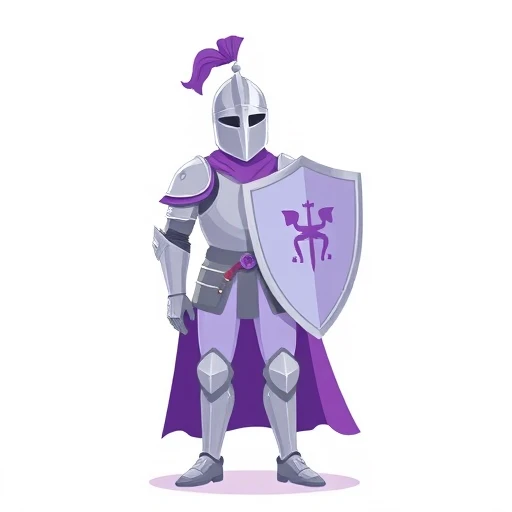
William is a name for a boy or a man. It is a very popular name. Many people in the UK and the USA are named William. You can call him Will or Bill.
William is a classic name. It comes from old languages. You will find many famous people with this name in history books. It is a very common choice for parents.
The name William is of Germanic origin, meaning 'resolute protector'. It is a versatile name because it has many nicknames like Bill, Will, or Liam. It is widely used in English-speaking countries.
William is a name that carries significant cultural weight. From William the Conqueror to modern pop culture, it remains a standard for naming. It is considered a formal name, often shortened in casual settings.
The etymology of William reflects the historical influence of Germanic tribes on the English language. Its endurance suggests a cultural preference for names that imply stability and protection. It is a quintessential example of how a proper noun integrates into the social fabric.
William serves as a linguistic artifact of the Norman Conquest. Its transition from Willahelm to its current form illustrates the phonetic shifts in English over a millennium. It remains a staple in literary, royal, and common nomenclature, demonstrating the intersection of history and personal identity.
william em 30 segundos
- Classic male name
- Germanic origin
- Means resolute protector
- Very popular
William is one of the most enduring and classic names in the English-speaking world. It carries a sense of history, strength, and tradition that few other names can match.
When you meet someone named William, you are often meeting someone whose name has deep roots in the past. It is a timeless choice that feels just as appropriate today as it did hundreds of years ago.
Many people with this name choose to go by nicknames, such as Will, Bill, or Liam. This versatility is part of why the name remains so popular across different generations and social circles.
The name William comes from the Germanic name Willahelm. It is composed of two parts: wil, meaning 'will' or 'desire', and helm, meaning 'helmet' or 'protection'.
Together, these elements translate to 'resolute protector' or 'one with a gilded helmet'. The name was brought to England by William the Conqueror in 1066, which helped cement its popularity in British history.
Throughout the centuries, it has been the name of kings, poets like William Shakespeare, and scientists like William Harvey. Its evolution from Old German to modern English shows how names travel and change over time.
In English, William is used as a formal given name. It is common to see it in official documents, on birth certificates, and in professional settings.
In casual conversation, people rarely use the full name unless they are being formal or referring to a specific person who prefers it. You will frequently hear it paired with titles like Prince William or President William.
The register of the name is generally neutral. It is highly respected and carries a sense of reliability. It fits perfectly in both high-society contexts and everyday neighborhood interactions.
While William itself is a name, it appears in several expressions. 1. 'Will and testament': Refers to a legal document. 2. 'Bill of rights': A foundational legal document. 3. 'Will-o'-the-wisp': An elusive goal or light. 4. 'Willy-nilly': Doing something without planning. 5. 'Bill of sale': A document transferring property.
As a proper noun, William does not usually have a plural form unless you are referring to multiple people named William (e.g., 'The Williams are coming over').
The IPA for British English is /ˈwɪljəm/ and for American English is /ˈwɪljəm/. The stress is on the first syllable.
It rhymes with words like trillium or milliam (though these are rare). It follows standard English noun patterns and does not typically take an article unless used in a specific descriptive sense (e.g., 'The William I know is very kind').
Curiosidade
It was the most popular name in England for centuries after 1066.
Guia de pronúncia
- Adding an extra syllable
- Mispronouncing the 'a'
- Stressing the second syllable
Nível de dificuldade
Easy
Easy
Easy
Easy
O que aprender depois
Pré-requisitos
Aprenda a seguir
Avançado
Gramática essencial
Proper Nouns
William
Capitalization
William
Subject-Verb Agreement
William is
Exemplos por nível
William is my friend.
William = name, friend = pal
Proper noun
Is William here?
Is = question verb
Question
I like William.
I = me, like = enjoy
Subject-Verb
William plays soccer.
plays = does sports
Third person singular
Where is William?
Where = location
Wh-question
William is tall.
tall = height
Adjective
Call William now.
Call = phone
Imperative
William reads books.
reads = looks at text
Present simple
William is a great teacher.
My brother is named William.
William works in the office.
I met a William yesterday.
William loves to travel.
Is that William over there?
William wrote a letter.
We visited William last week.
William has been a loyal friend for years.
Many famous authors are named William.
William decided to pursue a career in law.
The name William has a long history.
I have a cousin named William.
William is quite a popular name in the UK.
He is known to his friends as Will.
William is a name that never goes out of style.
The name William is synonymous with traditional leadership.
William is often associated with the British monarchy.
Despite his formal name, he prefers to be called Bill.
William Shakespeare is arguably the most famous William.
It is fascinating how William has evolved over time.
William is a name that commands respect.
She named her son William after her grandfather.
William is a timeless classic in the world of names.
The name William evokes a sense of historical gravitas.
William is a quintessential example of a name with Germanic roots.
Throughout history, William has remained a prominent choice for royalty.
The versatility of William allows for various affectionate nicknames.
William is a name that bridges the gap between tradition and modernity.
One cannot discuss English literature without mentioning William.
The name William carries a certain weight of authority.
William is a name that has successfully weathered centuries of change.
The etymological roots of William trace back to the concept of the resolute protector.
William stands as a testament to the enduring nature of Germanic nomenclature in English.
The name William is deeply embedded in the cultural consciousness of the West.
William serves as a primary example of how names reflect historical shifts.
The ubiquity of William is a result of both royal influence and cultural adoption.
William is a name that resonates across diverse social strata.
The phonetic evolution of William is a subject of interest for historical linguists.
William remains a cornerstone of the English naming tradition.
Colocações comuns
Expressões idiomáticas
"Will and testament"
Legal document for inheritance
He signed his last will and testament.
formal"Willy-nilly"
Without planning
He threw his clothes around willy-nilly.
casual"Will-o'-the-wisp"
An elusive goal
Success felt like a will-o'-the-wisp.
literary"Bill of goods"
To deceive someone
They sold me a bill of goods.
casual"Fit the bill"
To be suitable
This tool fits the bill perfectly.
neutral"Foot the bill"
To pay for something
I will foot the bill for dinner.
neutralFácil de confundir
It's a nickname and a verb.
William is the name, will is the future tense.
William will go.
Nickname and invoice.
Bill is a name or a paper for money.
Bill paid the bill.
Sounds like the end of William.
Liam is a separate name.
William and Liam.
Starts with Wil.
Wilson is a surname.
Mr. Wilson.
Padrões de frases
Subject + is + William
He is William.
Call + William + [Name]
Call William over.
I + know + William
I know William well.
William + verb + object
William reads books.
The name + William + is
The name William is classic.
Família de palavras
Substantivos
Adjetivos
Relacionado
Como usar
10
-
Using 'a' before William
→
William
Proper nouns don't take articles.
-
Spelling as 'Williem'
→
William
Correct spelling is with 'a'.
-
Pluralizing as 'Williams'
→
William
Only pluralize if referring to multiple people.
-
Confusing with 'will'
→
William
William is a name, will is a verb.
-
Mispronouncing the 'ia'
→
WIL-yuhm
It is two syllables.
Dicas
Memory Palace
Visualize a knight named William.
Native Usage
Use Will for friends.
Cultural Insight
Very royal name.
Grammar Shortcut
No 'the' before names.
Say It Right
Two syllables.
Mistake
Don't add an 's' unless plural.
Did You Know?
Germanic origin.
Study Smart
Read about William Shakespeare.
Memorize
Mnemônico
W-I-L-L-I-A-M: Will Is Loyal, Loving, Intelligent, And Manly.
Associação visual
A knight in a gilded helmet.
Word Web
Desafio
Write three sentences about a person named William.
Origem da palavra
Germanic
Significado original: Resolute protector
Contexto cultural
None
Very standard, widely accepted name.
Pratique na vida real
Contextos reais
At school
- Is William here?
- Ask William.
- William, help me.
At work
- Mr. William is in a meeting.
- Email William.
- William is the manager.
Travel
- Is William with you?
- Find William.
- William booked the hotel.
History class
- William the Conqueror.
- William Shakespeare.
- William of Orange.
Iniciadores de conversa
"Do you know anyone named William?"
"What do you think of the name William?"
"Why is William a popular name?"
"Who is your favorite famous William?"
"Would you name your child William?"
Temas para diário
Write about a person you know named William.
Why do you think the name William has lasted so long?
If you were a king named William, what would you do?
Describe the personality of someone named William.
Perguntas frequentes
8 perguntasYes, it is one of the most common.
Resolute protector.
Rarely, but usually male.
Will, Bill, Liam, Billy.
William Shakespeare.
Yes, it remains a top choice.
Germanic roots.
W-I-L-L-I-A-M.
Teste-se
My friend's name is ___.
William is a person's name.
What is William?
It is a name.
William means 'protector'.
It means resolute protector.
Word
Significado
Common name pairs.
Standard order.
Pontuação: /5
Summary
William is a timeless, strong name with deep historical roots.
- Classic male name
- Germanic origin
- Means resolute protector
- Very popular
Memory Palace
Visualize a knight named William.
Native Usage
Use Will for friends.
Cultural Insight
Very royal name.
Grammar Shortcut
No 'the' before names.