









sunflower in 30 Seconds
- A tall, yellow-petaled plant that resembles the sun and produces edible seeds.
- Famous for heliotropism, the ability of young plants to follow the sun's path.
- A vital agricultural crop used for cooking oil, birdseed, and healthy snacks.
- A powerful cultural symbol of happiness, loyalty, and environmental resilience in art.
The term sunflower refers to a magnificent botanical entity known scientifically as Helianthus annuus. This plant is most famous for its extraordinary height and its massive, radiant yellow flower head that bears a striking resemblance to the sun. In everyday conversation, people use this word to describe the plant itself, the seeds it produces, or the bright, cheerful aesthetic it brings to gardens and floral arrangements. Beyond its physical description, the sunflower is a symbol of longevity, loyalty, and adoration, often used in literature and art to convey warmth and positivity. When you encounter a sunflower, you are looking at a complex structure called a composite flower, where the large 'petal' area is actually made of many tiny individual flowers. People talk about sunflowers most frequently during the late summer months when they reach their full maturity and peak bloom. They are also a major topic in agricultural discussions because they are a vital crop for producing high-quality vegetable oil and nutritious snacks. Whether you are a gardener discussing soil requirements, a chef talking about seed oils, or an artist admiring the way the flower tracks the sun across the sky, the word sunflower evokes a sense of natural wonder and utility.
- Botanical Classification
- The sunflower belongs to the family Asteraceae, which also includes daisies and dandelions. It is characterized by its large capitulum or flower head.
The giant sunflower in the backyard grew to be over ten feet tall, towering over the wooden fence.
In a cultural context, the sunflower is deeply embedded in human history. Indigenous peoples in the Americas were the first to domesticate the plant, using it for food, medicine, and dye. Today, when people use the word, they might be referring to the vast fields of yellow seen in regions like Kansas or Ukraine, where the plant is a national symbol. The word is also used metaphorically to describe someone with a bright, sunny disposition. If you say someone is like a sunflower, you are suggesting they bring light and happiness to those around them. Furthermore, the concept of heliotropism—the way young sunflowers turn their heads to follow the sun—is a frequent point of interest in educational settings, teaching children and students about plant behavior and biological rhythms. This movement stops once the flower matures, at which point the heads generally face east to catch the morning warmth, which attracts more pollinators. This specific detail is often discussed by naturalists and hobbyist gardeners who observe the plants daily.
We spent the afternoon harvesting seeds from the dried sunflower to roast them for a healthy snack.
- Agricultural Impact
- Sunflower oil is prized for its low saturated fat content and high smoke point, making it a staple in kitchens worldwide for frying and baking.
When using the word in a commercial sense, you might find it on labels for birdseed, skincare products (sunflower seed oil is excellent for the skin), and even in the names of festivals. The word carries a heavy weight of positive connotation. It is rarely associated with anything negative, unlike weeds or thorns. Instead, it represents growth and the ability to find the light even in difficult circumstances. In modern digital communication, the sunflower emoji is frequently used to express support for environmental causes or simply to brighten a friend's day. The linguistic use of 'sunflower' spans across various domains, from the scientific laboratory to the elementary school classroom, proving its versatility as a noun that describes both a biological organism and a cultural icon. It is a word that connects us to the earth and the sun simultaneously.
The artist carefully painted each petal of the sunflower, trying to capture the exact shade of gold.
- Symbolism
- In many cultures, sunflowers represent spiritual faith and the search for light and truth, as the flower always seeks the sun.
A single sunflower stood in a tall glass vase, brightening the entire kitchen table.
The field was a sea of yellow as thousands of sunflowers turned their faces toward the morning sun.
Using the word sunflower in a sentence requires an understanding of its role as a countable noun. You can speak of a single sunflower or many sunflowers. Because it is a specific type of plant, it often takes the definite article 'the' or the indefinite article 'a'. For example, 'The sunflower is tall' or 'I saw a sunflower.' When discussing the seeds, the word often becomes part of a compound noun, such as 'sunflower seeds' or 'sunflower oil.' In these cases, 'sunflower' acts as an attributive noun, modifying the noun that follows it. It is important to remember that while the flower is the most visible part, the word can refer to the entire biological organism, including the stalk, leaves, and root system. In descriptive writing, you might use adjectives like 'towering,' 'vibrant,' 'golden,' or 'radiant' to enhance the imagery of the sunflower.
- Subject Position
- The sunflower grew rapidly during the rainy week, reaching the height of the roof.
Every summer, the children plant a sunflower and measure its growth every Sunday morning.
When using the word in a more technical or agricultural context, the sentence structure might change to focus on production or biology. For instance, 'Sunflower production has increased significantly in Eastern Europe over the last decade.' Here, 'sunflower' is used to categorize a whole industry. You can also use it in the possessive form, though it is less common than using it as a modifier. Instead of saying 'the sunflower's petals,' people often say 'sunflower petals.' However, both are grammatically correct. In creative writing, the sunflower often serves as a focal point for metaphors. You might write, 'She turned toward him like a sunflower seeking the light,' which uses the plant's natural behavior to describe human emotion and attraction. This adds a layer of depth to your sentences by connecting human actions to well-known natural phenomena.
The farmer decided to rotate his crops, replacing the corn with a vast field of sunflowers.
- Object Position
- She bought a beautiful bouquet that featured a large, central sunflower surrounded by smaller daisies.
In instructional writing, such as a gardening guide, the word will appear in imperative sentences. 'Plant the sunflower seeds at least one inch deep in well-drained soil.' This usage is direct and functional. In contrast, in a scientific report, the word might be used in the passive voice to maintain objectivity. 'The sunflower was observed to track the sun from dawn until dusk.' Understanding these different registers allows you to use the word 'sunflower' effectively across various types of communication. Whether you are writing a simple text message about a flower you saw or a complex essay on agricultural economics, the word remains a stable and recognizable noun. Always ensure that the verb agrees with the number of sunflowers you are discussing—'The sunflower is' versus 'The sunflowers are.' This basic grammatical rule ensures clarity and professionalism in your writing.
After the petals fall off, the sunflower head becomes heavy with seeds that attract local birds.
- Prepositional Phrases
- The bee landed on the center of the sunflower to collect nectar and pollen.
We took several photos in front of the sunflower wall at the local botanical garden.
The kitchen was painted a cheerful sunflower yellow that made the room feel bigger.
The word sunflower is ubiquitous in various real-world settings, making it a highly practical addition to your vocabulary. One of the most common places you will hear it is at a local farmers' market or a grocery store. Vendors might shout about 'freshly harvested sunflower seeds' or point you toward the 'sunflower oil' aisle. In these environments, the word is associated with health, freshness, and natural products. If you enjoy spending time outdoors, you will hear hikers or nature guides identify the plant in the wild. They might say, 'Look at those wild sunflowers along the trail,' highlighting the plant's presence in the natural landscape. In suburban neighborhoods, you'll often hear neighbors chatting over fences about their gardens, perhaps sharing tips on how to support a 'giant sunflower' that has grown too heavy for its stalk. These casual, everyday interactions make the word feel familiar and grounded.
- Art and Culture
- In art galleries, docents frequently mention Vincent van Gogh's 'Sunflowers' series, discussing the artist's use of color and texture.
The tour guide explained that the sunflower was a recurring motif in the artist's later works.
In the educational sphere, teachers use the sunflower as a primary example when teaching biology or life cycles. You might hear a primary school teacher say, 'Today we are going to plant a sunflower seed and watch it grow into a tall plant.' This context links the word to concepts of growth, nurturing, and the environment. On television, especially on cooking shows, chefs often specify 'sunflower oil' for its neutral flavor and high heat tolerance. They might say, 'Heat two tablespoons of sunflower oil in the pan before adding the vegetables.' This practical application reinforces the word's importance in the culinary arts. Furthermore, in news reports regarding global agriculture or environmental issues, you might hear about 'sunflower harvests' or the 'sunflower industry' in countries like Ukraine or Russia, which are the world's leading producers. This gives the word a more serious, economic dimension.
The news anchor reported on the impact of the drought on the national sunflower crop.
- Social Media and Trends
- Influencers often post photos in sunflower fields during the summer, using the word in hashtags to attract followers interested in nature and photography.
Lastly, you will encounter the word in the context of wellness and beauty. Beauty bloggers might recommend 'sunflower seed extract' for its antioxidant properties. You'll hear phrases like, 'This moisturizer contains sunflower oil to help hydrate the skin.' In this way, the word is associated with self-care and natural beauty. Even in music, the word appears in lyrics to evoke feelings of summer and happiness—most notably in the hit song 'Sunflower' by Post Malone and Swae Lee. Hearing the word in a popular song makes it part of the cultural zeitgeist, ensuring that it remains relevant to younger generations. Whether it's in a song, a recipe, a news report, or a casual conversation, the word 'sunflower' is a constant presence in the English-speaking world, always carrying its signature sense of brightness and utility.
I heard my favorite song, 'Sunflower,' playing on the radio as I drove to the beach.
- Community Events
- Local fairs often have a 'tallest sunflower' competition, where residents bring their best specimens to be measured and judged.
The community garden held a workshop on how to dry sunflower heads to feed the birds in winter.
The airport staff are trained to recognize the sunflower lanyard and offer assistance to passengers.
One of the most frequent mistakes learners make with the word sunflower is related to its spelling. Because it is a compound word formed from 'sun' and 'flower,' some people mistakenly add an extra 'l' or forget the 'w.' It is always 'sun' + 'flower.' Another common error is confusing the sunflower with other similar-looking yellow flowers, such as the Black-eyed Susan or the common daisy. While they belong to the same family, a sunflower is distinguished by its massive size and the specific arrangement of its seeds. In conversation, calling any large yellow flower a sunflower might lead to confusion if you are speaking with a gardener or a botanist. It is better to use the word specifically for the Helianthus genus. Additionally, learners sometimes struggle with the plural form, occasionally forgetting the 's' when referring to a group of plants, which can make the sentence sound grammatically incomplete.
- Spelling Error
- Incorrect: sunflour. Correct: sunflower. (Remember, it is a flower, not the flour used for baking!)
He wrote a poem about a sunflower but misspelled it as 'sunflour' throughout the draft.
Another mistake involves the usage of 'sunflower' as an adjective. While it is common to say 'sunflower oil' or 'sunflower seeds,' it is incorrect to use it to describe something that is merely the color yellow unless you specifically mean 'sunflower yellow.' For example, saying 'I have a sunflower car' is confusing; it is better to say 'I have a sunflower-yellow car' or 'My car is the color of a sunflower.' This distinction helps maintain clarity in your descriptions. Furthermore, some learners misuse the word when talking about the seeds. They might say 'I am eating sunflower,' which sounds like they are eating the entire plant. The correct phrasing is 'I am eating sunflower seeds.' Precision in these small details makes a big difference in how natural your English sounds. It's also worth noting that 'sunflower' is a single word, not two separate words ('sun flower'), which is a common punctuation error.
The recipe calls for sunflower oil, but she mistakenly used olive oil instead.
- Pluralization
- Incorrect: There are many sunflower in the field. Correct: There are many sunflowers in the field.
In terms of pronunciation, some speakers might emphasize the wrong syllable. The primary stress should be on the first syllable: SUN-flower. Putting the stress on 'flower' can make the word sound awkward and may lead to listeners needing a moment to process what you've said. Another subtle mistake is related to the plant's behavior. While it's a common 'fact' that sunflowers follow the sun, this is only true for young, developing plants. Mature sunflowers generally face east. Over-generalizing this fact in a scientific or academic context could be seen as an error in factual accuracy. Finally, when using 'sunflower' in a metaphorical sense, ensure the comparison makes sense. Comparing a small, shy person to a sunflower might be confusing since sunflowers are known for being large and bold. Choosing the right metaphorical context ensures your creative language is effective and resonant.
The teacher corrected the student's pronunciation of sunflower, reminding them to stress the first syllable.
- Confusing with 'Sun'
- Sometimes beginners simply say 'sun' when they mean 'sunflower' because they forget the full name. Always use the full word for the plant.
She pointed at the tall plant and said, 'Look at the big sunflower!'
We need to buy more sunflower seeds for the bird feeder before it gets empty.
While sunflower is a very specific term, there are several words you can use depending on the context, whether you are looking for a synonym, a related plant, or a more general category. The most direct scientific alternative is 'Helianthus,' though this is rarely used outside of botanical or academic circles. If you are speaking generally about the type of plant, you might use 'composite flower' or 'aster,' which refers to the broader family. However, these are much less common in everyday speech. When describing the visual appearance of a sunflower, you might use words like 'giant daisy' or 'golden bloom,' though these are more poetic than precise. Understanding these alternatives helps you vary your language and choose the word that best fits the tone of your conversation or writing.
- Helianthus
- The scientific name for the genus. Used by scientists: 'The Helianthus annuus is native to North America.'
The botany student labeled the specimen as a sunflower in her field journal.
In terms of related plants, you might hear 'marigold' or 'chrysanthemum' mentioned in the same breath as sunflowers, as they are all popular yellow garden flowers. However, they differ significantly in size and shape. A marigold is much smaller and bushier, while a sunflower is characterized by its single, tall stalk. If you are talking about the seeds, you might compare them to 'pumpkin seeds' or 'pepitas,' as they are often used in similar culinary ways. In the context of oils, 'safflower oil' is a common alternative to sunflower oil, and the names are often confused because they sound similar. Safflower oil comes from a completely different plant (Carthamus tinctorius), but it serves many of the same purposes in cooking. Knowing the difference between these terms is crucial for anyone interested in gardening or cooking.
She preferred sunflower seeds over pumpkin seeds because they were easier to shell.
- Safflower
- Often confused with sunflower due to the similar name, but it is a different plant used for oil and dye.
For metaphorical uses, instead of saying someone is a 'sunflower,' you might call them a 'ray of sunshine' or 'the light of the room.' These idioms capture the same positive energy without the botanical reference. If you are writing about the color, 'canary yellow,' 'goldenrod,' or 'maize' are excellent alternatives to 'sunflower yellow' that can add variety to your prose. In the world of agriculture, sunflowers are often grouped with other 'oilseeds' like rapeseed (canola) and soybeans. Using the term 'oilseed' is more professional when discussing global trade and production. By expanding your vocabulary to include these similar words and alternatives, you can express yourself more precisely and adapt your language to any situation, whether it's a casual chat in the garden or a formal report on agricultural trends.
The fields were filled with various sunflower varieties, ranging from pale cream to deep mahogany.
- Oilseed
- A general term for crops grown primarily for the oil contained in their seeds, including sunflowers.
The market for sunflower oil has remained stable despite fluctuations in other oilseed prices.
The chef served a puree made from sunchokes, which are the roots of a specific sunflower species.
How Formal Is It?
Fun Fact
The scientific name Helianthus comes from the Greek 'helios' (sun) and 'anthos' (flower). It is one of the few crop plants native to North America.
Pronunciation Guide
- Pronouncing it as two separate words with equal stress.
- Confusing the 'flower' sound with 'flour'.
- Dropping the 'w' sound in the middle.
- Adding an extra 'l' sound.
- Misplacing the stress on the second syllable.
Difficulty Rating
Easy to recognize and understand in text.
Spelling can be a bit tricky for beginners.
Pronunciation is straightforward once the stress is learned.
Very distinct sound, easy to identify in speech.
What to Learn Next
Prerequisites
Learn Next
Advanced
Grammar to Know
Compound Nouns
Sunflower + seeds = Sunflower seeds.
Countable vs Uncountable
Sunflowers (countable) vs Sunflower oil (uncountable).
Adjectives from Nouns
The room was sunflower-yellow.
Pluralization
One sunflower, many sunflowers.
Articles with Specific Plants
The sunflower is a tall plant.
Examples by Level
The sunflower is yellow.
Le tournesol est jaune.
Simple subject-verb-adjective structure.
I see a big sunflower.
Je vois un grand tournesol.
Use of the indefinite article 'a'.
Sunflowers like the sun.
Les tournesols aiment le soleil.
Plural noun with a simple present verb.
The sunflower has green leaves.
Le tournesol a des feuilles vertes.
Third person singular 'has'.
Do you like sunflowers?
Aimes-tu les tournesols ?
Simple question form.
My sunflower is very tall.
Mon tournesol est très grand.
Possessive adjective 'my'.
The seeds are in the sunflower.
Les graines sont dans le tournesol.
Preposition 'in'.
Look at that sunflower!
Regarde ce tournesol !
Imperative sentence.
We planted a sunflower in the garden.
Nous avons planté un tournesol dans le jardin.
Past tense 'planted'.
Sunflowers grow very fast in summer.
Les tournesols poussent très vite en été.
Adverb 'very fast' modifying the verb.
The sunflower turns its head to the sun.
Le tournesol tourne sa tête vers le soleil.
Possessive 'its' referring to the plant.
I bought some sunflower seeds today.
J'ai acheté des graines de tournesol aujourd'hui.
Compound noun 'sunflower seeds'.
Birds love to eat from the sunflower.
Les oiseaux adorent manger du tournesol.
Infinitive 'to eat'.
Is that a real sunflower or a plastic one?
Est-ce un vrai tournesol ou un en plastique ?
Comparative question.
The sunflower is taller than the fence.
Le tournesol est plus grand que la clôture.
Comparative adjective 'taller than'.
She wore a dress with a sunflower pattern.
Elle portait une robe avec un motif de tournesol.
Prepositional phrase 'with a sunflower pattern'.
Sunflowers are often grown for their oil.
Les tournesols sont souvent cultivés pour leur huile.
Passive voice 'are grown'.
The artist painted a beautiful sunflower in a vase.
L'artiste a peint un beau tournesol dans un vase.
Past simple with descriptive adjectives.
You should water the sunflower every morning.
Tu devrais arroser le tournesol chaque matin.
Modal verb 'should' for advice.
The sunflower head is full of nutritious seeds.
La tête du tournesol est pleine de graines nutritives.
Adjective 'nutritious' modifying seeds.
If it doesn't rain, the sunflower will wilt.
S'il ne pleut pas, le tournesol se flétrira.
First conditional 'If... will'.
We saw a field of sunflowers during our trip.
Nous avons vu un champ de tournesols pendant notre voyage.
Collective noun phrase 'field of sunflowers'.
The sunflower is a symbol of happiness in many cultures.
Le tournesol est un symbole de bonheur dans de nombreuses cultures.
Abstract noun 'symbol' used with 'of'.
I prefer using sunflower oil for frying vegetables.
Je préfère utiliser de l'huile de tournesol pour frire les légumes.
Gerund 'using' after the verb 'prefer'.
Sunflowers exhibit a behavior known as heliotropism.
Les tournesols présentent un comportement connu sous le nom d'héliotropisme.
Technical vocabulary 'exhibit' and 'heliotropism'.
The sunflower's ability to absorb toxins is remarkable.
La capacité du tournesol à absorber les toxines est remarquable.
Possessive 'sunflower's' with an abstract noun.
Despite the heat, the sunflowers remained vibrant.
Malgré la chaleur, les tournesols sont restés éclatants.
Concession word 'Despite'.
The sunflower crop was harvested late this year.
La récolte de tournesols a été faite tard cette année.
Passive voice with a time adverb.
She described his personality as being like a sunflower.
Elle a décrit sa personnalité comme étant celle d'un tournesol.
Simile using 'like a sunflower'.
The sunflower seeds are processed into various products.
Les graines de tournesol sont transformées en divers produits.
Phrasal verb 'processed into'.
A sunflower can produce up to two thousand seeds.
Un tournesol peut produire jusqu'à deux mille graines.
Modal 'can' for capability.
The sunflower is indigenous to the North American continent.
Le tournesol est indigène au continent nord-américain.
Advanced adjective 'indigenous'.
The sunflower's geometric pattern follows the Fibonacci sequence.
Le motif géométrique du tournesol suit la suite de Fibonacci.
Complex scientific description.
The sunflower has become an emblem of ecological resilience.
Le tournesol est devenu un emblème de la résilience écologique.
Present perfect 'has become' with abstract nouns.
Agriculturalists are developing drought-resistant sunflower varieties.
Les agronomes développent des variétés de tournesols résistantes à la sécheresse.
Compound adjective 'drought-resistant'.
The sunflower's radiant petals contrast sharply with its dark center.
Les pétales radiants du tournesol contrastent fortement avec son centre sombre.
Verb 'contrast' used with the adverb 'sharply'.
Van Gogh's sunflowers are celebrated for their expressive use of color.
Les tournesols de Van Gogh sont célèbres pour leur utilisation expressive de la couleur.
Passive construction with 'celebrated for'.
The sunflower serves as a biological indicator of soil health.
Le tournesol sert d'indicateur biologique de la santé du sol.
Functional phrase 'serves as'.
One cannot help but admire the sunflower's sheer scale.
On ne peut s'empêcher d'admirer la dimension impressionnante du tournesol.
Idiomatic structure 'cannot help but'.
The sunflower industry is a vital component of the regional economy.
L'industrie du tournesol est une composante vitale de l'économie régionale.
Formal business terminology.
The sunflower's inflorescence is a testament to evolutionary ingenuity.
L'inflorescence du tournesol est un témoignage de l'ingéniosité évolutive.
Highly formal and technical vocabulary.
The sunflower's heliotropic rhythm is modulated by its internal clock.
Le rythme héliotropique du tournesol est modulé par son horloge interne.
Scientific terminology 'modulated' and 'circadian'.
The sunflower has been mythologized across various indigenous cultures.
Le tournesol a été mythifié à travers diverses cultures indigènes.
Passive present perfect 'has been mythologized'.
The sunflower's utility in phytoremediation cannot be overstated.
L'utilité du tournesol dans la phytoremédiation ne peut être surestimée.
Negative modal 'cannot be overstated'.
The sunflower's structural integrity allows it to support immense weight.
L'intégrité structurelle du tournesol lui permet de supporter un poids immense.
Engineering terminology 'structural integrity'.
The sunflower's pervasive presence in art history is undeniable.
La présence omniprésente du tournesol dans l'histoire de l'art est indéniable.
Adjective 'pervasive' and 'undeniable'.
The sunflower's genetic sequence has been meticulously mapped by researchers.
La séquence génétique du tournesol a été méticuleusement cartographiée par des chercheurs.
Adverb 'meticulously' modifying 'mapped'.
The sunflower's lifecycle is a poignant metaphor for human existence.
Le cycle de vie du tournesol est une métaphore poignante de l'existence humaine.
Philosophical and metaphorical usage.
Common Collocations
Common Phrases
— A comparison used to describe someone who is very tall.
The boy grew so fast he was soon tall as a sunflower.
— Used to describe a person's cheerful or intelligent personality.
Her smile was as bright as a sunflower.
— The nickname for the U.S. state of Kansas.
We are driving through the Sunflower State this weekend.
— To be devoted to someone or something and follow them everywhere.
The puppy followed its owner like a sunflower follows the sun.
— A poetic way to describe a very large field of sunflowers.
The valley was a sea of sunflowers in August.
— A modern expression for someone who is optimistic and kind.
She has a sunflower soul and always sees the best in people.
— A slogan sometimes used for solar energy or environmentalism.
The festival promoted sunflower power and green living.
— The act of gathering the seeds from the mature plants.
It is time to harvest the sunflowers before the birds eat them all.
— A symbol used to indicate a hidden disability.
He wore a sunflower lanyard to let the staff know he might need help.
— The time of year when sunflowers are in full bloom.
Late summer is the peak of sunflower season.
Often Confused With
A different plant used for oil; the names sound similar.
A related but much smaller flower.
A yellow flower with a dark center that looks like a small sunflower.
Idioms & Expressions
— To be someone who always looks for the positive side of things.
In a world of clouds, try to be a sunflower.
Informal— Being optimistic and ignoring the shadows of life.
Keep your face to the sunshine like a sunflower.
Poetic— Someone who is not reaching their full potential because of their environment.
He felt like a sunflower in the shade at his old job.
Literary— When one person's happiness spreads to everyone around them.
Her laughter had a sunflower effect on the whole office.
Modern— To grow very rapidly in a short amount of time.
The new startup is growing like a sunflower.
Business— A poetic description of bright, golden-brown eyes.
He was captivated by her sunflower eyes.
Literary— Constantly changing one's opinion to match the most powerful person.
The politician was turning like a sunflower to please the voters.
Critical— Small ideas that have the potential to grow into something massive.
These early sketches are the seeds of a sunflower project.
Creative— A period of intense happiness and warmth.
We spent a sunflower summer traveling across the country.
Informal— Maintaining dignity and pride even in difficult times.
She stood tall as a sunflower despite the criticism.
InspirationalEasily Confused
Spelling error.
Sunflower is a plant; flour is for baking. They are homophones in some accents.
I need flour for the cake, not a sunflower.
Phonetic similarity.
Safflower is a thistle-like plant; sunflower is a tall daisy-like plant.
Safflower oil is different from sunflower oil.
Both are yellow garden flowers.
Marigolds are small and bushy; sunflowers are tall and single-stalked.
The marigolds are at the front of the garden, and the sunflowers are at the back.
Both are in the same family with similar names.
Coneflowers (Echinacea) have a cone-shaped center; sunflowers have a flat disk.
The purple coneflower is next to the yellow sunflower.
Both are yellow and in the same family.
Dandelions are small weeds; sunflowers are large cultivated plants.
The yard was full of dandelions, but only one sunflower.
Sentence Patterns
The [noun] is [adjective].
The sunflower is tall.
I like [noun] [noun].
I like sunflower seeds.
Sunflowers are grown for [noun].
Sunflowers are grown for their oil.
Despite [noun], the [noun] [verb].
Despite the heat, the sunflower grew.
The [noun] serves as a [noun].
The sunflower serves as a symbol of peace.
The [noun]'s [noun] is a testament to [noun].
The sunflower's pattern is a testament to nature's math.
If you [verb], the [noun] will [verb].
If you water it, the sunflower will bloom.
There are [number] [noun] in the [noun].
There are ten sunflowers in the garden.
Word Family
Nouns
Verbs
Adjectives
Related
How to Use It
Very common in daily life, especially in summer and in the kitchen.
-
Spelling it as 'sunflour'.
→
Sunflower
Remember it is a 'flower' from the ground, not 'flour' for bread.
-
Saying 'I like sunflower' when eating seeds.
→
I like sunflower seeds.
You eat the seeds, not the whole plant. Be specific.
-
Using 'sunflower' as a verb.
→
The plant turns toward the sun.
'Sunflower' is a noun. Use 'turn' or 'follow' to describe its movement.
-
Confusing it with 'safflower'.
→
Sunflower oil
Check the label carefully; they are different plants with different properties.
-
Capitalizing 'sunflower' in the middle of a sentence.
→
The sunflower is tall.
It is a common noun, not a proper noun, so it doesn't need a capital letter.
Tips
Support Your Plants
Tall sunflowers often need a stake or a fence to lean on so they don't fall over in the wind.
Healthy Choice
Use sunflower oil for frying because it can handle high heat without burning or losing its nutrients.
Golden Hour
The best time to photograph sunflowers is during the 'golden hour' just before sunset for a warm glow.
Feed the Birds
Leave dried sunflower heads in your garden during winter to provide a natural food source for local birds.
Science Project
Sunflowers are great for teaching kids about biology because they grow so fast and have visible parts.
Texture
When painting sunflowers, use thick paint to recreate the rough texture of the center and the soft petals.
Skin Care
Look for sunflower oil in your moisturizer; it's rich in Vitamin E and great for sensitive skin.
Roast Your Own
Roast raw sunflower seeds with a bit of salt and spices for a much tastier and healthier snack than store-bought ones.
Brighten Up
A single sunflower in a tall vase can make a dark room feel much brighter and more welcoming.
Symbol of Friendship
Give a bouquet of sunflowers to a friend to show your loyalty and to brighten their day.
Memorize It
Mnemonic
Think of a 'SUN' that is also a 'FLOWER'. It's the only flower that looks exactly like what it's named after.
Visual Association
Imagine a giant yellow face with a brown center smiling at the sky on a very long green stick.
Word Web
Challenge
Try to describe a sunflower to a friend without using the words 'yellow' or 'sun'. This will help you find other descriptive words.
Word Origin
The word is a compound of the Old English 'sunne' (sun) and 'flour' (flower). It was named because the flower head looks like the sun and follows its path.
Original meaning: A flower that resembles the sun.
Germanic (English)Cultural Context
Generally a very positive and safe word to use in all contexts.
Commonly associated with summer, gardening, and the state of Kansas.
Practice in Real Life
Real-World Contexts
Gardening
- Well-drained soil
- Full sun
- Stake the stem
- Bird protection
Cooking
- High smoke point
- Neutral flavor
- Roasted seeds
- Salad dressing
Art
- Impressionist style
- Vibrant palette
- Still life
- Floral motif
Agriculture
- Crop rotation
- Yield per acre
- Harvesting season
- Oil extraction
Nature
- Wildflower meadow
- Pollinator friendly
- Seed dispersal
- Summer bloom
Conversation Starters
"Have you ever tried growing a giant sunflower in your garden?"
"Do you prefer eating sunflower seeds or pumpkin seeds as a snack?"
"What do you think of Van Gogh's famous sunflower paintings?"
"Did you know that sunflowers can help clean up polluted soil?"
"What is your favorite flower to see in the summertime?"
Journal Prompts
Describe a time you saw a field of sunflowers. How did it make you feel?
If you were a sunflower, where would you want to grow and why?
Write about the importance of sunflowers in agriculture and cooking.
Why do you think the sunflower is such a popular symbol in art and culture?
Imagine you are a sunflower tracking the sun. Describe your day from morning to night.
Frequently Asked Questions
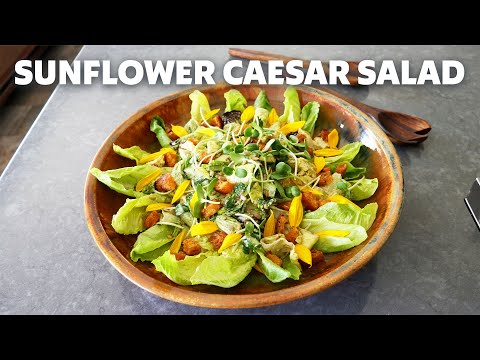
10 questionsYes, sunflower petals are edible, though they have a slightly bitter taste. They are often used in salads for color.
Most sunflowers grow between 5 and 10 feet, but some giant varieties can reach over 30 feet tall.
Young sunflowers do follow the sun (heliotropism), but mature sunflowers usually face east to stay warm.
It typically takes 70 to 100 days from planting the seed to the flower reaching full maturity.
Yes, they attract pollinators like bees and can even remove heavy metals from contaminated soil.
The best time is in late spring after the last frost, when the soil has warmed up.
It could be due to lack of water, a heavy flower head, or a pest attacking the stalk.
Yes, dwarf varieties of sunflowers are perfect for growing in pots on a balcony or patio.
They often symbolize loyalty, adoration, longevity, and happiness across many different cultures.
Wait until the back of the flower head turns brown, then cut it off and let it dry before rubbing the seeds out.
Test Yourself 180 questions
Describe a sunflower using at least three adjectives.
Well written! Good try! Check the sample answer below.
Write a short paragraph about why sunflowers are useful to humans.
Well written! Good try! Check the sample answer below.
Explain the concept of heliotropism in your own words.
Well written! Good try! Check the sample answer below.
Compare a sunflower to another flower you know.
Well written! Good try! Check the sample answer below.
Write a poem about a sunflower growing in a field.
Well written! Good try! Check the sample answer below.
Discuss the economic importance of sunflower oil in the global market.
Well written! Good try! Check the sample answer below.
Describe the process of planting and harvesting sunflowers.
Well written! Good try! Check the sample answer below.
Write a story about a giant sunflower that grew to the clouds.
Well written! Good try! Check the sample answer below.
How does the sunflower represent environmental resilience?
Well written! Good try! Check the sample answer below.
Describe the visual details of a sunflower's center.
Well written! Good try! Check the sample answer below.
Write a recipe that uses sunflower seeds as an ingredient.
Well written! Good try! Check the sample answer below.
Explain why Van Gogh might have been attracted to painting sunflowers.
Well written! Good try! Check the sample answer below.
Write a dialogue between two gardeners discussing their sunflowers.
Well written! Good try! Check the sample answer below.
What are the pros and cons of using sunflower oil for cooking?
Well written! Good try! Check the sample answer below.
Describe the lifecycle of a sunflower from seed to seed.
Well written! Good try! Check the sample answer below.
How do sunflowers impact local ecosystems and wildlife?
Well written! Good try! Check the sample answer below.
Write a persuasive essay on why every school should have a sunflower garden.
Well written! Good try! Check the sample answer below.
Describe the feeling of standing in a massive field of sunflowers.
Well written! Good try! Check the sample answer below.
Explain the significance of the sunflower lanyard in modern society.
Well written! Good try! Check the sample answer below.
Write a technical description of the Helianthus annuus for a science journal.
Well written! Good try! Check the sample answer below.
Describe a sunflower to your partner in 30 seconds.
Read this aloud:
You said:
Speech recognition is not supported in your browser. Try Chrome or Edge.
Talk about a time you saw a beautiful flower. Was it a sunflower?
Read this aloud:
You said:
Speech recognition is not supported in your browser. Try Chrome or Edge.
Explain why sunflowers are important for farmers.
Read this aloud:
You said:
Speech recognition is not supported in your browser. Try Chrome or Edge.
Discuss the pros and cons of eating sunflower seeds as a snack.
Read this aloud:
You said:
Speech recognition is not supported in your browser. Try Chrome or Edge.
Give a short presentation on the life cycle of a sunflower.
Read this aloud:
You said:
Speech recognition is not supported in your browser. Try Chrome or Edge.
Roleplay: You are a gardener selling sunflowers at a market.
Read this aloud:
You said:
Speech recognition is not supported in your browser. Try Chrome or Edge.
Debate: Should sunflowers be grown for fuel or for food?
Read this aloud:
You said:
Speech recognition is not supported in your browser. Try Chrome or Edge.
Describe your favorite painting that features sunflowers.
Read this aloud:
You said:
Speech recognition is not supported in your browser. Try Chrome or Edge.
How would you explain heliotropism to a five-year-old?
Read this aloud:
You said:
Speech recognition is not supported in your browser. Try Chrome or Edge.
Talk about the symbolic meaning of sunflowers in your culture.
Read this aloud:
You said:
Speech recognition is not supported in your browser. Try Chrome or Edge.
Describe the steps to plant a sunflower seed.
Read this aloud:
You said:
Speech recognition is not supported in your browser. Try Chrome or Edge.
Discuss the impact of climate change on sunflower crops.
Read this aloud:
You said:
Speech recognition is not supported in your browser. Try Chrome or Edge.
What are the different uses of sunflower oil you know?
Read this aloud:
You said:
Speech recognition is not supported in your browser. Try Chrome or Edge.
Talk about the colors and shapes you see in a sunflower.
Read this aloud:
You said:
Speech recognition is not supported in your browser. Try Chrome or Edge.
If you could grow any plant, would it be a sunflower? Why?
Read this aloud:
You said:
Speech recognition is not supported in your browser. Try Chrome or Edge.
Describe the texture and smell of a sunflower.
Read this aloud:
You said:
Speech recognition is not supported in your browser. Try Chrome or Edge.
How do sunflowers attract bees and other insects?
Read this aloud:
You said:
Speech recognition is not supported in your browser. Try Chrome or Edge.
Talk about the 'Sunflower State' and what you know about it.
Read this aloud:
You said:
Speech recognition is not supported in your browser. Try Chrome or Edge.
Explain the significance of the Fibonacci sequence in sunflowers.
Read this aloud:
You said:
Speech recognition is not supported in your browser. Try Chrome or Edge.
Describe a sunflower field using as much imagery as possible.
Read this aloud:
You said:
Speech recognition is not supported in your browser. Try Chrome or Edge.
Listen to a description of a sunflower and draw what you hear.
Listen to a recipe and note down how much sunflower oil is needed.
Listen to a weather report and hear how it affects the sunflower crop.
Listen to a song with 'sunflower' in the lyrics and identify the theme.
Listen to a lecture on botany and identify the scientific name mentioned.
Listen to a gardener's tips and list the common mistakes they mention.
Listen to a news story about Ukraine and the sunflower symbol.
Listen to a podcast about Fibonacci and identify the sunflower part.
Listen to a child talking about their school project and what they planted.
Listen to an advertisement for sunflower seeds and identify the health benefits.
Listen to a documentary clip about heliotropism and explain the process.
Listen to a conversation at a florist and identify which bouquet is chosen.
Listen to a poem and identify the adjectives used for the sunflower.
Listen to a cooking show and hear why the chef chooses sunflower oil.
Listen to a talk on soil health and identify the role of sunflowers.
/ 180 correct
Perfect score!
Summary
The sunflower is a versatile and iconic plant, easily recognized by its height and golden petals, serving as both a source of nutrition and a symbol of positivity.
- A tall, yellow-petaled plant that resembles the sun and produces edible seeds.
- Famous for heliotropism, the ability of young plants to follow the sun's path.
- A vital agricultural crop used for cooking oil, birdseed, and healthy snacks.
- A powerful cultural symbol of happiness, loyalty, and environmental resilience in art.
Support Your Plants
Tall sunflowers often need a stake or a fence to lean on so they don't fall over in the wind.
Healthy Choice
Use sunflower oil for frying because it can handle high heat without burning or losing its nutrients.
Golden Hour
The best time to photograph sunflowers is during the 'golden hour' just before sunset for a warm glow.
Feed the Birds
Leave dried sunflower heads in your garden during winter to provide a natural food source for local birds.
Example
We spent the afternoon walking through a vast field of sunflowers.
Related Content
See it in Videos
More Nature words
flowers
A1The colorful and often scented reproductive parts of a plant that grow at the end of a stem. They are widely used for decoration, gardening, and as gifts to express various emotions.
nature
B1Nature refers to the physical world and everything in it that is not made by people, such as plants, animals, mountains, and oceans. It also describes the basic qualities, character, or essence of a person, thing, or situation.
bloom
B2A bloom refers to a flower or a state of flowering, often representing the period when a plant's flowers are fully open. In academic contexts, it can also describe a sudden, rapid growth or accumulation of something, such as microorganisms or specific ecological phenomena.
tides
B1The alternate rising and falling of the sea, usually twice in each lunar day at a particular place, due to the attraction of the moon and sun. It can also refer to a powerful surge of a particular feeling or quality.
seeds
A2The small, hard part of a plant from which a new plant can grow. It is also used metaphorically to refer to the beginning, origin, or source of an idea, feeling, or development.
tidal
B1Relating to or affected by the tides of the sea. It describes phenomena, locations, or objects that follow the rhythmic rise and fall of ocean levels caused by gravitational forces.
lichens
B1Lichens are complex organisms formed by a symbiotic partnership between a fungus and an alga or cyanobacterium. They typically grow as crusty, leaf-like, or branching structures on surfaces such as rocks, tree bark, and soil.
spores
B2Tiny, typically single-celled reproductive units produced by fungi, certain plants like ferns and mosses, and some bacteria. They are designed to survive in harsh environments and grow into new organisms when conditions become favorable.
acacia
C1A tree or shrub found in warm climates, typically having fern-like leaves, small yellow or white flowers, and often bearing thorns. It is well-known for producing gum arabic and durable timber.
trees
A1The plural form of 'tree', referring to large, woody perennial plants usually having a single stem or trunk growing to a considerable height and bearing lateral branches.

