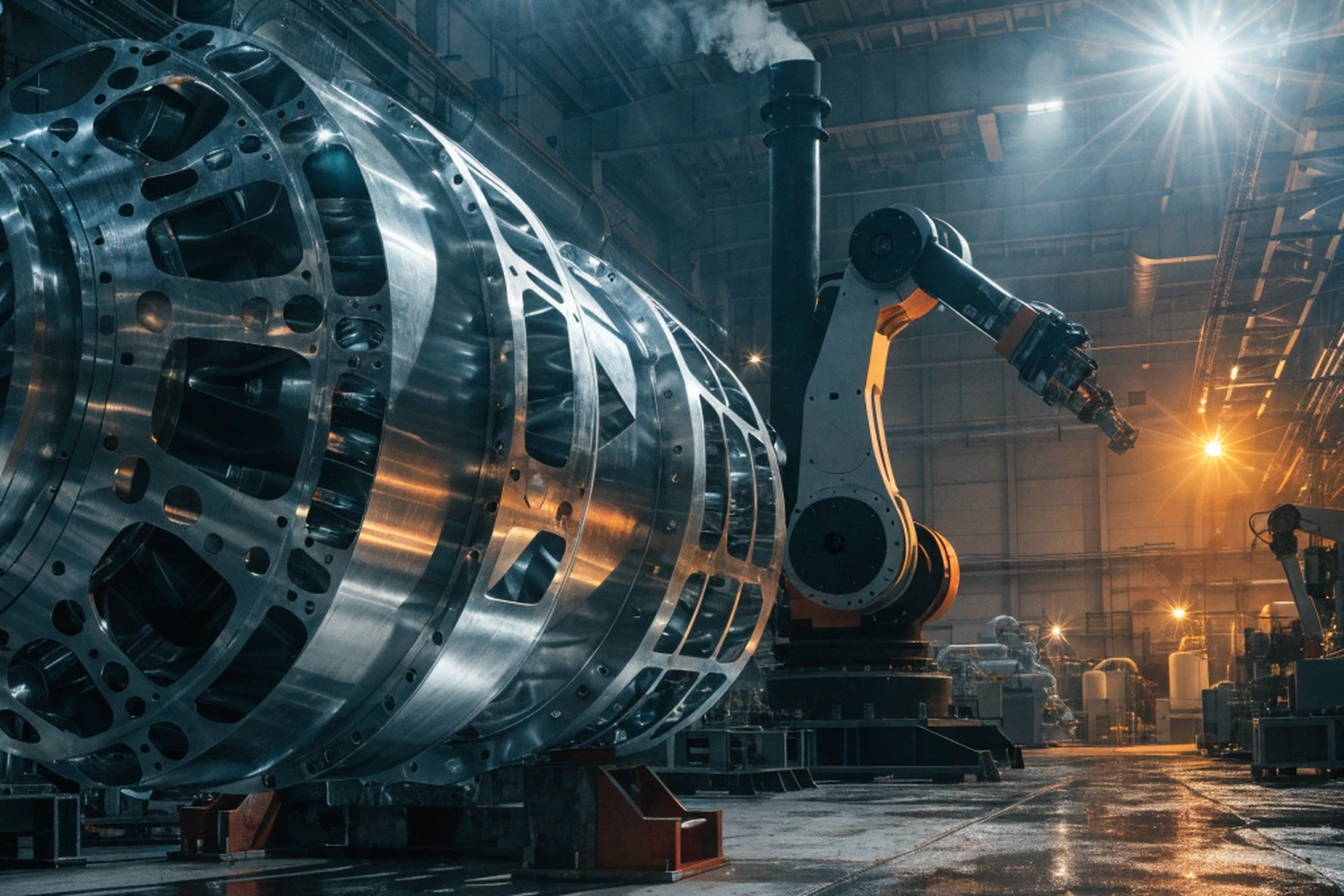
Turkey: A Country That Makes Cars
Turkey is a big country for cars. It has many big factories. These factories make cars, vans, and buses. It is a top country in Europe for making buses.
Many famous companies have factories in Turkey. A lot of people work in these factories. They build the cars every day. The cars are good quality and famous around the world.
Turkey sells these cars to many countries. This is a very important business for the country. It helps the economy of Turkey grow and provides many jobs.
Grammatik-Spotlight
Muster: Einfache Gegenwart (3. Person 's')
"It helps the economy of Turkey grow."
Wir benutzen die einfache Gegenwart für Fakten. Bei 'he', 'she' und 'it' fügen wir am Ende des Verbs ein '-s' hinzu. Zum Beispiel: 'I help', aber 'It helps'.
Muster: Pluralnomen
"These factories make cars, vans, and buses."
Um über mehr als eine Sache zu sprechen, fügen wir normalerweise am Ende des Substantivs ein '-s' hinzu. Zum Beispiel wird aus einem 'car' viele 'cars'.
Teste dein Verständnis
10 Fragen · A1 Anfänger · 1 kostenlose Vorschau
Teste, was du aus diesem Artikel gelernt hast. Beantworte alle Fragen und sammle XP!
Was stellt die Türkei in ihren Fabriken her?
Möchtest du das Quiz beenden?
9 weitere Fragen warten auf dich. Registriere dich kostenlos, um das vollständige Quiz freizuschalten und XP zu sammeln!
Kostenlos registrierenHast du schon ein Konto? Anmelden
Gut gemacht!
Weiter üben!
Bereits abgeschlossen — keine zusätzlichen XP
Registriere dich, um XP zu verdienenFragenübersicht
Was stellt die Türkei in ihren Fabriken her?
Deine Antwort:
Richtige Antwort: Autos, Lieferwagen und Busse
Das Autogeschäft ist für die Türkei nicht wichtig.
Deine Antwort:
Richtige Antwort: Falsch
Was bedeutet „sells“ (verkauft)?
Deine Antwort:
Richtige Antwort: Geld für etwas bekommen
Viele ______ arbeiten in diesen Fabriken.
Deine Antwort:
Richtige Antwort: people
Turkey: A Giant Factory for Cars
Turkey is famous for its history and beaches, but it is also a giant factory for cars. In the mid-20th century, the country started its automotive journey with the 'Anadol'. This was Turkey's first domestic car. It was a simple start, but the people worked hard to learn engineering. Today, the industry is very different and much bigger. Now, Turkey is one of the top 15 vehicle producers in the world. It is also the largest maker of commercial vehicles, like buses and trucks, in Europe.
Big global companies like Ford and Fiat work in Turkey because the engineers are talented and the location is perfect. The automotive industry helps the Turkish economy grow. It provides important jobs for thousands of people. The industry is stronger now than it was in the past. Turkey exports millions of cars to many countries around the world. Recently, Turkey began making its own electric cars too. This shows that Turkey is a modern and successful power in the automotive world.
Grammatik-Spotlight
Muster: Komparative (er/more + than)
"The industry is stronger now than it was in the past."
Wir verwenden Komparative, um zwei Dinge zu vergleichen. Wir fügen '-er' an kurze Adjektive an (strong -> stronger) oder verwenden 'more' für lange Adjektive, um einen Unterschied zu zeigen.
Muster: Einfache Vergangenheit (Past Simple)
"In the mid-20th century, the country started its automotive journey with the 'Anadol'."
Wir verwenden die einfache Vergangenheit, um über abgeschlossene Handlungen in der Vergangenheit zu sprechen. Bei regelmäßigen Verben fügen wir normalerweise '-ed' an das Ende des Verbs an (start -> started).
Teste dein Verständnis
11 Fragen · A2 Grundkenntnisse · 1 kostenlose Vorschau
Teste, was du aus diesem Artikel gelernt hast. Beantworte alle Fragen und sammle XP!
Wie hieß das erste einheimische Auto der Türkei?
Möchtest du das Quiz beenden?
10 weitere Fragen warten auf dich. Registriere dich kostenlos, um das vollständige Quiz freizuschalten und XP zu sammeln!
Kostenlos registrierenHast du schon ein Konto? Anmelden
Gut gemacht!
Weiter üben!
Bereits abgeschlossen — keine zusätzlichen XP
Registriere dich, um XP zu verdienenFragenübersicht
Wie hieß das erste einheimische Auto der Türkei?
Deine Antwort:
Richtige Antwort: Der Anadol
Die Türkei ist der größte Hersteller von Nutzfahrzeugen in Europa.
Deine Antwort:
Richtige Antwort: Richtig
Was bedeutet 'factory'?
Deine Antwort:
Richtige Antwort: Ein Gebäude, in dem Dinge hergestellt werden
Die Automobilindustrie hilft der türkischen _____ zu wachsen.
Deine Antwort:
Richtige Antwort: economy
Warum wählen globale Unternehmen die Türkei?
Deine Antwort:
Richtige Antwort: Wegen talentierter Ingenieure und guter Lage
Turkey: A Global Hub for Car Manufacturing
Turkey has established itself as a true giant in the global automotive industry. Over the last few decades, the country has consistently ranked among the top 15 vehicle producers in the world. In addition, it is frequently recognized as Europe’s largest manufacturer of commercial vehicles. This success story began in the mid-20th century with the production of the 'Anadol'. The Anadol, which was Turkey's first domestic car, helped create a culture of engineering and industrial discipline.
Since those early days, the sector has evolved into a sophisticated network. Many international companies have formed a partnership with Turkish firms. Giants like Ford, Fiat, Renault, and Toyota have invested billions of dollars in modern factories. These facilities are primarily located in cities such as Bursa and Kocaeli, which are near major ports. Consequently, vehicles that are manufactured in Turkey are easily exported to countries across Europe and the Middle East.
The industry is not just about assembling parts; it is also about design and innovation. Recently, Turkey has launched TOGG, a national project that focuses on electric vehicles. This ambitious move proves that Turkey has adapted to modern technology. With a skilled workforce and a strategic location between continents, Turkey continues to drive forward as a manufacturing powerhouse.
Grammatik-Spotlight
Muster: Perfekt (Present Perfect)
"Turkey has established itself as a true giant in the global automotive industry."
Wir verwenden das Perfekt (haben/sein + Partizip II), um über Handlungen zu sprechen, die in der Vergangenheit begonnen haben und bis in die Gegenwart andauern, oder über kürzliche vergangene Handlungen, die jetzt ein Ergebnis haben. In diesem Artikel zeigt es den anhaltenden Status der Türkei.
Muster: Passiv
"Consequently, vehicles that are manufactured in Turkey are easily exported to countries across Europe."
Das Passiv (werden + Partizip II) wird verwendet, wenn du die Handlung oder das Objekt (die Fahrzeuge) betonen möchtest, anstatt wer die Handlung ausführt. Es ist in industriellen und technischen Texten sehr gebräuchlich.
Teste dein Verständnis
11 Fragen · B1 Mittelstufe · 1 kostenlose Vorschau
Teste, was du aus diesem Artikel gelernt hast. Beantworte alle Fragen und sammle XP!
Was war der 'Anadol'?
Möchtest du das Quiz beenden?
10 weitere Fragen warten auf dich. Registriere dich kostenlos, um das vollständige Quiz freizuschalten und XP zu sammeln!
Kostenlos registrierenHast du schon ein Konto? Anmelden
Gut gemacht!
Weiter üben!
Bereits abgeschlossen — keine zusätzlichen XP
Registriere dich, um XP zu verdienenFragenübersicht
Was war der 'Anadol'?
Deine Antwort:
Richtige Antwort: Das erste inländische Auto der Türkei
Die Türkei gilt als Europas größter Hersteller von Nutzfahrzeugen.
Deine Antwort:
Richtige Antwort: Richtig
Welches Wort bedeutet 'Waren zum Verkauf in ein anderes Land schicken'?
Deine Antwort:
Richtige Antwort: Exportieren
Große internationale Unternehmen haben Milliarden von Dollar in türkische Fabriken _____.
Deine Antwort:
Richtige Antwort: invested
Welche Städte werden laut Text als Standorte für Fabriken genannt?
Deine Antwort:
Richtige Antwort: Bursa und Kocaeli
Turkey's Automotive Evolution: A Manufacturing Titan
Turkey has long been recognized as a physical and cultural bridge between East and West, yet its modern influence extends far beyond simple geography. In recent decades, the nation has successfully transformed itself into a formidable powerhouse within the global automotive industry. This impressive evolution is not merely a result of favorable economic policy but rather a testament to a deep-rooted culture of engineering and industrial discipline. Although the journey began modestly in the mid-20th century with the production of the 'Anadol,' Turkey’s first domestic passenger car, the sector has since matured into a sophisticated network of international partnerships and high-tech manufacturing capabilities.
One of the primary factors contributing to this enduring success is Turkey's strategic location. Situated at the crossroads of Europe, Asia, and the Middle East, the country offers manufacturers unique logistical advantages that reduce shipping times and costs. Consequently, major global brands such as Ford, Fiat, Toyota, and Renault have established significant production facilities in the region to serve multiple markets. These long-standing collaborations have allowed the Turkish workforce to acquire advanced technical skills, ensuring that the vehicles produced meet rigorous European safety and quality standards. In fact, Turkey frequently ranks among the top 15 vehicle producers worldwide and proudly holds the position of Europe’s largest manufacturer of commercial vehicles.
Furthermore, the industry is currently undergoing a significant shift towards sustainability and digital innovation. Recognizing the rapid global transition to electric mobility, Turkey has launched its own national electric vehicle project, known as TOGG. This ambitious initiative represents more than just a car; it symbolizes the country's determination to compete in the high-technology sector. By investing heavily in research and development, Turkey aims to reduce its dependency on foreign energy while simultaneously exporting high-value technology to international markets. The production of domestic batteries and software integration are key components of this strategy.
Despite these remarkable achievements, the sector faces inevitable challenges such as global supply chain disruptions and fluctuating economic conditions. However, the proven resilience of Turkish manufacturers suggests that they are well-equipped to navigate these obstacles. As the automotive landscape continues to evolve towards automation and green energy, Turkey remains poised to maintain its status as a vital hub for production and design. Ultimately, the country's commitment to quality and innovation ensures that its engines will keep running efficiently for years to come.
Grammatik-Spotlight
Muster: Partizipialkonstruktionen
"Situated at the crossroads of Europe, Asia, and the Middle East, the country offers manufacturers unique logistical advantages..."
Dieser Satz beginnt mit einem Partizip Perfekt ('Situated'), um Hintergrundinformationen über das Subjekt ('the country') zu geben. Das ist eine gängige B2+ Struktur, die verwendet wird, um Sätze zu verbinden und das Schreiben flüssiger und formeller zu machen.
Muster: Gerundien nach Präpositionen
"By investing heavily in research and development, Turkey aims to reduce its dependency on foreign energy..."
Nach der Präposition 'by' (die eine Methode oder ein Mittel anzeigt) muss das Verb in der -ing-Form (Gerundium) stehen. Hier erklärt 'by investing', *wie* die Türkei ihr Ziel erreichen möchte.
Muster: Komplexe Nominalphrasen
"...the sector has since matured into a sophisticated network of international partnerships and high-tech manufacturing capabilities."
In akademischen Texten werden oft lange Nominalphrasen verwendet, um Informationen kompakt zu verpacken. Hier fungiert 'a sophisticated network...' als ein einziges Objekt, das durch mehrere Adjektive und Präpositionalphrasen modifiziert wird.
Teste dein Verständnis
11 Fragen · B2 Obere Mittelstufe · 1 kostenlose Vorschau
Teste, was du aus diesem Artikel gelernt hast. Beantworte alle Fragen und sammle XP!
Wofür ist der 'Anadol' laut Artikel von Bedeutung?
Möchtest du das Quiz beenden?
10 weitere Fragen warten auf dich. Registriere dich kostenlos, um das vollständige Quiz freizuschalten und XP zu sammeln!
Kostenlos registrierenHast du schon ein Konto? Anmelden
Gut gemacht!
Weiter üben!
Bereits abgeschlossen — keine zusätzlichen XP
Registriere dich, um XP zu verdienenFragenübersicht
Wofür ist der 'Anadol' laut Artikel von Bedeutung?
Deine Antwort:
Richtige Antwort: Es war der erste in der Türkei hergestellte Personenkraftwagen.
Die Türkei ist derzeit der größte Hersteller aller Fahrzeugtypen in Europa.
Deine Antwort:
Richtige Antwort: Falsch
Was bedeutet das Wort 'rigorous' im Kontext von Sicherheitsstandards?
Deine Antwort:
Richtige Antwort: Äußerst gründlich und streng
Die Lage der Türkei zwischen Europa, Asien und dem Nahen Osten verschafft ihr einen ______ Vorteil.
Deine Antwort:
Richtige Antwort: strategic
Was ist das Hauptziel der im Text erwähnten TOGG-Initiative?
Deine Antwort:
Richtige Antwort: Im Technologiesektor zu konkurrieren und die Energieabhängigkeit zu verringern.
The Anatolian Engine: Turkey’s Ascent as an Automotive Titan
Turkey has long stood at the crossroads of civilizations, acting as a physical and cultural bridge between East and West. However, in recent decades, it is not merely trade caravans or spices that traverse this Anatolian expanse, but sophisticated machinery and high-tech components. Rarely has a nation transformed its industrial landscape with such alacrity as Turkey, establishing itself as a formidable global titan in the automotive industry. Consistently ranking among the top 15 vehicle producers worldwide, it is frequently the case that Turkey holds the position of Europe’s largest commercial vehicle manufacturer. This robust sector, which currently accounts for a significant portion of the country's total exports, did not emerge overnight; rather, it is the culmination of decades of strategic planning, economic reforms, and unwavering industrial discipline.
It was in the mid-20th century that the journey truly began with the production of the 'Anadol', the country's first domestic mass-produced passenger vehicle. While modest by contemporary standards, the Anadol fostered a nascent culture of engineering and manufacturing competence that would prove indispensable in the years to follow. Little did observers at the time realize that this initial foray would blossom into a sophisticated network of global partnerships involving industry giants such as Ford, Fiat, Toyota, Hyundai, and Renault. Cities like Bursa, Kocaeli, and Sakarya have morphed into bustling industrial hubs, often referred to as the 'Detroit of Turkey', hosting massive production facilities that churn out thousands of units daily.
What makes the Turkish automotive sector particularly resilient is its deep integration into the European supply chain, solidified by the Customs Union agreement with the EU in 1996. The adherence to rigorous European standards has ensured that vehicles manufactured in Turkish plants are indistinguishable in quality from those assembled in Stuttgart or Turin. Consequently, global brands have increasingly relied on their Turkish operations not just for assembly, but for Research and Development (R&D). The shift from pure manufacturing to design and engineering is evident in the numerous R&D centers established by multinational corporations within the country.
Crucially, the industry is not solely reliant on foreign licensing and partnerships. The recent unveiling of TOGG, Turkey's indigenous electric vehicle, signals a significant paradigm shift. No longer content with merely assembling the designs of others, Turkey is asserting its autonomy in design, innovation, and intellectual property. Were the country to rely only on internal combustion engines, its future relevance in a green economy might be in question. However, by pivoting aggressively towards electrification and autonomous driving technologies, Turkish manufacturers are future-proofing their operations against the inevitable decline of fossil fuels.
Furthermore, the geographical advantage Turkey possesses cannot be overstated. Situated within easy reach of European, Middle Eastern, and Central Asian markets, the logistics of distribution are streamlined efficiently. It is this proximity that international investors find so alluring, reducing shipping times and costs significantly. Had Turkey not invested heavily in its ports and transportation infrastructure, this logistical advantage would have remained theoretical. Instead, the seamless flow of components inwards and finished vehicles outwards acts as the lifeblood of the economy.
Yet, challenges remain. Fluctuations in the global economy and local currency volatility pose periodic risks to production costs and domestic demand. Nevertheless, the adaptability of the Turkish workforce and the steadfast commitment of the government to industrial growth provide a buffer against such instability. What stands out most remarkably is the sector's ability to reinvent itself in the face of adversity. As the world transitions towards sustainable mobility, Turkey is poised not just to participate, but to lead. The roaring engines of the past are quieting down, replaced by the hum of electric motors, yet the drive for industrial excellence remains as potent as ever.
Grammatik-Spotlight
Muster: Inversion mit negativen Adverbialen
"Little did observers at the time realize that this initial foray would blossom into a sophisticated network."
Wenn ein Satz mit einem negativen Adverb beginnt (wie 'Little', 'Rarely', 'Never'), werden Subjekt und Hilfsverb umgestellt (vertauscht), um dramatische Betonung und Förmlichkeit hinzuzufügen.
Muster: Spaltsätze
"It was in the mid-20th century that the journey truly began with the production of the 'Anadol'."
Spaltsätze (die mit 'It was...' oder 'It is...' beginnen) werden verwendet, um die Aufmerksamkeit auf einen bestimmten Teil des Satzes zu lenken, oft um zu verdeutlichen, wann, wo oder wer genau eine Handlung ausgeführt hat.
Muster: Nominalisierung
"The adherence to rigorous European standards has ensured that vehicles manufactured in Turkish plants are indistinguishable in quality."
Bei der Nominalisierung werden Verben (wie 'adhere') in Nomen ('adherence') umgewandelt. Das erzeugt einen förmlicheren, akademischeren Ton und ermöglicht es, komplexe Ideen als Subjekt eines Satzes zu verpacken.
Teste dein Verständnis
12 Fragen · C1 Fortgeschritten · 1 kostenlose Vorschau
Teste, was du aus diesem Artikel gelernt hast. Beantworte alle Fragen und sammle XP!
Was deutet der Autor über das Auto 'Anadol' an?
Möchtest du das Quiz beenden?
11 weitere Fragen warten auf dich. Registriere dich kostenlos, um das vollständige Quiz freizuschalten und XP zu sammeln!
Kostenlos registrierenHast du schon ein Konto? Anmelden
Gut gemacht!
Weiter üben!
Bereits abgeschlossen — keine zusätzlichen XP
Registriere dich, um XP zu verdienenFragenübersicht
Was deutet der Autor über das Auto 'Anadol' an?
Deine Antwort:
Richtige Antwort: Es förderte eine wesentliche Ingenieurskultur in der Türkei.
Die türkische Automobilindustrie verlässt sich derzeit ausschließlich auf Fertigungsdesigns ausländischer Unternehmen.
Deine Antwort:
Richtige Antwort: Falsch
Welche Definition passt am besten zum Wort 'nascent', wie es im Text verwendet wird?
Deine Antwort:
Richtige Antwort: Gerade erst entstehend
_____ erkannten die Beobachter damals, dass dieser erste Vorstoß zu einem hochentwickelten Netzwerk aufblühen würde.
Deine Antwort:
Richtige Antwort: Little
Warum wird die geografische Lage der Türkei als Vorteil beschrieben?
Deine Antwort:
Richtige Antwort: Sie ermöglicht eine einfache Verteilung in mehrere wichtige Regionen.
Was bedeutet 'paradigm' in der Redewendung 'paradigm shift' (Paradigmenwechsel)?
Deine Antwort:
Richtige Antwort: Ein typisches Beispiel oder Muster
The Anatolian Engine: Turkey’s Ascent as an Automotive Titan
The trajectory of Turkey’s automotive industry is nothing short of a masterclass in industrial metamorphosis. Situated at the crossroads of Europe and Asia, the nation has leveraged its geostrategic advantage to transform from a peripheral assembler into a veritable powerhouse of global manufacturing. While the mid-20th century witnessed the nascent steps of this journey with the 'Anadol'—the country's first domestic passenger vehicle—contemporary Turkey stands as a testament to the efficacy of sustained industrial policy and export-oriented growth strategies. It is no exaggeration to posit that the automotive sector has become the lynchpin of the Turkish economy, driving innovation and employment with equal vigour.
Historically, the sector’s evolution was predicated on import substitution, a model that sought to foster domestic production by restricting foreign competition. However, the liberalization of the economy in the 1980s precipitated a paradigm shift. Were it not for this pivotal transition towards integration with global markets, Turkey might have remained a closed loop of limited technological advancement. Instead, international giants such as Ford, Fiat, Renault, and Toyota found in Turkey not merely a market, but a sophisticated manufacturing hub characterized by a skilled workforce and high-quality standards. Consequently, Turkey has consistently ranked among the top global vehicle producers, frequently claiming the title of Europe’s leading manufacturer of commercial vehicles.
A critical analysis of this success reveals that it is not solely attributable to low labour costs, a common misconception regarding emerging markets. Rather, it is the depth of the supply chain and the proliferation of Research and Development (R&D) centres that distinguish the Turkish ecosystem. The supplier industry, once limited to basic components, now exports complex systems to the most demanding markets in the West. This sophisticated network ensures that value creation is not confined to final assembly but is distributed across a myriad of subsidiary industries. Furthermore, had the government not incentivized R&D through tax deductions and grants, the sector would likely have stagnated at the level of licensed production.
Furthermore, the logistical prowess of the region cannot be overstated. Proximity to the European market allows for 'Just-in-Time' delivery, a critical component of modern lean manufacturing. This geographical endowment, augmented by significant investment in ports and transportation infrastructure, renders Turkey an indispensable link in the global automotive value chain. Had the infrastructure remained underdeveloped, the sheer volume of exports—encompassing everything from nuts and bolts to fully assembled buses—would have been logistically unfeasible. The synthesis of location, infrastructure, and industrial capacity creates a virtuous cycle that attracts further foreign direct investment.
The narrative of Turkish automotive prowess has recently entered a new, more ambitious chapter with the introduction of TOGG (Türkiye'nin Otomobili Girişim Grubu). This initiative represents a departure from the traditional role of manufacturing foreign brands under licence. By focusing on electric and autonomous vehicles, TOGG embodies the nation's aspiration to secure technological sovereignty in a rapidly decarbonizing world. It is essential that this venture succeed, not merely for economic gain, but as a proof of concept for indigenous innovation. The TOGG project suggests that Turkey is no longer content with playing catch-up; it intends to leapfrog into the future of mobility.
Nevertheless, challenges remain. The industry stands on a precipice, facing the dual pressures of global supply chain disruptions and the urgent need for green transformation. The European Union’s Carbon Border Adjustment Mechanism poses a significant risk to exporters unless the carbon footprint of production is drastically reduced. Moreover, the ubiquity of software in modern vehicles demands a workforce proficient in coding and artificial intelligence, necessitating a reform in vocational training. Should the nation continue to navigate the complexities of the global market with the same dexterity it has shown in the past, its position as a global automotive hub is all but assured.
Grammatik-Spotlight
Muster: Inversion mit 'Were it not for'
"Were it not for this pivotal transition towards integration with global markets, Turkey might have remained a closed loop..."
Dies ist eine formelle Art, eine bedingte Idee ohne 'if' auszudrücken. Es ersetzt 'If it were not for...' und wird verwendet, um eine hypothetische Situation zu beschreiben, in der das Fehlen eines Faktors das Ergebnis ändern würde.
Muster: Inversion mit 'Had'
"Furthermore, had the government not incentivized R&D through tax deductions and grants, the sector would likely have stagnated..."
Dies ist die umgekehrte Form des Third Conditional ('If the government had not incentivized...'). Sie wird im formellen Schriftverkehr verwendet, um über die Vergangenheit zu spekulieren und anzudeuten, dass eine andere vergangene Handlung zu einem anderen Ergebnis geführt hätte.
Muster: Akademisches Hedging mit 'It is...'
"It is no exaggeration to posit that the automotive sector has become the lynchpin of the Turkish economy..."
Schreiben auf C2-Niveau verwendet oft unpersönliche Strukturen wie 'It is no exaggeration to...' oder 'It is reasonable to assume...', um starke Meinungen als objektive Beobachtungen darzustellen. 'Posit' ist ein formelles Verb, das bedeutet, etwas als Tatsache anzunehmen.
Teste dein Verständnis
12 Fragen · C2 Meisterschaft · 1 kostenlose Vorschau
Teste, was du aus diesem Artikel gelernt hast. Beantworte alle Fragen und sammle XP!
Welches Missverständnis bezüglich des Erfolgs der türkischen Automobilindustrie besteht laut dem Artikel?
Möchtest du das Quiz beenden?
11 weitere Fragen warten auf dich. Registriere dich kostenlos, um das vollständige Quiz freizuschalten und XP zu sammeln!
Kostenlos registrierenHast du schon ein Konto? Anmelden
Gut gemacht!
Weiter üben!
Bereits abgeschlossen — keine zusätzlichen XP
Registriere dich, um XP zu verdienenFragenübersicht
Welches Missverständnis bezüglich des Erfolgs der türkischen Automobilindustrie besteht laut dem Artikel?
Deine Antwort:
Richtige Antwort: Er beruht ausschließlich auf niedrigen Arbeitskosten.
Der 'Anadol' wird als Beispiel für den aktuellen Fokus der Türkei auf Elektrofahrzeuge genannt.
Deine Antwort:
Richtige Antwort: Falsch
Was bedeutet das Wort 'indigenous' im Kontext des TOGG-Projekts?
Deine Antwort:
Richtige Antwort: Lokal entwickelt und einheimisch
Der Artikel beschreibt den Automobilsektor als den _____ der türkischen Wirtschaft.
Deine Antwort:
Richtige Antwort: lynchpin
Wie wird der CO2-Grenzausgleichsmechanismus im Text dargestellt?
Deine Antwort:
Richtige Antwort: Ein erhebliches Risiko, das eine Reduzierung des CO2-Fußabdrucks erfordert.
Der Wandel von der Importsubstitution zur globalen Integration wird als ein _____-Wandel beschrieben.
Deine Antwort:
Richtige Antwort: paradigm

