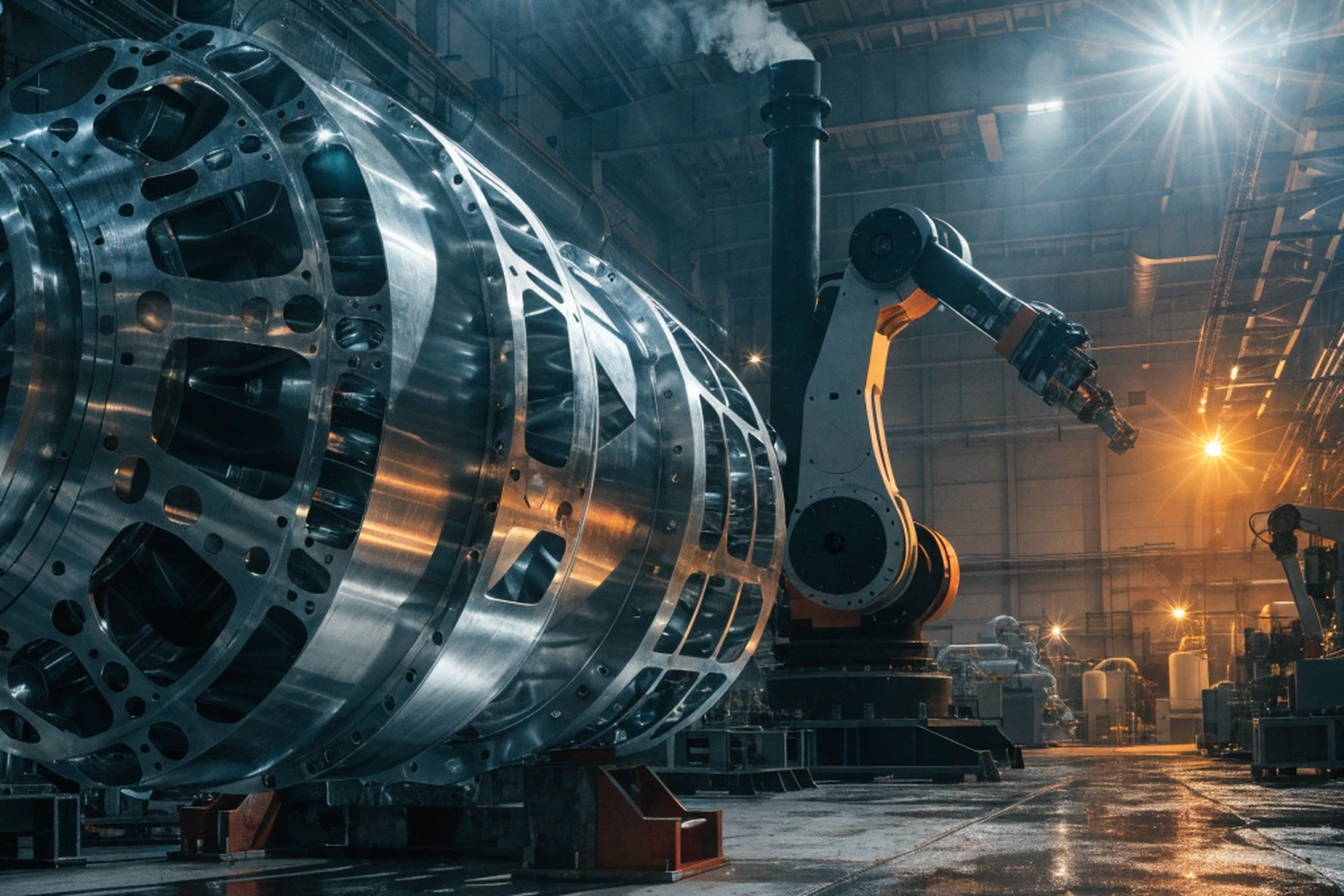
Turkey: A Country That Makes Cars
Turkey is a big country for cars. It has many big factories. These factories make cars, vans, and buses. It is a top country in Europe for making buses.
Many famous companies have factories in Turkey. A lot of people work in these factories. They build the cars every day. The cars are good quality and famous around the world.
Turkey sells these cars to many countries. This is a very important business for the country. It helps the economy of Turkey grow and provides many jobs.
نکته دستوری
الگو: حال ساده (سوم شخص 's')
"It helps the economy of Turkey grow."
ما از حال ساده برای بیان حقایق استفاده میکنیم. برای he، she و it، ما 's-' به آخر فعل اضافه میکنیم. مثلا، 'I help' اما 'It helps'.
الگو: اسامی جمع
"These factories make cars, vans, and buses."
برای صحبت در مورد بیش از یک چیز، ما معمولا 's-' به آخر اسم اضافه میکنیم. مثلا، یک 'car' میشود چند 'cars'.
درک خود را بسنجید
10 سوال · A1 مبتدی · 1 پیشنمایش رایگان
آنچه از این مقاله آموختید را بسنجید. به همه سؤالات پاسخ دهید و XP کسب کنید!
ترکیه در کارخانههایش چه چیزی تولید میکند؟
آیا میخواهید آزمون را تمام کنید؟
9 سؤال دیگر منتظر شماست. ثبتنام رایگان کنید تا آزمون کامل را باز کنید و XP کسب کنید!
ثبتنام رایگانقبلاً ثبتنام کردی؟ ورود
جزئیات سؤالات
ترکیه در کارخانههایش چه چیزی تولید میکند؟
پاسخ شما:
پاسخ درست: ماشینها، ونها و اتوبوسها
صنعت خودروسازی برای ترکیه مهم نیست.
پاسخ شما:
پاسخ درست: نادرست
معنی 'sells' چیست؟
پاسخ شما:
پاسخ درست: برای چیزی پول گرفتن
تعداد زیادی ______ در این کارخانهها کار میکنند.
پاسخ شما:
پاسخ درست: people
Turkey: A Giant Factory for Cars
Turkey is famous for its history and beaches, but it is also a giant factory for cars. In the mid-20th century, the country started its automotive journey with the 'Anadol'. This was Turkey's first domestic car. It was a simple start, but the people worked hard to learn engineering. Today, the industry is very different and much bigger. Now, Turkey is one of the top 15 vehicle producers in the world. It is also the largest maker of commercial vehicles, like buses and trucks, in Europe.
Big global companies like Ford and Fiat work in Turkey because the engineers are talented and the location is perfect. The automotive industry helps the Turkish economy grow. It provides important jobs for thousands of people. The industry is stronger now than it was in the past. Turkey exports millions of cars to many countries around the world. Recently, Turkey began making its own electric cars too. This shows that Turkey is a modern and successful power in the automotive world.
نکته دستوری
الگو: صفات تفضیلی (er/more + than)
"The industry is stronger now than it was in the past."
ما از صفتهای تفضیلی برای مقایسه دو چیز استفاده میکنیم. به آخر صفتهای کوتاه «er» اضافه میکنیم (strong -> stronger) یا برای صفتهای بلند از «more» استفاده میکنیم تا تفاوت رو نشون بدیم.
الگو: گذشته ساده
"In the mid-20th century, the country started its automotive journey with the 'Anadol'."
ما از گذشته ساده برای حرف زدن در مورد کارهایی که در گذشته تموم شدن استفاده میکنیم. برای فعلهای باقاعده، معمولاً به آخر فعل «ed» اضافه میکنیم (start -> started).
درک خود را بسنجید
11 سوال · A2 مقدماتی · 1 پیشنمایش رایگان
آنچه از این مقاله آموختید را بسنجید. به همه سؤالات پاسخ دهید و XP کسب کنید!
اسم اولین ماشین داخلی ترکیه چی بود؟
آیا میخواهید آزمون را تمام کنید؟
10 سؤال دیگر منتظر شماست. ثبتنام رایگان کنید تا آزمون کامل را باز کنید و XP کسب کنید!
ثبتنام رایگانقبلاً ثبتنام کردی؟ ورود
جزئیات سؤالات
اسم اولین ماشین داخلی ترکیه چی بود؟
پاسخ شما:
پاسخ درست: آنادول
ترکیه بزرگترین تولیدکننده وسایل نقلیه تجاری در اروپاست.
پاسخ شما:
پاسخ درست: درست
«Factory» یعنی چی؟
پاسخ شما:
پاسخ درست: ساختمونی که توش چیز میز میسازن
صنعت خودروسازی به رشد _____ ترکیه کمک میکنه.
پاسخ شما:
پاسخ درست: economy
چرا شرکتهای بزرگ جهانی ترکیه رو انتخاب میکنن؟
پاسخ شما:
پاسخ درست: به خاطر مهندسای بااستعداد و موقعیت خوبش
Turkey: A Global Hub for Car Manufacturing
Turkey has established itself as a true giant in the global automotive industry. Over the last few decades, the country has consistently ranked among the top 15 vehicle producers in the world. In addition, it is frequently recognized as Europe’s largest manufacturer of commercial vehicles. This success story began in the mid-20th century with the production of the 'Anadol'. The Anadol, which was Turkey's first domestic car, helped create a culture of engineering and industrial discipline.
Since those early days, the sector has evolved into a sophisticated network. Many international companies have formed a partnership with Turkish firms. Giants like Ford, Fiat, Renault, and Toyota have invested billions of dollars in modern factories. These facilities are primarily located in cities such as Bursa and Kocaeli, which are near major ports. Consequently, vehicles that are manufactured in Turkey are easily exported to countries across Europe and the Middle East.
The industry is not just about assembling parts; it is also about design and innovation. Recently, Turkey has launched TOGG, a national project that focuses on electric vehicles. This ambitious move proves that Turkey has adapted to modern technology. With a skilled workforce and a strategic location between continents, Turkey continues to drive forward as a manufacturing powerhouse.
نکته دستوری
الگو: حال کامل ساده
"Turkey has established itself as a true giant in the global automotive industry."
ما از حال کامل (has/have + قسمت سوم فعل) برای صحبت در مورد کارهایی استفاده میکنیم که در گذشته شروع شده و تا به حال ادامه دارند، یا کارهای اخیر گذشته که نتیجهای در حال حاضر دارند. در این مقاله، این زمان وضعیت مداوم ترکیه را نشان میدهد.
الگو: حالت مجهول
"Consequently, vehicles that are manufactured in Turkey are easily exported to countries across Europe."
حالت مجهول (be + قسمت سوم فعل) زمانی استفاده میشود که ما میخواهیم بر روی عمل یا مفعول (وسایل نقلیه) تمرکز کنیم به جای کسی که عمل را انجام میدهد. این حالت در نوشتههای صنعتی و فنی بسیار رایج است.
درک خود را بسنجید
11 سوال · B1 متوسط · 1 پیشنمایش رایگان
آنچه از این مقاله آموختید را بسنجید. به همه سؤالات پاسخ دهید و XP کسب کنید!
'آنادول' چه بود؟
آیا میخواهید آزمون را تمام کنید؟
10 سؤال دیگر منتظر شماست. ثبتنام رایگان کنید تا آزمون کامل را باز کنید و XP کسب کنید!
ثبتنام رایگانقبلاً ثبتنام کردی؟ ورود
جزئیات سؤالات
'آنادول' چه بود؟
پاسخ شما:
پاسخ درست: اولین خودروی داخلی ترکیه
ترکیه بزرگترین تولیدکننده خودروهای تجاری در اروپا محسوب میشود.
پاسخ شما:
پاسخ درست: درست
کدام کلمه به معنای 'ارسال کالا به کشور دیگر برای فروش' است؟
پاسخ شما:
پاسخ درست: صادر کردن
شرکتهای بزرگ بینالمللی میلیاردها دلار در کارخانههای ترکیه _____ کردهاند.
پاسخ شما:
پاسخ درست: invested
طبق متن، کدام شهرها به عنوان مکان کارخانهها ذکر شدهاند؟
پاسخ شما:
پاسخ درست: بورسا و کوجالی
Turkey's Automotive Evolution: A Manufacturing Titan
Turkey has long been recognized as a physical and cultural bridge between East and West, yet its modern influence extends far beyond simple geography. In recent decades, the nation has successfully transformed itself into a formidable powerhouse within the global automotive industry. This impressive evolution is not merely a result of favorable economic policy but rather a testament to a deep-rooted culture of engineering and industrial discipline. Although the journey began modestly in the mid-20th century with the production of the 'Anadol,' Turkey’s first domestic passenger car, the sector has since matured into a sophisticated network of international partnerships and high-tech manufacturing capabilities.
One of the primary factors contributing to this enduring success is Turkey's strategic location. Situated at the crossroads of Europe, Asia, and the Middle East, the country offers manufacturers unique logistical advantages that reduce shipping times and costs. Consequently, major global brands such as Ford, Fiat, Toyota, and Renault have established significant production facilities in the region to serve multiple markets. These long-standing collaborations have allowed the Turkish workforce to acquire advanced technical skills, ensuring that the vehicles produced meet rigorous European safety and quality standards. In fact, Turkey frequently ranks among the top 15 vehicle producers worldwide and proudly holds the position of Europe’s largest manufacturer of commercial vehicles.
Furthermore, the industry is currently undergoing a significant shift towards sustainability and digital innovation. Recognizing the rapid global transition to electric mobility, Turkey has launched its own national electric vehicle project, known as TOGG. This ambitious initiative represents more than just a car; it symbolizes the country's determination to compete in the high-technology sector. By investing heavily in research and development, Turkey aims to reduce its dependency on foreign energy while simultaneously exporting high-value technology to international markets. The production of domestic batteries and software integration are key components of this strategy.
Despite these remarkable achievements, the sector faces inevitable challenges such as global supply chain disruptions and fluctuating economic conditions. However, the proven resilience of Turkish manufacturers suggests that they are well-equipped to navigate these obstacles. As the automotive landscape continues to evolve towards automation and green energy, Turkey remains poised to maintain its status as a vital hub for production and design. Ultimately, the country's commitment to quality and innovation ensures that its engines will keep running efficiently for years to come.
نکته دستوری
الگو: جملهوارههای وصفی (Participle Clauses)
"Situated at the crossroads of Europe, Asia, and the Middle East, the country offers manufacturers unique logistical advantages..."
این جمله با یک وجه وصفی مفعولی (past participle) یعنی «Situated» شروع میشه تا اطلاعات پسزمینهای در مورد فاعل («the country») بده. این یک ساختار رایج در سطح B2+ هست که برای ترکیب جملات و روانتر و رسمیتر کردن نوشتار استفاده میشه.
الگو: اسم مصدر بعد از حروف اضافه
"By investing heavily in research and development, Turkey aims to reduce its dependency on foreign energy..."
بعد از حرف اضافه 'by' (که روش یا وسیله رو نشون میده)، فعل باید به صورت ing-دار (اسم مصدر) بیاد. اینجا، 'by investing' توضیح میده که ترکیه *چطور* قصد داره به هدفش برسه.
الگو: گروههای اسمی پیچیده
"...the sector has since matured into a sophisticated network of international partnerships and high-tech manufacturing capabilities."
نوشتار آکادمیک اغلب از گروههای اسمی طولانی برای جا دادن اطلاعات زیاد استفاده میکنه. در اینجا، «a sophisticated network...» به عنوان یک مفعول واحد عمل میکنه که توسط چندین صفت و عبارت حرف اضافهای توصیف شده.
درک خود را بسنجید
11 سوال · B2 بالاتر از متوسط · 1 پیشنمایش رایگان
آنچه از این مقاله آموختید را بسنجید. به همه سؤالات پاسخ دهید و XP کسب کنید!
طبق مقاله، 'آنادول' به چه دلیل اهمیت دارد؟
آیا میخواهید آزمون را تمام کنید؟
10 سؤال دیگر منتظر شماست. ثبتنام رایگان کنید تا آزمون کامل را باز کنید و XP کسب کنید!
ثبتنام رایگانقبلاً ثبتنام کردی؟ ورود
جزئیات سؤالات
طبق مقاله، 'آنادول' به چه دلیل اهمیت دارد؟
پاسخ شما:
پاسخ درست: اولین خودروی سواری داخلی ترکیه بود.
ترکیه در حال حاضر بزرگترین تولیدکننده انواع وسایل نقلیه در اروپا است.
پاسخ شما:
پاسخ درست: نادرست
کلمه 'rigorous' در زمینه استانداردهای ایمنی به چه معناست؟
پاسخ شما:
پاسخ درست: بسیار دقیق و سختگیرانه
موقعیت ترکیه بین اروپا، آسیا و خاورمیانه به آن یک مزیت ______ میدهد.
پاسخ شما:
پاسخ درست: strategic
هدف اصلی طرح TOGG که در متن به آن اشاره شده چیست؟
پاسخ شما:
پاسخ درست: رقابت در بخش فناوری و کاهش وابستگی به انرژی.
The Anatolian Engine: Turkey’s Ascent as an Automotive Titan
Turkey has long stood at the crossroads of civilizations, acting as a physical and cultural bridge between East and West. However, in recent decades, it is not merely trade caravans or spices that traverse this Anatolian expanse, but sophisticated machinery and high-tech components. Rarely has a nation transformed its industrial landscape with such alacrity as Turkey, establishing itself as a formidable global titan in the automotive industry. Consistently ranking among the top 15 vehicle producers worldwide, it is frequently the case that Turkey holds the position of Europe’s largest commercial vehicle manufacturer. This robust sector, which currently accounts for a significant portion of the country's total exports, did not emerge overnight; rather, it is the culmination of decades of strategic planning, economic reforms, and unwavering industrial discipline.
It was in the mid-20th century that the journey truly began with the production of the 'Anadol', the country's first domestic mass-produced passenger vehicle. While modest by contemporary standards, the Anadol fostered a nascent culture of engineering and manufacturing competence that would prove indispensable in the years to follow. Little did observers at the time realize that this initial foray would blossom into a sophisticated network of global partnerships involving industry giants such as Ford, Fiat, Toyota, Hyundai, and Renault. Cities like Bursa, Kocaeli, and Sakarya have morphed into bustling industrial hubs, often referred to as the 'Detroit of Turkey', hosting massive production facilities that churn out thousands of units daily.
What makes the Turkish automotive sector particularly resilient is its deep integration into the European supply chain, solidified by the Customs Union agreement with the EU in 1996. The adherence to rigorous European standards has ensured that vehicles manufactured in Turkish plants are indistinguishable in quality from those assembled in Stuttgart or Turin. Consequently, global brands have increasingly relied on their Turkish operations not just for assembly, but for Research and Development (R&D). The shift from pure manufacturing to design and engineering is evident in the numerous R&D centers established by multinational corporations within the country.
Crucially, the industry is not solely reliant on foreign licensing and partnerships. The recent unveiling of TOGG, Turkey's indigenous electric vehicle, signals a significant paradigm shift. No longer content with merely assembling the designs of others, Turkey is asserting its autonomy in design, innovation, and intellectual property. Were the country to rely only on internal combustion engines, its future relevance in a green economy might be in question. However, by pivoting aggressively towards electrification and autonomous driving technologies, Turkish manufacturers are future-proofing their operations against the inevitable decline of fossil fuels.
Furthermore, the geographical advantage Turkey possesses cannot be overstated. Situated within easy reach of European, Middle Eastern, and Central Asian markets, the logistics of distribution are streamlined efficiently. It is this proximity that international investors find so alluring, reducing shipping times and costs significantly. Had Turkey not invested heavily in its ports and transportation infrastructure, this logistical advantage would have remained theoretical. Instead, the seamless flow of components inwards and finished vehicles outwards acts as the lifeblood of the economy.
Yet, challenges remain. Fluctuations in the global economy and local currency volatility pose periodic risks to production costs and domestic demand. Nevertheless, the adaptability of the Turkish workforce and the steadfast commitment of the government to industrial growth provide a buffer against such instability. What stands out most remarkably is the sector's ability to reinvent itself in the face of adversity. As the world transitions towards sustainable mobility, Turkey is poised not just to participate, but to lead. The roaring engines of the past are quieting down, replaced by the hum of electric motors, yet the drive for industrial excellence remains as potent as ever.
نکته دستوری
الگو: وارونگی با قیدهای منفی
"Little did observers at the time realize that this initial foray would blossom into a sophisticated network."
وقتی جملهای با یک قید منفی (مثل 'Little', 'Rarely', 'Never') شروع میشه، فاعل و فعل کمکی جابجا میشن تا تأکید دراماتیک و حالت رسمی به جمله اضافه کنن.
الگو: جملات تأکیدی (Cleft)
"It was in the mid-20th century that the journey truly began with the production of the 'Anadol'."
جملات تأکیدی (که با '...It was' یا '...It is' شروع میشن) برای تمرکز توجه روی بخش خاصی از جمله استفاده میشن، اغلب برای روشن کردن اینکه چه زمانی، کجا، یا چه کسی کاری رو انجام داده.
الگو: اسمسازی (Nominalisation)
"The adherence to rigorous European standards has ensured that vehicles manufactured in Turkish plants are indistinguishable in quality."
اسمسازی یعنی تبدیل فعلها (مثل 'adhere') به اسم ('adherence'). این کار لحن رسمیتر و آکادمیکتری ایجاد میکنه و اجازه میده ایدههای پیچیده به عنوان فاعل جمله بیان بشن.
درک خود را بسنجید
12 سوال · C1 پیشرفته · 1 پیشنمایش رایگان
آنچه از این مقاله آموختید را بسنجید. به همه سؤالات پاسخ دهید و XP کسب کنید!
نویسنده در مورد خودروی «آنادول» چه چیزی را مطرح میکند؟
آیا میخواهید آزمون را تمام کنید؟
11 سؤال دیگر منتظر شماست. ثبتنام رایگان کنید تا آزمون کامل را باز کنید و XP کسب کنید!
ثبتنام رایگانقبلاً ثبتنام کردی؟ ورود
جزئیات سؤالات
نویسنده در مورد خودروی «آنادول» چه چیزی را مطرح میکند؟
پاسخ شما:
پاسخ درست: این یک فرهنگ مهندسی ضروری را در ترکیه پرورش داد.
صنعت خودروسازی ترکیه در حال حاضر تنها به طراحیهای تولیدی ارائه شده توسط شرکتهای خارجی متکی است.
پاسخ شما:
پاسخ درست: نادرست
کدام تعریف برای کلمه «nascent» (نوپا) که در متن استفاده شده بهترین است؟
پاسخ شما:
پاسخ درست: تازه در حال شکلگیری
_____ ناظران در آن زمان متوجه شدند که این اولین تلاش به شبکهای پیچیده تبدیل خواهد شد.
پاسخ شما:
پاسخ درست: Little
چرا موقعیت جغرافیایی ترکیه به عنوان یک مزیت توصیف شده است؟
پاسخ شما:
پاسخ درست: این امکان توزیع آسان به چندین منطقه بزرگ را فراهم میکند.
معنی «paradigm» (الگو) در عبارت «paradigm shift» (تغییر الگو) چیست؟
پاسخ شما:
پاسخ درست: یک مثال یا الگوی معمول
The Anatolian Engine: Turkey’s Ascent as an Automotive Titan
The trajectory of Turkey’s automotive industry is nothing short of a masterclass in industrial metamorphosis. Situated at the crossroads of Europe and Asia, the nation has leveraged its geostrategic advantage to transform from a peripheral assembler into a veritable powerhouse of global manufacturing. While the mid-20th century witnessed the nascent steps of this journey with the 'Anadol'—the country's first domestic passenger vehicle—contemporary Turkey stands as a testament to the efficacy of sustained industrial policy and export-oriented growth strategies. It is no exaggeration to posit that the automotive sector has become the lynchpin of the Turkish economy, driving innovation and employment with equal vigour.
Historically, the sector’s evolution was predicated on import substitution, a model that sought to foster domestic production by restricting foreign competition. However, the liberalization of the economy in the 1980s precipitated a paradigm shift. Were it not for this pivotal transition towards integration with global markets, Turkey might have remained a closed loop of limited technological advancement. Instead, international giants such as Ford, Fiat, Renault, and Toyota found in Turkey not merely a market, but a sophisticated manufacturing hub characterized by a skilled workforce and high-quality standards. Consequently, Turkey has consistently ranked among the top global vehicle producers, frequently claiming the title of Europe’s leading manufacturer of commercial vehicles.
A critical analysis of this success reveals that it is not solely attributable to low labour costs, a common misconception regarding emerging markets. Rather, it is the depth of the supply chain and the proliferation of Research and Development (R&D) centres that distinguish the Turkish ecosystem. The supplier industry, once limited to basic components, now exports complex systems to the most demanding markets in the West. This sophisticated network ensures that value creation is not confined to final assembly but is distributed across a myriad of subsidiary industries. Furthermore, had the government not incentivized R&D through tax deductions and grants, the sector would likely have stagnated at the level of licensed production.
Furthermore, the logistical prowess of the region cannot be overstated. Proximity to the European market allows for 'Just-in-Time' delivery, a critical component of modern lean manufacturing. This geographical endowment, augmented by significant investment in ports and transportation infrastructure, renders Turkey an indispensable link in the global automotive value chain. Had the infrastructure remained underdeveloped, the sheer volume of exports—encompassing everything from nuts and bolts to fully assembled buses—would have been logistically unfeasible. The synthesis of location, infrastructure, and industrial capacity creates a virtuous cycle that attracts further foreign direct investment.
The narrative of Turkish automotive prowess has recently entered a new, more ambitious chapter with the introduction of TOGG (Türkiye'nin Otomobili Girişim Grubu). This initiative represents a departure from the traditional role of manufacturing foreign brands under licence. By focusing on electric and autonomous vehicles, TOGG embodies the nation's aspiration to secure technological sovereignty in a rapidly decarbonizing world. It is essential that this venture succeed, not merely for economic gain, but as a proof of concept for indigenous innovation. The TOGG project suggests that Turkey is no longer content with playing catch-up; it intends to leapfrog into the future of mobility.
Nevertheless, challenges remain. The industry stands on a precipice, facing the dual pressures of global supply chain disruptions and the urgent need for green transformation. The European Union’s Carbon Border Adjustment Mechanism poses a significant risk to exporters unless the carbon footprint of production is drastically reduced. Moreover, the ubiquity of software in modern vehicles demands a workforce proficient in coding and artificial intelligence, necessitating a reform in vocational training. Should the nation continue to navigate the complexities of the global market with the same dexterity it has shown in the past, its position as a global automotive hub is all but assured.
نکته دستوری
الگو: وارونگی با 'Were it not for'
"Were it not for this pivotal transition towards integration with global markets, Turkey might have remained a closed loop..."
این یک روش رسمی برای بیان یک ایده شرطی بدون استفاده از 'if' هست. این عبارت جایگزین 'If it were not for...' میشه و برای توصیف یک موقعیت فرضی استفاده میشه که در اون، نبودِ یک عامل، نتیجه رو تغییر میداد.
الگو: وارونگی با 'Had'
"Furthermore, had the government not incentivized R&D through tax deductions and grants, the sector would likely have stagnated..."
این شکل وارونهی شرطی نوع سومه ('If the government had not incentivized...'). در نوشتار رسمی برای فرضیهسازی در مورد گذشته استفاده میشه و نشون میده که یک اقدام متفاوت در گذشته، به نتیجهی متفاوتی منجر میشد.
الگو: لحن محتاطانه در نوشتار آکادمیک با 'It is...'
"It is no exaggeration to posit that the automotive sector has become the lynchpin of the Turkish economy..."
نوشتار سطح C2 اغلب از ساختارهای غیرشخصی مثل 'It is no exaggeration to...' یا 'It is reasonable to assume...' استفاده میکنه تا نظرات قوی رو به عنوان مشاهدات عینی ارائه بده. 'Posit' یک فعل رسمیه به معنی فرض کردن به عنوان یک واقعیت.
درک خود را بسنجید
12 سوال · C2 تسلط · 1 پیشنمایش رایگان
آنچه از این مقاله آموختید را بسنجید. به همه سؤالات پاسخ دهید و XP کسب کنید!
طبق مقاله، چه تصور غلطی در مورد موفقیت صنعت خودروسازی ترکیه وجود داره؟
آیا میخواهید آزمون را تمام کنید؟
11 سؤال دیگر منتظر شماست. ثبتنام رایگان کنید تا آزمون کامل را باز کنید و XP کسب کنید!
ثبتنام رایگانقبلاً ثبتنام کردی؟ ورود
جزئیات سؤالات
طبق مقاله، چه تصور غلطی در مورد موفقیت صنعت خودروسازی ترکیه وجود داره؟
پاسخ شما:
پاسخ درست: این صنعت فقط به هزینههای پایین نیروی کار متکی است.
از 'آنادول' به عنوان مثالی از تمرکز فعلی ترکیه بر خودروهای الکتریکی نام برده شده است.
پاسخ شما:
پاسخ درست: نادرست
کلمه 'indigenous' در چارچوب پروژه TOGG به چه معناست؟
پاسخ شما:
پاسخ درست: توسعه یافته به صورت محلی و بومی
مقاله، بخش خودروسازی را _____ اقتصاد ترکیه توصیف میکند.
پاسخ شما:
پاسخ درست: lynchpin
مکانیزم تنظیم مرزی کربن در متن چگونه ارائه شده است؟
پاسخ شما:
پاسخ درست: یک ریسک قابل توجه که نیازمند کاهش ردپای کربنی است.
تغییر از جایگزینی واردات به ادغام جهانی به عنوان یک تغییر _____ توصیف شده است.
پاسخ شما:
پاسخ درست: paradigm

