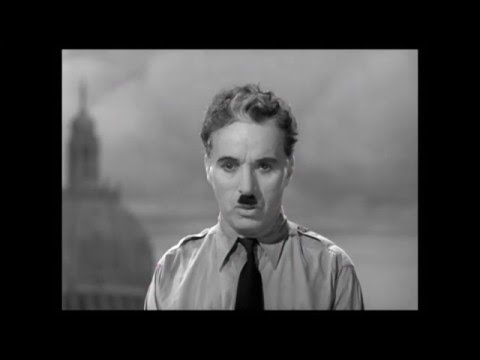
brutes en 30 segundos
- Brutes are violent, cruel people who lack intelligence and empathy, often relying on physical force.
- The word can also describe large, powerful animals that act purely on instinct without human reason.
- It is a derogatory term used to dehumanize individuals by comparing them to unthinking beasts.
- Commonly found in literature and history to describe bullies, invaders, or unrefined social groups.
The word brutes is a plural noun that carries a heavy weight of judgment and descriptive power. At its core, it refers to individuals who are perceived as cruel, violent, or entirely lacking in the refined qualities of human sensitivity and intelligence. When someone uses this term, they are often highlighting a reliance on physical force rather than reason or empathy. It is a word that bridges the gap between the human and the animal kingdoms, suggesting that the subjects in question have abandoned their higher faculties in favor of primal, aggressive instincts. In historical contexts, 'brutes' was frequently used to describe those deemed 'uncivilized' or 'savage,' though in modern English, it is more commonly applied to bullies, violent criminals, or anyone who acts with unnecessary harshness. The term implies a certain 'thickness' of character—a person who is impervious to logic or emotional appeals and instead responds only to power or basic needs. Furthermore, the word can be used literally to describe large, powerful animals, such as oxen or bulls, emphasizing their strength and lack of human-like consciousness. However, its most frequent and impactful use remains the metaphorical application to humans who behave like unthinking beasts.
- Etymological Root
- Derived from the Latin 'brutus', meaning dull or stupid, which evolved through Middle French to describe those without the power of reason.
The prison guards were described by the survivors as heartless brutes who took pleasure in the suffering of others.
In literature and philosophy, the concept of 'brutes' is often used to explore the boundary between civilization and nature. Authors like Jonathan Swift or Charles Dickens used the term to critique the dehumanizing effects of poverty or the inherent cruelty found in certain social structures. When a character is called a brute, it signifies a loss of their 'human' status in the eyes of the narrator. It is not just about the act of violence, but the lack of remorse or thought behind it. For instance, a soldier might be called a brute not because he fights, but because he fights without honor or mercy. This distinction is vital for understanding the word's nuance. It is a label of exclusion, placing the person outside the circle of 'civilized' society. In a more casual sense, you might hear someone refer to a group of rowdy, destructive individuals at a sporting event as 'a bunch of brutes,' indicating their lack of manners and respect for public order.
History often remembers the conquerors as heroes, but the conquered often saw them as nothing more than invading brutes.
- Social Context
- Often used in political rhetoric to dehumanize opponents or to describe the 'mob' in a derogatory fashion.
The word also appears in the context of animal husbandry and biology. When referring to animals, 'brutes' highlights their physical power and their existence as creatures of instinct. A farmer might refer to his oxen as 'strong brutes,' which in this specific context might even carry a hint of respect for their utility and power, though it still maintains the hierarchy of human intelligence over animal strength. However, this usage is becoming rarer in modern English, as we tend to use more specific or scientific terms for animals. The transition from the literal 'beast' to the metaphorical 'cruel person' is where the word finds its most frequent home today. It is a word that demands a reaction; to call someone a brute is to challenge their very humanity. It suggests that they are driven by the 'lower' parts of the brain—the amygdala and the brainstem—rather than the prefrontal cortex where logic and empathy reside. This biological metaphor is often used in psychological discussions about impulsive violence and the 'brutish' nature of certain criminal behaviors.
The villagers feared the mountain trolls, describing them as mindless brutes that only knew how to destroy.
He was surrounded by brutes who didn't understand the value of the art they were destroying.
- Literary Usage
- Commonly found in 19th-century novels to describe the 'unwashed masses' or villainous henchmen.
They were not men; they were brutes driven by hunger and rage.
Using the word brutes correctly requires an understanding of its derogatory and descriptive nature. It is most effective when you want to paint a picture of a group that is not just physically imposing, but also morally or intellectually deficient. For example, in a historical narrative, you might write, 'The invading army was composed of brutes who had no regard for the local customs.' Here, the word emphasizes their lack of culture and their reliance on violence. In a more contemporary setting, you might describe a group of bullies as 'a pack of brutes,' which uses animalistic imagery to suggest they hunt or act in a primitive, collective way. The word often pairs well with adjectives that reinforce the idea of a lack of feeling, such as 'unfeeling,' 'heartless,' 'mindless,' or 'senseless.' These combinations help to clarify that the 'brutishness' is a mental and emotional state as much as a physical one.
- Adjective Pairings
- Commonly paired with: heartless, mindless, savage, unfeeling, ignorant, powerful, violent.
The coach warned the players that their opponents were physical brutes who would try to intimidate them.
When constructing sentences, remember that 'brutes' is a plural noun. If you are referring to a single person, you would use 'brute.' However, the plural form is particularly useful for describing a collective atmosphere or a systemic issue. For instance, 'The regime was supported by a cadre of brutes who enforced the leader's will through terror.' This sentence shows how the word can be used to describe a specific role within a larger organization. It is also important to consider the tone. Calling someone a 'brute' is an insult, so it should be used in contexts where such a strong judgment is appropriate. In academic writing, you might use it to describe how one group viewed another, rather than using it as your own descriptive term. For example, 'The colonial administrators often viewed the indigenous population as mere brutes, a perspective that justified their harsh policies.' This usage attributes the term to a specific historical viewpoint, providing distance while still using the word's descriptive power.
Despite their expensive suits, the corporate raiders acted like brutes during the hostile takeover.
Another interesting way to use 'brutes' is in the context of nature or mythology. In fantasy writing, 'brutes' is a common classification for monsters that rely on strength rather than magic or cunning. 'The party of adventurers was ambushed by a group of hill brutes, massive creatures with clubs and very little patience.' This helps to categorize the threat for the reader. In a scientific or philosophical discussion, you might use the term to distinguish between beings with 'agency' and those that are merely 'brutes.' For example, 'Kant argued that animals are brutes, lacking the rational capacity for moral autonomy.' Here, the word is used technically to define a lack of specific cognitive abilities. Whether you are writing a story, a history essay, or a philosophical critique, 'brutes' provides a precise way to describe a lack of refinement and a reliance on the physical.
The crowd turned into a mob of brutes, tearing down the statues and setting fire to the square.
- Sentence Patterns
- Subject + were + [adjective] + brutes. / To act like + brutes. / A group of + brutes.
They were treated like brutes by their captors, denied even the most basic human dignity.
The once-peaceful protesters were replaced by violent brutes looking for a fight.
While brutes might feel like a word from an old novel, it is still very much alive in modern English, though its frequency varies by domain. You are most likely to encounter it in literature, historical accounts, and certain types of journalism. In literature, it is a staple for describing villains or the 'muscle' of an antagonist. If you read a thriller or a fantasy novel, the henchmen who do the dirty work are often referred to as brutes. This helps the reader immediately understand that these characters are not there for dialogue or complex motivation; they are there to be a physical obstacle. In historical documentaries or books, the term is used to describe the harshness of past eras. You might hear a narrator say, 'The life of a common sailor in the 18th century was one of constant toil and the threat of being beaten by brutes in positions of authority.'
- Media Usage
- Common in period dramas, high-fantasy films, and true-crime podcasts describing violent offenders.
The film depicted the Vikings not just as warriors, but as terrifying brutes who left nothing but ash in their wake.
In the world of sports, particularly contact sports like rugby, American football, or boxing, 'brutes' is sometimes used by commentators to describe players who are exceptionally large and powerful. In this context, it is often a 'loaded' term—it acknowledges their physical prowess but can also subtly suggest they lack the technical skill or 'finesse' of smaller, more agile players. For example, 'The front line is full of absolute brutes who can push through any defense.' Here, the word is used with a mix of awe and slight disparagement. You will also hear the word in political discourse, though usually as a form of hyperbole. A politician might accuse their opponents of being 'intellectual brutes' who want to force their ideas on the public without debate. This usage shifts the 'brutishness' from physical violence to a kind of aggressive, unthinking dogmatism.
'They are nothing but brutes!' she cried, watching the protesters smash the shop windows.
Furthermore, the word appears in the titles of books and movies, often to evoke a sense of raw, unfiltered reality or danger. 'The Brutes of the Border' might be the title of a Western novel, promising a story about violent outlaws. In everyday conversation, you might use it to describe a group of people who are being particularly loud, clumsy, or insensitive. If a group of people pushes past you in a crowded station without saying 'excuse me,' you might mutter to a friend, 'What a bunch of brutes.' This usage is less about actual violence and more about a perceived lack of social grace and 'human' consideration. It is a versatile word that scales from describing a genocidal army to a group of rude commuters, always maintaining its core meaning of 'strength without sensitivity.'
In the video game, the 'Brutes' are a specific class of enemy that are hard to kill but slow to move.
- Common Domains
- Literature, Sports Commentary, Political Rhetoric, Fantasy Gaming, Historical Non-fiction.
The detective knew he wasn't dealing with masterminds, but with common brutes who left clues everywhere.
The old legends spoke of forest brutes that would kidnap anyone who wandered too far from the path.
One of the most frequent mistakes learners make with the word brutes is confusing the noun form with the adjective form 'brute.' While they are related, they function differently in a sentence. 'Brutes' is always a noun referring to people or animals. 'Brute' can be a noun (singular), but it is very often used as an adjective to describe a type of force or strength—specifically 'brute force.' You would say 'They used brute force to open the door,' but you would not say 'They used brutes force.' Another common error is using 'brutes' to describe anyone who is strong. It is important to remember the negative connotation. If you call a group of friendly bodybuilders 'brutes,' they might take offense because the word implies they are stupid or cruel. Unless you intend to insult their intelligence or character, 'strong men' or 'athletes' would be more appropriate.
- Confusing Noun and Adjective
- Incorrect: 'He is a brutes man.' / Correct: 'He is a brute.' or 'He is a brutish man.'
Don't confuse brutes (people) with 'brutish' (the quality of being like a brute).
Another mistake is overusing the word in formal academic contexts without proper attribution. Because 'brutes' is a highly subjective and emotional word, using it as a direct descriptor in a neutral essay can make your writing seem biased. Instead of saying 'The brutes in the army destroyed the city,' it is better to say 'The soldiers, described by contemporary witnesses as brutes, destroyed the city.' This maintains your academic objectivity. Additionally, learners sometimes confuse 'brutes' with 'beasts.' While they are synonyms, 'beasts' is often more literal (referring to animals) or used for supernatural monsters, whereas 'brutes' almost always carries the specific implication of a lack of human reason or a reliance on physical bullying. You might call a lion a 'beast,' but you would rarely call it a 'brute' unless you were emphasizing its lack of intelligence compared to a human.
It is a mistake to call all large animals brutes; many, like elephants, are known for their high intelligence.
Finally, be careful with the pluralization. Some learners try to say 'brutesses' for women, but 'brutes' is gender-neutral. It can refer to any group of people regardless of gender. Also, avoid using 'brutes' when you mean 'thugs' in a very specific modern criminal sense. 'Thugs' usually implies organized crime or street-level violence, while 'brutes' is a broader term that can apply to anyone acting without sensitivity, including those in high-status positions like 'corporate brutes' or 'political brutes.' Understanding these subtle distinctions will help you use the word with the precision it requires. Remember, 'brutes' is about the *manner* of behavior (unthinking, cruel, physical) rather than just the *act* of a crime. If someone is a clever criminal, they are rarely called a brute; that term is reserved for the ones who use their fists instead of their brains.
The mistake was thinking the attackers were just brutes; in reality, they were highly trained and strategic.
- Register Check
- Avoid using 'brutes' in a professional email unless you are quoting someone else or describing a very extreme situation.
Calling the opposing team brutes in the post-game interview resulted in a fine for the coach.
They were not just brutes; they were men who had lost their way.
If you find that brutes is too strong or not quite the right fit for your context, there are several alternatives that offer different shades of meaning. 'Beasts' is the closest synonym, but it often sounds more poetic or dramatic. If you call someone a 'beast,' you might be referring to their animalistic nature in a more primal sense, whereas 'brute' specifically targets their lack of reason. 'Thugs' is a common alternative for violent people, but it usually implies a connection to criminal activity or street violence. You wouldn't call a cruel king a 'thug,' but you might call him a 'brute.' 'Savages' is another historical synonym, but it is now considered highly offensive and racially charged in many contexts, so it should be avoided unless you are quoting historical texts. 'Barbarians' is similar, implying a lack of culture or civilization, but it often refers to a whole society rather than individuals.
- Comparison: Brutes vs. Thugs
- 'Brutes' emphasizes lack of intelligence and sensitivity; 'Thugs' emphasizes criminal violence and intimidation.
While 'beasts' suggests a wild nature, brutes suggests a dull, unfeeling nature.
For a less intense word, you might use 'bullies.' A bully is someone who uses their power to hurt others, but 'brute' implies a more deep-seated, perhaps permanent, character trait. A bully might be clever and manipulative, but a brute is almost always seen as simple-minded. If you want to focus on the lack of intelligence, 'oafs' or 'dunces' could work, though these words are much lighter and often used humorously. 'Oafs' describes people who are clumsy and slow-witted, lacking the 'cruel' edge that 'brutes' usually has. On the more formal side, you could use 'philistines' to describe people who are hostile or indifferent to culture and the arts. While a 'brute' might smash a statue because they are violent, a 'philistine' might ignore it because they don't see its value. 'Monsters' is another strong alternative, but it implies a level of evil that goes beyond just being unthinking or physically aggressive.
The critic called the audience brutes for laughing during the tragic scene.
In a modern psychological context, you might use terms like 'sociopaths' or 'antisocial personalities,' though these are clinical and lack the descriptive punch of 'brutes.' If you are describing a group of people who are just being loud and annoying, 'hooligans' or 'rowdies' are better choices. 'Hooligans' specifically refers to young people who behave in a noisy and violent way in public, often associated with sports. 'Rowdies' is even milder, referring to anyone who is being noisy and rough. Choosing the right word depends on whether you want to emphasize the violence (thugs), the lack of culture (philistines), the animal nature (beasts), or the combination of strength and stupidity (brutes). By understanding these alternatives, you can tailor your language to perfectly match the tone and intent of your message.
He preferred the company of scholars to the company of brutes.
- Quick Reference
- Beasts (poetic), Thugs (criminal), Oafs (clumsy), Philistines (uncultured), Hooligans (rowdy).
The world is not just divided into heroes and brutes; there is a lot of gray in between.
They were not born brutes; they were made that way by a cruel system.
How Formal Is It?
Dato curioso
The famous Roman Marcus Junius Brutus, who helped assassinate Julius Caesar, had a name that literally meant 'Stupid' or 'Dull'. However, his family was one of the most respected in Rome, and the name was likely an ancient nickname that became a formal surname.
Guía de pronunciación
- Pronouncing the 'e' at the end (e.g., 'bru-tes').
- Using a short 'u' sound like in 'but'.
- Confusing the pronunciation with 'fruits' (though they rhyme).
- Adding an extra syllable.
- Softening the final 's' into a 'z' sound.
Nivel de dificultad
The word is common in literature and news, making it moderately easy to recognize.
Requires an understanding of nuance to avoid sounding overly biased or offensive.
The pronunciation is simple, but the word is less common in everyday speech than 'bullies'.
Easily understood in context, though it can be confused with the name 'Brutus'.
Qué aprender después
Requisitos previos
Aprende después
Avanzado
Gramática que debes saber
Pluralization of Nouns
One brute, two brutes.
Adjective vs. Noun usage
He is a brute (noun). He used brute force (adjective).
Collective Nouns with 'of'
A pack of brutes, a gang of brutes.
Similes with 'like' or 'as'
They fought like brutes. They were as strong as brutes.
Subject-Verb Agreement
The brutes are coming. (Not 'The brutes is coming').
Ejemplos por nivel
The big, mean men were brutes.
Los hombres grandes y malos eran brutos.
Plural noun used after the verb 'to be'.
Do not be brutes to the small animals.
No sean brutos con los animales pequeños.
Used as a vocative or descriptive noun in an imperative sentence.
The brutes took the boy's toys.
Los brutos se llevaron los juguetes del niño.
Subject of the sentence.
In the story, the brutes live in a cave.
En el cuento, los brutos viven en una cueva.
Noun following a prepositional phrase.
They are just brutes with no friends.
Son solo brutos sin amigos.
Predicate nominative.
The brutes are very strong but not smart.
Los brutos son muy fuertes pero no inteligentes.
Contrastive sentence structure.
The hero fought the brutes.
El héroe luchó contra los brutos.
Direct object.
We don't like those brutes.
No nos gustan esos brutos.
Object of the verb 'like'.
The bullies at school acted like brutes.
Los matones de la escuela actuaban como brutos.
Simile using 'like'.
The movie showed the pirates as heartless brutes.
La película mostraba a los piratas como brutos sin corazón.
Noun phrase with an adjective.
Those brutes don't care about anyone's feelings.
A esos brutos no les importan los sentimientos de nadie.
Demonstrative adjective 'those' modifying 'brutes'.
The farmer called his stubborn oxen 'strong brutes'.
El granjero llamó a sus bueyes tercos 'brutos fuertes'.
Quoted descriptive phrase.
I don't want to play with those brutes anymore.
Ya no quiero jugar con esos brutos.
Prepositional object.
The brutes smashed the windows of the shop.
Los brutos rompieron las ventanas de la tienda.
Subject performing a violent action.
He was scared of the brutes in the dark alley.
Tenía miedo de los brutos en el callejón oscuro.
Object of a prepositional phrase.
They were described as mindless brutes in the news.
Fueron descritos como brutos sin cerebro en las noticias.
Passive voice construction.
The guards were nothing more than unfeeling brutes.
Los guardias no eran más que brutos insensibles.
Idiomatic expression 'nothing more than'.
History books often depict invaders as uncultured brutes.
Los libros de historia a menudo representan a los invasores como brutos incultos.
Adverb 'often' modifying the verb 'depict'.
It is a tragedy when men turn into brutes during war.
Es una tragedia cuando los hombres se convierten en brutos durante la guerra.
Complex sentence with a subordinate clause.
The coach criticized the players for acting like brutes on the field.
El entrenador criticó a los jugadores por actuar como brutos en el campo.
Gerund phrase 'acting like brutes'.
The villagers were terrified of the mountain brutes.
Los aldeanos estaban aterrorizados por los brutos de la montaña.
Compound noun phrase.
They were treated like brutes, denied even basic food.
Fueron tratados como brutos, negándoseles incluso la comida básica.
Participial phrase 'denied even basic food'.
Only brutes would find pleasure in such cruelty.
Solo los brutos encontrarían placer en tal crueldad.
Conditional 'would' expressing a hypothetical.
The detective realized the killers were just common brutes.
El detective se dio cuenta de que los asesinos eran solo brutos comunes.
Noun clause as the object of 'realized'.
The regime's power was maintained by a cadre of loyal brutes.
El poder del régimen era mantenido por un cuadro de brutos leales.
Collective noun 'cadre' followed by 'of brutes'.
To call them brutes is an understatement of their savagery.
Llamarlos brutos es una subestimación de su salvajismo.
Infinitive phrase used as the subject.
The novel explores how social neglect can turn children into brutes.
La novela explora cómo el descuido social puede convertir a los niños en brutos.
Causal relationship expressed with 'can turn into'.
He dismissed his critics as intellectual brutes who lacked vision.
Desestimó a sus críticos como brutos intelectuales que carecían de visión.
Metaphorical use of 'intellectual brutes'.
The crowd, usually peaceful, had transformed into a mob of brutes.
La multitud, usualmente pacífica, se había transformado en una turba de brutos.
Appositive phrase 'usually peaceful'.
They were not soldiers; they were merely brutes in uniform.
No eran soldados; eran simplemente brutos uniformados.
Semicolon used to link two independent clauses.
The philosopher argued that without law, humans would live as brutes.
El filósofo argumentó que sin ley, los humanos vivirían como brutos.
Hypothetical 'would' in a philosophical context.
The survivors described the attackers as mindless brutes driven by rage.
Los sobrevivientes describieron a los atacantes como brutos sin cerebro impulsados por la rabia.
Adjective phrase 'driven by rage' modifying 'brutes'.
The colonial narrative often reduced the indigenous people to the status of brutes.
La narrativa colonial a menudo reducía a los pueblos indígenas al estatus de brutos.
Abstract noun 'status' followed by 'of brutes'.
His analysis suggests that the perpetrators were not masterminds, but rather impulsive brutes.
Su análisis sugiere que los perpetradores no eran mentes maestras, sino más bien brutos impulsivos.
Correlative conjunction 'not... but rather'.
The play depicts the tension between the refined aristocracy and the perceived brutes of the lower class.
La obra representa la tensión entre la aristocracia refinada y los brutos percibidos de la clase baja.
Parallel structure between 'aristocracy' and 'brutes'.
To view animals as mere brutes is to ignore the growing evidence of their cognitive complexity.
Ver a los animales como meros brutos es ignorar la creciente evidencia de su complejidad cognitiva.
Infinitive phrase as subject and predicate.
The rhetoric of the time was designed to make the enemy appear as terrifying brutes.
La retórica de la época estaba diseñada para hacer que el enemigo pareciera brutos terroríficos.
Passive voice 'was designed' followed by 'to make'.
He lamented the fact that modern society often rewards the loudest brutes over the quietest thinkers.
Lamentó el hecho de que la sociedad moderna a menudo premia a los brutos más ruidosos por encima de los pensadores más silenciosos.
Noun clause 'the fact that...'.
The film's gritty realism stripped away the glamour of war, leaving only the raw actions of brutes.
El realismo crudo de la película despojó al glamour de la guerra, dejando solo las acciones crudas de los brutos.
Participial phrase 'leaving only...'.
They were characterized as brutes by the very system that had failed to educate them.
Fueron caracterizados como brutos por el mismo sistema que no había logrado educarlos.
Relative clause 'that had failed to educate them'.
The existentialist critique posits that man is perpetually haunted by the specter of becoming a mere brute.
La crítica existencialista plantea que el hombre está perpetuamente obsesionado por el espectro de convertirse en un mero bruto.
Sophisticated vocabulary: 'posits', 'perpetually', 'specter'.
In the absence of a shared moral framework, the social contract dissolves into a struggle between competing brutes.
En ausencia de un marco moral compartido, el contrato social se disuelve en una lucha entre brutos en competencia.
Prepositional phrase 'In the absence of...'.
The author deconstructs the archetype of the 'noble savage,' revealing instead a collection of all-too-human brutes.
El autor deconstruye el arquetipo del 'noble salvaje', revelando en su lugar una colección de brutos demasiado humanos.
Adverbial phrase 'all-too-human'.
The judicial system was criticized for its tendency to treat the disenfranchised as brutes incapable of reform.
El sistema judicial fue criticado por su tendencia a tratar a los marginados como brutos incapaces de reforma.
Adjective phrase 'incapable of reform' modifying 'brutes'.
Kant’s distinction between rational beings and brutes remains a cornerstone of traditional Western ethics.
La distinción de Kant entre seres racionales y brutos sigue siendo una piedra angular de la ética occidental tradicional.
Possessive 'Kant's' and parallel structure.
The visceral horror of the scene lay in the realization that these were not monsters, but ordinary men acting as brutes.
El horror visceral de la escena radicaba en la comprensión de que no eran monstruos, sino hombres comunes actuando como brutos.
Noun clause 'that these were not... but...'.
The political discourse was poisoned by the characterization of entire demographics as unthinking brutes.
El discurso político fue envenenado por la caracterización de demografías enteras como brutos sin pensamiento.
Passive voice 'was poisoned' and prepositional phrase 'by the characterization of'.
The symphony’s dissonant climax seemed to echo the chaotic energy of a world governed by brutes.
El clímax disonante de la sinfonía parecía hacer eco de la energía caótica de un mundo gobernado por brutos.
Metaphorical use of 'echo' and 'governed by'.
Colocaciones comunes
Frases Comunes
— To behave in a violent, unthinking, or insensitive manner.
The fans began to act like brutes when their team lost.
— To be handled without dignity or respect, as if one were an animal.
The prisoners were treated like brutes by the jailers.
— A group of people who are rude, rough, or violent.
What a bunch of brutes; they didn't even say thank you.
— People who act violently without any thought or reason.
The rioters were nothing but mindless brutes.
— Emphasizing that the people have no good qualities, only negative ones.
They are nothing but brutes who enjoy causing pain.
— Being in a situation where everyone else is insensitive or violent.
The poet felt out of place, surrounded by brutes.
— When circumstances cause people to lose their civilized behavior.
Starvation had reduced the once-proud men to brutes.
— Acting without the power of speech or reason (archaic use of 'dumb').
They followed the leader like dumb brutes.
— Possessing great physical strength, often with a hint of clumsiness.
The workers were as strong as brutes but very slow.
— Being afraid of those who use violence and lack empathy.
The small children learned to fear the brutes in the neighborhood.
Se confunde a menudo con
Brutus is a proper name (famous for Caesar's assassin), while 'brutes' is a common noun.
They rhyme, but 'fruits' are edible parts of plants, while 'brutes' are violent people.
'Brutish' is the adjective form, while 'brutes' is the plural noun form.
Modismos y expresiones
— Using physical strength or a direct, repetitive method rather than skill or intelligence.
They used brute force to break down the door.
neutral— A famous Latin phrase meaning 'And you, Brutus?', used to express shock at a betrayal by a friend.
When my best friend voted against me, I could only say, 'Et tu, Brute?'
literary/humorous— A singular idiom describing a man who is very large, strong, and often insensitive.
He was a brute of a man, towering over everyone in the room.
descriptive— A natural, unthinking reaction that is not guided by reason.
He survived the crash by relying on brute instinct.
neutral— A fact that cannot be explained or justified further; it just is.
The existence of the universe is a brute fact.
philosophical— Used to describe something that is very difficult, large, or unpleasant to deal with.
That exam was a brute of a test.
informal— Behavior that is characteristic of a brute; cruel and unthinking.
The teacher would not tolerate such brutish behavior in class.
formal— Describing someone who acts even worse than an unthinking animal.
Those who hurt children are lower than brutes.
emotive— The primitive, aggressive side of human nature.
He struggled to control the brute within during the argument.
literary— To treat someone as if they have no feelings or intelligence.
Don't treat me like a brute; I have feelings too.
neutralFácil de confundir
Both refer to animal-like behavior.
'Beasts' is more poetic and can be literal; 'brutes' specifically implies a lack of reason.
The forest is full of wild beasts. The prison was full of violent brutes.
Both describe violent people.
'Thugs' usually implies modern criminal gangs; 'brutes' is more about the character trait of being unthinking.
Street thugs robbed the store. The heartless brutes beat the dog.
Both imply a lack of intelligence.
'Oafs' are clumsy and harmlessly stupid; 'brutes' are violent and cruel.
The clumsy oafs tripped over the rug. The brutes smashed the furniture.
Both imply being 'uncivilized'.
'Barbarians' refers to a whole culture or society; 'brutes' refers to individuals' behavior.
The barbarians invaded Rome. The brutes in the crowd started a fight.
Both were used historically to dehumanize.
'Savages' is now highly offensive and racially charged; 'brutes' is still used for behavior but should be used carefully.
The colonialists called them savages (offensive). The rioters acted like brutes.
Patrones de oraciones
They are [adjective] brutes.
They are mean brutes.
The [noun] acted like brutes.
The bullies acted like brutes.
They were nothing more than [adjective] brutes.
They were nothing more than heartless brutes.
A [collective noun] of brutes [verb].
A mob of brutes attacked the gate.
The [abstract noun] reduced them to brutes.
The extreme poverty reduced them to brutes.
Characterized as [adjective] brutes, they [verb].
Characterized as ignorant brutes, they were ignored by the elite.
The [philosophical concept] of brutes vs. [concept].
The distinction between brutes and rational agents is central.
To view [noun] as brutes is to [verb].
To view the protesters as brutes is to simplify a complex issue.
Familia de palabras
Sustantivos
Verbos
Adjetivos
Relacionado
Cómo usarlo
The word is moderately frequent, especially in written English and dramatic speech.
-
Using 'brutes' as an adjective.
→
Using 'brutish' or 'brutal' as an adjective.
'Brutes' is a plural noun. You cannot say 'a brutes man'. You must say 'a brutish man' or 'he is a brute'.
-
Pronouncing the 'e' at the end.
→
Pronouncing it as 'broots'.
The 'e' is silent. Pronouncing it 'bru-tes' is a common error for learners whose native language is phonetic.
-
Calling any strong person a 'brute'.
→
Using 'strong man' or 'athlete' for positive or neutral strength.
'Brute' implies that the person is also cruel or stupid. It is not a compliment for someone who is just physically fit.
-
Confusing 'brutes' with 'Brutus'.
→
Recognizing 'Brutus' as a name and 'brutes' as a noun.
In the phrase 'Et tu, Brute?', 'Brute' is the vocative form of the name Brutus. It does not mean 'you too, you violent person'.
-
Using 'brutes' in a neutral academic context.
→
Using more objective terms like 'violent offenders' or 'unskilled laborers'.
'Brutes' is a highly subjective and derogatory word. Using it as your own description in an essay can make you seem biased.
Consejos
Use with Caution
Calling a group 'brutes' is a very strong statement. Make sure the situation justifies such a harsh label, as it implies a total lack of humanity.
Pair with Adjectives
To make your writing more descriptive, pair 'brutes' with adjectives like 'mindless', 'heartless', or 'unfeeling'. This reinforces the idea of a lack of empathy.
Noun vs. Adjective
Remember that 'brutes' is a noun. If you want to describe a person's behavior as an adjective, use 'brutish' or 'brutal'.
Silent 'E'
Don't pronounce the 'e' at the end. The word has only one syllable and rhymes with 'boots'.
Historical Context
Be aware that 'brutes' has been used historically to dehumanize marginalized groups. Use it carefully when discussing history or social issues.
Literary Effect
In fiction, calling a group of henchmen 'brutes' immediately tells the reader they are physical threats who cannot be reasoned with.
Tone Matters
Your tone of voice will change the meaning. A sneering tone makes it a deep insult, while a shocked tone emphasizes the violence of the act.
Identify the Target
When you hear the word, identify who is being called a 'brute'. This will help you understand the speaker's bias or perspective.
The 'Boots' Mnemonic
Associate 'brutes' with 'boots' to remember they are heavy, strong, and can be used to crush things without thinking.
Philosophical Usage
In philosophy, 'brutes' is often used to refer to animals as beings without reason. This is a technical use, not necessarily an insult.
Memorízalo
Mnemotecnia
Think of 'Brutes' wearing 'Boots'. They are strong, they stomp around, and they don't use their heads, only their heavy boots.
Asociación visual
Imagine a large, angry bull (a brute animal) wearing a crown it doesn't understand. This represents the lack of intelligence combined with power.
Word Web
Desafío
Try to write three sentences using 'brutes' to describe three different things: a group of villains, a team of athletes, and a pair of working animals.
Origen de la palabra
The word 'brutes' comes from the Middle English 'brut', which was borrowed from the Middle French 'brut', meaning 'rough' or 'raw'. This, in turn, originates from the Latin 'brutus', which meant 'heavy', 'dull', 'stupid', or 'unreasonable'.
Significado original: In Latin, 'brutus' was used to describe something that lacked the power of movement or reason. It was later applied to animals and then metaphorically to humans who acted without reason.
Indo-European (Latin branch)Contexto cultural
Be careful using this word to describe groups of people, as it has a history of being used for dehumanization and racial/class-based prejudice.
In the UK and US, 'brutes' is often used in sports commentary to describe physically dominant players, sometimes with a mix of respect and criticism.
Practica en la vida real
Contextos reales
Literature and Fiction
- The villain's brutes
- Mindless mountain brutes
- Reduced to brutes
- Acted like brutes
Sports and Competition
- Absolute brutes on the field
- Physical brutes
- Strength of brutes
- Played like brutes
History and Politics
- Treated as brutes
- Invading brutes
- Intellectual brutes
- Regime of brutes
Philosophy and Ethics
- Mere brutes
- The nature of brutes
- Rational beings vs. brutes
- Brute existence
Everyday Life
- A bunch of brutes
- Acting like brutes
- Don't be brutes
- Surrounded by brutes
Inicios de conversación
"Do you think people can really turn into brutes when they are in a large crowd?"
"In movies, why are the 'brutes' always the ones who lose to the clever hero?"
"Have you ever seen a sports team that played like a bunch of brutes?"
"Is it fair to call animals 'brutes' just because they don't think like humans?"
"Why do you think some people prefer to use brute force instead of talking things out?"
Temas para diario
Describe a time you saw someone acting like a brute. How did it make you feel?
Write a short story about a world where 'brutes' are the ones in charge. What would it be like?
Reflect on the difference between being 'strong' and being a 'brute'. Where is the line?
Do you think society is becoming more 'brutish' or more 'civilized'? Explain your reasons.
Imagine you are a 'brute' in a fantasy story. Write a diary entry about your day.
Preguntas frecuentes
10 preguntasYes, when applied to humans, 'brutes' is almost always a derogatory term. It suggests that the person is cruel, violent, and lacks intelligence or empathy. In sports, it might be used with a hint of respect for physical power, but it still carries a negative connotation regarding skill and finesse.
Yes, you can. Historically, it was used for large, powerful working animals like oxen or horses. In this context, it emphasizes their strength and their lack of human-like reasoning. However, in modern English, we usually just call them 'animals' or use their specific names.
'Brute' is the singular form (one person), and 'brutes' is the plural form (more than one). Additionally, 'brute' can be used as an adjective, as in 'brute force,' while 'brutes' is always a noun.
It is a standard English word, but it is highly emotional and judgmental. You will find it in formal literature and historical accounts, but you should avoid using it in neutral academic or professional writing unless you are quoting someone or describing an extreme situation.
Yes, one of the core meanings of 'brutes' is a lack of reasoning or intellectual capacity. It suggests that the person relies on their body and instincts rather than their mind.
Yes, they are in the same word family. 'Brutal' is the adjective that describes the actions of a 'brute'. For example, 'The brutes committed a brutal crime.'
Yes, the word is gender-neutral. It can describe any person or group of people who exhibit cruel and unthinking behavior.
A 'brute force' attack is a method where a computer tries every possible combination of characters to find a password. It is called 'brute force' because it doesn't use a 'smart' way to guess; it just uses raw computing power and repetition.
It is less common than words like 'bullies' or 'jerks'. You are more likely to hear it in movies, read it in books, or see it in news headlines describing violent events.
It comes from the Latin word 'brutus', which means 'dull' or 'stupid'. It entered English through French in the 15th century.
Ponte a prueba 180 preguntas
Write a sentence using 'brutes' to describe a group of bullies.
Well written! Good try! Check the sample answer below.
Write a sentence using 'heartless brutes' in a historical context.
Well written! Good try! Check the sample answer below.
Explain the difference between a 'brute' and a 'scholar' in one sentence.
Well written! Good try! Check the sample answer below.
Use the word 'brutes' to describe a group of working animals.
Well written! Good try! Check the sample answer below.
Write a dialogue between two people where one calls the other's friends 'brutes'.
Well written! Good try! Check the sample answer below.
Describe a 'brute force attack' in your own words.
Well written! Good try! Check the sample answer below.
Use 'brutes' in a sentence about a sports team.
Well written! Good try! Check the sample answer below.
Write a sentence about how poverty can affect human behavior using the word 'brutes'.
Well written! Good try! Check the sample answer below.
Use 'brutes' to describe people who don't appreciate art.
Well written! Good try! Check the sample answer below.
Write a short story opening (2-3 sentences) featuring 'brutes'.
Well written! Good try! Check the sample answer below.
Compare 'brutes' and 'thugs' in a sentence.
Well written! Good try! Check the sample answer below.
Use 'brutes' in a sentence about a political regime.
Well written! Good try! Check the sample answer below.
Write a sentence using 'brutes' to describe mythical creatures.
Well written! Good try! Check the sample answer below.
Use 'brutes' in a sentence about a crowded train station.
Well written! Good try! Check the sample answer below.
Write a sentence about the philosophical difference between humans and animals using 'brutes'.
Well written! Good try! Check the sample answer below.
Use 'brutes' in a sentence about a noisy neighbor.
Well written! Good try! Check the sample answer below.
Write a sentence about a character who refuses to act like a brute.
Well written! Good try! Check the sample answer below.
Use 'brutes' in a sentence about a historical discovery.
Well written! Good try! Check the sample answer below.
Write a sentence using 'brutes' in a humorous way.
Well written! Good try! Check the sample answer below.
Use 'brutes' in a sentence about a difficult task.
Well written! Good try! Check the sample answer below.
Describe a movie villain who could be called a 'brute'. Why?
Read this aloud:
Dijiste:
Speech recognition is not supported in your browser. Try Chrome or Edge.
How would you react if someone called your friends 'brutes'?
Read this aloud:
Dijiste:
Speech recognition is not supported in your browser. Try Chrome or Edge.
Give an example of 'brute force' being used in real life.
Read this aloud:
Dijiste:
Speech recognition is not supported in your browser. Try Chrome or Edge.
Why do you think people act like brutes in a large crowd?
Read this aloud:
Dijiste:
Speech recognition is not supported in your browser. Try Chrome or Edge.
Is it ever okay to be a 'brute' in sports?
Read this aloud:
Dijiste:
Speech recognition is not supported in your browser. Try Chrome or Edge.
What is the difference between a 'bully' and a 'brute'?
Read this aloud:
Dijiste:
Speech recognition is not supported in your browser. Try Chrome or Edge.
Can you think of a book where the characters are treated like brutes?
Read this aloud:
Dijiste:
Speech recognition is not supported in your browser. Try Chrome or Edge.
How can we prevent people from turning into brutes?
Read this aloud:
Dijiste:
Speech recognition is not supported in your browser. Try Chrome or Edge.
What does the word 'brutes' sound like to you? Does it sound like its meaning?
Read this aloud:
Dijiste:
Speech recognition is not supported in your browser. Try Chrome or Edge.
If you were a king, how would you deal with a group of brutes in your kingdom?
Read this aloud:
Dijiste:
Speech recognition is not supported in your browser. Try Chrome or Edge.
Why is 'brute force' a common term in computer science?
Read this aloud:
Dijiste:
Speech recognition is not supported in your browser. Try Chrome or Edge.
Do you think animals should be called 'brutes'?
Read this aloud:
Dijiste:
Speech recognition is not supported in your browser. Try Chrome or Edge.
What are some adjectives you would use to describe a 'brute'?
Read this aloud:
Dijiste:
Speech recognition is not supported in your browser. Try Chrome or Edge.
How does calling someone a 'brute' dehumanize them?
Read this aloud:
Dijiste:
Speech recognition is not supported in your browser. Try Chrome or Edge.
Have you ever seen a 'brute' in a video game? What was it like?
Read this aloud:
Dijiste:
Speech recognition is not supported in your browser. Try Chrome or Edge.
What is the opposite of 'brutish behavior'?
Read this aloud:
Dijiste:
Speech recognition is not supported in your browser. Try Chrome or Edge.
Why is the phrase 'Et tu, Brute?' so famous?
Read this aloud:
Dijiste:
Speech recognition is not supported in your browser. Try Chrome or Edge.
How would you describe a group of people who are being very rude at a party?
Read this aloud:
Dijiste:
Speech recognition is not supported in your browser. Try Chrome or Edge.
What does 'mere brutes' mean in a philosophical discussion?
Read this aloud:
Dijiste:
Speech recognition is not supported in your browser. Try Chrome or Edge.
Can a 'brute' ever change and become a 'gentleman'?
Read this aloud:
Dijiste:
Speech recognition is not supported in your browser. Try Chrome or Edge.
Listen to the sentence: 'The guards were heartless brutes.' What is the speaker's opinion of the guards?
In a news report about a riot, the reporter calls the rioters 'mindless brutes'. What does this imply about their actions?
Listen for the word 'brutes' in this sentence: 'The farmer's brutes pulled the plow.' What is 'brutes' referring to?
If a speaker says 'Don't be such brutes!', what are they likely asking people to stop doing?
Listen to the phrase 'brute force'. Does it sound like a positive or negative method?
In a movie, a character says, 'They're just brutes, they won't expect a trap.' What is the character's plan based on?
If someone says 'He's a brute of a man', what are they describing?
Listen to the word 'brutes'. How many syllables do you hear?
In a documentary about history, the narrator says, 'The invaders were seen as uncultured brutes.' What is the perspective being shared?
If a teacher says, 'I won't have you acting like brutes in my classroom,' what is the teacher's rule?
Listen to the sentence: 'They were treated like brutes, denied even a bed.' What is the main point?
If a sports commentator says, 'Those brutes on the line are unstoppable,' what are they praising?
Listen for the difference between 'brute' and 'brutes'. Which one is plural?
In a philosophical lecture, the speaker says, 'Animals are often dismissed as mere brutes.' What is the speaker's topic?
If someone says 'What a bunch of brutes!', what is their likely emotion?
/ 180 correct
Perfect score!
Summary
The word 'brutes' is a powerful way to describe people who have abandoned reason and kindness in favor of raw, unthinking violence. For example: 'The peaceful town was overrun by heartless brutes who destroyed everything in their path.'
- Brutes are violent, cruel people who lack intelligence and empathy, often relying on physical force.
- The word can also describe large, powerful animals that act purely on instinct without human reason.
- It is a derogatory term used to dehumanize individuals by comparing them to unthinking beasts.
- Commonly found in literature and history to describe bullies, invaders, or unrefined social groups.
Use with Caution
Calling a group 'brutes' is a very strong statement. Make sure the situation justifies such a harsh label, as it implies a total lack of humanity.
Pair with Adjectives
To make your writing more descriptive, pair 'brutes' with adjectives like 'mindless', 'heartless', or 'unfeeling'. This reinforces the idea of a lack of empathy.
Noun vs. Adjective
Remember that 'brutes' is a noun. If you want to describe a person's behavior as an adjective, use 'brutish' or 'brutal'.
Silent 'E'
Don't pronounce the 'e' at the end. The word has only one syllable and rhymes with 'boots'.