थाईलैंड की सुंदर कला: खोन
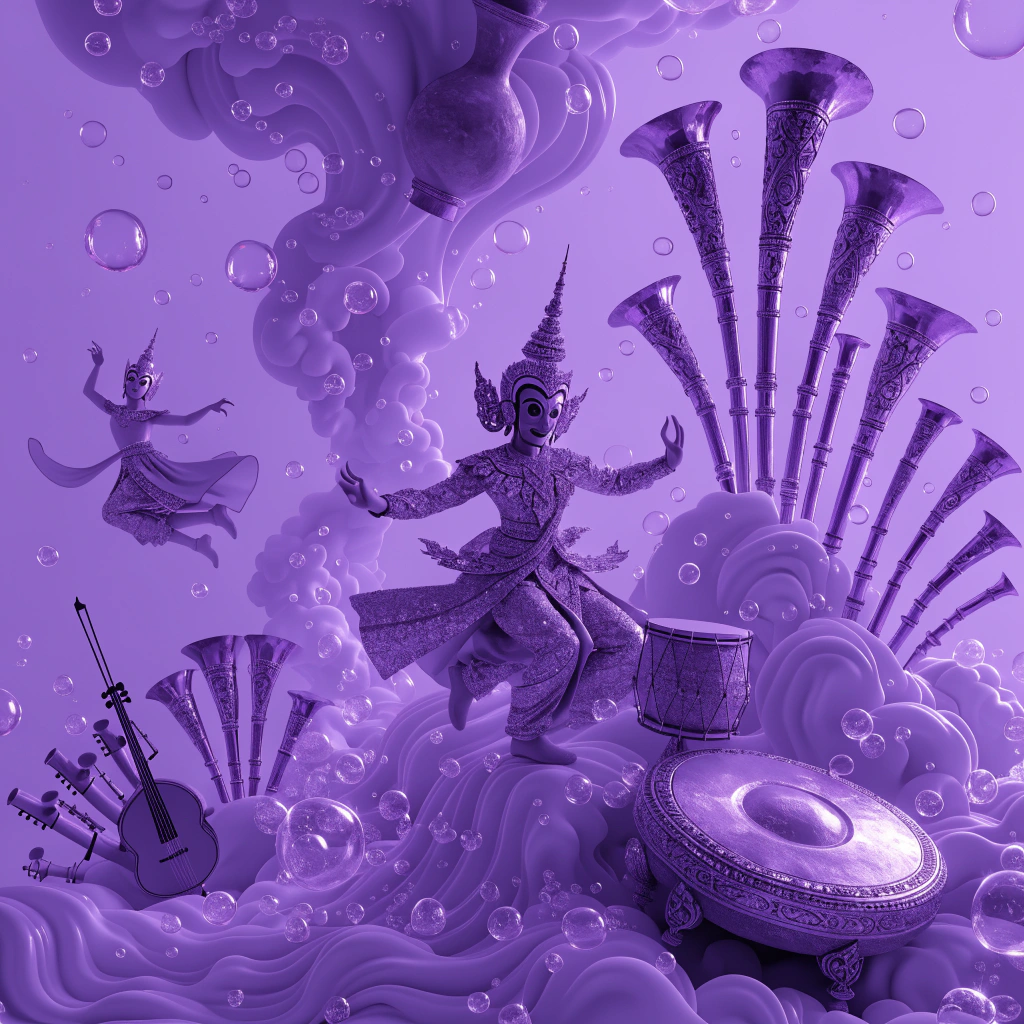
थाईलैंड में एक बहुत सुंदर कला है। इसका नाम 'खोन' है। खोन एक पुराना नाच है। इसमें लोग मुखौटे पहनकर नाचते हैं। ये मुखौटे बहुत रंगीन होते हैं और बहुत खास दिखते हैं। खोन रामायण की कहानी बताता है। रामायण भारत की एक बहुत पुरानी और प्रसिद्ध किताब है। इस नाच में कलाकार राजा, रानी और राक्षसों की भूमिका निभाते हैं। खोन नाच पहले केवल राजा के महल में होता था। अब इसे बहुत सारे लोग देखते हैं और पसंद करते हैं। यह थाईलैंड की संस्कृति का एक बहुत खास हिस्सा है। यूनेस्को ने भी इसे एक महत्वपूर्ण कला माना है। यह थाईलैंड की पहचान है।
व्याकरण स्पॉटलाइट
पैटर्न: क्रिया 'है' और 'हैं' का प्रयोग
"इसका नाम 'खोन' है। / ये मुखौटे बहुत रंगीन होते हैं।"
'है' एकवचन के लिए उपयोग होता है, जैसे 'यह एक किताब है'। 'हैं' बहुवचन के लिए उपयोग होता है, जैसे 'ये मुखौटे हैं'। यह बताता है कि कोई चीज़ एक है या एक से ज़्यादा है।
पैटर्न: संबंधकारक 'का', 'की', 'के' का प्रयोग
"थाईलैंड की संस्कृति का एक बहुत खास हिस्सा है।"
'का', 'की', 'के' शब्दों के बीच संबंध दिखाते हैं। 'की' का प्रयोग स्त्रीलिंग शब्द के साथ होता है, जैसे 'भारत की किताब'। 'का' और 'के' पुल्लिंग शब्दों के साथ लगते हैं, 'का' एकवचन के लिए और 'के' बहुवचन के लिए।
अपनी समझ जाँचें
10 सवाल · A1 शुरुआती · 1 मुफ्त प्रीव्यू
इस लेख से आपने जो सीखा उसकी जाँच करें। सभी सवालों के जवाब दें और XP कमाएँ!
खोन कहाँ की कला है?
क्या आप क्विज़ समाप्त करना चाहते हैं?
9 और सवाल आपका इंतज़ार कर रहे हैं। पूरा क्विज़ अनलॉक करने और XP कमाने के लिए मुफ्त साइन अप करें!
मुफ़्त साइन अप करोपहले से अकाउंट है? साइन इन करो
बहुत बढ़िया!
अभ्यास जारी रखें!
पहले से पूर्ण — कोई अतिरिक्त XP नहीं
XP कमाने के लिए साइन अप करोसवालों का विवरण
खोन कहाँ की कला है?
आपका जवाब:
सही जवाब: थाईलैंड
खोन में कलाकार मुखौटे नहीं पहनते हैं।
आपका जवाब:
सही जवाब: गलत
'महल' का मतलब क्या है?
आपका जवाब:
सही जवाब: राजा या रानी का बड़ा घर
खोन ____ की कहानी बताता है।
आपका जवाब:
सही जवाब: रामायण
Khon: The Beautiful Masked Dance of Thailand
Khon is a very famous and beautiful dance from Thailand. In the past, it was a royal dance. This means only the king and his family watched it in the big palace. Today, many people visit Thailand to see this special show.
The dancers wear amazing masks and bright costumes. The masks are very important because they show different characters. Some masks look like humans, but others look like monkeys or scary demons. The costumes are more colorful than normal clothes because they use gold and silk.
In the performance, the dancers do not speak. Instead, they move their bodies to tell a story. This story is from a famous book called the Ramakien. Singers and musicians sit near the stage and play traditional music. The dance is more difficult than it looks because the dancers must practice for many years.
In 2018, UNESCO said Khon is a special treasure for the world. It is an important part of Thai history. If you visit Bangkok, you should watch a Khon show.
व्याकरण स्पॉटलाइट
पैटर्न: Past Simple (was)
"In the past, it was a royal dance."
We use 'was' to describe a state or situation that finished in the past. It is the past form of 'is' for singular subjects.
पैटर्न: Comparatives (more + adjective + than)
"The costumes are more colorful than normal clothes because they use gold and silk."
We use 'more' before long adjectives to compare two things. We always use 'than' after the adjective to show what we are comparing it to.
अपनी समझ जाँचें
11 सवाल · A2 बिगिनर · 1 मुफ्त प्रीव्यू
इस लेख से आपने जो सीखा उसकी जाँच करें। सभी सवालों के जवाब दें और XP कमाएँ!
Where did the king watch Khon in the past?
क्या आप क्विज़ समाप्त करना चाहते हैं?
10 और सवाल आपका इंतज़ार कर रहे हैं। पूरा क्विज़ अनलॉक करने और XP कमाने के लिए मुफ्त साइन अप करें!
मुफ़्त साइन अप करोपहले से अकाउंट है? साइन इन करो
बहुत बढ़िया!
अभ्यास जारी रखें!
पहले से पूर्ण — कोई अतिरिक्त XP नहीं
XP कमाने के लिए साइन अप करोसवालों का विवरण
Where did the king watch Khon in the past?
आपका जवाब:
सही जवाब: In the palace
The dancers talk to the audience during the show.
आपका जवाब:
सही जवाब: गलत
What is a 'costume'?
आपका जवाब:
सही जवाब: Special clothes for actors
The dancers wear _____ to show different characters.
आपका जवाब:
सही जवाब: masks
Why are the costumes expensive?
आपका जवाब:
सही जवाब: They use gold and silk
Khon: The Royal Masked Dance of Thailand
Khon is one of the most famous and prestigious performing arts in Thailand. Since 2018, it has been recognized by UNESCO as an important part of the world's cultural heritage. This traditional masked dance drama is based on the Ramakien, which is the Thai version of an ancient Indian epic.
In the past, Khon was performed only for the royal court. However, many traditions have changed over the years to make the art more accessible to the public. Today, thousands of people have watched these beautiful shows in modern theaters. The performers wear colorful, handmade costumes and detailed masks that represent different characters, such as brave heroes, scary demons, and clever monkeys.
The actors do not speak or sing while they are dancing on stage. Instead, the story is told by a narrator and a group of musicians who sit at the side. Because the masks cover the actors' faces, they must use specific body movements to express their emotions. For instance, a certain tilt of the head or a hand gesture can show that a character is feeling angry, happy, or sad. These movements are very graceful but require a lot of strength.
Training to become a professional Khon dancer is extremely difficult and usually starts at a young age. Students must practice for many years to master the complex steps and poses. Although modern entertainment is very popular now, Khon remains a significant symbol of Thai identity. It is a beautiful treasure that has been protected by the Thai people for centuries, and it continues to fascinate audiences from all over the world.
व्याकरण स्पॉटलाइट
पैटर्न: Present Perfect Passive
"Since 2018, it has been recognized by UNESCO as an important part of the world's cultural heritage."
This pattern (has/have + been + past participle) is used to talk about an action that happened at an unspecified time in the past and is still true or relevant now, focusing on the receiver of the action.
पैटर्न: Non-defining Relative Clause
"This traditional masked dance drama is based on the Ramakien, which is the Thai version of an ancient Indian epic."
This is used to give extra information about a noun. It is separated by commas and uses 'which' for things or 'who' for people.
अपनी समझ जाँचें
11 सवाल · B1 मध्यम · 1 मुफ्त प्रीव्यू
इस लेख से आपने जो सीखा उसकी जाँच करें। सभी सवालों के जवाब दें और XP कमाएँ!
What is the main story used in Khon performances?
क्या आप क्विज़ समाप्त करना चाहते हैं?
10 और सवाल आपका इंतज़ार कर रहे हैं। पूरा क्विज़ अनलॉक करने और XP कमाने के लिए मुफ्त साइन अप करें!
मुफ़्त साइन अप करोपहले से अकाउंट है? साइन इन करो
बहुत बढ़िया!
अभ्यास जारी रखें!
पहले से पूर्ण — कोई अतिरिक्त XP नहीं
XP कमाने के लिए साइन अप करोसवालों का विवरण
What is the main story used in Khon performances?
आपका जवाब:
सही जवाब: The Ramakien
Khon actors speak their lines while they are dancing on stage.
आपका जवाब:
सही जवाब: गलत
What does 'prestigious' mean?
आपका जवाब:
सही जवाब: Respected and admired
Because the actors wear masks, they must use body _____ to show emotions.
आपका जवाब:
सही जवाब: movements
Where was Khon performed in the past?
आपका जवाब:
सही जवाब: In the royal court
थाईलैंड का 'खोन': एक शाही मुखौटा नृत्य-नाटिका
थाईलैंड की सांस्कृतिक विरासत में 'खोन' एक अत्यंत प्रतिष्ठित और नेत्र-मनमोहक प्रदर्शन कला है। यह मुखौटा नृत्य-नाटिका, जिसे 2018 में यूनेस्को द्वारा मानवता की अमूर्त सांस्कृतिक विरासत की प्रतिनिधि सूची में मान्यता दी गई थी, थाईलैंड के राष्ट्रीय गौरव का प्रतीक है। 'खोन' की कथावस्तु विशेष रूप से 'रामाकियन' से ली गई है, जो भारतीय महाकाव्य रामायण का थाई संस्करण है। यह कला रूप सदियों से थाई समाज और विशेषकर शाही दरबार के लिए अत्यंत महत्वपूर्ण रहा है।
ऐतिहासिक रूप से, 'खोन' का प्रदर्शन मुख्य रूप से शाही दरबार में किया जाता था। इसमें सैकड़ों कलाकार शामिल होते थे और इसके लिए विशाल संसाधनों की आवश्यकता होती थी, जिसमें विस्तृत वेशभूषा, जटिल मुखौटे, भव्य मंच सज्जा और कुशल संगीतकार तथा नर्तक शामिल थे। यह केवल मनोरंजन का साधन नहीं था, बल्कि यह थाई राजशाही की शक्ति, धन और सांस्कृतिक परिष्कार का भी प्रतीक था। 'खोन' के प्रदर्शन में नर्तक, गायक और कथावाचक सभी एक साथ मिलकर कहानी को जीवंत करते हैं। नर्तक अपने शरीर की सूक्ष्म गतिविधियों और मुखौटों के माध्यम से पात्रों की भावनाओं को व्यक्त करते हैं, जबकि गायक और कथावाचक कहानी को आगे बढ़ाते हैं।
'खोन' की सबसे विशिष्ट विशेषता इसके पात्रों द्वारा पहने जाने वाले मुखौटे हैं। ये मुखौटे पात्रों की पहचान, व्यक्तित्व और स्थिति को दर्शाते हैं। उदाहरण के लिए, देवताओं और मनुष्यों के मुखौटे होते हैं, जबकि राक्षसों और वानरों के मुखौटे अधिक जटिल और रंगीन होते हैं। प्रत्येक मुखौटे का अपना एक विशिष्ट रंग और डिज़ाइन होता है, जो दर्शकों को पात्रों को पहचानने में मदद करता है। इसके अतिरिक्त, कलाकारों की वेशभूषा भी अत्यंत अलंकृत और विस्तृत होती है, जिसमें सोने की कढ़ाई और बहुमूल्य रत्नों का उपयोग किया जाता है, जो इसे और भी भव्य बना देती है।
आधुनिक समय में, हालांकि 'खोन' अभी भी अपनी शाही जड़ों को बरकरार रखता है, इसे जनता के लिए भी सुलभ बनाया गया है। सरकार और विभिन्न सांस्कृतिक संगठन इसके संरक्षण और प्रचार के लिए अथक प्रयास कर रहे हैं। यूनेस्को की मान्यता ने इस कला रूप को एक नई पहचान दी है और इसके संरक्षण के प्रयासों को बल प्रदान किया है। 'खोन' केवल एक नृत्य-नाटिका नहीं है; यह थाईलैंड की आत्मा का एक जीवंत प्रतिबिंब है, जो अपनी समृद्ध परंपराओं और कलात्मक उत्कृष्टता के माध्यम से पीढ़ी-दर-पीढ़ी अपनी कहानी कहता आ रहा है। यह कला रूप थाई सांस्कृतिक पहचान का एक अमूल्य हिस्सा है, जिसे वैश्विक मंच पर गर्व के साथ प्रस्तुत किया जाता है।
व्याकरण स्पॉटलाइट
पैटर्न: प्रेरणार्थक क्रिया (Causative Verb)
"यह कला रूप सदियों से थाई समाज और विशेषकर शाही दरबार के लिए अत्यंत महत्वपूर्ण रहा है।"
प्रेरणार्थक क्रियाएँ वह क्रियाएँ होती हैं जिनमें कर्ता स्वयं कार्य न करके किसी और से करवाता है। हालाँकि, इस उदाहरण में 'रहा है' एक सहायक क्रिया है जो 'महत्वपूर्ण होना' की निरंतरता को दर्शाती है। इसका प्रयोग किसी स्थिति या क्रिया के लंबे समय तक जारी रहने को व्यक्त करने के लिए होता है।
पैटर्न: संबंधवाचक सर्वनाम 'जो... वह...' (Relative Pronoun 'Jo... Vah...')
"जो अपनी समृद्ध परंपराओं और कलात्मक उत्कृष्टता के माध्यम से पीढ़ी-दर-पीढ़ी अपनी कहानी कहता आ रहा है।"
यह संरचना दो वाक्यों को जोड़ती है, जहाँ 'जो' एक खंड को प्रस्तुत करता है और 'वह' (या उसका छिपा हुआ रूप) दूसरे खंड में उसके संदर्भ को स्पष्ट करता है। यह किसी व्यक्ति या वस्तु की पहचान या विशेषता बताने के लिए प्रयोग होता है।
पैटर्न: के माध्यम से (Through, By means of)
"नर्तक अपने शरीर की सूक्ष्म गतिविधियों और मुखौटों के माध्यम से पात्रों की भावनाओं को व्यक्त करते हैं।"
'के माध्यम से' एक संबंधबोधक है जिसका प्रयोग यह बताने के लिए किया जाता है कि कोई कार्य किस साधन, तरीके या प्रक्रिया का उपयोग करके किया गया है। यह किसी क्रिया के होने के माध्यम को दर्शाता है।
अपनी समझ जाँचें
11 सवाल · B2 अपर इंटरमीडिएट · 1 मुफ्त प्रीव्यू
इस लेख से आपने जो सीखा उसकी जाँच करें। सभी सवालों के जवाब दें और XP कमाएँ!
'खोन' नृत्य-नाटिका की कथावस्तु कहाँ से ली गई है?
क्या आप क्विज़ समाप्त करना चाहते हैं?
10 और सवाल आपका इंतज़ार कर रहे हैं। पूरा क्विज़ अनलॉक करने और XP कमाने के लिए मुफ्त साइन अप करें!
मुफ़्त साइन अप करोपहले से अकाउंट है? साइन इन करो
बहुत बढ़िया!
अभ्यास जारी रखें!
पहले से पूर्ण — कोई अतिरिक्त XP नहीं
XP कमाने के लिए साइन अप करोसवालों का विवरण
'खोन' नृत्य-नाटिका की कथावस्तु कहाँ से ली गई है?
आपका जवाब:
सही जवाब: रामायण के थाई संस्करण 'रामाकियन' से
'खोन' का प्रदर्शन केवल शाही दरबार तक ही सीमित रहा है और जनता के लिए कभी सुलभ नहीं हुआ।
आपका जवाब:
सही जवाब: गलत
'अमूर्त' शब्द का सही अर्थ क्या है?
आपका जवाब:
सही जवाब: जिसे छुआ या देखा न जा सके
'खोन' को 2018 में यूनेस्को द्वारा मानवता की ______ सांस्कृतिक विरासत की प्रतिनिधि सूची में मान्यता दी गई थी।
आपका जवाब:
सही जवाब: अमूर्त
नर्तक अपने शरीर की सूक्ष्म गतिविधियों और ______ के माध्यम से पात्रों की भावनाओं को व्यक्त करते हैं।
आपका जवाब:
सही जवाब: मुखौटों
The Alchemical Fusion of Myth and Movement: The Enduring Legacy of Khon
Recognized by UNESCO in 2018 as part of the Intangible Cultural Heritage of Humanity, Khon stands as the pinnacle of Thai dramatic arts. Not only does Khon represent a sophisticated synthesis of dance and drama, but it also serves as a living vessel for Thailand’s historical and spiritual identity. Traditionally performed within the exclusive confines of the royal court, this masked dance drama draws its narrative exclusively from the Ramakien, the Thai iteration of the ancient Indian epic, the Ramayana.
It is through this meticulous fusion of movement and mask that the narrative transcends linguistic barriers, allowing the audience to witness the cosmic struggle between good and evil. The masks are not merely decorative; they are transformative artifacts that encapsulate the essence of deities, demons, and simians. Seldom does a performance demand such physical and mental fortitude from its practitioners, who often begin their arduous training in early childhood. The dancers must master a lexicon of gestures so precise that every tilt of the head conveys a specific emotional nuance.
The institutionalization of Khon within the royal court ensured the preservation of its most intricate techniques across centuries. Historically, the sheer scale of these productions—involving hundreds of performers and elaborate costumes embroidered with gold thread—rendered them a symbol of the monarch’s prestige and divine mandate. However, the transition from a court-bound spectacle to a public cultural treasure has invited critical analysis regarding its contemporary relevance. Some scholars argue that the rigid adherence to tradition risks making the art form a museum piece, while others maintain that its sanctity lies in its resistance to modernization.
At the heart of Khon lies a profound dualism. The narrative explores the tension between duty and desire, order and chaos. This thematic depth is mirrored in the choreography, where the graceful, fluid movements of the protagonists contrast sharply with the aggressive, staccato rhythms of the antagonists. Furthermore, the performance is traditionally accompanied by a Piphat ensemble and a chorus of singers who narrate the action, as the masked dancers remain silent. This separation of voice and body creates a unique aesthetic distance, emphasizing the archetypal nature of the characters.
Despite the ephemeral nature of live performance, the lineage of Khon is sustained through a deep-seated reverence for the master-student relationship. This bond ensures the transmission of tacit knowledge—those subtle, unwritten cues—that cannot be captured in scripts or recordings alone. In the modern era, Khon faces the dual challenge of maintaining its inherent grandeur while appealing to an increasingly globalized and distracted audience. While some contemporary adaptations have introduced cinematic lighting and streamlined durations to accommodate modern sensibilities, the core of the performance remains a testament to Thai resilience and artistic brilliance. Ultimately, Khon is more than just a visual spectacle; it is a philosophical inquiry into the human condition, elegantly masked in the guise of myth.
व्याकरण स्पॉटलाइट
पैटर्न: Negative Inversion
"Seldom does a performance demand such physical and mental fortitude from its practitioners..."
When a sentence starts with a negative or restrictive adverbial like 'seldom', the auxiliary verb comes before the subject. This is used in formal writing to add emphasis or dramatic effect.
पैटर्न: Cleft Sentences
"It is through this meticulous fusion of movement and mask that the narrative transcends linguistic barriers..."
A cleft sentence is used to focus on a specific part of the sentence. It starts with 'It is/was' followed by the focused information and a relative clause starting with 'that'.
पैटर्न: Nominalization
"The institutionalization of Khon within the royal court ensured the preservation of its most intricate techniques across centuries."
Nominalization involves turning verbs or adjectives into nouns (e.g., 'institutionalize' to 'institutionalization'). It makes writing sound more academic, objective, and dense by focusing on concepts rather than actions.
अपनी समझ जाँचें
12 सवाल · C1 उन्नत · 1 मुफ्त प्रीव्यू
इस लेख से आपने जो सीखा उसकी जाँच करें। सभी सवालों के जवाब दें और XP कमाएँ!
What is the primary narrative source for Khon performances?
क्या आप क्विज़ समाप्त करना चाहते हैं?
11 और सवाल आपका इंतज़ार कर रहे हैं। पूरा क्विज़ अनलॉक करने और XP कमाने के लिए मुफ्त साइन अप करें!
मुफ़्त साइन अप करोपहले से अकाउंट है? साइन इन करो
बहुत बढ़िया!
अभ्यास जारी रखें!
पहले से पूर्ण — कोई अतिरिक्त XP नहीं
XP कमाने के लिए साइन अप करोसवालों का विवरण
What is the primary narrative source for Khon performances?
आपका जवाब:
सही जवाब: The Ramakien
Khon performers traditionally speak their own lines while wearing masks.
आपका जवाब:
सही जवाब: गलत
Which word describes something that lasts for a very short time?
आपका जवाब:
सही जवाब: Ephemeral
The _____ of Khon within the royal court helped preserve its complex techniques.
आपका जवाब:
सही जवाब: institutionalization
In what year was Khon recognized by UNESCO?
आपका जवाब:
सही जवाब: 2018
Some argue that strictly following tradition might turn Khon into a 'museum piece'.
आपका जवाब:
सही जवाब: सही
थाईलैंड की 'खोन' नृत्य नाटिका: रामायण की थाई गाथा का एक अदभुत मंचन
थाईलैंड की सांस्कृतिक विरासत में 'खोन' नृत्य नाटिका का स्थान अद्वितीय है, जो न केवल एक कलात्मक अभिव्यक्ति है, बल्कि थाई पहचान का एक जीवंत प्रतीक भी है। यह निर्विवाद रूप से कहा जा सकता है कि खोन, अपनी भव्यता और प्रतीकात्मक गहराई के साथ, थाईलैंड की सबसे प्रतिष्ठित और नेत्र-सुखद प्रदर्शन कलाओं में से एक है। 2018 में, यूनेस्को ने इसे मानवता की अमूर्त सांस्कृतिक विरासत की प्रतिनिधि सूची में शामिल कर इसके वैश्विक महत्व को रेखांकित किया, जो इसकी उत्कृष्ट कलात्मकता और सांस्कृतिक संरक्षण के प्रति प्रतिबद्धता का प्रमाण है।
खोन मूलतः एक मुखौटा नृत्य नाटक है, जिसकी कथावस्तु अनिवार्यतः थाई रामायण, जिसे 'रामकियेन' के नाम से जाना जाता है, से ली गई है। रामकियेन भारतीय महाकाव्य रामायण का थाई रूपांतरण है, जिसमें स्थानीय रंग, लोककथाएँ और बौद्ध दर्शन का सम्मिश्रण है। इस प्रकार, खोन केवल एक प्रदर्शन नहीं, बल्कि सदियों से चली आ रही एक परंपरा का मूर्त रूप है जो धार्मिक और सांस्कृतिक मूल्यों को पीढ़ी दर पीढ़ी हस्तांतरित करती है। ऐतिहासिक रूप से, खोन का प्रदर्शन मुख्यतः शाही दरबारों तक ही सीमित था, जहाँ इसे राजाओं और अभिजात वर्ग के मनोरंजन के लिए प्रस्तुत किया जाता था। ये प्रदर्शन अक्सर सैकड़ों कलाकारों को सम्मिलित करते थे और इनके आयोजन में अथाह संसाधनों की आवश्यकता होती थी, जो इसकी विशिष्टता और शाही संरक्षण का द्योतक था।
खोन की सबसे विशिष्ट विशेषताओं में से एक इसके कलाकारों द्वारा पहने जाने वाले विस्तृत मुखौटे हैं, जो पात्रों की पहचान और उनके व्यक्तित्व को स्पष्ट रूप से दर्शाते हैं। ये मुखौटे, जो देवताओं, राक्षसों, वानरों और मनुष्यों के विभिन्न रूपों को चित्रित करते हैं, अपने आप में कला के उत्कृष्ट नमूने हैं। प्रत्येक मुखौटे का रंग, आकार और अलंकरण एक विशिष्ट चरित्र से जुड़ा होता है, जिससे दर्शकों को पात्रों को पहचानने में आसानी होती है, भले ही संवाद न्यूनतम हों। वास्तव में, खोन में संवादों की अपेक्षा शारीरिक हाव-भाव, नृत्य मुद्राओं और संगीत पर अधिक बल दिया जाता है, जो इसकी गैर-मौखिक कथा कहने की क्षमता को बढ़ाता है।
संगीत, जो 'पिपात' नामक ऑर्केस्ट्रा द्वारा प्रस्तुत किया जाता है, खोन के प्रदर्शन का एक अभिन्न अंग है। यह संगीत केवल पृष्ठभूमि में बजने वाला ध्वनि-संयोजन नहीं, बल्कि कथा के प्रवाह को नियंत्रित करने वाला एक सक्रिय घटक है। यह कलाकारों की गतिविधियों को निर्देशित करता है, भावनात्मक गहराई प्रदान करता है और नाटकीय तनाव को बढ़ाता है। पिपात ऑर्केस्ट्रा में विभिन्न प्रकार के पारंपरिक थाई वाद्ययंत्र शामिल होते हैं, जैसे कि रनत एक (ज़ाइलोफोन), खोंग वोंग (गोंग वृत्त), पी (ओबो), और तबारत (ड्रम), जो मिलकर एक समृद्ध और जटिल ध्वनि-परिदृश्य बनाते हैं।
आधुनिक युग में, शाही संरक्षण में कमी और बदलते सामाजिक परिवेश के बावजूद, खोन अपनी प्रासंगिकता बनाए रखने में सफल रहा है। यद्यपि अब यह केवल शाही दरबारों तक सीमित नहीं है और सार्वजनिक मंचों पर भी इसका प्रदर्शन होता है, फिर भी इसकी उत्कृष्टता और पारंपरिक स्वरूप को अक्षुण्ण रखने का प्रयास किया जाता है। थाईलैंड की सरकार और विभिन्न सांस्कृतिक संगठन इसके पुनरुत्थान और संरक्षण के लिए अथक प्रयास कर रहे हैं, ताकि नई पीढ़ियाँ इस अमूल्य विरासत से परिचित हो सकें। यह कहना अतिशयोक्ति न होगी कि खोन सिर्फ एक नृत्य नहीं, बल्कि एक चलती-फिरती कला दीर्घा है जो थाई संस्कृति, धर्म और इतिहास को एक ही मंच पर समेटे हुए है। इसके प्रत्येक प्रदर्शन में, दर्शक न केवल एक कहानी देखते हैं, बल्कि एक प्राचीन सभ्यता की आत्मा का अनुभव करते हैं, जो आज भी अपने गौरव और सौंदर्य के साथ जीवित है। अतः, खोन को केवल एक मनोरंजन के माध्यम के रूप में देखना एक अति सरलीकरण होगा; यह वास्तव में एक गहन सांस्कृतिक और आध्यात्मिक यात्रा है।
व्याकरण स्पॉटलाइट
पैटर्न: प्रेरणार्थक क्रिया का प्रयोग (Causative Verb Usage)
"यह कहना अतिशयोक्ति न होगी कि खोन सिर्फ एक नृत्य नहीं, बल्कि एक चलती-फिरती कला दीर्घा है जो थाई संस्कृति, धर्म और इतिहास को एक ही मंच पर समेटे हुए है।"
प्रेरणार्थक क्रियाएँ वह होती हैं जहाँ कर्ता स्वयं कार्य न करके किसी और से कार्य करवाता है। 'समेटे हुए है' यहाँ 'समेटना' का प्रेरणार्थक रूप है, जिसका अर्थ है 'किसी चीज़ को इकट्ठा करना या शामिल करना'। यह क्रिया यहाँ थाई संस्कृति, धर्म और इतिहास को एक साथ शामिल करने या समेटने के भाव को व्यक्त करती है।
पैटर्न: संबंधवाचक सर्वनाम 'जो' का जटिल प्रयोग
"खोन मूलतः एक मुखौटा नृत्य नाटक है, जिसकी कथावस्तु अनिवार्यतः थाई रामायण, जिसे 'रामकियेन' के नाम से जाना जाता है, से ली गई है।"
संबंधवाचक सर्वनाम 'जो' का प्रयोग वाक्यों को जोड़ने और किसी पूर्ववर्ती संज्ञा या सर्वनाम के बारे में अतिरिक्त जानकारी देने के लिए किया जाता है। यहाँ 'जिसकी' (जो का स्त्रीलिंग एकवचन संबंध कारक) का प्रयोग 'कथावस्तु' के साथ संबंध दर्शाने के लिए हुआ है, और 'जिसे' (जो का कर्म कारक) का प्रयोग 'थाई रामायण' को 'रामकियेन' के रूप में संदर्भित करने के लिए किया गया है, जिससे वाक्य में जटिलता और स्पष्टता आती है।
पैटर्न: संभाव्य/शर्तसूचक क्रियाएँ (Subjunctive/Conditional Verbs)
"यद्यपि अब यह केवल शाही दरबारों तक सीमित नहीं है और सार्वजनिक मंचों पर भी इसका प्रदर्शन होता है, फिर भी इसकी उत्कृष्टता और पारंपरिक स्वरूप को अक्षुण्ण रखने का प्रयास किया जाता है, ताकि नई पीढ़ियाँ इस अमूल्य विरासत से परिचित हो सकें।"
इस वाक्य में 'हो सकें' क्रिया संभाव्य या उद्देश्य को दर्शाती है। 'ताकि' के साथ इसका प्रयोग यह बताता है कि 'प्रयास किया जाता है' का उद्देश्य क्या है – 'नई पीढ़ियों का परिचित होना'। यह क्रिया रूप किसी संभावना, इच्छा, उद्देश्य या शर्त को व्यक्त करने के लिए उपयोग होता है, जो C2 स्तर पर वाक्य संरचना को अधिक सूक्ष्मता प्रदान करता है।
अपनी समझ जाँचें
12 सवाल · C2 महारत · 1 मुफ्त प्रीव्यू
इस लेख से आपने जो सीखा उसकी जाँच करें। सभी सवालों के जवाब दें और XP कमाएँ!
यूनेस्को ने 'खोन' को मानवता की अमूर्त सांस्कृतिक विरासत की प्रतिनिधि सूची में कब शामिल किया?
क्या आप क्विज़ समाप्त करना चाहते हैं?
11 और सवाल आपका इंतज़ार कर रहे हैं। पूरा क्विज़ अनलॉक करने और XP कमाने के लिए मुफ्त साइन अप करें!
मुफ़्त साइन अप करोपहले से अकाउंट है? साइन इन करो
बहुत बढ़िया!
अभ्यास जारी रखें!
पहले से पूर्ण — कोई अतिरिक्त XP नहीं
XP कमाने के लिए साइन अप करोसवालों का विवरण
यूनेस्को ने 'खोन' को मानवता की अमूर्त सांस्कृतिक विरासत की प्रतिनिधि सूची में कब शामिल किया?
आपका जवाब:
सही जवाब: 2018 में
खोन की कथावस्तु केवल भारतीय महाकाव्य रामायण से ली गई है और इसमें कोई स्थानीय तत्व नहीं हैं।
आपका जवाब:
सही जवाब: गलत
'अद्वितीय' शब्द का क्या अर्थ है?
आपका जवाब:
सही जवाब: बेजोड़ या अनुपम
खोन प्रदर्शनों में, संवादों की अपेक्षा शारीरिक हाव-भाव, नृत्य मुद्राओं और _____ पर अधिक बल दिया जाता है।
आपका जवाब:
सही जवाब: संगीत
ऐतिहासिक रूप से, खोन का प्रदर्शन मुख्यतः कहाँ तक सीमित था?
आपका जवाब:
सही जवाब: शाही दरबारों तक
'पिपात' नामक ऑर्केस्ट्रा खोन के प्रदर्शन का एक अभिन्न अंग है।
आपका जवाब:
सही जवाब: सही

