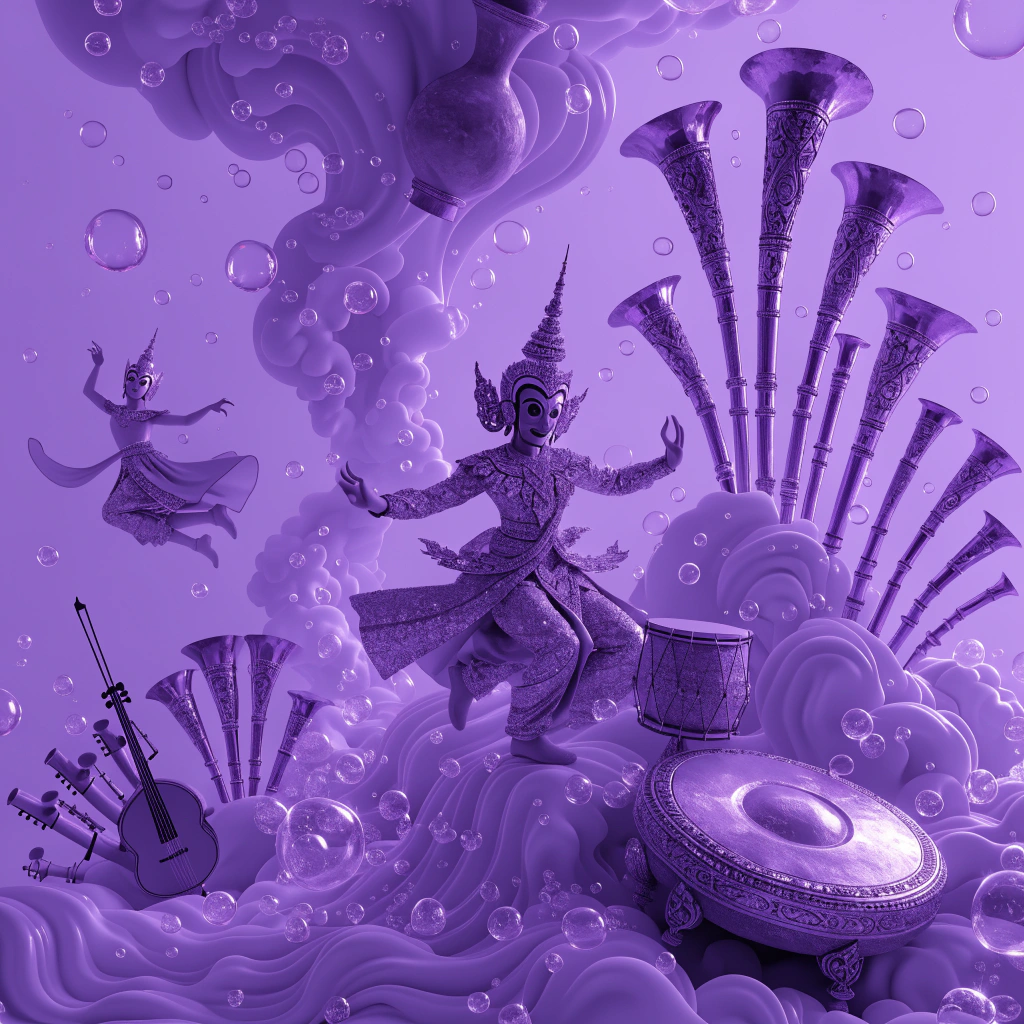
The Beautiful Dance of Thailand
Khon is a special dance from Thailand. It is very old and beautiful. The dancers wear colorful clothes. They also wear big masks. The masks show faces of heroes and monsters.
The dancers do not speak. They move their bodies to music. Other people tell the story and sing. The story is about a king and a queen.
In the past, Khon was only for the king. Today, many people watch it. It is a famous part of Thai culture. People love the bright colors and the music.
تسليط الضوء على القواعد
نمط: Present Simple (to be)
"Khon is a special dance from Thailand."
We use 'is' with singular subjects like 'Khon'. It is used to state facts or describe things.
نمط: Present Simple (Action Verbs)
"The dancers wear colorful clothes."
When the subject is plural (dancers), the verb stays in its base form. We do not add an 's' to the verb.
اختبر فهمك
10 أسئلة · A1 مبتدئ · معاينة مجانية واحدة
اختبر ما تعلمته من هذا المقال. أجب على جميع الأسئلة لكسب نقاط خبرة!
What is Khon?
هل تريد إنهاء الاختبار؟
9 أسئلة أخرى بانتظارك. سجّل مجاناً لفتح الاختبار الكامل وكسب نقاط خبرة!
سجل مجاناًلديك حساب بالفعل؟ دخول
تفصيل الأسئلة
What is Khon?
إجابتك:
الإجابة الصحيحة: A special dance
The dancers speak during the performance.
إجابتك:
الإجابة الصحيحة: خطأ
What is a 'mask'?
إجابتك:
الإجابة الصحيحة: Something for the face
The dancers wear _____ clothes.
إجابتك:
الإجابة الصحيحة: colorful
Khon: The Beautiful Masked Dance of Thailand
Khon is a very famous and beautiful dance from Thailand. In the past, it was a royal dance. This means only the king and his family watched it in the big palace. Today, many people visit Thailand to see this special show.
The dancers wear amazing masks and bright costumes. The masks are very important because they show different characters. Some masks look like humans, but others look like monkeys or scary demons. The costumes are more colorful than normal clothes because they use gold and silk.
In the performance, the dancers do not speak. Instead, they move their bodies to tell a story. This story is from a famous book called the Ramakien. Singers and musicians sit near the stage and play traditional music. The dance is more difficult than it looks because the dancers must practice for many years.
In 2018, UNESCO said Khon is a special treasure for the world. It is an important part of Thai history. If you visit Bangkok, you should watch a Khon show.
تسليط الضوء على القواعد
نمط: Past Simple (was)
"In the past, it was a royal dance."
We use 'was' to describe a state or situation that finished in the past. It is the past form of 'is' for singular subjects.
نمط: Comparatives (more + adjective + than)
"The costumes are more colorful than normal clothes because they use gold and silk."
We use 'more' before long adjectives to compare two things. We always use 'than' after the adjective to show what we are comparing it to.
اختبر فهمك
11 أسئلة · A2 ابتدائي · معاينة مجانية واحدة
اختبر ما تعلمته من هذا المقال. أجب على جميع الأسئلة لكسب نقاط خبرة!
Where did the king watch Khon in the past?
هل تريد إنهاء الاختبار؟
10 أسئلة أخرى بانتظارك. سجّل مجاناً لفتح الاختبار الكامل وكسب نقاط خبرة!
سجل مجاناًلديك حساب بالفعل؟ دخول
تفصيل الأسئلة
Where did the king watch Khon in the past?
إجابتك:
الإجابة الصحيحة: In the palace
The dancers talk to the audience during the show.
إجابتك:
الإجابة الصحيحة: خطأ
What is a 'costume'?
إجابتك:
الإجابة الصحيحة: Special clothes for actors
The dancers wear _____ to show different characters.
إجابتك:
الإجابة الصحيحة: masks
Why are the costumes expensive?
إجابتك:
الإجابة الصحيحة: They use gold and silk
الخون: فن الأداء التايلاندي التراثي
الخون هو أحد أروع فنون الأداء في تايلاند، وقد تم الاعتراف به دوليًا. في عام 2018، أدرجت منظمة اليونسكو هذا الفن على قائمتها التمثيلية للتراث الثقافي غير المادي للبشرية، مما يؤكد أهميته العالمية.
تاريخيًا، كان الخون يُقدم بشكل رئيسي في البلاط الملكي التايلاندي. لقد كان عرضًا يتطلب موارد ضخمة ومئات من المؤدين، مما جعله فنًا مخصصًا للطبقة الحاكمة. يتميز الخون بأنه دراما رقص مقنعة، حيث يرتدي الراقصون أقنعة ملونة وزاهية تمثل الشخصيات المختلفة في القصة. هذه الأقنعة ليست مجرد زينة، بل هي جزء أساسي من التعبير الفني لكل شخصية.
تعتمد عروض الخون بشكل حصري على ملحمة "الراماكيين"، وهي النسخة التايلاندية من الملحمة الهندية الشهيرة "الرامايانا". تحكي هذه الملحمة قصصًا عن الأبطال والآلهة والشياطين، وتُقدم بطريقة فنية تجمع بين الرقص والموسيقى والأزياء الفاخرة. لقد أصبح الخون اليوم متاحًا لجمهور أوسع، ولا يزال يُحافظ على تقاليده العريقة وجماله البصري المذهل.
إن مشاهدة عرض الخون تجربة ثقافية فريدة؛ إنها فرصة للتعرف على جزء مهم من التاريخ والفن التايلاندي. هذا الفن العريق قد استمر في التطور مع الحفاظ على جوهره الأصيل، وهو يعكس الغنى الثقافي لتايلاند.
تسليط الضوء على القواعد
نمط: الفعل المبني للمجهول (Passive Voice)
"وقد تم الاعتراف به دوليًا."
يُستخدم الفعل المبني للمجهول عندما لا نعرف الفاعل أو عندما يكون الفاعل غير مهم، أو عندما نريد التركيز على الفعل نفسه أو المفعول به. يُصاغ عادة باستخدام الفعل 'تم' أو 'يتم' متبوعًا بالمصدر، أو بتغيير بنية الفعل الماضي والمضارع.
نمط: الجملة الموصولة (Relative Clause)
"هذه الأقنعة ليست مجرد زينة، بل هي جزء أساسي من التعبير الفني لكل شخصية."
تُستخدم الجملة الموصولة لإضافة معلومات إضافية عن اسم سبقها. تبدأ عادة بضمير موصول مثل 'الذي'، 'التي'، 'الذين'، 'اللواتي' أو 'ما'. تساعد هذه الجمل على ربط الأفكار وتوضيح المعنى.
اختبر فهمك
11 أسئلة · B1 متوسط · معاينة مجانية واحدة
اختبر ما تعلمته من هذا المقال. أجب على جميع الأسئلة لكسب نقاط خبرة!
ماذا أدرجت منظمة اليونسكو الخون في عام 2018؟
هل تريد إنهاء الاختبار؟
10 أسئلة أخرى بانتظارك. سجّل مجاناً لفتح الاختبار الكامل وكسب نقاط خبرة!
سجل مجاناًلديك حساب بالفعل؟ دخول
تفصيل الأسئلة
ماذا أدرجت منظمة اليونسكو الخون في عام 2018؟
إجابتك:
الإجابة الصحيحة: على قائمتها التمثيلية للتراث الثقافي غير المادي للبشرية
كان الخون في الماضي يُقدم بشكل رئيسي في البلاط الملكي التايلاندي.
إجابتك:
الإجابة الصحيحة: صحيح
ماذا تعني كلمة 'ملحمة'؟
إجابتك:
الإجابة الصحيحة: قصة شعرية طويلة تحكي عن أبطال وأحداث عظيمة
تعتمد عروض الخون بشكل حصري على ملحمة '_____'.
إجابتك:
الإجابة الصحيحة: الراماكيين
ما هي الملحمة التي تعتمد عليها عروض الخون؟
إجابتك:
الإجابة الصحيحة: الراماكيين
The Royal Splendor of Khon: Thailand’s Masked Masterpiece
Khon, a sophisticated genre of masked dance drama, stands as a testament to Thailand's rich cultural heritage and artistic excellence. Recognized by UNESCO in 2018 as part of the Intangible Cultural Heritage of Humanity, this performance art is not merely a visual spectacle; it is a profound narrative manifestation of the Ramakien, the Thai adaptation of the ancient Indian epic, the Ramayana. Historically, Khon was a prestigious privilege reserved exclusively for the royal court, where it was performed by hundreds of skilled artists and supported by immense resources from the monarchy.
Despite its ancient roots, the art form continues to captivate modern audiences with its intricate choreography and vibrant aesthetics. The essence of Khon lies in its elaborate masks, which represent various characters such as divine beings, heroes, and demons. These masks are meticulously crafted, serving both as functional costumes and as symbolic markers of status and personality. Since the performers' faces are entirely concealed by these heavy masks, they must rely on highly stylized gestures and body movements to convey complex emotions and plot developments. This physical discipline is incredibly demanding; dancers often undergo years of rigorous training to master the specific postures and rhythmic footwork required for their respective roles.
Furthermore, the performance is traditionally accompanied by a 'piphat' ensemble—a classical musical group—and a chorus of singers who narrate the story from the side of the stage. This separation of voice and movement allows the dancers to focus entirely on the physical manifestation of the narrative. Although the stories being told are centuries old, the themes of struggle between righteousness and malice remain universally relevant, allowing Khon to resonate with people across different cultures and eras.
In the contemporary era, Khon has successfully transitioned from the exclusive confines of the palace to the public stage. While some might argue that rapid modernization threatens traditional arts, Khon has proven remarkably resilient. Educational institutions and cultural organizations have implemented various initiatives to ensure that younger generations appreciate and preserve this intricate legacy. Consequently, Khon remains a vital part of Thailand's national identity, bridging the gap between historical grandeur and modern artistic expression. By analyzing its components, one can truly appreciate the immense dedication required to maintain such a complex and beautiful art form.
تسليط الضوء على القواعد
نمط: Passive Voice (Present and Past)
"Historically, Khon was a prestigious privilege reserved exclusively for the royal court."
The passive voice is used here to focus on the art form (the object) rather than the people who performed it. It is formed using 'to be' + the past participle.
نمط: Relative Clauses
"The essence of Khon lies in its elaborate masks, which represent various characters such as divine beings, heroes, and demons."
This non-defining relative clause provides extra information about the 'masks'. It uses 'which' to add descriptive detail without starting a new sentence.
نمط: Contrastive Discourse Markers
"While some might argue that rapid modernization threatens traditional arts, Khon has proven remarkably resilient."
The word 'while' is used as a subordinator to show a contrast between two ideas within the same sentence, a common feature of academic B2 writing.
اختبر فهمك
11 أسئلة · B2 فوق المتوسط · معاينة مجانية واحدة
اختبر ما تعلمته من هذا المقال. أجب على جميع الأسئلة لكسب نقاط خبرة!
What is the primary source of the stories performed in Khon?
هل تريد إنهاء الاختبار؟
10 أسئلة أخرى بانتظارك. سجّل مجاناً لفتح الاختبار الكامل وكسب نقاط خبرة!
سجل مجاناًلديك حساب بالفعل؟ دخول
تفصيل الأسئلة
What is the primary source of the stories performed in Khon?
إجابتك:
الإجابة الصحيحة: The Ramakien
Dancers in Khon traditionally use their own voices to speak during the performance.
إجابتك:
الإجابة الصحيحة: خطأ
What does 'meticulously' mean in the context of the article?
إجابتك:
الإجابة الصحيحة: With extreme attention to detail
Khon was recognized by UNESCO as part of the _____ Cultural Heritage of Humanity.
إجابتك:
الإجابة الصحيحة: Intangible
Why must Khon dancers rely heavily on stylized gestures?
إجابتك:
الإجابة الصحيحة: Because their faces are covered by masks
The Alchemical Fusion of Myth and Movement: The Enduring Legacy of Khon
Recognized by UNESCO in 2018 as part of the Intangible Cultural Heritage of Humanity, Khon stands as the pinnacle of Thai dramatic arts. Not only does Khon represent a sophisticated synthesis of dance and drama, but it also serves as a living vessel for Thailand’s historical and spiritual identity. Traditionally performed within the exclusive confines of the royal court, this masked dance drama draws its narrative exclusively from the Ramakien, the Thai iteration of the ancient Indian epic, the Ramayana.
It is through this meticulous fusion of movement and mask that the narrative transcends linguistic barriers, allowing the audience to witness the cosmic struggle between good and evil. The masks are not merely decorative; they are transformative artifacts that encapsulate the essence of deities, demons, and simians. Seldom does a performance demand such physical and mental fortitude from its practitioners, who often begin their arduous training in early childhood. The dancers must master a lexicon of gestures so precise that every tilt of the head conveys a specific emotional nuance.
The institutionalization of Khon within the royal court ensured the preservation of its most intricate techniques across centuries. Historically, the sheer scale of these productions—involving hundreds of performers and elaborate costumes embroidered with gold thread—rendered them a symbol of the monarch’s prestige and divine mandate. However, the transition from a court-bound spectacle to a public cultural treasure has invited critical analysis regarding its contemporary relevance. Some scholars argue that the rigid adherence to tradition risks making the art form a museum piece, while others maintain that its sanctity lies in its resistance to modernization.
At the heart of Khon lies a profound dualism. The narrative explores the tension between duty and desire, order and chaos. This thematic depth is mirrored in the choreography, where the graceful, fluid movements of the protagonists contrast sharply with the aggressive, staccato rhythms of the antagonists. Furthermore, the performance is traditionally accompanied by a Piphat ensemble and a chorus of singers who narrate the action, as the masked dancers remain silent. This separation of voice and body creates a unique aesthetic distance, emphasizing the archetypal nature of the characters.
Despite the ephemeral nature of live performance, the lineage of Khon is sustained through a deep-seated reverence for the master-student relationship. This bond ensures the transmission of tacit knowledge—those subtle, unwritten cues—that cannot be captured in scripts or recordings alone. In the modern era, Khon faces the dual challenge of maintaining its inherent grandeur while appealing to an increasingly globalized and distracted audience. While some contemporary adaptations have introduced cinematic lighting and streamlined durations to accommodate modern sensibilities, the core of the performance remains a testament to Thai resilience and artistic brilliance. Ultimately, Khon is more than just a visual spectacle; it is a philosophical inquiry into the human condition, elegantly masked in the guise of myth.
تسليط الضوء على القواعد
نمط: Negative Inversion
"Seldom does a performance demand such physical and mental fortitude from its practitioners..."
When a sentence starts with a negative or restrictive adverbial like 'seldom', the auxiliary verb comes before the subject. This is used in formal writing to add emphasis or dramatic effect.
نمط: Cleft Sentences
"It is through this meticulous fusion of movement and mask that the narrative transcends linguistic barriers..."
A cleft sentence is used to focus on a specific part of the sentence. It starts with 'It is/was' followed by the focused information and a relative clause starting with 'that'.
نمط: Nominalization
"The institutionalization of Khon within the royal court ensured the preservation of its most intricate techniques across centuries."
Nominalization involves turning verbs or adjectives into nouns (e.g., 'institutionalize' to 'institutionalization'). It makes writing sound more academic, objective, and dense by focusing on concepts rather than actions.
اختبر فهمك
12 أسئلة · C1 متقدم · معاينة مجانية واحدة
اختبر ما تعلمته من هذا المقال. أجب على جميع الأسئلة لكسب نقاط خبرة!
What is the primary narrative source for Khon performances?
هل تريد إنهاء الاختبار؟
11 أسئلة أخرى بانتظارك. سجّل مجاناً لفتح الاختبار الكامل وكسب نقاط خبرة!
سجل مجاناًلديك حساب بالفعل؟ دخول
تفصيل الأسئلة
What is the primary narrative source for Khon performances?
إجابتك:
الإجابة الصحيحة: The Ramakien
Khon performers traditionally speak their own lines while wearing masks.
إجابتك:
الإجابة الصحيحة: خطأ
Which word describes something that lasts for a very short time?
إجابتك:
الإجابة الصحيحة: Ephemeral
The _____ of Khon within the royal court helped preserve its complex techniques.
إجابتك:
الإجابة الصحيحة: institutionalization
In what year was Khon recognized by UNESCO?
إجابتك:
الإجابة الصحيحة: 2018
Some argue that strictly following tradition might turn Khon into a 'museum piece'.
إجابتك:
الإجابة الصحيحة: صحيح
رقص الخون التايلاندي: تجليات الفن الملكي وتأصيل التراث
لا ريب في أن فن الخون، ذلك الرقص الدرامي المقنّع الذي يُعدّ جوهر الفنون الأدائية التايلاندية، يمثل أيقونة ثقافية تتجاوز حدود الجماليات البصرية لتلامس عمق الوجدان الوطني. وقد أُدرج هذا الفن العريق، الذي يرتكز على سرديات ملحمة الراماكين (النسخة التايلاندية من الرامايانا الهندية)، ضمن القائمة التمثيلية للتراث الثقافي اللامادي للبشرية من قِبل اليونسكو عام 2018، مما يشي بمكانته الرفيعة على الصعيد العالمي. إن هذا الاعتراف الأممي ليس مجرد تكريم، بل هو تأكيد على القيمة الجوهرية التي يضطلع بها الخون في تشكيل الهوية الثقافية التايلاندية.
تاريخيًا، لم يكن الخون مجرد عرض ترفيهي، بل كان طقسًا ملكيًا بامتياز، دأبت البلاطات الملكية على رعايته وتطويره على مر العصور. كانت العروض تُقام في صروح القصور الفخمة، وتتطلب حشدًا هائلاً من المؤدين الذين يتجاوز عددهم المئات، ناهيك عن الموارد اللوجستية والبشرية الهائلة التي كانت تُسخّر لإخراج هذه الملاحم البصرية. لولا هذا الدعم الملكي المتواصل والرعاية السامية، لربما اندثر هذا الفن أو على الأقل فقد الكثير من بريقه وأصالته. إنَّ هذا الارتباط الوثيق بالبلاط قد أكسب الخون هالة من القدسية والتقديس، وجعله مرآة تعكس عظمة الملوك وقوة الدولة.
تتجسد خصائص الخون في مزيج فريد من الرقص والموسيقى والدراما والأزياء المتقنة والأقنعة الفنية التي تُعد بحد ذاتها أعمالاً نحتية قائمة بذاتها. كل قناع يحمل دلالات عميقة لشخصية معينة من شخصيات الراماكين، سواء أكانت آلهة أم شياطين أم قرودًا، مما يمنح المؤدي قدرة فائقة على تجسيد الدور دون الحاجة إلى التعبيرات الوجهية التقليدية. أما الأزياء، فهي ليست مجرد أغطية للجسد، بل هي نسيج من الألوان والتطريزات الذهبية التي تحكي قصصًا بصرية، وتُضفي على العرض فخامة لا مثيل لها. ويُصاحب الأداء أوركسترا تقليدية تُعرف باسم "بي بات" (Piphat)، التي تُعزف على آلات موسيقية فريدة، وتُضفي على المشهد بعدًا سمعيًا ينسجم تمام الانسجام مع الحركة والإيماءات.
لا يقتصر الأمر على الجانب البصري والسمعي، بل يتعداه إلى عمق الدلالة والمخزون الأسطوري الذي يستقيه الخون من الراماكين. فكل حركة، وكل إيماءة، وكل وقفة، تحمل في طياتها رمزية معينة تُحيل إلى صراعات الخير والشر، الحب والتضحية، الشجاعة والخيانة. إن فهم هذه الرموز يتطلب إلمامًا بالملحمة الأصلية، مما يجعل من تجربة مشاهدة الخون رحلة ثقافية وفكرية عميقة. هذا التعقيد في السرد والتجسيد هو ما يرفع الخون إلى مصاف الفنون الراقية التي لا تُقدم مجرد ترفيه، بل تُلقي الضوء على القيم الإنسانية الكونية.
وفي سياق التحديات المعاصرة المتمثلة في العولمة وتأثير الثقافات الوافدة، تظل الجهود الرامية إلى صون الخون وتأصيله أمرًا بالغ الأهمية. فالمؤسسات الأكاديمية والفنية في تايلاند تضطلع بدور محوري في تعليم الأجيال الجديدة أصول هذا الفن وتقنياته، مع الحفاظ على نقائه وجوهره. كما أنَّ العروض الحديثة التي تُقدم في المسارح المعاصرة، وإن كانت تختلف عن سياقاتها الملكية الأصلية، إلا أنها تُسهم في إبقاء هذا التراث حيًا وفي متناول جمهور أوسع، مما يضمن استمراريته وتطوره دون المساس بفرادته. إنَّ الخون، بذلك، لا يمثل مجرد إرث تاريخي، بل هو كائن ثقافي يتجدد ويتأقلم، محافظًا على روحه الأصيلة بينما يفتح آفاقًا جديدة للتعبير الفني.
تسليط الضوء على القواعد
نمط: لولا الشرطية الامتناعية
"لولا هذا الدعم الملكي المتواصل والرعاية السامية، لربما اندثر هذا الفن أو على الأقل فقد الكثير من بريقه وأصالته."
تُستخدم "لولا" للتعبير عن شرط منفي (غير موجود) كان سيؤدي إلى نتيجة معينة لو كان موجودًا. وهي تتكون من "لولا" + اسم مرفوع (خبره محذوف تقديره "موجود") + جواب الشرط غالبًا ما يبدأ باللام، للدلالة على امتناع الجواب لامتناع الشرط.
نمط: توكيد الفعل الماضي بـ "قد"
"وقد أُدرج هذا الفن العريق... ضمن القائمة التمثيلية للتراث الثقافي اللامادي للبشرية..."
تُضاف "قد" قبل الفعل الماضي لتوكيد حدوث الفعل أو لتحقيق معنى التحقيق والتأكيد. إنها تُعطي الجملة قوة وتأكيدًا على وقوع الحدث، وتُشير إلى أن الفعل قد وقع بالفعل وبشكل مؤكد.
نمط: لا يقتصر الأمر على... بل يتعداه إلى...
"لا يقتصر الأمر على الجانب البصري والسمعي، بل يتعداه إلى عمق الدلالة والمخزون الأسطوري..."
يُستخدم هذا النمط للتعبير عن أن شيئًا ما ليس محصورًا في جانب واحد أو فكرة واحدة، بل يتجاوزها ليشمل جوانب أو أفكارًا أخرى أوسع وأعمق. وهو يدل على الشمولية والتوسع في المعنى أو الأثر.
اختبر فهمك
12 أسئلة · C2 إتقان · معاينة مجانية واحدة
اختبر ما تعلمته من هذا المقال. أجب على جميع الأسئلة لكسب نقاط خبرة!
ما هو التصنيف الذي حظي به فن الخون من قِبل اليونسكو؟
هل تريد إنهاء الاختبار؟
11 أسئلة أخرى بانتظارك. سجّل مجاناً لفتح الاختبار الكامل وكسب نقاط خبرة!
سجل مجاناًلديك حساب بالفعل؟ دخول
تفصيل الأسئلة
ما هو التصنيف الذي حظي به فن الخون من قِبل اليونسكو؟
إجابتك:
الإجابة الصحيحة: تراث ثقافي لامادي للبشرية
كانت عروض الخون في الماضي تُقام للعامة في الساحات المفتوحة.
إجابتك:
الإجابة الصحيحة: خطأ
ما معنى كلمة "يضطلع" في سياق المقال؟
إجابتك:
الإجابة الصحيحة: يقوم بدور
تعتمد قصص الخون بشكل حصري على ملحمة ______.
إجابتك:
الإجابة الصحيحة: الراماكين
ما هي الأوركسترا التقليدية التي تصاحب أداء الخون؟
إجابتك:
الإجابة الصحيحة: بي بات
الأقنعة في الخون تُستخدم للتعبير عن المشاعر الوجهية للمؤدي بشكل مباشر.
إجابتك:
الإجابة الصحيحة: خطأ

