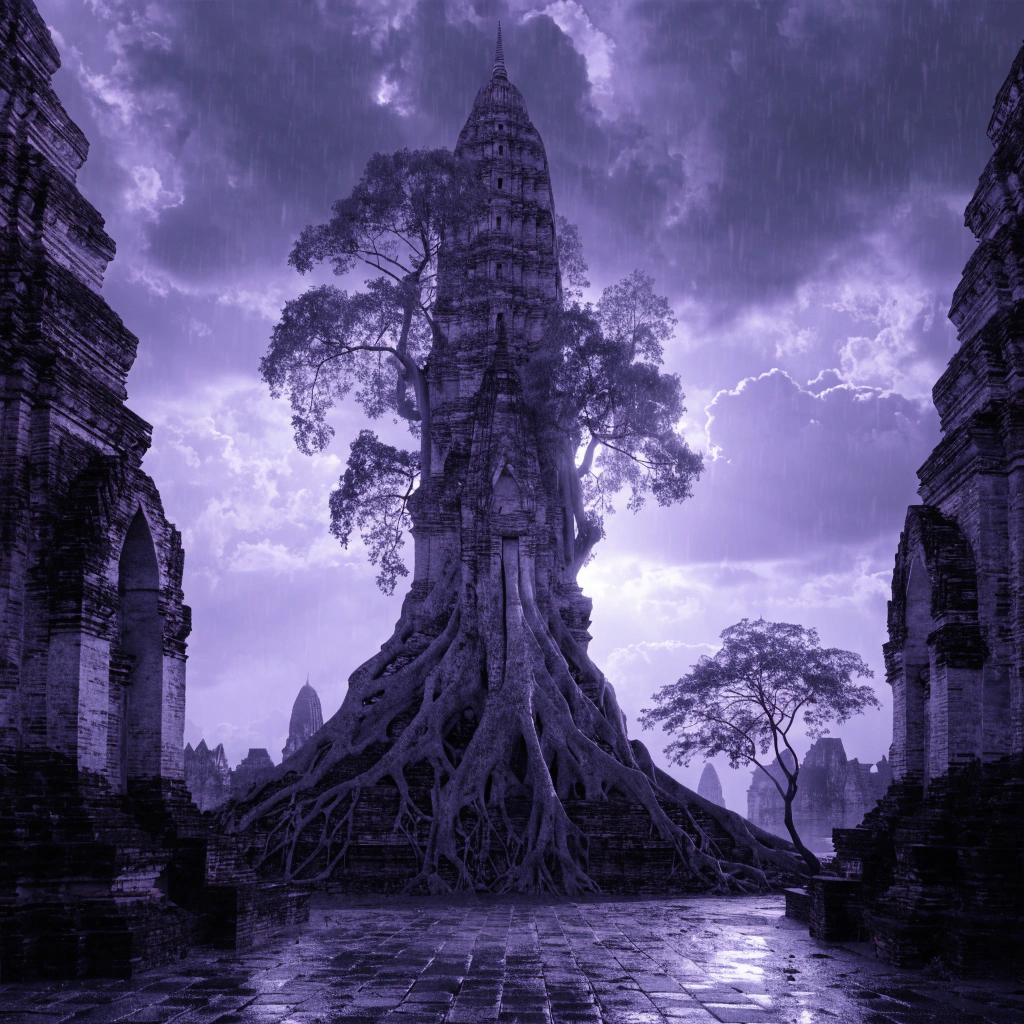
A Beautiful Park in Thailand
Sukhothai Historical Park is a beautiful place in Thailand. It is very old and very big. Many people visit the park every year. They see old buildings and statues.
Long ago, Sukhothai was a capital city. The name means "Dawn of Happiness." It is the home of Thai art and language. King Ramkhamhaeng lived here. He created the Thai alphabet.
Today, the park is famous. It is a UNESCO World Heritage site. Visitors like to ride bicycles and see the temples. It is a peaceful and happy place.
व्याकरण स्पॉटलाइट
पैटर्न: Present Simple: To Be
"It is very old and very big."
We use 'am', 'is', or 'are' to describe facts or states. Use 'is' for singular things like 'the park' or 'it'.
पैटर्न: Present Simple: Regular Verbs
"Many people visit the park every year."
We use the base form of the verb for plural subjects (people) to talk about habits or general truths.
अपनी समझ जाँचें
10 सवाल · A1 शुरुआती · 1 मुफ्त प्रीव्यू
इस लेख से आपने जो सीखा उसकी जाँच करें। सभी सवालों के जवाब दें और XP कमाएँ!
Where is Sukhothai Historical Park?
क्या आप क्विज़ समाप्त करना चाहते हैं?
9 और सवाल आपका इंतज़ार कर रहे हैं। पूरा क्विज़ अनलॉक करने और XP कमाने के लिए मुफ्त साइन अप करें!
मुफ़्त साइन अप करोपहले से अकाउंट है? साइन इन करो
बहुत बढ़िया!
अभ्यास जारी रखें!
पहले से पूर्ण — कोई अतिरिक्त XP नहीं
XP कमाने के लिए साइन अप करोसवालों का विवरण
Where is Sukhothai Historical Park?
आपका जवाब:
सही जवाब: Thailand
The name Sukhothai means 'Dawn of Happiness.'
आपका जवाब:
सही जवाब: सही
What is a 'statue'?
आपका जवाब:
सही जवाब: A stone or metal model of a person
The park is a UNESCO World Heritage _____.
आपका जवाब:
सही जवाब: site
Sukhothai: The Dawn of Happiness
Sukhothai Historical Park is a very famous and beautiful place in Thailand. The name 'Sukhothai' means 'The Dawn of Happiness.' Many years ago, it was the first capital of the Sukhothai Kingdom. This kingdom was very strong and important during the 13th and 14th centuries.
King Ramkhamhaeng the Great was a very famous leader of this kingdom. He was smarter than many other kings at that time. He created the Thai alphabet to help his people write. He also acted like a father to his people, so they felt safe. Because of his work, the kingdom was peaceful and happy for a long time.
Today, the park is a UNESCO World Heritage site. There are many old ruins, temples, and beautiful statues of Buddha. The park is bigger and quieter than the busy streets of Bangkok. Many tourists visit the park every year to see the history of Thailand. They often rent bicycles because the park is very large. It is a wonderful place to learn about the past and see beautiful art.
व्याकरण स्पॉटलाइट
पैटर्न: Past Simple (Regular Verbs)
"He created the Thai alphabet to help his people write."
We use the past simple to talk about finished actions in the past. To form regular verbs, we add '-ed' to the base verb like 'create' becoming 'created'.
पैटर्न: Comparatives
"The park is bigger and quieter than the busy streets of Bangkok."
We use comparatives to compare two things. For short adjectives, we add '-er' and use the word 'than' after the adjective.
अपनी समझ जाँचें
11 सवाल · A2 बिगिनर · 1 मुफ्त प्रीव्यू
इस लेख से आपने जो सीखा उसकी जाँच करें। सभी सवालों के जवाब दें और XP कमाएँ!
What does the name 'Sukhothai' mean?
क्या आप क्विज़ समाप्त करना चाहते हैं?
10 और सवाल आपका इंतज़ार कर रहे हैं। पूरा क्विज़ अनलॉक करने और XP कमाने के लिए मुफ्त साइन अप करें!
मुफ़्त साइन अप करोपहले से अकाउंट है? साइन इन करो
बहुत बढ़िया!
अभ्यास जारी रखें!
पहले से पूर्ण — कोई अतिरिक्त XP नहीं
XP कमाने के लिए साइन अप करोसवालों का विवरण
What does the name 'Sukhothai' mean?
आपका जवाब:
सही जवाब: The Dawn of Happiness
King Ramkhamhaeng created the Thai alphabet.
आपका जवाब:
सही जवाब: सही
What does 'capital' mean?
आपका जवाब:
सही जवाब: The most important city
Today, the park is a UNESCO World _____ site.
आपका जवाब:
सही जवाब: Heritage
Why do many tourists rent bicycles in the park?
आपका जवाब:
सही जवाब: Because it is very large
Discovering Sukhothai: The Dawn of Happiness
Sukhothai Historical Park is one of the most famous cultural sites in Thailand. The name 'Sukhothai' actually means 'The Dawn of Happiness,' which reflects the peaceful and successful era of this ancient kingdom. It was the capital of Thailand during the 13th and 14th centuries, and many historians believe it is the birthplace of Thai culture.
The park is known for its beautiful ruins, which have been preserved by the government and UNESCO. Visitors can see many impressive statues of Buddha and old temples that are surrounded by green trees and calm ponds. The park is divided into several zones, and the central zone contains the most famous monuments. One of the most important figures in the city's history was King Ramkhamhaeng the Great. He is the person who created the Thai alphabet, which is still used today. He also established a fair system of government that helped the people live happily.
In recent years, the park has become a popular destination for tourists who want to learn about history. Many people choose to rent bicycles to explore the large area because it is a very relaxing way to see the ancient buildings. Because the ruins are very old, they are protected as a World Heritage site. This means that people must follow strict rules to keep the area clean and safe.
Walking through the ruins, you can feel the history that has shaped modern Thailand. The architecture and art styles that were developed here have influenced Thai design for hundreds of years. Each temple has a unique story, showing the talent of the people who lived there long ago. If you ever visit Thailand, Sukhothai is a place that should not be missed.
व्याकरण स्पॉटलाइट
पैटर्न: Present Perfect Passive
"The park is known for its beautiful ruins, which have been preserved by the government and UNESCO."
This pattern is used to talk about an action that happened in the past where the result is important now. It uses 'have/has been' + the past participle.
पैटर्न: Relative Clauses with 'Who'
"In recent years, the park has become a popular destination for tourists who want to learn about history."
Relative clauses give more information about a person. We use 'who' to connect the noun (tourists) to the extra information about them.
अपनी समझ जाँचें
11 सवाल · B1 मध्यम · 1 मुफ्त प्रीव्यू
इस लेख से आपने जो सीखा उसकी जाँच करें। सभी सवालों के जवाब दें और XP कमाएँ!
What does the name 'Sukhothai' mean?
क्या आप क्विज़ समाप्त करना चाहते हैं?
10 और सवाल आपका इंतज़ार कर रहे हैं। पूरा क्विज़ अनलॉक करने और XP कमाने के लिए मुफ्त साइन अप करें!
मुफ़्त साइन अप करोपहले से अकाउंट है? साइन इन करो
बहुत बढ़िया!
अभ्यास जारी रखें!
पहले से पूर्ण — कोई अतिरिक्त XP नहीं
XP कमाने के लिए साइन अप करोसवालों का विवरण
What does the name 'Sukhothai' mean?
आपका जवाब:
सही जवाब: The Dawn of Happiness
King Ramkhamhaeng the Great is credited with creating the Thai alphabet.
आपका जवाब:
सही जवाब: सही
What does 'ancient' mean?
आपका जवाब:
सही जवाब: Very old, from a long time ago
Many people choose to _____ bicycles to explore the large area.
आपका जवाब:
सही जवाब: rent
Why are the ruins protected as a World Heritage site?
आपका जवाब:
सही जवाब: Because they are very old and historically important
The Echoes of a Golden Age: Exploring Sukhothai Historical Park
Spanning the 13th and 14th centuries, the Sukhothai Kingdom is often hailed as the cradle of Thai civilization. The name itself, which translates to 'The Dawn of Happiness,' reflects a period of unprecedented cultural prosperity and political stability. Situated in Northern Thailand, the Sukhothai Historical Park preserves the majestic ruins of this ancient capital, offering visitors a profound glimpse into a society that fundamentally shaped modern Thai identity.
Under the visionary leadership of King Ramkhamhaeng the Great, the kingdom flourished. He is a pivotal figure in history, credited with the invention of the Thai alphabet and the establishment of a paternalistic monarchy. This unique governance style, where the king acted as a father figure to his subjects, set the foundation for the Thai state. The legacy of this era is not merely historical; it is deeply woven into the linguistic and social fabric of Thailand today.
The architecture within the park is equally monumental. It showcases an intricate blend of Khmer and Mon influences, which eventually evolved into a distinct 'Sukhothai style.' Visitors can explore vast zones containing dozens of temples, or 'wats.' The most famous, Wat Mahathat, features a central stupa surrounded by smaller pagodas and serene Buddha images. The aesthetic appeal of these structures is enhanced by the surrounding landscape, where lotus ponds and greenery create a tranquil sanctuary.
Despite its eventual decline and the rise of the Ayutthaya Kingdom, the significance of Sukhothai remained intact. In recent decades, extensive restoration projects have been undertaken to protect these fragile ruins from the elements. The site has been designated a UNESCO World Heritage site, ensuring that its historical integrity is maintained for future generations.
Today, navigating the park by bicycle is a popular way to appreciate the scale of the ruins. As one wanders through the stone pillars and weathered walls, it becomes clear that Sukhothai was not just a political center, but a hub of artistic innovation. The preservation of such a site allows us to evaluate the evolution of Southeast Asian urban planning and religious devotion. Ultimately, Sukhothai stands as a testament to a golden age that continues to inspire Thai culture and national pride.
व्याकरण स्पॉटलाइट
पैटर्न: Passive Voice
"Sukhothai is often hailed as the cradle of Thai civilization."
The passive voice is used here to focus on the object (Sukhothai) rather than who is doing the hailing. It is formed using the verb 'to be' and the past participle.
पैटर्न: Non-defining Relative Clauses
"The name itself, which translates to 'The Dawn of Happiness,' reflects a period..."
This clause provides extra information about the subject. It is separated by commas and uses 'which' for things or 'who' for people.
पैटर्न: Present Perfect Passive
"The site has been designated a UNESCO World Heritage site."
This indicates an action that happened at an unspecified time in the past and has a result in the present. It is formed with 'has/have been' + past participle.
अपनी समझ जाँचें
11 सवाल · B2 अपर इंटरमीडिएट · 1 मुफ्त प्रीव्यू
इस लेख से आपने जो सीखा उसकी जाँच करें। सभी सवालों के जवाब दें और XP कमाएँ!
What is the English translation of the name 'Sukhothai'?
क्या आप क्विज़ समाप्त करना चाहते हैं?
10 और सवाल आपका इंतज़ार कर रहे हैं। पूरा क्विज़ अनलॉक करने और XP कमाने के लिए मुफ्त साइन अप करें!
मुफ़्त साइन अप करोपहले से अकाउंट है? साइन इन करो
बहुत बढ़िया!
अभ्यास जारी रखें!
पहले से पूर्ण — कोई अतिरिक्त XP नहीं
XP कमाने के लिए साइन अप करोसवालों का विवरण
What is the English translation of the name 'Sukhothai'?
आपका जवाब:
सही जवाब: The Dawn of Happiness
Sukhothai is considered the birthplace of the Thai alphabet.
आपका जवाब:
सही जवाब: सही
What does 'intricate' mean in the context of the article?
आपका जवाब:
सही जवाब: Very complicated or detailed
Extensive _____ projects have been undertaken to protect the ruins.
आपका जवाब:
सही जवाब: restoration
Which king established a paternalistic monarchy in Sukhothai?
आपका जवाब:
सही जवाब: King Ramkhamhaeng
The Dawn of Happiness: Unpacking the Legacy of Sukhothai
Seldom does a landscape resonate with as much historical gravity as the Sukhothai Historical Park. Nestled in the heart of modern-day Thailand, these ruins represent more than mere architectural remnants; they are the physical manifestation of the 'Dawn of Happiness.' It was during the 13th century that this nascent kingdom began to delineate the contours of Thai identity. What strikes the contemporary visitor is not merely the scale of the monuments, but the profound sense of order that the urban planning conveys. Through the meticulous preservation of these sites, we gain insight into a period defined by intellectual flourishing and political innovation.
Central to the Sukhothai narrative is the figure of King Ramkhamhaeng the Great. Not only did he oversee the expansion of the kingdom's borders, but he also facilitated the codification of the Thai script. This linguistic breakthrough was instrumental in consolidating power and fostering a cohesive national consciousness. Furthermore, the king's adoption of a paternalistic monarchy—a system where the ruler was viewed as a father figure accessible to his subjects—diverged sharply from the more autocratic Khmer traditions that preceded it. This shift in governance is often cited by historians as a pivotal moment in the evolution of Thai sociopolitical structures.
The aesthetic legacy of Sukhothai is equally compelling. The 'Sukhothai style' is characterized by its grace and fluidity, most notably seen in the 'walking Buddha' statues. These bronze figures, with their flame-like halos and serene expressions, represent a departure from the rigid forms of earlier eras. It is the architectural ingenuity of the lotus-bud chedi, however, that remains the most iconic symbol of the era. Such structures were not merely religious edifices; they were assertions of cultural independence and spiritual devotion. The intricate carvings and the strategic orientation of the temples reflect a sophisticated understanding of both geometry and cosmology.
However, the management of such a vast heritage site is not without its complexities. The designation of Sukhothai as a UNESCO World Heritage site has undoubtedly bolstered conservation efforts, yet it has also precipitated a surge in tourism that threatens the very integrity of the ruins. The challenge lies in balancing the imperatives of historical preservation with the economic demands of the present. Critically, one must ask whether the 'restoration' of these ruins reflects their original state or a modern reimagining of a golden age. The tension between authenticity and accessibility remains a subject of heated debate among archaeologists and urban planners alike.
In conclusion, Sukhothai Historical Park serves as a poignant reminder of the ephemeral nature of empires and the enduring power of cultural foundations. By examining the interplay between its art, language, and politics, we can better appreciate the complexities of the Thai state today. Seldom has the past felt so present as it does amidst the weathered stones of this ancient capital. The legacy of Sukhothai continues to permeate the modern Thai psyche, providing a sense of historical continuity in an ever-changing world.
व्याकरण स्पॉटलाइट
पैटर्न: Inversion with Negative Adverbials
"Seldom does a landscape resonate with as much historical gravity as the Sukhothai Historical Park."
When a sentence starts with a negative or restrictive adverbial like 'seldom', 'never', or 'hardly', the auxiliary verb comes before the subject. This is used in formal writing to add emphasis and dramatic effect.
पैटर्न: Cleft Sentences
"It was during the 13th century that this nascent kingdom began to delineate the contours of Thai identity."
A cleft sentence is used to focus on a specific piece of information. It follows the structure 'It + be + [focused part] + that/who...', allowing the writer to highlight 'when' the action occurred.
पैटर्न: Nominalisation
"Through the meticulous preservation of these sites, we gain insight into a period defined by intellectual flourishing and political innovation."
Nominalisation involves turning verbs (preserve) or adjectives into nouns (preservation). This technique is common in C1 writing to create a more academic tone and pack more information into a sentence.
अपनी समझ जाँचें
12 सवाल · C1 उन्नत · 1 मुफ्त प्रीव्यू
इस लेख से आपने जो सीखा उसकी जाँच करें। सभी सवालों के जवाब दें और XP कमाएँ!
What is the primary purpose of the article?
क्या आप क्विज़ समाप्त करना चाहते हैं?
11 और सवाल आपका इंतज़ार कर रहे हैं। पूरा क्विज़ अनलॉक करने और XP कमाने के लिए मुफ्त साइन अप करें!
मुफ़्त साइन अप करोपहले से अकाउंट है? साइन इन करो
बहुत बढ़िया!
अभ्यास जारी रखें!
पहले से पूर्ण — कोई अतिरिक्त XP नहीं
XP कमाने के लिए साइन अप करोसवालों का विवरण
What is the primary purpose of the article?
आपका जवाब:
सही जवाब: To analyze the historical, cultural, and political significance of Sukhothai.
King Ramkhamhaeng's paternalistic monarchy was a direct continuation of the autocratic Khmer style of governance.
आपका जवाब:
सही जवाब: गलत
Which word describes something that is just beginning to exist or develop?
आपका जवाब:
सही जवाब: Nascent
The challenge for modern planners lies in balancing the _____ of historical preservation with the economic demands of the present.
आपका जवाब:
सही जवाब: imperatives
Why are the 'walking Buddha' statues considered significant in the text?
आपका जवाब:
सही जवाब: They represent a shift from rigid artistic forms to grace and fluidity.
The author suggests that restoration efforts in the park are sometimes viewed as modern reinterpretations rather than perfect historical copies.
आपका जवाब:
सही जवाब: सही
सुखोथाई ऐतिहासिक उद्यान: थाई सभ्यता के उद्गम की एक गहन विवेचना
थाईलैंड के हृदय में स्थित सुखोथाई ऐतिहासिक उद्यान, मात्र एक पुरातात्विक स्थल न होकर, थाई सभ्यता, कला और भाषा के उद्गम का एक जीवंत प्रमाण है। तेरहवीं और चौदहवीं शताब्दी में सुखोथाई साम्राज्य की राजधानी रहे इस स्थल को 'खुशियों का भोर' (Dawn of Happiness) के रूप में जाना जाता है, जो इसकी सांस्कृतिक और ऐतिहासिक महत्ता को रेखांकित करता है। यह वह भूमि है जहाँ से थाई राष्ट्र की नींव रखी गई, जहाँ से थाई कला और स्थापत्य कला ने अपनी विशिष्ट पहचान गढ़ी, और जहाँ थाई भाषा को उसका वर्तमान स्वरूप मिला।
सुखोथाई साम्राज्य का उत्कर्ष वास्तव में थाई इतिहास में एक स्वर्ण युग का प्रतीक है। इस कालखंड में, विशेषतः राजा रामखाम्हेंग महान के शासनकाल में, थाई वर्णमाला का सृजन हुआ, जिसे आज भी थाईलैंड में उपयोग किया जाता है। रामखाम्हेंग को एक 'पितृसत्तात्मक' राजतंत्र की स्थापना का श्रेय दिया जाता है, जहाँ राजा को अपने लोगों का पिता तुल्य संरक्षक माना जाता था। यह शासन पद्धति न केवल तात्कालिक सामाजिक व्यवस्था के लिए एक आदर्श स्थापित करती थी, अपितु इसने आधुनिक थाई राज्य की मूलभूत संरचनाओं को भी आकार दिया। उनकी शासन शैली, जिसमें न्याय, धर्म और लोक कल्याण को सर्वोपरि रखा गया था, आज भी थाई राजशाही के सिद्धांतों में प्रतिध्वनित होती है।
इस ऐतिहासिक उद्यान में बिखरे खंडहर, प्राचीन मंदिरों, स्मारकों और मूर्तियों के माध्यम से उस गौरवशाली अतीत की झलक प्रस्तुत करते हैं। यहाँ की स्थापत्य कला में श्रीलंकाई और खमेर शैलियों का सम्मिश्रण स्पष्ट रूप से परिलक्षित होता है, जो सुखोथाई की सांस्कृतिक सहिष्णुता और रचनात्मक अनुकूलनशीलता को दर्शाता है। वाट महाथट, वाट सी चुम और वाट सा सी जैसे प्रमुख मंदिर परिसर, अपनी विशाल बुद्ध प्रतिमाओं, विस्तृत स्तूपों और जटिल नक्काशी के लिए विख्यात हैं। इन संरचनाओं का सूक्ष्म अवलोकन करने पर यह प्रतीत होता है कि उस काल के शिल्पकारों ने सौंदर्यशास्त्र और आध्यात्मिकता के बीच एक अद्भुत संतुलन स्थापित किया था।
यूनेस्को द्वारा विश्व धरोहर स्थल घोषित किया गया यह उद्यान, न केवल थाईलैंड के लिए, बल्कि समूची मानवता के लिए एक अमूल्य निधि है। यहाँ की प्राचीन नहरें और जलाशय व्यवस्था, जो सिंचाई और जल प्रबंधन की उन्नत तकनीक का प्रमाण है, उस समय की इंजीनियरिंग कौशल का अनुपम उदाहरण प्रस्तुत करती है। यह इंगित करता है कि सुखोथाई के निवासी केवल कला और आध्यात्मिकता में ही निपुण नहीं थे, अपितु वे व्यावहारिक समस्याओं के समाधान में भी अग्रगामी थे।
आज, सुखोथाई ऐतिहासिक उद्यान पर्यटकों और शोधकर्ताओं दोनों के लिए एक प्रेरणा स्रोत है। यहाँ का शांत वातावरण, हरे-भरे परिदृश्य और प्राचीन खंडहरों की भव्यता एक अद्वितीय अनुभव प्रदान करती है। यह हमें उस समय की याद दिलाता है जब एक छोटे से राज्य ने अपनी सांस्कृतिक विरासत को इतनी गहराई से गढ़ा कि वह शताब्दियों बाद भी अक्षुण्ण बनी हुई है। थाई पहचान के मूल को समझने के इच्छुक किसी भी व्यक्ति के लिए, सुखोथाई की यात्रा अनिवार्य है, क्योंकि यह हमें उस 'खुशियों के भोर' में ले जाती है जहाँ से थाई राष्ट्र का सूर्य उदय हुआ था। यह स्थल हमें यह भी सिखाता है कि किस प्रकार एक सभ्यता अपने आदर्शों और रचनात्मकता के माध्यम से समय की कसौटी पर खरी उतरती है, अपनी अमिट छाप छोड़ जाती है। इसका संरक्षण मात्र इमारतों का रखरखाव नहीं, अपितु एक समृद्ध सांस्कृतिक परंपरा के निरंतर प्रवाह को सुनिश्चित करना है।
व्याकरण स्पॉटलाइट
पैटर्न: प्रेरणार्थक क्रियाओं का प्रयोग (Causative Verbs)
"यह हमें उस समय की याद दिलाता है जब एक छोटे से राज्य ने अपनी सांस्कृतिक विरासत को इतनी गहराई से गढ़ा कि वह शताब्दियों बाद भी अक्षुण्ण बनी हुई है।"
प्रेरणार्थक क्रियाएँ (जैसे 'दिलाना', 'करवाना') तब प्रयुक्त होती हैं जब कर्ता स्वयं कार्य न करके किसी और से करवाता है या किसी को कार्य करने के लिए प्रेरित करता है। यहाँ 'याद दिलाता है' का अर्थ है 'याद करने के लिए प्रेरित करता है'। C2 स्तर पर, इनका प्रयोग वाक्यों में सूक्ष्म अर्थों को व्यक्त करने के लिए किया जाता है।
पैटर्न: सशर्त वाक्य और संभाव्य भविष्य (Conditional Sentences and Subjunctive Future)
"थाई पहचान के मूल को समझने के इच्छुक किसी भी व्यक्ति के लिए, सुखोथाई की यात्रा अनिवार्य है, क्योंकि यह हमें उस 'खुशियों के भोर' में ले जाती है जहाँ से थाई राष्ट्र का सूर्य उदय हुआ था।"
यह वाक्य एक सशर्त संरचना का उपयोग करता है जहाँ 'समझने के इच्छुक किसी भी व्यक्ति के लिए' एक शर्त प्रस्तुत करता है। यद्यपि 'यदि/अगर' का प्रयोग नहीं है, 'इच्छुक' शब्द संभाव्यता को दर्शाता है। 'ले जाती है' क्रिया यहाँ एक सामान्य सत्य या निश्चित परिणाम को दर्शाती है, जो सशर्त संदर्भ में संभाव्य भविष्य की ओर संकेत करता है।
पैटर्न: विशेषण और क्रियाविशेषण के रूप में 'वाला' प्रत्यय का प्रयोग (Use of 'wala' suffix as adjective and adverb)
"यह वह भूमि है जहाँ से थाई राष्ट्र की नींव रखी गई, जहाँ से थाई कला और स्थापत्य कला ने अपनी विशिष्ट पहचान गढ़ी, और जहाँ थाई भाषा को उसका वर्तमान स्वरूप मिला।"
यद्यपि इस विशेष उदाहरण में प्रत्यक्ष 'वाला' का प्रयोग नहीं है, 'वर्तमान स्वरूप' में 'वर्तमान' एक विशेषण के रूप में 'स्वरूप' की विशेषता बता रहा है, जो 'वाला' प्रत्यय के क्रियात्मक उपयोग (जैसे 'आने वाला', 'जाने वाला') के समानांतर है। C2 स्तर पर, 'वाला' का प्रयोग अक्सर क्रियाओं को विशेषण या संज्ञा बनाने के लिए किया जाता है, जैसे 'होने वाला' (संभावित) या 'करने वाला' (कर्ता), जो वाक्यों को अधिक संक्षिप्त और अर्थपूर्ण बनाता है।
अपनी समझ जाँचें
12 सवाल · C2 महारत · 1 मुफ्त प्रीव्यू
इस लेख से आपने जो सीखा उसकी जाँच करें। सभी सवालों के जवाब दें और XP कमाएँ!
लेख के अनुसार, सुखोथाई को 'खुशियों का भोर' क्यों कहा जाता है?
क्या आप क्विज़ समाप्त करना चाहते हैं?
11 और सवाल आपका इंतज़ार कर रहे हैं। पूरा क्विज़ अनलॉक करने और XP कमाने के लिए मुफ्त साइन अप करें!
मुफ़्त साइन अप करोपहले से अकाउंट है? साइन इन करो
बहुत बढ़िया!
अभ्यास जारी रखें!
पहले से पूर्ण — कोई अतिरिक्त XP नहीं
XP कमाने के लिए साइन अप करोसवालों का विवरण
लेख के अनुसार, सुखोथाई को 'खुशियों का भोर' क्यों कहा जाता है?
आपका जवाब:
सही जवाब: क्योंकि यह थाई सभ्यता, कला और भाषा का उद्गम स्थल है।
राजा रामखाम्हेंग महान को थाई वर्णमाला के सृजन का श्रेय नहीं दिया जाता है।
आपका जवाब:
सही जवाब: गलत
'अक्षुण्ण' शब्द का सही अर्थ क्या है?
आपका जवाब:
सही जवाब: बिना किसी क्षति के पूर्ण
सुखोथाई साम्राज्य का उत्कर्ष वास्तव में थाई इतिहास में एक ______ युग का प्रतीक है।
आपका जवाब:
सही जवाब: स्वर्ण
सुखोथाई की स्थापत्य कला में किन शैलियों का सम्मिश्रण परिलक्षित होता है?
आपका जवाब:
सही जवाब: श्रीलंकाई और खमेर
सुखोथाई ऐतिहासिक उद्यान यूनेस्को विश्व धरोहर स्थल घोषित नहीं किया गया है।
आपका जवाब:
सही जवाब: गलत

