









bun 30 सेकंड में
- A bun is a small, rounded bread roll, common in burgers or as sweet treats like cinnamon rolls.
- It also refers to a hairstyle where hair is coiled into a ball on the head.
- The word is a countable noun and is used in various idioms like 'bun in the oven'.
- Regional names for the bread version include roll, bap, cob, and bready cake.
The word bun is a versatile term in the English language that primarily functions as a noun, though it can act as a modifier in compound phrases. In its most common culinary sense, a bun refers to a small, usually round, bread roll. These can range from the simple, savory flour-based rolls served at dinner to the elaborate, sugar-glazed cinnamon buns found in bakeries. The term implies a certain size—typically something that fits in the palm of a hand—and a specific shape, which is generally hemispherical or rounded. When you walk into a bakery, you might see rows of brioche buns, which are rich with butter and eggs, or perhaps sourdough buns that offer a tangy contrast to a savory filling. The usage of 'bun' in food is ubiquitous across English-speaking cultures, though the specific characteristics of a bun can vary by region. For instance, in the United Kingdom, a 'bun' might often imply something sweet, like a Chelsea bun or a Bath bun, whereas in the United States, the word is almost immediately associated with the bread used for hamburgers or hot dogs.
- Culinary Context
- A small, rounded bread product, often used as a vessel for meats or eaten as a sweet treat. Examples include hamburger buns, brioche buns, and iced buns.
Beyond the kitchen, bun describes a very specific and popular hairstyle. In this context, the hair is pulled back from the face, twisted or coiled around itself, and secured at the back or top of the head. This style is favored for its practicality and its elegance. It can be a 'messy bun,' thrown together in seconds for a casual look, or a 'ballerina bun,' which is sleek, tight, and perfectly symmetrical. The hairstyle is gender-neutral in modern contexts, with the 'man bun' becoming a significant cultural trend in the 2010s. The term is also used anatomically in informal or slang contexts to refer to the buttocks, often in the plural form 'buns.' This variety of meanings makes the word a fascinating study in how English speakers use simple, monosyllabic words to describe vastly different objects that share a similar physical characteristic: roundness.
The baker pulled a tray of golden-brown buns from the oven, the scent of yeast filling the air.
The word's application extends into idiomatic expressions as well. The phrase 'a bun in the oven' is a well-known euphemism for pregnancy, playing on the idea of something 'baking' or growing inside. This metaphorical use highlights the word's deep-rooted association with domesticity and warmth. In technical baking, a bun is distinguished from a loaf by its size and the fact that it is baked as an individual portion. The texture of a bun is usually softer than a crusty baguette, achieved through the addition of fats like milk, butter, or oil to the dough. This softness is essential for its role in sandwiches, where the bun must be sturdy enough to hold ingredients but soft enough to bite through easily. Whether you are discussing the latest hair trends on social media or ordering a burger at a diner, the word 'bun' is an essential part of the B2-level vocabulary, bridging the gap between basic survival English and more nuanced, descriptive language.
In the fashion world, the bun is more than just a way to keep hair out of one's eyes; it is a statement. A 'top knot' is a bun positioned at the very crown of the head, often associated with urban style. A 'low bun' or 'chignon' is positioned at the nape of the neck and is a staple of bridal and formal hairstyles. The versatility of the bun hairstyle lies in its adaptability to different hair textures and lengths. Even in historical contexts, the bun has appeared in various forms, from the elaborate styles of ancient Greek women to the practical 'victory rolls' and buns of the 1940s. The word itself is short, punchy, and easy to remember, but its applications are rich and varied, making it a perfect example of how English words evolve to cover multiple domains of human life.
She twisted her long hair into a tight bun before starting her morning workout.
- Hairstyle Label
- A style where hair is gathered and coiled into a ball. It can be messy, sleek, high, or low.
Finally, let's consider the word's phonetic simplicity. It consists of a single syllable with a short 'u' sound (/bʌn/), making it one of the easier words for learners to pronounce correctly. However, its simplicity belies the complexity of its synonyms. While 'roll' might be a synonym in a restaurant, you would never call a hairstyle a 'hair roll' in the same way. Similarly, while 'knot' might describe the hair, it wouldn't describe the bread. Understanding these boundaries is key to mastering the word. The 'bun' is a fundamental unit of both the culinary and aesthetic worlds, representing a perfect circle of utility and style. Whether it's the sesame seeds on a burger bun or the bobby pins in a hair bun, the details define the object.
Using the word bun correctly requires an understanding of its role as a countable noun. Because it refers to a discrete object—either a single piece of bread or a single hairstyle—it almost always requires an article ('a', 'an', 'the') or a plural marker. For example, you would say, 'I bought a bun,' not 'I bought bun.' When using it to describe a hairstyle, it often follows verbs of action like 'put,' 'twist,' 'tie,' or 'wear.' For instance, 'She put her hair in a bun' is a standard construction. If you are describing the state of someone's hair, you might say, 'Her hair was in a bun.' The word can also be modified by a wide range of adjectives to provide more detail. In a culinary context, you might use 'toasted,' 'stale,' 'seeded,' 'whole-wheat,' or 'sweet.' In a fashion context, adjectives like 'loose,' 'tight,' 'elegant,' 'disheveled,' or 'high' are common.
- Grammatical Pattern: Noun Adjunct
- The word 'bun' often acts as a modifier for other nouns, such as in 'bun ring' (a hair accessory) or 'bun tin' (a baking tray). In these cases, it functions like an adjective.
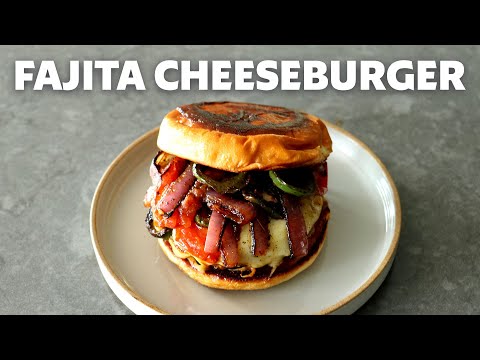
When discussing food, 'bun' often appears in compound nouns that specify the type of food. 'Hamburger bun' and 'hot dog bun' are the most frequent. You will also hear 'cinnamon bun,' 'sticky bun,' and 'honey bun.' In these cases, the first word describes the flavor or the intended use, and 'bun' provides the category. For example, 'The chef toasted the brioche bun until it was perfectly crisp.' This sentence shows how 'bun' serves as the direct object of the verb 'toasted.' It also demonstrates the use of an attributive noun ('brioche') to specify the type of bun. In plural form, 'buns' is used when referring to multiple items: 'We need to buy two packs of buns for the barbecue.'
For the formal gala, she opted for a sleek bun at the nape of her neck, secured with pearl pins.
In more complex sentence structures, 'bun' can be part of a prepositional phrase. 'The burger was served on a toasted bun' uses the preposition 'on' to indicate the relationship between the burger and the bread. Similarly, 'She walked into the room with her hair in a messy bun' uses 'with' and 'in' to describe her appearance. For advanced learners, it's important to notice how 'bun' can be used metaphorically. While 'a bun in the oven' is the most common idiom, you might also hear 'bun' used in slang to refer to someone who is sweet ('You're such a honey bun'). However, use caution with slang, as 'buns' can also refer to the buttocks in a playful or slightly crude way, as in 'He's been doing squats to tone his buns.'
The word also appears in various phrasal contexts related to hair care. 'To bun' is occasionally used as a verb in informal speech, meaning to put hair into a bun style. For example, 'I'm just going to bun my hair and then we can leave.' While not strictly standard in formal writing, this verbalization is common in casual conversation. Another interesting usage is the 'man bun,' which became a distinct lexical item to describe the hairstyle on men. Sentences like 'The barista with the man bun made a great latte' show how the word has been adapted to modern social trends. In culinary writing, you might see 'bun' used to describe the texture of other things: 'The cake had a bun-like consistency,' where 'bun-like' acts as a true adjective derived from the noun.
The recipe calls for six glazed buns, but I think we should make a dozen just in case.
- Sentence Structure: Descriptive
- Subject + Verb + Adjective + Bun. Example: 'The bakery sells warm cinnamon buns every Sunday morning.'
Finally, consider the use of 'bun' in instructions. In a recipe, you might read, 'Divide the dough into twelve equal pieces and shape each into a smooth bun.' Here, 'shape' is the verb and 'bun' is the resulting form. In a hair tutorial, you might hear, 'Twist the ponytail around the base and pin it into a bun.' These instructional contexts emphasize the physical transformation of a material (dough or hair) into the specific rounded shape that defines the word. By practicing these different sentence patterns, you will move from simply knowing what a bun is to being able to describe it, create it, and use it in a variety of linguistic contexts.
The word bun is a staple of everyday conversation, appearing in environments ranging from the mundane to the professional. One of the most common places you will hear this word is in a bakery or a cafe. Customers often ask for specific types of buns, such as 'Can I have two cinnamon buns to go?' or 'Do you have any gluten-free burger buns?' In these settings, the word is spoken with an expectation of variety and freshness. You might also hear it in fast-food restaurants, where the quality of the bun is often a selling point. Commercials might boast about 'sesame seed buns' or 'artisan brioche buns' to appeal to consumers' tastes. In the culinary world, the bun is a fundamental component of the 'handheld food' category, making it a frequent topic in food blogs, cooking shows, and restaurant reviews.
- The Bakery Counter
- In this environment, 'bun' is used to distinguish small breads from larger loaves. You'll hear it used with adjectives like 'iced,' 'currant,' or 'hot cross.'
Another major arena for the word is the beauty and fashion industry. Hairdressers, stylists, and beauty influencers use 'bun' constantly when discussing hairstyles. On YouTube or TikTok, you'll find thousands of 'messy bun tutorials' or 'ballet bun guides.' In a professional salon, a stylist might ask, 'Would you like an updo, perhaps a sleek low bun for the wedding?' The word carries different connotations here; it’s about aesthetics, structure, and hold. You’ll hear it paired with technical terms like 'bobby pins,' 'hair ties,' 'donut rings' (a tool used to create a fuller bun), and 'hairspray.' The bun is a timeless hairstyle, so it appears in fashion magazines and on red carpets, often described as 'effortless' or 'sophisticated.'
'I don't have time to wash my hair, so I'm just putting it in a bun,' she told her friend over the phone.
In a more specialized setting, you will hear 'bun' in the world of dance, particularly ballet. The 'ballet bun' is a mandatory requirement for many dancers as it creates a clean line and prevents hair from whipping into the face during turns. Teachers might shout, 'Fix your buns!' or 'Make sure your buns are secure!' during a rehearsal. This usage is very functional and strict. Conversely, in casual social settings, the word might be heard in the context of a 'man bun,' often accompanied by cultural commentary or humor. Since its rise in popularity, the man bun has been a topic of debate in lifestyle articles and late-night comedy, representing a specific type of modern masculinity or 'hipster' culture.
You will also encounter the word in medical or family contexts, albeit metaphorically. The phrase 'a bun in the oven' is a classic way to announce a pregnancy without being overly clinical. You might hear a friend say, 'Guess what? Sarah has a bun in the oven!' This usage is lighthearted and warm. In the fitness world, particularly in Pilates or barre classes, instructors might refer to 'toning your buns,' using the word as a polite slang for the gluteal muscles. While this is more common in the US, it is understood globally through fitness media. The word's presence in such diverse fields—from the oven to the gym to the ballet studio—demonstrates its utility in describing anything small, round, and significant.
The waiter asked if I wanted my burger on a gluten-free bun or a lettuce wrap.
- The Fitness Studio
- In exercise classes, 'buns' is a common, slightly humorous way to refer to the buttocks, as in 'buns of steel.'
Finally, the word appears in literature and nursery rhymes. 'One a penny, two a penny, hot cross buns' is a rhyme that almost every English-speaking child learns. This historical echo keeps the word grounded in tradition. In modern literature, a character might be described as having a 'tight, severe bun,' which immediately tells the reader something about their personality—perhaps that they are disciplined, strict, or no-nonsense. Whether it's the 'sticky buns' of a cozy mystery novel or the 'burger buns' of a summer blockbuster movie, the word is a constant, reliable presence in the English-speaking world's auditory landscape.
One of the most frequent mistakes learners make with the word bun is confusing it with other types of bread, specifically 'roll' or 'bread' itself. While all buns are bread, not all bread is a bun. A 'bun' specifically refers to a small, individual portion that is rounded. You cannot call a sliced loaf of bread a 'bun.' Similarly, while 'roll' and 'bun' are often used interchangeably, there are regional nuances. In some parts of the UK, a 'bun' is strictly sweet, while a 'roll' is savory. If you ask for a 'hamburger bun' in a very traditional British bakery, they might look at you strangely if they call them 'baps' or 'bready cakes.' It is important to observe local usage to avoid this confusion. Another common error is using the word 'bun' for a cupcake. While both are small and baked, a cupcake is a cake (made from batter), whereas a bun is made from dough (usually containing yeast).
- Mistake: Bun vs. Loaf
- Using 'bun' to describe any piece of bread. Correct: 'I want a slice of bread.' Incorrect: 'I want a slice of bun.'
In the context of hairstyles, a common mistake is calling any tied-back hair a 'bun.' A ponytail is not a bun; in a ponytail, the hair hangs loose from the tie. In a bun, the hair is wrapped around itself. Confusing these two can lead to misunderstandings in beauty or descriptive contexts. Furthermore, some learners struggle with the pluralization of the word in slang. While 'bun' refers to the hair or bread, 'buns' (plural) is the version used for the buttocks. Using the singular 'bun' to refer to that part of the anatomy would sound very odd and incorrect. Additionally, learners sometimes confuse 'bun' with 'bone' due to the similar vowel sounds in some accents. However, 'bun' has a short /ʌ/ sound, like 'sun,' while 'bone' has a long /oʊ/ sound, like 'phone.'
Incorrect: She tied her hair into a ponytail bun. Correct: She tied her hair into a bun.
Another nuance involves the word 'muffin.' In some cultures, an 'English muffin' might be thought of as a bun because it is round and small, but in English, it is strictly a 'muffin.' Similarly, a 'scone' is never called a 'bun,' even though it is a small, rounded baked good. The distinction usually lies in the texture and the leavening agent (yeast for buns, baking powder for scones). Using the wrong term in a culinary setting might not prevent you from getting food, but it will mark you as a non-native speaker. In writing, a common mistake is forgetting that 'bun' is a countable noun. You must say 'a bun' or 'buns.' For example, 'I ate bun for breakfast' is grammatically incorrect; it should be 'I ate a bun for breakfast.'
There is also the potential for confusion with the word 'bind.' In some fast-paced speech, 'bunned' (the past tense of the informal verb 'to bun') might sound like 'bound.' However, 'bound' is the past tense of 'bind' (to tie), and while you might bind hair, you 'bun' it into a specific shape. Finally, be careful with the idiom 'bun in the oven.' It is a very informal and somewhat old-fashioned phrase. Using it in a formal medical setting or a professional business meeting might be seen as inappropriate or overly casual. It is best reserved for close friends and family. Understanding these subtle boundaries will help you use the word 'bun' with the confidence and accuracy of a native speaker.
Incorrect: I'll have a hamburger bread, please. Correct: I'll have a hamburger bun, please.
- Mistake: Countability
- Treating 'bun' as an uncountable substance like 'flour.' Correct: 'I need three buns.' Incorrect: 'I need some bun.'
In summary, the most common pitfalls are related to regional terminology for bread, the specific structure of the hairstyle, and the grammatical requirements of countable nouns. By keeping these distinctions in mind—especially the difference between a bun and a roll, and a bun and a ponytail—you can avoid the most common errors. Always remember that a bun is defined by its round, compact shape, whether it's made of dough or hair. If it's not round and self-contained, it's probably not a bun.
When you want to expand your vocabulary beyond the word bun, there are several alternatives depending on the context. In the culinary world, the most direct synonym is roll. A roll is also a small, individual piece of bread. However, 'roll' is often used for savory dinner breads, while 'bun' can lean toward the sweet side or specific fast-food uses. Another alternative is bap, a term common in the UK for a large, soft, floury roll, often used for breakfast sandwiches. Then there is the cob, used in the English Midlands to describe a crusty round roll. If the bread is particularly rich and contains a lot of butter, you might call it a brioche. For sweet varieties, you might use terms like pastry or danish, though these usually imply a different texture than a yeast-risen bun.
- Bun vs. Roll
- 'Bun' often implies a softer, sometimes sweeter bread, or a specific shape for burgers. 'Roll' is a broader term for any small, individual bread unit.
In the context of hairstyles, the most sophisticated alternative to 'bun' is chignon. This French-derived word refers specifically to a bun worn at the nape of the neck, usually for formal occasions. It sounds more elegant and professional than 'bun.' Another term is top knot, which specifies a bun worn high on the head. You might also hear knot or twist. A 'knot' implies a more intricate wrapping of the hair, while a 'twist' might refer to a style where the hair is turned but not necessarily coiled into a full circle. For those with very short hair or specific styles, nubian knots or bantu knots are culturally specific terms for small, multiple buns across the head.
Instead of a simple bun, the bride chose an intricate chignon adorned with fresh lilies.
If you are looking for synonyms for the anatomical 'buns,' you might use backside, rear, or the more clinical glutes. In very casual or slang contexts, words like butt or tush are common. Choosing the right word depends entirely on the level of formality and the setting. For example, you would use 'glutes' in a gym, 'backside' in a polite conversation, and 'buns' in a playful or humorous context. Understanding these registers is a key part of reaching C1 or C2 proficiency. Similarly, when describing the texture of something 'bun-like,' you might use pillowy, spongy, or doughy. These adjectives help convey the physical sensation of a bun without using the noun itself.
There are also regional variations that act as synonyms. In Scotland, a 'bun' might refer to a 'Black Bun,' which is a very specific type of fruit cake covered in pastry. In this case, the word 'cake' would be a more accurate general term for a global audience. In the world of Asian cuisine, the word bao or baozi is often translated as 'steamed bun.' While 'bun' is the English term, using 'bao' shows a more specific cultural knowledge. These steamed buns have a very different texture—soft, white, and slightly chewy—compared to baked Western buns. Knowing when to use the native term versus the English translation is a hallmark of an advanced learner.
The street vendor sold delicious pork bao, which are essentially Chinese steamed buns.
- Comparison: Bun vs. Bap
- A 'bap' is typically larger and softer than a standard 'bun' and is a regional term primarily used in the United Kingdom.
Finally, consider the word slider. A slider is a very small hamburger served on a tiny bun. While 'slider' refers to the whole sandwich, it is often used to describe the specific size of the bun itself. If you are hosting a party, you might look for 'slider buns' at the store. This shows how the word 'bun' can be further categorized by the specific dish it accompanies. By learning these alternatives—roll, chignon, bao, slider—you not only avoid repetition in your speech and writing but also gain the ability to be much more precise in your descriptions. The 'bun' is just the starting point for a whole world of rounded, delightful things.
How Formal Is It?
रोचक तथ्य
The 'man bun' was added to several major dictionaries in 2015, reflecting its massive cultural impact during that decade.
उच्चारण मार्गदर्शिका
- Pronouncing it like 'boon' (/buːn/).
- Pronouncing it like 'ban' (/bæn/).
- Confusing it with 'bone' (/boʊn/).
कठिनाई स्तर
Very easy to read; short and common.
Easy, but requires knowledge of countability.
Simple pronunciation, but vowel must be short.
Can be confused with 'roll' or 'bap' in regional accents.
आगे क्या सीखें
पूर्वापेक्षाएँ
आगे सीखें
उन्नत
ज़रूरी व्याकरण
Countable Nouns
I bought *a* bun. (Not: I bought bun.)
Noun Adjuncts
A *bun* tin is used for baking. (The noun 'bun' acts like an adjective.)
Compound Nouns
The *hamburger bun* was toasted.
Pluralization
There are many *buns* in the basket.
Prepositional Phrases
Her hair was *in a bun*.
स्तर के अनुसार उदाहरण
I want a bun.
Je veux un petit pain.
Countable noun with 'a'.
The bun is small.
Le petit pain est petit.
Subject + is + adjective.
He eats a bun.
Il mange un petit pain.
Present simple tense.
Two buns, please.
Deux petits pains, s'il vous plaît.
Plural form 'buns'.
This is a sweet bun.
C'est un petit pain sucré.
Adjective 'sweet' before the noun.
The bun is brown.
Le petit pain est brun.
Color adjective.
I see a bun.
Je vois un petit pain.
Basic SVO structure.
She has a bun.
Elle a un chignon.
Refers to hairstyle here.
She put her hair in a bun.
Elle a fait un chignon.
Phrase: 'put hair in a bun'.
I like hamburger buns.
J'aime les pains à hamburger.
Compound noun.
The cinnamon bun is hot.
Le roulé à la cannelle est chaud.
Specific type of bun.
He has a man bun.
Il a un chignon pour homme.
Modern compound term.
We bought buns for the BBQ.
Nous avons acheté des pains pour le barbecue.
Plural for multiple items.
Is that a honey bun?
Est-ce un petit pain au miel ?
Interrogative sentence.
Her bun is very messy.
Son chignon est très décoiffé.
Adjective 'messy' modifying 'bun'.
The baker makes fresh buns.
Le boulanger fait des petits pains frais.
Occupation + verb + object.
She twisted her hair into a tight bun.
Elle a tordu ses cheveux en un chignon serré.
Verb 'twisted' + 'into'.
I prefer my burger on a brioche bun.
Je préfère mon burger sur un pain brioché.
Prepositional phrase 'on a... bun'.
Hot cross buns are eaten at Easter.
Les brioches du Vendredi saint sont mangées à Pâques.
Passive voice.
She wore a bun to the ballet class.
Elle portait un chignon pour le cours de danse.
Contextual usage for ballet.
The recipe says to glaze the buns.
La recette dit de glacer les petits pains.
Infinitive 'to glaze'.
He grabbed a bun from the basket.
Il a pris un petit pain dans le panier.
Preposition 'from'.
Her hair was tied in a low bun.
Ses cheveux étaient attachés en un chignon bas.
Adjective 'low' specifying position.
The sticky bun left sugar on his face.
Le petit pain collant a laissé du sucre sur son visage.
Subject-verb-object-prepositional phrase.
She has a bun in the oven, so she's not drinking.
Elle attend un bébé, donc elle ne boit pas.
Idiomatic expression.
The artisan bakery specializes in sourdough buns.
La boulangerie artisanale se spécialise dans les petits pains au levain.
Specialized vocabulary.
He secured his bun with several bobby pins.
Il a fixé son chignon avec plusieurs épingles à cheveux.
Technical hair terminology.
The burger was served on a toasted sesame bun.
Le burger était servi sur un pain au sésame grillé.
Past participle 'toasted' as adjective.
A sleek bun is a classic look for a job interview.
Un chignon soigné est un look classique pour un entretien d'embauche.
Gerund phrase context.
The dough needs to rise before you shape the buns.
La pâte doit lever avant que vous ne formiez les petits pains.
Subordinate clause with 'before'.
She often wears her hair in a bun to keep it out of her face.
Elle porte souvent ses cheveux en chignon pour ne pas les avoir dans le visage.
Purpose clause with 'to keep'.
The man bun has become a polarizing fashion trend.
Le chignon pour homme est devenu une tendance de mode polarisante.
Abstract noun phrase.
The librarian's severe bun matched her stern demeanor.
Le chignon strict de la bibliothécaire correspondait à son comportement sévère.
Literary description.
The pork buns were steamed to perfection in bamboo baskets.
Les brioches au porc ont été cuites à la vapeur à la perfection dans des paniers en bambou.
Passive voice with 'to perfection'.
He joked about his 'buns of steel' after the workout.
Il a plaisanté sur ses 'fesses d'acier' après l'entraînement.
Slang/Idiomatic usage for buttocks.
The recipe calls for a bun tin with twelve individual holes.
La recette demande un moule à muffins avec douze trous individuels.
Noun adjunct 'bun tin'.
She opted for a sophisticated chignon rather than a simple bun.
Elle a opté pour un chignon sophistiqué plutôt qu'un simple chignon.
Comparison of synonyms.
The texture of the bun was light, airy, and slightly sweet.
La texture du petit pain était légère, aérée et légèrement sucrée.
List of descriptive adjectives.
In some regions, the term 'bun' is synonymous with 'bap'.
Dans certaines régions, le terme 'bun' est synonyme de 'bap'.
Linguistic comparison.
The ballerina's bun was so tight it looked painful.
Le chignon de la ballerine était si serré qu'il avait l'air douloureux.
Result clause 'so... that'.
The etymology of 'bun' traces back to Middle English, likely signifying a swelling.
L'étymologie de 'bun' remonte au moyen anglais, signifiant probablement un gonflement.
Academic/Historical context.
The protagonist's loose bun suggested a sense of domestic disarray.
Le chignon défait du protagoniste suggérait un sentiment de désordre domestique.
Symbolic use in literature.
The artisanal brioche bun was the pièce de résistance of the burger.
Le pain brioché artisanal était la pièce de résistance du burger.
French loanword in English sentence.
Regional dialects in England offer a plethora of terms for the humble bun.
Les dialectes régionaux en Angleterre offrent une pléthore de termes pour l'humble petit pain.
Advanced vocabulary 'plethora'.
The chef meticulously shaped each bun to ensure uniform baking.
Le chef a méticuleusement façonné chaque petit pain pour assurer une cuisson uniforme.
Adverbial precision.
Her hair was coiled into a bun that defied gravity.
Ses cheveux étaient enroulés en un chignon qui défiait la gravité.
Relative clause with 'that'.
The cultural appropriation of the 'man bun' was widely debated in the media.
L'appropriation culturelle du 'chignon pour homme' a été largement débattue dans les médias.
Sociological context.
The bun's crumb structure was indicative of a long fermentation process.
La structure de la mie du petit pain était révélatrice d'un long processus de fermentation.
Technical culinary terminology.
सामान्य शब्द संयोजन
सामान्य वाक्यांश
— A common idiom meaning that someone is pregnant.
Did you hear? Martha has a bun in the oven!
— A term of endearment for a loved one; also a type of sweet pastry.
Good morning, honey bun!
— A bun with seeds (like sesame or poppy) on top.
I prefer a seeded bun for my chicken sandwich.
— Any bun that is flavored with sugar, fruit, or spices.
The bakery is famous for its sweet buns.
अक्सर इससे भ्रम होता है
Very similar, but 'roll' is usually savory, while 'bun' can be sweet.
A ponytail hangs down; a bun is coiled up.
A muffin is usually cake-like; a bun is bread-like.
मुहावरे और अभिव्यक्तियाँ
— To be pregnant. This is a very common informal expression.
They just announced they have a bun in the oven.
informal— Very firm, muscular buttocks, usually from exercise.
She's been doing so many squats she has buns of steel.
informal/humorous— A slang compliment for someone's buttocks.
He's been working out; he's got nice buns.
slang— While a food, it is also a famous nursery rhyme and musical exercise.
The beginner piano student played 'Hot Cross Buns'.
neutral— This is not a standard idiom, but 'to bun' can mean to smoke in some dialects.
He went outside to bun.
slang— Can metaphorically refer to a difficult or 'sticky' situation in very rare contexts.
We're in a bit of a sticky bun situation.
rare/informal— A British term for a tea party or a minor, noisy squabble.
The meeting turned into a bit of a bun-fight.
informal (UK)— Slang for skipping something or avoiding a responsibility.
I'm going to bun off work early today.
slang (UK)— A slang term for a dedicated ballet dancer who always wears a bun.
She's a total bun head; she's at the studio every day.
informal— To work extremely hard.
I worked my buns off to get this project finished.
informalआसानी से भ्रमित होने वाले
Similar sound.
A bone is part of a skeleton; a bun is bread or hair.
The dog has a bone; the girl has a bun.
Similar spelling.
A boon is a benefit or blessing; a bun is a roll.
The new park was a boon to the city.
Short vowel sound.
A bin is a container; a bun is bread.
Put the trash in the bin.
Short vowel sound.
To ban is to prohibit; a bun is bread.
They might ban smoking here.
Rhyming word.
A pun is a joke; a bun is bread.
That was a funny pun.
वाक्य संरचनाएँ
I have a [noun].
I have a bun.
She put her hair in a [noun].
She put her hair in a bun.
The [noun] is [adjective].
The cinnamon bun is sticky.
He [verb] the [noun] with [tool].
He secured the bun with pins.
The [noun] suggested a sense of [abstract noun].
The tight bun suggested a sense of discipline.
The [noun]'s [technical part] was [adjective].
The bun's crumb was exceptionally light.
Served on a [adjective] [noun].
Served on a toasted bun.
A [compound noun] is [adjective].
A man bun is trendy.
शब्द परिवार
संज्ञा
क्रिया
विशेषण
संबंधित
इसे कैसे इस्तेमाल करें
Extremely common in daily life.
-
Using 'bun' for a slice of bread.
→
I want a slice of bread.
A bun is a whole, individual unit, not a piece of a larger loaf.
-
Calling a ponytail a bun.
→
She has a bun.
A bun must be coiled or wrapped; a ponytail just hangs down.
-
Saying 'I ate bun'.
→
I ate a bun.
'Bun' is a countable noun and needs an article.
-
Confusing 'bun' with 'muffin'.
→
This is a blueberry muffin.
Muffins are made from batter; buns are made from dough.
-
Using 'buns' for buttocks in a formal report.
→
The gluteal muscles.
'Buns' is too informal for professional or medical writing.
सुझाव
Toast your buns
Toasting a burger bun prevents it from getting soggy from the meat juices.
Use a donut
A 'hair donut' is a foam ring that helps you create a perfectly round, full bun.
Keep them fresh
Store bread buns in an airtight bag to prevent them from going stale.
Know your audience
Avoid using 'buns' to mean buttocks in a professional or formal setting.
Weigh your dough
For even baking, use a kitchen scale to make sure every bun is the same weight.
Don't tie too tight
Tying a bun too tightly can cause hair breakage or headaches.
Check the cross
Hot cross buns are usually only available around Easter time.
Use synonyms
Try using 'chignon' in a story to describe a character's elegant hairstyle.
Steam for bao
Unlike Western buns, Asian bao should be steamed, not baked, for the correct texture.
Man bun context
Be aware that the 'man bun' is often discussed with a bit of humor or irony.
याद करें
स्मृति सहायक
Think of a 'Bun' as a 'Ball'—both are round, and both start with 'B'. Whether it's a ball of bread or a ball of hair, it's a bun.
दृश्य संबंध
Imagine a round, golden hamburger bun sitting on top of a ballerina's head. The shared shape will help you remember both meanings.
Word Web
चैलेंज
Try to use the word 'bun' in three different ways today: once for food, once for hair, and once using the idiom 'bun in the oven'.
शब्द की उत्पत्ति
The word 'bun' first appeared in Middle English as 'bunne'. Its exact origin is debated, but it is likely related to the Old French word 'bugne', which meant a swelling or a bump. This perfectly describes the rounded, swollen shape of a rising bread roll.
मूल अर्थ: A small, round loaf or cake.
Germanic/Romance influence.सांस्कृतिक संदर्भ
The term 'buns' for buttocks is informal and can be seen as slightly suggestive or rude depending on the context.
Buns are a daily staple in diets and grooming across the UK, US, Canada, and Australia.
असल ज़िंदगी में अभ्यास करें
वास्तविक संदर्भ
At a Bakery
- Is this a sweet bun?
- I'll take six buns.
- Are the buns fresh?
- Do you have cinnamon buns?
At a Hair Salon
- Can you do a low bun?
- I need more bobby pins for my bun.
- Is my bun straight?
- How do I make a messy bun?
At a Burger Joint
- On a toasted bun, please.
- Does it come on a brioche bun?
- Extra seeds on the bun.
- The bun is too soggy.
In a Ballet Studio
- Your bun is falling out.
- Tighten your bun.
- Use a hairnet for your bun.
- Ballet buns are mandatory.
Casual Conversation
- She has a bun in the oven.
- I love your man bun.
- Just a quick bun today.
- Pass the buns for the hot dogs.
बातचीत की शुरुआत
"Do you prefer your burgers on a plain bun or a brioche bun?"
"How long does it take you to put your hair in a perfect bun?"
"Have you ever tried making homemade cinnamon buns?"
"What do you think of the man bun trend?"
"Do you have a favorite bakery that makes the best buns?"
डायरी विषय
Describe the perfect cinnamon bun using all five senses.
Write about a time you had a 'bad hair day' and how a bun saved you.
If you were to open a bakery, what kind of signature bun would you create?
Discuss the pros and cons of the bun hairstyle for professional settings.
Write a short story that includes the idiom 'a bun in the oven'.
अक्सर पूछे जाने वाले सवाल
10 सवालYes, although it is elongated rather than round, it is still classified as a bun because of its soft, enriched bread texture.
In many places, they are the same. However, 'bun' often implies a sweeter or softer bread, while 'roll' is the standard term for dinner bread.
You pull your hair into a ponytail, twist it loosely around the base, and secure it with a hair tie, letting some strands fall out.
It is a slang or idiomatic way of saying that someone is pregnant.
It depends on the ingredients. Whole-grain buns are healthier than white, sugary cinnamon buns.
To keep their hair secure and out of their eyes while performing complex movements and turns.
A hairstyle where a man with long hair ties it into a bun at the back or top of his head.
A very rich, soft bun made with a high proportion of butter and eggs.
Informally, yes. You can 'bun' your hair, meaning to put it into a bun.
A Chinese steamed bun, often filled with savory ingredients like pork or vegetables.
खुद को परखो 185 सवाल
Write a sentence using 'bun' to describe a hairstyle.
Well written! Good try! Check the sample answer below.
Write a sentence using 'bun' to describe a type of food.
Well written! Good try! Check the sample answer below.
Explain the idiom 'a bun in the oven' in your own words.
Well written! Good try! Check the sample answer below.
Describe a 'messy bun' in two sentences.
Well written! Good try! Check the sample answer below.
Write a short dialogue between a baker and a customer about buns.
Well written! Good try! Check the sample answer below.
Compare a 'bun' and a 'loaf' of bread.
Well written! Good try! Check the sample answer below.
Describe your favorite kind of sweet bun.
Well written! Good try! Check the sample answer below.
Write a sentence using the word 'chignon'.
Well written! Good try! Check the sample answer below.
How do you secure a hair bun? Write a brief instruction.
Well written! Good try! Check the sample answer below.
Write a sentence using 'bun' as a noun adjunct (e.g., bun tin).
Well written! Good try! Check the sample answer below.
Describe the appearance of a hot cross bun.
Well written! Good try! Check the sample answer below.
Write a sentence using the plural 'buns'.
Well written! Good try! Check the sample answer below.
Why is the 'man bun' a controversial hairstyle? Write a short opinion.
Well written! Good try! Check the sample answer below.
Write a sentence using 'bun' and 'toasted'.
Well written! Good try! Check the sample answer below.
Describe the texture of a brioche bun.
Well written! Good try! Check the sample answer below.
Write a sentence using 'bun' in a formal context.
Well written! Good try! Check the sample answer below.
Write a sentence using 'bun' in an informal context.
Well written! Good try! Check the sample answer below.
What is a 'bao'? Explain using the word 'bun'.
Well written! Good try! Check the sample answer below.
Write a sentence using 'bun' to describe a ballerina.
Well written! Good try! Check the sample answer below.
Write a sentence using the phrase 'honey bun'.
Well written! Good try! Check the sample answer below.
Pronounce the word 'bun' clearly.
Read this aloud:
तुमने कहा:
Speech recognition is not supported in your browser. Try Chrome or Edge.
Describe your favorite hairstyle using the word 'bun'.
Read this aloud:
तुमने कहा:
Speech recognition is not supported in your browser. Try Chrome or Edge.
Explain how to make a hamburger using the word 'bun'.
Read this aloud:
तुमने कहा:
Speech recognition is not supported in your browser. Try Chrome or Edge.
Use the idiom 'bun in the oven' in a sentence.
Read this aloud:
तुमने कहा:
Speech recognition is not supported in your browser. Try Chrome or Edge.
Tell a short story about a bakery using the word 'buns'.
Read this aloud:
तुमने कहा:
Speech recognition is not supported in your browser. Try Chrome or Edge.
Discuss the difference between a 'messy bun' and a 'sleek bun'.
Read this aloud:
तुमने कहा:
Speech recognition is not supported in your browser. Try Chrome or Edge.
Pronounce 'chignon' and 'bun'. Which is more formal?
Read this aloud:
तुमने कहा:
Speech recognition is not supported in your browser. Try Chrome or Edge.
Describe a 'hot cross bun' to someone who has never seen one.
Read this aloud:
तुमने कहा:
Speech recognition is not supported in your browser. Try Chrome or Edge.
What is a 'man bun'? Give your opinion on it.
Read this aloud:
तुमने कहा:
Speech recognition is not supported in your browser. Try Chrome or Edge.
Use the word 'buns' to mean buttocks in a humorous sentence.
Read this aloud:
तुमने कहा:
Speech recognition is not supported in your browser. Try Chrome or Edge.
Describe the smell of fresh buns.
Read this aloud:
तुमने कहा:
Speech recognition is not supported in your browser. Try Chrome or Edge.
How do you ask for a burger bun at a store?
Read this aloud:
तुमने कहा:
Speech recognition is not supported in your browser. Try Chrome or Edge.
Explain the phrase 'work your buns off'.
Read this aloud:
तुमने कहा:
Speech recognition is not supported in your browser. Try Chrome or Edge.
What kind of bun do you prefer for a sandwich?
Read this aloud:
तुमने कहा:
Speech recognition is not supported in your browser. Try Chrome or Edge.
Talk about a time you saw a famous person with a bun hairstyle.
Read this aloud:
तुमने कहा:
Speech recognition is not supported in your browser. Try Chrome or Edge.
Describe the texture of a steamed bun.
Read this aloud:
तुमने कहा:
Speech recognition is not supported in your browser. Try Chrome or Edge.
How do you secure a bun? Explain the steps.
Read this aloud:
तुमने कहा:
Speech recognition is not supported in your browser. Try Chrome or Edge.
Use 'bun' and 'bakery' in the same sentence.
Read this aloud:
तुमने कहा:
Speech recognition is not supported in your browser. Try Chrome or Edge.
What is a 'honey bun'? Describe it.
Read this aloud:
तुमने कहा:
Speech recognition is not supported in your browser. Try Chrome or Edge.
Discuss regional names for buns like 'bap' or 'cob'.
Read this aloud:
तुमने कहा:
Speech recognition is not supported in your browser. Try Chrome or Edge.
Listen to the sentence: 'The bun was toasted.' What happened to the bun?
Listen to the sentence: 'She has a bun in the oven.' What is the news?
Listen to the sentence: 'The ballerina's bun was perfect.' Who are they talking about?
Listen to the sentence: 'I'll take two cinnamon buns.' How many did the person order?
Listen to the sentence: 'He tied his hair in a man bun.' What did he do?
Listen to the sentence: 'The buns are in the basket.' Where are they?
Listen to the sentence: 'She wore a low bun.' Where was the hairstyle positioned?
Listen to the sentence: 'The pork buns are steamed.' How were they cooked?
Listen to the sentence: 'He secured the bun with pins.' What did he use?
Listen to the sentence: 'The brioche bun is rich.' What is the texture like?
Listen to the sentence: 'It's a messy bun day.' What does the person's hair look like?
Listen to the sentence: 'The hot cross buns are ready.' What is the food?
Listen to the sentence: 'She opted for a chignon.' What did she choose?
Listen to the sentence: 'The slider bun was tiny.' What was the size?
Listen to the sentence: 'The buns were stale.' Are they good to eat?
/ 185 correct
Perfect score!
Summary
The word 'bun' is a versatile B2-level noun that describes both a small, rounded bread roll and a coiled hairstyle. Whether you are in a bakery or a hair salon, 'bun' refers to a compact, circular form.
- A bun is a small, rounded bread roll, common in burgers or as sweet treats like cinnamon rolls.
- It also refers to a hairstyle where hair is coiled into a ball on the head.
- The word is a countable noun and is used in various idioms like 'bun in the oven'.
- Regional names for the bread version include roll, bap, cob, and bready cake.
Toast your buns
Toasting a burger bun prevents it from getting soggy from the meat juices.
Use a donut
A 'hair donut' is a foam ring that helps you create a perfectly round, full bun.
Keep them fresh
Store bread buns in an airtight bag to prevent them from going stale.
Know your audience
Avoid using 'buns' to mean buttocks in a professional or formal setting.
उदाहरण
She bought a fresh sesame seed bun for her veggie burger.
संबंधित सामग्री
वीडियो में देखें
संदर्भ में सीखें
यह शब्द अन्य भाषाओं में
संबंधित मुहावरे
Food के और शब्द
additive
B2योजक (additive) वह पदार्थ है जिसे किसी चीज़ में सुधार करने के लिए थोड़ी मात्रा में मिलाया जाता है।
additives
B2योजक वे पदार्थ हैं जिन्हें भोजन या अन्य उत्पादों में उनके गुणों को सुधारने के लिए मिलाया जाता है।
almond
B2उसकी आँखें बादामी आकार की हैं।
annatto
B1अनातो एक प्राकृतिक नारंगी-लाल खाद्य रंग है जो अचीओट पेड़ के बीजों से प्राप्त होता है। इसका उपयोग पनीर और मक्खन को रंगने के लिए किया जाता है।
appetite
C1भूख या 'Appetite' भोजन करने की स्वाभाविक इच्छा है। इसका अर्थ किसी अन्य चीज़, जैसे रोमांच या सीखने की तीव्र इच्छा भी हो सकता है।
appetizer
C1एपेटाइज़र भोजन से पहले परोसा जाने वाला एक छोटा हिस्सा है जो भूख बढ़ाने के लिए होता है।
appetizing
B2बहुत अच्छा दिखता है या महकता है, जिससे भूख लगती है। / ताज़ी पकी हुई ब्रेड की महक स्वादिष्ट थी।
apple
C1उसने अपना काम 'apple' तरीके से किया, सादगी और स्पष्टता के साथ।
apples
A1सेब गोल और खाने योग्य फल होते हैं।
apricot
C1सूर्यास्त के समय आकाश खुबानी के रंग जैसा दिख रहा था।

