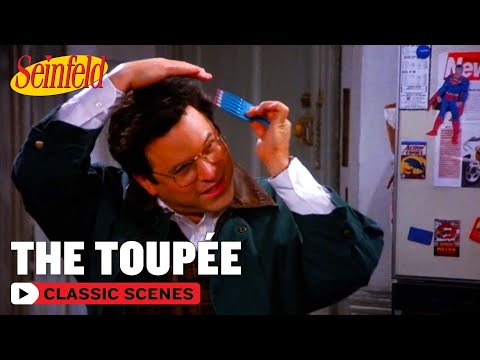
coiffed 30 सेकंड में
- Coiffed is an adjective describing hair that is styled with extreme care and precision, often appearing professional and very neat.
- It originates from the French word 'coiffer' and carries a sense of elegance, formality, and sometimes high social status.
- The word is commonly used in fashion, red carpet reporting, and literature to emphasize a character's polished or vain appearance.
- It is often paired with adverbs like 'perfectly' or 'immaculately' and is the opposite of messy or disheveled hair.
The adjective coiffed is a sophisticated term used primarily to describe hair that has been styled with extreme care, precision, and often a touch of artistic flair. When you describe someone as being coiffed, you are not merely saying their hair is neat; you are suggesting that a significant amount of time, effort, and perhaps professional expertise went into creating a specific look. It is a word that carries connotations of elegance, high social standing, and meticulous grooming. In the world of fashion and high society, being 'perfectly coiffed' is often seen as a prerequisite for public appearances, signaling that the individual respects the occasion and has the resources to maintain such a polished exterior. The term originates from the French word coiffer, which means to dress the hair, and this Gallic heritage lends the word an air of European chic and timeless style.
- Visual Aesthetic
- A coiffed hairstyle is characterized by its lack of stray hairs and its intentional shape. Whether it is a sleek bob, an intricate updo, or a perfectly gelled pompadour, the key is that every strand appears to be exactly where the stylist intended it to be.
The Hollywood starlet arrived at the premiere with her golden locks impeccably coiffed in a vintage wave that captured the glamour of the 1940s.
Historically, the term was more common in the mid-20th century when elaborate hairstyles like the beehive or the bouffant required professional setting and heavy use of hairspray. Today, it is used both seriously to describe high-fashion looks and sometimes slightly ironically to describe someone who looks 'too' perfect or artificial. It is frequently found in lifestyle journalism, red carpet commentary, and literature where the author wishes to emphasize a character's vanity or social status. When a news anchor or a politician appears on television, their hair is almost always coiffed to ensure that no distracting flyaways interfere with their professional image. This level of grooming suggests a controlled environment and a person who is in command of their presentation.
- Social Context
- In professional settings, a coiffed appearance can communicate competence and attention to detail. However, in very casual settings, it might be perceived as being 'overdressed' or stiff.
Even after a long flight, the CEO emerged from the plane with her hair perfectly coiffed, ready for the waiting photographers.
The word also appears in the context of animal grooming, particularly in dog shows where breeds like poodles have their fur 'coiffed' into specific, traditional patterns. This usage highlights the sculptural element of the word; it is about shaping and molding hair into a form that is as much about art as it is about hygiene. Furthermore, the word can be used metaphorically to describe something that is overly polished or curated, such as a 'coiffed prose style' that feels more concerned with appearance than substance. This versatility makes it a powerful tool for writers who want to convey a sense of deliberate, perhaps even excessive, refinement.
The poodle, expertly coiffed for the competition, stood proudly as the judges examined its intricate pom-poms of fur.
- Gender Neutrality
- While often associated with women's elaborate updos, 'coiffed' is equally applicable to men's hair, especially in the context of high-end barbering and vintage styles like the pompadour.
The groom was just as well-groomed as the bride, his hair coiffed into a sharp, modern side-part.
Her coiffed appearance made her stand out in the crowd of casual tourists.
Using the word coiffed correctly requires an understanding of its role as an adjective that describes a state of being. It is most frequently used as a predicative adjective (after a verb like 'was' or 'appeared') or as an attributive adjective (directly before the noun it modifies). Because the word implies a high level of detail, it is often found in descriptive passages where the author is painting a vivid picture of a character's appearance. It is particularly effective when contrasted with a chaotic or messy environment, highlighting the individual's composure or vanity.
- Common Collocations
- Phrases like 'perfectly coiffed hair', 'immaculately coiffed', and 'expertly coiffed' are standard in English. These pairings reinforce the idea that the hair didn't just happen to look good; it was made to look good.
Despite the humidity of the tropical island, the diplomat's hair remained coiffed and professional throughout the entire summit.
When constructing sentences, consider the tone you wish to convey. If you are writing a fashion blog, 'coiffed' is a positive, aspirational term. If you are writing a satirical piece about a vain politician, 'coiffed' might be used to suggest they care more about their image than their policies. The word can also be used in the past tense as a verb ('she coiffed her hair'), but its use as an adjective is more common in modern English. It is also important to note the spelling; it is derived from the French 'coiffé', and while the accent is usually dropped in English, the double 'f' and the 'ed' ending are essential.
- Sentence Variety
- You can use 'coiffed' to describe people, wigs, or even the manes of show horses. It always implies a deliberate styling process.
The mannequins in the store window featured brightly colored, coiffed wigs that drew the attention of every passerby.
In more creative writing, you might use 'coiffed' to describe non-hair items to create a metaphor. For example, 'the coiffed hedges of the estate' suggests that the bushes have been trimmed with the same level of care as a high-fashion hairstyle. This expands the word's utility and allows for more evocative descriptions. However, use this sparingly to avoid sounding overly flowery. The primary use remains firmly in the realm of personal grooming. When describing a person, 'coiffed' often goes hand-in-hand with other adjectives like 'tailored', 'manicured', and 'polished', creating a complete picture of a well-maintained individual.
He was a man of precise habits, from his coiffed silver hair to his perfectly shined shoes.
- Comparative Usage
- Compare 'coiffed' with 'combed'. 'Combed' is basic; 'coiffed' is an art form. You comb your hair before work; you get it coiffed for a gala.
The actress spent hours in the makeup chair, emerging with a coiffed look that was both modern and classic.
Her coiffed hair was so stiff with spray that it didn't move even when she danced.
The word coiffed is a staple of specific domains, most notably fashion journalism, entertainment news, and literature. If you watch red carpet coverage of the Oscars or the Met Gala, you will almost certainly hear commentators discussing the 'perfectly coiffed' celebrities. It is a word that belongs to the vocabulary of glamour. In these contexts, it is used to appreciate the work of high-end hairstylists and to highlight the overall aesthetic of the stars. It conveys a sense of awe and professional respect for the craft of hairdressing.
- Media and News
- News anchors and television personalities are often described as coiffed. This is because their appearance is carefully managed to project authority and stability. A 'coiffed' anchor is one who looks reliable and unflappable.
The fashion magazine featured a spread on 'The Most Perfectly Coiffed Men in Hollywood', focusing on classic styles.
In literature, authors use 'coiffed' to quickly establish a character's social class or personality. A character with 'impeccably coiffed hair' is likely wealthy, disciplined, or perhaps a bit vain. It is a shortcut for writers to signal that a character cares deeply about their public image. You might find it in a mystery novel to describe a cold, calculating socialite, or in a historical romance to describe the elaborate wigs of the 18th-century French court. The word's French roots make it particularly appropriate for historical settings involving the aristocracy.
- The Beauty Industry
- Hair salons and beauty brands use the word in their marketing to suggest a high-end, professional result. 'Get coiffed by the best' is a common marketing slogan for luxury salons.
In the novel, the antagonist was described as having a coiffed exterior that hid a messy and chaotic personal life.
Another place you will encounter this word is in the world of competitive animal shows. Poodles, in particular, are famous for their 'coiffed' coats. In this context, the word is technical and refers to specific grooming standards. It emphasizes that the animal's appearance is the result of hours of professional work. Similarly, in the world of vintage car shows or high-end interior design, you might occasionally hear 'coiffed' used metaphorically to describe something that has been polished to an extreme degree, though this is much less common than its literal application to hair.
The news report mentioned how the royal family always appeared perfectly coiffed, even in the most stressful situations.
- Social Media
- Influencers often use the hashtag #coiffed to show off professional hairstyles or to promote hair products that help achieve a 'done' look.
The vintage-themed party required all guests to arrive with coiffed hair and period-appropriate attire.
The runway models walked with an air of detachment, their coiffed hair catching the strobe lights.
One of the most common mistakes when using coiffed is applying it to any hair that looks good. Remember, 'coiffed' specifically implies a styled and arranged look. If someone has naturally beautiful hair that is simply flowing in the wind, 'coiffed' is not the right word. 'Coiffed' hair is often the result of hairspray, pins, and deliberate shaping. Using it to describe a 'natural' or 'messy' look is a contradiction in terms. Another mistake is confusing it with 'coifed', which is an alternative spelling but less common in modern usage, or 'quaffed', which means to drink something heartily.
- Coiffed vs. Quaffed
- This is a frequent phonetic error. You 'quaff' a pint of ale, but you 'coiff' your hair. They sound somewhat similar but have entirely different meanings and origins.
Incorrect: He coiffed the entire bottle of water after the race. (Correct: He quaffed the water.)
Another error is using 'coiffed' to describe things other than hair without a clear metaphorical intent. While you can poetically describe 'coiffed gardens', using it for 'coiffed cars' or 'coiffed homework' sounds strange and incorrect. It is fundamentally a word about hair and grooming. Additionally, some learners use 'coiffed' as a synonym for 'cut'. While a haircut is often part of the process, 'coiffed' refers to the styling of the hair after it has been cut. You can have a great haircut but still have uncoiffed hair if you haven't styled it that day.
- Overuse
- Because 'coiffed' is a 'fancy' word, there is a temptation to use it too often. Save it for situations where the hair is truly exceptional or where you want to make a point about the person's appearance.
Incorrect: She coiffed her hair with a quick brush before running out the door. (Better: She brushed her hair.)
Finally, be careful with the pronunciation. It is usually pronounced /kwɑːft/ (like 'kwaft') or /kɔɪft/ (like 'koyft'). Mispronouncing it can undermine the sophisticated tone you are trying to achieve. It is also worth noting that 'coiffed' is an adjective that describes a finished state. Using it to describe the process of styling is better handled by the verb 'coiffing'. For example, 'She was in the middle of coiffing her hair' is better than 'She was in the middle of coiffed hair'.
The stylist spent the morning coiffing the models' hair, ensuring every coiffed look was perfect for the camera.
- The 'Natural' Trap
- Avoid using 'coiffed' for 'beach waves' or 'bedhead' styles, even if they took time to create. 'Coiffed' implies a more structured, formal, and 'finished' appearance.
His coiffed hair was a stark contrast to his rugged, outdoorsy clothing.
A coiffed look requires maintenance; it is not a 'wash and go' style.
If you find yourself overusing coiffed, there are several alternatives that can convey a similar meaning while adding variety to your writing. The choice of word depends on the specific nuance you want to emphasize. For instance, 'styled' is the most general alternative, while 'groomed' focuses on cleanliness and neatness. 'Manicured' is often used for lawns or nails but can be applied to hair to suggest extreme precision. Understanding these subtle differences will help you choose the most effective word for your context.
- Styled vs. Coiffed
- 'Styled' is a broad term. You can style your hair in a messy way. 'Coiffed' is a specific type of styling that is formal, elaborate, and precise. All coiffed hair is styled, but not all styled hair is coiffed.
While she usually preferred a messy bun, for the gala she chose a more coiffed and elegant updo.
'Groomed' is another close synonym, but it has a wider application. You can have a groomed beard, groomed eyebrows, or a groomed dog. 'Groomed' implies a general state of being well-cared-for and tidy. 'Coiffed', on the other hand, is almost exclusively about the hair on one's head and the specific way it has been arranged. 'Prinked' and 'preened' are more old-fashioned terms that suggest a person has spent a lot of time looking in the mirror and adjusting their appearance. These can sometimes carry a slightly negative connotation of vanity.
- Arranged vs. Coiffed
- 'Arranged' is a very literal word. It simply means things have been put in a certain order. 'Coiffed' adds a layer of fashion and aesthetic intent that 'arranged' lacks.
The butler's hair was so perfectly coiffed that it looked like a solid piece of sculpture.
For a more modern or informal context, you might use 'done'. When someone says, 'I need to get my hair done,' they are often referring to the process of getting it coiffed. However, 'done' is much less descriptive and lacks the elegance of 'coiffed'. In the context of men's grooming, 'slicked' or 'tapered' might be more specific terms for certain coiffed styles. 'Slicked' implies the use of heavy product to pull the hair back, while 'tapered' refers to the way the hair is cut and styled close to the head. 'Coiffed' remains the best umbrella term for any highly deliberate and formal hairstyle.
Her coiffed waves were a testament to the skill of her personal stylist.
- Antonyms
- The opposites of 'coiffed' include 'disheveled', 'unkempt', 'messy', 'tousled', and 'windblown'. These words describe hair that is not in a controlled or styled state.
After the storm, her once coiffed hair was completely disheveled and full of leaves.
The contrast between his coiffed hair and his torn jeans was a deliberate fashion statement.
How Formal Is It?
रोचक तथ्य
The root word 'coif' originally referred to a close-fitting cap worn by women or lawyers in the Middle Ages. It wasn't until later that it became associated with the hair itself.
उच्चारण मार्गदर्शिका
- Pronouncing it as 'coif-fed' (two syllables).
- Confusing it with 'quaffed' (to drink).
- Misspelling it as 'coifed'.
- Using a hard 'ch' sound like 'choiffed'.
- Ignoring the 't' sound at the end.
कठिनाई स्तर
Common in literature and fashion media.
Requires correct spelling and context.
Pronunciation can be tricky for non-native speakers.
Distinctive sound, but can be confused with 'quaffed'.
आगे क्या सीखें
पूर्वापेक्षाएँ
आगे सीखें
उन्नत
ज़रूरी व्याकरण
Adjective Order
The beautiful, perfectly coiffed, blonde woman.
Past Participles as Adjectives
The coiffed hair (from the verb 'to coif').
Adverb-Adjective Pairing
Immaculately coiffed.
Hyphenating Compound Adjectives
A well-coiffed man.
Stative Verbs with Adjectives
She looks coiffed.
स्तर के अनुसार उदाहरण
The princess has coiffed hair.
La princesa tiene el cabello peinado de forma elaborada.
Adjective modifying 'hair'.
Is your hair coiffed for the party?
¿Está tu cabello peinado para la fiesta?
Interrogative sentence.
Her hair is coiffed and beautiful.
Su cabello está peinado y hermoso.
Compound adjective phrase.
The doll has coiffed hair.
La muñeca tiene el cabello peinado.
Simple subject-verb-object.
He likes his hair coiffed.
A él le gusta su cabello peinado.
Object complement.
Look at her coiffed hair!
¡Mira su cabello peinado!
Imperative sentence.
The bride's hair was coiffed.
El cabello de la novia estaba peinado.
Past tense 'was'.
She wants coiffed hair today.
Ella quiere el cabello peinado hoy.
Present simple.
The news anchor always has coiffed hair.
El presentador de noticias siempre tiene el cabello peinado.
Adverb 'always' with adjective.
She went to the salon to get coiffed.
Ella fue al salón para que la peinaran.
Infinitive of purpose.
The poodle was perfectly coiffed for the show.
El caniche estaba perfectamente peinado para el concurso.
Adverb 'perfectly' modifying adjective.
His hair was coiffed in a 1950s style.
Su cabello estaba peinado al estilo de los años 50.
Prepositional phrase 'in a... style'.
She looks very elegant with her coiffed hair.
Ella se ve muy elegante con su cabello peinado.
Prepositional phrase 'with her...'.
The actors were all coiffed and ready.
Los actores estaban todos peinados y listos.
Multiple adjectives.
Is it hard to keep your hair coiffed?
¿Es difícil mantener tu cabello peinado?
Infinitive phrase as subject.
The magazine showed many coiffed models.
La revista mostraba muchas modelos peinadas.
Attributive adjective.
Despite the wind, her hair remained perfectly coiffed.
A pesar del viento, su cabello permaneció perfectamente peinado.
Contrastive conjunction 'despite'.
He spent an hour ensuring his hair was coiffed correctly.
Pasó una hora asegurándose de que su cabello estuviera peinado correctamente.
Gerund 'ensuring'.
The flight attendants were immaculately coiffed.
Las azafatas estaban impecablemente peinadas.
Adverb 'immaculately'.
She preferred a coiffed look for professional meetings.
Ella prefería un aspecto peinado para las reuniones profesionales.
Noun phrase 'coiffed look'.
The vintage dolls had elaborately coiffed wigs.
Las muñecas antiguas tenían pelucas elaboradamente peinadas.
Adverb 'elaborately'.
His coiffed appearance gave him an air of authority.
Su apariencia peinada le daba un aire de autoridad.
Subject noun phrase.
The stylist is known for creating coiffed masterpieces.
El estilista es conocido por crear obras maestras peinadas.
Passive construction 'is known for'.
She felt out of place without her hair being coiffed.
Se sentía fuera de lugar sin tener el cabello peinado.
Participle phrase.
The politician's coiffed hair was often the subject of satire.
El cabello peinado del político era a menudo objeto de sátira.
Genitive case 'politician's'.
She emerged from the dressing room, expertly coiffed and gowned.
Salió del camerino, expertamente peinada y vestida de gala.
Adverbial modifiers.
A coiffed exterior can sometimes hide a lack of substance.
Un exterior peinado a veces puede ocultar una falta de sustancia.
Metaphorical usage.
The ballroom was filled with coiffed debutantes.
El salón de baile estaba lleno de debutantes peinadas.
Passive voice 'was filled with'.
He maintained a coiffed image to appeal to his conservative voters.
Mantuvo una imagen peinada para atraer a sus votantes conservadores.
Infinitive of purpose.
The poodle's coiffed fur was a requirement for the competition.
El pelaje peinado del caniche era un requisito para el concurso.
Noun phrase as subject.
Her hair was so stiffly coiffed that it didn't move an inch.
Su cabello estaba tan rígidamente peinado que no se movía ni un centímetro.
Result clause 'so... that'.
The magazine's cover featured a coiffed model in haute couture.
La portada de la revista presentaba a una modelo peinada en alta costura.
Prepositional phrase 'in haute couture'.
The author used the character's coiffed hair to signal her vanity.
El autor utilizó el cabello peinado del personaje para señalar su vanidad.
Infinitive of purpose.
In the 18th century, men were as elaborately coiffed as women.
En el siglo XVIII, los hombres estaban tan elaboradamente peinados como las mujeres.
Comparative 'as... as'.
Her coiffed prose was beautiful but lacked emotional depth.
Su prosa peinada era hermosa pero carecía de profundidad emocional.
Metaphorical usage for writing style.
The celebrity's coiffed appearance was a carefully managed brand asset.
La apariencia peinada de la celebridad era un activo de marca cuidadosamente gestionado.
Compound noun phrase.
He felt the need to remain coiffed even in the privacy of his home.
Sentía la necesidad de permanecer peinado incluso en la privacidad de su hogar.
Infinitive phrase after 'need'.
The documentary explored the history of the coiffed aesthetic in Hollywood.
El documental exploró la historia de la estética peinada en Hollywood.
Noun phrase 'coiffed aesthetic'.
She was the epitome of the coiffed socialite, never a hair out of place.
Ella era el epítome de la dama de sociedad peinada, nunca un cabello fuera de lugar.
Appositive phrase.
The stylist's hands moved with precision, leaving the model perfectly coiffed.
Las manos del estilista se movían con precisión, dejando a la modelo perfectamente peinada.
Participle phrase.
The film noir aesthetic relied heavily on the starkly coiffed silhouettes of its leads.
La estética del cine negro dependía en gran medida de las siluetas rígidamente peinadas de sus protagonistas.
Adverbial modifier 'starkly'.
One might argue that his coiffed public persona was a defense mechanism.
Se podría argumentar que su persona pública peinada era un mecanismo de defensa.
Modal 'might' and noun phrase.
The contrast between the coiffed elite and the disheveled masses was a central theme.
El contraste entre la élite peinada y las masas desaliñadas era un tema central.
Parallel noun phrases.
Her coiffed hair served as a rigid crown, a symbol of her unyielding authority.
Su cabello peinado servía como una corona rígida, un símbolo de su autoridad inquebrantable.
Metaphorical appositive.
The meticulously coiffed hedges of the estate mirrored the owner's obsession with control.
Los setos meticulosamente peinados de la finca reflejaban la obsesión del propietario por el control.
Metaphorical usage for topiary.
To be coiffed is to perform a specific version of femininity that is increasingly scrutinized.
Estar peinada es representar una versión específica de la feminidad que es cada vez más escrutada.
Gerund phrase as subject.
The art critic dismissed the painting as 'too coiffed', lacking raw, visceral energy.
El crítico de arte descartó la pintura por ser 'demasiado peinada', careciendo de energía cruda y visceral.
Quotation used metaphorically.
In the high-stakes world of diplomacy, being well-coiffed is a non-verbal form of communication.
En el mundo de la diplomacia de alto nivel, estar bien peinado es una forma no verbal de comunicación.
Gerund phrase 'being well-coiffed'.
सामान्य शब्द संयोजन
सामान्य वाक्यांश
— Describes someone whose hair is perfectly coiffed and maintained.
She walked through the storm and emerged with not a hair out of place.
— To be wearing very fashionable or formal clothes, often including coiffed hair.
They arrived at the opera dressed to the nines and perfectly coiffed.
— Describing someone who looks organized and well-groomed.
She always looks so put-together, with her coiffed hair and tailored suits.
— Looking perfect enough for a major celebrity event.
With her new hairstyle, she was finally red-carpet ready and coiffed to perfection.
— Hair that looks like it was just coiffed by a professional.
I love that salon-fresh feeling of having coiffed hair.
— To have put on fancy clothes and styled one's hair.
She was all done up for the party, with her hair coiffed in a high bun.
— Extreme attention to cleanliness and order, often including grooming.
The soldiers were all spit and polish, with coiffed hair under their caps.
— Requiring a lot of time and effort to maintain, like a coiffed hairstyle.
Her coiffed look is very high-maintenance and requires daily salon visits.
— Looking exactly as something should in a photograph.
The family stood for the portrait, all of them picture-perfect and coiffed.
— Metaphorically describing someone who is extremely well-groomed.
He was polished to a shine, from his coiffed hair to his leather shoes.
अक्सर इससे भ्रम होता है
Means to drink heartily. 'He quaffed the ale' vs 'He coiffed his hair'.
An older spelling or referring to wearing a hood. 'Coiffed' is the standard modern spelling for hair.
The verb form or a type of cap. 'Coiffed' is the adjective.
मुहावरे और अभिव्यक्तियाँ
— To relax and behave informally, the opposite of being coiffed and formal.
After the formal gala, she finally let her hair down and danced.
informal— To be extremely frustrated or worried, which would ruin a coiffed look.
I'm tearing my hair out trying to finish this project on time!
informal— An old-fashioned way to tell someone to stay calm.
Keep your hair on! We'll be there in five minutes.
informal— By a very small distance or amount.
He missed the target by a hair's breadth.
neutral— To argue about very small and unimportant details.
Don't split hairs; the overall plan is what matters.
neutral— To frighten someone very much.
The ghost story made my hair stand on end.
neutral— To stay calm and show no emotion in a difficult situation.
She didn't turn a hair when they told her the bad news.
neutral— To annoy someone by being near them or bothering them.
The kids were getting in my hair while I was trying to cook.
informal— An alcoholic drink taken to cure a hangover.
He decided a hair of the dog was the only way to feel better.
informalआसानी से भ्रमित होने वाले
Both refer to hair arrangement.
'Styled' is general; 'coiffed' is formal and elaborate.
She styled her hair for the gym, but she got it coiffed for the gala.
Both refer to neatness.
'Groomed' is for the whole person; 'coiffed' is specifically for hair.
He was well-groomed, with coiffed hair and clean nails.
Both imply extreme precision.
'Manicured' is usually for nails or gardens; 'coiffed' is for hair.
The manicured lawn was as neat as the owner's coiffed hair.
Both involve arranging hair.
'Combed' is a basic action; 'coiffed' is a professional result.
He combed his hair quickly, but it wasn't exactly coiffed.
Both mean hair has been worked on.
'Done' is very informal and vague; 'coiffed' is descriptive and formal.
I got my hair done, and now it looks perfectly coiffed.
वाक्य संरचनाएँ
Subject + was + coiffed.
Her hair was coiffed.
The + coiffed + noun.
The coiffed model smiled.
Subject + appeared + perfectly coiffed.
He appeared perfectly coiffed.
Despite [condition], [subject] remained coiffed.
Despite the rain, she remained coiffed.
With [noun] coiffed, [subject] [verb].
With her hair coiffed, she entered the room.
It was a [adjective], coiffed [noun].
It was a stiff, coiffed wig.
The [noun] of the coiffed [noun].
The precision of the coiffed hairstyle.
[Gerund] coiffed is [adjective].
Being coiffed is essential for her job.
शब्द परिवार
संज्ञा
क्रिया
विशेषण
संबंधित
इसे कैसे इस्तेमाल करें
Common in specific domains (fashion, media, literature).
-
coifed
→
coiffed
The double 'f' is the standard modern spelling for styled hair.
-
quaffed
→
coiffed
'Quaffed' means to drink; 'coiffed' means to style hair. They sound similar but are different.
-
coiffed his shoes
→
polished his shoes
'Coiffed' is almost exclusively for hair.
-
coif-fed (2 syllables)
→
coiffed (1 syllable)
The 'ed' ending sounds like a 't', making it a single syllable.
-
a coiffed mess
→
a tousled mess
'Coiffed' and 'mess' are contradictory terms.
सुझाव
Use for Formality
Use 'coiffed' when describing someone at a wedding, gala, or on television to capture the formal effort of their hairstyle.
Pair with 'Immaculate'
The phrase 'immaculately coiffed' is a powerful way to describe someone who looks absolutely perfect.
Show, Don't Just Tell
Instead of saying someone is 'vain', describe them as 'spending hours to ensure they are perfectly coiffed'.
One Syllable
Remember that 'coiffed' is one syllable. Don't say 'coif-fed'.
Double F
Always remember the double 'f' in 'coiffed' to maintain its French-derived spelling.
Creative Metaphors
Try using 'coiffed' to describe a very neat garden or a very polished piece of writing for a creative touch.
Red Carpet Context
If you're writing about celebrities, 'coiffed' is a essential word for your vocabulary.
Use for Contrast
Contrast 'coiffed' hair with 'disheveled' clothing to create an interesting character image.
Avoid Overuse
If you've used 'coiffed' once, try 'styled' or 'groomed' for the next description to keep your writing fresh.
Historical Fiction
Use 'coiffed' when writing about the 18th or 19th centuries to reflect the elaborate hair trends of the time.
याद करें
स्मृति सहायक
Think of a 'COIF' as a 'COIN'—shiny, perfect, and carefully made. A coiffed person looks like they are worth a lot of money.
दृश्य संबंध
Imagine a news anchor under bright studio lights with hair that looks like it's made of perfectly sculpted plastic.
Word Web
चैलेंज
Try to use 'coiffed' in a sentence describing your favorite movie character's hair.
शब्द की उत्पत्ति
Derived from the French word 'coiffé', which is the past participle of 'coiffer' (to dress the hair). It entered English in the mid-19th century.
मूल अर्थ: To cover the head or to arrange hair.
Romance (French) via Latin 'coifa' (a cap or hood).सांस्कृतिक संदर्भ
Be careful using 'coiffed' to describe natural hair textures in a way that implies they are only 'good' when heavily styled.
In the UK and US, 'coiffed' is often used in fashion magazines like Vogue or Harper's Bazaar.
असल ज़िंदगी में अभ्यास करें
वास्तविक संदर्भ
Weddings
- The bride was coiffed.
- Coiffed bridesmaids.
- Perfectly coiffed for the altar.
- A coiffed updo.
Professional TV
- A coiffed news anchor.
- Television-ready coiffed hair.
- Immaculately coiffed host.
- The coiffed look of a reporter.
Historical Fiction
- The coiffed wigs of the court.
- Elaborately coiffed ladies.
- The coiffed hair of the Victorian era.
- A coiffed gentleman.
Fashion Industry
- A coiffed model.
- Runway-ready coiffed hair.
- The coiffed aesthetic of the season.
- Expertly coiffed by stylists.
Animal Shows
- A coiffed poodle.
- The dog was perfectly coiffed.
- Coiffed fur for the judges.
- Expertly coiffed show pets.
बातचीत की शुरुआत
"Do you prefer a coiffed look for formal events, or do you like something more natural?"
"Which celebrity do you think always has the most perfectly coiffed hair?"
"How much time do you think it takes for a news anchor to get coiffed every morning?"
"Have you ever had your hair professionally coiffed for a special occasion?"
"Do you think the 'coiffed' look is becoming less popular in modern fashion?"
डायरी विषय
Describe a time when you felt 'perfectly coiffed' and how it changed your confidence.
Write a character description of a villain whose most notable feature is their coiffed hair.
Discuss the social pressures of maintaining a coiffed appearance in certain professions.
Compare the 'coiffed' styles of the 1950s with the hair trends of today.
Imagine a world where everyone's hair is permanently coiffed. How would society change?
अक्सर पूछे जाने वाले सवाल
10 सवालYes, 'coiffed' is gender-neutral and can describe any carefully styled hair, regardless of gender. It is common in men's high-end grooming.
It is usually positive, implying elegance. However, it can be used negatively to suggest someone is vain or artificial.
'Coiffed' is the more common modern spelling. 'Coifed' is an older variant or refers to wearing a 'coif' (a type of cap).
In the US, it's usually 'koyft'. In the UK, it's often 'kwaft'. Both are acceptable.
No, 'coiffed' specifically means neat and carefully arranged. For a 'good' messy look, use 'tousled'.
It is a B2 level word, meaning it's common in literature and media but less so in basic daily conversation.
It comes from the French word 'coiffer', meaning to dress or style the hair.
While usually for head hair, it can be used for a very elaborately styled beard, though 'groomed' or 'manicured' is more common.
Perfectly, immaculately, expertly, elaborately, and stiffly are very common.
It is the past participle of the verb 'coif', but it is most commonly used as an adjective.
खुद को परखो 200 सवाल
Write a paragraph describing a celebrity arriving at a gala, using the word 'coiffed'.
Well written! Good try! Check the sample answer below.
Describe the difference between 'coiffed' hair and 'messy' hair in three sentences.
Well written! Good try! Check the sample answer below.
Write a short story about a person who loses their 'coiffed' look during a rainstorm.
Well written! Good try! Check the sample answer below.
Explain why a news anchor might want to be 'coiffed' for their job.
Well written! Good try! Check the sample answer below.
Use 'coiffed' metaphorically to describe a garden or a piece of art.
Well written! Good try! Check the sample answer below.
Write a dialogue between a stylist and a client who wants to be 'perfectly coiffed'.
Well written! Good try! Check the sample answer below.
Describe a historical figure known for their 'elaborately coiffed' appearance.
Well written! Good try! Check the sample answer below.
Write a fashion blog post about the return of the 'coiffed' aesthetic.
Well written! Good try! Check the sample answer below.
How does being 'coiffed' affect a person's social image? Write 50 words.
Well written! Good try! Check the sample answer below.
Describe a poodle at a dog show using the word 'coiffed'.
Well written! Good try! Check the sample answer below.
Write a sentence using 'coiffed' and 'immaculate'.
Well written! Good try! Check the sample answer below.
Write a sentence using 'coiffed' and 'disheveled' in contrast.
Well written! Good try! Check the sample answer below.
Describe a character who is 'over-coiffed' and what that says about them.
Well written! Good try! Check the sample answer below.
Write a poem where 'coiffed' is used to describe the clouds or the sea.
Well written! Good try! Check the sample answer below.
Explain the etymology of 'coiffed' in your own words.
Well written! Good try! Check the sample answer below.
Write a formal invitation that mentions a 'coiffed' dress code.
Well written! Good try! Check the sample answer below.
Describe a vintage 1950s housewife using the word 'coiffed'.
Well written! Good try! Check the sample answer below.
Write a critique of a movie character's 'stiffly coiffed' hair.
Well written! Good try! Check the sample answer below.
How would you feel if you were 'perfectly coiffed' every day? Write a journal entry.
Well written! Good try! Check the sample answer below.
Use 'coiffed' in a sentence about a royal wedding.
Well written! Good try! Check the sample answer below.
Read this aloud:
तुमने कहा:
Speech recognition is not supported in your browser. Try Chrome or Edge.
Read this aloud:
तुमने कहा:
Speech recognition is not supported in your browser. Try Chrome or Edge.
Read this aloud:
तुमने कहा:
Speech recognition is not supported in your browser. Try Chrome or Edge.
Read this aloud:
तुमने कहा:
Speech recognition is not supported in your browser. Try Chrome or Edge.
Read this aloud:
तुमने कहा:
Speech recognition is not supported in your browser. Try Chrome or Edge.
Read this aloud:
तुमने कहा:
Speech recognition is not supported in your browser. Try Chrome or Edge.
Read this aloud:
तुमने कहा:
Speech recognition is not supported in your browser. Try Chrome or Edge.
Read this aloud:
तुमने कहा:
Speech recognition is not supported in your browser. Try Chrome or Edge.
Read this aloud:
तुमने कहा:
Speech recognition is not supported in your browser. Try Chrome or Edge.
Read this aloud:
तुमने कहा:
Speech recognition is not supported in your browser. Try Chrome or Edge.
Read this aloud:
तुमने कहा:
Speech recognition is not supported in your browser. Try Chrome or Edge.
Read this aloud:
तुमने कहा:
Speech recognition is not supported in your browser. Try Chrome or Edge.
Read this aloud:
तुमने कहा:
Speech recognition is not supported in your browser. Try Chrome or Edge.
Read this aloud:
तुमने कहा:
Speech recognition is not supported in your browser. Try Chrome or Edge.
Read this aloud:
तुमने कहा:
Speech recognition is not supported in your browser. Try Chrome or Edge.
Read this aloud:
तुमने कहा:
Speech recognition is not supported in your browser. Try Chrome or Edge.
Read this aloud:
तुमने कहा:
Speech recognition is not supported in your browser. Try Chrome or Edge.
Read this aloud:
तुमने कहा:
Speech recognition is not supported in your browser. Try Chrome or Edge.
Read this aloud:
तुमने कहा:
Speech recognition is not supported in your browser. Try Chrome or Edge.
Read this aloud:
तुमने कहा:
Speech recognition is not supported in your browser. Try Chrome or Edge.
Where did the speaker go?
What did the hair look like?
Was she ready for the stage?
What happened to her hair in the wind?
What color was his hair?
What shape was the poodle's fur?
When does the speaker need their hair done?
Why did she stand out?
Who does the stylist work for?
What decade is mentioned?
How did she feel?
Where was the model featured?
Did he spend a lot of money?
What was part of her brand?
Does the person look the same?
/ 200 correct
Perfect score!
Summary
The word 'coiffed' is your go-to adjective for describing hair that looks like it belongs on a movie star or a runway model. It implies a level of styling that goes far beyond a simple brush, suggesting a deliberate and often stiff perfection. Example: 'The news anchor's hair was so perfectly coiffed that not a single strand moved during the entire broadcast.'
- Coiffed is an adjective describing hair that is styled with extreme care and precision, often appearing professional and very neat.
- It originates from the French word 'coiffer' and carries a sense of elegance, formality, and sometimes high social status.
- The word is commonly used in fashion, red carpet reporting, and literature to emphasize a character's polished or vain appearance.
- It is often paired with adverbs like 'perfectly' or 'immaculately' and is the opposite of messy or disheveled hair.
Use for Formality
Use 'coiffed' when describing someone at a wedding, gala, or on television to capture the formal effort of their hairstyle.
Pair with 'Immaculate'
The phrase 'immaculately coiffed' is a powerful way to describe someone who looks absolutely perfect.
Show, Don't Just Tell
Instead of saying someone is 'vain', describe them as 'spending hours to ensure they are perfectly coiffed'.
One Syllable
Remember that 'coiffed' is one syllable. Don't say 'coif-fed'.