shrek 30 सेकंड में
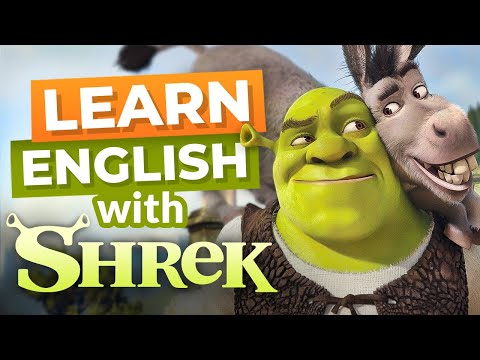
- Shrek is a green ogre character who lives in a swamp and stars in a major animated film franchise.
- The word is used to describe an unconventional hero who subverts traditional fairy tale expectations and beauty standards.
- In pop culture, Shrek represents early 2000s nostalgia, satirical humor, and a specific vibrant shade of lime green.
- Linguistically, it functions as a proper noun but is often used metaphorically to describe grumpy yet kind-hearted individuals.
The word Shrek primarily refers to the titular character of the 2001 animated film produced by DreamWorks Animation, based on the 1990 picture book by William Steig. At its most basic level, Shrek is a large, green-skinned ogre who lives in a swamp and prefers a life of solitude. However, the term has evolved far beyond a simple character name. In contemporary English, particularly within pop culture and internet discourse, the word carries significant weight as a symbol of subverting traditional fairy tale tropes. When people use the word, they are often referring to the entire media franchise, which includes multiple sequels, spin-offs, and a musical. Linguistically, the name is derived from the Yiddish word 'shreck,' which means 'fright' or 'terror,' reflecting the character's initial role as a scary monster who eventually reveals a heart of gold. This duality—the frightening exterior versus the sensitive interior—is the core of what the word represents in modern usage. It is used to describe an unconventional hero who does not fit the 'Prince Charming' mold. In social contexts, calling something 'Shrek-like' might refer to its green color, its physical bulk, or a person's desire to be left alone in their own 'swamp' or private space. The word is ubiquitous in discussions about animation history, as the film was a landmark in the transition from traditional hand-drawn animation to computer-generated imagery (CGI). Furthermore, the word is used to evoke a specific aesthetic of the early 2000s, characterized by a mix of gross-out humor, celebrity voice acting, and a soundtrack featuring alternative rock and pop music. In more niche internet circles, the word has taken on a surreal, almost religious level of meme status, where it is used ironically or absurdly to represent an all-powerful, albeit goofy, deity-like figure. Despite these varied uses, the most common application remains the identification of the character himself or the film series. When a parent says, 'Let's watch Shrek,' they are referring to the entertainment product. When a critic writes about the 'Shrek effect' on cinema, they are discussing how the movie's success led to a decade of animated films that relied heavily on pop culture references and sarcastic humor. The word is also a noun that can function as an adjective in informal settings, such as 'that green shirt is very Shrek.' It encapsulates the idea of being comfortable in one's own skin, no matter how 'ugly' or 'different' society might perceive you to be. The character's journey from a feared loner to a beloved husband and father provides a narrative framework that people reference when discussing personal growth and the rejection of superficial beauty standards. Thus, the word is not just a name; it is a cultural shorthand for the subversion of expectations and the celebration of the 'un-pretty' or the 'misfit.'
- Primary Identification
- A fictional green ogre who is the protagonist of a major film franchise.
I decided to dress up as shrek for the costume party because I already have the green face paint.
- Metaphorical Usage
- Used to describe someone who is grumpy but has a good heart, or someone who values their privacy intensely.
My uncle is a bit of a shrek; he stays in his cabin all day and yells at anyone who steps on his lawn.
The animation style of the first shrek film was revolutionary for its time in 2001.
He has a shrek poster hanging in his dorm room as a piece of ironic nostalgia.
The soundtrack for shrek helped popularize the song 'All Star' by Smash Mouth for a new generation.
- Cultural Symbolism
- Represents the 'anti-hero' or the 'misfit' who finds love and acceptance without changing their physical appearance.
Using the word Shrek in a sentence requires an understanding of whether you are referring to the character, the film, or the broader cultural concept. As a proper noun, it almost always begins with a capital letter. When referring to the character, it functions like any other name: 'Shrek lives in a swamp.' When referring to the movie, it can be used as a title: 'I watched Shrek last night.' However, the word has also developed several adjectival and metaphorical uses that are common in informal speech. For example, one might describe a color as 'Shrek green,' which refers to a specific, vibrant shade of lime or chartreuse associated with the character's skin. In a metaphorical sense, you might hear someone say, 'He’s a total Shrek,' implying that the person is physically large, perhaps a bit unrefined or grumpy, but ultimately well-meaning. This usage is often affectionate rather than insulting, though it depends heavily on the tone of the speaker. Another common way to use the word is in the context of the 'Shrek franchise' or 'Shrek universe,' referring to the collection of media surrounding the character. In academic or critical writing, you might see 'Shrek' used to discuss the 'Shrek-ification' of animated films—a term used to describe the trend of adding adult-oriented humor and pop culture references to children's movies. When using the word in a sentence about the character's personality, it is common to mention his 'layers,' a reference to the famous line 'Ogres are like onions... they have layers.' This has become a linguistic trope used to describe anyone with a complex or multifaceted personality. You might say, 'To understand him, you have to realize he's like Shrek; he has many layers.' Additionally, the word is often paired with other characters from the film to create context, such as 'Shrek and Donkey' or 'Shrek and Fiona.' In the realm of internet memes, the word is often used in short, punchy, and sometimes nonsensical sentences like 'Shrek is life.' While this is slang, it demonstrates the word's versatility. In more formal linguistic analysis, 'Shrek' serves as a perfect example of a 'proprietary eponym' that hasn't quite become a generic term like 'Kleenex,' but has certainly moved beyond being just a name. It is also important to note the possessive form, 'Shrek's,' as in 'Shrek's swamp' or 'Shrek's ears.' The distinctive shape of the character's ears is so recognizable that 'Shrek ears' is a common term for headbands or accessories that mimic them. In summary, whether you are discussing cinema, describing a specific shade of green, or making a joke about someone's grumpy demeanor, 'Shrek' is a versatile noun that carries a wealth of cultural associations. It is a word that bridges the gap between children's entertainment and adult satire, making it a unique fixture in the English lexicon of the 21st century.
- As a Proper Noun (Character)
- Focuses on the individual ogre's actions or traits.
shrek eventually learns that he doesn't need to be a handsome prince to be loved.
- As a Movie Title
- Refers to the cinematic work or the franchise.
The first shrek won the inaugural Academy Award for Best Animated Feature.
- As a Descriptor (Adjectival Noun)
- Used to describe colors or physical attributes.
She painted her bedroom a bright shrek green, much to her parents' dismay.
The theme park has a dedicated shrek attraction that draws thousands of fans every year.
Many critics argue that shrek changed the way animated films are marketed to adults.
You will encounter the word Shrek in a surprising variety of environments, ranging from family living rooms to university film studies classrooms. Most commonly, it is heard in the context of family entertainment. Parents and children frequently use the word when deciding what to watch on streaming services or when visiting theme parks like Universal Studios, where the character is a major fixture. In these settings, 'Shrek' is synonymous with high-quality, humorous animation that appeals to all ages. Beyond the home, the word is a staple of pop culture journalism and film criticism. Critics often reference 'Shrek' when discussing the history of DreamWorks Animation or when comparing new animated releases to the 'gold standard' of early 2000s CGI. You might hear a reviewer say, 'This movie tries to capture the same irreverent spirit as Shrek.' In the world of music, the word is often linked to the band Smash Mouth or the song 'Hallelujah,' as the film's soundtrack is considered iconic. If you are in a music store or listening to a 2000s-themed playlist, the name 'Shrek' might come up in conversation about how the film helped revive certain songs. Another major arena where you will hear the word is the internet. On platforms like TikTok, Reddit, and Twitter (X), 'Shrek' is the subject of countless memes. These can range from nostalgic appreciation to bizarre, surrealist humor. In these digital spaces, the word is often used as a shorthand for a specific kind of 'internet-weird' culture. You might hear younger people use the word in a way that seems almost nonsensical to older generations, treating the character as a legendary figure. In social settings, the word is often used during Halloween or at costume parties. 'I'm going as Shrek' is a common phrase, usually followed by discussions about green makeup and prosthetic ears. In the fashion and design world, 'Shrek green' is a recognizable, if informal, color name used to describe a very specific shade of neon-lime. You might hear a fashion blogger say, 'This season, we're seeing a lot of Shrek green on the runway.' Furthermore, the word appears in academic contexts. Professors of media studies or cultural history might use 'Shrek' as a case study in how modern media subverts the 'Disney-fied' version of European folklore. They might discuss the 'Shrek-ification' of the fairy tale genre. Finally, the word is heard in everyday metaphorical speech. If someone is being particularly reclusive or grumpy, a friend might jokingly ask, 'Why are you being such a Shrek today?' or tell them to 'get out of your swamp.' This demonstrates how the word has transitioned from a specific name to a general archetype for a lovable but antisocial misfit. Whether it's in a serious discussion about the evolution of CGI or a lighthearted joke about someone's morning mood, 'Shrek' is a word that resonates across multiple layers of modern society, proving its enduring relevance decades after the character's debut.
- In Family Life
- Commonly used when choosing movies or toys for children.
'Do you want to watch shrek or Toy Story tonight?' the father asked his kids.
- In Digital Culture
- Used in memes, social media posts, and online forums as a symbol of irony or nostalgia.
The shrek meme went viral again after a fan posted a high-definition edit of the swamp scene.
- In Creative Industries
- Used by designers, animators, and marketers to refer to a specific style or color palette.
The art director suggested using a shrek-inspired palette for the new cereal box design.
I heard the shrek soundtrack playing at the grocery store, and it immediately took me back to 2001.
During the film festival, there was a retrospective on how shrek influenced modern satire.
One of the most frequent mistakes people make when using the word Shrek is failing to capitalize it. Because it is a proper noun—the name of a specific character and a specific movie—it should always start with an uppercase 'S'. Writing 'shrek' in a formal or even semi-formal context is technically a grammatical error, although it is common in casual texting. Another common mistake is using the word as a generic term for any ogre. While Shrek is an ogre, not all ogres are Shrek. Using the name to describe a monster in a different book or movie (like a creature in 'The Lord of the Rings') would be factually incorrect and potentially confusing. A more nuanced mistake involves the metaphorical use of the word. Sometimes, people use 'Shrek' as a pure insult, equating it only with ugliness. However, this misses the point of the character's narrative. In the context of the films, Shrek is a hero because of his character, not in spite of his appearance. Using the word solely to mock someone's looks can come across as shallow and ignores the 'layers' of the character that the word is meant to evoke. Additionally, there is often confusion regarding the origin of the word. Some believe it was invented by DreamWorks, but it actually comes from William Steig's book, and its linguistic roots are Yiddish. Misattributing the word's creation can be a minor error in academic or historical discussions. In terms of pronunciation, while most English speakers know it well, non-native speakers might struggle with the 'shr' consonant cluster, sometimes adding an extra vowel sound (like 'shuh-rek'). While understandable, the correct pronunciation is a single syllable for the 'shr' sound followed by 'ek'. Another mistake is confusing the movie's plot points when using the word in an analogy. For example, saying 'He's like Shrek, always looking for a princess to save' is slightly inaccurate, as Shrek initially saves Fiona only to get his swamp back, not out of a desire for traditional heroism. This subtle distinction is important for those who value precise cultural references. Furthermore, people often forget the possessive apostrophe when talking about 'Shrek's' things. Saying 'Shrek swamp' instead of 'Shrek's swamp' is a common slip in spoken English but should be avoided in writing. Finally, in the realm of internet culture, using 'Shrek' memes in the wrong context can lead to social awkwardness. The memes are often layered with irony, and using them 'sincerely' in a space where they are meant to be 'ironic' (or vice versa) can mark someone as out of touch with digital trends. To avoid these mistakes, always remember the word's status as a proper noun, its positive connotations of inner beauty and complexity, and its specific origins in literature and film history.
- Capitalization Error
- Writing 'shrek' with a lowercase 's' in formal writing.
Incorrect: I think shrek is the best movie. Correct: I think Shrek is the best movie.
- Misuse as a Generic Noun
- Using 'Shrek' to refer to any green monster or ogre regardless of the franchise.
Incorrect: Look at that shrek in the Dungeons & Dragons book! (Use 'ogre' instead).
Avoid saying 'a shrek' unless you mean a person who resembles the character.
Don't confuse shrek with the Hulk; they are both green and strong, but their characters are very different.
Remember that shrek is the protagonist, not the villain, despite his appearance.
When looking for alternatives to the word Shrek, it is important to distinguish between words that describe his species and words that describe his personality or cultural role. The most direct synonym for Shrek's species is ogre. In folklore, an ogre is a large, hideous, man-like monster that eats people. However, 'Shrek' has redefined this word for modern audiences, making it less about cannibalism and more about being a misunderstood outsider. Another similar word is beast, particularly in the context of 'Beauty and the Beast.' Like the Beast, Shrek is a character whose outward appearance hides a noble heart. However, 'beast' usually implies a more animalistic or tragic nature, whereas 'Shrek' is associated with humor and sarcasm. If you are using 'Shrek' to describe a person's temperament, words like curmudgeon or misanthrope might be more precise, though they lack the 'lovable' connotation. A 'curmudgeon' is a crusty, ill-tempered person, which fits Shrek's early-movie personality perfectly. In terms of physical appearance, someone might use the word giant or behemoth to describe a Shrek-like figure, though these words don't carry the specific 'green' or 'swamp-dwelling' imagery. For the 'unconventional hero' aspect, the term anti-hero is often applied to Shrek. An anti-hero is a central character who lacks conventional heroic attributes. While Shrek eventually becomes quite heroic, his motivations are often selfish or pragmatic, which fits the anti-hero mold. In the context of internet culture, 'Shrek' is sometimes used interchangeably with other 'meme legends,' but there is no true synonym for the specific brand of humor he represents. If you want to describe the 'Shrek green' color more formally, you might use chartreuse, lime, or pistachio. When discussing the movie's impact, you might use terms like satire or parody, as the film is a parody of traditional fairy tales. Comparing 'Shrek' to 'Disney' is also common, usually to highlight the contrast between Shrek's gritty, messy world and the polished, magical world of traditional animation. In summary, while 'ogre' is the literal synonym, the word 'Shrek' has become such a specific cultural icon that most alternatives only capture a single facet of its meaning. Whether you choose 'misfit,' 'outsider,' or 'unconventional hero,' each word offers a different shade of the complex identity that 'Shrek' represents.
- Ogre vs. Shrek
- 'Ogre' is the general species; 'Shrek' is the specific individual. Use 'ogre' for generic fantasy and 'Shrek' for the specific character or his traits.
- Misfit vs. Shrek
- 'Misfit' is a broader term for anyone who doesn't fit in. 'Shrek' implies a misfit who is also physically imposing or surprisingly kind.
- Anti-hero vs. Shrek
- 'Anti-hero' is a literary term. 'Shrek' is a pop-culture example of one. Use 'anti-hero' in academic settings.
Instead of calling him a monster, the villagers eventually saw shrek as a protector.
The term 'ogre' has lost much of its frightening connotation thanks to the popularity of shrek.
How Formal Is It?
रोचक तथ्य
The voice of Shrek was originally recorded by Chris Farley before his death; Mike Myers then took over and famously gave the character a Scottish accent after trying several other voices.
उच्चारण मार्गदर्शिका
- Pronouncing it as two syllables: 'shuh-rek'.
- Using a long 'e' sound: 'shreek'.
- Mispronouncing the 'sh' as 's': 'srek'.
- Over-emphasizing the 'r' in a way that breaks the syllable.
- Dropping the final 'k' sound.
कठिनाई स्तर
The word is easy to read, but the cultural context can be complex.
Simple to spell, just remember the capital 'S'.
The 'shr' sound can be tricky for some non-native speakers.
Easily recognizable in most accents due to its distinct sound.
आगे क्या सीखें
पूर्वापेक्षाएँ
आगे सीखें
उन्नत
ज़रूरी व्याकरण
Capitalization of Proper Nouns
Always capitalize Shrek, just like you capitalize London or Mary.
Possessive Nouns
Use 'Shrek's' to show that something belongs to him, like 'Shrek's house'.
Similes with 'Like'
Shrek uses a simile when he says 'Ogres are like onions'.
Compound Adjectives
Use a hyphen for 'Shrek-like' when it comes before a noun.
Articles with Titles
Say 'the movie Shrek' or just 'Shrek', but usually not 'the Shrek' unless referring to a specific version.
स्तर के अनुसार उदाहरण
Shrek is a big green ogre.
Shrek est un grand ogre vert.
Proper noun 'Shrek' is the subject.
I like the movie Shrek.
J'aime le film Shrek.
Direct object 'Shrek' follows the verb 'like'.
Shrek has a friend named Donkey.
Shrek a un ami qui s'appelle l'Âne.
Present simple tense 'has'.
Shrek lives in a swamp.
Shrek vit dans un marais.
Preposition 'in' shows location.
Is Shrek a monster?
Est-ce que Shrek est un monstre ?
Question form with the verb 'to be'.
Shrek is very strong.
Shrek est très fort.
Adverb 'very' modifies the adjective 'strong'.
The princess loves Shrek.
La princesse aime Shrek.
Third person singular 'loves'.
Shrek is not a prince.
Shrek n'est pas un prince.
Negative form using 'not'.
Shrek wants to be alone in his swamp.
Shrek veut être seul dans son marais.
Infinitive 'to be' follows the verb 'wants'.
Many fairy tale characters go to Shrek's house.
Beaucoup de personnages de contes de fées vont chez Shrek.
Possessive 'Shrek's' shows ownership.
Shrek goes on a long journey to save Fiona.
Shrek part pour un long voyage afin de sauver Fiona.
Prepositional phrase 'on a long journey'.
He is a funny character in the movie.
C'est un personnage drôle dans le film.
Adjective 'funny' describes the noun 'character'.
I have seen Shrek many times.
J'ai vu Shrek plusieurs fois.
Present perfect tense 'have seen'.
Shrek and Donkey are best friends.
Shrek et l'Âne sont les meilleurs amis.
Plural subject with the verb 'are'.
The movie Shrek is very popular.
Le film Shrek est très populaire.
Subject-verb-adjective structure.
Shrek does not like people in his swamp.
Shrek n'aime pas les gens dans son marais.
Negative present simple 'does not like'.
Shrek is a good example of an unconventional hero.
Shrek est un bon exemple de héros non conventionnel.
Adjective 'unconventional' modifies 'hero'.
The film Shrek subverts many traditional fairy tale tropes.
Le film Shrek détourne de nombreux clichés des contes de fées traditionnels.
Verb 'subverts' means to undermine or challenge.
Shrek explains that ogres have layers, just like onions.
Shrek explique que les ogres ont des couches, tout comme les oignons.
Comparative 'just like' used for a metaphor.
People often use the word Shrek to describe a grumpy person.
Les gens utilisent souvent le mot Shrek pour décrire une personne grincheuse.
Adverb 'often' shows frequency.
The soundtrack of Shrek features many famous pop songs.
La bande originale de Shrek contient de nombreuses chansons pop célèbres.
Verb 'features' means to include as a prominent part.
Shrek was the first movie to win the Oscar for Best Animated Feature.
Shrek a été le premier film à remporter l'Oscar du meilleur film d'animation.
Ordinal number 'first' used with 'movie'.
I think Shrek is more interesting than a typical prince.
Je pense que Shrek est plus intéressant qu'un prince typique.
Comparative 'more interesting than'.
The character Shrek teaches us about self-acceptance.
Le personnage de Shrek nous enseigne l'acceptation de soi.
Abstract noun 'self-acceptance'.
The Shrek franchise has had a massive impact on the animation industry.
La franchise Shrek a eu un impact massif sur l'industrie de l'animation.
Present perfect 'has had' shows ongoing influence.
Critics often discuss the 'Shrek-ification' of modern children's movies.
Les critiques discutent souvent de la 'Shrek-ification' des films pour enfants modernes.
Noun 'Shrek-ification' is a derived term.
Shrek's cynical attitude provides a sharp contrast to Disney's idealism.
L'attitude cynique de Shrek offre un contraste frappant avec l'idéalisme de Disney.
Adjective 'cynical' describes 'attitude'.
The movie uses Shrek to parody the conventions of the fantasy genre.
Le film utilise Shrek pour parodier les conventions du genre fantastique.
Infinitive of purpose 'to parody'.
Many viewers appreciate Shrek for its clever, adult-oriented humor.
De nombreux spectateurs apprécient Shrek pour son humour intelligent et orienté vers les adultes.
Compound adjective 'adult-oriented'.
Shrek has become a cultural icon that transcends the original film.
Shrek est devenu une icône culturelle qui transcende le film original.
Relative clause 'that transcends the original film'.
The Yiddish origin of the name Shrek adds a layer of meaning to the character.
L'origine yiddish du nom Shrek ajoute une dimension de sens au personnage.
Subject 'origin' takes the singular verb 'adds'.
Despite his appearance, Shrek is a deeply empathetic character.
Malgré son apparence, Shrek est un personnage profondément empathique.
Concession word 'despite' followed by a noun.
The deconstruction of fairy tales in Shrek is a common topic in film studies.
La déconstruction des contes de fées dans Shrek est un sujet courant dans les études cinématographiques.
Noun 'deconstruction' refers to a critical analysis.
Shrek's enduring popularity is partly due to its status as an internet meme.
La popularité durable de Shrek est en partie due à son statut de mème Internet.
Adverb 'partly' modifies the phrase 'due to'.
The film's use of anachronisms, like Shrek's modern dialogue, was revolutionary.
L'utilisation d'anachronismes dans le film, comme les dialogues modernes de Shrek, était révolutionnaire.
Noun 'anachronisms' refers to things out of their proper time.
Shrek serves as a quintessential example of the postmodern anti-hero.
Shrek sert d'exemple quintessentiel de l'anti-héros postmoderne.
Adjective 'quintessential' means representing the most perfect example.
The commercial success of Shrek paved the way for more irreverent animated features.
Le succès commercial de Shrek a ouvert la voie à des longs métrages d'animation plus irrévérencieux.
Idiom 'paved the way' means to make something easier.
Linguistically, Shrek has entered the lexicon as a descriptor for a specific aesthetic.
Linguistiquement, Shrek est entré dans le lexique comme descripteur d'une esthétique spécifique.
Adverb 'linguistically' sets the context.
The irony of Shrek lies in its rejection of the very tropes it utilizes.
L'ironie de Shrek réside dans son rejet des clichés mêmes qu'il utilise.
Verb 'lies in' means to be found in.
Critics analyze Shrek through various lenses, including sociology and gender studies.
Les critiques analysent Shrek à travers divers prismes, notamment la sociologie et les études de genre.
Prepositional phrase 'through various lenses'.
The Shrek phenomenon illustrates the power of subversive narratives in global media.
Le phénomène Shrek illustre le pouvoir des récits subversifs dans les médias mondiaux.
Noun 'phenomenon' refers to a remarkable person or thing.
Shrek's character arc is a profound exploration of identity and societal marginalization.
L'arc narratif de Shrek est une exploration profonde de l'identité et de la marginalisation sociétale.
Noun phrase 'character arc' refers to the development of a character.
The meta-textual humor in Shrek requires a high degree of cultural literacy to fully appreciate.
L'humour méta-textuel de Shrek nécessite un haut degré de littératie culturelle pour être pleinement apprécié.
Adjective 'meta-textual' refers to a text that refers to itself or other texts.
Shrek's legacy is cemented by its ability to resonate with disparate demographics simultaneously.
L'héritage de Shrek est cimenté par sa capacité à résonner simultanément auprès de populations disparates.
Passive voice 'is cemented by'.
The film's rejection of the 'happily ever after' paradigm was a watershed moment for animation.
Le rejet par le film du paradigme du 'ils vécurent heureux et eurent beaucoup d'enfants' a été un moment charnière pour l'animation.
Noun 'paradigm' refers to a typical example or pattern.
Shrek's physical grotesqueness is juxtaposed with his inner nobility to create a compelling protagonist.
La bizarrerie physique de Shrek est juxtaposée à sa noblesse intérieure pour créer un protagoniste convaincant.
Verb 'juxtaposed' means placed side by side for contrast.
The ironic canonization of Shrek in digital subcultures reflects a broader trend of nostalgic reappropriation.
La canonisation ironique de Shrek dans les sous-cultures numériques reflète une tendance plus large de réappropriation nostalgique.
Noun 'canonization' refers to treating something as sacred or authoritative.
To analyze Shrek is to engage with the evolution of the 21st-century satirical landscape.
Analyser Shrek, c'est s'engager dans l'évolution du paysage satirique du XXIe siècle.
Infinitive phrase used as the subject.
सामान्य शब्द संयोजन
सामान्य वाक्यांश
— A famous line from the movie used to tell someone to leave your private space.
When my brother entered my room without knocking, I yelled, 'Get out of my swamp!'
— A metaphor meaning that people have many complex layers to their personality.
You can't judge him so quickly; remember, ogres are like onions.
— A humorous phrase Shrek uses to justify burping or other bodily functions.
After he burped loudly, he just shrugged and said, 'Better out than in!'
— A phrase used to tell someone they have done enough or to stop talking.
Once the project was finished, the boss looked at the tired intern and said, 'That'll do, Donkey.'
— A reference to a funny scene in the movie involving a interrogation.
We all started laughing when he randomly asked, 'Do you know the Muffin Man?'
— An internet catchphrase used in a surreal and often ironic way to show devotion to the character.
The fan's room was covered in posters, and his bio just said 'Shrek is love, Shrek is life.'
— Another variation of Shrek's catchphrase for protecting his privacy.
The teacher walked into the messy classroom and asked, 'What are you doing in my swamp?'
— A reference to the Smash Mouth song that plays at the end of the first movie.
Whenever that song comes on, I immediately think of the Shrek wedding scene.
— Used to emphasize that a situation or person is more complicated than it looks.
This political situation isn't simple; it has layers, Donkey!
— While a common phrase, it is often associated with Donkey's annoying behavior in Shrek 2.
Five minutes into the road trip, the kids started asking, 'Are we there yet?' just like Donkey.
अक्सर इससे भ्रम होता है
Both are big and green, but Shrek is an ogre from a fairy tale world, while the Hulk is a superhero from Marvel comics.
Both are green and grumpy, but the Grinch is associated with Christmas and is more of a villain-turned-hero.
An ogre is a species; Shrek is a specific character. Not all ogres are friendly like Shrek.
मुहावरे और अभिव्यक्तियाँ
— To have a complex personality that is not immediately obvious.
The more I talk to her, the more I realize she has layers like an onion.
informal— To be in one's own private, comfortable, or messy space where one feels in control.
Leave him alone; he's happy just being in his swamp right now.
slang— To unexpectedly become a hero or do something kind despite a grumpy exterior.
He really pulled a Shrek when he stayed late to help me with my homework.
slang— A play on 'green with envy,' specifically referencing the character's color.
When she saw my new phone, she was Shrek-green with envy.
humorous— While a political idiom, in a Shrek context, it can mean to remove unwanted intruders from one's life.
I need to drain the swamp and stop hanging out with people who stress me out.
informal— A line from the song 'All Star' (the Shrek theme) meaning someone is not very intelligent.
He's a nice guy, but he's not the sharpest tool in the shed.
informal— To talk incessantly or be unintentionally annoying.
I'm sorry, I'm doing a Donkey today; I just can't stop talking!
informal— Used to describe a place that is extremely distant or hard to reach.
Their new house is in the middle of nowhere, basically in Far Far Away.
humorous— To find a partner who accepts you exactly as you are, 'flaws' and all.
He finally found his Fiona, and they are very happy together.
informal— The tendency for animated films to rely on pop culture references and celebrity voices.
You can really see the Shrek effect in this new movie's marketing strategy.
criticalआसानी से भ्रमित होने वाले
Similar spelling and sound for beginners.
A shark is a fish in the ocean; Shrek is a green ogre on land.
I saw a shark in the sea, but I saw Shrek on the TV.
Very similar sound and spelling.
A shriek is a loud, high-pitched scream; Shrek is a name.
She gave a loud shriek when she saw Shrek.
Similar 'shr' start.
To shrink means to get smaller; Shrek is a large character.
The shirt will shrink in the wash, but Shrek is always big.
This is the Yiddish root and a common misspelling.
Shreck is a word for fear; Shrek is the character's name.
The word 'shreck' means fear, which is why they named him Shrek.
Similar vowel sound in some accents.
A sheik is a leader in Arabic-speaking cultures; Shrek is a fictional ogre.
The sheik lived in a palace, but Shrek lived in a swamp.
वाक्य संरचनाएँ
Shrek is [color/adjective].
Shrek is green.
Shrek lives in a [place].
Shrek lives in a swamp.
Shrek is a character who [action].
Shrek is a character who values his privacy.
The movie Shrek is known for [reason].
The movie Shrek is known for its satirical humor.
Shrek serves as a [noun] for [concept].
Shrek serves as a metaphor for societal outsiders.
The [noun] of Shrek [verb] the [noun].
The cultural canonization of Shrek reflects modern nostalgic trends.
[Noun] is like Shrek because [reason].
My dad is like Shrek because he is grumpy but kind.
I like [character] from Shrek.
I like Donkey from Shrek.
शब्द परिवार
संज्ञा
क्रिया
विशेषण
संबंधित
इसे कैसे इस्तेमाल करें
Extremely high in pop culture and internet contexts; moderate in general conversation.
-
Calling any green monster 'Shrek'.
→
Calling them an 'ogre' or by their specific name.
Shrek is a specific character, not a general name for a species. It's like calling every mouse 'Mickey'.
-
Writing 'shrek' without a capital letter.
→
Writing 'Shrek'.
Names of characters and movies are proper nouns and must be capitalized in English.
-
Thinking Shrek is a Disney character.
→
Knowing Shrek is a DreamWorks character.
This is a common cultural error. Shrek was actually created to be the 'anti-Disney' hero.
-
Using 'Shrek' as a serious insult for someone's looks.
→
Using it only in a lighthearted, metaphorical way about personality.
Using the name to bully someone is unkind and ignores the character's positive message of inner beauty.
-
Saying 'Shrek is a scary monster' as the main definition.
→
Saying 'Shrek is a misunderstood hero who looks like a monster'.
The whole point of the movie is that Shrek is NOT a scary monster, even though he looks like one.
सुझाव
Capitalize the Name
Always remember that Shrek is a proper noun. Even if you are using it to describe a color or a person's mood, capitalizing the 'S' shows that you are making a specific cultural reference. This is important for clear communication.
Understand the Satire
To really 'get' Shrek, you need to know that it is a parody. It is making fun of movies like 'Cinderella' or 'Snow White.' Knowing this helps you understand why Shrek acts the way he does and why the humor is so sarcastic.
Use 'Layers' Metaphorically
You can use the 'layers' metaphor in many situations. If a book is hard to understand, you can say it has 'layers like an onion.' This is a very common and useful idiom in modern English that everyone will understand.
Master the 'Shr' Sound
The 'shr' sound in Shrek is the same as in 'shrimp' or 'shred.' Practice saying these words together to get the flow right. It should be one continuous sound, not 'sh-u-rek.' This will make your English sound more natural.
Use as a Lighthearted Joke
Calling someone a 'Shrek' is usually a friendly way to tease them about being grumpy. However, make sure you have a good relationship with the person first, as you don't want to accidentally hurt their feelings about their appearance.
Listen for the Soundtrack
The music in Shrek is very famous. If you hear the song 'All Star' by Smash Mouth, there is a 90% chance someone will make a Shrek joke. Being aware of this musical connection will help you follow pop culture conversations.
Describe the Aesthetic
When writing about the 2000s, 'Shrek' is a great word to use to describe the 'vibe' of that time. It represents a specific era of animation and humor that is very recognizable to people who grew up then.
Don't Take Memes Literally
If you see weird Shrek memes online, don't be confused. They are meant to be strange and ironic. You don't need to understand every meme to know who the character is, but knowing they exist helps you navigate the internet.
Possessive Form
Don't forget the apostrophe when talking about 'Shrek's swamp.' It's a common mistake to leave it out, but it's necessary to show that the swamp belongs to him. This is a basic but important grammar rule.
Differentiate from Other Ogres
If you are reading a fantasy book like 'The Hobbit,' don't call those monsters 'Shreks.' Use the word 'ogre' or 'troll' instead. Keep 'Shrek' for the specific character from the movies to avoid being factually wrong.
याद करें
स्मृति सहायक
Think of a 'Shrek' who 'Checks' his 'Neck' in the 'Swamp'. The 'ek' sound rhymes with 'check'.
दृश्य संबंध
Imagine a giant green letter 'S' shaped like an ogre's ear.
Word Web
चैलेंज
Try to use the word 'Shrek' in a sentence that also includes the word 'onion' and 'layers'.
शब्द की उत्पत्ति
The name 'Shrek' was taken directly from the 1990 picture book 'Shrek!' by William Steig. Steig chose the name based on the Yiddish word for fear or fright. This linguistic choice was intentional, as the character was originally designed to be a frightening figure who scares away villagers.
मूल अर्थ: Fright, terror, or fear.
Germanic (via Yiddish 'shreck' and German 'Schreck').सांस्कृतिक संदर्भ
While 'Shrek' is generally a positive or neutral term, avoid using it to describe someone's physical appearance in a way that could be seen as bullying or body-shaming.
In the US and UK, Shrek is a household name, and most people will understand references to 'the swamp' or 'layers.'
असल ज़िंदगी में अभ्यास करें
वास्तविक संदर्भ
Watching movies
- Which Shrek is your favorite?
- I love the humor in Shrek.
- Let's put on Shrek.
- The animation in Shrek is great.
Internet memes
- Have you seen that Shrek meme?
- Shrek is everywhere on the internet.
- That's a classic Shrek reference.
- The Shrek fandom is huge.
Describing people
- He's a bit of a Shrek.
- She has layers like Shrek.
- Stop being a Shrek and come out.
- He's a lovable Shrek.
Halloween/Costumes
- I'm dressing up as Shrek.
- Where can I find Shrek ears?
- Do you have green face paint for Shrek?
- We're going as Shrek and Fiona.
Film Studies
- Shrek subverts the fairy tale genre.
- The impact of Shrek on CGI.
- Satire in the Shrek franchise.
- The Shrek-ification of animation.
बातचीत की शुरुआत
"Do you remember the first time you watched the movie Shrek?"
"Which character from Shrek do you think you are most like?"
"Why do you think Shrek is still so popular after all these years?"
"What is your favorite song from any of the Shrek soundtracks?"
"Do you think Shrek is a better hero than a traditional prince?"
डायरी विषय
Write about a time you felt like an outsider, similar to how Shrek feels in his swamp.
Describe your own 'layers'—what are some things about you that people don't see at first?
If you could live in Shrek's swamp for a day, what would you do?
Analyze why you think the movie Shrek was such a big success in 2001.
Write a short story where Shrek meets a character from a different movie.
अक्सर पूछे जाने वाले सवाल
10 सवालNo, Shrek was produced by DreamWorks Animation. In fact, the movie is famous for making fun of many Disney fairy tale traditions and tropes. This rivalry was a big part of why the movie was so unique when it was released in 2001.
Shrek is an ogre. In traditional folklore, ogres are large, ugly, and dangerous monsters. However, Shrek is a 'subversive' ogre, meaning he is actually the hero of the story and is much kinder than he looks.
Mike Myers, the actor who voiced Shrek, decided to give him a Scottish accent because he felt it made the character sound more 'working class' and grounded. He originally recorded the lines in a different voice but asked to re-record them all in the Scottish accent.
This is a metaphor Shrek uses to explain that he has a complex personality. Just as an onion has many layers you have to peel away, Shrek has many different parts to his character that you only see after getting to know him.
No, Shrek is entirely fictional. It was based on a children's book by William Steig. However, some people believe the physical appearance of Shrek was inspired by a real-life wrestler named Maurice Tillet, though this has never been officially confirmed by DreamWorks.
There are four main movies: Shrek (2001), Shrek 2 (2004), Shrek the Third (2007), and Shrek Forever After (2010). There are also spin-off movies like 'Puss in Boots' and several holiday specials.
Shrek became a meme because of a combination of nostalgia for the 2000s and the 'absurd' nature of the character. The internet often takes childhood icons and turns them into ironic or surreal jokes, and Shrek's unique look and funny lines made him a perfect target.
His wife is Princess Fiona. She starts as a human princess but eventually becomes an ogre herself, choosing to stay in that form to be with Shrek. This is a key part of the movie's message about true beauty.
Yes, Shrek is generally considered a family movie. However, it contains a lot of 'double entendres'—jokes that are funny for kids but have a different, more adult meaning for parents. This is one reason why adults enjoy it so much.
Shrek is a very bright, distinctive shade of green. This color has become so famous that people often refer to similar shades of lime or chartreuse as 'Shrek green.'
खुद को परखो 180 सवाल
Write a sentence describing Shrek's appearance.
Well written! Good try! Check the sample answer below.
Write a sentence about Shrek's friend.
Well written! Good try! Check the sample answer below.
Describe Shrek's home in two sentences.
Well written! Good try! Check the sample answer below.
What does Shrek do in the movie? Write three sentences.
Well written! Good try! Check the sample answer below.
Explain the 'onion' metaphor used by Shrek.
Well written! Good try! Check the sample answer below.
Why is Shrek an unconventional hero?
Well written! Good try! Check the sample answer below.
Discuss the impact of Shrek on the animation industry.
Well written! Good try! Check the sample answer below.
Compare Shrek to a traditional fairy tale prince.
Well written! Good try! Check the sample answer below.
Analyze the role of satire in the Shrek franchise.
Well written! Good try! Check the sample answer below.
How has Shrek become a symbol in internet culture?
Well written! Good try! Check the sample answer below.
Evaluate Shrek as a postmodern deconstruction of folklore.
Well written! Good try! Check the sample answer below.
Discuss the 'Shrek-ification' of cinema in the 21st century.
Well written! Good try! Check the sample answer below.
Do you like Shrek? Why?
Well written! Good try! Check the sample answer below.
Write a dialogue between Shrek and Donkey.
Well written! Good try! Check the sample answer below.
Write a movie review for Shrek.
Well written! Good try! Check the sample answer below.
Describe a 'Shrek-themed' party.
Well written! Good try! Check the sample answer below.
Write an essay about the soundtrack of Shrek.
Well written! Good try! Check the sample answer below.
Analyze the semiotics of the green ogre.
Well written! Good try! Check the sample answer below.
What is Shrek's 'swamp' a metaphor for?
Well written! Good try! Check the sample answer below.
Who is your favorite character in Shrek and why?
Well written! Good try! Check the sample answer below.
Say: 'Shrek is a green ogre.'
Read this aloud:
तुमने कहा:
Speech recognition is not supported in your browser. Try Chrome or Edge.
Say: 'I like Shrek.'
Read this aloud:
तुमने कहा:
Speech recognition is not supported in your browser. Try Chrome or Edge.
Describe Shrek's friend Donkey.
Read this aloud:
तुमने कहा:
Speech recognition is not supported in your browser. Try Chrome or Edge.
Tell me about Shrek's swamp.
Read this aloud:
तुमने कहा:
Speech recognition is not supported in your browser. Try Chrome or Edge.
Explain why Shrek is like an onion.
Read this aloud:
तुमने कहा:
Speech recognition is not supported in your browser. Try Chrome or Edge.
What is your favorite part of the Shrek movie?
Read this aloud:
तुमने कहा:
Speech recognition is not supported in your browser. Try Chrome or Edge.
Discuss the themes of beauty and acceptance in Shrek.
Read this aloud:
तुमने कहा:
Speech recognition is not supported in your browser. Try Chrome or Edge.
How did Shrek change animated films?
Read this aloud:
तुमने कहा:
Speech recognition is not supported in your browser. Try Chrome or Edge.
Analyze the use of pop culture references in Shrek.
Read this aloud:
तुमने कहा:
Speech recognition is not supported in your browser. Try Chrome or Edge.
Why has Shrek become such a popular meme?
Read this aloud:
तुमने कहा:
Speech recognition is not supported in your browser. Try Chrome or Edge.
Critique the Shrek franchise from a postmodern perspective.
Read this aloud:
तुमने कहा:
Speech recognition is not supported in your browser. Try Chrome or Edge.
Discuss the linguistic evolution of the word 'Shrek'.
Read this aloud:
तुमने कहा:
Speech recognition is not supported in your browser. Try Chrome or Edge.
Say: 'Shrek lives in a swamp.'
Read this aloud:
तुमने कहा:
Speech recognition is not supported in your browser. Try Chrome or Edge.
Say: 'Fiona is Shrek's wife.'
Read this aloud:
तुमने कहा:
Speech recognition is not supported in your browser. Try Chrome or Edge.
Describe a scene from Shrek.
Read this aloud:
तुमने कहा:
Speech recognition is not supported in your browser. Try Chrome or Edge.
What is the 'Shrek effect'?
Read this aloud:
तुमने कहा:
Speech recognition is not supported in your browser. Try Chrome or Edge.
How does Shrek subvert the 'happily ever after' trope?
Read this aloud:
तुमने कहा:
Speech recognition is not supported in your browser. Try Chrome or Edge.
Is Shrek a Bakhtinian figure? Why?
Read this aloud:
तुमने कहा:
Speech recognition is not supported in your browser. Try Chrome or Edge.
Why is Shrek grumpy?
Read this aloud:
तुमने कहा:
Speech recognition is not supported in your browser. Try Chrome or Edge.
Who is Lord Farquaad?
Read this aloud:
तुमने कहा:
Speech recognition is not supported in your browser. Try Chrome or Edge.
Listen and write: 'Shrek is big.'
Listen and write: 'Shrek has a donkey.'
Listen and write: 'Ogres have layers like onions.'
Listen and write: 'The movie Shrek won an Oscar.'
Listen and write: 'Shrek is a postmodern satire.'
Listen and write: 'The Shrek-ification of media is a notable trend.'
Listen and circle the word: 'Shrek'.
Listen and write the color: 'Green'.
Listen and write the vegetable: 'Onion'.
Listen and write the studio: 'DreamWorks'.
Listen and write the root: 'Yiddish'.
Listen and write: 'Shrek is green.'
Listen and write: 'Fiona is an ogre.'
Listen and write: 'Shrek lives in a swamp.'
Listen and write: 'Shrek is a cultural icon.'
/ 180 correct
Perfect score!
Summary
Shrek is more than just a character; he is a cultural symbol for the 'outsider' who finds belonging without conforming to societal norms. For example, when someone says a person has 'layers like Shrek,' they mean that the person's personality is complex and requires time to fully understand.
- Shrek is a green ogre character who lives in a swamp and stars in a major animated film franchise.
- The word is used to describe an unconventional hero who subverts traditional fairy tale expectations and beauty standards.
- In pop culture, Shrek represents early 2000s nostalgia, satirical humor, and a specific vibrant shade of lime green.
- Linguistically, it functions as a proper noun but is often used metaphorically to describe grumpy yet kind-hearted individuals.
Capitalize the Name
Always remember that Shrek is a proper noun. Even if you are using it to describe a color or a person's mood, capitalizing the 'S' shows that you are making a specific cultural reference. This is important for clear communication.
Understand the Satire
To really 'get' Shrek, you need to know that it is a parody. It is making fun of movies like 'Cinderella' or 'Snow White.' Knowing this helps you understand why Shrek acts the way he does and why the humor is so sarcastic.
Use 'Layers' Metaphorically
You can use the 'layers' metaphor in many situations. If a book is hard to understand, you can say it has 'layers like an onion.' This is a very common and useful idiom in modern English that everyone will understand.
Master the 'Shr' Sound
The 'shr' sound in Shrek is the same as in 'shrimp' or 'shred.' Practice saying these words together to get the flow right. It should be one continuous sound, not 'sh-u-rek.' This will make your English sound more natural.