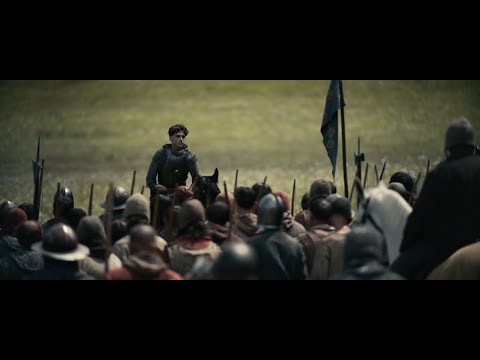
A battlefield denotes a geographical area where military engagements unfold, characterized by the deployment of forces and the execution of combat operations. This term extends beyond its literal interpretation to encompass any arena of intense struggle, competition, or intellectual dispute.
Figuratively, it refers to a scenario where conflicting ideas, ideologies, or entities contend for dominance, often involving strategic maneuvering and high stakes. Understanding this duality is crucial for advanced comprehension, as it highlights the word's applicability in both martial and metaphorical contexts.
§ Common Mistakes People Make with 'Battlefield'
The word 'battlefield' carries significant weight and evokes strong imagery. While its core meaning is straightforward – a place of military conflict – its figurative uses can sometimes lead to misunderstandings or misapplications. Here, we'll explore some common mistakes and provide guidance on how to use 'battlefield' accurately and effectively.
§ 1. Overgeneralization of Figurative Use
One of the most frequent errors is applying 'battlefield' too broadly to any situation involving disagreement or competition. While the figurative use is valid, it's crucial to remember that 'battlefield' implies a high-stakes, intense, and often adversarial confrontation, not just a casual disagreement or a friendly competition.
- DEFINITION
- A specific location or area where a military conflict or battle takes place. It is often used figuratively to describe any situation involving intense competition, conflict, or debate between opposing parties.
Incorrect usage often occurs when trying to elevate the perceived importance of a minor conflict. For instance, describing a debate over dinner as a 'culinary battlefield' might be an exaggeration unless the debate is truly heated and intensely competitive, with clear opposing sides vying for a decisive 'win'.
The boardroom became a battlefield as rival executives fiercely debated the company's future strategy.
§ 2. Confusing 'Battlefield' with 'Battleground' or 'Warzone'
While 'battlefield,' 'battleground,' and 'warzone' are related, they aren't always interchangeable, especially in their nuances. 'Battlefield' often implies a more specific, localized area where a particular battle is fought. 'Battleground' can be broader, referring to any area where conflicts frequently occur, and can also be used figuratively.
- **Battlefield:** Emphasizes the immediate site of a battle.
- **Battleground:** Can be a more general area where conflicts happen over time, or a figurative area of contention.
- **Warzone:** Typically refers to a much larger region engulfed in ongoing armed conflict, implying a state of war rather than just a single battle.
Using 'warzone' when 'battlefield' is more appropriate can overstate the scale and duration of the conflict. For example, a single skirmish takes place on a battlefield, but a prolonged civil war encompasses a warzone.
The ancient texts describe the plains as a legendary battlefield where heroes once clashed.
§ 3. Incorrect Prepositional Use
While not a mistake with the word's meaning, incorrect prepositional use can sound unnatural. Common prepositions used with 'battlefield' include 'on' (for a physical location) and 'in' (when referring to the figurative sense or when describing activities within the area).
- **On the battlefield:** Refers to being physically present at the site of a battle.
- **In the battlefield:** Can sometimes be used, especially in a more general sense of being involved in the conflict, or within the figurative 'battlefield' of a debate.
However, using 'at' the battlefield can sometimes sound a bit clunky, although not strictly incorrect in all contexts, 'on' is generally preferred for direct physical presence.
The soldiers stood bravely on the battlefield, awaiting orders.
§ 4. Redundancy with Synonyms
Avoid using 'battlefield' redundantly with words that already convey a similar meaning within the same sentence or phrase. For example, saying 'the war battlefield' is redundant because a 'battlefield' is inherently related to war.
Similarly, 'the conflict battlefield' adds unnecessary words and can make your writing less impactful. Strive for conciseness and precision in your language.
The political campaign became a heated battlefield of ideas and ideologies.
By being mindful of these common mistakes, you can use 'battlefield' with greater accuracy and impact, whether in its literal or figurative sense. Understanding its nuances will help you convey the intensity and significance of the conflicts you describe more effectively.
Beispiele nach Niveau
The ancient battlefield was marked by monuments commemorating the fallen soldiers.
Antik savaş alanı, düşen askerleri anan anıtlarla işaretlenmişti.
Past passive voice ('was marked') is used here to describe a state resulting from a past action.
Negotiations often feel like a diplomatic battlefield, with each side fighting for their interests.
Müzakereler genellikle diplomatik bir savaş alanı gibi hissettirir, her iki taraf da kendi çıkarları için savaşır.
The word 'like' is used for comparison, highlighting the figurative use of 'battlefield'.
Historians meticulously study the terrain of old battlefields to understand military strategies.
Tarihçiler, askeri stratejileri anlamak için eski savaş alanlarının arazisini titizlikle incelerler.
The adverb 'meticulously' emphasizes the careful nature of the study.
The courtroom became a battlefield of legal arguments, with lawyers presenting their cases passionately.
Mahkeme, avukatların davalarını tutkuyla sunduğu yasal argümanların bir savaş alanına dönüştü.
The phrasal verb 'became a battlefield of' is used to show a transformation.
Archaeologists uncovered artifacts on the battlefield, offering insights into the daily lives of soldiers.
Arkeologlar savaş alanında eserler ortaya çıkardı ve askerlerin günlük yaşamlarına dair içgörüler sundu.
The gerund 'offering' is used to provide additional information about the main clause.
For many entrepreneurs, the marketplace is a fierce battlefield where innovation is key to survival.
Birçok girişimci için pazar, hayatta kalmanın anahtarı yenilik olan çetin bir savaş alanıdır.
The phrase 'where innovation is key to survival' is a relative clause modifying 'battlefield'.
The general surveyed the battlefield, planning his next move with strategic precision.
General savaş alanını gözden geçirdi ve bir sonraki hamlesini stratejik hassasiyetle planladı.
The present participle 'planning' describes a simultaneous action.
The debate stage transformed into an intellectual battlefield, with candidates fiercely challenging each other's policies.
Tartışma sahnesi, adayların birbirlerinin politikalarına şiddetle meydan okuduğu entelektüel bir savaş alanına dönüştü.
The verb 'transformed into' indicates a change of state or nature.
Wortfamilie
Substantive
Adjektive
Häufig gestellte Fragen
10 FragenA battlefield literally refers to the actual
Yes, absolutely! It's often used
While it originates from military conflicts, figuratively it can describe
It's a
A 'battlefield' is specifically
Certainly! 'The boardroom became a battlefield as executives argued over the company's future.' Here, it describes a fierce debate, not a literal fight.
Literally, yes, it implies military violence. But
It's a
For the literal sense, 'combat zone' or 'front line' are close. Figuratively, you might use 'arena,' 'theater of operations,' or 'proving ground' depending on the context.
The word 'battlefield' is classified as
Teste dich selbst 12 Fragen
This sentence describes the location of the soldiers.
This sentence describes the size of the battlefield.
This sentence describes who was on the battlefield.
This sentence uses 'battlefield' figuratively to describe the intense competition and struggle in the stock market during an economic downturn, which aligns with the C2 level of abstract understanding.
Here, 'verbal battlefield' effectively conveys the intense and confrontational nature of a political debate, showcasing a sophisticated grasp of figurative language.
This sentence uses 'battlefield' in its literal sense, providing a clear context for its traditional meaning while maintaining a C2 level of vocabulary and sentence structure.
/ 12 correct
Perfect score!