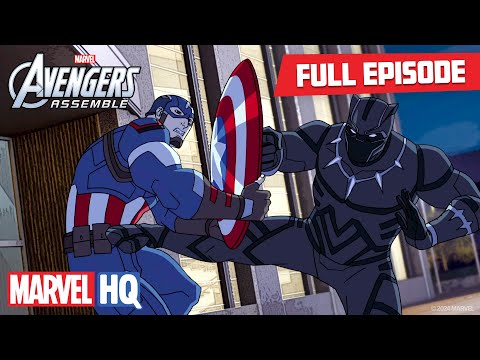
wakandan in 30 Sekunden
- Wakandan refers to anything from the fictional Marvel nation of Wakanda.
- It blends traditional African culture with futuristic, high-tech elements.
- The term is a symbol of Black excellence and Afrofuturistic innovation.
- It must always be capitalized as it is a proper adjective.
The term Wakandan is a proper adjective derived from the fictional nation of Wakanda, which first appeared in Marvel Comics in 1966 and gained global prominence through the Marvel Cinematic Universe. At its core, it describes anything originating from or relating to this hidden African kingdom. However, in contemporary English, its usage has transcended the boundaries of comic book lore to become a symbol of Afrofuturism, technological excellence, and cultural sovereignty. When people use this word, they are often referring to a unique blend of deep-rooted African traditions and hyper-advanced technology that exists outside the influence of colonialism.
- Cultural Identity
- It represents a vision of Africa that was never colonized, showcasing what a society might look like if its resources and intellect were allowed to flourish independently.
In a literal sense, you might hear a fan discuss Wakandan architecture, which famously merges organic shapes and traditional thatched roofs with shimmering glass and vibranium-powered structures. In a more metaphorical sense, the word is used to describe real-world innovations or fashion that evoke the same spirit of futuristic African excellence. For instance, a designer might be praised for their Wakandan aesthetic if their work features bold geometric patterns paired with high-tech materials.
The scientist presented a design for a new energy grid that many observers described as truly wakandan in its efficiency and sustainability.
Furthermore, the term carries a heavy weight of social significance. It is often invoked in discussions about Black excellence and the power of representation in media. To call something Wakandan is to imbue it with a sense of pride, resilience, and untapped potential. It suggests a world where the African diaspora is not defined by struggle, but by its contributions to the pinnacle of human achievement. This makes the word particularly popular in academic circles discussing speculative fiction and in social media spaces celebrating Black achievements in STEM (Science, Technology, Engineering, and Mathematics).
- Technological Context
- Refers specifically to the use of Vibranium, a fictional metal that powers the nation's advanced weaponry, medicine, and transport.
The film's costume designer won an Oscar for her ability to translate wakandan heritage into wearable art.
The word is also used to describe the specific customs and social structures of the fictional nation. This includes the Wakandan salute (crossed arms over the chest), the Wakandan language (which in the films is primarily based on isiXhosa), and the Wakandan political system, which involves a council of tribal elders and a monarch who also serves as the Black Panther. When used in this way, the adjective is highly specific to the Marvel universe but serves as a shorthand for a complex, multi-layered society that values both tradition and progress.
- Linguistic Influence
- The adoption of isiXhosa as the official Wakandan tongue in cinema has led to a surge of interest in South African languages globally.
Learning the wakandan script, known as Tifinagh-inspired characters, became a popular hobby for hardcore fans.
In summary, Wakandan is more than just a movie reference; it is a descriptor for a vision of a better, more advanced world rooted in African soil. Whether you are talking about a fictional aircraft or a real-life tech hub in Nairobi, the word carries an aura of sophistication and pride that few other fictional adjectives can match.
The diplomat spoke of a wakandan future where technology serves the people without destroying their culture.
Many young engineers cite wakandan ingenuity as their primary inspiration for entering the field.
Using the adjective Wakandan requires an understanding of its dual nature as both a literal descriptor and a metaphorical praise. Because it is a proper adjective, it must always be capitalized. It functions like other national adjectives such as 'French,' 'Japanese,' or 'Nigerian,' but because the nation is fictional, its application is often more creative or comparative.
- Literal Usage
- When discussing the Marvel Universe, use it to specify origin. Example: 'The Wakandan King, T'Challa, visited the United Nations.'
In literal contexts, Wakandan often modifies nouns related to technology, royalty, or military. You might speak of Wakandan aircraft (the Talon Fighter), Wakandan medicine (which can heal spinal injuries in a day), or Wakandan traditions (like the challenge at Warrior Falls). In these cases, the word acts as a precise identifier within a narrative framework.
The wakandan outreach centers were established to share knowledge with the rest of the world.
When moving into metaphorical or comparative usage, Wakandan becomes a powerful tool for description. It is frequently used to describe things that are exceptionally advanced or that represent a pinnacle of African-inspired design. For example, if a new smartphone has a sleek, purple-and-black aesthetic with revolutionary features, a tech reviewer might call it 'almost Wakandan in its design.'
- Comparative Usage
- Use it to describe real-world objects that feel futuristic and African. Example: 'The new museum in Dakar has a distinctly Wakandan feel.'
Her outfit at the gala was a stunning mix of traditional beads and wakandan silhouettes.
Another common way to use the word is in the context of political or social isolationism. Because Wakanda was hidden for centuries, a person might describe a very private or self-sufficient community as having a Wakandan policy of secrecy. This usage is more nuanced and requires the listener to be familiar with the backstory of the fictional nation.
- Social Context
- Describing a sense of pride and self-reliance. Example: 'The neighborhood's Wakandan spirit helped them build their own community garden.'
The athlete’s wakandan salute after winning the gold medal became an iconic moment of the Olympics.
In academic writing, specifically in the fields of media studies or sociology, Wakandan might be used to describe a specific type of utopian vision. Scholars might analyze Wakandan Afrofuturism to discuss how the film challenges Western-centric views of progress. In these settings, the word is treated with the same seriousness as 'Marxist' or 'Keynesian' when referring to a specific school of thought or aesthetic movement.
The professor argued that wakandan isolationism is a central theme in the first movie's moral conflict.
The comic book series explores wakandan history through the eyes of its various tribes.
Finally, it is important to note that Wakandan is often paired with words like 'excellence,' 'pride,' and 'innovation.' These collocations have become so common that they almost function as set phrases in modern English discourse. Whether you are writing a movie review, a social media post, or a cultural critique, using Wakandan allows you to tap into a rich vein of modern mythology that resonates with millions of people around the world.
The word Wakandan is ubiquitous in modern pop culture, but its reach extends far beyond the cinema screen. You will most frequently encounter it in discussions about the Marvel Cinematic Universe, but its usage in news, fashion, and technology is increasing. Understanding where you hear this word helps in grasping its cultural weight.
- Entertainment Media
- Film reviews, comic book podcasts, and fan conventions are the primary sources. Critics often discuss 'Wakandan world-building' or 'Wakandan character arcs.'
In the world of fashion, Wakandan has become a shorthand for a specific aesthetic. During major fashion weeks in New York, Paris, or Lagos, you might hear designers or journalists describe a collection as having a Wakandan influence. This usually refers to the use of vibrant colors, intricate beadwork, and futuristic silhouettes that mirror the costumes designed by Ruth E. Carter for the Black Panther films.
The red carpet was filled with wakandan-inspired gowns that celebrated African heritage.
In the technology and business sectors, the word is used to describe aspirational goals. Entrepreneurs in Africa often speak of creating a Wakandan tech hub—a place where local talent can develop world-class technology without needing to emigrate to Silicon Valley. Here, the word represents a dream of self-sufficiency and high-tech success rooted in local identity.
- Political Discourse
- Politicians and activists sometimes use the term to describe a vision of a prosperous, independent Africa. It is also used to critique real-world isolationism.
The activist called for a wakandan approach to resource management, keeping wealth within the community.
Social media platforms like Twitter (X), Instagram, and TikTok are hotbeds for the word. It is often used as a hashtag (#WakandanExcellence) to celebrate achievements by Black individuals in various fields. Whether it's a student graduating with honors or a scientist making a breakthrough, the community uses the adjective to link these real-world successes to the fictional ideal of Wakanda.
- Academic and Literary Circles
- Scholars of Afrofuturism use the term to analyze the intersection of Black culture and speculative technology.
The symposium focused on how wakandan mythology draws from real Dogon and Zulu traditions.
You might even hear the word in travel discussions, albeit jokingly. People often post photos of beautiful, modern African cities like Kigali or Addis Ababa with captions like 'Giving off major Wakandan vibes.' While everyone knows Wakanda isn't real, the adjective has become a way to reframe the narrative of Africa from one of poverty to one of beauty and modernization.
The new airport terminal has a wakandan sleekness that surprised many international travelers.
The documentary explored the real-life inspirations behind wakandan combat styles.
In conclusion, Wakandan is heard wherever there is a fusion of tradition and the future. It is a word of the 21st century, bridging the gap between fantasy and the very real aspirations of a global community.
Despite its popularity, the word Wakandan is frequently misused in several ways. Because it sits at the intersection of fiction and reality, the mistakes often involve either grammatical errors or cultural insensitivities. Understanding these pitfalls is crucial for using the word correctly and respectfully.
- Capitalization Errors
- The most common mistake is failing to capitalize the 'W'. Like 'American' or 'British,' 'Wakandan' is a proper adjective and must always start with an upper-case letter.
Another common error is confusing Wakandan with real African nationalities. While the fictional nation is located in East Africa, it is vital to remember that Wakanda is not a real country. Calling a real person from Uganda or Kenya 'Wakandan' can be seen as dismissive of their actual nationality and heritage. It is best to use the term only when referring to the fictional world or when making a clear, respectful comparison to the Afrofuturistic ideal.
Incorrect: He is a wakandan athlete from Nairobi. (Nairobi is in Kenya; use 'Kenyan' instead).
Overuse of the term is also a mistake. In an attempt to be complimentary, some people label any successful African project as Wakandan. This can inadvertently suggest that real African success is only possible or recognizable if it looks like a Marvel movie. It is important to celebrate real African achievements on their own terms, using Wakandan only when there is a specific stylistic or thematic connection to the fictional nation.
- Misunderstanding the Lore
- Using 'Wakandan' to describe something that is purely traditional without any futuristic element misses the 'Afrofuturist' aspect of the word.
Correct: The Wakandan aesthetic blends ancient motifs with 21st-century tech.
There is also a tendency to mispronounce the word. The stress should be on the second syllable: wa-KAN-dan. Misplacing the stress can make the speaker sound unfamiliar with the source material, which might undermine their point in a fan-based or academic discussion.
- Contextual Inappropriateness
- Using the term in a very somber or purely historical real-world context can sometimes feel trivializing. Use it where the comparison to speculative fiction is appropriate.
The journalist was criticized for calling the famine relief efforts wakandan, as it felt out of touch with the tragedy.
Finally, some people use Wakandan when they actually mean vibranium-based. While all vibranium technology in the Marvel universe is Wakandan, not everything Wakandan is about vibranium. The word also encompasses the people, the culture, the language, and the philosophy. Being specific about what aspect of Wakanda you are referring to will make your writing much stronger.
She studied wakandan philosophy to understand the King's decision to open the borders.
The wakandan spy network, known as the War Dogs, is active across the globe.
By avoiding these common mistakes, you can use the word Wakandan to effectively communicate ideas about technology, culture, and the future with precision and respect.
Because Wakandan is a very specific proper adjective, finding direct synonyms can be difficult. However, depending on the context, there are several words and phrases that can capture similar meanings. These alternatives range from technical terms to other fictional descriptors.
- Afrofuturistic
- This is the most common real-world alternative. It refers to a cultural aesthetic that combines elements of science fiction, historical fiction, and Afrocentrism. If you want to describe a real-world art piece that looks like it's from Wakanda, 'Afrofuturistic' is the perfect academic term.
If you are focusing on the technological aspect, words like hyper-advanced, cutting-edge, or futuristic are suitable. However, these lack the specific cultural grounding that Wakandan provides. To bridge that gap, you might use a phrase like technologically sovereign, which implies both high-tech capability and political independence.
The city's new maglev system is truly afrofuturistic in its design and implementation.
In the realm of fiction, you might compare Wakandan to other fictional nationalities. Asgardian (from Thor) implies something god-like and ancient, while Kryptonian (from Superman) implies alien and powerful. Atlantean (from Aquaman or Black Panther: Wakanda Forever) is perhaps the closest comparison, as it also refers to a hidden, technologically advanced civilization that is protective of its resources.
- Isolationist
- Use this when referring to the political stance of Wakanda before they opened their borders. It describes a nation that stays out of the affairs of others.
The tribe maintained an isolationist policy for centuries to protect their sacred traditions.
When describing fashion or art, neo-African or modern-traditional can be used. These terms highlight the blend of old and new without relying on a movie reference. However, they may not carry the same immediate visual impact as calling something Wakandan.
- Sovereign
- This emphasizes the independence and self-governance that is central to the Wakandan identity.
They fought to remain a sovereign people, free from outside interference.
For a more poetic or literary feel, you might use Utopian. Wakanda is often cited as a 'Black Utopia.' While 'Utopian' is a much broader term, it captures the sense of a perfect, idealized society that Wakandan often evokes in political discussions.
The author’s vision of a utopian society was heavily influenced by the success of the Black Panther films.
The cutting-edge research facility looked like something straight out of a Marvel movie.
In summary, while Wakandan is unique, you can use Afrofuturistic, sovereign, or hyper-advanced to provide variety in your writing or to suit more formal contexts where a fictional reference might be less appropriate.
How Formal Is It?
Wusstest du?
Some linguists believe the name 'Wakanda' comes from the Siouan word 'Wakanda' (meaning 'Great Spirit') or the Kenya-based 'Wakamba' tribe.
Aussprachehilfe
- Pronouncing it 'WAK-an-dan' (stress on first syllable).
- Pronouncing the 'a' in 'kan' like 'rain'.
- Mumbling the 'd' at the end.
- Using a hard 'W' like 'V'.
- Failing to pronounce the 'n' in the middle clearly.
Schwierigkeitsgrad
Easy to recognize if you know the movies.
Requires correct capitalization and spelling.
Stress on the second syllable can be tricky.
Very distinct sound in conversation.
Was du als Nächstes lernen solltest
Voraussetzungen
Als Nächstes lernen
Fortgeschritten
Wichtige Grammatik
Proper Adjectives
Just as 'German' comes from 'Germany', 'Wakandan' comes from 'Wakanda'.
Capitalization of Nationalities
Always capitalize Wakandan, even in the middle of a sentence.
Adjective Placement
The Wakandan (adj) king (noun) vs The king is Wakandan (predicative).
Compound Adjectives
Use a hyphen for 'Wakandan-inspired' when it comes before a noun.
Noun vs Adjective
He is a Wakandan (noun) vs He is a Wakandan citizen (adj).
Beispiele nach Niveau
The Wakandan King is very strong.
Le roi wakandais est très fort.
Proper adjective, capitalized.
I like Wakandan movies.
J'aime les films wakandais.
Adjective modifying 'movies'.
Is that a Wakandan ship?
Est-ce un vaisseau wakandais ?
Interrogative sentence.
He wears a Wakandan ring.
Il porte une bague wakandaise.
Adjective modifying 'ring'.
Wakandan people are brave.
Les Wakandais sont courageux.
Adjective modifying 'people'.
The city is Wakandan.
La ville est wakandaise.
Predicative adjective.
I want a Wakandan toy.
Je veux un jouet wakandais.
Adjective modifying 'toy'.
They do the Wakandan salute.
Ils font le salut wakandais.
Adjective modifying 'salute'.
Wakandan technology is better than ours.
La technologie wakandaise est meilleure que la nôtre.
Comparative sentence.
The Wakandan soldiers use spears.
Les soldats wakandais utilisent des lances.
Plural noun phrase.
She is a famous Wakandan scientist.
C'est une célèbre scientifique wakandaise.
Adjective modifying 'scientist'.
We watched a Wakandan dance.
Nous avons regardé une danse wakandaise.
Adjective modifying 'dance'.
The Wakandan flag is beautiful.
Le drapeau wakandais est beau.
Adjective modifying 'flag'.
Is vibranium a Wakandan metal?
Le vibranium est-il un métal wakandais ?
Adjective modifying 'metal'.
He speaks the Wakandan language.
Il parle la langue wakandaise.
Adjective modifying 'language'.
The Wakandan mountains are high.
Les montagnes wakandaises sont hautes.
Adjective modifying 'mountains'.
The film showcases Wakandan Afrofuturism.
Le film présente l'afrofuturisme wakandais.
Specific cultural term.
Many fans admire the Wakandan sense of pride.
De nombreux fans admirent le sentiment de fierté wakandais.
Abstract noun modification.
The Wakandan outreach program helps kids.
Le programme d'entraide wakandais aide les enfants.
Compound noun phrase.
They follow ancient Wakandan traditions.
Ils suivent d'anciennes traditions wakandaises.
Adjective modifying 'traditions'.
The Wakandan economy is based on vibranium.
L'économie wakandaise est basée sur le vibranium.
Economic context.
She designed a Wakandan-inspired dress.
Elle a conçu une robe d'inspiration wakandaise.
Hyphenated compound adjective.
Wakandan spies are called War Dogs.
Les espions wakandais sont appelés War Dogs.
Plural subject.
The Wakandan throne is made of stone.
Le trône wakandais est fait de pierre.
Adjective modifying 'throne'.
The Wakandan policy of isolationism ended recently.
La politique d'isolationnisme wakandaise a pris fin récemment.
Political context.
Critics praised the Wakandan world-building in the sequel.
Les critiques ont loué la construction du monde wakandais dans la suite.
Media studies term.
The Wakandan royal family faces many challenges.
La famille royale wakandaise fait face à de nombreux défis.
Collective noun modification.
He wrote a thesis on Wakandan linguistic influences.
Il a écrit une thèse sur les influences linguistiques wakandaises.
Academic context.
The Wakandan military is the most advanced on Earth.
L'armée wakandaise est la plus avancée sur Terre.
Superlative context.
Wakandan medicine can cure almost anything.
La médecine wakandaise peut guérir presque tout.
Adjective modifying 'medicine'.
The architect used Wakandan motifs in the building.
L'architecte a utilisé des motifs wakandais dans le bâtiment.
Artistic context.
Is there a Wakandan embassy in London?
Y a-t-il une ambassade wakandaise à Londres ?
Diplomatic context.
The Wakandan paradigm challenges Western notions of development.
Le paradigme wakandais remet en question les notions occidentales de développement.
Abstract conceptual usage.
Her research explores the Wakandan impact on global fashion.
Ses recherches explorent l'impact wakandais sur la mode mondiale.
Sociological context.
The Wakandan narrative provides a powerful counter-story.
Le récit wakandais offre une contre-histoire puissante.
Literary theory context.
Wakandan sovereignty is a central theme of the comic.
La souveraineté wakandaise est un thème central de la bande dessinée.
Political theory context.
The exhibit features Wakandan-style metalwork.
L'exposition présente des travaux sur métaux de style wakandais.
Descriptive compound.
The Wakandan dream inspires many young African creators.
Le rêve wakandais inspire de nombreux jeunes créateurs africains.
Metaphorical usage.
The film's success created a Wakandan cultural phenomenon.
Le succès du film a créé un phénomène culturel wakandais.
Complex noun phrase.
He analyzed the Wakandan tribal council's power structure.
Il a analysé la structure du pouvoir du conseil tribal wakandais.
Organizational context.
The Wakandan socio-political construct is inherently Afrofuturistic.
La construction socio-politique wakandaise est intrinsèquement afrofuturiste.
High-level academic usage.
Scholars deconstruct the Wakandan mythos as a form of resistance.
Les érudits déconstruisent le mythe wakandais comme une forme de résistance.
Critical theory context.
The Wakandan aesthetic is a meticulous synthesis of diverse cultures.
L'esthétique wakandaise est une synthèse méticuleuse de diverses cultures.
Artistic critique context.
Is the Wakandan model of resource management sustainable?
Le modèle wakandais de gestion des ressources est-il durable ?
Inquiry into systems.
The Wakandan influence on the diaspora is profound and multifaceted.
L'influence wakandaise sur la diaspora est profonde et multiforme.
Sociological impact.
The author interrogates the ethics of Wakandan isolationism.
L'auteur interroge l'éthique de l'isolationnisme wakandais.
Ethical analysis.
Wakandan technological superiority is portrayed as a double-edged sword.
La supériorité technologique wakandaise est dépeinte comme une arme à double tranchant.
Philosophical context.
The Wakandan identity is forged through a shared history of secrecy.
L'identité wakandaise se forge à travers une histoire partagée de secret.
Identity politics context.
Synonyme
Gegenteile
Häufige Kollokationen
Häufige Phrasen
— A rallying cry signifying eternal loyalty and strength.
The crowd shouted 'Wakanda Forever' during the march.
— A term used to celebrate high achievements by Black people.
Her graduation photo was captioned 'Wakandan Excellence'.
— The real-world cultural and economic impact of the movie.
Economists are studying the Wakanda Effect on African tourism.
— A slang term for something that feels cool, African, and high-tech.
This new office has major Wakandan vibes.
— Refers to the cleverness and inventiveness associated with the nation.
The bridge was a feat of Wakandan ingenuity.
— The historical policy of keeping Wakanda hidden.
The film explores the dangers of Wakandan isolationism.
— The history and customs passed down through generations.
He is very proud of his Wakandan heritage.
— The fictional writing system used in the movies.
The walls were covered in Wakandan script.
— A soldier from Wakanda, often referring to the Dora Milaje.
She dressed up as a Wakandan warrior for Halloween.
Wird oft verwechselt mit
Wakanda is the noun (the place); Wakandan is the adjective (the quality).
A real nationality; don't use 'Wakandan' for real people from Uganda.
The metal itself; 'Wakandan' refers to the whole culture/nation.
Redewendungen & Ausdrücke
— To be brave, loyal, and proud of one's roots.
He may be far from home, but he has a Wakandan heart.
Informal— Something that looks impossibly advanced or futuristic.
That new electric jet looks straight out of Wakanda.
Slang— The highest possible level of quality or technology.
We need Wakanda-level security for this event.
Informal— Doing things with a blend of tradition and innovation.
We solve problems the Wakandan way here.
Informal— A very valuable or powerful piece of hidden knowledge.
The recipe is a closely guarded Wakandan secret.
Playful— An indomitable will and sense of community.
The team showed true Wakandan spirit today.
Inspirational— Something that is very well concealed or private.
Their headquarters is hidden like Wakanda.
Informal— Something extremely precious and unique (often referring to vibranium).
This data is Wakandan gold to our competitors.
Informal— To suddenly reveal greatness after being underestimated or hidden.
The startup pulled a Wakanda and dominated the market.
Slang— Deep, culturally-rooted advice that is also practical.
My grandmother always gives me that Wakandan wisdom.
InformalLeicht verwechselbar
Similar sounding real-world nationality.
Rwandan refers to the real country of Rwanda; Wakandan is fictional.
He is a Rwandan diplomat, but he loves Wakandan movies.
They share similar themes.
Afrofuturistic is a broad genre; Wakandan is specific to Marvel.
The book is Afrofuturistic, but not specifically Wakandan.
Describes Wakanda's policy.
Isolationist is a political term; Wakandan is a national adjective.
Their Wakandan history is very isolationist.
Both describe ideal societies.
Utopian is general; Wakandan has specific African cultural roots.
The city was a Wakandan utopian dream.
Both describe technology.
Advanced is generic; Wakandan implies a specific fictional tech level.
This tech is advanced, but it's not quite Wakandan.
Satzmuster
I like [Wakandan] [Noun].
I like Wakandan art.
The [Noun] is [Wakandan].
The spear is Wakandan.
It has a [Wakandan] [Noun].
It has a Wakandan feel.
Known for its [Wakandan] [Noun].
Known for its Wakandan technology.
The [Noun] reflects a [Wakandan] [Noun].
The design reflects a Wakandan aesthetic.
Interrogating the [Wakandan] [Noun].
Interrogating the Wakandan mythos.
A [Wakandan]-inspired [Noun].
A Wakandan-inspired outfit.
The [Noun] of [Wakandan] [Noun].
The impact of Wakandan culture.
Wortfamilie
Substantive
Verben
Adjektive
Verwandt
So verwendest du es
High in pop culture, low in traditional literature.
-
wakandan
→
Wakandan
Proper adjectives must be capitalized.
-
He is from Wakandan.
→
He is from Wakanda.
Use the noun for the place, not the adjective.
-
A wakandan technology.
→
Wakandan technology.
Don't use 'a' if you are talking about technology in general, and capitalize.
-
The most wakandan city.
→
The most Wakandan-like city.
When making a comparison to a real city, 'Wakandan-like' or 'reminiscent of Wakanda' is often clearer.
-
Wakandan's are brave.
→
Wakandans are brave.
Don't use an apostrophe for a plural noun.
Tipps
Capitalization
Always capitalize 'Wakandan' because it's a proper adjective. This is a common mistake in casual writing.
Respect
Use the term to celebrate innovation, but don't use it as a substitute for real African cultures and countries.
Collocations
Learn common pairs like 'Wakandan technology' or 'Wakandan pride' to sound more natural.
Emphasis
Focus on the second syllable (KAN). Saying it correctly shows you know the source material well.
Metaphor
Use 'Wakandan' to describe something that seems impossibly advanced or beautifully African-inspired.
Context
If you hear 'Wakandan' in a news report, it's likely a metaphor for high-tech development in Africa.
The 'N' Rule
Remember: Wakanda is the Land, Wakandan is the Man (or the thing from the land).
Afrofuturism
Connect 'Wakandan' with 'Afrofuturism' in your mind to understand its deeper artistic meaning.
Salute
The salute is a non-verbal way of expressing the 'Wakandan' adjective. It means strength and unity.
Script
Look for the unique Wakandan script in the movies; it's a visual part of the 'Wakandan' adjective.
Einprägen
Eselsbrücke
Think of 'Wa-' as in 'Water' and 'Kandan' as 'Can done'. Water can be done in Wakanda because they are so advanced!
Visuelle Assoziation
Imagine a purple-glowing African spear. The purple light is the Wakandan technology.
Word Web
Herausforderung
Try to describe your favorite gadget using the word 'Wakandan' in three different ways.
Wortherkunft
Coined by Stan Lee and Jack Kirby in 1966 for Marvel Comics. The name 'Wakanda' likely draws inspiration from several real-world sources.
Ursprüngliche Bedeutung: A fictional African nation that is technologically superior.
English (Proper Adjective), with roots in fictional naming conventions.Kultureller Kontext
Be careful not to use it to generalize all African cultures; it is a specific fictional reference.
In the US and UK, the word is a staple of pop culture and is used frequently in social media and entertainment news.
Im Alltag üben
Kontexte aus dem Alltag
Movie Discussions
- The Wakandan setting
- Wakandan characters
- Wakandan plot
- Wakandan lore
Fashion and Design
- Wakandan patterns
- Wakandan colors
- Wakandan style
- Wakandan influence
Tech and Innovation
- Wakandan-level tech
- Wakandan engineering
- Wakandan solutions
- Wakandan vision
Social Media
- #WakandanExcellence
- Wakandan vibes
- Wakanda Forever
- Wakandan pride
Academic Analysis
- Wakandan Afrofuturism
- Wakandan isolationism
- Wakandan sovereignty
- Wakandan myth
Gesprächseinstiege
"Do you think real-world technology will ever reach a Wakandan level?"
"Which Wakandan character from the movies is your favorite and why?"
"How has the Wakandan aesthetic influenced modern fashion in your opinion?"
"Would you like to live in a Wakandan-style city if it existed?"
"What does 'Wakandan Excellence' mean to you in today's world?"
Tagebuch-Impulse
Describe a day in your life if you had access to Wakandan technology.
Write about a real-world person who you think embodies the Wakandan spirit.
How would the world change if a Wakandan-style nation suddenly revealed itself?
Reflect on the importance of the Wakandan narrative for global representation.
Design a new Wakandan invention and explain how it would help your community.
Häufig gestellte Fragen
10 FragenIn the movies, the Wakandan language is primarily isiXhosa, a real South African language. However, 'Wakandan' as a separate fictional language exists in the lore with its own script.
Yes, always. It is a proper adjective derived from the name of a place, just like 'English' or 'African'.
Only if you are making a clear, playful, or metaphorical comparison to the fictional characters. Otherwise, use their real nationality to be respectful.
It is crossing your arms over your chest with fists clenched. It is often accompanied by the phrase 'Wakanda Forever'.
No, it is a fictional country created by Marvel Comics, though it is placed in a real geographic location in East Africa.
It is a popular phrase used to celebrate the high achievements, intelligence, and beauty of Black people, inspired by the movie's positive portrayal.
In the story, it is because they have 'vibranium,' a rare and powerful alien metal that landed in their country thousands of years ago.
It is pronounced wa-KAN-dan, with the emphasis on the middle syllable.
They are the elite, all-female Wakandan special forces who protect the King and the nation.
Yes, especially in media studies, sociology, and Afrofuturism to discuss cultural representation and speculative fiction.
Teste dich selbst 185 Fragen
Write a sentence using 'Wakandan' to describe a piece of technology.
Well written! Good try! Check the sample answer below.
Describe a Wakandan character from a movie you know.
Well written! Good try! Check the sample answer below.
Use 'Wakandan' in a sentence about fashion.
Well written! Good try! Check the sample answer below.
Explain why 'Wakandan' must be capitalized.
Well written! Good try! Check the sample answer below.
Write a short dialogue between two fans using the word 'Wakandan'.
Well written! Good try! Check the sample answer below.
How would you describe a 'Wakandan salute' to someone who hasn't seen it?
Well written! Good try! Check the sample answer below.
Use 'Wakandan' to describe a real-world achievement.
Well written! Good try! Check the sample answer below.
Write a sentence about Wakandan isolationism.
Well written! Good try! Check the sample answer below.
Create a slogan for a Wakandan outreach center.
Well written! Good try! Check the sample answer below.
Describe a Wakandan landscape.
Well written! Good try! Check the sample answer below.
Use 'Wakandan' in a sentence about a military force.
Well written! Good try! Check the sample answer below.
What does a 'Wakandan-inspired' future look like to you?
Well written! Good try! Check the sample answer below.
Write a sentence using 'Wakandan' as a noun.
Well written! Good try! Check the sample answer below.
Compare 'Wakandan' technology to 'Asgardian' technology.
Well written! Good try! Check the sample answer below.
Use 'Wakandan' in a sentence about a secret.
Well written! Good try! Check the sample answer below.
Write a sentence about the Wakandan royal family.
Well written! Good try! Check the sample answer below.
Use 'Wakandan' in a sentence about a tradition.
Well written! Good try! Check the sample answer below.
Describe a 'Wakandan vibe' in a room.
Well written! Good try! Check the sample answer below.
Write a sentence about Wakandan medicine.
Well written! Good try! Check the sample answer below.
Use 'Wakandan' in a sentence about a language.
Well written! Good try! Check the sample answer below.
Say 'Wakandan' three times with the correct stress on the second syllable.
Read this aloud:
Du hast gesagt:
Speech recognition is not supported in your browser. Try Chrome or Edge.
Describe a Wakandan ship in your own words.
Read this aloud:
Du hast gesagt:
Speech recognition is not supported in your browser. Try Chrome or Edge.
Explain what 'Wakanda Forever' means to you.
Read this aloud:
Du hast gesagt:
Speech recognition is not supported in your browser. Try Chrome or Edge.
How would you use 'Wakandan' to compliment a new building?
Read this aloud:
Du hast gesagt:
Speech recognition is not supported in your browser. Try Chrome or Edge.
Tell a short story about a Wakandan hero.
Read this aloud:
Du hast gesagt:
Speech recognition is not supported in your browser. Try Chrome or Edge.
Discuss the 'Wakandan aesthetic' in fashion.
Read this aloud:
Du hast gesagt:
Speech recognition is not supported in your browser. Try Chrome or Edge.
Explain the difference between 'Wakanda' and 'Wakandan'.
Read this aloud:
Du hast gesagt:
Speech recognition is not supported in your browser. Try Chrome or Edge.
What is a 'Wakandan outreach center'?
Read this aloud:
Du hast gesagt:
Speech recognition is not supported in your browser. Try Chrome or Edge.
How do you say 'Wakandan technology' in your native language?
Read this aloud:
Du hast gesagt:
Speech recognition is not supported in your browser. Try Chrome or Edge.
Why do people like the Wakandan story so much?
Read this aloud:
Du hast gesagt:
Speech recognition is not supported in your browser. Try Chrome or Edge.
Describe the Wakandan flag.
Read this aloud:
Du hast gesagt:
Speech recognition is not supported in your browser. Try Chrome or Edge.
Use 'Wakandan' to describe a smart person you know.
Read this aloud:
Du hast gesagt:
Speech recognition is not supported in your browser. Try Chrome or Edge.
What are the 'Wakandan War Dogs'?
Read this aloud:
Du hast gesagt:
Speech recognition is not supported in your browser. Try Chrome or Edge.
Talk about Wakandan isolationism.
Read this aloud:
Du hast gesagt:
Speech recognition is not supported in your browser. Try Chrome or Edge.
How does Wakandan medicine work in the movies?
Read this aloud:
Du hast gesagt:
Speech recognition is not supported in your browser. Try Chrome or Edge.
Describe the Wakandan royal family.
Read this aloud:
Du hast gesagt:
Speech recognition is not supported in your browser. Try Chrome or Edge.
What is the 'Wakanda Effect'?
Read this aloud:
Du hast gesagt:
Speech recognition is not supported in your browser. Try Chrome or Edge.
Is 'Wakandan' a good word to use in a job interview?
Read this aloud:
Du hast gesagt:
Speech recognition is not supported in your browser. Try Chrome or Edge.
Say 'Wakanda Forever' with the salute.
Read this aloud:
Du hast gesagt:
Speech recognition is not supported in your browser. Try Chrome or Edge.
What is your favorite Wakandan invention?
Read this aloud:
Du hast gesagt:
Speech recognition is not supported in your browser. Try Chrome or Edge.
Listen and identify: 'The Wakandan jet is landing.' What is landing?
Listen: 'She is a Wakandan warrior.' What is her job?
Listen: 'Wakandan tech is years ahead.' How far ahead is it?
Listen: 'The king spoke with Wakandan pride.' How did he speak?
Listen: 'Is that a Wakandan-made suit?' Who made the suit?
Listen: 'The Wakandan council voted today.' Who voted?
Listen: 'We are opening a Wakandan outreach center.' What are they opening?
Listen: 'The Wakandan script is beautiful.' What is beautiful?
Listen: 'He studied Wakandan Afrofuturism.' What did he study?
Listen: 'The Wakandan border is secure.' What is secure?
Listen: 'Wakandan medicine saved him.' What saved him?
Listen: 'The Wakandan throne is empty.' What is empty?
Listen: 'She has a Wakandan heart.' What does she have?
Listen: 'The Wakandan tradition continues.' What continues?
Listen: 'Is this Wakandan-style art?' What style is the art?
/ 185 correct
Perfect score!
Summary
The word 'Wakandan' describes a unique fusion of heritage and the future, often used to celebrate African-led innovation. Example: 'The project's Wakandan vision inspired the whole team.'
- Wakandan refers to anything from the fictional Marvel nation of Wakanda.
- It blends traditional African culture with futuristic, high-tech elements.
- The term is a symbol of Black excellence and Afrofuturistic innovation.
- It must always be capitalized as it is a proper adjective.
Capitalization
Always capitalize 'Wakandan' because it's a proper adjective. This is a common mistake in casual writing.
Respect
Use the term to celebrate innovation, but don't use it as a substitute for real African cultures and countries.
Collocations
Learn common pairs like 'Wakandan technology' or 'Wakandan pride' to sound more natural.
Emphasis
Focus on the second syllable (KAN). Saying it correctly shows you know the source material well.