Adjectives and Descriptive Language
Chapter in 30 Seconds
Unlock the power of description to bring your Kannada sentences to life with vibrant detail.
- Identify common Kannada adjectives.
- Place descriptive words correctly before nouns.
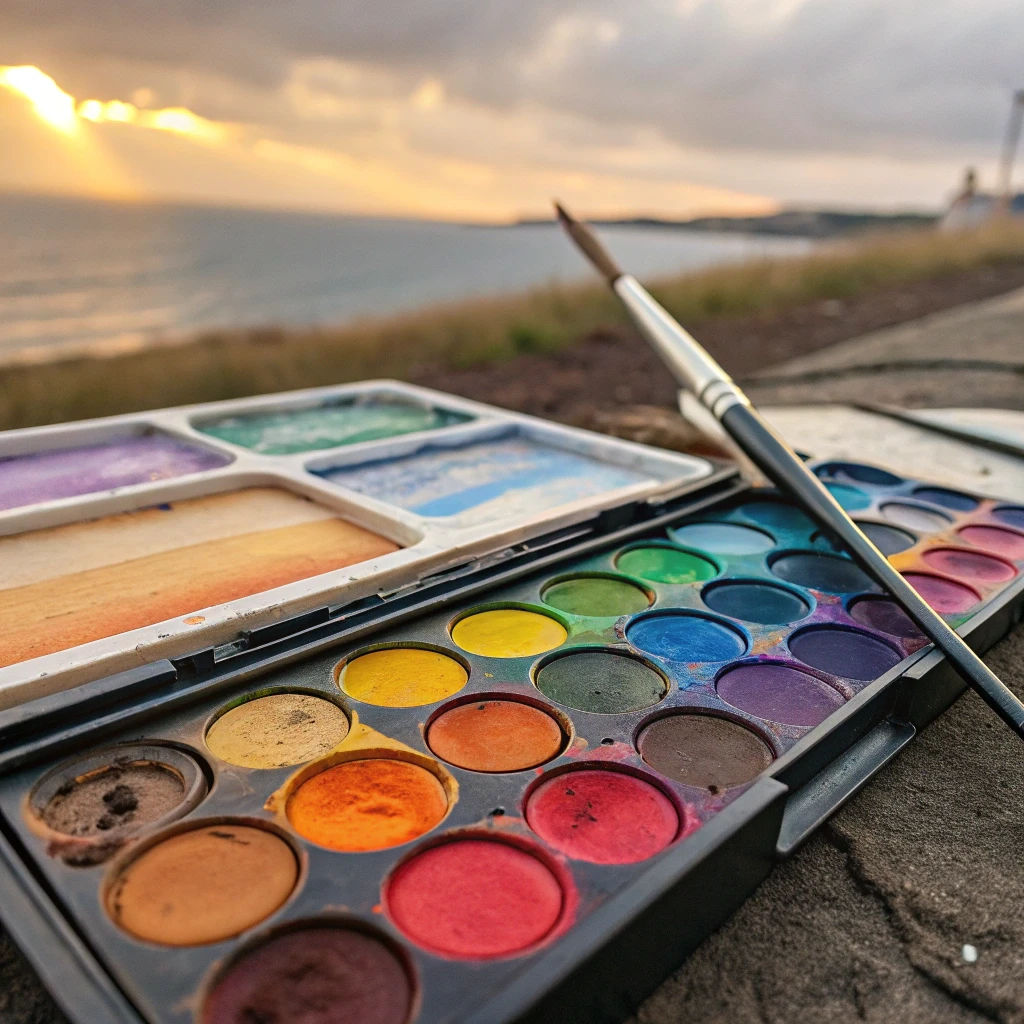
- Combine colors and sizes to paint pictures with words.
Was du lernen wirst
Expand your vocabulary with common adjectives. Learn how to place adjectives before nouns to describe the world.
-
Adjektivstellung im Kannada: Nomen beschreiben (dodda mane)In Kannada, always place the adjective before the noun, and don't change its form for gender or number.
-
Farben beschreiben (Kempu, Nīli)Kannada colors are simple: they don't change for gender, and you mostly just use the base word.
-
Größen beschreiben auf Kannada (dodda, sanna)In Kannada, size adjectives are indeclinable and always precede the noun, making them incredibly easy to use.
-
Kannada Adjektive: Einfache Übereinstimmung (dodda, hosa)Adjectives in Kannada are simple: they stay the same regardless of the noun's gender or quantity.
Learning Objectives
By the end of this chapter, you will be able to:
-
1
By the end you will be able to: Describe everyday objects using size and color adjectives.
Wichtige Beispiele (8)
Nannadu dodda mane.
Mine is a big house.
Adjektivstellung im Kannada: Nomen beschreiben (dodda mane)Idu nanna hosa phone.
This is my new phone.
Adjektivstellung im Kannada: Nomen beschreiben (dodda mane)Nanage `hosa` phone beku.
I want a new phone.
Kannada Adjektive: Einfache Übereinstimmung (dodda, hosa)Tipps & Tricks (4)
The 'English' Rule
The 'Baṇṇa' Shortcut
The 'Elder' Nuance
dodda and chikka are also used for family relations. Dodda-ppa is your father's elder brother, and Chikka-ppa is his younger brother.The 'No Change' Rule
Wichtige Vokabeln (6)
Real-World Preview
Buying a Shirt
Review Summary
- Adjective + Noun
- Adj + Noun + ide
Häufige Fehler
In Kannada, the adjective must come before the noun, not after.
Adjectives do not take plural suffixes; only the noun does.
Do not add linking particles between the adjective and the noun.
Regeln in diesem Kapitel (4)
Next Steps
You are doing great! Keep practicing these descriptions, and you will be speaking fluently in no time.
Label your furniture with sticky notes using Kannada adjectives.
Schnelle Übung (8)
I have a _____ (new) car.
frontend.learn_grammar.from_rule: Adjektivstellung im Kannada: Nomen beschreiben (dodda mane)
Find and fix the mistake:
Nanna car kempugaḷu.
frontend.learn_grammar.from_rule: Farben beschreiben (Kempu, Nīli)
Find and fix the mistake:
Queue udda.
frontend.learn_grammar.from_rule: Größen beschreiben auf Kannada (dodda, sanna)
____ mane.
frontend.learn_grammar.from_rule: Größen beschreiben auf Kannada (dodda, sanna)
The leaf is ____. (ಎಲೆ ____ ಇದೆ.)
frontend.learn_grammar.from_rule: Farben beschreiben (Kempu, Nīli)
___ car.
frontend.learn_grammar.from_rule: Kannada Adjektive: Einfache Übereinstimmung (dodda, hosa)
Find and fix the mistake:
Doddagaḷu manegaḷu.
frontend.learn_grammar.from_rule: Kannada Adjektive: Einfache Übereinstimmung (dodda, hosa)
Find and fix the mistake:
Nannadu mane dodda.
frontend.learn_grammar.from_rule: Adjektivstellung im Kannada: Nomen beschreiben (dodda mane)
Score: /8
Häufige Fragen (6)
olleya works for both huduga (boy) and hudugi (girl).tumba. It goes right before the adjective, like tumba dodda mane (a very big house).
