isfahan en 30 segundos
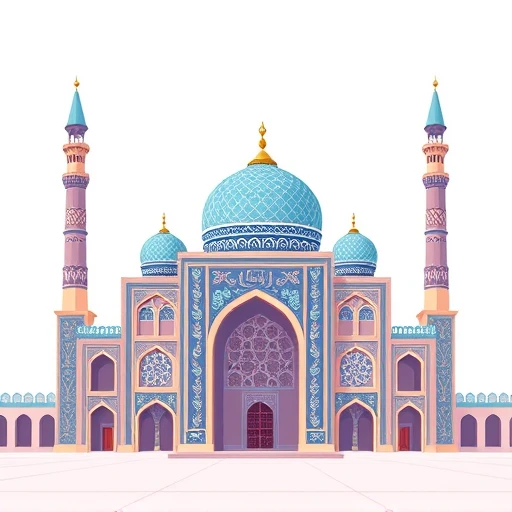
- Isfahan is a major historic city in central Iran, famous for its Safavid-era architecture, turquoise domes, and the massive Naqsh-e Jahan Square.
- Known as 'Nesf-e Jahan' or 'Half the World,' it serves as a cultural and economic hub with a rich history of trade and art.
- The city is renowned for its intricate Persian handicrafts, including carpets and marquetry, and its stunning historic bridges over the Zayandehrud River.
- Isfahan is a UNESCO World Heritage site and a center for both traditional culture and modern industrial and scientific development in Iran.
- Historical Context
- The city reached its zenith under Shah Abbas I, who moved the capital there in 1598, initiating a golden age of Persian culture.
During our tour of the Middle East, we spent three days exploring the majestic squares and bridges of isfahan.
The intricate tilework found in isfahan is often cited as the finest example of Safavid art.
- Artistic Legacy
- Isfahan is the heart of Persian handicrafts, specifically known for 'Khatamkari' (marquetry) and 'Ghalamkari' (textile printing).
The Zayandehrud River flows through isfahan, spanned by eleven historic bridges.
Many poets have written about the rose gardens and nightingales of isfahan.
- Geographic Significance
- Situated at the intersection of the main north-south and east-west routes crossing Iran, Isfahan remains a vital logistics center.
The Armenian Quarter of New Jolfa in isfahan showcases a unique blend of Persian and Christian architecture.
- Direct Object
- The traveler visited isfahan to see the Si-o-se-pol bridge.
If you want to understand Persian history, you must study isfahan.
The isfahan province is known for its dry climate and fertile river valleys.
- Subjective Use
- isfahan remains a cultural beacon for Iranians living abroad.
Architects often look to isfahan for inspiration in geometric tiling.
The train from Tehran to isfahan offers a scenic view of the central desert.
- Prepositional Phrases
- The conference was held in the heart of isfahan.
No trip to Iran is complete without a stop in isfahan.
- Travel Media
- Travelers often recount their evenings spent by the Zayandehrud River in isfahan, listening to local singers under the bridges.
"The city of isfahan is the crown jewel of Persian architecture," the narrator explained.
We bought a box of authentic Gaz while visiting the bazaar in isfahan.
- News & Politics
- International news outlets frequently mention isfahan due to its strategic industrial importance.
The documentary highlighted the water crisis affecting the river in isfahan.
The professor lectured on the 'Isfahan School' of Islamic philosophy.
- Art Auctions
- A rare 17th-century isfahan carpet was sold for a record price at Sotheby's.
Music from isfahan is known for its traditional 'Bayat-e Isfahan' musical mode.
- Spelling Error
- Writing 'Isfahan' as 'Isfaham' or 'Isfahan' without the 'h'.
Incorrect: I want to visit isfahan (lowercase). Correct: I want to visit Isfahan (uppercase).
Mistake: The capital of Iran is isfahan. Correction: The capital is Tehran; Isfahan was the capital in the past.
- Geographical Confusion
- Confusing the city with the province can lead to errors in logistics or demographic data.
Mistake: We saw the isfahan (meaning the people). Correction: We saw the people of Isfahan (or Isfahanis).
Mistake: Isfahan is a country. Correction: isfahan is a city in the country of Iran.
- Cultural Oversimplification
- Assuming Isfahan is only about mosques and ignoring its modern industrial and scientific contributions.
Mistake: The river in isfahan is always full. Correction: Sadly, the Zayandehrud is often dry due to water management issues.
- Nesf-e Jahan
- The most famous epithet for isfahan, meaning 'Half the World'. It is used to highlight the city's immense beauty and historical importance.
- The Safavid Capital
- A historical alternative that emphasizes the city's role during the Safavid dynasty.
Many call isfahan the 'Florence of the East' due to its artistic heritage.
As a center of Islamic art, isfahan is often compared to Istanbul or Cairo.
- Spahan
- The Middle Persian name for the city, sometimes used in poetic or archaic contexts.
The 'Isfahan School' refers to a specific style of art, much like the 'Renaissance' refers to a period in Europe.
In terms of urban planning, isfahan is a precursor to many modern garden cities.
- The Cultural Heart of Iran
- A descriptive phrase used to explain the city's importance to those unfamiliar with the region.
The 'Blue City' is another name sometimes used for isfahan because of its tilework.
How Formal Is It?
Dato curioso
During the Arab conquest, the name was Arabicized from 'Spahan' to 'Isfahan' because the Arabic language lacks the 'p' sound.
Guía de pronunciación
- Placing the stress on the first syllable (IS-fa-han).
- Pronouncing the 'h' too harshly like a 'k'.
- Ending the word with an 'm' sound (Isfaham).
- Making the 'i' sound like 'eye' (Eye-fa-han).
- Omitting the 'h' entirely (Isfa-an).
Nivel de dificultad
Easy to recognize in texts about travel or history.
Requires correct capitalization and spelling.
The pronunciation of the 'h' and the stress can be tricky for beginners.
Distinctive sound makes it easy to pick out in a conversation.
Qué aprender después
Requisitos previos
Aprende después
Avanzado
Gramática que debes saber
Capitalization of Proper Nouns
Always write 'Isfahan', never 'isfahan'.
Zero Article with Cities
We are going to Isfahan (not 'to the Isfahan').
Adjective formation from city names
The Isfahani bazaar is very old.
Prepositions of Place
He lives in Isfahan.
Appositives for clarification
Isfahan, a city in Iran, is beautiful.
Ejemplos por nivel
Isfahan is a very old city.
اصفهان یک شهر بسیار قدیمی است.
Proper noun, capitalized.
I want to see the bridges in Isfahan.
من میخواهم پلهای اصفهان را ببینم.
Prepositional phrase 'in Isfahan'.
Isfahan is in Iran.
اصفهان در ایران است.
Simple subject-verb-prepositional phrase.
The mosques in Isfahan are blue.
مساجد اصفهان آبی هستند.
Plural subject with a prepositional modifier.
Isfahan has a big square.
اصفهان یک میدان بزرگ دارد.
Verb 'has' for possession/features.
We like the food in Isfahan.
ما غذای اصفهان را دوست داریم.
Direct object 'the food' modified by 'in Isfahan'.
Isfahan is beautiful in the spring.
اصفهان در بهار زیبا است.
Adjective 'beautiful' describing the city.
My friend lives in Isfahan.
دوست من در اصفهان زندگی میکند.
Present simple tense.
Isfahan was the capital of Persia many years ago.
اصفهان سالها پیش پایتخت پرشیا (ایران) بود.
Past tense 'was'.
You can buy beautiful carpets in Isfahan.
شما میتوانید فرشهای زیبایی در اصفهان بخرید.
Modal verb 'can' for possibility.
The river in Isfahan is called Zayandehrud.
رودخانه اصفهان زایندهرود نامیده میشود.
Passive voice 'is called'.
Isfahan is famous for its Islamic architecture.
اصفهان به خاطر معماری اسلامیاش مشهور است.
Adjective phrase 'famous for'.
Many tourists visit Isfahan every year.
گردشگران زیادی هر ساله از اصفهان بازدید میکنند.
Quantifier 'many' with plural noun.
The bazaar in Isfahan is very long and old.
بازار اصفهان بسیار طولانی و قدیمی است.
Compound adjectives 'long and old'.
Isfahan is known as 'Half the World'.
اصفهان به عنوان 'نصف جهان' شناخته میشود.
Phrase 'known as'.
I took a bus from Tehran to Isfahan.
من با اتوبوس از تهران به اصفهان رفتم.
Prepositions 'from' and 'to'.
Isfahan serves as a major cultural hub in central Iran.
اصفهان به عنوان یک مرکز فرهنگی مهم در مرکز ایران عمل میکند.
Verb 'serves as' indicating function.
The city of Isfahan is renowned for its stunning gardens.
شهر اصفهان به خاطر باغهای خیرهکنندهاش مشهور است.
Passive construction 'is renowned for'.
Walking through Isfahan feels like stepping back in time.
قدم زدن در اصفهان مانند بازگشت به گذشته است.
Gerund 'walking' as the subject.
Isfahan was significantly expanded during the Safavid dynasty.
اصفهان در دوران سلسله صفویه به طور قابل توجهی گسترش یافت.
Adverb 'significantly' modifying the verb.
The intricate tilework in Isfahan is a masterpiece of art.
کاشیکاریهای پیچیده در اصفهان یک شاهکار هنری است.
Noun 'masterpiece' as a complement.
Many students travel to Isfahan to attend its universities.
دانشجویان زیادی برای حضور در دانشگاههای اصفهان به آنجا سفر میکنند.
Infinitive of purpose 'to attend'.
Isfahan is famous for its unique traditional music.
اصفهان به خاطر موسیقی سنتی منحصر به فردش مشهور است.
Possessive adjective 'its'.
The local people in Isfahan are known for their hospitality.
مردم محلی اصفهان به خاطر مهماننوازیشان شناخته میشوند.
Plural subject 'local people'.
Isfahan's urban planning was ahead of its time in the 17th century.
شهرسازی اصفهان در قرن هفدهم از زمان خود جلوتر بود.
Possessive form 'Isfahan's'.
The Naqsh-e Jahan Square in Isfahan is a UNESCO World Heritage site.
میدان نقش جهان در اصفهان یک میراث جهانی یونسکو است.
Appositive phrase describing the square.
Isfahan remains a vital center for the Persian carpet industry.
اصفهان همچنان یک مرکز حیاتی برای صنعت فرش پرشیا باقی مانده است.
Linking verb 'remains'.
The city of Isfahan successfully blends tradition with modernity.
شهر اصفهان به طور مؤفقی سنت را با مدرنیته ترکیب میکند.
Adverb 'successfully' modifying 'blends'.
Isfahan's historic bridges are marvels of civil engineering.
پلهای تاریخی اصفهان از عجایب مهندسی عمران هستند.
Plural noun 'marvels'.
The Armenian community has lived in Isfahan for centuries.
جامعه ارمنی قرنهاست که در اصفهان زندگی میکنند.
Present perfect tense 'has lived'.
Isfahan is often the subject of Persian poetry and literature.
اصفهان اغلب موضوع شعر و ادبیات فارسی است.
Subject of the sentence.
The dry riverbed in Isfahan is a cause for environmental concern.
بستر خشک رودخانه در اصفهان دلیلی برای نگرانیهای زیستمحیطی است.
Noun phrase 'cause for concern'.
Isfahan epitomizes the grandeur and sophistication of the Safavid era.
اصفهان مظهر شکوه و پیچیدگی دوران صفویه است.
Verb 'epitomizes' meaning to be a perfect example.
The architectural integrity of Isfahan has been remarkably preserved.
یکپارچگی معماری اصفهان به طرز قابل توجهی حفظ شده است.
Passive present perfect 'has been preserved'.
Isfahan's intellectual legacy is rooted in its historic madrasas.
میراث فکری اصفهان در مدرسههای تاریخی آن ریشه دارد.
Adjective 'intellectual' modifying 'legacy'.
The city of Isfahan acted as a crucible for diverse artistic movements.
شهر اصفهان به عنوان بوتهای برای جنبشهای هنری متنوع عمل کرد.
Metaphorical use of 'crucible'.
Isfahan's strategic location facilitated its growth as a trade center.
موقعیت استراتژیک اصفهان رشد آن را به عنوان یک مرکز تجاری تسهیل کرد.
Verb 'facilitated' meaning made easier.
The intricate geometry of Isfahan's mosques reflects cosmic order.
هندسه پیچیده مساجد اصفهان منعکسکننده نظم کیهانی است.
Subject-verb agreement with 'geometry'.
Isfahan's dialect is characterized by its unique intonation and vocabulary.
گویش اصفهانی با تکیه و واژگان منحصر به فردش مشخص میشود.
Passive voice 'is characterized by'.
The socio-economic fabric of Isfahan is deeply intertwined with its bazaar.
بافت اجتماعی-اقتصادی اصفهان عمیقاً با بازار آن در هم تنیده است.
Compound adjective 'socio-economic'.
Isfahan serves as a palimpsest where various historical epochs are visible.
اصفهان به عنوان یک پالیمپسست (نسخه خطی بازنویسی شده) عمل میکند که در آن دورههای مختلف تاریخی قابل مشاهده است.
Metaphorical use of 'palimpsest'.
The Safavid transformation of Isfahan was a masterclass in imperial self-fashioning.
تحول صفوی اصفهان یک کلاس درس در خودآرایی امپراتوری بود.
Noun phrase 'imperial self-fashioning'.
Isfahan's aesthetic influence permeated the entire Islamic world and beyond.
تأثیر زیباییشناختی اصفهان در سراسر جهان اسلام و فراتر از آن نفوذ کرد.
Verb 'permeated' meaning spread throughout.
The juxtaposition of the sacred and the profane is evident in Isfahan's city square.
تجاور امر مقدس و امر عرفی در میدان شهر اصفهان مشهود است.
Abstract nouns 'sacred' and 'profane'.
Isfahan's decline in the 18th century was as dramatic as its earlier ascent.
زوال اصفهان در قرن هجدهم به اندازه صعود قبلیاش دراماتیک بود.
Comparative structure 'as... as'.
The 'Isfahan School' of philosophy sought to reconcile reason with revelation.
مدرسه فلسفی اصفهان به دنبال آشتی دادن عقل با وحی بود.
Verbs 'reconcile' and 'revelation'.
Isfahan's contemporary urban challenges reflect the broader tensions of Iranian society.
چالشهای شهری معاصر اصفهان منعکسکننده تنشهای گستردهتر جامعه ایران است.
Subject 'urban challenges' with plural verb 'reflect'.
The evocative power of Isfahan's name continues to inspire artists globally.
قدرت برانگیزاننده نام اصفهان همچنان الهامبخش هنرمندان در سطح جهانی است.
Adjective 'evocative' modifying 'power'.
Sinónimos
Antónimos
Colocaciones comunes
Frases Comunes
— A translation of 'Isfahan Nesf-e Jahan', implying the city contains everything beautiful.
They say Isfahan is half the world, and after seeing the square, I believe it.
— Refers to the specific shade of turquoise used in the city's tilework.
The blue of Isfahan is unlike any other color in the world.
— A common activity for tourists and locals in the city's main square.
There is nothing more relaxing than walking through Naqsh-e Jahan at dusk.
— Refers to the cultural and artistic essence of the city.
The spirit of Isfahan lives on in its traditional music.
— Refers to walking across the famous Khaju Bridge.
Crossing the Khaju is a highlight of any trip to the city.
— Refers to the lesser-known but beautiful spots in the city.
We spent the day looking for Isfahan's hidden gems in the old quarter.
— Refers to the historical movements in art or philosophy centered there.
He is an expert on the school of Isfahan in miniature painting.
— Evokes the atmosphere of the city after dark.
A night in Isfahan is truly magical with the monuments lit up.
— Refers to the city's famous Persian-style gardens.
The gardens of Isfahan offer a peaceful escape from the city noise.
— Refers to the common travel route between the two cities.
The journey from Tehran to Isfahan takes about five hours by car.
Se confunde a menudo con
Tehran is the modern political capital; Isfahan is the historic cultural capital.
Shiraz is known for poetry and gardens; Isfahan is known for architecture and crafts.
Islamabad is the capital of Pakistan; Isfahan is a city in Iran. They sound slightly similar to beginners.
Modismos y expresiones
— Isfahan is half the world. It means the city is so beautiful it's like seeing half of everything good in the world.
When you see the Shah Mosque, you'll understand why they say Isfahan Nesf-e Jahan.
Cultural— To be very clever, sharp-tongued, or humorous in a subtle way.
His jokes are great; he really has that Isfahani wit.
Informal— Something extremely complex, detailed, and well-made.
The plot of the movie was as intricate as an Isfahan rug.
Literary— Refers to something that resonates or has a surprising acoustic quality.
Her voice had the echo of Ali Qapu, filling the entire room.
Poetic— A metaphor for Isfahan as the center of Persian beauty.
Isfahan is the turquoise heart of the Iranian plateau.
Literary— To experience the lifeblood or the essence of the city.
To truly know the city, you must spend time drinking from the Zayandehrud's atmosphere.
Poetic— Refers to the social role of Isfahan's bridges in bringing people together.
In Isfahan, the bridges are the bridges that bind the community.
Descriptive— Something that looks like it belongs in a grand, historical era of beauty.
The palace gardens were like a Safavid dream.
Literary— Refers to the rumors or the collective knowledge of the marketplace.
If you want to know the news, listen to the bazaar's whisper in Isfahan.
Informal— Living under the influence of history and tradition.
He grew up in the blue dome's shadow, surrounded by ancient art.
PoeticFácil de confundir
It is an older spelling of the same city.
Ispahan is the archaic or French spelling, while Isfahan is the modern English standard.
The book was titled 'Hajji Baba of Ispahan', but the city is now called Isfahan.
One is the city, the other is the adjective/demonym.
Isfahan is the place; Isfahani refers to a person or thing from that place.
He is an Isfahani living in Isfahan.
Often mentioned together.
Safavid is the name of the dynasty; Isfahan was their capital.
The Safavid kings built many of the monuments in Isfahan.
Isfahan is often called a 'Persian' city.
Persia is the historical name for the country; Isfahan is a specific city within it.
Isfahan is the most beautiful city in ancient Persia.
The river is central to the city's identity.
Zayandehrud is the name of the river that flows through Isfahan.
The Zayandehrud river is the lifeblood of Isfahan.
Patrones de oraciones
Isfahan is [adjective].
Isfahan is big.
Isfahan is famous for [noun].
Isfahan is famous for carpets.
I would like to visit Isfahan because [reason].
I would like to visit Isfahan because I love history.
Not only is Isfahan historic, but it is also [adjective].
Not only is Isfahan historic, but it is also industrial.
The significance of Isfahan lies in [noun phrase].
The significance of Isfahan lies in its Safavid heritage.
To understand [concept], one must look at Isfahan.
To understand Persian urbanism, one must look at Isfahan.
Isfahan, which is located in [location], is [adjective].
Isfahan, which is located in central Iran, is stunning.
There are many [noun] in Isfahan.
There are many bridges in Isfahan.
Familia de palabras
Sustantivos
Adjetivos
Relacionado
Cómo usarlo
High in travel and history contexts; moderate in general news.
-
Thinking Isfahan is the capital of Iran.
→
Tehran is the capital.
Isfahan was the capital in the past (Safavid era), but Tehran has been the capital since the late 18th century.
-
Spelling it as 'Isfaham'.
→
Isfahan
The word ends with an 'n' sound, not an 'm'. This is a common phonetic error.
-
Not capitalizing the name.
→
Isfahan
As a proper noun (the name of a city), it must always be capitalized in English.
-
Confusing the city with the province.
→
Isfahan (City) vs. Isfahan Province
Isfahan is a city, but it is also the name of the larger administrative region surrounding it.
-
Assuming the river is always full.
→
The river is often dry.
Due to water management and drought, the Zayandehrud river in the city center is frequently empty.
Consejos
Visit at Sunset
The best time to see the bridges and the main square is at sunset when the light hits the blue tiles and the monuments are beautifully illuminated.
Try the Tea Houses
Visit the traditional tea houses located under the bridges or in the bazaar to experience the local social atmosphere.
Bargain in the Bazaar
Bargaining is a common practice in the Isfahan bazaar. Don't be afraid to negotiate the price, especially for carpets and handicrafts.
Dress Code
As with all of Iran, follow the local dress code. Women should wear a headscarf and loose-fitting clothing, and men should avoid wearing shorts.
Capture the Geometry
Look up when you are inside the mosques! The geometric patterns on the ceilings are some of the most beautiful in the world.
Buy Gaz as a Souvenir
Gaz is the signature sweet of Isfahan. It makes for a perfect gift to bring back home for friends and family.
Hire a Guide
To truly appreciate the complex history and symbolism of the architecture, consider hiring a local guide for a day.
Check the River Status
Before you go, check if the Zayandehrud River is flowing, as it is often dry. This will help manage your expectations for the bridge views.
Learn a Few Persian Phrases
Learning simple greetings like 'Salam' (Hello) and 'Mamnoon' (Thank you) will go a long way with the friendly locals.
Stay Hydrated
Isfahan has a dry climate. Make sure to drink plenty of water while you are out exploring the city.
Memorízalo
Mnemotecnia
Imagine an 'IS'land that is 'FA'r away and 'HAN'dy for the army. IS-FA-HAN.
Asociación visual
Picture a bright turquoise dome (the color of Isfahan) sitting in the middle of a desert, with a long bridge made of 33 arches nearby.
Word Web
Desafío
Try to describe Isfahan to a friend using three adjectives: 'historic', 'architectural', and 'vibrant'. Then, look up a photo of Naqsh-e Jahan Square to see if it matches your description.
Origen de la palabra
The name Isfahan is derived from Middle Persian 'Spahān'. 'Spahān' is the plural of 'spāh', which means 'army'. This suggests that the city was originally a gathering place or headquarters for the military.
Significado original: Place of the Army
Indo-European (Iranian branch)Contexto cultural
When discussing Isfahan, be mindful of the current environmental issues regarding the Zayandehrud River, as it is a sensitive topic for locals.
In the English-speaking world, Isfahan is primarily known as a high-end travel destination and a source of luxury Persian rugs.
Practica en la vida real
Contextos reales
Travel Planning
- Best time to visit Isfahan
- Hotels in Isfahan
- Isfahan city tour
- How to get to Isfahan
Art History
- Isfahan school of painting
- Safavid architecture in Isfahan
- Tilework of Isfahan
- Isfahan carpet patterns
Geography
- Isfahan province map
- Climate of Isfahan
- Zayandehrud river Isfahan
- Central plateau Iran Isfahan
Culinary Arts
- Traditional food of Isfahan
- Isfahan Gaz nougat
- Biryani Isfahan recipe
- Best restaurants in Isfahan
International News
- Isfahan industrial zone
- Events in Isfahan
- Isfahan nuclear facility
- Developments in Isfahan
Inicios de conversación
"Have you ever seen photos of the blue mosques in Isfahan?"
"I'm planning a trip to Iran; do you think I should spend more time in Tehran or Isfahan?"
"Did you know that Isfahan was once one of the largest cities in the world?"
"I heard the bridges in Isfahan are a great place to meet locals. Is that true?"
"What is the most famous thing about Isfahan in your opinion?"
Temas para diario
Imagine you are a merchant on the Silk Road arriving in Isfahan for the first time. Describe what you see.
If you could bring one piece of Isfahan's architecture to your home city, what would it be and why?
Write about why a city like Isfahan is important for world heritage.
Compare the atmosphere of a historic city like Isfahan with a modern city you know well.
Describe the colors you associate with the word 'Isfahan' and explain why.
Preguntas frecuentes
10 preguntasIsfahan is located in the center of Iran, on the main north-south and east-west routes. It sits on the lush Zayandehrud River valley at the edge of the central desert.
Isfahan is world-famous for its stunning Islamic architecture, particularly its turquoise-domed mosques, the massive Naqsh-e Jahan Square, and its historic bridges.
The phrase 'Isfahan Nesf-e Jahan' (Isfahan is half the world) was coined in the 16th century to describe the city's immense wealth, beauty, and cultural diversity.
The best times to visit are during the spring (April and May) and autumn (September and October) when the weather is mild and pleasant.
You can buy high-quality Persian carpets, hand-painted miniatures, 'Khatamkari' (marquetry), 'Ghalamkari' (printed textiles), and the famous 'Gaz' nougat.
Yes, Isfahan is generally considered very safe for international tourists, and the local people are known for being exceptionally welcoming and hospitable.
Isfahan has eleven bridges crossing the Zayandehrud River, five of which are historic structures dating back to the Safavid and Seljuk periods.
The 'Isfahan School' refers to a significant movement in Persian miniature painting and also a school of Islamic philosophy that flourished in the 17th century.
Yes, there are frequent buses, trains, and flights connecting Tehran to Isfahan. The drive takes about 5 hours, while a flight is only 45 minutes.
One of the most famous local dishes is 'Biryani Isfahan,' which is made of minced mutton and lung, served with traditional bread.
Ponte a prueba 192 preguntas
Write a short paragraph (3-4 sentences) describing why someone should visit Isfahan.
Well written! Good try! Check the sample answer below.
Focus on landmarks, atmosphere, and culture.
Focus on landmarks, atmosphere, and culture.
Compare the historical significance of Isfahan with another city you know.
Well written! Good try! Check the sample answer below.
Use comparative language and historical context.
Use comparative language and historical context.
Describe the architectural features of a typical Isfahan mosque.
Well written! Good try! Check the sample answer below.
Use specific architectural terms like iwan, muqarnas, and haft-rangi.
Use specific architectural terms like iwan, muqarnas, and haft-rangi.
Write a formal letter inviting a colleague to a conference in Isfahan.
Well written! Good try! Check the sample answer below.
Use formal tone and mention the city's dual nature.
Use formal tone and mention the city's dual nature.
Explain the cultural importance of the Zayandehrud river to the people of Isfahan.
Well written! Good try! Check the sample answer below.
Discuss the social and emotional connection to the river.
Discuss the social and emotional connection to the river.
Write a travel blog post about spending one day in Isfahan.
Well written! Good try! Check the sample answer below.
Use engaging language and a chronological structure.
Use engaging language and a chronological structure.
Describe the process of making an Isfahan carpet (based on your knowledge).
Well written! Good try! Check the sample answer below.
Focus on materials, design, and the labor-intensive nature of the craft.
Focus on materials, design, and the labor-intensive nature of the craft.
Discuss the role of Shah Abbas I in shaping modern Isfahan.
Well written! Good try! Check the sample answer below.
Focus on his urban planning and cultural impact.
Focus on his urban planning and cultural impact.
Write a short dialogue between two tourists visiting Isfahan for the first time.
Well written! Good try! Check the sample answer below.
Use natural-sounding dialogue and mention local landmarks.
Use natural-sounding dialogue and mention local landmarks.
Write a description of the Vank Cathedral and its unique blend of styles.
Well written! Good try! Check the sample answer below.
Focus on the contrast between the exterior and interior.
Focus on the contrast between the exterior and interior.
Summarize the environmental challenges facing Isfahan today.
Well written! Good try! Check the sample answer below.
Discuss water management, drought, and their consequences.
Discuss water management, drought, and their consequences.
Write a poem or poetic description of Isfahan at night.
Well written! Good try! Check the sample answer below.
Use sensory language and metaphors.
Use sensory language and metaphors.
Explain why Isfahan is considered a 'palimpsest' of history.
Well written! Good try! Check the sample answer below.
Use the term 'palimpsest' correctly in a historical context.
Use the term 'palimpsest' correctly in a historical context.
Write a short guide on 'Bazaar Etiquette' for a tourist in Isfahan.
Well written! Good try! Check the sample answer below.
Focus on social norms and practical advice.
Focus on social norms and practical advice.
Describe the 'Isfahan School' of philosophy in simple terms.
Well written! Good try! Check the sample answer below.
Simplify complex philosophical concepts.
Simplify complex philosophical concepts.
Write a review of a traditional Isfahan restaurant.
Well written! Good try! Check the sample answer below.
Use evaluative language and specific details.
Use evaluative language and specific details.
Discuss the impact of the Silk Road on Isfahan's development.
Well written! Good try! Check the sample answer below.
Connect trade to cultural and architectural growth.
Connect trade to cultural and architectural growth.
Write a short biography of a fictional 'Isfahani' artist.
Well written! Good try! Check the sample answer below.
Use creative details and relevant cultural terms.
Use creative details and relevant cultural terms.
Describe the feeling of standing in the middle of Naqsh-e Jahan Square.
Well written! Good try! Check the sample answer below.
Use descriptive and emotive language.
Use descriptive and emotive language.
Explain the significance of the 'haft-rangi' tile technique.
Well written! Good try! Check the sample answer below.
Focus on the technical and historical aspects of the craft.
Focus on the technical and historical aspects of the craft.
Describe your favorite landmark in Isfahan and explain why you like it.
Read this aloud:
Dijiste:
Speech recognition is not supported in your browser. Try Chrome or Edge.
Focus on personal preference and descriptive details.
How would you explain the phrase 'Isfahan is half the world' to someone who has never heard it?
Read this aloud:
Dijiste:
Speech recognition is not supported in your browser. Try Chrome or Edge.
Explain the cultural significance and the meaning of the idiom.
Talk about the importance of preserving historic cities like Isfahan.
Read this aloud:
Dijiste:
Speech recognition is not supported in your browser. Try Chrome or Edge.
Discuss heritage, identity, and education.
If you were a tour guide in Isfahan, what would be the first three places you would take your group?
Read this aloud:
Dijiste:
Speech recognition is not supported in your browser. Try Chrome or Edge.
Provide a logical itinerary and brief reasons.
Discuss the differences between the old and modern parts of Isfahan.
Read this aloud:
Dijiste:
Speech recognition is not supported in your browser. Try Chrome or Edge.
Compare and contrast urban features.
Explain the significance of the Armenian community in Isfahan's history.
Read this aloud:
Dijiste:
Speech recognition is not supported in your browser. Try Chrome or Edge.
Focus on economic and cultural contributions.
What are some challenges a tourist might face when visiting Isfahan?
Read this aloud:
Dijiste:
Speech recognition is not supported in your browser. Try Chrome or Edge.
Discuss practical travel considerations.
Describe the traditional food of Isfahan and what makes it unique.
Read this aloud:
Dijiste:
Speech recognition is not supported in your browser. Try Chrome or Edge.
Mention specific dishes and their characteristics.
How does the architecture of Isfahan reflect Islamic values?
Read this aloud:
Dijiste:
Speech recognition is not supported in your browser. Try Chrome or Edge.
Connect architectural features to religious concepts.
Tell a story about a fictional trip you took to Isfahan.
Read this aloud:
Dijiste:
Speech recognition is not supported in your browser. Try Chrome or Edge.
Use narrative tenses and descriptive details.
What is the best way to spend an evening in Isfahan?
Read this aloud:
Dijiste:
Speech recognition is not supported in your browser. Try Chrome or Edge.
Provide a recommendation with specific activities.
Discuss the impact of climate change on Isfahan's landmarks.
Read this aloud:
Dijiste:
Speech recognition is not supported in your browser. Try Chrome or Edge.
Discuss the link between environment and heritage.
How has the internet changed the way people learn about Isfahan?
Read this aloud:
Dijiste:
Speech recognition is not supported in your browser. Try Chrome or Edge.
Discuss the role of technology in tourism and education.
Compare Isfahan to the capital city of your own country.
Read this aloud:
Dijiste:
Speech recognition is not supported in your browser. Try Chrome or Edge.
Use comparative structures and subjective impressions.
What role does the bazaar play in the daily life of Isfahanis?
Read this aloud:
Dijiste:
Speech recognition is not supported in your browser. Try Chrome or Edge.
Discuss the social and economic functions of the bazaar.
Describe the feeling of the Isfahani accent in your own words.
Read this aloud:
Dijiste:
Speech recognition is not supported in your browser. Try Chrome or Edge.
Use descriptive adjectives and personal impressions.
Why is Isfahan a good place for students to study art?
Read this aloud:
Dijiste:
Speech recognition is not supported in your browser. Try Chrome or Edge.
Focus on the educational resources of the city.
How would you describe Isfahan in just three words?
Read this aloud:
Dijiste:
Speech recognition is not supported in your browser. Try Chrome or Edge.
Provide three words and justify each choice.
Discuss the importance of the Silk Road to Isfahan's cosmopolitan identity.
Read this aloud:
Dijiste:
Speech recognition is not supported in your browser. Try Chrome or Edge.
Connect historical trade to modern social characteristics.
What is the most surprising thing you learned about Isfahan today?
Read this aloud:
Dijiste:
Speech recognition is not supported in your browser. Try Chrome or Edge.
Share a specific fact and explain why it was surprising.
Listen to the description of Isfahan's climate. Is it described as humid or dry?
Isfahan has an arid or semi-arid climate.
Listen to the name of the river in Isfahan. How do you spell it?
The name is Z-a-y-a-n-d-e-h-r-u-d.
Listen to the speaker talk about the bridges. Which bridge is mentioned as a place for singing?
The Khaju Bridge is famous for its acoustics and singing.
Listen to the guide talk about the square. How many years ago was it built?
The square was built during the Safavid era in the early 17th century.
Listen to the pronunciation of 'Isfahan'. Which syllable is stressed?
The stress is on the final part of the word.
Listen to the description of Gaz. What are the two main nuts used in it?
These are the traditional nuts used in Gaz.
Listen to the history of New Jolfa. Why did the Armenians move there?
The Shah moved them to help the economy of his new capital.
Listen to the architectural terms. What is the word for stalactite vaulting?
Muqarnas is the term for this decorative architectural feature.
Listen to the news report. What is the main environmental concern for the city?
Water scarcity is the primary environmental issue.
Listen to the description of the Shah Mosque. What color are the tiles?
These are the dominant colors of the mosque's tilework.
Listen to the travel tips. When is the best time to visit the square?
Sunset is recommended for the best lighting and atmosphere.
Listen to the speaker talk about Isfahani people. What quality are they often associated with?
Isfahanis are stereotyped as being very sharp and witty.
Listen to the description of Chehel Sotoun. How many columns are there actually?
There are 20 real columns; the reflection makes them 40.
Listen to the mention of the Silk Road. Was Isfahan a part of it?
Isfahan was a major hub on the Silk Road.
Listen to the demonym. What do you call a person from Isfahan?
The speaker uses the term 'Isfahani'.
/ 192 correct
Perfect score!
Summary
Isfahan is the cultural heart of Iran, representing the zenith of Safavid architecture and Persian artistry. Its name is synonymous with 'Half the World,' reflecting its historical importance as a global hub of trade, beauty, and intellectual thought, centered around the magnificent Naqsh-e Jahan Square.
- Isfahan is a major historic city in central Iran, famous for its Safavid-era architecture, turquoise domes, and the massive Naqsh-e Jahan Square.
- Known as 'Nesf-e Jahan' or 'Half the World,' it serves as a cultural and economic hub with a rich history of trade and art.
- The city is renowned for its intricate Persian handicrafts, including carpets and marquetry, and its stunning historic bridges over the Zayandehrud River.
- Isfahan is a UNESCO World Heritage site and a center for both traditional culture and modern industrial and scientific development in Iran.
Visit at Sunset
The best time to see the bridges and the main square is at sunset when the light hits the blue tiles and the monuments are beautifully illuminated.
Try the Tea Houses
Visit the traditional tea houses located under the bridges or in the bazaar to experience the local social atmosphere.
Bargain in the Bazaar
Bargaining is a common practice in the Isfahan bazaar. Don't be afraid to negotiate the price, especially for carpets and handicrafts.
Dress Code
As with all of Iran, follow the local dress code. Women should wear a headscarf and loose-fitting clothing, and men should avoid wearing shorts.