lithium en 30 segundos
- A lightweight, silvery-white alkali metal used in technology and medicine.
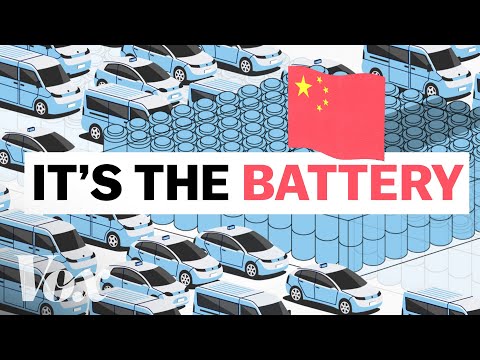
- The primary component in rechargeable batteries for smartphones and electric vehicles.
- A psychiatric medication used to stabilize moods in patients with bipolar disorder.
- A critical natural resource often called 'white gold' due to its high economic value.
Lithium is a chemical element that occupies a unique and vital position in the modern world. At its most basic level, it is a soft, silvery-white alkali metal, the lightest of all solid elements. In the context of everyday conversation, however, lithium is rarely discussed as a raw element found in the earth's crust. Instead, it is almost always mentioned in relation to its transformative applications in technology and medicine. When you hear people talking about lithium today, they are most likely referring to the power source inside their smartphones, laptops, or electric vehicles. The 'lithium-ion battery' has become a household term because it allows us to carry immense computing power in our pockets and drive hundreds of miles without a drop of gasoline. This metal's ability to store and release energy efficiently is what makes the portable electronics revolution possible. Beyond the world of gadgets and green energy, lithium has a profound history in the field of psychiatry. For decades, lithium carbonate has been a cornerstone treatment for bipolar disorder, helping to stabilize moods and prevent the extreme highs and lows associated with the condition. Therefore, the word 'lithium' carries two very different but equally significant connotations: one of high-tech energy and one of mental health stability.
- Chemical Classification
- Lithium is the third element on the periodic table, symbolized by 'Li'. It belongs to the alkali metal group, which also includes sodium and potassium. Like its cousins, it is highly reactive and never found in its pure form in nature; it must be extracted from minerals or brine.
The global demand for lithium has skyrocketed as car manufacturers shift their focus toward electric vehicle production.
In a professional or academic setting, you might encounter lithium in discussions about geology, chemistry, or environmental science. Geologists look for lithium in 'salars' (salt flats) or hard-rock deposits. Environmentalists often debate the ethics of lithium mining, as the process requires vast amounts of water and can impact local ecosystems, even though the end product helps reduce carbon emissions. This creates a complex narrative around the word: it is both a 'green' savior and a source of industrial concern. In a social context, mentioning lithium might require sensitivity if the topic shifts toward health. Because of its use as a mood stabilizer, the word can sometimes be used colloquially or even pejoratively to imply someone is 'on medication,' though this is generally considered rude or stigmatizing in modern English. It is better to use the term clinically when discussing health. In the tech world, lithium is synonymous with longevity and rechargeability. We talk about 'lithium cycles' and 'lithium density' when comparing the latest tech specs of a new phone or a Tesla. Understanding lithium means understanding the backbone of the 21st-century economy.
- Industrial Context
- In manufacturing, lithium is used not just for batteries but also as an additive in glass and ceramics to reduce their melting point and increase their strength. It is also used in high-performance lubricants and greases that must withstand extreme temperatures.
Scientists are researching new ways to recycle lithium from old batteries to create a more sustainable supply chain.
The versatility of lithium is truly remarkable. From the depths of the Earth to the circuits of a satellite orbiting the planet, this element is everywhere. It is even found in trace amounts in the human body and in the stars. Astronomers study lithium levels in stars to determine their age and composition, a field known as 'stellar lithium abundance.' This shows that the word transcends the boundaries of chemistry and enters the realm of astrophysics. Whether you are a student, a tech enthusiast, or someone interested in global economics, 'lithium' is a word that will appear frequently in your reading and conversations. It represents the bridge between our current fossil-fuel-dependent world and a future powered by stored electricity. It is the 'white gold' of the modern era, a nickname given to it because of its high value and silvery appearance. As we move forward, the word will only become more prominent in news headlines about climate change, trade wars, and medical breakthroughs.
- Medical Usage
- Psychiatrists prescribe lithium salts to manage symptoms of mania and depression. It is often considered the 'gold standard' for long-term maintenance in bipolar patients, though it requires careful blood monitoring to ensure safety.
After years of struggling with mood swings, the patient found that lithium provided the stability they needed to lead a normal life.
The aerospace industry uses lithium alloys because they are incredibly lightweight yet strong enough for aircraft components.
Many high-end cameras rely on lithium batteries to provide long-lasting power during professional photo shoots.
Using the word 'lithium' correctly requires an understanding of the context, as it can function as a noun, an adjective (in compound forms), or a specific medical term. In its most common noun form, it refers to the element itself. For example, 'Lithium is extracted from salt flats in South America.' Here, it is the subject of the sentence, acting as a mass noun. Because it is an element, it is usually uncountable when referring to the substance in general. You wouldn't say 'a lithium' unless you were referring to a specific type or a lithium-based product in a very informal way. More often, you will see it paired with other nouns to form compound adjectives, such as 'lithium-ion battery,' 'lithium deposits,' or 'lithium treatment.' In these cases, 'lithium' describes the nature of the following noun. When writing about technology, the phrase 'lithium-ion' is almost always hyphenated. For instance, 'Most modern smartphones are powered by lithium-ion batteries.' This is a standard technical term that you should use consistently to sound professional.
- Subject-Verb Agreement
- Since 'lithium' is an uncountable noun when referring to the element, it takes a singular verb. Example: 'Lithium is essential for the energy transition.' Do not use 'are' unless you are referring to 'lithium batteries' or 'lithium salts'.
The engineer explained that the lithium content in the new battery design was significantly higher than in previous models.
In medical contexts, 'lithium' is often used as a shorthand for 'lithium carbonate' or 'lithium citrate.' A doctor might say, 'We are going to start you on lithium to help stabilize your mood.' In this sentence, 'lithium' functions as the name of the medication. It is important to note that when used this way, it is often treated as a proper noun in clinical notes, though in general writing, it remains lowercase unless it starts a sentence. You might also hear the phrase 'lithium levels,' which refers to the concentration of the drug in a patient's bloodstream. For example, 'The patient needs a blood test to check their lithium levels.' This is a very common phrase in healthcare settings. If you are discussing the mining industry, you will use terms like 'lithium extraction' or 'lithium reserves.' For example, 'Australia and Chile hold some of the world's largest lithium reserves.' Here, 'reserves' is the plural noun, and 'lithium' specifies what kind of reserves they are. This pattern of [Lithium + Noun] is the most versatile way to use the word in English.
- Prepositional Usage
- We often use 'in' or 'with' when talking about lithium. Example: 'There is lithium in the soil.' or 'The battery is made with lithium.' When talking about medical treatment, we say 'on lithium'. Example: 'He has been on lithium for five years.'
Because lithium reacts violently with water, it must be stored in mineral oil to prevent accidental fires.
When constructing more complex sentences, you can use 'lithium' to discuss economic trends. For instance, 'The price of lithium fluctuates based on the global demand for electric vehicles.' In this case, 'lithium' is the object of the preposition 'of'. You can also use it in comparative structures: 'Lithium is much lighter than lead, which is why it is preferred for portable electronics.' This sentence uses 'lithium' as a point of comparison, highlighting its physical properties. In creative writing, lithium might be used metaphorically to represent energy, volatility, or emotional numbness (due to its medical associations). However, these uses are less common than the literal ones. Always ensure that the context makes it clear whether you are talking about a metal, a battery component, or a medicine. If you are writing a technical report, be specific: use 'lithium-ion' for batteries and 'lithium carbonate' for medicine if you want to be precise. For general B1-level communication, simply saying 'lithium' is usually sufficient as long as the surrounding words provide enough clues.
- Common Collocations
- Common pairings include: lithium battery, lithium mining, lithium market, lithium toxicity, and lithium grease. Learning these pairs will help you use the word more naturally in conversation.
The environmental impact of lithium production is a major topic of debate among climate scientists.
You should never throw a lithium battery in the regular trash because it can cause a fire at the recycling center.
The geologist identified a high concentration of lithium in the samples taken from the dried lake bed.
In the 21st century, 'lithium' has moved from the back of chemistry textbooks to the front pages of financial and technology news. You will hear this word most frequently in discussions about the 'Green Revolution.' News anchors and environmental journalists often talk about the 'lithium race,' referring to the global competition between countries like China, the United States, and the European Union to secure enough lithium to power their future fleets of electric cars. If you watch a documentary about climate change or renewable energy, lithium will almost certainly be mentioned as the 'key' or 'bottleneck' for storing solar and wind energy. In these contexts, the word is spoken with a sense of urgency and strategic importance. You might hear a business analyst say, 'Lithium prices have reached an all-time high due to supply chain disruptions,' or 'Investors are flocking to lithium mining stocks.' This financial jargon highlights how lithium has become a commodity as important as oil or gold in the modern economy.
- In Technology Reviews
- Tech YouTubers and reviewers use 'lithium' constantly when discussing battery life. You'll hear phrases like 'lithium-polymer' or 'lithium-ion' when they compare the charging speeds and longevity of the latest gadgets.
'The new model features an upgraded lithium battery that lasts 20% longer than the previous version,' the reviewer noted.
Another common place to hear 'lithium' is in a medical or therapeutic setting. If you work in healthcare or know someone who does, the word is a standard part of the vocabulary for treating mood disorders. In a pharmacy, you might hear a pharmacist explaining the side effects of lithium to a patient. In a doctor's office, a psychiatrist might discuss 'lithium maintenance therapy.' It is a word that carries a weight of clinical seriousness. Interestingly, you might also hear it in the world of aviation and travel. When you are at an airport, the safety announcements often include warnings about 'lithium batteries' in checked luggage. Flight attendants will remind passengers that 'spare lithium batteries must be kept in your carry-on bag' because of the fire risk they pose in the cargo hold. This is perhaps the most common way the average person hears the word in their daily life—as a safety warning during travel.
- In Environmental Debates
- You will hear activists and politicians debating 'lithium extraction.' They might discuss the 'Lithium Triangle' in South America (Bolivia, Chile, and Argentina) and the impact of mining on indigenous communities and water supplies.
'We must ensure that the transition to green energy doesn't come at the cost of lithium mining communities,' the activist shouted.
In the world of science and education, 'lithium' is a staple of chemistry labs. Teachers use it to demonstrate the properties of alkali metals—often by dropping a small piece of it into water to show how it fizzes and produces hydrogen gas (though it is less explosive than sodium or potassium). Students learn about its atomic number (3) and its electron configuration. If you are a fan of science fiction or space exploration, you might hear about 'lithium crystals' or 'dilithium' (a fictionalized version used in Star Trek), which shows how the real element inspires futuristic ideas. Finally, in the music world, beyond the Nirvana song mentioned earlier, 'lithium' is sometimes used as a metaphor for something that calms or numbs. Whether it's in a news report about the economy, a safety briefing at an airport, or a conversation about mental health, 'lithium' is a word that bridges the gap between the physical world and our human experience.
- In Popular Culture
- References to lithium appear in songs, movies, and literature, often symbolizing the struggle with mental health or the cold, metallic nature of modern technology. It has a 'cool' and 'scientific' vibe in artistic contexts.
The sci-fi novel described a planet where the oceans were rich in lithium, making it the most valuable colony in the galaxy.
'Please remove all lithium batteries from your checked bags,' the airline agent reminded the passengers at the gate.
The documentary highlighted how lithium is the essential ingredient for the world's transition to sustainable energy.
One of the most frequent mistakes learners make with the word 'lithium' is related to its pronunciation and spelling. Because it contains the 'th' sound followed by an 'i' and a 'u', it can be a bit of a tongue-twister. Some people accidentally say 'lith-um' (skipping the 'i') or 'lith-ee-on' (confusing it with the 'ion' part of the battery name). It is important to pronounce all three syllables: LITH-ee-um. In terms of spelling, the 'h' is often misplaced or forgotten, leading to errors like 'litium' or 'lithuim.' Another common error is confusing 'lithium' with other chemical elements that sound similar or are used in similar ways. For example, 'lithium' and 'helium' both end in '-ium,' but they are completely different substances (one is a solid metal, the other is a gas). Similarly, in the context of batteries, people sometimes confuse 'lithium' with 'alkaline' or 'nickel-cadmium.' While lithium batteries are a type of battery, not all batteries contain lithium. Using the word as a generic term for 'battery' is technically incorrect and can lead to confusion in technical or safety-related discussions.
- Grammatical Number
- Learners often try to pluralize lithium as 'lithiums.' This is almost always incorrect. If you want to talk about multiple units, you must say 'lithium batteries,' 'lithium atoms,' or 'lithium salts.' Lithium itself is an uncountable mass noun.
Incorrect: 'I need to buy some lithiums for my camera.'
Correct: 'I need to buy some lithium batteries for my camera.'
Another mistake involves the medical use of the word. Some people use 'lithium' as a synonym for any antidepressant or anti-anxiety medication. This is inaccurate. Lithium is a specific mood stabilizer used primarily for bipolar disorder. Referring to someone's Prozac or Xanax as 'lithium' is factually wrong and can be seen as insensitive. Furthermore, there is a common misconception that lithium is 'liquid' because it is often associated with 'lithium-ion' (which sounds like 'liquid-ion' to some). In reality, lithium is a solid metal, though in batteries, it moves through a liquid or gel electrolyte. In writing, a frequent mistake is failing to hyphenate 'lithium-ion' when it is used as an adjective. While 'lithium ion' (no hyphen) can refer to the ion itself in a chemistry context, the battery type should always be 'lithium-ion battery.' This small punctuation mark is a sign of high-level English proficiency.
- Confusion with 'Lithic'
- The adjective 'lithic' refers to stone (e.g., 'megalithic'). While 'lithium' comes from the same Greek root, they are used in very different fields. Don't use 'lithic' when you mean 'relating to lithium'. Use 'lithium-based' instead.
Incorrect: 'The doctor checked my lithium.'
Correct: 'The doctor checked my lithium levels.'
Finally, learners sometimes struggle with the articles. Since lithium is an element, you don't use 'a' or 'an' before it. You wouldn't say 'an lithium is a metal.' You just say 'Lithium is a metal.' However, you can say 'the lithium' if you are referring to a specific batch or sample mentioned previously. For example, 'The lithium used in these batteries was mined in Australia.' Another nuance is the difference between 'lithium' and 'lithium-ion.' A 'lithium battery' (non-rechargeable) is different from a 'lithium-ion battery' (rechargeable). Confusing these two in a technical manual or a shopping list could lead to buying the wrong product or even a safety hazard, as they have different charging requirements. By paying attention to these small details—pronunciation, spelling, hyphenation, and specific context—you can avoid the most common pitfalls and use the word 'lithium' like a native speaker.
- Spelling Check
- Remember: L-I-T-H-I-U-M. Two 'i's, one 'h', and it ends in 'um' like many other elements (sodium, magnesium, calcium).
Incorrect: 'The lithium-ion battery is not the same as a lithium metal battery.'
Incorrect: 'He is taking lithiums for his health.'
Correct: 'He is taking lithium for his health.'
Incorrect: 'The phone has a lithium-ion.'
Correct: 'The phone has a lithium-ion battery.'
When discussing lithium, it is helpful to know related words that can provide more variety or precision in your speech and writing. Since lithium is a metal, words like 'element,' 'mineral,' and 'commodity' are often used as broader categories. For example, instead of saying 'Lithium is important,' you could say 'This vital mineral is essential for modern technology.' In the context of energy storage, you might use 'electrolyte' or 'electrode.' These are more technical terms that describe the parts of a battery where lithium does its work. If you are talking about the 'lithium market,' you might use synonyms like 'the battery-metal sector' or 'critical raw materials.' These phrases are common in business reports and economic news. In the medical field, lithium is often grouped with other 'mood stabilizers' or 'psychotropic medications.' Using these broader terms can help you avoid repeating the word 'lithium' too many times in a medical essay or discussion.
- Chemical Comparisons
- Lithium is often compared to Sodium and Potassium. While they are all alkali metals, lithium is the lightest and has the highest energy density, which is why it's preferred for batteries. Sodium is much more common and cheaper but less efficient for portable power.
While lithium remains the industry standard, researchers are exploring sodium-ion alternatives to reduce costs.
In terms of battery technology, you might hear about 'cobalt,' 'nickel,' and 'manganese.' These are other metals that are often used alongside lithium in battery cathodes. Knowing these words allows you to talk about the 'chemistry' of a battery more holistically. For instance, 'The lithium-nickel-manganese-cobalt (NMC) battery is a popular choice for electric vehicles.' If you are looking for a more poetic or descriptive way to refer to lithium, the term 'white gold' is frequently used in the media to emphasize its high value and importance to the global economy. In a geological context, you might use the word 'brine.' Much of the world's lithium is extracted from 'lithium-rich brines' found under salt flats. Using 'brine' instead of just 'salty water' makes your English sound more specialized and accurate. Similarly, 'spodumene' is the name of the hard-rock mineral from which lithium is also extracted. While these are advanced terms, they are very useful if you are reading about the mining industry.
- Medical Alternatives
- In psychiatry, alternatives to lithium include Valproate, Lamotrigine, and Quetiapine. These are different types of mood stabilizers. If a patient cannot tolerate lithium, a doctor might switch them to one of these 'alternative treatments'.
The doctor discussed the pros and cons of lithium versus other mood-stabilizing agents.
When talking about the physical properties of lithium, you might use adjectives like 'lightweight,' 'reactive,' 'malleable,' or 'conductive.' Instead of saying 'Lithium is good for batteries because it is light,' you could say 'The lightweight nature of lithium makes it the ideal candidate for portable energy storage.' This elevates your language. If you are discussing the environmental side, you might use 'sustainability,' 'recyclability,' or 'carbon footprint.' For example, 'The sustainability of lithium mining is a key concern for the electric vehicle industry.' Finally, in a very informal or slang context, you might hear people refer to 'lithium' simply as 'juice' (referring to battery power), though this is very casual. By understanding these synonyms and related terms, you can navigate different topics—from high-tech engineering to clinical psychology—with confidence and precision. You will be able to describe not just what lithium is, but how it fits into the larger systems of our world.
- Economic Terms
- Terms like 'Supply Chain', 'Spot Price', and 'Offtake Agreement' are often used in the lithium industry. An offtake agreement is a contract to buy a certain amount of lithium before it is even mined.
The company signed a ten-year agreement to secure a steady supply of lithium for its battery factory.
Compared to lead-acid batteries, lithium versions offer a much higher energy density and a longer lifespan.
The geologist explained that the lithium was trapped within the crystal structure of the spodumene rock.
How Formal Is It?
Dato curioso
Lithium is one of the only three elements (along with hydrogen and helium) created in large quantities during the Big Bang.
Guía de pronunciación
- Saying 'lith-um' (skipping the second syllable).
- Saying 'lith-on' (confusing with ion).
- Pronouncing the 'th' like a 't' (Lit-ee-um).
- Misplacing the stress on the second syllable.
- Confusing it with 'helium' (He-lee-um).
Nivel de dificultad
Common in news and tech, but chemical terms can be tricky.
Spelling and hyphenation of 'lithium-ion' require attention.
The three-syllable pronunciation can be difficult for some.
Easily recognized once the pronunciation is known.
Qué aprender después
Requisitos previos
Aprende después
Avanzado
Gramática que debes saber
Hyphenating Compound Adjectives
A lithium-ion battery (adjective before noun).
Mass Nouns for Elements
Lithium is (not are) a metal.
Zero Article with Elements
I like lithium (not the lithium) for its lightness.
Preposition 'On' for Medication
He is on lithium.
Using 'The' for Specificity
The lithium in this battery is from Chile.
Ejemplos por nivel
My phone has a lithium battery.
Môj telefón má lítiovú batériu.
Use 'a' before 'lithium battery' because battery is a countable noun.
Lithium is a metal.
Lítium je kov.
No article is needed before 'Lithium' when talking about the element.
Is this a lithium battery?
Je toto lítiová batéria?
Question form with 'is'.
The lithium battery is small.
Lítiová batéria je malá.
Adjective 'small' follows the verb 'is'.
I need lithium for my camera.
Potrebujem lítium do môjho fotoaparátu.
'Lithium' here acts as a shorthand for lithium batteries.
Lithium is silver.
Lítium je strieborné.
Simple subject-verb-adjective structure.
Don't put lithium in water.
Nedávajte lítium do vody.
Imperative (command) form.
This car uses lithium.
Toto auto používa lítium.
Present simple tense.
Lithium is the lightest metal in the world.
Lítium je najľahší kov na svete.
Superlative 'the lightest'.
Most laptops use lithium-ion batteries.
Väčšina notebookov používa lítium-iónové batérie.
Compound adjective 'lithium-ion'.
Scientists find lithium in the ground.
Vedci nachádzajú lítium v zemi.
Plural subject 'Scientists'.
We can recharge lithium batteries many times.
Lítiové batérie môžeme mnohokrát nabiť.
Modal verb 'can'.
Lithium is very important for electric cars.
Lítium je veľmi dôležité pre elektromobily.
Adverb 'very' modifying the adjective 'important'.
The price of lithium is going up.
Cena lítia stúpa.
Present continuous tense 'is going up'.
You should not throw lithium batteries in the trash.
Lítiové batérie by ste nemali vyhadzovať do koša.
Modal verb 'should not' for advice.
He takes lithium for his health.
Berie lítium pre svoje zdravie.
Third person singular 'takes'.
Lithium is widely used in the production of rechargeable batteries.
Lítium sa široko používa pri výrobe nabíjateľných batérií.
Passive voice 'is widely used'.
The doctor prescribed lithium to help stabilize the patient's mood.
Lekár predpísal lítium, aby pomohol stabilizovať náladu pacienta.
Infinitive of purpose 'to help'.
Many countries are competing to find more lithium reserves.
Mnohé krajiny súťažia o nájdenie ďalších zásob lítia.
Present continuous for ongoing actions.
If we don't have enough lithium, we cannot make enough electric cars.
Ak nebudeme mať dostatok lítia, nebudeme môcť vyrobiť dostatok elektromobilov.
First conditional 'If... don't..., we cannot...'.
Lithium reacts quickly when it touches water.
Lítium reaguje rýchlo, keď sa dotkne vody.
Adverb 'quickly' modifying the verb 'reacts'.
The company is investing in new lithium extraction technology.
Spoločnosť investuje do novej technológie extrakcie lítia.
Preposition 'in' after 'investing'.
Check your lithium levels before you travel.
Pred cestou si skontrolujte hladinu lítia.
Imperative verb 'Check'.
Lithium-ion batteries are better for the environment than lead batteries.
Lítium-iónové batérie sú pre životné prostredie lepšie ako olovené batérie.
Comparative 'better... than'.
The demand for lithium has surged due to the global shift toward green energy.
Dopyt po lítiu prudko vzrástol v dôsledku globálneho posunu k zelenej energii.
Present perfect 'has surged' for recent trends.
Lithium mining can have a significant impact on local water supplies.
Ťažba lítia môže mať významný vplyv na miestne zásoby vody.
Modal 'can' expressing possibility.
The patient was carefully monitored for signs of lithium toxicity.
Pacient bol starostlivo monitorovaný kvôli známkam toxicity lítia.
Passive voice with an adverb 'carefully monitored'.
Australia is currently the world's leading producer of lithium.
Austrália je v súčasnosti popredným svetovým producentom lítia.
Possessive 'world's leading producer'.
Researchers are looking for ways to make lithium batteries even more efficient.
Výskumníci hľadajú spôsoby, ako urobiť lítiové batérie ešte efektívnejšími.
Comparative 'more efficient' with intensifier 'even'.
Despite its benefits, lithium extraction remains a controversial topic.
Napriek svojim výhodám zostáva extrakcia lítia kontroverznou témou.
Concession word 'Despite'.
The aerospace industry relies on lithium alloys for their high strength-to-weight ratio.
Letecký priemysel sa spolieha na zliatiny lítia pre ich vysoký pomer pevnosti k hmotnosti.
Compound noun 'strength-to-weight ratio'.
Lithium carbonate is often the first choice for treating bipolar disorder.
Uhličitan lítny je často prvou voľbou pri liečbe bipolárnej poruchy.
Noun phrase 'Lithium carbonate'.
The geopolitics of lithium are becoming increasingly complex as nations vie for resource security.
Geopolitika lítia sa stáva čoraz zložitejšou, keďže krajiny súperia o bezpečnosť zdrojov.
Plural verb 'are' with 'geopolitics'.
Lithium's high electrochemical potential makes it an ideal anode material for batteries.
Vysoký elektrochemický potenciál lítia z neho robí ideálny anódový materiál pre batérie.
Possessive 'Lithium's'.
The environmental footprint of brine-based lithium extraction is a subject of intense scrutiny.
Environmentálna stopa extrakcie lítia na báze soľanky je predmetom intenzívneho skúmania.
Noun phrase 'environmental footprint'.
Chronic lithium administration requires regular blood tests to ensure therapeutic efficacy.
Chronické podávanie lítia si vyžaduje pravidelné krvné testy na zabezpečenie terapeutickej účinnosti.
Formal vocabulary 'administration' and 'efficacy'.
The 'Lithium Triangle' in South America contains over half of the world's known reserves.
„Lítiový trojuholník“ v Južnej Amerike obsahuje viac ako polovicu známych svetových zásob.
Proper noun phrase in quotes.
Advancements in solid-state technology could eventually replace traditional lithium-ion systems.
Pokroky v technológii pevných látok by časom mohli nahradiť tradičné lítium-iónové systémy.
Modal 'could' for future possibility.
Lithium's role in primordial nucleosynthesis provides clues about the early universe.
Úloha lítia v primordiálnej nukleosyntéze poskytuje vodítka o ranom vesmíre.
Scientific terminology.
The market volatility of lithium has led to significant fluctuations in electric vehicle prices.
Trhová volatilita lítia viedla k výrazným výkyvom cien elektromobilov.
Present perfect 'has led to'.
The sudden ubiquity of lithium-dependent technologies has fundamentally altered global trade dynamics.
Náhla všadeprítomnosť technológií závislých od lítia zásadne zmenila dynamiku globálneho obchodu.
Advanced noun 'ubiquity'.
Ethical concerns regarding lithium sourcing have prompted manufacturers to seek more transparent supply chains.
Etické obavy týkajúce sa získavania lítia podnietili výrobcov k hľadaniu transparentnejších dodávateľských reťazcov.
Participle phrase 'regarding lithium sourcing'.
Lithium's narrow therapeutic index necessitates meticulous dosage adjustments by clinicians.
Úzky terapeutický index lítia si vyžaduje starostlivé úpravy dávkovania zo strany klinických lekárov.
Highly technical medical terminology.
The quest for 'white gold' has ignited a modern-day gold rush across the salt flats of the Andes.
Hľadanie „bieleho zlata“ rozpútalo novodobú zlatú horúčku naprieč soľnými pláňami Ánd.
Metaphorical use of 'white gold'.
Stellar lithium depletion remains one of the most intriguing puzzles in modern astrophysics.
Vyčerpanie hviezdneho lítia zostáva jednou z najzaujímavejších hádaniek modernej astrofyziky.
Complex subject 'Stellar lithium depletion'.
The recycling of lithium-ion batteries is no longer a niche industry but a strategic necessity.
Recyklácia lítium-iónových batérií už nie je okrajovým odvetvím, ale strategickou nevyhnutnosťou.
Negative structure 'no longer... but...'.
Lithium's propensity to react with atmospheric moisture mandates stringent storage protocols.
Sklon lítia reagovať s atmosférickou vlhkosťou si vyžaduje prísne protokoly skladovania.
Formal verb 'mandates'.
The socio-economic ramifications of lithium extraction in arid regions are profound and multifaceted.
Socio-ekonomické dôsledky extrakcie lítia v vyprahnutých oblastiach sú hlboké a mnohostranné.
Advanced adjectives 'profound' and 'multifaceted'.
Colocaciones comunes
Frases Comunes
— The process of charging and discharging a battery.
The battery can handle 500 lithium cycles.
— A lack of available lithium for industry.
The lithium shortage is slowing down car production.
— Very pure or high-quality lithium.
The mine produces high-grade lithium for export.
Se confunde a menudo con
Both end in -ium, but helium is a gas used in balloons, not a metal for batteries.
Both are alkali metals, but sodium is heavier and used in salt, not typically in phone batteries.
A type of non-rechargeable battery; lithium batteries are usually rechargeable.
Modismos y expresiones
— A period of intense competition to find and mine lithium.
The discovery of lithium in the desert started a white gold rush.
Journalistic— A slang term for the clear-headedness some feel when on the medication.
After a week on the meds, he finally had some lithium logic.
Informal— Often used to describe lithium-based energy storage.
Lithium is the key to the battery of the future.
Marketing— The limit of how much energy a lithium battery can hold.
Scientists are trying to break through the lithium ceiling.
Technical— A metaphorical way to describe the hopes for a green energy future.
The city's lithium-powered dreams depend on new infrastructure.
Literary— Metaphorically full of energy or potential.
The atmosphere at the tech conference was charged with lithium.
Creative— Searching for lithium deposits or business opportunities.
Geologists are out on the lithium trail in the Andes.
Journalistic— Extremely lightweight.
The new laptop is lithium-light and easy to carry.
Informal— The best or most common way of doing something (referring to batteries).
Lithium-ion is the lithium standard for portable power.
Business— The stability provided by the medication.
He lived in a state of lithium-induced calm.
Clinical/LiteraryFácil de confundir
Similar root.
Lithic refers to stone/rocks in archaeology; Lithium is a chemical element.
The archaeologists found lithic tools, not lithium batteries.
Sounds similar to 'lithium' in fast speech.
Liquid is a state of matter; Lithium is a solid metal.
The lithium is solid, but the battery has a liquid electrolyte.
Both are used in tech.
Silicon is for computer chips; Lithium is for batteries.
The phone has a silicon chip and a lithium battery.
Both are valuable metals.
Platinum is for jewelry and catalysts; Lithium is for energy storage.
Her ring is platinum, but her phone is lithium-powered.
Similar starting letters.
Lignite is a type of coal; Lithium is a metal.
They mine lignite for fuel and lithium for batteries.
Patrones de oraciones
I have a lithium [noun].
I have a lithium battery.
[Noun] uses lithium.
My laptop uses lithium.
Lithium is used for [verb-ing].
Lithium is used for making cars.
He takes lithium for [noun].
He takes lithium for his health.
The demand for lithium is [adjective].
The demand for lithium is growing.
Lithium is [comparative] than [noun].
Lithium is lighter than lead.
Due to [noun], lithium [verb].
Due to its reactivity, lithium must be stored in oil.
The [adjective] of lithium [verb] [noun].
The ubiquity of lithium batteries changed the world.
Familia de palabras
Sustantivos
Verbos
Adjetivos
Relacionado
Cómo usarlo
Increasing rapidly due to the electric vehicle boom.
-
I bought two lithiums.
→
I bought two lithium batteries.
Lithium is an uncountable element. You must use a countable noun like 'batteries' after it.
-
The phone has a lithium ion.
→
The phone has a lithium-ion battery.
Lithium-ion is an adjective describing the battery. You can't just say 'a lithium ion' unless you mean a single atom.
-
Lithium are a metal.
→
Lithium is a metal.
Elements are singular mass nouns and take singular verbs.
-
He is taking litium.
→
He is taking lithium.
Spelling error: missing the 'h'.
-
Lithium is a liquid.
→
Lithium is a solid metal.
Many people think it's liquid because of 'ion' or its use in batteries, but it is a solid.
Consejos
Tech Talk
When talking about your phone or laptop, always use 'lithium-ion' to sound more knowledgeable about technology.
No Plurals
Avoid saying 'lithiums'. Use 'lithium batteries' if you need to talk about more than one.
Travel Tip
Remember that airlines require lithium batteries to be in carry-on luggage, not checked bags. Use this fact to remember the word!
Symbol Li
Memorize the symbol 'Li' to quickly find lithium on the periodic table or in scientific charts.
Clinical Context
If you hear someone is 'on lithium', understand it's a serious medical treatment and respond with empathy.
The H Factor
The 'h' comes after the 't'. Think of the word 'light'—it also has an 'h' (though in a different place) to remind you lithium is light.
White Gold
Use the term 'white gold' in essays to show you understand the economic importance of lithium.
Three Beats
Tap your finger three times as you say LITH-EE-UM to ensure you don't skip the middle syllable.
Green Metal
Associate lithium with green cars and solar power to remember its role in the environment.
Light vs Heavy
Always remember lithium is the 'lightest' metal. This is its most defining physical characteristic.
Memorízalo
Mnemotecnia
LITHium: Light, Ion, Treatment, High-energy. (L-I-T-H).
Asociación visual
Imagine a silver feather (light metal) powering a smartphone.
Word Web
Desafío
Try to find three things in your house that use a lithium battery and write a sentence for each.
Origen de la palabra
The word 'lithium' comes from the Greek word 'lithos', which means 'stone'.
Significado original: It was named 'lithos' because it was discovered in a mineral (stone), unlike other alkali metals which were first found in plant ashes.
Greek (root) -> Latin (suffix -ium).Contexto cultural
Avoid using 'lithium' as a joke about someone's mental state.
In the US and UK, 'lithium-ion' is a very common term in consumer electronics marketing.
Practica en la vida real
Contextos reales
Tech Store
- Does this have a lithium battery?
- How long is the lithium life?
- Is it lithium-ion?
- Can I replace the lithium cell?
Doctor's Office
- Is lithium right for me?
- What are the side effects of lithium?
- How often are blood tests needed?
- Should I take lithium with food?
Airport Security
- Are lithium batteries allowed?
- I have a lithium power bank.
- Must I carry lithium in my hand luggage?
- Is this lithium battery safe?
Science Class
- What is lithium's atomic number?
- Lithium is an alkali metal.
- Observe the reaction with water.
- Lithium is the lightest solid.
Business News
- Lithium prices are rising.
- Invest in lithium mining.
- The lithium supply chain is tight.
- New lithium deposits discovered.
Inicios de conversación
"Did you know that lithium is the lightest metal in the world?"
"Is your phone's lithium battery still holding a good charge?"
"What do you think about the environmental impact of lithium mining?"
"Have you heard about the 'Lithium Triangle' in South America?"
"Why do you think lithium is so important for electric vehicles?"
Temas para diario
Describe how your daily life would change if lithium batteries didn't exist.
Write about the balance between needing lithium for green energy and the environmental cost of mining it.
If you were a scientist, what new use for lithium would you try to discover?
Reflect on the importance of mood-stabilizing medications like lithium in modern society.
Imagine a world where lithium is as valuable as gold. How would countries behave?
Preguntas frecuentes
10 preguntasYes, lithium is a naturally occurring element found in the Earth's crust. However, it is very reactive, so it is never found alone in nature. It is always part of a compound in minerals or salt water (brine).
Lithium is used because it is the lightest metal and has a very high electrochemical potential. This means it can store a lot of energy in a very small and light package, which is perfect for portable electronics like phones.
If they are damaged, overheated, or charged incorrectly, lithium batteries can catch fire or explode. This is because lithium is highly reactive. This is why there are safety rules for carrying them on airplanes.
In a medical context, yes. Lithium salts (like lithium carbonate) are used as a medication to treat bipolar disorder. It helps balance the chemicals in the brain that control mood.
Most of the world's lithium is produced in Australia (from rocks) and in the 'Lithium Triangle' of Chile, Argentina, and Bolivia (from salt flats).
The price of lithium can change a lot. Because so many companies want it for electric cars, the price has become quite high in recent years, leading people to call it 'white gold.'
Yes, lithium can be recycled from old batteries. However, the process is currently difficult and expensive. Scientists are working on better ways to recycle it to protect the environment.
In large amounts, lithium can be toxic to humans. When used as medicine, doctors must carefully monitor the amount in a patient's blood to make sure it is safe.
It is pronounced 'LITH-ee-um.' The first part sounds like 'with' but with an 'L'. The middle is a short 'ee' sound, and it ends with 'um'.
A lithium-ion battery is a type of rechargeable battery where lithium ions move from the negative electrode to the positive electrode during discharge and back when charging.
Ponte a prueba 190 preguntas
Write a short paragraph explaining why lithium is important for your smartphone.
Well written! Good try! Check the sample answer below.
Compare the use of lithium in technology versus its use in medicine.
Well written! Good try! Check the sample answer below.
Write a formal email to a recycling center asking how to dispose of old lithium batteries.
Well written! Good try! Check the sample answer below.
Describe the physical appearance and chemical properties of lithium.
Well written! Good try! Check the sample answer below.
Discuss the pros and cons of lithium mining for the environment.
Well written! Good try! Check the sample answer below.
Create a marketing slogan for a new long-lasting lithium battery.
Well written! Good try! Check the sample answer below.
Write a short story about a future where lithium is the most valuable substance on Earth.
Well written! Good try! Check the sample answer below.
Explain the safety rules for carrying lithium batteries on an airplane.
Well written! Good try! Check the sample answer below.
Summarize the history of lithium's discovery and its first medical use.
Well written! Good try! Check the sample answer below.
Write a dialogue between a doctor and a patient discussing lithium treatment.
Well written! Good try! Check the sample answer below.
Describe the 'Lithium Triangle' and its economic significance.
Well written! Good try! Check the sample answer below.
Write a technical description of how a lithium-ion battery works.
Well written! Good try! Check the sample answer below.
Draft a social media post about the importance of recycling lithium batteries.
Well written! Good try! Check the sample answer below.
Explain why lithium is considered a 'critical mineral' by many governments.
Well written! Good try! Check the sample answer below.
Write a poem about the 'white gold' of the Andes.
Well written! Good try! Check the sample answer below.
Compare lithium with another alkali metal, like sodium.
Well written! Good try! Check the sample answer below.
Write a blog post about the future of electric vehicles and lithium demand.
Well written! Good try! Check the sample answer below.
Describe the symptoms of lithium toxicity and why monitoring is necessary.
Well written! Good try! Check the sample answer below.
Explain the role of lithium in stellar nucleosynthesis.
Well written! Good try! Check the sample answer below.
Write a letter to a car manufacturer asking about the lithium sourcing for their batteries.
Well written! Good try! Check the sample answer below.
Pronounce the word 'lithium' correctly three times.
Read this aloud:
Dijiste:
Speech recognition is not supported in your browser. Try Chrome or Edge.
Explain to a friend why they shouldn't put lithium batteries in their checked luggage.
Read this aloud:
Dijiste:
Speech recognition is not supported in your browser. Try Chrome or Edge.
Give a 1-minute presentation on the uses of lithium in modern technology.
Read this aloud:
Dijiste:
Speech recognition is not supported in your browser. Try Chrome or Edge.
Discuss the environmental impact of lithium mining with a partner.
Read this aloud:
Dijiste:
Speech recognition is not supported in your browser. Try Chrome or Edge.
Role-play a conversation between a doctor and a patient about starting lithium medication.
Read this aloud:
Dijiste:
Speech recognition is not supported in your browser. Try Chrome or Edge.
Explain the difference between a lithium battery and a lithium-ion battery.
Read this aloud:
Dijiste:
Speech recognition is not supported in your browser. Try Chrome or Edge.
Describe the physical properties of lithium as if you were a science teacher.
Read this aloud:
Dijiste:
Speech recognition is not supported in your browser. Try Chrome or Edge.
Debate the topic: 'Is the shift to electric cars worth the cost of lithium mining?'
Read this aloud:
Dijiste:
Speech recognition is not supported in your browser. Try Chrome or Edge.
Summarize a news story you heard about lithium prices.
Read this aloud:
Dijiste:
Speech recognition is not supported in your browser. Try Chrome or Edge.
Talk about the 'Lithium Triangle' and why it is important for the world economy.
Read this aloud:
Dijiste:
Speech recognition is not supported in your browser. Try Chrome or Edge.
Explain the importance of lithium recycling in your own words.
Read this aloud:
Dijiste:
Speech recognition is not supported in your browser. Try Chrome or Edge.
Describe a world without lithium batteries. What would be different?
Read this aloud:
Dijiste:
Speech recognition is not supported in your browser. Try Chrome or Edge.
Present a brief history of the discovery of lithium.
Read this aloud:
Dijiste:
Speech recognition is not supported in your browser. Try Chrome or Edge.
Discuss the cultural references to lithium in music and movies.
Read this aloud:
Dijiste:
Speech recognition is not supported in your browser. Try Chrome or Edge.
Explain the chemical reaction of lithium with water to a younger student.
Read this aloud:
Dijiste:
Speech recognition is not supported in your browser. Try Chrome or Edge.
Talk about the future of energy storage beyond lithium.
Read this aloud:
Dijiste:
Speech recognition is not supported in your browser. Try Chrome or Edge.
Describe the symptoms of lithium toxicity and how to prevent it.
Read this aloud:
Dijiste:
Speech recognition is not supported in your browser. Try Chrome or Edge.
Discuss the geopolitics of lithium and which countries are the major players.
Read this aloud:
Dijiste:
Speech recognition is not supported in your browser. Try Chrome or Edge.
Role-play a business meeting where you decide whether to invest in a lithium mine.
Read this aloud:
Dijiste:
Speech recognition is not supported in your browser. Try Chrome or Edge.
Explain the concept of 'energy density' in relation to lithium.
Read this aloud:
Dijiste:
Speech recognition is not supported in your browser. Try Chrome or Edge.
Listen to a short clip about battery safety and write down the word 'lithium' every time you hear it.
Listen to a news report about electric cars and identify the mention of lithium prices.
Listen to a doctor explaining lithium side effects and list them.
Listen to a science podcast about the periodic table and summarize the section on lithium.
Listen to an airport announcement and identify the rules for lithium batteries.
Listen to a documentary clip about the Andes and the 'Lithium Triangle'.
Listen to a chemist describe a reaction and identify the elements involved.
Listen to a business analyst talk about 'white gold' and explain what they mean.
Listen to a lecture on stellar nucleosynthesis and the 'lithium problem'.
Listen to a debate about green energy and identify the arguments related to lithium.
Listen to a technical guide on battery recycling and note the steps mentioned.
Listen to a song called 'Lithium' and try to understand the context of the word.
Listen to a pharmacist's instructions for taking lithium medication.
Listen to a speech about critical minerals and note lithium's rank in importance.
Listen to an interview with a lithium mine worker and describe their daily tasks.
/ 190 correct
Perfect score!
Summary
Lithium is the lightest solid element and a vital resource for the modern world, powering our portable electronics and stabilizing mental health. For example, 'The lithium-ion battery in your laptop allows it to be thin and light.'
- A lightweight, silvery-white alkali metal used in technology and medicine.
- The primary component in rechargeable batteries for smartphones and electric vehicles.
- A psychiatric medication used to stabilize moods in patients with bipolar disorder.
- A critical natural resource often called 'white gold' due to its high economic value.
Tech Talk
When talking about your phone or laptop, always use 'lithium-ion' to sound more knowledgeable about technology.
No Plurals
Avoid saying 'lithiums'. Use 'lithium batteries' if you need to talk about more than one.
Travel Tip
Remember that airlines require lithium batteries to be in carry-on luggage, not checked bags. Use this fact to remember the word!
Symbol Li
Memorize the symbol 'Li' to quickly find lithium on the periodic table or in scientific charts.