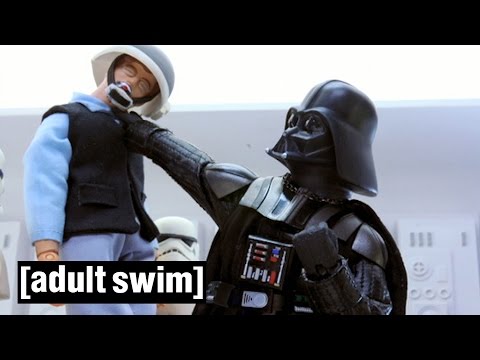
strangled en 30 segundos
- Strangled literally means killed or injured by squeezing the throat, preventing air and blood from reaching the brain and lungs.
- It is frequently used as an adjective to describe sounds like cries or sobs that are thin and forced due to intense emotion.
- Metaphorically, it describes processes, businesses, or growth that are severely restricted or stopped by external forces or regulations.
- The word carries a dark, intense connotation of struggle, suppression, and a lack of freedom or life.
- Literal Usage
- The victim was found to have been strangled with a silk scarf, indicating a calculated and personal crime.
She let out a strangled gasp as the cold water hit her skin, her breath catching in her throat.
- Metaphorical Usage
- The small business was effectively strangled by the new tax laws, which left them with no capital for expansion.
His apology was a strangled whisper, barely audible over the roaring wind.
- Abstract Usage
- Innovation is often strangled in large bureaucracies where every new idea must pass through ten layers of approval.
The ivy had strangled the ancient oak tree, wrapping its vines so tightly that the tree eventually died.
A strangled sob escaped his lips as he watched the ship disappear over the horizon.
- Adjectival Placement
- The protagonist’s strangled voice betrayed his hidden terror during the interrogation.
The silence was broken only by the strangled engine of the old car as it struggled to start in the freezing cold.
- Passive Voice
- The debate was strangled by procedural delays, preventing any real progress from being made.
He felt as though he were being strangled by the expectations of his family.
- Prepositional Phrases
- Often followed by 'by' to indicate the cause of the constriction: 'Strangled by debt,' 'Strangled by fear.'
The hope for a peaceful resolution was strangled by the sudden outbreak of violence.
She managed a strangled 'yes' before bursting into tears of relief.
- In Literature
- 'A strangled cry broke from his lips as he saw the ghost in the mirror.' — This is classic descriptive writing.
The detective noted the strangled marks on the victim's neck, pointing to a struggle.
- In News/Politics
- 'The opposition leader claimed that free speech was being strangled by the new censorship laws.'
The local economy was strangled by the closure of the main factory, leaving thousands unemployed.
- In Medical/Scientific Contexts
- Doctors might refer to a 'strangled hernia' (though 'strangulated' is the more precise medical term), where blood supply is cut off.
The vine strangled the sunlight from the smaller plants on the forest floor.
He gave a strangled laugh, realizing the irony of his situation.
- Strangled vs. Choked
- Use 'strangled' for external pressure or emotional tightness. Use 'choked' for internal blockage or a sudden stop in speech.
Incorrect: He strangled on a piece of steak. Correct: He choked on a piece of steak.
- Strangled vs. Suffocated
- 'Suffocated' is the result (no air). 'Strangled' is the specific method (throat pressure).
The small plant was strangled by the weeds (physical constriction), not suffocated by them.
- Overuse in Writing
- Novice writers often use 'strangled cry' too frequently. Try 'stifled,' 'muffled,' or 'choked' for variety.
His voice was strangled by emotion, making it hard for the audience to hear him.
The fire was strangled by the lack of oxygen in the sealed room (metaphorical but effective).
- Strangled vs. Stifled
- 'Strangled' sounds painful and involuntary; 'stifled' sounds like a conscious effort to be quiet.
She stifled a laugh during the serious meeting, but his strangled giggle gave him away.
- Strangled vs. Constricted
- 'Constricted' is more clinical and physical (e.g., constricted pupils); 'strangled' is more emotional and dramatic.
The snake constricted its prey, while the victim's strangled cries grew weaker.
- Strangled vs. Inhibited
- 'Inhibited' is psychological and long-term; 'strangled' is often a sudden reaction to a specific event.
His growth as an artist was inhibited by his fear of failure, but his latest project was strangled by a lack of time.
The throttled roar of the motorcycle echoed through the narrow streets.
How Formal Is It?
Dato curioso
The 'strangler fig' is a type of tree that begins its life as a seed in the canopy of another tree and eventually grows roots down to the ground, 'strangling' the host tree to death.
Guía de pronunciación
- Pronouncing the 'g' softly like a 'j'. It must be a hard 'g'.
- Adding an extra vowel sound between 'g' and 'l' (e.g., 'strang-uh-led').
- Not pronouncing the 'd' at the end clearly.
- Confusing the 'ng' sound with a simple 'n' sound.
- Stressing the second syllable instead of the first.
Nivel de dificultad
Common in literature and news, but the metaphorical meaning can be tricky for beginners.
Requires a good sense of tone to use effectively without being overly dramatic.
Useful for describing emotions, but 'choked' is often used more in casual speech.
Easy to recognize in context, especially in dramatic scenes.
Qué aprender después
Requisitos previos
Aprende después
Avanzado
Gramática que debes saber
Passive Voice with 'By'
The city was strangled by the blockade.
Adjective Placement before Nouns
She gave a strangled cry.
Past Participle as Adjective
The strangled victim was found in the park.
Metaphorical Extension of Verbs
Debt is strangling the economy.
Using 'Strangled' in Similes
His voice sounded like it was being strangled.
Ejemplos por nivel
The cat was strangled by the tight collar.
Le chat a été étranglé par le collier serré.
Passive voice: was + strangled.
The big weed strangled the small flower.
La grosse mauvaise herbe a étranglé la petite fleur.
Active voice: strangled as a past tense verb.
He felt like he was being strangled by his tie.
Il avait l'impression d'être étranglé par sa cravate.
Simile: felt like he was being strangled.
A strangled sound came from the box.
Un son étranglé est sorti de la boîte.
Adjective: strangled modifying sound.
The rope strangled the tree branch.
La corde a étranglé la branche de l'arbre.
Simple past tense.
She gave a strangled cry of surprise.
Elle a poussé un cri de surprise étranglé.
Adjective: strangled modifying cry.
The ivy strangled the old fence.
Le lierre a étranglé la vieille clôture.
Metaphorical use in a simple context.
The voice was strangled and quiet.
La voix était étranglée et calme.
Adjective phrase: strangled and quiet.
He let out a strangled sob when he lost his dog.
Il a laissé échapper un sanglot étranglé quand il a perdu son chien.
Common collocation: strangled sob.
The garden was strangled by many weeds.
Le jardin était étranglé par de nombreuses mauvaises herbes.
Passive voice with 'by' to show cause.
Her voice sounded strangled because she was scared.
Sa voix semblait étranglée parce qu'elle avait peur.
Adjective used after a linking verb (sounded).
The snake strangled its prey before eating it.
Le serpent a étranglé sa proie avant de la manger.
Literal use in nature.
A strangled laugh escaped his lips.
Un rire étranglé s'est échappé de ses lèvres.
Adjective modifying laugh.
The city's growth was strangled by the war.
La croissance de la ville a été étranglée par la guerre.
Metaphorical use: growth was strangled.
He spoke in a strangled whisper.
Il a parlé dans un chuchotement étranglé.
Adjective modifying whisper.
The plant died because it was strangled by the vine.
La plante est morte parce qu'elle a été étranglée par la vigne.
Passive voice in a cause-and-effect sentence.
The small business was strangled by high taxes.
La petite entreprise a été étranglée par des impôts élevés.
Metaphorical use in an economic context.
A strangled cry of pain echoed through the hall.
Un cri de douleur étranglé a résonné dans le couloir.
Descriptive adjective in a narrative.
He tried to speak, but the words were strangled in his throat.
Il a essayé de parler, mais les mots ont été étranglés dans sa gorge.
Passive voice used metaphorically for speech.
The project was strangled by a lack of funding.
Le projet a été étranglé par un manque de financement.
Common professional metaphor.
She gave a strangled gasp when she saw the mess.
Elle a poussé un halètement étranglé quand elle a vu le désordre.
Adjective modifying gasp.
The truth was strangled by a web of lies.
La vérité a été étranglée par un tissu de mensonges.
Abstract metaphor.
His dreams were strangled by his responsibilities.
Ses rêves ont été étranglés par ses responsabilités.
Metaphorical use for personal life.
The engine made a strangled noise and then died.
Le moteur a fait un bruit étranglé puis s'est arrêté.
Personification of a machine.
The economy is being strangled by the ongoing trade war.
L'économie est en train d'être étranglée par la guerre commerciale en cours.
Present continuous passive voice.
His voice was a strangled rasp, barely recognizable.
Sa voix était un râle étranglé, à peine reconnaissable.
Adjective modifying rasp.
Innovation is often strangled by excessive bureaucracy.
L'innovation est souvent étranglée par une bureaucratie excessive.
Passive voice in a general statement.
A strangled sob broke the silence of the funeral.
Un sanglot étranglé a rompu le silence des funérailles.
Strong narrative verb (broke) and adjective (strangled).
The forest was being strangled by invasive species.
La forêt était en train d'être étranglée par des espèces envahissantes.
Past continuous passive voice.
He felt strangled by the expectations of his family.
Il se sentait étranglé par les attentes de sa famille.
Metaphorical use with 'felt'.
The protest was strangled before it could even begin.
La manifestation a été étranglée avant même de pouvoir commencer.
Metaphorical use for a social movement.
She managed a strangled 'hello' to her ex-husband.
Elle a réussi un 'bonjour' étranglé à son ex-mari.
Adjective modifying a quoted word.
The fledgling democracy was strangled in its infancy by a military coup.
La démocratie naissante a été étranglée au berceau par un coup d'État militaire.
Idiomatic expression: strangled in its infancy.
A strangled cry of despair was the only response to the verdict.
Un cri de désespoir étranglé fut la seule réponse au verdict.
High-level vocabulary: despair, verdict.
The creative spirit of the city was strangled by the rise of commercialism.
L'esprit créatif de la ville a été étranglé par la montée du mercantilisme.
Abstract and sophisticated metaphor.
He gave a strangled, mirthless laugh that chilled her to the bone.
Il a poussé un rire étranglé et sans joie qui l'a glacée jusqu'aux os.
Multiple adjectives: strangled, mirthless.
The supply lines were strangled, leaving the army without food.
Les lignes de ravitaillement ont été étranglées, laissant l'armée sans nourriture.
Military/strategic context.
Her potential was strangled by the lack of educational opportunities.
Son potentiel a été étranglé par le manque de possibilités d'éducation.
Metaphorical use for personal development.
The debate was strangled by a series of procedural maneuvers.
Le débat a été étranglé par une série de manœuvres de procédure.
Political/legal context.
A strangled silence fell over the room as the secret was revealed.
Un silence étranglé s'est abattu sur la pièce alors que le secret était révélé.
Personification of silence.
The project's viability was strangled by a Gordian knot of conflicting regulations.
La viabilité du projet a été étranglée par un nœud gordien de réglementations contradictoires.
Use of the idiom 'Gordian knot'.
His voice, a strangled echo of its former resonance, betrayed his physical decline.
Sa voix, écho étranglé de sa résonance passée, trahissait son déclin physique.
Appositive phrase: a strangled echo of its former resonance.
The nascent artistic movement was strangled by the suffocating embrace of the establishment.
Le mouvement artistique naissant a été étranglé par l'étreinte étouffante de l'establishment.
Metaphorical use with personification.
A strangled gasp of recognition escaped her as she looked at the faded photograph.
Un halètement de reconnaissance étranglé lui a échappé alors qu'elle regardait la photographie décolorée.
Complex noun phrase: strangled gasp of recognition.
The local culture was being strangled by the relentless tide of globalization.
La culture locale était en train d'être étranglée par la marée implacable de la mondialisation.
Sociological metaphor.
The initiative was strangled at birth by a lack of political will.
L'initiative a été étranglée à la naissance par un manque de volonté politique.
Idiom: strangled at birth.
His attempt at a joke resulted in a strangled croak that only heightened the tension.
Sa tentative de plaisanterie s'est soldée par un croassement étranglé qui n'a fait qu'accentuer la tension.
Precise noun choice: croak.
The light was strangled by the thick, cloying fog that rolled in from the sea.
La lumière a été étranglée par le brouillard épais et écœurant qui arrivait de la mer.
Atmospheric and descriptive use.
Sinónimos
Antónimos
Colocaciones comunes
Frases Comunes
— Something that is stopped or destroyed at the very beginning of its existence.
The peace initiative was strangled at birth by the sudden outbreak of fighting.
— When too many rules prevent something from working or growing properly.
Small businesses are often strangled by regulations that favor large corporations.
— A desperate but restricted attempt to get assistance.
Her letter was a strangled cry for help from a very dark place.
— Being so afraid that one cannot act or speak normally.
He was strangled by fear and couldn't move a muscle.
— Being unable to move forward because of past events or traumas.
The character was strangled by the past, unable to find happiness in the present.
— When a business cannot survive because its competitors are too strong.
The local bookstore was strangled by competition from online giants.
— Being in a situation where one has no choice or freedom to act.
They were strangled by circumstances and had to sell their home.
— When old ways of doing things prevent progress or change.
The company was strangled by tradition and failed to adapt to the digital age.
— The restrictive and life-denying effects of being extremely poor.
Many children's dreams are strangled by poverty before they even start school.
— When the lack of communication causes a relationship or situation to fail.
Their marriage was slowly strangled by silence and unspoken resentments.
Se confunde a menudo con
Choked usually means something is inside the throat blocking it. Strangled means something is outside the throat squeezing it.
Stifled means you are trying to stop a sound from coming out. Strangled means the sound is coming out but it's very tight and forced.
Suffocated is a general word for not being able to breathe. Strangled is a specific way of suffocating by squeezing the neck.
Modismos y expresiones
— To have complete control over something and prevent it from developing or being free.
The big tech companies have a stranglehold on the digital advertising market.
Neutral/Formal— To stop something at its very beginning or origin.
The rumor was strangled at the source before it could spread.
Neutral— When being successful creates so many problems that it eventually leads to failure.
The restaurant was strangled by its own success; they couldn't keep up with the demand.
Informal— A person whose warnings or advice are ignored or suppressed.
He felt like a strangled voice in the wilderness, warning about the coming crisis.
Literary— To completely destroy or suppress something through intense pressure.
The high interest rates are strangling the life out of the housing market.
Informal/Idiomatic— To be hindered by excessive bureaucracy and official rules.
The charity's efforts were strangled by red tape.
Common— Being limited or ruined by having too much wealth or privilege from birth.
He was strangled by a silver spoon, never learning how to work for himself.
Informal/Rare— A common way to describe a sudden, tight intake of breath due to shock.
She gave a strangled gasp when she saw the bill.
Descriptive— Feeling unable to perform because of the high standards set by others.
The young athlete was strangled by expectation and failed to qualify.
Neutral— To be in so much debt that it controls and ruins one's life.
The family was strangled by debt after the father lost his job.
CommonFácil de confundir
They look and sound very similar.
Strangulated is a medical term used for organs (like a hernia) where the blood supply is cut off. Strangled is used for the whole person or for sounds.
The doctor diagnosed a strangulated hernia, while the detective looked for a strangled victim.
They have the same literal meaning.
Throttled is often used for engines or for controlling the flow of something. Strangled is more common for voices and abstract restrictions.
He throttled the engine to slow down, but his voice was strangled with fear.
Both describe quiet sounds.
Muffled sounds are quiet because they are behind a barrier. Strangled sounds are quiet because the throat is tight.
I heard a muffled shout from behind the door, followed by a strangled sob.
Both mean restricted.
Suppressed is often used for information or larger groups. Strangled is more visceral and implies a physical-like squeezing.
The news was suppressed by the government, but the local economy was strangled by the new laws.
Both mean made smaller or tighter.
Constricted is more technical and physical. Strangled is more emotional and dramatic.
His pupils were constricted by the light, and his voice was strangled by his nerves.
Patrones de oraciones
The [noun] was strangled.
The plant was strangled.
A strangled [sound] came from [place].
A strangled cry came from the room.
[Noun] was strangled by [noun].
The project was strangled by a lack of money.
He felt strangled by [abstract noun].
He felt strangled by the pressure to succeed.
A strangled [sound] of [emotion] escaped [person].
A strangled cry of despair escaped him.
[Abstract noun] was strangled in its infancy.
The movement was strangled in its infancy.
The [noun] was a strangled echo of [noun].
His voice was a strangled echo of its former self.
Strangled by a [metaphor], the [noun] failed.
Strangled by a web of lies, the truth failed to emerge.
Familia de palabras
Sustantivos
Verbos
Adjetivos
Relacionado
Cómo usarlo
Common in literature and journalism; less common in everyday casual speech.
-
Using 'strangled' for choking on food.
→
He choked on a piece of bread.
Strangled is for external pressure on the neck. Choked is for internal blockage.
-
Saying 'He was strangulated' in a non-medical context.
→
He was strangled.
'Strangulated' is a specific medical term for organs. 'Strangled' is for people and animals.
-
Using 'strangled' for any quiet sound.
→
He spoke in a whisper.
A 'strangled' sound must have a quality of being tight or forced. A whisper is just quiet.
-
Spelling it 'strangeld'.
→
strangled
The 'le' comes before the 'd'.
-
Using 'strangled' as a noun.
→
The strangulation was the cause of death.
'Strangled' is an adjective or verb form. The noun is 'strangulation' or 'strangler'.
Consejos
Use for Emotional Impact
Use 'strangled' when you want the reader to feel the physical tension in a character's throat. It's much more evocative than just saying they were 'sad' or 'quiet'.
Learn the Collocations
Memorize 'strangled cry' and 'strangled sob'. These are the most common ways you will see the word used as an adjective.
Watch the Intensity
Because 'strangled' is a very strong word, save it for truly intense situations. Using it for minor things can sound like you are being too dramatic.
Passive Voice Usage
Remember that 'strangled' is often used in the passive voice (e.g., 'was strangled'). This focuses the attention on the person or thing being restricted.
Abstract vs. Literal
Always check the context. In a crime story, it's literal. In a business report, it's metaphorical. This will help you understand the tone of the piece.
Listen for the 'G'
The hard 'g' sound in the middle of 'strangled' is important. If you don't hear it, the word might be something else, like 'strangled' (wait, that's the same word!). Listen for the 'ng' and 'g' together.
Look for the Cause
When you see 'strangled' in a sentence, look for the word 'by'. It will usually tell you what is causing the restriction (e.g., 'strangled by debt').
Avoid Overuse
If you are writing a long story, don't use 'strangled cry' more than once or twice. Use synonyms like 'stifled' or 'choked' to keep your writing fresh.
Think of Lifeblood
When using 'strangled' metaphorically, think about what is being cut off. Is it money? Freedom? Air? This will help you use the word more accurately.
Clear Ending
Make sure to pronounce the 'd' at the end clearly. If you don't, it might sound like 'strangle,' which is the present tense verb.
Memorízalo
Mnemotecnia
Think of 'Strong Angled' hands around a neck. The 'str' is for strong, and the 'angled' is for the shape of the hands. This helps you remember the physical act of strangling.
Asociación visual
Imagine a garden where a thick, ugly vine is wrapping around a beautiful rose, squeezing it so it can't bloom. This is a 'strangled' rose.
Word Web
Desafío
Try to use 'strangled' in three different ways today: once for a sound, once for a plant or animal, and once for a business or project.
Origen de la palabra
The word comes from the Old French 'estrangler', which in turn comes from the Latin 'strangulare'. This Latin word is derived from the Greek 'strangalan', meaning 'to throttle' or 'to squeeze'. It has been used in English since the 13th century.
Significado original: To kill by squeezing the throat.
Indo-European > Italic > Romance > Germanic (via Old French).Contexto cultural
Be careful using the literal meaning, as it refers to a violent act. The metaphorical meanings are generally safe but still carry a dark tone.
Commonly used in both high-brow literature and tabloid news. It's a versatile word for drama.
Practica en la vida real
Contextos reales
Describing a sound made in distress.
- a strangled cry
- a strangled sob
- a strangled gasp
- a strangled laugh
Describing economic or political restriction.
- strangled by debt
- strangled by regulation
- strangled by red tape
- strangled growth
Describing plants in a garden or forest.
- strangled by weeds
- strangled by ivy
- a strangled sapling
- strangled by the vine
Describing a literal crime or accident.
- strangled with a rope
- strangled by hand
- found strangled
- attempted to be strangled
Describing a feeling of being overwhelmed.
- feeling strangled by work
- strangled by expectations
- strangled by the heat
- strangled by the crowd
Inicios de conversación
"Have you ever felt strangled by too many rules at work or school?"
"What's the most strangled sound you've ever heard someone make in a movie?"
"Do you think small businesses are being strangled by big corporations today?"
"Have you ever seen a plant in a garden being strangled by another plant?"
"How do you feel when you are in a very crowded place? Do you feel strangled?"
Temas para diario
Write about a time you felt strangled by your responsibilities. How did you handle it?
Describe a scene in a story where a character lets out a strangled cry. What happened?
If you were a plant being strangled by weeds, how would you try to survive?
Discuss whether you think technology is strangling our ability to communicate face-to-face.
Write a poem about a 'strangled silence' between two people who have a secret.
Preguntas frecuentes
10 preguntasYes, you can. It can describe the act of being squeezed even if the person survives. It also describes the sound of their voice. For example, 'He was nearly strangled by the attacker.'
Almost always. It implies a lack of air, freedom, or growth. Even a 'strangled laugh' suggests the laugh is forced or uncomfortable. It is a word with very negative connotations.
Strangled is from the outside (like hands around a neck). Choked is from the inside (like food stuck in the throat). Metaphorically, they are similar, but 'strangled' is often more intense.
Yes, both are used. 'Strangled' sounds a bit more dramatic and implies a slower, more deliberate suppression. 'Choked' often implies a sudden blockage.
It's not as common as 'quiet' or 'sad,' but it's very common in books, movies, and news. You will hear it whenever things are dramatic or high-pressure.
Yes, you can say 'I feel strangled by my schedule.' This means you feel like you have no room to breathe or move freely because you are so busy.
It's an idiom that means a project, idea, or movement was stopped or destroyed as soon as it started. For example, 'The new law was strangled at birth by the court's decision.'
It can be both. In 'He strangled the snake,' it's a verb. In 'He gave a strangled cry,' it's an adjective. In 'The victim was strangled,' it's the past participle in a passive verb phrase.
It's pronounced STRAN-ɡəld. The 'g' is hard like in 'go,' and the 'd' at the end is clear. Make sure not to add extra vowel sounds.
Good synonyms include 'stifled,' 'choked,' 'muffled,' and 'suppressed.' Choose 'strangled' when you want to emphasize the physical tightness and emotional pain.
Ponte a prueba 200 preguntas
Write a sentence using 'strangled' to describe a sound.
Well written! Good try! Check the sample answer below.
Write a sentence using 'strangled' to describe an economic situation.
Well written! Good try! Check the sample answer below.
Describe a character's reaction using the word 'strangled'.
Well written! Good try! Check the sample answer below.
Use 'strangled' in a sentence about a garden.
Well written! Good try! Check the sample answer below.
Write a short paragraph (3 sentences) about a business that was 'strangled by red tape'.
Well written! Good try! Check the sample answer below.
Use the idiom 'strangled at birth' in a sentence about a political plan.
Well written! Good try! Check the sample answer below.
Write a sentence using 'strangled' as a verb in the past tense.
Well written! Good try! Check the sample answer below.
Describe a 'strangled laugh' in a social situation.
Well written! Good try! Check the sample answer below.
Use 'strangled' to describe a feeling of being overwhelmed.
Well written! Good try! Check the sample answer below.
Write a sentence using 'strangled' and 'debt'.
Well written! Good try! Check the sample answer below.
Describe a 'strangled silence' in a story.
Well written! Good try! Check the sample answer below.
Use 'strangled' to describe a machine or engine.
Well written! Good try! Check the sample answer below.
Write a sentence about a 'strangled cry for help'.
Well written! Good try! Check the sample answer below.
Use 'strangled' to describe a lack of freedom.
Well written! Good try! Check the sample answer below.
Write a sentence about a 'strangled sob'.
Well written! Good try! Check the sample answer below.
Use 'strangled' to describe a plant's growth.
Well written! Good try! Check the sample answer below.
Describe a 'strangled voice' during an interview.
Well written! Good try! Check the sample answer below.
Use 'strangled' in a sentence about a military strategy.
Well written! Good try! Check the sample answer below.
Write a sentence about 'strangled' innovation.
Well written! Good try! Check the sample answer below.
Use 'strangled' to describe a physical sensation.
Well written! Good try! Check the sample answer below.
Pronounce the word 'strangled' out loud. Focus on the 'ng' and 'd' sounds.
Read this aloud:
Dijiste:
Speech recognition is not supported in your browser. Try Chrome or Edge.
Use 'strangled' in a sentence about a scary movie you saw.
Read this aloud:
Dijiste:
Speech recognition is not supported in your browser. Try Chrome or Edge.
Explain the metaphorical meaning of 'strangled by debt' to a friend.
Read this aloud:
Dijiste:
Speech recognition is not supported in your browser. Try Chrome or Edge.
Describe a 'strangled cry' using other words.
Read this aloud:
Dijiste:
Speech recognition is not supported in your browser. Try Chrome or Edge.
Give an example of something 'strangled by red tape' in your country.
Read this aloud:
Dijiste:
Speech recognition is not supported in your browser. Try Chrome or Edge.
How would you describe a 'strangled laugh' in a conversation?
Read this aloud:
Dijiste:
Speech recognition is not supported in your browser. Try Chrome or Edge.
Use 'strangled' to describe a garden that hasn't been cared for.
Read this aloud:
Dijiste:
Speech recognition is not supported in your browser. Try Chrome or Edge.
Talk about a time you felt 'strangled' by rules.
Read this aloud:
Dijiste:
Speech recognition is not supported in your browser. Try Chrome or Edge.
What does 'strangled at birth' mean? Explain it in your own words.
Read this aloud:
Dijiste:
Speech recognition is not supported in your browser. Try Chrome or Edge.
Use 'strangled' in a sentence about a car engine that won't start.
Read this aloud:
Dijiste:
Speech recognition is not supported in your browser. Try Chrome or Edge.
Why is 'strangled' a good word for a thriller novel?
Read this aloud:
Dijiste:
Speech recognition is not supported in your browser. Try Chrome or Edge.
Describe a 'strangled silence' in a social setting.
Read this aloud:
Dijiste:
Speech recognition is not supported in your browser. Try Chrome or Edge.
How do you pronounce the 'g' in 'strangled'?
Read this aloud:
Dijiste:
Speech recognition is not supported in your browser. Try Chrome or Edge.
Use 'strangled' to describe a character's voice in a sad story.
Read this aloud:
Dijiste:
Speech recognition is not supported in your browser. Try Chrome or Edge.
What is the difference between 'strangled' and 'choked' in speaking?
Read this aloud:
Dijiste:
Speech recognition is not supported in your browser. Try Chrome or Edge.
Use 'strangled' in a sentence about a military blockade.
Read this aloud:
Dijiste:
Speech recognition is not supported in your browser. Try Chrome or Edge.
Describe a 'strangled gasp' of surprise.
Read this aloud:
Dijiste:
Speech recognition is not supported in your browser. Try Chrome or Edge.
Use 'strangled' to describe a feeling of being trapped.
Read this aloud:
Dijiste:
Speech recognition is not supported in your browser. Try Chrome or Edge.
What rhymes with 'strangled'?
Read this aloud:
Dijiste:
Speech recognition is not supported in your browser. Try Chrome or Edge.
Use 'strangled' in a sentence about a plant in the rainforest.
Read this aloud:
Dijiste:
Speech recognition is not supported in your browser. Try Chrome or Edge.
Listen for the word 'strangled' in a news report about the economy. What is it describing?
In a movie, a character says 'I'm being strangled by this tie!' What do they mean?
If you hear a 'strangled cry' in a podcast, what kind of scene is it?
Listen to the pronunciation: STRAN-ɡəld. Which syllable is stressed?
In a story, a narrator says 'The silence was strangled.' What does this mean?
A speaker says 'The project was strangled by red tape.' What stopped the project?
If someone says 'He let out a strangled sob,' how are they feeling?
Listen for 'strangled' in a botanical documentary. What is it referring to?
A character says 'My voice felt strangled.' Why might this be?
In a crime show, the coroner says 'The victim was strangled.' What was the cause of death?
If a politician says 'Small businesses are being strangled,' what is their complaint?
A person says 'I gave a strangled laugh.' Was the laugh genuine?
Listen to the word 'strangled'. Does it end with a 't' or a 'd' sound?
In a nature show, they talk about a 'strangled sapling.' What happened to the small tree?
A narrator says 'The truth was strangled.' What happened to the truth?
/ 200 correct
Perfect score!
Summary
The word 'strangled' is a powerful descriptor for anything—be it a voice, a plant, or an economy—that is being crushed or suppressed by an external force. Example: 'The startup was strangled by a lack of venture capital before it could launch its product.'
- Strangled literally means killed or injured by squeezing the throat, preventing air and blood from reaching the brain and lungs.
- It is frequently used as an adjective to describe sounds like cries or sobs that are thin and forced due to intense emotion.
- Metaphorically, it describes processes, businesses, or growth that are severely restricted or stopped by external forces or regulations.
- The word carries a dark, intense connotation of struggle, suppression, and a lack of freedom or life.
Use for Emotional Impact
Use 'strangled' when you want the reader to feel the physical tension in a character's throat. It's much more evocative than just saying they were 'sad' or 'quiet'.
Learn the Collocations
Memorize 'strangled cry' and 'strangled sob'. These are the most common ways you will see the word used as an adjective.
Watch the Intensity
Because 'strangled' is a very strong word, save it for truly intense situations. Using it for minor things can sound like you are being too dramatic.
Passive Voice Usage
Remember that 'strangled' is often used in the passive voice (e.g., 'was strangled'). This focuses the attention on the person or thing being restricted.