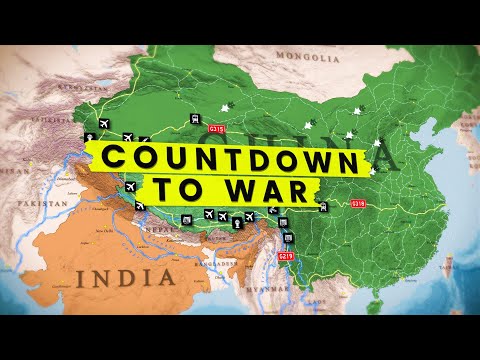
tibet در ۳۰ ثانیه
- Tibet is a high-altitude plateau in Central Asia, often called the 'Roof of the World' due to its elevation.
- It is the spiritual center of Tibetan Buddhism and the traditional homeland of the Tibetan people.
- Geographically, it is crucial as the source of major Asian rivers and contains many of the world's highest peaks.
- Politically, it is an autonomous region of China, though its cultural history is long and complex.
The word Tibet refers to a vast, high-altitude plateau in Central Asia, historically and culturally significant as the homeland of the Tibetan people and the center of Tibetan Buddhism. When people use this term, they are often referring to the geographical 'Roof of the World,' a place characterized by its extreme elevation, spiritual depth, and unique nomadic traditions. In modern political and administrative contexts, the word frequently denotes the Tibet Autonomous Region (TAR) of the People's Republic of China, though its cultural and historical boundaries extend much further into neighboring provinces like Sichuan and Qinghai.
- Geographical Identity
- Tibet is synonymous with the highest plateau on Earth. It is surrounded by massive mountain ranges, including the Himalayas to the south, which separate it from the Indian subcontinent. This physical isolation has historically protected its unique culture and spiritual practices from outside influence for centuries.
Many travelers dream of visiting Tibet to see the Potala Palace in Lhasa, which stands as a testament to the region's rich history.
- Spiritual Connotation
- For many, the word evokes images of orange-robed monks, prayer flags fluttering in the wind, and the Dalai Lama. It is used in discussions about mindfulness, meditation, and the preservation of ancient Buddhist wisdom. The term carries a weight of sanctity and peacefulness in many Western perspectives.
The environmental impact of climate change on the glaciers of Tibet is a major concern for water security in Asia.
- Cultural Heritage
- The term is also used to describe the diaspora and the global community of Tibetans who maintain their language, food, and traditions outside of the plateau. In this sense, 'Tibet' represents a living culture that exists both as a place and as a shared identity among millions of people worldwide.
Traditional music from Tibet often features long-horn trumpets and rhythmic chanting.
The flora and fauna of Tibet, such as the snow leopard and the wild yak, are uniquely adapted to the thin air.
Scholars studying the history of Tibet look at ancient manuscripts found in remote monasteries.
In summary, using the word 'Tibet' usually implies a focus on its high-altitude geography, its profound Buddhist culture, or its complex geopolitical status. It is a word that carries significant emotional and spiritual weight for many people around the world, representing both a physical destination and a cultural ideal of resilience and spirituality.
Using the word Tibet correctly involves understanding its role as a proper noun that can function as a subject, object, or part of a prepositional phrase. Because it refers to a specific place, it is always capitalized. It does not typically take an article (the) unless you are referring to a specific administrative entity like 'the Tibet Autonomous Region' or using it as an adjective in 'the Tibetan people.'
- As a Geographical Subject
- When Tibet is the main focus of the sentence, it often precedes verbs related to location, climate, or history. For example: 'Tibet sits at an average altitude of over 4,000 meters.'
Tibet is often called the Water Tower of Asia because its glaciers feed major rivers like the Yangtze and the Mekong.
- In Prepositional Phrases
- Commonly, 'Tibet' follows prepositions like 'in,' 'to,' 'from,' or 'across.' These phrases describe travel, origin, or location. For instance: 'She traveled to Tibet to study meditation.'
The unique architecture found in Tibet is designed to withstand harsh mountain climates.
- As a Cultural Descriptor
- While 'Tibetan' is the adjective, 'Tibet' is often used in compound nouns or to specify a cultural origin in a more direct way. For example: 'The history of Tibet is intertwined with the spread of Buddhism.'
Many people are fascinated by the spiritual traditions of Tibet.
The railway connecting China to Tibet is one of the highest in the world.
Art from Tibet often features intricate thangka paintings and bronze statues.
Whether you are writing a travel blog, a history essay, or a news report, using 'Tibet' requires a sense of place. It is rarely used figuratively; it almost always refers to the actual land or the cultural entity associated with that land. In academic writing, you might see it used to define a specific ecological zone or a linguistic group.
The word Tibet appears in various contexts, from international news and environmental documentaries to travel magazines and spiritual workshops. Understanding where you hear it helps you grasp its different nuances—ranging from the political to the mystical.
- In News and Geopolitics
- You will frequently hear 'Tibet' mentioned in news reports concerning international relations between China and Western nations. These discussions often focus on human rights, cultural preservation, and the status of the Dalai Lama. In this context, the word is often linked to terms like 'autonomy,' 'sovereignty,' and 'diplomacy.'
The news anchor reported on the latest cultural festival held in Tibet to celebrate the lunar new year.
- In Environmental Science
- Scientists often refer to 'Tibet' or the 'Tibetan Plateau' when discussing global warming. Because it holds the largest store of fresh water outside the North and South Poles, it is a critical area for climate research. You might hear it in phrases like 'the melting glaciers of Tibet.'
Researchers are studying how the permafrost in Tibet affects the regional climate patterns.
- In Travel and Adventure
- Travelers and mountain climbers use 'Tibet' as a destination name. It is often associated with the 'North Face' of Mount Everest. In this context, the word is paired with adventure, high-altitude trekking, and the 'Lhasa Express' train journey.
The documentary followed a group of hikers as they crossed the rugged terrain of Tibet.
Many spiritual seekers travel to Tibet to visit Mount Kailash, a sacred site for four religions.
The film 'Seven Years in Tibet' brought the region's history to a global audience.
In everyday conversation, you might hear someone mention 'Tibet' when talking about a Tibetan restaurant they visited, a book on Buddhism they are reading, or a beautiful photo of the Himalayas. It is a word that evokes a sense of distance, height, and profound cultural heritage.
While Tibet is a straightforward proper noun, learners often make specific errors regarding its grammatical usage, its relationship with adjectives, and its political context. Avoiding these mistakes will help you sound more natural and informed.
- Confusing Noun and Adjective
- The most common mistake is using 'Tibet' when you should use 'Tibetan.' Use 'Tibet' for the place and 'Tibetan' for the people, language, or culture. Incorrect: 'I love Tibet food.' Correct: 'I love Tibetan food.'
He is learning the Tibetan language, not the 'Tibet' language.
- Misusing the Article 'The'
- Unlike 'the Netherlands' or 'the United Kingdom,' 'Tibet' does not usually take the definite article. Incorrect: 'I want to go to the Tibet.' Correct: 'I want to go to Tibet.' However, you do use 'the' when referring to 'the Tibetan Plateau.'
The climate of Tibet is very dry and cold.
- Overgeneralizing the Geography
- Some people mistakenly think Tibet is a separate country in a modern political sense, while others think it is just a small city. It is important to use the word accurately as a large region within the current political framework of China to avoid confusion in formal writing.
Lhasa is the capital of Tibet, but Tibet itself is a vast region.
Many people from Tibet live in India and Nepal.
The borders of Tibet have changed many times throughout history.
By keeping these distinctions in mind—noun vs. adjective, the absence of 'the,' and the geographical scale—you can use the word 'Tibet' with precision and cultural sensitivity.
While Tibet is a specific name, there are other terms you might use depending on whether you want to emphasize geography, culture, or administration. Understanding these alternatives allows for more varied and precise expression.
- The Roof of the World
- This is a common metaphorical alternative. It emphasizes the extreme altitude of the region. Use it in travel writing or poetic descriptions. Example: 'He stood atop the Roof of the World, looking out over the Himalayas.'
- The Tibetan Plateau
- This is the scientific and geographical term. It refers to the physical landform, which is larger than the administrative region of Tibet. Use it in scientific, environmental, or academic contexts. Example: 'The Tibetan Plateau is essential for the Asian monsoon cycle.'
- Xizang
- This is the Chinese name for the Tibet Autonomous Region. You will see this on official maps from China and in Chinese government documents. Using this term often implies a specific political or administrative perspective. Example: 'The Xizang province has seen significant infrastructure growth.'
Comparing Tibet to the 'Roof of the World' highlights its majestic height.
- Shangri-La
- While technically a fictional place, 'Shangri-La' is often used as a synonym for the idealized, mystical version of Tibet. It should be used carefully, as it can be seen as romanticizing or exoticizing the real region. Example: 'For many, the remote valleys of Tibet represent a modern-day Shangri-La.'
The Tibetan Plateau is often called the Third Pole due to its ice reserves.
Lhasa is the spiritual heart of Tibet.
By choosing the right term, you can convey whether you are talking about the physical land, the cultural soul, or the political reality of the region. This precision is key to effective communication in English.
چقدر رسمی است؟
نکته جالب
In the Tibetan language, the region is actually called 'Bod.' The name 'Tibet' is what the rest of the world calls it, but not what the locals call it in their own tongue.
راهنمای تلفظ
- Stressing the first syllable (TI-bet).
- Pronouncing the 'i' like 'eye' (Tie-bet).
- Dropping the final 't' sound.
- Pronouncing it like 'Tib-it'.
- Confusing it with 'Thibet' (an archaic spelling).
سطح دشواری
Easy to recognize as a proper noun in text.
Requires correct capitalization and distinguishing from 'Tibetan'.
The stress on the second syllable can be tricky for some.
Distinctive sound, usually easy to catch.
بعداً چه یاد بگیریم؟
پیشنیازها
بعداً یاد بگیرید
پیشرفته
گرامر لازم
Proper Nouns
Tibet must always be capitalized.
Zero Article with Countries/Regions
We say 'in Tibet', not 'in the Tibet'.
Adjective Formation
Add '-an' to 'Tibet' to describe people or things: 'Tibetan'.
Prepositions of Place
Use 'in' for the region: 'He lives in Tibet.'
Possessive Proper Nouns
Use an apostrophe: 'Tibet's mountains are tall.'
مثالها بر اساس سطح
Tibet is a very high place.
Tibet est un endroit très élevé.
Subject + Verb + Adjective
I want to see Tibet one day.
Je veux voir le Tibet un jour.
Direct object of the verb 'see'
Tibet has many mountains.
Le Tibet a beaucoup de montagnes.
Proper noun as subject
Is Tibet cold?
Est-ce que le Tibet est froid ?
Question form with 'is'
Lhasa is in Tibet.
Lhassa est au Tibet.
Prepositional phrase 'in Tibet'
Tibet is beautiful.
Le Tibet est beau.
Simple predicate adjective
Many monks live in Tibet.
Beaucoup de moines vivent au Tibet.
Plural subject with prepositional phrase
The yaks of Tibet are big.
Les yaks du Tibet sont grands.
Possessive 'of Tibet'
Tibet is located in Central Asia.
Le Tibet est situé en Asie centrale.
Passive voice 'is located'
People in Tibet speak Tibetan.
Les gens au Tibet parlent le tibétain.
Distinction between place (Tibet) and language (Tibetan)
The weather in Tibet is very dry.
Le temps au Tibet est très sec.
Noun phrase as subject
Have you ever been to Tibet?
Es-tu déjà allé au Tibet ?
Present perfect with 'to Tibet'
Tibet is famous for its temples.
Le Tibet est célèbre pour ses temples.
Adjective + preposition 'famous for'
Mount Everest is on the border of Tibet.
Le mont Everest est à la frontière du Tibet.
Geographical relationship
I read a book about Tibet.
J'ai lu un livre sur le Tibet.
Preposition 'about'
Tibet has a very long history.
Le Tibet a une très longue histoire.
Subject + has + noun phrase
Tibet is often called the 'Roof of the World' because of its altitude.
Le Tibet est souvent appelé le « Toit du monde » en raison de son altitude.
Appositive phrase in quotes
The culture of Tibet is deeply rooted in Buddhism.
La culture du Tibet est profondément enracinée dans le bouddhisme.
Metaphorical language 'rooted in'
Traveling across Tibet requires a special permit.
Voyager à travers le Tibet nécessite un permis spécial.
Gerund phrase as subject
Many rivers in Asia start in Tibet.
De nombreux fleuves en Asie commencent au Tibet.
Geographical origin
Tibet has undergone many changes in the last century.
Le Tibet a connu de nombreux changements au cours du dernier siècle.
Present perfect 'has undergone'
The traditional food of Tibet includes barley and yak butter tea.
La nourriture traditionnelle du Tibet comprend de l'orge et du thé au beurre de yak.
List of items
Lhasa, the capital of Tibet, is a sacred city.
Lhassa, la capitale du Tibet, est une ville sacrée.
Appositive 'the capital of Tibet'
He spent three years studying the history of Tibet.
Il a passé trois ans à étudier l'histoire du Tibet.
Verb + time + gerund
Tibet serves as a vital ecological buffer for the surrounding regions.
Le Tibet sert de tampon écologique vital pour les régions environnantes.
Verb 'serves as'
The spiritual traditions of Tibet have influenced people worldwide.
Les traditions spirituelles du Tibet ont influencé les gens dans le monde entier.
Global impact context
Tibet's unique environment presents challenges for modern infrastructure.
L'environnement unique du Tibet présente des défis pour les infrastructures modernes.
Possessive form 'Tibet's'
Scholars are interested in the ancient manuscripts found in Tibet.
Les chercheurs s'intéressent aux manuscrits anciens trouvés au Tibet.
Past participle 'found in'
The preservation of Tibet's cultural heritage is a major concern.
La préservation du patrimoine culturel du Tibet est une préoccupation majeure.
Abstract noun phrase
Tibet remains a focal point for international human rights discussions.
Le Tibet reste un point central pour les discussions internationales sur les droits de l'homme.
Political context
The railway to Tibet is a marvel of modern engineering.
Le chemin de fer vers le Tibet est une merveille de l'ingénierie moderne.
Noun + prepositional phrase
Tibet's glaciers are melting at an alarming rate due to global warming.
Les glaciers du Tibet fondent à un rythme alarmant à cause du réchauffement climatique.
Scientific context
The geopolitical status of Tibet remains a sensitive issue in international relations.
Le statut géopolitique du Tibet reste une question sensible dans les relations internationales.
Complex subject phrase
Tibet's traditional nomadic lifestyle is gradually being replaced by urbanization.
Le mode de vie nomade traditionnel du Tibet est progressivement remplacé par l'urbanisation.
Passive voice 'is being replaced'
The intricate thangka paintings of Tibet depict various Buddhist deities.
Les peintures thangka complexes du Tibet représentent diverses divinités bouddhistes.
Specific cultural vocabulary
Tibet's influence on Central Asian history cannot be overstated.
L'influence du Tibet sur l'histoire de l'Asie centrale ne saurait être surestimée.
Modal 'cannot be overstated'
The diaspora from Tibet has established vibrant communities in India and the West.
La diaspora du Tibet a établi des communautés dynamiques en Inde et en Occident.
Collective noun 'diaspora'
Environmentalists argue that Tibet is the 'Third Pole' of our planet.
Les écologistes soutiennent que le Tibet est le « troisième pôle » de notre planète.
Direct quotation/metaphor
The linguistic diversity within Tibet is often overlooked by outsiders.
La diversité linguistique au sein du Tibet est souvent négligée par les étrangers.
Passive voice 'is overlooked'
Tibet's monastic education system has produced many great philosophers.
Le système d'éducation monastique du Tibet a produit de nombreux grands philosophes.
Compound adjective 'monastic education'
The ontological significance of sacred landscapes in Tibet permeates its literature.
La signification ontologique des paysages sacrés au Tibet imprègne sa littérature.
Advanced academic vocabulary
Tibet's administrative integration into the modern state has sparked intense debate.
L'intégration administrative du Tibet dans l'État moderne a suscité un débat intense.
Nominalization 'integration'
The syncretism of indigenous beliefs and Buddhism in Tibet created a unique spiritual path.
Le syncrétisme des croyances indigènes et du bouddhisme au Tibet a créé une voie spirituelle unique.
Complex historical concept
Tibet's role as a hydropolitical hub makes it central to Asian security.
Le rôle du Tibet en tant que plaque tournante hydropolitique le rend central pour la sécurité asiatique.
Specialized term 'hydropolitical'
The resilience of Tibetan identity despite the upheavals in Tibet is remarkable.
La résilience de l'identité tibétaine malgré les bouleversements au Tibet est remarquable.
Concessive phrase 'despite the upheavals'
Scholars analyze the hagiographies of saints who lived in ancient Tibet.
Les chercheurs analysent les hagiographies des saints qui vivaient dans l'ancien Tibet.
Academic term 'hagiographies'
The socioeconomic transformation of Tibet is a subject of rigorous academic study.
La transformation socio-économique du Tibet est un sujet d'étude académique rigoureuse.
Compound noun 'socioeconomic transformation'
Tibet's vastness and topographical complexity present unique logistical hurdles.
L'immensité et la complexité topographique du Tibet présentent des obstacles logistiques uniques.
Parallel noun phrases
ترکیبهای رایج
عبارات رایج
— A political slogan used by supporters of Tibetan independence.
He wore a 'Free Tibet' t-shirt to the protest.
— A common nickname for Tibet emphasizing its altitude.
Tibet is truly the Roof of the World.
— A famous book and movie title, often used to refer to Western experiences there.
His journey reminded me of Seven Years in Tibet.
— A phrase describing Tibet's role as the source of major rivers.
Tibet is the Water Tower of Asia, feeding billions.
— Emphasizing the importance of the capital city.
We finally reached Lhasa, the heart of Tibet.
— Colorful cloths found throughout Tibet used for blessings.
The mountains were decorated with Tibetan prayer flags.
— Musical instruments often associated with Tibetan culture.
She uses Tibetan singing bowls for meditation.
— A traditional and unique drink from the region.
I tried Tibetan yak butter tea for the first time.
— Referring to the spiritual leader of the region.
The Dalai Lama of Tibet is a global figure.
— Referring to the specific harsh weather of the region.
The Tibetan plateau climate is very unpredictable.
اغلب اشتباه گرفته میشود با
Tibet is the place; Tibetan is the person, language, or adjective.
A neighboring country, often confused because both are in the Himalayas.
Lhasa is a city within Tibet, not the name of the whole region.
اصطلاحات و عبارات
— Used to describe something at an extreme height.
The price of gas is as high as Tibet.
Informal— Finding a place of peace and spiritual solitude.
He went to the forest to find his own Tibet.
Literary— Describing a very long and difficult journey.
Getting this project finished is a long way to Tibet.
Informal— A profound, spiritual silence.
The library had the silence of Tibet.
Poetic— Extreme patience and resilience.
You need Tibetan patience to deal with this traffic.
Informal— Referring to the altitude and spiritual nature of the place.
They felt closer to heaven in Tibet.
Poetic— Ancient, spiritual knowledge.
He seeks the wisdom of Tibet in his books.
General— Sometimes used to describe someone very calm and detached.
He's as calm as a monk from Tibet.
Informal— Being completely disconnected from the modern world.
On my vacation, I was lost in Tibet.
Informalبهراحتی اشتباه گرفته میشود
They look similar.
Tibet is a noun (place); Tibetan is an adjective or noun (person/language).
I am visiting Tibet to meet Tibetan people.
Tibet is a plateau.
Plateau is a general geographical term; Tibet is a specific one.
Tibet is the largest plateau in the world.
They are in the same area.
Himalayas are the mountains; Tibet is the region/plateau.
Tibet lies north of the Himalayas.
It's the same place.
Xizang is the Chinese name; Tibet is the English name.
Maps in China often label the area as Xizang.
Similar culture and location.
Bhutan is a separate independent kingdom; Tibet is a region of China.
Bhutan and Tibet share many Buddhist traditions.
الگوهای جملهسازی
Tibet is [adjective].
Tibet is cold.
I want to go to Tibet to [verb].
I want to go to Tibet to see the mountains.
Tibet is known for [noun].
Tibet is known for its Buddhist culture.
The [noun] of Tibet is [adjective].
The environment of Tibet is fragile.
Despite its [noun], Tibet remains [adjective].
Despite its isolation, Tibet remains culturally influential.
The [abstract noun] of Tibet [verb] [noun].
The topography of Tibet dictates its logistical challenges.
Located in [place], Tibet [verb].
Located in Asia, Tibet attracts many tourists.
Tibet, often called [name], is [description].
Tibet, often called the Roof of the World, is a high plateau.
خانواده کلمه
اسمها
صفتها
مرتبط
نحوه استفاده
High in travel, religion, and geography contexts.
-
I visited the Tibet.
→
I visited Tibet.
We don't use 'the' before most names of regions or countries.
-
The Tibet people are nice.
→
The Tibetan people are nice.
Use the adjective 'Tibetan' to describe people.
-
Tibet have many mountains.
→
Tibet has many mountains.
Tibet is a singular proper noun, so it takes a singular verb.
-
He speaks Tibet.
→
He speaks Tibetan.
The name of the language is Tibetan, not Tibet.
-
Lhasa is the Tibet capital.
→
Lhasa is the capital of Tibet.
While 'Tibet capital' might be understood, 'capital of Tibet' is more standard.
نکات
Capitalization
Always capitalize 'Tibet' because it is a proper noun. This is a basic rule for all place names in English.
Adjective Use
Use 'Tibetan' for food, people, and language. Use 'Tibet' only for the land itself. For example, 'Tibetan tea' not 'Tibet tea'.
Stress
Focus on the second syllable. Say 'ti-BET'. This will make your pronunciation sound more authentic and clear.
Sensitivity
Be aware that Tibet is a sensitive topic. In formal settings, stick to geographical or cultural facts to remain neutral.
Permits
If you are writing about travel, always mention the 'Tibet Travel Permit' as it is a unique requirement for this destination.
Synonyms
Use 'The Roof of the World' to add variety to your writing when describing Tibet's impressive height.
The Third Pole
In environmental contexts, using the term 'The Third Pole' shows a high level of English and scientific knowledge.
Common Misspelling
Avoid the old spelling 'Thibet'. The modern, standard English spelling is 'Tibet'.
Context Clues
If you hear 'altitude' or 'monks' in a conversation about Asia, the speaker is likely talking about Tibet.
Idioms
Using 'as high as Tibet' is a creative way to describe something very tall or expensive in an informal way.
حفظ کنید
روش یادسپاری
Think of 'Ti' as 'Top' and 'bet' as 'best.' Tibet is the 'Top Best' place for high mountains.
تداعی تصویری
Imagine a bright orange monk standing on a snowy mountain peak holding a blue prayer flag.
شبکه واژگان
چالش
Try to write three sentences about Tibet without using the word 'mountain' or 'cold.'
ریشه کلمه
The English word 'Tibet' likely comes from the Arabic word 'Tubbat' or the Persian 'Tibat.' These terms were used by medieval travelers to describe the region. The exact origin within Tibetan languages is debated, but it may relate to 'Tho-Bhot,' meaning 'High Tibet.'
معنای اصلی: Highland or the region of the Bhot people.
Indo-European (via Arabic/Persian) from Tibeto-Burman roots.بافت فرهنگی
Be careful when discussing Tibet's political status, as it is a highly sensitive topic in China and among international political circles.
In English-speaking countries, Tibet is often associated with the 'Free Tibet' movement and Hollywood films like 'Seven Years in Tibet.'
تمرین در زندگی واقعی
موقعیتهای واقعی
Travel
- Permit for Tibet
- Lhasa tour
- High altitude sickness
- Trekking in Tibet
Religion
- Tibetan Buddhism
- Dalai Lama
- Monastic life
- Sacred sites
Geography
- Tibetan Plateau
- Himalayan range
- Source of the Yangtze
- Roof of the World
Politics
- Autonomous region
- Cultural preservation
- International relations
- Human rights
Environment
- Glacial melting
- Third Pole
- Permafrost
- Climate impact
شروعکنندههای مکالمه
"Have you ever considered traveling to Tibet for a spiritual retreat?"
"What do you know about the unique geography of Tibet?"
"How does the culture of Tibet differ from its neighboring regions?"
"Have you seen any documentaries about the wildlife in Tibet?"
"What is your opinion on the environmental importance of Tibet's glaciers?"
موضوعات نگارش
Imagine you are standing on the Tibetan Plateau. Describe what you see, hear, and feel in the thin air.
Write about why Tibet is often called the 'Roof of the World' and what that means to you.
If you could visit any monastery in Tibet, which one would it be and why?
Reflect on how the spiritual traditions of Tibet might help people in modern, busy cities.
Discuss the challenges of living in a high-altitude region like Tibet.
سوالات متداول
10 سوالHistorically, Tibet was an independent empire. Currently, it is recognized internationally as an autonomous region of the People's Republic of China. This is a complex and sensitive political topic.
The capital of Tibet is Lhasa, which is famous for the Potala Palace and the Jokhang Temple.
The primary language is Tibetan, though Mandarin Chinese is also widely spoken and used in official contexts.
It is called the 'Roof of the World' because it is the highest region on Earth, with an average elevation of over 4,000 meters.
Yes, most foreign travelers need a Chinese visa plus a special Tibet Travel Permit to enter the region.
The main religion is Tibetan Buddhism, which deeply influences every aspect of life and culture in the region.
The weather is generally cold and dry, with very strong sunlight and thin air due to the high altitude.
A yak is a long-haired domesticated bovid found throughout the Himalayan region, including Tibet. It is essential for milk, meat, and transport.
The Dalai Lama is the spiritual leader of Tibetan Buddhism. The current (14th) Dalai Lama lives in exile in India.
Yes, the north face of Mount Everest is located in Tibet, and many people visit the Everest Base Camp on the Tibetan side.
خودت رو بسنج 180 سوال
Write a short paragraph describing the geography of Tibet.
خوب نوشتید! تلاش خوبی بود! پاسخ نمونه را ببینید.
Explain why Tibet is called the 'Roof of the World'.
خوب نوشتید! تلاش خوبی بود! پاسخ نمونه را ببینید.
Describe the importance of Tibetan Buddhism to the region.
خوب نوشتید! تلاش خوبی بود! پاسخ نمونه را ببینید.
Write a postcard from Lhasa to a friend.
خوب نوشتید! تلاش خوبی بود! پاسخ نمونه را ببینید.
Discuss the environmental challenges facing Tibet today.
خوب نوشتید! تلاش خوبی بود! پاسخ نمونه را ببینید.
Compare the climate of Tibet with the climate of your home country.
خوب نوشتید! تلاش خوبی بود! پاسخ نمونه را ببینید.
Write five sentences about the animals found in Tibet.
خوب نوشتید! تلاش خوبی بود! پاسخ نمونه را ببینید.
Explain the difference between 'Tibet' and 'Tibetan'.
خوب نوشتید! تلاش خوبی بود! پاسخ نمونه را ببینید.
Describe the Potala Palace based on what you have learned.
خوب نوشتید! تلاش خوبی بود! پاسخ نمونه را ببینید.
Write a short essay on the cultural significance of the Dalai Lama.
خوب نوشتید! تلاش خوبی بود! پاسخ نمونه را ببینید.
Imagine you are a nomad in Tibet. Describe your daily life.
خوب نوشتید! تلاش خوبی بود! پاسخ نمونه را ببینید.
What are the main reasons people travel to Tibet?
خوب نوشتید! تلاش خوبی بود! پاسخ نمونه را ببینید.
Discuss the role of Tibet as the 'Water Tower of Asia'.
خوب نوشتید! تلاش خوبی بود! پاسخ نمونه را ببینید.
Write a dialogue between two travelers planning a trip to Tibet.
خوب نوشتید! تلاش خوبی بود! پاسخ نمونه را ببینید.
How has modernization changed life in Tibet?
خوب نوشتید! تلاش خوبی بود! پاسخ نمونه را ببینید.
Describe the traditional food of Tibet.
خوب نوشتید! تلاش خوبی بود! پاسخ نمونه را ببینید.
Write a summary of the history of Tibet.
خوب نوشتید! تلاش خوبی بود! پاسخ نمونه را ببینید.
Explain the significance of prayer flags in Tibet.
خوب نوشتید! تلاش خوبی بود! پاسخ نمونه را ببینید.
What are the logistical challenges of building a railway in Tibet?
خوب نوشتید! تلاش خوبی بود! پاسخ نمونه را ببینید.
Reflect on the spiritual appeal of Tibet to Westerners.
خوب نوشتید! تلاش خوبی بود! پاسخ نمونه را ببینید.
Describe Tibet in three words and explain why you chose them.
این را بلند بخوانید:
تو گفتی:
تشخیص گفتار در مرورگر شما پشتیبانی نمیشود. از کروم یا اج استفاده کنید.
Talk about a place you know that is similar to Tibet.
این را بلند بخوانید:
تو گفتی:
تشخیص گفتار در مرورگر شما پشتیبانی نمیشود. از کروم یا اج استفاده کنید.
Would you like to visit Tibet? Why or why not?
این را بلند بخوانید:
تو گفتی:
تشخیص گفتار در مرورگر شما پشتیبانی نمیشود. از کروم یا اج استفاده کنید.
Explain the importance of yaks to a person who has never seen one.
این را بلند بخوانید:
تو گفتی:
تشخیص گفتار در مرورگر شما پشتیبانی نمیشود. از کروم یا اج استفاده کنید.
Discuss the impact of tourism on a place like Tibet.
این را بلند بخوانید:
تو گفتی:
تشخیص گفتار در مرورگر شما پشتیبانی نمیشود. از کروم یا اج استفاده کنید.
How do you think the high altitude affects daily life in Tibet?
این را بلند بخوانید:
تو گفتی:
تشخیص گفتار در مرورگر شما پشتیبانی نمیشود. از کروم یا اج استفاده کنید.
What are some cultural symbols of Tibet?
این را بلند بخوانید:
تو گفتی:
تشخیص گفتار در مرورگر شما پشتیبانی نمیشود. از کروم یا اج استفاده کنید.
Talk about the spiritual reputation of Tibet in the West.
این را بلند بخوانید:
تو گفتی:
تشخیص گفتار در مرورگر شما پشتیبانی نمیشود. از کروم یا اج استفاده کنید.
Describe the Potala Palace as if you were a tour guide.
این را بلند بخوانید:
تو گفتی:
تشخیص گفتار در مرورگر شما پشتیبانی نمیشود. از کروم یا اج استفاده کنید.
Discuss the environmental significance of the Tibetan glaciers.
این را بلند بخوانید:
تو گفتی:
تشخیص گفتار در مرورگر شما پشتیبانی نمیشود. از کروم یا اج استفاده کنید.
What is the 'Roof of the World' and why is it a good name?
این را بلند بخوانید:
تو گفتی:
تشخیص گفتار در مرورگر شما پشتیبانی نمیشود. از کروم یا اج استفاده کنید.
Talk about the challenges of traveling to a remote place like Tibet.
این را بلند بخوانید:
تو گفتی:
تشخیص گفتار در مرورگر شما پشتیبانی نمیشود. از کروم یا اج استفاده کنید.
How does Tibetan Buddhism differ from other religions you know?
این را بلند بخوانید:
تو گفتی:
تشخیص گفتار در مرورگر شما پشتیبانی نمیشود. از کروم یا اج استفاده کنید.
Describe the landscape of Tibet using five different adjectives.
این را بلند بخوانید:
تو گفتی:
تشخیص گفتار در مرورگر شما پشتیبانی نمیشود. از کروم یا اج استفاده کنید.
What is the role of the Dalai Lama in Tibetan culture?
این را بلند بخوانید:
تو گفتی:
تشخیص گفتار در مرورگر شما پشتیبانی نمیشود. از کروم یا اج استفاده کنید.
Discuss the pros and cons of the railway to Tibet.
این را بلند بخوانید:
تو گفتی:
تشخیص گفتار در مرورگر شما پشتیبانی نمیشود. از کروم یا اج استفاده کنید.
Talk about the traditional music and art of Tibet.
این را بلند بخوانید:
تو گفتی:
تشخیص گفتار در مرورگر شما پشتیبانی نمیشود. از کروم یا اج استفاده کنید.
How has the internet changed life for people in Tibet?
این را بلند بخوانید:
تو گفتی:
تشخیص گفتار در مرورگر شما پشتیبانی نمیشود. از کروم یا اج استفاده کنید.
Describe a typical Tibetan meal.
این را بلند بخوانید:
تو گفتی:
تشخیص گفتار در مرورگر شما پشتیبانی نمیشود. از کروم یا اج استفاده کنید.
What is the future of Tibet's environment?
این را بلند بخوانید:
تو گفتی:
تشخیص گفتار در مرورگر شما پشتیبانی نمیشود. از کروم یا اج استفاده کنید.
Listen for the word 'Tibet' in a news clip and summarize the context.
Identify the speaker's attitude toward Tibet in a travel podcast.
Listen to a description of Lhasa and list the landmarks mentioned.
Listen to a talk about yaks and explain their uses in Tibet.
Identify the stress pattern of the word 'Tibet' in three different accents.
Listen to a short history of Tibet and put the events in order.
Listen to a weather report for Tibet and describe the conditions.
Listen to a person talking about their trip to Tibet and list their feelings.
Listen for synonyms of Tibet in a poetic reading.
Listen to a discussion on Tibetan Buddhism and identify key terms.
Listen to a report on the Tibetan Plateau and note the altitude mentioned.
Listen to a guide explaining how to get a Tibet permit.
Listen to a song from Tibet and describe the instruments.
Listen to a debate about Tibet and summarize both sides.
Listen to a child talking about Tibet and identify the yaks.
I want to visit the Tibet next year.
The Tibet food is very delicious.
Tibet have very high mountains.
He is learning Tibet language.
Lhasa is capital of Tibet.
I seen a yak in the Tibet.
The climate of Tibet are dry.
Mount Everest is in border of Tibet.
/ 180 درست
نمره کامل!
Summary
Tibet is more than just a place; it is a symbol of spiritual depth and geographical extremes. Whether you are discussing its high-altitude environment or its rich Buddhist heritage, the word 'Tibet' evokes a sense of ancient tradition and natural majesty. Example: 'The spiritual heart of Tibet beats in the monasteries of Lhasa.'
- Tibet is a high-altitude plateau in Central Asia, often called the 'Roof of the World' due to its elevation.
- It is the spiritual center of Tibetan Buddhism and the traditional homeland of the Tibetan people.
- Geographically, it is crucial as the source of major Asian rivers and contains many of the world's highest peaks.
- Politically, it is an autonomous region of China, though its cultural history is long and complex.
Capitalization
Always capitalize 'Tibet' because it is a proper noun. This is a basic rule for all place names in English.
Adjective Use
Use 'Tibetan' for food, people, and language. Use 'Tibet' only for the land itself. For example, 'Tibetan tea' not 'Tibet tea'.
Stress
Focus on the second syllable. Say 'ti-BET'. This will make your pronunciation sound more authentic and clear.
Sensitivity
Be aware that Tibet is a sensitive topic. In formal settings, stick to geographical or cultural facts to remain neutral.