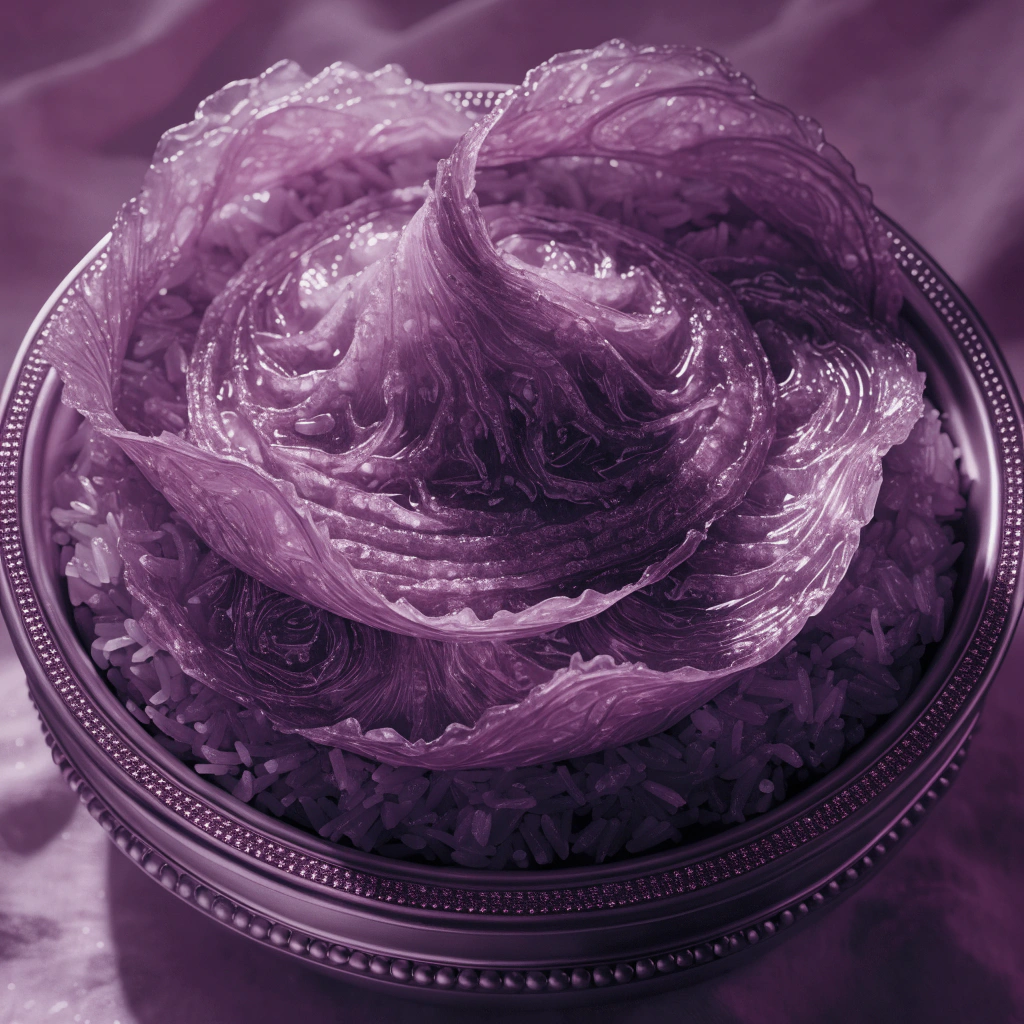
The Golden Rice of Iran
Iran has many delicious foods. One special food is Tahdig. The name means 'bottom of the pot.' It is the rice at the bottom of the cooking pot. Tahdig is very crunchy and golden. It is not soft rice. Families in Iran love it. Sometimes, people use bread or potatoes to make it. It is very tasty. Cooking Tahdig is an art. You need a hot pot and oil. Everyone wants a piece of Tahdig at dinner. It is the best part of the meal.
व्याकरण स्पॉटलाइट
पैटर्न: Present Simple (to be)
"It is the rice at the bottom of the cooking pot."
We use 'is' with singular subjects like 'it' to describe facts or states. In this sentence, it tells us what Tahdig is.
पैटर्न: Present Simple (regular verbs)
"Families in Iran love it."
We use the base form of the verb 'love' for plural subjects like 'families'. This pattern shows a general truth or habit.
अपनी समझ जाँचें
10 सवाल · A1 शुरुआती · 1 मुफ्त प्रीव्यू
इस लेख से आपने जो सीखा उसकी जाँच करें। सभी सवालों के जवाब दें और XP कमाएँ!
What does the name Tahdig mean?
क्या आप क्विज़ समाप्त करना चाहते हैं?
9 और सवाल आपका इंतज़ार कर रहे हैं। पूरा क्विज़ अनलॉक करने और XP कमाने के लिए मुफ्त साइन अप करें!
मुफ़्त साइन अप करोपहले से अकाउंट है? साइन इन करो
बहुत बढ़िया!
अभ्यास जारी रखें!
पहले से पूर्ण — कोई अतिरिक्त XP नहीं
XP कमाने के लिए साइन अप करोसवालों का विवरण
What does the name Tahdig mean?
आपका जवाब:
सही जवाब: Bottom of the pot
Tahdig is soft rice.
आपका जवाब:
सही जवाब: गलत
What is a 'pot'?
आपका जवाब:
सही जवाब: A container for cooking
Tahdig is very _____.
आपका जवाब:
सही जवाब: crunchy
Tahdig: The Golden Secret of Persian Rice
In Iran, people love a special dish called Tahdig. The name means 'bottom of the pot' in Persian. It is the most famous part of a Persian meal. When you cook rice, you put some oil and bread or sliced potatoes at the bottom of the pot first.
After the rice cooks for a long time, the bottom becomes golden and crispy. This layer is crunchier than the soft rice on top. Families often talk and laugh while they wait for it. Sometimes, children fight over the last piece because it is so delicious! It is not a mistake; it is a special way of cooking rice.
Tahdig is very important in Iranian culture. When guests come to dinner, the host always serves the best pieces of Tahdig to them first. Making the perfect Tahdig is difficult because you need the right heat. However, it is better than regular rice because of its amazing texture. It is a symbol of love and hard work in the kitchen.
व्याकरण स्पॉटलाइट
पैटर्न: Comparatives
"This layer is crunchier than the soft rice on top."
We use comparatives to compare two things. For short adjectives like 'crunchy', we change the 'y' to 'i' and add '-er' followed by 'than'.
पैटर्न: Conjunction: Because
"Sometimes, children fight over the last piece because it is so delicious!"
We use 'because' to give a reason for something. It connects the main action with the cause.
अपनी समझ जाँचें
11 सवाल · A2 बिगिनर · 1 मुफ्त प्रीव्यू
इस लेख से आपने जो सीखा उसकी जाँच करें। सभी सवालों के जवाब दें और XP कमाएँ!
What does the word 'Tahdig' mean?
क्या आप क्विज़ समाप्त करना चाहते हैं?
10 और सवाल आपका इंतज़ार कर रहे हैं। पूरा क्विज़ अनलॉक करने और XP कमाने के लिए मुफ्त साइन अप करें!
मुफ़्त साइन अप करोपहले से अकाउंट है? साइन इन करो
बहुत बढ़िया!
अभ्यास जारी रखें!
पहले से पूर्ण — कोई अतिरिक्त XP नहीं
XP कमाने के लिए साइन अप करोसवालों का विवरण
What does the word 'Tahdig' mean?
आपका जवाब:
सही जवाब: Bottom of the pot
Tahdig is the soft part of the rice on top.
आपका जवाब:
सही जवाब: गलत
What does 'crispy' mean?
आपका जवाब:
सही जवाब: Hard and crunchy
Making the perfect Tahdig is _____ because you need the right heat.
आपका जवाब:
सही जवाब: difficult
Who usually receives the best pieces of Tahdig first?
आपका जवाब:
सही जवाब: The guests
Tahdig: The Golden Secret of the Persian Table
If you have ever visited an Iranian home for dinner, you have probably seen a plate of rice with a beautiful, crunchy topping. This golden layer, which is known as Tahdig, is the most famous part of Persian cuisine. The name literally means 'bottom of the pot,' and it is loved by everyone at the dinner table.
Tahdig is not just a lucky accident; it is a deliberate culinary art that requires a lot of practice. To make it perfectly, the rice is first boiled in salted water and then drained. A layer of oil or butter is placed at the bottom of a heavy pot. Sometimes, thin slices of potato or flatbread are added to create different textures. The rice is then returned to the pot and cooked very slowly over low heat. This steaming technique creates a crispy texture that contrasts perfectly with the soft, fluffy rice on top.
In Iranian culture, the Tahdig is considered the most precious part of the meal. There is often a friendly competition between family members to see who can get the biggest piece. If you are a guest in an Iranian home, you will likely be offered the best portion as a sign of respect. It is a dish that has been passed down through generations.
While the classic version is made only with rice, many delicious variations have been developed over the years. Some cooks use yogurt and saffron to create a thicker, more colorful crust. No matter how it is prepared, Tahdig has become a symbol of hospitality and tradition. It shows that even the simplest ingredients can be turned into something special with patience and the right technique. Mastering the art of the perfect Tahdig is the goal of every serious Persian cook.
व्याकरण स्पॉटलाइट
पैटर्न: Passive Voice
"the rice is first boiled in salted water"
The passive voice is used when the action is more important than the person performing it. It is formed using the verb 'to be' followed by the past participle.
पैटर्न: Relative Clauses
"This golden layer, which is known as Tahdig, is the most famous part of Persian cuisine."
Relative clauses provide extra information about a noun. In this sentence, the clause starting with 'which' describes the golden layer.
अपनी समझ जाँचें
11 सवाल · B1 मध्यम · 1 मुफ्त प्रीव्यू
इस लेख से आपने जो सीखा उसकी जाँच करें। सभी सवालों के जवाब दें और XP कमाएँ!
What does the word 'Tahdig' literally translate to?
क्या आप क्विज़ समाप्त करना चाहते हैं?
10 और सवाल आपका इंतज़ार कर रहे हैं। पूरा क्विज़ अनलॉक करने और XP कमाने के लिए मुफ्त साइन अप करें!
मुफ़्त साइन अप करोपहले से अकाउंट है? साइन इन करो
बहुत बढ़िया!
अभ्यास जारी रखें!
पहले से पूर्ण — कोई अतिरिक्त XP नहीं
XP कमाने के लिए साइन अप करोसवालों का विवरण
What does the word 'Tahdig' literally translate to?
आपका जवाब:
सही जवाब: Bottom of the pot
Tahdig is usually a lucky accident in the kitchen.
आपका जवाब:
सही जवाब: गलत
What does 'deliberate' mean in the text?
आपका जवाब:
सही जवाब: On purpose
Mastering the _____ of the perfect Tahdig is the goal of every serious Persian cook.
आपका जवाब:
सही जवाब: art
Why do family members often compete for Tahdig?
आपका जवाब:
सही जवाब: Because it is the most precious part
ईरानी व्यंजन का मुकुट: तहदीग की कला और प्रतिष्ठा
ईरानी भोजन की दुनिया में, कुछ ही व्यंजन ऐसे हैं जो तहदीग जितनी प्रशंसा और प्रतिस्पर्धा जगाते हैं। यह व्यंजन, जिसका शाब्दिक अर्थ 'बर्तन का निचला भाग' है (तह = निचला, दीग = बर्तन), चावल को भाप में पकाते समय बर्तन के तले में बनने वाली कुरकुरी, सुनहरी परत को संदर्भित करता है। यह ईरानी पाक कला का एक अनिवार्य हिस्सा है, जिसे अक्सर सबसे प्रतिष्ठित और वांछित भाग माना जाता है।
तहदीग केवल एक आकस्मिक उप-उत्पाद नहीं है; यह एक कलात्मक प्रक्रिया की परिणति है जिसके लिए सटीक समय, गर्मी पर नियंत्रण और थोड़ी सी रसोई की जादूगरी की आवश्यकता होती है। उत्तम तहदीग प्राप्त करने के लिए रसोइये को चावल के दानों और पानी के अनुपात को सावधानीपूर्वक संतुलित करना होता है, साथ ही यह सुनिश्चित करना होता है कि निचली परत धीमी और स्थिर गर्मी पर पककर सुनहरी और कुरकुरी हो जाए, लेकिन जले नहीं। यह एक ऐसा कार्य है जिसमें अनुभव और अंतर्ज्ञान दोनों की आवश्यकता होती है।
ईरानी भोजन संस्कृति में तहदीग का महत्व केवल उसके स्वाद तक ही सीमित नहीं है। यह मेज़बान के कौशल और उदारता का प्रतीक है। मेहमानों के लिए सबसे बड़ा सम्मान यह होता है कि उन्हें थाली में तहदीग का एक बड़ा, सुनहरी टुकड़ा परोसा जाए। अक्सर, परिवार के सदस्य और दोस्त मेज पर तहदीग के सबसे अच्छे टुकड़े के लिए हल्के-फुल्के ढंग से प्रतिस्पर्धा करते हैं, जो भोजन के अनुभव में एक मजेदार और जीवंत आयाम जोड़ता है।
तहदीग की विविधताएँ भी कम नहीं हैं। जबकि सबसे आम रूप चावल आधारित होता है, कुछ लोग इसे आलू के पतले स्लाइस, ब्रेड (जैसे लावश या संगक), या दही और केसर के मिश्रण से भी बनाते हैं, जो इसे एक अनूठा स्वाद और रंग प्रदान करता है। प्रत्येक भिन्नता अपनी विशिष्ट बनावट और स्वाद प्रोफ़ाइल प्रदान करती है, लेकिन अंतर्निहित सिद्धांत वही रहता है: एक स्वादिष्ट, कुरकुरी निचली परत बनाना जो पकवान के स्वाद को बढ़ाती है।
संक्षेप में, तहदीग सिर्फ एक व्यंजन नहीं है; यह ईरानी पाक कला की उत्कृष्टता, आतिथ्य की भावना और परिवार एवं दोस्तों के बीच साझा किए गए आनंद का प्रतीक है। यह वास्तव में वह स्वर्ण मानक है जिसके द्वारा ईरानी भोजन की गुणवत्ता को अक्सर आंका जाता है, और जो किसी भी ईरानी दावत को एक अविस्मरणीय अनुभव बनाता है।
व्याकरण स्पॉटलाइट
पैटर्न: संयुक्त क्रियाएँ (Compound Verbs)
"यह व्यंजन, जिसका शाब्दिक अर्थ 'बर्तन का निचला भाग' है, चावल को भाप में पकाते समय बर्तन के तले में बनने वाली कुरकुरी, सुनहरी परत को संदर्भित करता है।"
संयुक्त क्रियाएँ दो या दो से अधिक क्रियाओं के मेल से बनती हैं और एक ही अर्थ को व्यक्त करती हैं। यहाँ 'संदर्भित करना' (refer karna) क्रिया 'संदर्भित' (विशेषण) और 'करना' (सहायक क्रिया) के मेल से बनी है, जो किसी बात का उल्लेख करने या इशारा करने का अर्थ देती है।
पैटर्न: संबंधवाचक सर्वनाम (Relative Pronouns)
"यह वास्तव में वह स्वर्ण मानक है जिसके द्वारा ईरानी भोजन की गुणवत्ता को अक्सर आंका जाता है, और जो किसी भी ईरानी दावत को एक अविस्मरणीय अनुभव बनाता है।"
संबंधवाचक सर्वनाम (जैसे 'जो', 'जिसके', 'जिसे') दो वाक्यों को जोड़ते हैं और एक वाक्य में संज्ञा या सर्वनाम का संबंध दूसरे वाक्य से स्थापित करते हैं। यहाँ 'जिसके द्वारा' और 'जो' का प्रयोग मुख्य वाक्य को अतिरिक्त जानकारी के साथ जोड़ने के लिए किया गया है।
पैटर्न: निषेधवाचक क्रिया विशेषण (Negative Adverbs)
"तहदीग की विविधताएँ भी कम नहीं हैं।"
निषेधवाचक क्रिया विशेषण (जैसे 'कम नहीं', 'ज्यादा नहीं') क्रिया या विशेषण के अर्थ में नकारात्मकता जोड़ते हैं। यहाँ 'कम नहीं' का उपयोग यह बताने के लिए किया गया है कि विविधताएँ पर्याप्त या अधिक हैं, न कि कम।
अपनी समझ जाँचें
11 सवाल · B2 अपर इंटरमीडिएट · 1 मुफ्त प्रीव्यू
इस लेख से आपने जो सीखा उसकी जाँच करें। सभी सवालों के जवाब दें और XP कमाएँ!
तहदीग शब्द का शाब्दिक अर्थ क्या है?
क्या आप क्विज़ समाप्त करना चाहते हैं?
10 और सवाल आपका इंतज़ार कर रहे हैं। पूरा क्विज़ अनलॉक करने और XP कमाने के लिए मुफ्त साइन अप करें!
मुफ़्त साइन अप करोपहले से अकाउंट है? साइन इन करो
बहुत बढ़िया!
अभ्यास जारी रखें!
पहले से पूर्ण — कोई अतिरिक्त XP नहीं
XP कमाने के लिए साइन अप करोसवालों का विवरण
तहदीग शब्द का शाब्दिक अर्थ क्या है?
आपका जवाब:
सही जवाब: बर्तन का निचला भाग
तहदीग को केवल एक आकस्मिक उप-उत्पाद माना जाता है, जिसके लिए विशेष कौशल की आवश्यकता नहीं होती।
आपका जवाब:
सही जवाब: गलत
शब्द 'परिणति' का अर्थ क्या है?
आपका जवाब:
सही जवाब: अंतिम परिणाम
उत्तम तहदीग प्राप्त करने के लिए रसोइये को चावल और पानी के अनुपात को सावधानीपूर्वक _______ होता है।
आपका जवाब:
सही जवाब: संतुलित
ईरानी भोजन संस्कृति में तहदीग किसका प्रतीक है?
आपका जवाब:
सही जवाब: मेज़बान के कौशल और उदारता
ईरानी पाककला का मुकुटमणि: तहदीग
ईरानी पाककला के विशाल और समृद्ध संसार में, कुछ ही व्यंजन ऐसे हैं जो तहदीग जितनी प्रतिष्ठा और प्रेम के हकदार हैं। यह मात्र एक भोजन नहीं, अपितु एक पाककलात्मक दर्शन है, जो धैर्य, निपुणता और सूक्ष्मता का प्रतीक है। 'तहदीग' शब्द का शाब्दिक अर्थ 'बर्तन की तली' है (तह = तली, दीग = बर्तन)। यह चावल को भाप देने की प्रक्रिया के दौरान बर्तन के निचले हिस्से में बनने वाली कुरकुरी, सुनहरी परत को संदर्भित करता है। यह किसी भी फ़ारसी दावत का वह अनिवार्य घटक है, जिसकी अनुपस्थिति में भोजन अधूरा सा प्रतीत होता है।
अनायास बनी हुई कोई साधारण चीज़ नहीं, बल्कि तहदीग एक जानबूझकर की गई कलाकारी है, जिसके लिए सटीक समय, ताप नियंत्रण और थोड़ी सी पाककला संबंधी जादूगरी की आवश्यकता होती है। उत्तम तहदीग प्राप्त करने के लिए चावल को पहले भिगोया जाता है, फिर आंशिक रूप से पकाया जाता है और अंत में धीमी आँच पर लंबे समय तक भाप दी जाती है। इस प्रक्रिया के दौरान, बर्तन की तली में एक अनूठी परत विकसित होती है, जो बाहर से कुरकुरी और अंदर से नरम होती है। यह सुनहरी भूरी परत, जो चावल के दानों से चिपकी होती है, अपनी बनावट और स्वाद के लिए अत्यंत प्रशंसित है।
ईरान में, तहदीग की महत्ता केवल उसके स्वाद या बनावट तक ही सीमित नहीं है, बल्कि यह परिवार और आतिथ्य की भावना से गहराई से जुड़ी हुई है। किसी भी ईरानी घर में, सबसे स्वादिष्ट और सुनहरी तहदीग को अक्सर मेज़बान द्वारा सबसे सम्मानित अतिथि को परोसा जाता है, जो सम्मान और प्रेम का प्रतीक है। यह एक प्रकार की अलिखित परंपरा है, जहाँ तहदीग का टुकड़ा प्राप्त करना एक विशेष सम्मान माना जाता है। डाइनिंग टेबल पर, तहदीग के लिए एक सौहार्दपूर्ण 'प्रतियोगिता' अक्सर देखने को मिलती है, जहाँ हर कोई इस स्वादिष्ट परत का एक टुकड़ा पाने की कोशिश करता है। यह दृश्य ही ईरानी संस्कृति की जीवंतता और भोजन के प्रति उनके गहरे लगाव को दर्शाता है।
तहदीग की विविधताएँ भी कम आकर्षक नहीं हैं। जबकि सबसे पारंपरिक तहदीग सादे चावल से बनती है, इसमें रचनात्मकता की कोई सीमा नहीं है। आलू के पतले स्लाइस, नान (ईरानी रोटी), दही या यहाँ तक कि लेट्यूस के पत्तों का उपयोग करके भी तहदीग बनाई जाती है। आलू तहदीग, जिसमें आलू के टुकड़े बर्तन की तली में सुनहरे और कुरकुरे हो जाते हैं, विशेष रूप से लोकप्रिय है। दही तहदीग, जिसे 'तहचिन' कहा जाता है, में चावल को दही और अंडे के मिश्रण के साथ मिलाकर एक मोटी, स्वादिष्ट परत बनाई जाती है। ये सभी विविधताएँ तहदीग की बहुमुखी प्रतिभा और ईरानी पाककला की समृद्ध कल्पना को प्रदर्शित करती हैं।
वस्तुतः, तहदीग सिर्फ एक व्यंजन नहीं, अपितु ईरानी पहचान का एक अविभाज्य अंग है। यह पाककला की एक ऐसी उत्कृष्ट अभिव्यक्ति है, जो साधारण सामग्री को असाधारण आनंद में बदल देती है। इसकी लोकप्रियता केवल ईरान तक ही सीमित नहीं है, बल्कि इसने दुनिया भर के खाद्य प्रेमियों को अपनी ओर आकर्षित किया है। यह इस बात का प्रमाण है कि भोजन केवल पोषण के लिए नहीं, बल्कि संस्कृति, समुदाय और आनंद के लिए भी है। तहदीग की तैयारी और उपभोग में निहित आनंद ही उसे ईरानी पाककला के शिखर पर स्थापित करता है, जहाँ वह गर्व से अपनी स्वर्णिम चमक बिखेरता है।
यह तहदीग ही है जो ईरानी भोजन को एक विशिष्ट पहचान देती है, उसे केवल पेट भरने वाले भोजन से ऊपर उठाकर एक कलाकृति का दर्जा प्रदान करती है। इसकी हर कुरकुरी बाइट में सदियों पुरानी परंपराओं और परिवारों के प्यार की मिठास घुली होती है।
व्याकरण स्पॉटलाइट
पैटर्न: नामकरण (Nominalisation)
"तहदीग की महत्ता केवल उसके स्वाद या बनावट तक ही सीमित नहीं है, बल्कि यह परिवार और आतिथ्य की भावना से गहराई से जुड़ी हुई है।"
नामकरण वह प्रक्रिया है जिसमें किसी क्रिया या विशेषण को संज्ञा के रूप में प्रयोग किया जाता है। यहाँ 'महत्ता' (महत्वपूर्ण से) और 'बनावट' (बनना से) जैसे शब्दों का प्रयोग किया गया है, जो वाक्य को अधिक औपचारिक और संक्षिप्त बनाते हैं। यह C1 स्तर पर जटिल विचारों को व्यक्त करने में सहायक होता है।
पैटर्न: विपरीतार्थक संयोजन (Correlative Conjunctions for Contrast)
"यह मात्र एक भोजन नहीं, अपितु एक पाककलात्मक दर्शन है, जो धैर्य, निपुणता और सूक्ष्मता का प्रतीक है।"
यह पैटर्न 'मात्र...नहीं, अपितु...' (not merely...but rather...) का उपयोग करके दो विपरीत या पूरक विचारों को जोड़ता है। यह किसी बात पर ज़ोर देने और उसके सही स्वरूप को स्पष्ट करने के लिए प्रयुक्त होता है, जो C1 स्तर पर सूक्ष्म अर्थों को व्यक्त करने के लिए आवश्यक है।
पैटर्न: विशेषण-क्रिया विशेषण का जटिल प्रयोग (Complex Adjective-Adverbial Usage)
"यह तहदीग ही है जो ईरानी भोजन को एक विशिष्ट पहचान देती है, उसे केवल पेट भरने वाले भोजन से ऊपर उठाकर एक कलाकृति का दर्जा प्रदान करती है।"
इस वाक्य में 'यह...ही है जो...' (It is...that...) संरचना का प्रयोग किसी विशेष तत्व पर बल देने के लिए किया गया है। इसके साथ ही 'केवल...से ऊपर उठाकर' जैसे क्रिया विशेषण वाक्यांश का उपयोग क्रिया के उद्देश्य या परिणाम को अधिक विस्तृत और प्रभावशाली ढंग से व्यक्त करता है, जो C1 स्तर की वाक्य संरचना की विशेषता है।
अपनी समझ जाँचें
12 सवाल · C1 उन्नत · 1 मुफ्त प्रीव्यू
इस लेख से आपने जो सीखा उसकी जाँच करें। सभी सवालों के जवाब दें और XP कमाएँ!
ईरानी पाककला में तहदीग को क्या दर्जा प्राप्त है?
क्या आप क्विज़ समाप्त करना चाहते हैं?
11 और सवाल आपका इंतज़ार कर रहे हैं। पूरा क्विज़ अनलॉक करने और XP कमाने के लिए मुफ्त साइन अप करें!
मुफ़्त साइन अप करोपहले से अकाउंट है? साइन इन करो
बहुत बढ़िया!
अभ्यास जारी रखें!
पहले से पूर्ण — कोई अतिरिक्त XP नहीं
XP कमाने के लिए साइन अप करोसवालों का विवरण
ईरानी पाककला में तहदीग को क्या दर्जा प्राप्त है?
आपका जवाब:
सही जवाब: एक पाककलात्मक दर्शन और प्रतिष्ठा का प्रतीक
तहदीग अनायास बनने वाली एक साधारण चीज़ है, जिसके लिए विशेष कौशल की आवश्यकता नहीं होती।
आपका जवाब:
सही जवाब: गलत
'सूक्ष्मता' का क्या अर्थ है?
आपका जवाब:
सही जवाब: बारीकी और सटीकता
उत्तम तहदीग प्राप्त करने के लिए चावल को पहले भिगोया जाता है, फिर आंशिक रूप से पकाया जाता है और अंत में धीमी आँच पर लंबे समय तक _____ दी जाती है।
आपका जवाब:
सही जवाब: भाप
ईरानी मेज़बान अक्सर सबसे स्वादिष्ट तहदीग किसे परोसते हैं?
आपका जवाब:
सही जवाब: सबसे सम्मानित अतिथि को
तहदीग की लोकप्रियता केवल ईरान तक ही सीमित है।
आपका जवाब:
सही जवाब: गलत
The Alchemy of the Bottom: A Socio-Gastronomic Analysis of Tahdig
In the pantheon of Persian culinary achievements, few elements command as much reverence or elicit as much fervor as Tahdig. While ostensibly a mere byproduct of the rice-steaming process, this golden, scorched crust represents the sine qua non of Iranian hospitality. To the uninitiated, it may appear as a fortuitous accident of heat and time; however, to the seasoned chef, it is a manifestation of meticulous alchemy. The term itself, literally 'bottom of the pot,' belies the sophisticated stratification of textures that defines the Iranian palate. Whether it be the classic saffron-infused rice, the inclusion of thinly sliced potatoes, or the use of flatbread, the preparation of Tahdig is a high-stakes endeavor. Should the heat be too modest, the crust remains flaccid and uninspired; should it be too aggressive, the result is a charred vestige of what could have been. This precarious balance requires an intuitive understanding of thermal dynamics and the capricious nature of the vessel itself.
Never has a culinary byproduct occupied such a central role in the social hierarchy of the dinner table. One might argue that the distribution of Tahdig is a performative act of affection and respect, often reserved for the most honored guests. It is a prize for which guests may politely, yet fervently, contend, navigating the delicate social codes of 'Taarof'—a complex system of Iranian etiquette. This paradoxical status—a humble crust elevated to the zenith of gastronomic desire—speaks to a broader cultural ethos that finds beauty in the ephemeral and the overlooked. The aesthetic appeal of the perfect Tahdig—shattering under the fork to reveal tender, aromatic grains beneath—is a sensory experience that transcends mere sustenance. One could posit that the obsession with the crust is not merely about flavor, but about the mastery of fire and the patience required to yield perfection from the mundane.
The technical execution of Tahdig involves the Maillard reaction taken to its most refined conclusion. After the rice has been parboiled and drained, a layer of fat and often saffron-water is placed at the base of the pot. It is at this juncture that the chef's expertise is truly tested. Lest the heat be too intense, a 'damkani' (a cloth-wrapped lid) is employed to regulate steam and pressure, ensuring the rice remains fluffy while the base undergoes its transformation. This process is not merely mechanical; it is an exercise in academic hedging, where the chef must constantly reassess the variables of humidity and flame. The result is a monolithic disk of crunch that, when inverted, serves as the crowning glory of the meal.
Furthermore, the hegemony of Tahdig remains unchallenged even in the Iranian diaspora. For those living far from their ancestral lands, the scent of parched rice and saffron serves as a potent mnemonic device, bridging the gap between past and present. It is a culinary vestige that survives the pressures of globalization, maintaining its idiosyncrasies despite the ubiquity of modern non-stick cookware. The cultural weight of Tahdig is such that its failure can be seen as a minor domestic tragedy, while its success is a triumph of the spirit. In conclusion, Tahdig is not simply food; it is a complex intersection of chemistry, social stratification, and artistic expression. It remains a testament to the fact that the most exquisite rewards often lie hidden beneath the surface, waiting for those with the patience to cultivate them.
व्याकरण स्पॉटलाइट
पैटर्न: Subjunctive Mood
"Lest the heat be too intense, a 'damkani' is employed to regulate steam."
The word 'lest' triggers the subjunctive mood (be instead of is/was). This is used in formal, C2-level English to express a negative purpose or fear of a specific outcome.
पैटर्न: Inversion for Emphasis
"Never has a culinary byproduct occupied such a central role in the social hierarchy."
Starting a sentence with a negative adverbial like 'Never' requires an auxiliary verb (has) before the subject. This rhetorical device adds dramatic emphasis to the statement.
पैटर्न: Academic Hedging
"One might argue that the distribution of Tahdig is a performative act."
Hedging (using 'one might argue') is a key feature of C2 academic writing. It allows the author to present a claim without asserting it as an absolute, undeniable fact, thus sounding more analytical.
अपनी समझ जाँचें
12 सवाल · C2 महारत · 1 मुफ्त प्रीव्यू
इस लेख से आपने जो सीखा उसकी जाँच करें। सभी सवालों के जवाब दें और XP कमाएँ!
According to the article, what does the term 'Tahdig' literally translate to?
क्या आप क्विज़ समाप्त करना चाहते हैं?
11 और सवाल आपका इंतज़ार कर रहे हैं। पूरा क्विज़ अनलॉक करने और XP कमाने के लिए मुफ्त साइन अप करें!
मुफ़्त साइन अप करोपहले से अकाउंट है? साइन इन करो
बहुत बढ़िया!
अभ्यास जारी रखें!
पहले से पूर्ण — कोई अतिरिक्त XP नहीं
XP कमाने के लिए साइन अप करोसवालों का विवरण
According to the article, what does the term 'Tahdig' literally translate to?
आपका जवाब:
सही जवाब: Bottom of the pot
The author suggests that Tahdig is primarily a result of accidental cooking errors.
आपका जवाब:
सही जवाब: गलत
What does 'ephemeral' mean in the context of the article?
आपका जवाब:
सही जवाब: Short-lived or temporary
The author describes the balance of heat required for Tahdig as _____, meaning it is dangerously unstable.
आपका जवाब:
सही जवाब: precarious
What is the function of the 'damkani' mentioned in the text?
आपका जवाब:
सही जवाब: To regulate steam and pressure
The article claims that modern cooking technology has completely eliminated the cultural significance of Tahdig.
आपका जवाब:
सही जवाब: गलत

