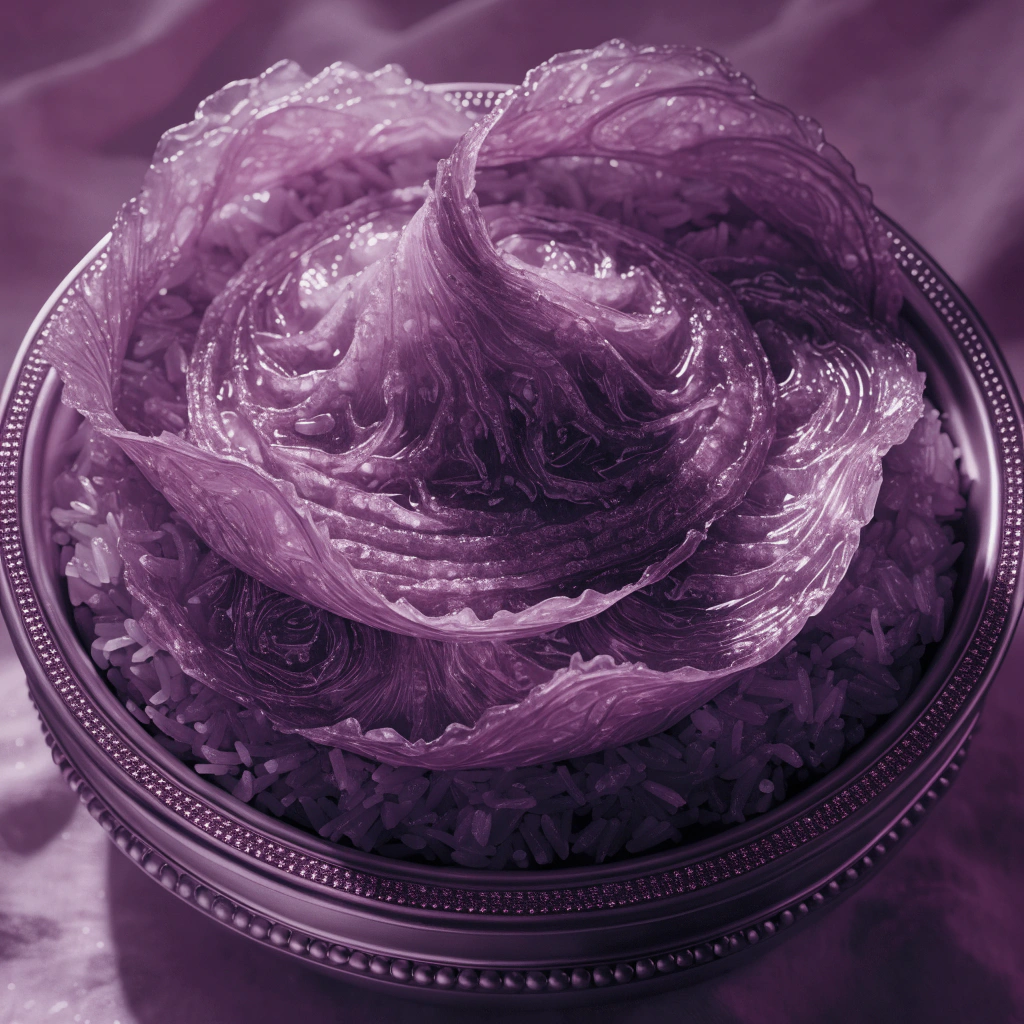
塔迪格:一种特别的米饭
塔迪格 (Tahdig) 是伊朗的一种食物。它是一种特别的米饭。这种米饭在锅的最下面。它很脆,颜色是金色的。伊朗人很喜欢吃塔迪格。 做塔迪格需要技巧。厨师要控制火候。这样米饭底部会变得很脆。它尝起来很好吃。很多人觉得塔迪格是最好吃的部分。 在伊朗,家人和朋友会一起分享塔迪格。它代表了快乐和团聚。这不只是一道菜,它更是一种文化。你喜欢脆脆的米饭吗?
语法聚焦
句型: 是...的 (shì... de)
"塔迪格 (Tahdig) 是伊朗的一种食物。"
“是...的”结构用来强调句子的某个部分,比如事物的来源或特点。它通常放在句子的末尾,表示强调或确认。这个结构可以帮助我们更清楚地表达信息。
句型: 会 (huì) + 动词
"这样米饭底部会变得很脆。"
“会”放在动词前面,表示一种可能发生的结果或未来的情况。它也可以表示能力。在这里,它表示在某种条件下,米饭会变成脆的。
伊朗的美味锅巴:塔迪格
伊朗有一个很有名的食物,叫做塔迪格 (Tahdig)。它不是一道菜,而是米饭锅底那层脆脆的部分。在波斯人的餐桌上,塔迪格非常受欢迎。很多人都喜欢吃它。
“塔迪格”这个名字很有意思。在波斯语里,“塔”是“底部”,“迪格”是“锅”。所以,“塔迪格”的意思就是“锅底”。它看起来很简单,但要做得好,需要一些技巧。厨师要控制好火候,让米饭底部变得金黄酥脆。
塔迪格吃起来很香,味道特别好。它是伊朗家庭聚餐时必不可少的一部分。虽然米饭是主食,但塔迪格才是大家争着要吃的部分。因为它很特别,所以伊朗人觉得它比普通的米饭更美味。如果你去伊朗,一定要尝尝这个特别的“锅底”!
语法聚焦
句型: 不是...而是...
"它不是一道菜,而是米饭锅底那层脆脆的部分。"
“不是...而是...”表示否定前面,肯定后面。它用来强调一个事物是什么,而不是什么。这个结构可以帮助我们更清楚地表达意思。
句型: 比...更...
"伊朗人觉得它比普通的米饭更美味。"
“比...更...” 用于比较两个事物,表示其中一个在某个方面超过另一个。它用来表达“更”的意思,比如“更高”、“更好”等。
测试你的理解
11 个问题 · A2 基础 · 1 次免费预览
测试你从这篇文章中学到的知识。回答所有问题即可获得经验值!
题目详情
塔迪格是什么?
你的回答:
正确答案: 米饭锅底脆脆的部分
塔迪格是中国很有名的食物。
你的回答:
正确答案: 错误
“美味”是什么意思?
你的回答:
正确答案: 非常好吃
塔迪格是伊朗家庭聚餐时______的一部分。
你的回答:
正确答案: 必不可少
为什么很多人喜欢吃塔迪格?
你的回答:
正确答案: 因为它味道特别好,很香
Tahdig: The Golden Secret of the Persian Table
If you have ever visited an Iranian home for dinner, you have probably seen a plate of rice with a beautiful, crunchy topping. This golden layer, which is known as Tahdig, is the most famous part of Persian cuisine. The name literally means 'bottom of the pot,' and it is loved by everyone at the dinner table.
Tahdig is not just a lucky accident; it is a deliberate culinary art that requires a lot of practice. To make it perfectly, the rice is first boiled in salted water and then drained. A layer of oil or butter is placed at the bottom of a heavy pot. Sometimes, thin slices of potato or flatbread are added to create different textures. The rice is then returned to the pot and cooked very slowly over low heat. This steaming technique creates a crispy texture that contrasts perfectly with the soft, fluffy rice on top.
In Iranian culture, the Tahdig is considered the most precious part of the meal. There is often a friendly competition between family members to see who can get the biggest piece. If you are a guest in an Iranian home, you will likely be offered the best portion as a sign of respect. It is a dish that has been passed down through generations.
While the classic version is made only with rice, many delicious variations have been developed over the years. Some cooks use yogurt and saffron to create a thicker, more colorful crust. No matter how it is prepared, Tahdig has become a symbol of hospitality and tradition. It shows that even the simplest ingredients can be turned into something special with patience and the right technique. Mastering the art of the perfect Tahdig is the goal of every serious Persian cook.
语法聚焦
句型: Passive Voice
"the rice is first boiled in salted water"
The passive voice is used when the action is more important than the person performing it. It is formed using the verb 'to be' followed by the past participle.
句型: Relative Clauses
"This golden layer, which is known as Tahdig, is the most famous part of Persian cuisine."
Relative clauses provide extra information about a noun. In this sentence, the clause starting with 'which' describes the golden layer.
测试你的理解
11 个问题 · B1 中级 · 1 次免费预览
测试你从这篇文章中学到的知识。回答所有问题即可获得经验值!
What does the word 'Tahdig' literally translate to?
题目详情
What does the word 'Tahdig' literally translate to?
你的回答:
正确答案: Bottom of the pot
Tahdig is usually a lucky accident in the kitchen.
你的回答:
正确答案: 错误
What does 'deliberate' mean in the text?
你的回答:
正确答案: On purpose
Mastering the _____ of the perfect Tahdig is the goal of every serious Persian cook.
你的回答:
正确答案: art
Why do family members often compete for Tahdig?
你的回答:
正确答案: Because it is the most precious part
伊朗餐桌上的黄金:探秘锅巴Tahdig的魅力
在波斯美食的殿堂中,有一道菜肴备受推崇,其地位无人能及,那便是Tahdig。这个词在波斯语中意为“锅底”(tah = 底部,dig = 锅),特指在米饭蒸煮过程中,锅底形成的那层金黄酥脆的米饭。尽管它在许多文化中常被视为烹饪的副产品,但在伊朗,Tahdig却被视为一种独具匠心的烹饪艺术,需要精准的时机、对火候的巧妙掌控以及一丝厨房的魔法。
Tahdig不仅仅是简单的焦米饭,它是伊朗人餐桌上的“黄金”,是每顿饭的焦点。它的制作过程看似简单,实则蕴含着深厚的烹饪智慧。厨师们通常会先将米饭半熟,然后将其分层放入锅中,底部铺上一层油或黄油,有时还会加入酸奶、藏红花或切片土豆,以增加风味和酥脆度。随后,米饭在低温下长时间慢蒸,直到锅底形成完美、均匀的金黄色脆皮。这份耐心与技艺,将普通的米饭升华成了令人垂涎的美味。
在伊朗家庭中,Tahdig的分配常常是餐桌上最有趣也最“竞争激烈”的环节。无论是家庭聚餐还是盛大宴会,谁能分到最大最脆的一块Tahdig,往往意味着获得了最高的荣誉和喜爱。这种仪式感不仅体现了伊朗人对美食的极致追求,也象征着家庭成员间的亲密与分享。它不仅是食物,更是文化、传统和款待精神的载体。
毋庸置疑,Tahdig已超越了普通菜肴的范畴,成为伊朗烹饪艺术的精髓和文化遗产的重要组成部分。它的存在,让每一次用餐都充满了期待与惊喜。对于那些初次品尝波斯美食的人来说,Tahdig无疑是开启伊朗美食之旅的最佳选择,它以其独特的口感和深厚的文化内涵,征服了无数食客的味蕾。
语法聚焦
句型: 尽管……,但/然而…… (Jǐnguǎn..., dàn/rán'ér...)
"尽管它在许多文化中常被视为烹饪的副产品,但在伊朗,Tahdig却被视为一种独具匠心的烹饪艺术。"
这个句式用于表达转折关系,'尽管'引导一个让步状语从句,表示某种情况,而主句则表示与此情况相反或出乎意料的结果。'但'或'然而'通常用于主句开头,加强转折语气。
句型: 将……视为…… (Jiāng... shì wéi...)
"但在伊朗,Tahdig却被视为一种独具匠心的烹饪艺术。"
这个结构用于表达“把某物看作或当作某物”的含义。'将'是介词,引导动作的宾语前置;'视为'意为“看作是”。它强调了主语对宾语的认知或评价。
句型: ……的分配常常是……最……的环节 (…de fēnpèi chángcháng shì… zuì…de huánjié)
"在伊朗家庭中,Tahdig的分配常常是餐桌上最有趣也最“竞争激烈”的环节。"
这个句式用于强调在某个情境下,某个活动或过程是其中最突出、最具有某种特点的部分。'常常是'表示经常发生;'最……的环节'则指某个过程中最具有形容词所描述特性的阶段。
测试你的理解
11 个问题 · B2 中高级 · 1 次免费预览
测试你从这篇文章中学到的知识。回答所有问题即可获得经验值!
题目详情
根据文章,Tahdig在波斯语中的字面意思是什么?
你的回答:
正确答案: 锅底
文章指出,制作完美的Tahdig不需要特别的烹饪技巧,只需长时间烹煮即可。
你的回答:
正确答案: 错误
“备受推崇”在文章中的含义最接近以下哪一项?
你的回答:
正确答案: 得到广泛的尊敬和赞扬
Tahdig不仅仅是简单的焦米饭,它是伊朗人餐桌上的“______”,是每顿饭的焦点。
你的回答:
正确答案: 黄金
在伊朗家庭中,Tahdig的分配通常意味着什么?
你的回答:
正确答案: 谁获得了最高的荣誉和喜爱
The Golden Crust: Socio-Culinary Significance and Technical Mastery of Persian Tahdig
In the intricate landscape of Persian gastronomy, few elements occupy a space as revered or as fiercely contested as Tahdig. Literally translated as the 'bottom of the pot,' Tahdig represents the golden, crisp layer of rice, bread, or potato that forms at the base of the cooking vessel during the steaming process. To the uninitiated, it might appear to be a mere byproduct of cooking; however, within the Iranian household, the attainment of a perfect Tahdig is a manifestation of culinary sovereignty and technical precision. Seldom does a single dish carry such weight in determining a cook’s reputation.
The preparation of Tahdig is a precarious endeavor, requiring an intimate understanding of thermodynamics and timing. It is the meticulous control of heat that determines whether the crust achieves a sublime crunch or suffers an inadvertent charring. The process involves a delicate stratification: parboiled rice is layered over oil and often a base of thinly sliced potatoes or flatbread. As the steam rises to cook the grains above, the base undergoes a transformative frying process. What results is a textural dichotomy—fluffy, aromatic long-grain rice contrasted against a rigid, savory foundation.
Culturally, the distribution of Tahdig serves as a fascinating study of social dynamics. In a society that prides itself on hospitality and 'Taarof'—a complex system of etiquette—the offering of the best piece of Tahdig is the quintessential gesture of respect. It is not merely a side dish; it is the most coveted prize on the table. The scarcity of the crust, inherently limited by the diameter of the pot, creates a natural tension. This scarcity necessitates a careful, often playful, negotiation among diners, reflecting broader themes of generosity and familial hierarchy.
Beyond its physical properties, Tahdig invites a critical analysis of the relationship between tradition and innovation. While saffron-infused rice remains the classic standard, modern iterations have seen the inclusion of yogurt, egg yolks, or even vine leaves to create varied textures and flavors. This evolution suggests that while the form of Tahdig is steeped in history, its execution remains a living art. The ephemeral nature of the perfect crunch—which must be consumed immediately to preserve its integrity—underscores the importance of presence and shared experience in Persian dining.
Ultimately, the pursuit of the perfect Tahdig is emblematic of the Persian approach to life: a blend of patience, artistic flair, and the transformation of the mundane into something extraordinary. It is the textural contrast that elevates a simple meal into a multisensory event. For the Iranian diaspora, the scent of searing rice and the rhythmic scraping of the pot base evoke a profound sense of nostalgia, proving that Tahdig is far more than a culinary byproduct; it is a cultural anchor.
语法聚焦
句型: Inversion with Negative Adverbials
"Seldom does a single dish carry such weight in determining a cook’s reputation."
When negative or restrictive adverbials like 'seldom' or 'rarely' are placed at the beginning of a sentence for emphasis, the subject and auxiliary verb are inverted. This creates a formal and dramatic tone typical of C1 level writing.
句型: Cleft Sentences
"It is the meticulous control of heat that determines whether the crust achieves a sublime crunch."
An 'It is... that...' cleft sentence is used to focus on a specific piece of information (the control of heat). It emphasizes the subject as the primary cause or factor in the outcome.
句型: Nominalisation
"The attainment of a perfect Tahdig is a manifestation of culinary sovereignty and technical precision."
Nominalisation involves turning verbs (attain, manifest) into nouns (attainment, manifestation). This creates a more academic, abstract, and sophisticated style by focusing on concepts rather than actions.
测试你的理解
12 个问题 · C1 高级 · 1 次免费预览
测试你从这篇文章中学到的知识。回答所有问题即可获得经验值!
According to the article, why is Tahdig more than just a byproduct of cooking?
题目详情
According to the article, why is Tahdig more than just a byproduct of cooking?
你的回答:
正确答案: It serves as a measure of a cook's technical skill and social standing.
The author suggests that the scarcity of Tahdig is a source of social interaction and negotiation.
你的回答:
正确答案: 正确
What does 'ephemeral' mean in the context of the article?
你的回答:
正确答案: Lasting for a very short time.
The preparation of Tahdig is described as a _____ endeavor because it requires perfect heat and timing to avoid burning.
你的回答:
正确答案: precarious
What does the term 'textural dichotomy' refer to in the second paragraph?
你的回答:
正确答案: The contrast between the soft rice and the hard crust.
The article claims that modern versions of Tahdig are considered inferior to the classic saffron rice version.
你的回答:
正确答案: 错误
波斯飨宴之魂:塔迪格(Tahdig)——焦脆米饭的烹饪美学与文化意蕴
在波斯美食的殿堂里,若要论及哪一道元素最能激起食客们炽热的争夺与深沉的眷恋,那么塔迪格(Tahdig)无疑会以其独特的魅力拔得头筹。毋庸置疑,这并非仅仅是烹饪过程中的偶然副产品,它更是一门集精确时机、火候掌控与些许“厨房魔法”于一体的精妙艺术。
“Tahdig”一词,顾名思义,由“tah”(底部)和“dig”(锅)两部分构成,直译为“锅底”。它所指代的,正是米饭在蒸煮过程中,于锅底形成的那层金黄酥脆的焦香米饭。诚然,对于不谙其道的旁观者而言,这或许只是寻常的锅巴,然而在波斯文化中,塔迪格的地位却堪称至高无上,其价值甚至超越了锅中松软洁白的米饭本身,被誉为波斯家庭餐桌上的“金字招牌”或“皇冠上的宝石”。
制作一份臻于化境的塔迪格,绝非易事。它要求烹饪者具备非凡的耐心与匠心独运的技艺。首先,米饭的浸泡、淘洗、半熟蒸煮(challow)等前期准备工作便需一丝不苟。随后,关键一步在于锅底的准备:通常会在锅底铺上一层薄薄的油,有时还会加入酸奶、藏红花水、土豆片,甚至是薄饼,以增添风味与视觉上的层次感。接着,将半熟的米饭轻轻铺在锅底之上,形成一个锥形,以便蒸汽循环。此后,便是对火候的严苛考验。起初,需以中高火迅速将锅底加热,促使塔迪格迅速形成焦脆外壳,旋即转为极低的文火,利用蒸汽将米饭彻底蒸熟,同时让锅底的焦香持续发展而不至于烧焦。整个过程,从数十分钟到一小时不等,全凭厨师的经验与对灶具的理解。
倘若火候稍有不慎,或时间拿捏不准,塔迪格便可能功亏一篑——要么软塌无力,缺乏应有的酥脆;要么焦黑如炭,徒留苦涩。因此,每一次成功的塔迪格,都凝聚着烹饪者的心血与智慧,它不仅仅是食材的转化,更是对传统技艺的传承与创新。
在波斯人的餐桌礼仪中,塔迪格的分配是一项庄重而充满温情的仪式。通常,最年长的家庭成员或贵宾会首先被馈赠以最大、最完整、最酥脆的那一块塔迪格,这被视为一种无上的敬意与爱意的表达。餐桌上,人们常常会为争夺一块理想的塔迪格而展开一番善意的“争抢”,这非但不会破坏和睦气氛,反而增添了节日的欢愉与家庭的凝聚力。其金黄的色泽,酥脆的口感,以及散发出的坚果般醇厚米香,无不令人垂涎欲滴,成为每一位食客翘首以盼的焦点。
塔迪格之所以超越了简单的食物范畴,升华为一种文化符号,或许正因为它完美诠释了波斯民族对生活细节的极致追求与对美好事物的由衷热爱。它教导我们,即便是最寻常的食材,只要投入足够的耐心与匠心,亦能绽放出令人惊艳的光彩。它象征着丰饶、团圆与分享,是波斯人热情好客的集中体现。与其说塔迪格是波斯菜肴中的一道配菜,不如说它是波斯烹饪哲学的一个缩影,一种将日常饮食提升至艺术境界的实践。它以其独特的风味和深厚的文化底蕴,在世界美食之林中独树一帜,持续讲述着波斯古老而辉煌的文明故事。
语法聚焦
句型: 毋庸置疑 (wú yōng zhì yí)
"毋庸置疑,这并非仅仅是烹饪过程中的偶然副产品,它更是一门集精确时机、火候掌控与些许“厨房魔法”于一体的精妙艺术。"
“毋庸置疑”意为“不容置疑,不必怀疑”,用于强调某个事实或观点是确定无疑的。它常置于句首,作为插入语,或用于主语之后,以增强语气,表达说话者对某事的高度肯定。
句型: 倘若...则... (tǎng ruò...zé...)
"倘若火候稍有不慎,或时间拿捏不准,塔迪格便可能功亏一篑——要么软塌无力,缺乏应有的酥脆;要么焦黑如炭,徒留苦涩。"
“倘若...则...”是一种表示假设关系的连词结构,其中“倘若”引导条件句,表示“如果”或“假使”,而“则”引导结果句,表示在满足条件时会发生的结果。这种结构常用于书面语或正式语体,表达一种严谨的逻辑推断。
句型: 与其说...不如说... (yǔ qí shuō...bù rú shuō...)
"与其说塔迪格是波斯菜肴中的一道配菜,不如说它是波斯烹饪哲学的一个缩影,一种将日常饮食提升至艺术境界的实践。"
“与其说...不如说...”用于比较两种说法或观点,否定前者而肯定后者,表明后者才是更准确、更本质的描述。这种句式常用来纠正或深化认识,表达一种更深层次的理解或判断。
测试你的理解
12 个问题 · C2 精通 · 1 次免费预览
测试你从这篇文章中学到的知识。回答所有问题即可获得经验值!
题目详情
根据文章,塔迪格在波斯文化中被誉为什么?
你的回答:
正确答案: 金字招牌或皇冠上的宝石
制作塔迪格的关键在于锅底的油量和米饭的种类。
你的回答:
正确答案: 错误
“匠心独运”在文中指的是什么?
你的回答:
正确答案: 独具创造性的精巧技艺
在波斯人的餐桌礼仪中,塔迪格的______是一项庄重而充满温情的仪式。
你的回答:
正确答案: 分配
文章中提到,制作塔迪格时,火候的控制是怎样的?
你的回答:
正确答案: 先中高火后极低文火
塔迪格之所以成为文化符号,是因为它完美诠释了波斯民族对生活细节的极致追求。
你的回答:
正确答案: 正确

