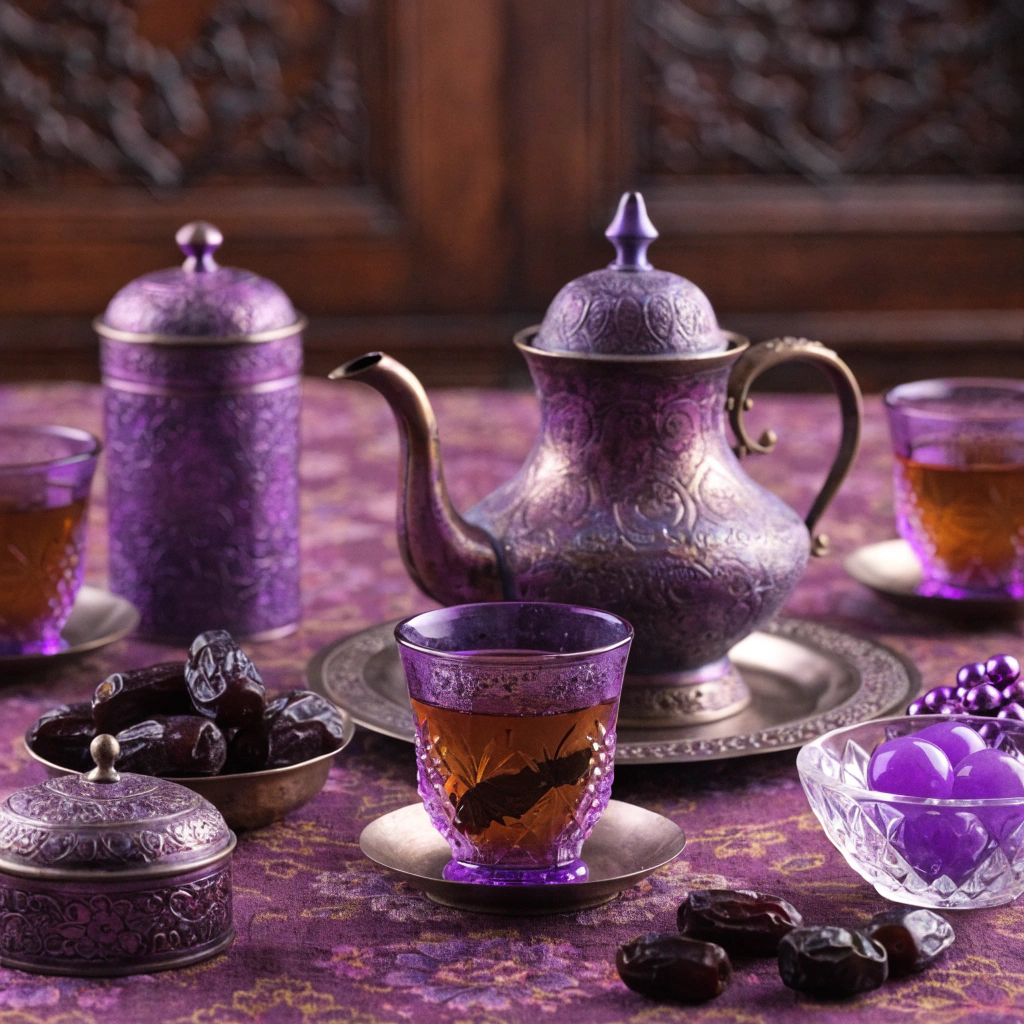
ईरान की एक खास बात: तारोफ़
ईरान में लोगों के बीच बात करने का एक बहुत खास तरीका है। इसे 'तारोफ़' कहते हैं। यह विनम्रता और आतिथ्य दिखाता है। तारोफ़ में, लोग दूसरों का बहुत आदर करते हैं। वे अपनी ज़रूरतों को कम बताते हैं और दूसरों को सम्मान देते हैं। कभी-कभी वे कहते हैं, "यह आपके लिए है।" या "आप पहले।" लेकिन इसका मतलब हमेशा सीधा नहीं होता। वे बस विनम्रता दिखाते हैं। तारोफ़ ईरानी समाज का एक महत्वपूर्ण हिस्सा है। यह दोस्ती और सम्मान बढ़ाता है। मेहमानों का स्वागत बहुत अच्छे से होता है। यह एक सुंदर रीति है और ईरान की संस्कृति को दर्शाता है।
व्याकरण स्पॉटलाइट
पैटर्न: संज्ञा + है (is/are)
"यह विनम्रता और आतिथ्य दिखाता है।"
यह पैटर्न बताता है कि कोई चीज़ क्या है या क्या कर रही है। 'है' एकवचन के लिए इस्तेमाल होता है। यह हिंदी में सबसे आम क्रिया है। इसका उपयोग वर्तमान काल में होता है।
पैटर्न: संज्ञा + का/के/की (possessive)
"तारोफ़ ईरानी समाज का एक महत्वपूर्ण हिस्सा है।"
यह पैटर्न बताता है कि कोई चीज़ किसकी है या किससे संबंधित है। 'का', 'के', 'की' संज्ञा के लिंग और वचन के अनुसार बदलते हैं। 'का' पुल्लिंग एकवचन के लिए, 'के' पुल्लिंग बहुवचन के लिए और 'की' स्त्रीलिंग एकवचन/बहुवचन के लिए उपयोग होता है।
अपनी समझ जाँचें
10 सवाल · A1 शुरुआती · 1 मुफ्त प्रीव्यू
इस लेख से आपने जो सीखा उसकी जाँच करें। सभी सवालों के जवाब दें और XP कमाएँ!
ईरान में लोगों के बीच बात करने का खास तरीका क्या कहलाता है?
क्या आप क्विज़ समाप्त करना चाहते हैं?
9 और सवाल आपका इंतज़ार कर रहे हैं। पूरा क्विज़ अनलॉक करने और XP कमाने के लिए मुफ्त साइन अप करें!
मुफ़्त साइन अप करोपहले से अकाउंट है? साइन इन करो
बहुत बढ़िया!
अभ्यास जारी रखें!
पहले से पूर्ण — कोई अतिरिक्त XP नहीं
XP कमाने के लिए साइन अप करोसवालों का विवरण
ईरान में लोगों के बीच बात करने का खास तरीका क्या कहलाता है?
आपका जवाब:
सही जवाब: तारोफ़
तारोफ़ में लोग दूसरों का आदर नहीं करते हैं।
आपका जवाब:
सही जवाब: गलत
'मेहमान' का क्या मतलब है?
आपका जवाब:
सही जवाब: वह व्यक्ति जो आपके घर आता है
तारोफ़ ईरानी _____ का एक महत्वपूर्ण हिस्सा है।
आपका जवाब:
सही जवाब: समाज
तारोफ़: ईरान का विशेष शिष्टाचार
ईरान में एक बहुत खास सामाजिक नियम है जिसे 'तारोफ़' कहते हैं। यह सिर्फ एक शब्द नहीं, बल्कि लोगों के बात करने का एक तरीका है। तारोफ़ का मतलब है विनम्रता दिखाना और दूसरों का सम्मान करना। यह ईरान की संस्कृति का एक बहुत महत्वपूर्ण हिस्सा है।
जब आप ईरान जाते हैं, तो आप यह देखेंगे। लोग अक्सर आपको कुछ देंगे या आपकी मदद करेंगे। उदाहरण के लिए, एक दुकानदार कह सकता है, "यह आपके लिए मुफ्त है।" लेकिन इसका मतलब यह नहीं होता कि वह सच में मुफ्त है। वह सिर्फ अपनी अच्छी भावना और मेहमाननवाज़ी दिखा रहा है। आपको शायद दो-तीन बार मना करना पड़ेगा, और फिर वह असली कीमत बताएगा।
तारोफ़ में लोग अपनी ज़रूरतों को कम दिखाते हैं और दूसरों को ज़्यादा महत्वपूर्ण मानते हैं। वे चाहते हैं कि दूसरे व्यक्ति को अच्छा महसूस हो। यह एक पुरानी ईरानी परंपरा है और यह सामाजिक संबंधों को मज़बूत बनाती है। कभी-कभी यह थोड़ा मुश्किल हो सकता है, खासकर विदेशियों के लिए, क्योंकि वे शब्दों को सीधा समझते हैं। लेकिन यह ईरान के लोगों के बीच अच्छे संबंध बनाने में मदद करता है। तारोफ़ दोस्ती और सम्मान के लिए बहुत ज़रूरी है। यह ईरान की संस्कृति का एक सुंदर हिस्सा है और यह दिखाता है कि वे कितने मेहमाननवाज़ हैं।
व्याकरण स्पॉटलाइट
पैटर्न: का/के/की (संबंध कारक)
"यह ईरान की संस्कृति का एक बहुत महत्वपूर्ण हिस्सा है।"
यह 'का', 'के', 'की' संबंध कारक हैं। इनका उपयोग दो चीज़ों या लोगों के बीच संबंध दिखाने के लिए होता है। 'की' का उपयोग स्त्रीलिंग एकवचन संज्ञा के साथ होता है, जैसे 'संस्कृति की'। 'का' और 'के' का उपयोग पुल्लिंग संज्ञाओं के साथ होता है।
पैटर्न: ...के लिए (उद्देश्य या कारण)
"तारोफ़ दोस्ती और सम्मान के लिए बहुत ज़रूरी है।"
यह पैटर्न 'के लिए' किसी चीज़ का उद्देश्य या कारण बताने के लिए प्रयोग होता है। इसका अर्थ 'for' या 'for the sake of' होता है। उदाहरण के लिए, 'दोस्ती के लिए' का मतलब 'for friendship' है।
अपनी समझ जाँचें
11 सवाल · A2 बिगिनर · 1 मुफ्त प्रीव्यू
इस लेख से आपने जो सीखा उसकी जाँच करें। सभी सवालों के जवाब दें और XP कमाएँ!
तारोफ़ क्या है?
क्या आप क्विज़ समाप्त करना चाहते हैं?
10 और सवाल आपका इंतज़ार कर रहे हैं। पूरा क्विज़ अनलॉक करने और XP कमाने के लिए मुफ्त साइन अप करें!
मुफ़्त साइन अप करोपहले से अकाउंट है? साइन इन करो
बहुत बढ़िया!
अभ्यास जारी रखें!
पहले से पूर्ण — कोई अतिरिक्त XP नहीं
XP कमाने के लिए साइन अप करोसवालों का विवरण
तारोफ़ क्या है?
आपका जवाब:
सही जवाब: लोगों के बात करने का एक तरीका
तारोफ़ में लोग अपनी ज़रूरतों को ज़्यादा दिखाते हैं।
आपका जवाब:
सही जवाब: गलत
'सम्मान' का क्या अर्थ है?
आपका जवाब:
सही जवाब: आदर
तारोफ़ दोस्ती और _______ के लिए बहुत ज़रूरी है।
आपका जवाब:
सही जवाब: सम्मान
दुकानदार 'यह आपके लिए मुफ्त है' क्यों कहता है?
आपका जवाब:
सही जवाब: क्योंकि वह अपनी अच्छी भावना और मेहमाननवाज़ी दिखाता है।
ईरान में 'तारुफ़': फ़ारसी शिष्टाचार की एक अनोखी कला
ईरान की संस्कृति में 'तारुफ़' एक बहुत ही खास हिस्सा है। यह सिर्फ़ एक शब्द नहीं, बल्कि लोगों के बीच बातचीत का एक जटिल तरीका है जो विनम्रता, आतिथ्य और एक-दूसरे के प्रति सम्मान दिखाता है। तारुफ़ को समझना ईरानियों के सामाजिक व्यवहार के लिए बहुत ज़रूरी है। यह एक ऐसी कला है जहाँ लोग दूसरों को ज़्यादा महत्व देते हैं और अपनी ज़रूरतों या स्थिति को कम करके दिखाते हैं।
तारुफ़ का मतलब अक्सर अपनी बात को नम्रता से कहना होता है, भले ही आप कुछ और चाहते हों। उदाहरण के लिए, यदि कोई आपको खाना खाने के लिए बुलाता है और आप तुरंत 'हाँ' कह देते हैं, तो इसे अच्छा नहीं माना जाता है। आपको पहले मना करना चाहिए, और फिर अगर वे ज़ोर दें, तो आप मान सकते हैं। बाहर के लोगों के लिए, यह थोड़ा मुश्किल हो सकता है क्योंकि वे शब्दों को सीधा समझते हैं। लेकिन ईरान में, यह एक सामाजिक नियम है जो रिश्तों को मज़बूत बनाता है।
इस परंपरा की जड़ें ईरान के गहरे इतिहास में हैं। सदियों से, फ़ारसी समाज में सम्मान और विनम्रता को बहुत महत्व दिया गया है। तारुफ़ इसी का एक जीवित उदाहरण है। यह दिखाता है कि कैसे ईरानी लोग एक-दूसरे की इज़्ज़त करते हैं और सामाजिक शांति बनाए रखते हैं। कभी-कभी, लोग अपनी चीज़ें भी दूसरों को देने की पेशकश करते हैं, भले ही वे ऐसा करने का इरादा न रखते हों। यह सिर्फ़ विनम्रता दिखाने का एक तरीका होता है।
आज भी, ईरान के हर हिस्से में तारुफ़ देखा जा सकता है – चाहे वह बाज़ार हो, किसी के घर हो या दफ़्तर हो। यह ईरानी पहचान का एक महत्वपूर्ण हिस्सा बन गया है। जो लोग ईरान जाते हैं, उन्हें इस अनोखी कला को समझने की कोशिश करनी चाहिए ताकि वे वहाँ के लोगों से बेहतर तरीके से जुड़ सकें। तारुफ़ केवल दिखावा नहीं है, बल्कि यह एक गहरी सामाजिक भावना है जो ईरानी संस्कृति को समृद्ध करती है।
व्याकरण स्पॉटलाइट
पैटर्न: संबंधवाचक उपवाक्य (Relative Clause) 'जो'
"यह सिर्फ़ एक शब्द नहीं, बल्कि लोगों के बीच बातचीत का एक जटिल तरीका है जो विनम्रता, आतिथ्य और एक-दूसरे के प्रति सम्मान दिखाता है।"
इस वाक्य में 'जो' शब्द एक उपवाक्य को मुख्य वाक्य से जोड़ता है। 'जो' का उपयोग किसी व्यक्ति या वस्तु के बारे में अतिरिक्त जानकारी देने के लिए किया जाता है। यह अक्सर 'वह' या 'यह' जैसे शब्दों के साथ आता है, लेकिन यहाँ यह सीधे 'तरीका' के बारे में बता रहा है।
पैटर्न: कर्मवाच्य (Passive Voice) 'जाना' क्रिया का प्रयोग
"यदि कोई आपको खाना खाने के लिए बुलाता है और आप तुरंत 'हाँ' कह देते हैं, तो इसे अच्छा नहीं माना जाता है।"
यहाँ 'माना जाता है' कर्मवाच्य का एक उदाहरण है। 'जाना' क्रिया का उपयोग मुख्य क्रिया (जैसे 'मानना') के साथ मिलकर यह दिखाने के लिए किया जाता है कि क्रिया का प्रभाव किसी पर पड़ रहा है, न कि कोई उसे सीधे कर रहा है। यह अक्सर 'द्वारा' के साथ आता है, पर यहाँ यह निहित है।
अपनी समझ जाँचें
11 सवाल · B1 मध्यम · 1 मुफ्त प्रीव्यू
इस लेख से आपने जो सीखा उसकी जाँच करें। सभी सवालों के जवाब दें और XP कमाएँ!
तारुफ़ क्या है?
क्या आप क्विज़ समाप्त करना चाहते हैं?
10 और सवाल आपका इंतज़ार कर रहे हैं। पूरा क्विज़ अनलॉक करने और XP कमाने के लिए मुफ्त साइन अप करें!
मुफ़्त साइन अप करोपहले से अकाउंट है? साइन इन करो
बहुत बढ़िया!
अभ्यास जारी रखें!
पहले से पूर्ण — कोई अतिरिक्त XP नहीं
XP कमाने के लिए साइन अप करोसवालों का विवरण
तारुफ़ क्या है?
आपका जवाब:
सही जवाब: ईरान में लोगों के बीच बातचीत का एक जटिल तरीका
बाहर के लोगों के लिए तारुफ़ को समझना आसान होता है।
आपका जवाब:
सही जवाब: गलत
'शिष्टाचार' का क्या अर्थ है?
आपका जवाब:
सही जवाब: समाज में लोगों के साथ व्यवहार करने के अच्छे नियम
तारुफ़ विनम्रता, आतिथ्य और एक-दूसरे के प्रति _____ दिखाता है।
आपका जवाब:
सही जवाब: सम्मान
यदि कोई आपको खाना खाने के लिए बुलाता है, तो तारुफ़ के अनुसार आपको सबसे पहले क्या करना चाहिए?
आपका जवाब:
सही जवाब: पहले मना करना चाहिए
ईरान का अनोखा शिष्टाचार: तारोफ़ की कला
ईरान की सामाजिक बातचीत में तारोफ़ (Taarof) एक अत्यंत महत्वपूर्ण और जटिल अवधारणा है, जो संभवतः ईरानी संस्कृति की सबसे विशिष्ट पहचान है। यह केवल एक शिष्टाचार नहीं, बल्कि विनम्रता, आतिथ्य और परस्पर सम्मान का एक गहरा प्रदर्शन है, जो सामाजिक ताने-बाने में एक अद्वितीय भूमिका निभाता है। वस्तुतः, तारोफ़ आत्म-अवमूल्यन की एक कलात्मक प्रस्तुति है जहाँ एक व्यक्ति अपनी आवश्यकताओं या स्थिति को कम करके आंकते हुए दूसरों को ऊँचा उठाता है।
तारोफ़ की जड़ें फ़ारसी इतिहास और संस्कृति में गहराई से समाई हुई हैं, और यह सदियों से ईरानी समाज का अभिन्न अंग रहा है। यह अक्सर बाहरी व्यक्तियों के लिए भ्रमित करने वाला हो सकता है, क्योंकि वे मौखिक अभिव्यक्तियों को शाब्दिक अर्थों में लेते हैं। उदाहरण के लिए, जब कोई दुकानदार किसी ग्राहक से पैसे लेने से इनकार करता है, या कोई मेज़बान बार-बार मेहमान को अधिक भोजन लेने के लिए ज़ोर देता है, तो यह तारोफ़ का ही एक रूप होता है। ऐसे में, ग्राहक या मेहमान से अपेक्षा की जाती है कि वे विनम्रतापूर्वक कई बार मना करें, जब तक कि मेज़बान या दुकानदार एक निश्चित बिंदु पर अपनी पेशकश पर दृढ़ न हो जाए। यह एक नृत्य की तरह है जहाँ दोनों पक्ष अपनी भूमिकाएँ निभाते हैं।
हालांकि, तारोफ़ केवल पैसे या भौतिक वस्तुओं तक ही सीमित नहीं है। यह शब्दों, हाव-भाव और यहां तक कि सामाजिक व्यवहार में भी प्रकट होता है। किसी की प्रशंसा करते समय या किसी को कोई चीज़ भेंट करते समय, ईरानी अक्सर अपनी वस्तु या योग्यता को कम करके प्रस्तुत करते हैं, ताकि प्राप्तकर्ता को अधिक सम्मानित महसूस हो। इसका उद्देश्य किसी भी प्रकार के अहंकार से बचना और दूसरे व्यक्ति के महत्व पर ज़ोर देना है। यह सामाजिक संबंधों को सुचारु बनाने और सद्भाव बनाए रखने के लिए एक शक्तिशाली 'सामाजिक स्नेहक' के रूप में कार्य करता है।
यह समझना आवश्यक है कि तारोफ़ का अर्थ धोखा देना नहीं है, बल्कि यह एक सांस्कृतिक कोड है जो सामाजिक व्यवस्था को बनाए रखता है। यदि कोई ईरानी आपको कुछ प्रदान करता है और आप उसे तुरंत स्वीकार कर लेते हैं, तो इसे अशिष्टता माना जा सकता है। इसके बजाय, विनम्रतापूर्वक मना करना और फिर मेज़बान के आग्रह पर अंततः स्वीकार करना ही अपेक्षित व्यवहार है। यह एक जटिल सामाजिक खेल है जिसमें दोनों पक्ष अपनी-अपनी भूमिकाएँ निभाते हैं, जिससे परस्पर सम्मान और सद्भावना का वातावरण बनता है।
संक्षेप में, तारोफ़ ईरानी समाज की आत्मा है। इसे समझना न केवल ईरानी शिष्टाचार को समझने में मदद करता है, बल्कि यह ईरानी लोगों की गहरी सांस्कृतिक संवेदनशीलता और उनके पारस्परिक संबंधों के प्रति सम्मान को भी दर्शाता है। यह एक ऐसी कला है जो बाहरी दुनिया के लिए एक चुनौती हो सकती है, लेकिन एक बार समझ लेने पर, यह ईरानी संस्कृति की सुंदरता और गहराई को उजागर करती है।
व्याकरण स्पॉटलाइट
पैटर्न: संयुक्त क्रियाएँ (Compound Verbs)
"तारोफ़ आत्म-अवमूल्यन की एक कलात्मक प्रस्तुति है जहाँ एक व्यक्ति अपनी आवश्यकताओं या स्थिति को कम करके आंकते हुए दूसरों को ऊँचा उठाता है।"
हिंदी में संयुक्त क्रियाएँ दो या दो से अधिक क्रियाओं के मेल से बनती हैं, जहाँ पहली क्रिया मुख्य अर्थ देती है और दूसरी क्रिया सहायक होकर अर्थ में विशेषता जोड़ती है। यहाँ 'उठाता है' (उठाना + ता है) क्रिया 'उठाने' की प्रक्रिया को दर्शाता है। यह क्रिया के पूर्ण होने या जारी रहने की स्थिति को व्यक्त करती है।
पैटर्न: कर्मवाच्य (Passive Voice)
"यदि कोई ईरानी आपको कुछ प्रदान करता है और आप उसे तुरंत स्वीकार कर लेते हैं, तो इसे अशिष्टता माना जा सकता है।"
कर्मवाच्य का उपयोग तब किया जाता है जब क्रिया का ज़ोर कर्ता के बजाय कर्म पर होता है, या जब कर्ता अज्ञात हो। 'माना जा सकता है' (मानना + जाना + सकना) इस बात पर ज़ोर देता है कि 'क्या माना जाता है' न कि 'कौन मानता है'। यह औपचारिक और सामान्यीकृत कथनों में अक्सर प्रयोग होता है।
पैटर्न: संबंध कारक के साथ जटिल वाक्यांश (Complex phrases with genitive case)
"तारोफ़ की जड़ें फ़ारसी इतिहास और संस्कृति में गहराई से समाई हुई हैं, और यह सदियों से ईरानी समाज का अभिन्न अंग रहा है।"
संबंध कारक (का, के, की) का उपयोग संज्ञाओं के बीच संबंध स्थापित करने के लिए किया जाता है। 'की जड़ें' वाक्यांश 'तारोफ़' और 'जड़ों' के बीच संबंध दिखाता है। ऐसे वाक्यांश वाक्य को अधिक विस्तृत और सूचनात्मक बनाते हैं, जो B2 स्तर की जटिलता के लिए महत्वपूर्ण है।
अपनी समझ जाँचें
11 सवाल · B2 अपर इंटरमीडिएट · 1 मुफ्त प्रीव्यू
इस लेख से आपने जो सीखा उसकी जाँच करें। सभी सवालों के जवाब दें और XP कमाएँ!
तारोफ़ की मुख्य विशेषता क्या है?
क्या आप क्विज़ समाप्त करना चाहते हैं?
10 और सवाल आपका इंतज़ार कर रहे हैं। पूरा क्विज़ अनलॉक करने और XP कमाने के लिए मुफ्त साइन अप करें!
मुफ़्त साइन अप करोपहले से अकाउंट है? साइन इन करो
बहुत बढ़िया!
अभ्यास जारी रखें!
पहले से पूर्ण — कोई अतिरिक्त XP नहीं
XP कमाने के लिए साइन अप करोसवालों का विवरण
तारोफ़ की मुख्य विशेषता क्या है?
आपका जवाब:
सही जवाब: आत्म-अवमूल्यन करके दूसरों को महत्व देना
तारोफ़ का अर्थ है कि दुकानदार हमेशा ग्राहक से पैसे लेने से मना कर देता है और कभी नहीं लेता।
आपका जवाब:
सही जवाब: गलत
'सामाजिक स्नेहक' का अर्थ क्या है?
आपका जवाब:
सही जवाब: वह जो सामाजिक बातचीत को आसान बनाए
तारोफ़ की जड़ें फ़ारसी इतिहास और संस्कृति में गहराई से _____ हुई हैं।
आपका जवाब:
सही जवाब: समाई
बाहरी व्यक्तियों के लिए तारोफ़ क्यों भ्रमित करने वाला हो सकता है?
आपका जवाब:
सही जवाब: क्योंकि वे शब्दों को शाब्दिक अर्थों में लेते हैं।
The Labyrinth of Taarof: Deciphering the Nuances of Iranian Social Rituals
Seldom do visitors grasp the underlying mechanics of Taarof upon their first encounter with it. To the uninitiated, this intricate system of etiquette might appear as a series of polite but hollow gestures; however, it represents a cornerstone of Iranian identity. Taarof is a labyrinthine social protocol that dictates everything from the way one accepts a cup of tea to the manner in which financial transactions are negotiated. At its heart lies the principle of self-deprecation, a sophisticated performance where individuals habitually downplay their own importance while elevating the status of their interlocutor. This manifestation of humility is not intended to deceive, but rather to establish a reciprocal framework of mutual respect.
It is through this elaborate performance that social harmony is maintained within the community. The ubiquity of Taarof means that it permeates every facet of daily life, from the domestic sphere to high-stakes political diplomacy. For instance, when a guest is offered food, the ingrained response is to refuse multiple times, even if one is famished. The host, in turn, must insist with equal fervor. This linguistic dance continues until a consensus is reached, ensuring that neither party appears greedy or inhospitable. Such interactions serve as a social lubricant, smoothing over potential conflicts and reinforcing communal bonds.
However, the complexity of Taarof presents a paradox for those accustomed to more direct communication styles. While it aims to foster connection, the indirectness of the language can sometimes obfuscate a person's true intentions. A shopkeeper might insist that an item is 'worthless' and refuse payment, yet this is rarely a literal offer of a free gift. Instead, it is a ritualistic acknowledgement of the customer's value. To navigate this successfully, one must possess a keen eye for nuance, distinguishing between a genuine invitation and a polite formality. The manifestation of these cultural traits is deeply rooted in Persian history, reflecting a legacy of courtly elegance and the need for survival in a historically turbulent region.
Ultimately, Taarof is not merely about being 'nice.' It is a profound reflection of the Iranian psyche, emphasizing the collective over the individual. By prioritizing the comfort and dignity of others, Iranians use Taarof to weave a resilient social fabric. While the modern world moves toward efficiency and bluntness, the persistence of these rituals highlights the enduring power of tradition in shaping human interaction. Understanding Taarof is therefore essential for anyone seeking to engage meaningfully with the rich tapestry of Iranian culture.
व्याकरण स्पॉटलाइट
पैटर्न: Negative Inversion
"Seldom do visitors grasp the underlying mechanics of Taarof upon their first encounter with it."
Inversion is used after negative or restrictive adverbs (like 'seldom', 'rarely', 'never') at the start of a sentence for emphasis. The auxiliary verb 'do' comes before the subject 'visitors'.
पैटर्न: Cleft Sentences
"It is through this elaborate performance that social harmony is maintained within the community."
An 'It + is/was + [emphasized part] + that' structure is used to focus on a specific piece of information. Here, it emphasizes the method ('through this elaborate performance') by which harmony is achieved.
पैटर्न: Nominalization
"The manifestation of these cultural traits is deeply rooted in Persian history."
Nominalization involves turning verbs or adjectives into nouns (e.g., 'manifest' to 'manifestation'). This is a hallmark of C1 academic writing to create a more formal and objective tone.
अपनी समझ जाँचें
12 सवाल · C1 उन्नत · 1 मुफ्त प्रीव्यू
इस लेख से आपने जो सीखा उसकी जाँच करें। सभी सवालों के जवाब दें और XP कमाएँ!
What is the primary psychological driver behind the practice of Taarof?
क्या आप क्विज़ समाप्त करना चाहते हैं?
11 और सवाल आपका इंतज़ार कर रहे हैं। पूरा क्विज़ अनलॉक करने और XP कमाने के लिए मुफ्त साइन अप करें!
मुफ़्त साइन अप करोपहले से अकाउंट है? साइन इन करो
बहुत बढ़िया!
अभ्यास जारी रखें!
पहले से पूर्ण — कोई अतिरिक्त XP नहीं
XP कमाने के लिए साइन अप करोसवालों का विवरण
What is the primary psychological driver behind the practice of Taarof?
आपका जवाब:
सही जवाब: The principle of self-deprecation and elevating others
Taarof is exclusively practiced during formal business meetings.
आपका जवाब:
सही जवाब: गलत
What does 'obfuscate' mean in the context of the article?
आपका जवाब:
सही जवाब: To make something difficult to understand
The indirectness of Taarof presents a _____ for those used to direct communication.
आपका जवाब:
सही जवाब: paradox
Why might a shopkeeper tell a customer that an item is 'worthless'?
आपका जवाब:
सही जवाब: As a ritualistic acknowledgement of the customer's value
In Taarof, it is considered polite to accept an offer of food immediately.
आपका जवाब:
सही जवाब: गलत
The Labyrinthine Elegance of Taarof: Deciphering the Iranian Social Contract
To the uninitiated observer, the Iranian practice of Taarof might appear as a labyrinthine exercise in perfunctory obsequiousness, a performative dance of politeness that seems to defy the pragmatism of the modern era. Yet, were one to peel back the layers of this multifaceted social construct, a sophisticated system of ritualized humility and altruism would be revealed. Taarof is far more than a mere collection of etiquette rules; it is an inextricable thread woven into the very fabric of the Persian cultural tapestry, demanding from its participants a nuanced mastery of social hierarchy and interpersonal dynamics. At its core, Taarof functions as a performance of 'shekasteh-nafsi'—literally the 'breaking of the self.' Through this linguistic and behavioral framework, an individual intentionally downplays their own status or needs while simultaneously elevating those of the interlocutor. This is not necessarily born of a desire to deceive, but rather from a profound cultural imperative to prioritize the comfort and honor of the other. Seldom does a linguistic phenomenon carry such weight in the daily negotiation of power and respect. By offering a seat, a meal, or even a business transaction for free, the practitioner creates a space where mutual respect is codified through a series of scripted refusals and insistences.
The complexity of Taarof lies in its inherent ambiguity. To an outsider, the veracity of an offer is often difficult to gauge. Should a merchant insist that a purchase is 'pishkesh'—a gift—the customer is expected to recognize this as a perfunctory gesture rather than a literal invitation to take the goods for free. It is here that the concept of 'social lubricant' becomes most apparent. Taarof allows for the smoothing over of potential social friction, providing a buffer against the bluntness of direct requests or refusals. It is through this indirectness that Iranian society maintains a sense of harmony, even when underlying tensions or power imbalances exist. However, the reliance on such obfuscation is not without its challenges, particularly in the context of intercultural communication. In an increasingly globalized and egalitarian world, the idiosyncratic nature of Taarof can lead to significant misunderstandings. Western observers, often conditioned to value literalism and directness, may find the circular nature of Taarof frustrating or even disingenuous. Yet, to dismiss Taarof as mere insincerity would be to overlook its psychological depth. It serves as a mechanism for preserving 'aberu' (face or honor), ensuring that neither party is shamed by a direct rejection or an overt display of greed. Furthermore, the practice of Taarof is deeply rooted in the historical evolution of Persian courtly culture, where linguistic precision and poetic elegance were hallmarks of the elite. Today, while the forms may have evolved, the underlying ethos remains remarkably resilient. Even in the fast-paced urban environments of contemporary Iran, the ritual of Taarof persists as a vital marker of identity and cultural continuity. It is a testament to the fact that human interaction is rarely just about the exchange of information; it is about the constant recalibration of our relationships within a shared moral and aesthetic framework.
व्याकरण स्पॉटलाइट
पैटर्न: Subjunctive Conditional Inversion
"Yet, were one to peel back the layers of this multifaceted social construct, a sophisticated system of ritualized humility and altruism would be revealed."
This structure replaces 'if' with an inverted word order (were + subject). It is used in formal or academic English to discuss hypothetical situations or to add a scholarly tone to the prose.
पैटर्न: Negative Inversion
"Seldom does a linguistic phenomenon carry such weight in the daily negotiation of power and respect."
When a sentence begins with a restrictive adverb like 'seldom', the subject and auxiliary verb are inverted. This is a common rhetorical device in C2-level writing to emphasize the rarity or importance of a statement.
पैटर्न: It-Cleft Sentences
"It is through this indirectness that Iranian society maintains a sense of harmony."
Cleft sentences are used to focus on a specific part of the information (the 'indirectness'). It follows the structure 'It is/was + [emphasized element] + that/who clause'.
अपनी समझ जाँचें
12 सवाल · C2 महारत · 1 मुफ्त प्रीव्यू
इस लेख से आपने जो सीखा उसकी जाँच करें। सभी सवालों के जवाब दें और XP कमाएँ!
What does the author suggest is the primary function of Taarof in Iranian society?
क्या आप क्विज़ समाप्त करना चाहते हैं?
11 और सवाल आपका इंतज़ार कर रहे हैं। पूरा क्विज़ अनलॉक करने और XP कमाने के लिए मुफ्त साइन अप करें!
मुफ़्त साइन अप करोपहले से अकाउंट है? साइन इन करो
बहुत बढ़िया!
अभ्यास जारी रखें!
पहले से पूर्ण — कोई अतिरिक्त XP नहीं
XP कमाने के लिए साइन अप करोसवालों का विवरण
What does the author suggest is the primary function of Taarof in Iranian society?
आपका जवाब:
सही जवाब: To serve as a social lubricant that maintains harmony
Western observers typically find the indirect nature of Taarof easy to navigate due to their own cultural literalism.
आपका जवाब:
सही जवाब: गलत
Which word describes the act of making something intentionally unclear?
आपका जवाब:
सही जवाब: Obfuscation
The complexity of Taarof lies in its inherent _____, making offers difficult to gauge.
आपका जवाब:
सही जवाब: ambiguity
What is the literal meaning of 'shekasteh-nafsi'?
आपका जवाब:
सही जवाब: The breaking of the self
Taarof is described as having historical roots in Persian courtly culture.
आपका जवाब:
सही जवाब: सही

