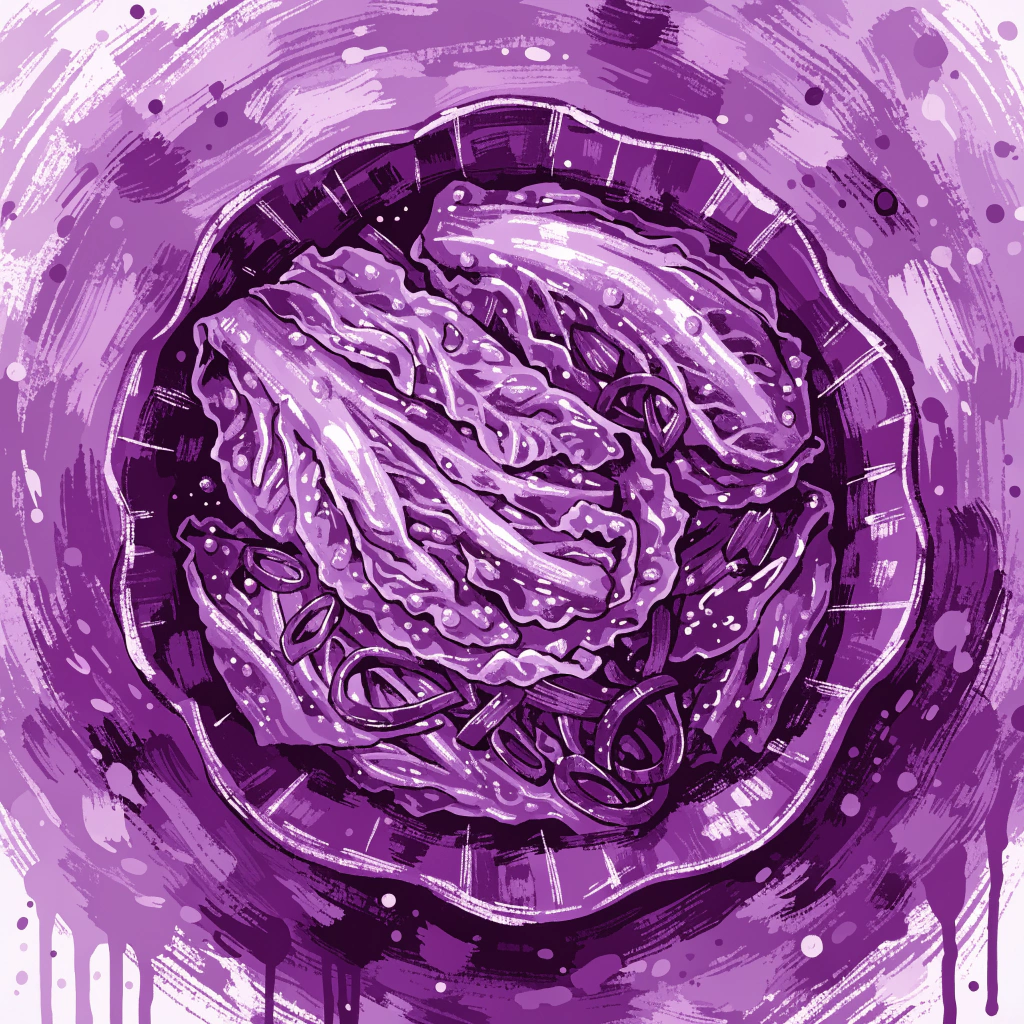
कोरिया का खास खाना: किमची
किमची कोरिया का एक बहुत खास खाना है। यह एक सब्ज़ी का पकवान है। लोग इसे बहुत पसंद करते हैं। किमची पत्ता गोभी से बनती है। इसमें कुछ और सब्ज़ियाँ भी होती हैं। यह थोड़ा तीखा होता है। कोरिया में लोग इसे रोज़ खाते हैं। किमची सेहत के लिए बहुत अच्छी होती है। यह कोरिया की पहचान भी है। बहुत साल पहले, सर्दियों में लोग सब्ज़ियाँ बचाने के लिए किमची बनाते थे। यह एक बहुत पुराना पकवान है। आज भी, हर घर में किमची मिलती है। यह कोरियाई खाने का एक ज़रूरी हिस्सा है।
व्याकरण स्पॉटलाइट
पैटर्न: संज्ञा + का/की/के + संज्ञा (संबंध)
"किमची कोरिया का एक बहुत खास खाना है।"
यह पैटर्न दो संज्ञाओं के बीच संबंध या जुड़ाव दिखाता है। 'का' पुरुषवाचक एकवचन के लिए, 'की' स्त्रीवाचक एकवचन के लिए और 'के' बहुवचन या आदर के लिए इस्तेमाल होता है। यह बताता है कि एक चीज़ दूसरी चीज़ से कैसे संबंधित है।
पैटर्न: कर्ता + कर्म + क्रिया (सामान्य वर्तमान काल)
"लोग इसे बहुत पसंद करते हैं।"
यह पैटर्न बताता है कि कोई व्यक्ति या चीज़ रोज़ाना क्या करता है या उसकी आदत क्या है। इसमें कर्ता (काम करने वाला), फिर कर्म (जिस पर काम हो रहा है) और आखिर में क्रिया (काम) आती है। क्रिया 'ता है', 'ती है', 'ते हैं' के साथ खत्म होती है।
अपनी समझ जाँचें
10 सवाल · A1 शुरुआती · 1 मुफ्त प्रीव्यू
इस लेख से आपने जो सीखा उसकी जाँच करें। सभी सवालों के जवाब दें और XP कमाएँ!
किमची कहाँ का खाना है?
क्या आप क्विज़ समाप्त करना चाहते हैं?
9 और सवाल आपका इंतज़ार कर रहे हैं। पूरा क्विज़ अनलॉक करने और XP कमाने के लिए मुफ्त साइन अप करें!
मुफ़्त साइन अप करोपहले से अकाउंट है? साइन इन करो
बहुत बढ़िया!
अभ्यास जारी रखें!
पहले से पूर्ण — कोई अतिरिक्त XP नहीं
XP कमाने के लिए साइन अप करोसवालों का विवरण
किमची कहाँ का खाना है?
आपका जवाब:
सही जवाब: कोरिया
किमची पत्ता गोभी से नहीं बनती है।
आपका जवाब:
सही जवाब: गलत
'सेहत' का मतलब क्या है?
आपका जवाब:
सही जवाब: स्वास्थ्य
लोग किमची को बहुत _____ करते हैं।
आपका जवाब:
सही जवाब: पसंद
किम्ची: कोरिया का दिल
किम्ची दक्षिण कोरिया का एक बहुत ही मशहूर और स्वादिष्ट पकवान है। यह सिर्फ एक आम खाना नहीं, बल्कि कोरिया की पहचान और उसकी संस्कृति का प्रतीक है। किम्ची एक किण्वित सब्जी का पकवान है। इसको मुख्य रूप से पत्तागोभी और मूली से बनाया जाता है। कोरिया के लोग इसे दो हज़ार साल से भी ज़्यादा समय से अपने भोजन में शामिल कर रहे हैं।
पुराने समय में, कोरिया में सर्दियाँ बहुत ठंडी होती थीं। उन दिनों में ताज़ी सब्ज़ियाँ मिलना मुश्किल था। इसलिए, लोग सब्ज़ियों को नमक लगाकर रखते थे ताकि वे ख़राब न हों। किम्ची की शुरुआत इसी तरह हुई थी – सब्ज़ियों को सुरक्षित रखने के लिए।
लगभग सत्रहवीं सदी में, लाल मिर्च कोरिया पहुँची। इस नई सामग्री ने किम्ची के स्वाद को पूरी तरह से बदल दिया। आज हम जिस लाल और मसालेदार किम्ची को जानते हैं, वह इसी समय से लोकप्रिय हुई। किम्ची अब हर कोरियाई खाने का एक ज़रूरी हिस्सा है। यह सिर्फ स्वादिष्ट ही नहीं, बल्कि सेहत के लिए भी बहुत अच्छा माना जाता है। किम्ची बनाना और खाना कोरियाई जीवन का एक महत्वपूर्ण अंग है।
व्याकरण स्पॉटलाइट
पैटर्न: से भी ज़्यादा समय से
"कोरिया के लोग इसे दो हज़ार साल से भी ज़्यादा समय से अपने भोजन में शामिल कर रहे हैं।"
यह ढाँचा बताता है कि कोई काम कितने समय से हो रहा है, खासकर जब वह एक लंबी अवधि हो। 'से भी ज़्यादा' का मतलब है 'से अधिक' या 'more than'।
पैटर्न: ताकि वे... न हों
"लोग सब्ज़ियों को नमक लगाकर रखते थे ताकि वे ख़राब न हों।"
'ताकि' का प्रयोग किसी क्रिया का उद्देश्य या कारण बताने के लिए किया जाता है। यह बताता है कि कोई काम क्यों किया गया, 'so that' के अर्थ में।
अपनी समझ जाँचें
11 सवाल · A2 बिगिनर · 1 मुफ्त प्रीव्यू
इस लेख से आपने जो सीखा उसकी जाँच करें। सभी सवालों के जवाब दें और XP कमाएँ!
किम्ची मुख्य रूप से किन सब्ज़ियों से बनता है?
क्या आप क्विज़ समाप्त करना चाहते हैं?
10 और सवाल आपका इंतज़ार कर रहे हैं। पूरा क्विज़ अनलॉक करने और XP कमाने के लिए मुफ्त साइन अप करें!
मुफ़्त साइन अप करोपहले से अकाउंट है? साइन इन करो
बहुत बढ़िया!
अभ्यास जारी रखें!
पहले से पूर्ण — कोई अतिरिक्त XP नहीं
XP कमाने के लिए साइन अप करोसवालों का विवरण
किम्ची मुख्य रूप से किन सब्ज़ियों से बनता है?
आपका जवाब:
सही जवाब: पत्तागोभी और मूली
किम्ची सिर्फ एक आम साइड डिश है और इसका कोरियाई संस्कृति से कोई खास संबंध नहीं है।
आपका जवाब:
सही जवाब: गलत
'मशहूर' शब्द का क्या अर्थ है?
आपका जवाब:
सही जवाब: प्रसिद्ध
पुराने समय में, लोग सब्ज़ियों को नमक लगाकर रखते थे ताकि वे _______ न हों।
आपका जवाब:
सही जवाब: ख़राब
कोरिया के लोग किम्ची को कितने समय से खा रहे हैं?
आपका जवाब:
सही जवाब: दो हज़ार साल से भी ज़्यादा समय से
किमची: कोरिया की पहचान और स्वाद
किमची सिर्फ एक साइड डिश नहीं है; यह कोरियाई भोजन की आत्मा है और देश की पहचान का प्रतीक है। यह किण्वित सब्जी व्यंजन, जो मुख्य रूप से पत्तागोभी और मूली से बनाया जाता है, दो हज़ार से अधिक वर्षों से कोरियाई आहार का मुख्य हिस्सा रहा है। इसका इतिहास कोरियाई प्रायद्वीप की कठोर सर्दियों के दौरान सब्जियों को संरक्षित करने की प्राचीन प्रथा में निहित है।
शुरुआत में, किमची सिर्फ नमक से संरक्षित की गई सब्जियां थीं ताकि वे खराब न हों। लेकिन, 17वीं सदी में एक क्रांतिकारी बदलाव आया जब मिर्च पाउडर को कोरिया में लाया गया। इसके बाद, किमची में लाल मिर्च, लहसुन, अदरक और अन्य मसाले मिलाए जाने लगे, जिसने इसे इसका विशिष्ट तीखा और मसालेदार स्वाद दिया। इस बदलाव ने किमची को वह रूप दिया है जिसे हम आज जानते हैं।
आज, किमची को दुनिया भर में पसंद किया जाता है। इसे अक्सर हर कोरियाई भोजन के साथ परोसा जाता है, और यह सिर्फ एक व्यंजन नहीं बल्कि एक संस्कृति है। किमची बनाने की प्रक्रिया, जिसे 'किमजांग' कहते हैं, यूनेस्को की अमूर्त सांस्कृतिक विरासत सूची में भी शामिल की गई है। यह दर्शाता है कि किमची कोरियाई लोगों के जीवन का कितना महत्वपूर्ण हिस्सा है। कई कोरियाई परिवार सर्दियों के लिए बड़ी मात्रा में किमची बनाते हैं, जिसे वे साल भर खाते हैं।
किमची के कई प्रकार हैं, जिनमें से सबसे प्रसिद्ध 'बाएछू किमची' (पत्तागोभी किमची) है। यह न केवल स्वादिष्ट है बल्कि स्वास्थ्य के लिए भी बहुत फायदेमंद मानी जाती है क्योंकि इसमें प्रोबायोटिक्स होते हैं। कोरियाई लोग मानते हैं कि किमची खाने से वे स्वस्थ रहते हैं और उनका शरीर मजबूत बनता है। यह व्यंजन सिर्फ खाने की चीज़ नहीं, बल्कि कोरिया के इतिहास, संस्कृति और लोगों के दृढ़ संकल्प का प्रतीक बन चुका है। इसने कोरियाई लोगों को एकजुट किया है और उनकी पहचान को मजबूत किया है।
व्याकरण स्पॉटलाइट
पैटर्न: कर्मवाच्य (Passive Voice)
"इसे अक्सर हर कोरियाई भोजन के साथ परोसा जाता है।"
यह संरचना दर्शाती है कि क्रिया का प्रभाव कर्ता पर नहीं, बल्कि कर्म पर पड़ रहा है। इसमें 'जाना' क्रिया का उपयोग मुख्य क्रिया के साथ किया जाता है, और कर्ता अक्सर अनुपस्थित या 'के द्वारा' के साथ होता है।
पैटर्न: संबंधवाचक उपवाक्य (Relative Clauses)
"यह किण्वित सब्जी व्यंजन, जो मुख्य रूप से पत्तागोभी और मूली से बनाया जाता है, दो हज़ार से अधिक वर्षों से कोरियाई आहार का मुख्य हिस्सा रहा है।"
ये उपवाक्य मुख्य वाक्य में किसी संज्ञा या सर्वनाम के बारे में अतिरिक्त जानकारी देते हैं। ये 'जो', 'जिसने', 'जिसे', 'जिसका' जैसे शब्दों से शुरू होते हैं और अक्सर एक सहसंबंधी सर्वनाम (जैसे 'वह', 'यह') से जुड़े होते हैं।
अपनी समझ जाँचें
11 सवाल · B1 मध्यम · 1 मुफ्त प्रीव्यू
इस लेख से आपने जो सीखा उसकी जाँच करें। सभी सवालों के जवाब दें और XP कमाएँ!
किमची मुख्य रूप से किस चीज़ से बनाई जाती है?
क्या आप क्विज़ समाप्त करना चाहते हैं?
10 और सवाल आपका इंतज़ार कर रहे हैं। पूरा क्विज़ अनलॉक करने और XP कमाने के लिए मुफ्त साइन अप करें!
मुफ़्त साइन अप करोपहले से अकाउंट है? साइन इन करो
बहुत बढ़िया!
अभ्यास जारी रखें!
पहले से पूर्ण — कोई अतिरिक्त XP नहीं
XP कमाने के लिए साइन अप करोसवालों का विवरण
किमची मुख्य रूप से किस चीज़ से बनाई जाती है?
आपका जवाब:
सही जवाब: पत्तागोभी और मूली
किमची का इतिहास 500 साल से भी कम पुराना है।
आपका जवाब:
सही जवाब: गलत
'संरक्षित' का क्या अर्थ है?
आपका जवाब:
सही जवाब: सुरक्षित रखना
किमची बनाने की प्रक्रिया को '_____' कहते हैं।
आपका जवाब:
सही जवाब: किमजांग
17वीं सदी में किमची में क्या बदलाव आया?
आपका जवाब:
सही जवाब: इसमें मिर्च पाउडर मिलाया गया
किमची: कोरियाई संस्कृति का एक अभिन्न अंग और उसकी वैश्विक पहचान
किमची, जो कि मात्र एक व्यंजन से कहीं अधिक है, कोरियाई पाक कला की आत्मा तथा राष्ट्र की पहचान का प्रतीक है। यह किण्वित सब्जी व्यंजन, जिसमें आमतौर पर पत्तागोभी (नापा कैबेज) और मूली का उपयोग होता है, दो हज़ार से भी अधिक वर्षों से कोरियाई आहार का एक प्रमुख हिस्सा रहा है। इसकी जड़ें कोरियाई प्रायद्वीप की कठोर सर्दियों के दौरान सब्जियों को संरक्षित करने की प्राचीन प्रथा में निहित हैं। यह प्रथा, जिसे 'किमजांग' के नाम से जाना जाता है, केवल भोजन को बचाने का एक तरीका नहीं थी, बल्कि सामुदायिक एकजुटता और साझा प्रयासों का भी प्रतीक थी।
प्रारंभ में, किमची केवल नमक मिलाकर सब्जियों को सड़ने से बचाने का एक सरल तरीका था। इसमें मसालों का उपयोग सीमित था, और इसका स्वाद आज की किमची से काफी भिन्न था। तथापि, 17वीं शताब्दी में एक क्रांतिकारी परिवर्तन आया जब दक्षिण अमेरिका से मिर्च पाउडर (गोंचूगारू) कोरिया पहुंचा। इस नए और तीखे घटक ने किमची के स्वाद और रंग में एक अभूतपूर्व बदलाव ला दिया, जिससे यह आज के विशिष्ट लाल और मसालेदार रूप में विकसित हो गया। इसके अतिरिक्त, लहसुन, अदरक, हरी प्याज, और विभिन्न प्रकार के समुद्री भोजन जैसे मसालों के समावेश ने इसे और भी जटिल, गहरा और स्वादिष्ट बना दिया, जो इसकी अनूठी पहचान का आधार बना।
किमची केवल भोजन नहीं है; यह कोरियाई लोगों के लिए सामुदायिक भावना, पारिवारिक परंपराओं और सांस्कृतिक विरासत का प्रतीक है। हर परिवार की अपनी अनूठी किमची बनाने की विधि होती है, जो पीढ़ियों से चली आ रही है और एक गोपनीय नुस्खे की तरह संभाली जाती है। विभिन्न क्षेत्रों में, जलवायु, उपलब्ध स्थानीय सामग्रियों और क्षेत्रीय प्राथमिकताओं के आधार पर किमची की सैकड़ों किस्में पाई जाती हैं। उदाहरण के लिए, उत्तरी कोरिया में कम तीखी और नमकीन किमची पसंद की जाती है, जबकि दक्षिणी क्षेत्रों में समुद्री भोजन के साथ अधिक मसालेदार और तीखे संस्करण लोकप्रिय हैं। यह विविधता कोरियाई खाद्य संस्कृति की समृद्धि को दर्शाती है।
आधुनिक विज्ञान ने भी किमची के स्वास्थ्य लाभों को व्यापक रूप से स्वीकार किया है। किण्वन प्रक्रिया के परिणामस्वरूप इसमें प्रोबायोटिक्स भरपूर मात्रा में उत्पन्न होते हैं, जो पाचन तंत्र के लिए अत्यंत लाभकारी हैं और आंत के स्वास्थ्य को बढ़ावा देते हैं। इसके अतिरिक्त, किमची में विटामिन ए, बी, और सी के साथ-साथ कैल्शियम और आयरन जैसे खनिज भी प्रचुर मात्रा में पाए जाते हैं, जो प्रतिरक्षा प्रणाली को मजबूत करते हैं और शरीर को विभिन्न बीमारियों से लड़ने में मदद करते हैं। आज, किमची की लोकप्रियता कोरिया की सीमाओं से परे वैश्विक स्तर पर फैल चुकी है, और इसे दुनिया के सबसे स्वास्थ्यप्रद और पौष्टिक खाद्य पदार्थों में से एक माना जाता है। संयुक्त राष्ट्र शैक्षिक, वैज्ञानिक तथा सांस्कृतिक संगठन (यूनेस्को) ने भी किमची बनाने की प्रक्रिया, जिसे 'किमजांग' के नाम से जाना जाता है, को अमूर्त सांस्कृतिक विरासत के रूप में मान्यता दी है, जो इसके गहरे सांस्कृतिक और सामाजिक महत्व को रेखांकित करता है।
संक्षेप में, किमची सिर्फ एक साइड डिश नहीं है, बल्कि यह कोरिया के इतिहास, संस्कृति और लोगों के जीवन का एक अविभाज्य अंग है। इसका विकास खाद्य संरक्षण की आवश्यकता से शुरू होकर एक वैश्विक पाक घटना तक पहुंच गया है, जो इसकी बहुआयामी पहचान को दर्शाता है और इसे कोरियाई राष्ट्र की आत्मा के रूप में स्थापित करता है।
व्याकरण स्पॉटलाइट
पैटर्न: जो कि... से कहीं अधिक है
"किमची, जो कि मात्र एक व्यंजन से कहीं अधिक है, कोरियाई पाक कला की आत्मा तथा राष्ट्र की पहचान का प्रतीक है।"
यह संरचना किसी वस्तु या विचार के महत्व को रेखांकित करने के लिए प्रयोग की जाती है, यह दर्शाने के लिए कि वह अपनी सामान्य परिभाषा से कहीं बढ़कर है। इसमें 'जो कि' सापेक्ष सर्वनाम के रूप में कार्य करता है और 'से कहीं अधिक' तुलनात्मकता व्यक्त करता है।
पैटर्न: ...की जड़ें... में निहित हैं
"इसकी जड़ें कोरियाई प्रायद्वीप की कठोर सर्दियों के दौरान सब्जियों को संरक्षित करने की प्राचीन प्रथा में निहित हैं।"
यह मुहावरा किसी चीज़ के मूल कारण, उत्पत्ति या आधार को व्यक्त करने के लिए उपयोग होता है। 'जड़ें' किसी आधारभूत तत्व को दर्शाती हैं और 'निहित होना' किसी चीज़ के अंदर समाहित होने या उसमें स्थित होने का भाव देता है।
पैटर्न: ...के परिणामस्वरूप... उत्पन्न होते हैं
"किण्वन प्रक्रिया के परिणामस्वरूप इसमें प्रोबायोटिक्स भरपूर मात्रा में उत्पन्न होते हैं।"
यह संरचना किसी क्रिया या घटना के कारण होने वाले परिणाम को स्पष्ट करने के लिए प्रयुक्त होती है। 'के परिणामस्वरूप' कारण-परिणाम संबंध को दर्शाता है, जबकि 'उत्पन्न होना' किसी चीज़ के बनने या पैदा होने का बोध कराता है।
अपनी समझ जाँचें
11 सवाल · B2 अपर इंटरमीडिएट · 1 मुफ्त प्रीव्यू
इस लेख से आपने जो सीखा उसकी जाँच करें। सभी सवालों के जवाब दें और XP कमाएँ!
किमची की जड़ें किस प्राचीन प्रथा में निहित हैं?
क्या आप क्विज़ समाप्त करना चाहते हैं?
10 और सवाल आपका इंतज़ार कर रहे हैं। पूरा क्विज़ अनलॉक करने और XP कमाने के लिए मुफ्त साइन अप करें!
मुफ़्त साइन अप करोपहले से अकाउंट है? साइन इन करो
बहुत बढ़िया!
अभ्यास जारी रखें!
पहले से पूर्ण — कोई अतिरिक्त XP नहीं
XP कमाने के लिए साइन अप करोसवालों का विवरण
किमची की जड़ें किस प्राचीन प्रथा में निहित हैं?
आपका जवाब:
सही जवाब: सब्जियों को संरक्षित करने
17वीं शताब्दी में मिर्च पाउडर के आने से पहले किमची का स्वाद आज जैसा ही तीखा था।
आपका जवाब:
सही जवाब: गलत
'अभूतपूर्व' शब्द का अर्थ क्या है?
आपका जवाब:
सही जवाब: अद्वितीय या असाधारण
किण्वन प्रक्रिया के परिणामस्वरूप किमची में ______ भरपूर मात्रा में उत्पन्न होते हैं।
आपका जवाब:
सही जवाब: प्रोबायोटिक्स
यूनेस्को ने किमची बनाने की किस प्रक्रिया को अमूर्त सांस्कृतिक विरासत के रूप में मान्यता दी है?
आपका जवाब:
सही जवाब: किमजांग
Kimchi: The Fermented Soul of a Nation and the Politics of Taste
Seldom has a single dish so profoundly encapsulated the collective consciousness of a nation as kimchi does for South Korea. More than a mere accompaniment to a meal, this fermented vegetable preparation serves as a quintessential marker of Korean identity, transcending its utilitarian origins as a survival strategy. Historically, the preservation of vegetables was a necessity born of the peninsula's unforgiving winters. What began as simple salting evolved into a complex gastronomic art form, particularly following the 17th-century introduction of chili peppers, which catalyzed a revolutionary shift in the dish's flavor profile and aesthetic appeal.
It is the communal nature of 'Kimjang'—the traditional process of preparing large quantities of kimchi for winter—that perhaps best illustrates the dish's socio-cultural significance. This practice, recently inscribed on the UNESCO Representative List of the Intangible Cultural Heritage of Humanity, fosters a sense of belonging and reinforces social cohesion. In an era dominated by rapid urbanization and the atomization of the family unit, the persistence of Kimjang represents a defiant resilience against the erasure of tradition. The meticulous preparation required, involving the rhythmic layering of spices between cabbage leaves, serves as a meditative link between generations.
Furthermore, the commodification of kimchi in the global marketplace has sparked nuanced debates regarding authenticity and cultural ownership. As kimchi gains ubiquitous status in Western health-conscious circles, praised for its probiotic benefits, the discourse has shifted toward protecting its cultural integrity. The globalization of the dish has necessitated a delicate balance between commercial expansion and the preservation of traditional methodologies. Critical analysis suggests that while the international popularity of kimchi enhances South Korea's soft power, it also risks the dilution of the dish's historical context.
Nevertheless, the paradigm of kimchi continues to shift. Modern iterations experiment with fusion flavors, yet the core essence remains anchored in the fermentation process—a slow, biological transformation that mirrors the nation's own historical endurance. Ultimately, kimchi is not just food; it is a narrative of adaptation and a testament to the enduring power of culinary heritage in a globalized world.
व्याकरण स्पॉटलाइट
पैटर्न: Negative Inversion
"Seldom has a single dish so profoundly encapsulated the collective consciousness of a nation as kimchi does for South Korea."
This structure moves a negative or restrictive adverbial (Seldom) to the front for emphasis, requiring the auxiliary verb (has) to come before the subject (a single dish).
पैटर्न: Cleft Sentence
"It is the communal nature of 'Kimjang'... that perhaps best illustrates the dish's socio-cultural significance."
Cleft sentences are used to focus on specific information. 'It is [subject] + that/who' highlights the communal nature as the primary factor of importance.
पैटर्न: Nominalisation
"The commodification of kimchi in the global marketplace has sparked nuanced debates."
Nominalisation turns verbs or adjectives into nouns (e.g., preservation, commodification). This is common in C1 level writing to create a more objective, academic, and dense tone.
अपनी समझ जाँचें
12 सवाल · C1 उन्नत · 1 मुफ्त प्रीव्यू
इस लेख से आपने जो सीखा उसकी जाँच करें। सभी सवालों के जवाब दें और XP कमाएँ!
According to the article, what was the primary catalyst for the change in kimchi's flavor in the 17th century?
क्या आप क्विज़ समाप्त करना चाहते हैं?
11 और सवाल आपका इंतज़ार कर रहे हैं। पूरा क्विज़ अनलॉक करने और XP कमाने के लिए मुफ्त साइन अप करें!
मुफ़्त साइन अप करोपहले से अकाउंट है? साइन इन करो
बहुत बढ़िया!
अभ्यास जारी रखें!
पहले से पूर्ण — कोई अतिरिक्त XP नहीं
XP कमाने के लिए साइन अप करोसवालों का विवरण
According to the article, what was the primary catalyst for the change in kimchi's flavor in the 17th century?
आपका जवाब:
सही जवाब: The introduction of chili peppers
The author argues that the globalization of kimchi has only positive effects on its cultural history.
आपका जवाब:
सही जवाब: गलत
Which word describes something that is found everywhere?
आपका जवाब:
सही जवाब: Ubiquitous
The traditional process of preparing large quantities of kimchi is known as _____.
आपका जवाब:
सही जवाब: Kimjang
How does the author characterize the role of Kimjang in modern society?
आपका जवाब:
सही जवाब: A defiant resilience against tradition's erasure
Kimchi was originally developed as a survival strategy for harsh winters.
आपका जवाब:
सही जवाब: सही
The Ontological Significance of Kimchi: Fermentation as a Cultural Paradigm
To relegate kimchi to the status of a mere condiment would be to overlook its profound ontological significance within the Korean zeitgeist. For over two millennia, this fermented vegetable preparation has transcended its utilitarian origins as a preservation method to become an inextricable component of national identity. While its primordial iterations involved simple lacto-fermentation of radishes and greens in brine, the 17th-century introduction of chili peppers from the New World catalyzed a culinary metamorphosis, resulting in the vibrant, piquant aesthetic we recognize today.
Should one deconstruct the multifaceted layers of Korean social structure, one would inevitably encounter the ritual of Kimjang. This communal practice, recently inscribed on the UNESCO Representative List of the Intangible Cultural Heritage of Humanity, involves the collective preparation of massive quantities of kimchi to sustain households through the winter months. It is imperative that the cultural sanctity of Kimjang be preserved, as it fosters a sense of social cohesion that mitigates the atomization often found in hyper-modernized urban environments. The process is not merely transactional; it is a symbiotic exchange of labor and tradition that reinforces familial and neighborhood bonds.
From a biochemical perspective, the efficacy of kimchi as a probiotic powerhouse is well-documented. The fermentation process, facilitated by various strains of Leuconostoc and Lactobacillus, creates a complex flavor profile characterized by a nuanced acidity and an underlying umami depth. However, it is the resilience of the dish—its ability to adapt to regional microclimates and seasonal availability—that underscores its ubiquity. Whether it be the fiery 'baechu-kimchi' of the central regions or the seafood-infused varieties of the southern coast, each iteration reflects a specific geographical proclivity.
Modernity has, paradoxically, both challenged and bolstered the status of kimchi. While the convenience of industrialized production threatens the artisanal nuances of home-made batches, a globalized interest in fermented foods has elevated kimchi to a prestigious position in international haute cuisine. It would appear that kimchi has successfully navigated the transition from a localized necessity to a global superfood without losing its essential character. Not only does it serve as a nutritional staple, but it also functions as a semiotic marker of 'Koreanness' in an increasingly homogenous world.
In conclusion, kimchi is far more than an accompaniment to a meal; it is a living testament to historical continuity and adaptive ingenuity. Its enduring presence suggests that even in the face of rapid technological advancement, the fundamental human need for connection—both to the earth and to one's community—remains paramount. As long as the pungent aroma of fermenting cabbage remains a fixture in Korean households, the cultural spirit of the peninsula will continue to thrive, undiminished by the passage of time.
व्याकरण स्पॉटलाइट
पैटर्न: Subjunctive Mood
"It is imperative that the cultural sanctity of Kimjang be preserved."
The subjunctive mood is used here to express a demand or necessity. The base form of the verb 'be' is used regardless of the subject's person or number.
पैटर्न: Inversion for Emphasis
"Not only does it serve as a nutritional staple, but it also functions as a semiotic marker."
When a sentence begins with a negative or restrictive expression like 'Not only,' the auxiliary verb 'does' precedes the subject 'it' to create a more formal and emphatic tone.
पैटर्न: Mixed/Hypothetical Conditional
"Should one deconstruct the multifaceted layers of Korean social structure, one would inevitably encounter the ritual of Kimjang."
This uses 'Should' at the beginning of the clause to replace 'If' in a formal, hypothetical conditional statement (First/Second conditional hybrid for formal prose).
अपनी समझ जाँचें
12 सवाल · C2 महारत · 1 मुफ्त प्रीव्यू
इस लेख से आपने जो सीखा उसकी जाँच करें। सभी सवालों के जवाब दें और XP कमाएँ!
According to the article, what was the primary catalyst for the change in kimchi's aesthetic in the 17th century?
क्या आप क्विज़ समाप्त करना चाहते हैं?
11 और सवाल आपका इंतज़ार कर रहे हैं। पूरा क्विज़ अनलॉक करने और XP कमाने के लिए मुफ्त साइन अप करें!
मुफ़्त साइन अप करोपहले से अकाउंट है? साइन इन करो
बहुत बढ़िया!
अभ्यास जारी रखें!
पहले से पूर्ण — कोई अतिरिक्त XP नहीं
XP कमाने के लिए साइन अप करोसवालों का विवरण
According to the article, what was the primary catalyst for the change in kimchi's aesthetic in the 17th century?
आपका जवाब:
सही जवाब: The introduction of chili peppers from the New World
The author suggests that industrialization has only had a negative impact on the status of kimchi.
आपका जवाब:
सही जवाब: गलत
Which word describes a subtle difference in meaning or flavor?
आपका जवाब:
सही जवाब: Nuance
The ritual of Kimjang is described as a _____ exchange of labor and tradition.
आपका जवाब:
सही जवाब: symbiotic
What does the author identify as a potential threat to the artisanal quality of kimchi?
आपका जवाब:
सही जवाब: Industrialized production
The article claims that kimchi serves as a semiotic marker of 'Koreanness'.
आपका जवाब:
सही जवाब: सही

